


Free written scope consultation - allowances, timeline, and change-order rules on paper before a single trade is scheduled
Styles & brands we work with
- Kitchen remodeling
- Bathroom remodeling
- Home additions & ADU
- Roofing
- Windows & doors
- Driveway & pavers
- Fence
See the difference
 Before
 After
 Before
 After
 Before
 After
How Deep Should Fence Posts Be in Long Beach, CA?
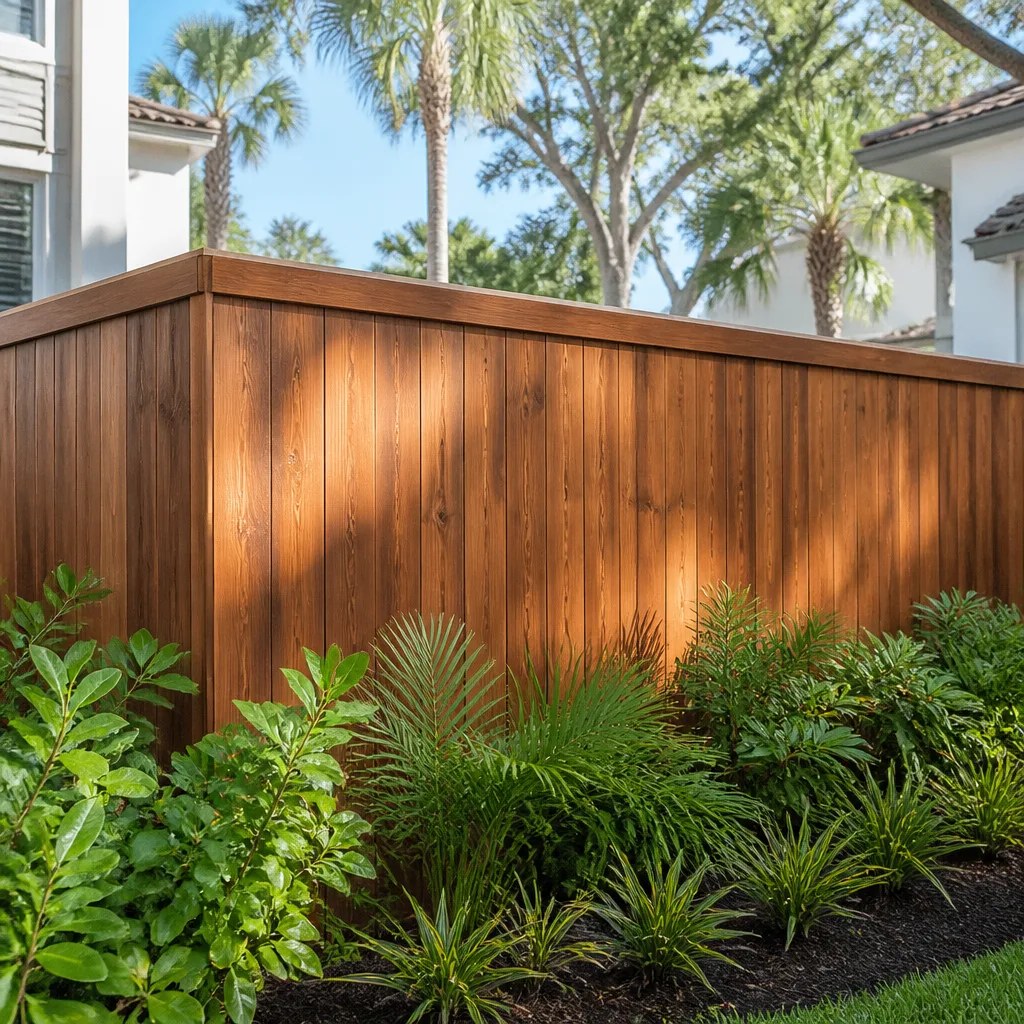
The short answer: a 6-foot wood fence needs posts set a minimum of 24 inches deep under Long Beach city code, and most residential fences in this city call for 24 to 36 inches. That’s the number that passes inspection. It is not always the number that keeps your fence standing through a Santa Ana wind event on coastal clay. The one-third rule (bury one-third of the post’s above-ground height) is a starting point, not an answer, and in Long Beach starting points get fences replaced twice. If you want the depth figured against your specific soil and site rather than a national guide, call (888) 345-8164 for a free estimate.
Why the One-Third Rule Falls Short in Long Beach Soil
National fencing guides assume stable, well-drained dirt. Long Beach doesn’t hand you that. The city’s coastal clay zones – and parcels near the LA River corridor – sit on expansive soils that swell when we get one of our rare rain events and then contract hard through the dry season. Each wet-dry cycle works a post loose in a way that sandy inland soil never does. Bury a post 24 inches in that clay and it can still lean within a couple of seasons, because the soil itself is moving around the concrete collar, not just pressing on it.
Flip the scenario. In the looser, sandier pockets near the shoreline, expansive clay isn’t the problem – lateral support is. There, a shallow footing that would be fine in dense clay gives way under wind load. The failure mode changes with the soil type, and so does the depth and the concrete collar you need. Same city, same 6-foot fence, different answer depending on which parcel you’re standing on.
Coastal Clay vs. Sandy Soil: What Changes the Depth
- Coastal clay: Swells and shrinks seasonally, so the footing needs to sit below the active moisture layer or be widened to resist lifting. Depth isn’t the whole fix; the concrete bell at the base matters too.
- Sandy coastal soil: Drains fast and provides less lateral resistance, so wind load becomes the deciding factor and posts go deeper with larger footings.
- Mixed or fill soil: Common on older lots where a previous owner regraded. A test hole before the first post goes in tells you which of the above you’re actually dealing with.
- Sloped or retaining-wall-adjacent lots: The bearing capacity on the downhill side is far lower, which can push the footing to an engineered depth the code minimum doesn’t cover.
What Long Beach City Code Actually Requires
Long Beach requires a minimum post depth of 24 inches for a standard 6-foot wood fence. That’s the floor, not the ceiling. When a soil report, a slope, or a retaining wall near the fence line changes the load picture, the footing needs to be engineered to that site – a distinction the generic guides skip entirely. Building to the code minimum on a lot the code minimum never anticipated is how a fence ends up on a neighbor’s lawn after a windstorm.
| Fence type | Typical post depth | When it goes deeper |
|---|---|---|
| 6-ft wood privacy fence | 24-30 in. | Expansive clay, slope, retaining wall |
| 6-ft vinyl or composite | 24-36 in. | Sandy soil, high wind exposure |
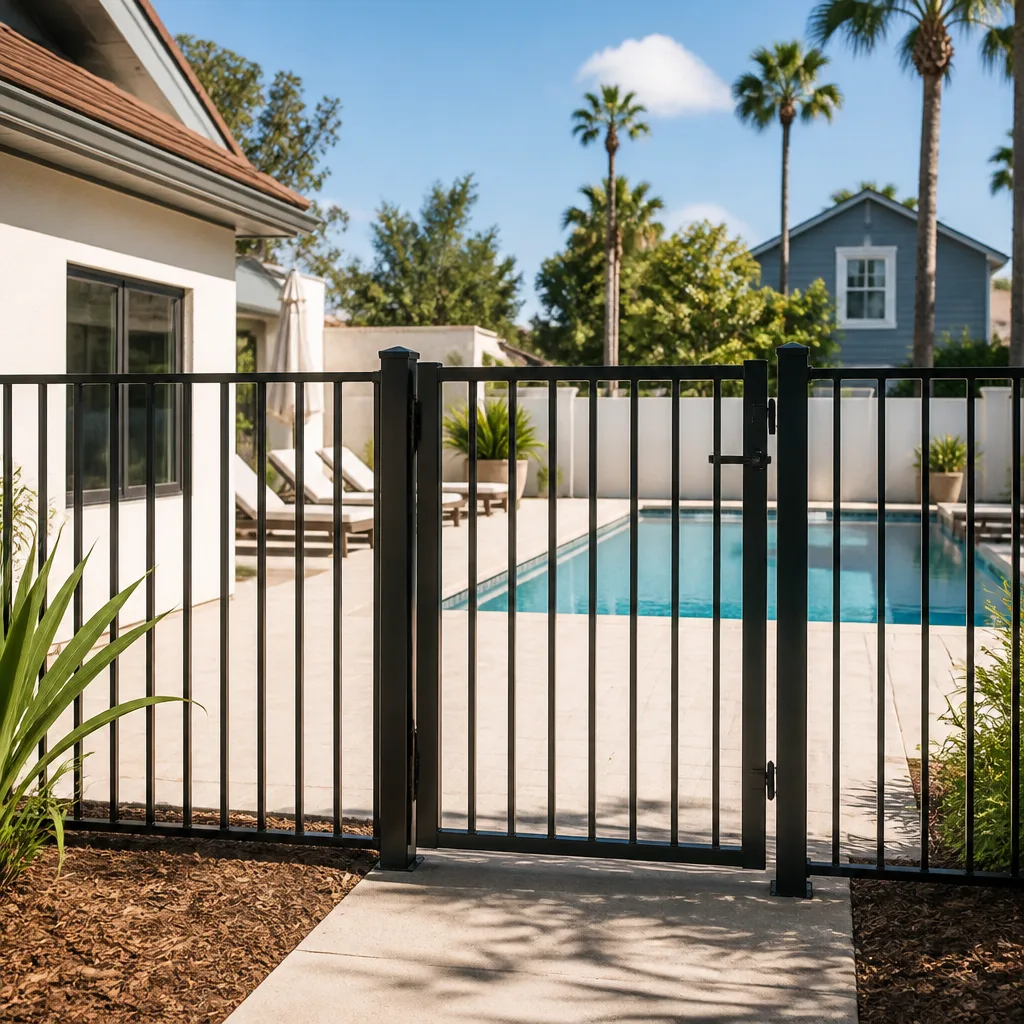
| Aluminum / ornamental | 24-30 in. | Loose fill or coastal sand |
| Wind-exposed panels | 30-36 in. | Open corner lots, near-shore parcels |
The common thread: your code minimum is 24 inches. Your soil and your wind exposure decide whether 24 is enough. Those are the two variables a local contractor reads before any concrete gets poured – and the two that affect the final price. Vinyl Fence Installation in Long Beach currently runs $3,500-$9,000 for most residential jobs, and depth, footing size, and any remnant concrete you discover drive where in that range you land.
The Santa Ana Wind Factor Nobody Mentions
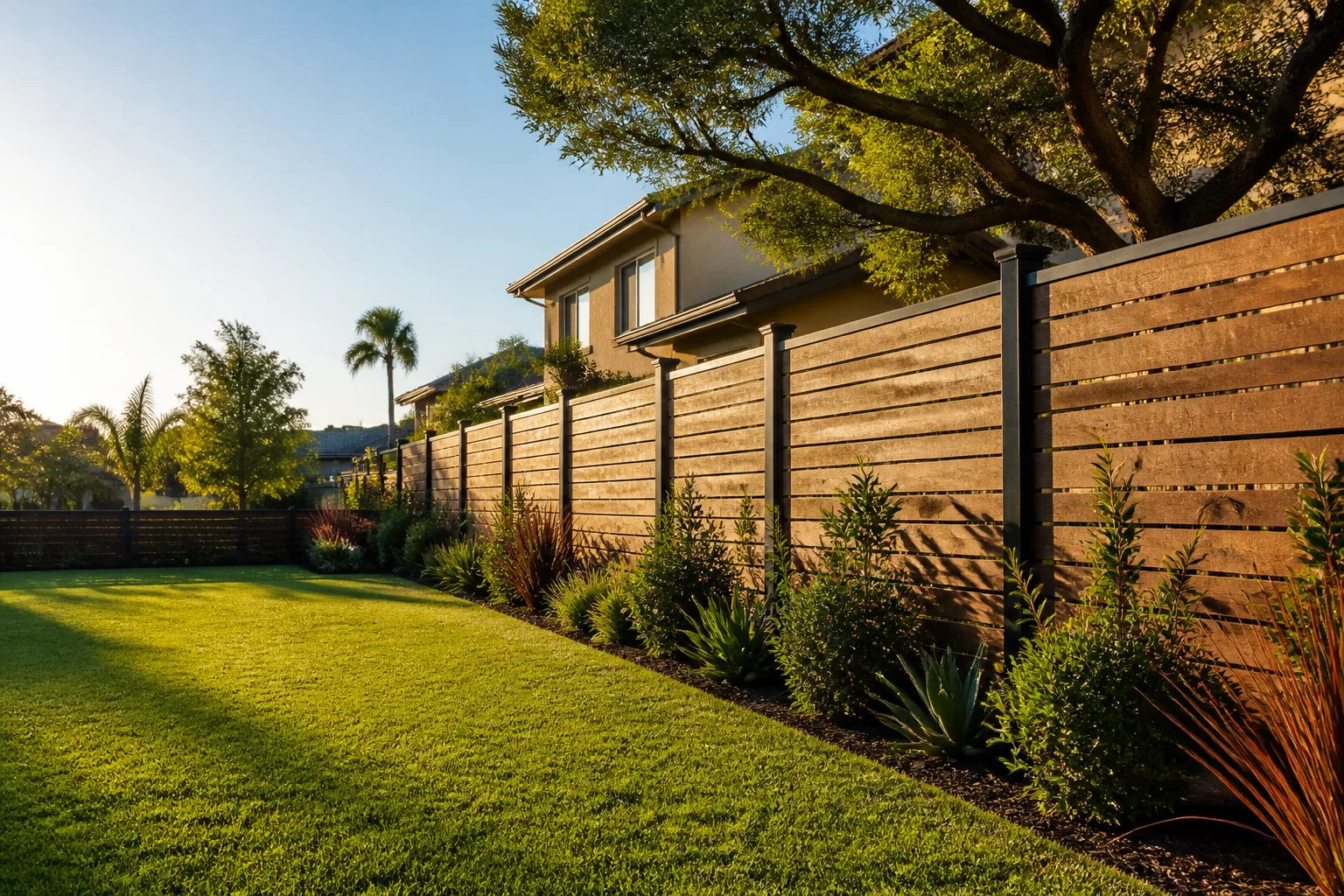
Long Beach doesn’t get the sustained gales that hit the canyons, but the Santa Ana events that push through do deliver hard, unpredictable gusts, and a tall fence panel is essentially a sail catching them. Every gust hands off lateral force to the post footing. Under a 6-foot panel, that force wants to tip the post toward the downwind side – and the first failure point on a marginal footing is the loose or sandy soil at the base, not the post or the panel itself.
Wind engineering logic is simple even if the math isn’t: a deeper post with a wider concrete footprint at the bottom spreads the lateral load over more soil. Shallow posts on a coastal sand parcel with a tall panel are a wind problem waiting for the right August afternoon. That’s why wind exposure – not just soil – has to be in your depth decision. Our technicians have up to 12 years of experience reading both, and every project from home fences to full backyard builds sits under the 730-Day Done Right Promise – if the fence we set isn’t done right, we make it right.
What a Site Read Looks Like Before the First Post
Depth doesn’t get decided at the supply yard. It gets decided on your lot, before the auger touches dirt. On every fence project our background-checked, uniformed crews run the same three checks first:
- Soil type: A test hole reveals whether you’re on expansive clay, sandy fill, or something mixed that needs a wider footing.
- Underground utilities: Gas, water, sewer, and irrigation lines get located before digging, especially on older lots where records are thin or just wrong.
- Footing spec: The depth and concrete collar get confirmed against the soil and wind exposure, not just the 24-inch code minimum, before the first hole is dug.
Then there’s the surprise nobody budgets for: on older Long Beach bungalow lots – the 1920s-40s Spanish Colonial and Craftsman stock across neighborhoods like Rose Park and Belmont Heights – we regularly find remnant concrete from a prior fence footing or an un-permitted slab under the fence line. That has to be cored or broken out before you can hit proper depth, and it changes both the schedule and the cost. Contractors who skip the site read discover it on demo day, mid-project, with your fence half-down.
Local Scenarios We See Over and Over
A corner lot with an open wind path. The panel catches gusts fore and aft, so the footing spec runs deeper and heavier than a mid-block fence on the same block.
A parcel three streets from the water in Belmont Heights. The salt air off the Port of Long Beach eats fasteners and hastens rot in exterior wood. We spec corrosion-resistant hardware and treat depth and footing together, because a post that fails isn’t usually breached by the wind – it’s softened at the base by moisture first.
A lot with a fence line running near a slope or retaining wall. Bearing capacity drops on the downhill side, and the 24-inch minimum may not hold. That’s where an engineered footing earns its keep.
A 1950s-70s stucco fourplex with an old fence on a shared property line. Property-line fences get the same depth logic, plus coordination on where the footing sits relative to the line.
When you’re ready to get it set right the first time, our Fence Installation crews bring the same upfront, no-surprises pricing to every post – the number we quote is the number you pay.
FAQs
A 6-foot fence needs posts at least 24 inches deep to meet Long Beach city code, and most residential jobs here run 24 to 36 inches depending on soil and wind exposure. On expansive clay or a slope, 30 inches or more with a wider concrete footing is often the safer call. Call (888) 345-8164 for an exact quote against your lot – estimates are free.
Often yes. Expansive coastal clay swells with rain and shrinks in the dry season, so a shallow post can work loose as the soil moves. Setting the footing below the active moisture layer, or widening the concrete bell, keeps a clay-soil fence standing. The depth should be read on site, not assumed from a national guide.
Reset or re-footed posts typically fall within a fence job’s broader range – vinyl fence work in Long Beach runs $3,500-$9,000, and reposting several sections lands near the low end unless you’re replacing the whole run. Depth issues caught early cost far less than a full redo after a lean. Call (888) 345-8164 for a no-hassle quote.
Yes. Every project starts with a site read: utility locating, a soil check, and a confirmed footing spec before the first hole is dug. That’s how we avoid the remnant-concrete and line-hit surprises that blow up projects on demo day. Call (888) 345-8164 to schedule a free estimate and we’ll take it from there.
If you’d rather have it looked at, Groundwork Construction Co. of Long Beach offers a no-pressure assessment in Long Beach – we read your soil, your wind exposure, and your lot before we quote a single post – call (888) 345-8164 for a free estimate.
Written by the team at Groundwork Construction Co. of Long Beach, serving Long Beach, CA.


