


Free written scope consultation - allowances, timeline, and change-order rules on paper before a single trade is scheduled
Styles & brands we work with
- Kitchen remodeling
- Bathroom remodeling
- Home additions & ADU
- Roofing
- Windows & doors
- Driveway & pavers
- Fence
See the difference
 Before
 After
 Before
 After
 Before
 After
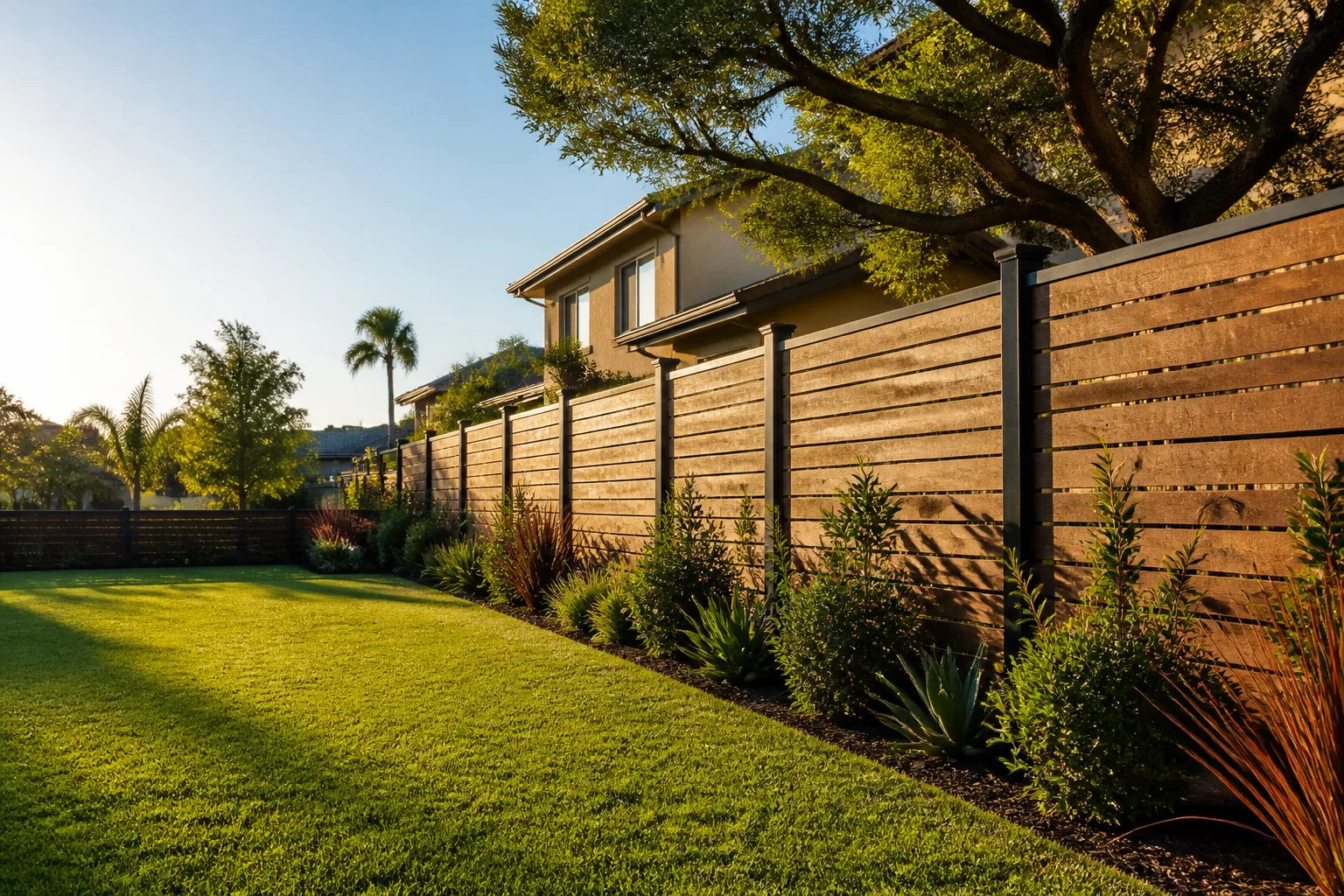
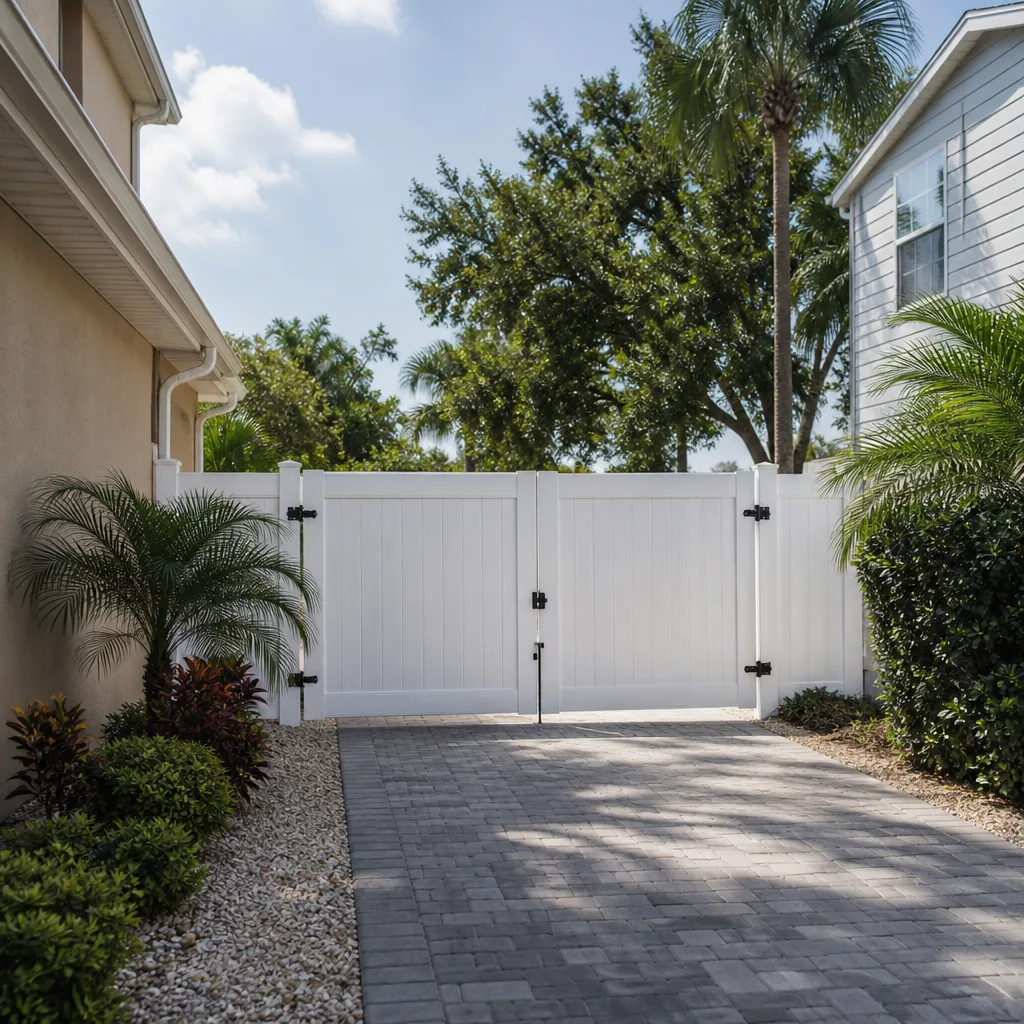
If your fence post is leaning and you’ve had it re-tamped before, the problem isn’t the post. It’s what’s happening three feet underground. In most of Long Beach, a leaning post traces back to one of three things: expansive clay soil that swells and shrinks with the city’s drought-and-irrigation cycle, a footing that was hand-dug and under-sized decades ago, or a rotten base that failed right at the grade line where the marine layer keeps the wood damp. Match the actual cause, and the fix holds. Guess wrong, and you’ll be back out there with a tamper bar next spring.
This isn’t a job to skip the diagnosis on. The wrong “fix” wastes money on a post that was already too far gone, or resets a footing that was never going to support a six-foot fence in this soil anyway. Some of it you can check yourself. Some of it should go to a pro. Here’s how to tell the difference.
First, figure out which of the three problems you actually have
A leaning post in Long Beach is almost never a single problem. It’s one of three failures, and each one takes a different fix. Read the post like a diagnostic chart before you touch a shovel.
- Rotten at grade. Push a screwdriver into the post at soil level. If it sinks more than a quarter inch, the wood is gone at the point where air, moisture, and soil all meet. The post is done. Replace it.
- Undersized footing. The post is solid, the concrete looks intact, but the whole assembly has walked out of plumb. That’s a footing that’s too small or too shallow for the load, and it was probably dug by hand when the house went up.
- Cracked concrete collar. There’s a visible gap or fracture between the post and its concrete collar, often with soil pulled away in a ring. The footing shifted and separated. You remove and reset the whole assembly.
Those are three different jobs. Re-tamping works on none of them permanently. It packs soil around a post that’s already losing its footing, which is why the lean comes back the first time the ground moves.
Why Long Beach soil makes re-tamping a losing bet
Long Beach sits on clay-heavy soil zones that behave differently depending on how wet they are. When the ground is dry, which is most of the year here, that clay shrinks and pulls away from the footing. The gap opens up. Then irrigation comes back on, or a stretch of winter rain finally lands, and the clay swells back against the concrete and pushes it. That cycle of shrink and swell is what walks posts out of plumb. You can tamp all you want. You’re fighting a moving soil, and the soil wins.
The marine layer and salt air off the Port of Long Beach add a second problem. Exterior wood and fasteners take a beating here, so a post that looks fine above grade can be soft three inches down. That’s why the screwdriver test matters: the rot is often hiding at the one point you can’t see from the sidewalk.
In the older bungalows around Rose Park and Belmont Heights, we regularly find footings that were hand-dug and under-sized when the house was built. Those posts sat fine for decades because the load was light and nothing was pushing them. Spend a few dry seasons with a sprinkler hitting the same spot, and the failure shows up all at once. That’s the pattern we see most on the older residential lots around Long Beach, and it’s why a footing that “used to be fine” stops being fine.
How deep should a fence post go in Long Beach? What the code actually requires
The rule of thumb Long Beach inspectors work from: bury at least one-third of the total post length, with a minimum of 24 inches for a six-foot fence. So a six-foot post needs three feet below grade to clear the minimum safely. A taller fence needs deeper footings.
Here’s the part most homeowners never hear. Footings installed from the 1950s through the 1970s, when a lot of Long Beach’s fourplexes and garden apartments went in, often fall short of current spec. They were dug by hand to whatever depth the crew had time for, sometimes 12 or 16 inches, and they passed then because nobody was checking. When you reset a post, you’re bringing that one footing up to today’s standard. That’s a good thing, but it means the depth of the hole isn’t a detail. It’s the whole job.
Set the post in concrete, not packed dirt, and crown the concrete slightly so water runs off instead of pooling at the base. That single detail is what keeps salt air and irrigation from rotting the post out from underneath you.
What it costs to fix a leaning fence post in Long Beach
Most single-post repairs in Long Beach run $350 to $900 depending on whether the footing gets re-poured or the whole section is reset. A larger job that resets several posts or replaces a run of fence, which is what most homeowners end up needing once they look closely, runs $3,500 to $9,000 for vinyl or wood. Pricing is upfront, so the number you see is the number you pay.
| Job | Typical Long Beach range |
|---|---|
| Single post reset (new concrete footing) | $350 - $900 |
| Replace rotten post at grade | $250 - $600 |
| Section reset (several posts) | $1,200 - $3,000 |
| Full vinyl fence installation | $3,500 - $9,000 |
| Full aluminum fence installation | $4,000 - $10,000 |
Those numbers hold because the labor is the same whether you reset one post or ten. The material is the variable. And if you’re pricing out a full run, look at it alongside a proper Fence Installation in Long Beach so you’re comparing resets to replacement on the same footing. Our full Fence Installation page covers materials and what drives cost across vinyl, aluminum, and wood.
When a leaning post crosses into permit territory
Most single-post repairs don’t need a permit. But if you’re replacing more than 50 percent of a fence, and a lot of Long Beach lots sit in Coastal Zone or have historic-district overlays, you may trigger a permit review that a simple DIY re-post project can accidentally cross. That’s a real risk on the older bungalow lots around Rose Park and Belmont Heights. Replacing the whole run to match the new posts looks clean until you’re standing in front of a plan reviewer. Know the threshold before you buy material, or let someone who does check it for you. The permitting stack on Long Beach lots adds up fast, and a fence isn’t the place to find out the hard way.
Is your leaning post a liability issue?
Usually yes. A leaning post that’s also pulling on a gate latch, or lifting a concrete pad at its base, is a problem that can shift into something bigger. A post that fails suddenly can take a gate down, crack a pad, or open a gap a pet or a kid gets through. Call someone the moment you notice it, not Monday morning. Live people answer the phone at Groundwork Construction Co. of Long Beach around the clock, so you’re not leaving a message and hoping. Our technicians have up to 12 years of experience installing and resetting fences across Long Beach, and every job carries our 730-Day Done Right Promise. If it’s not done right, we make it right.
Frequently asked questions
For a single post that’s rotted at grade and easy to reach, yes, a homeowner can dig it out and reset it in fresh concrete. But if the post is solid and the lean is the whole footing moving, the fix is a deeper pour and a larger footing than the old one, and that’s where DIY tends to come up short. The wrong fix costs more when the lean returns.
Most single-post repairs in Long Beach fall between $350 and $900. A section reset runs $1,200 to $3,000, and a full replacement in vinyl or aluminum is $3,500 to $9,000. Call (888) 345-8164 for an exact quote; estimates are free.
Because re-tamping packs soil around a post whose footing is already under-sized, and the clay soil in Long Beach keeps moving. The soil shrinks when it’s dry and swells when irrigation restarts, walking the post out of plumb again within a season or two. The fix that holds is a properly sized concrete footing, not packed dirt.
Not for a single-post repair, but if you’re replacing more than half the fence, and a lot of Long Beach lots are in the Coastal Zone or a historic-district overlay, a permit review can be triggered. Check the threshold before you start. Call (888) 345-8164 and we’ll walk through your lot with you.
If you’d rather have it looked at by someone who does this every day, Groundwork Construction Co. of Long Beach offers a no-pressure fence assessment in Long Beach. We’ll tell you whether it’s a post, a footing, or a whole run, and give you upfront pricing on the spot. Call (888) 345-8164 for a free estimate.
Written by the team at Groundwork Construction Co. of Long Beach, serving Long Beach, CA.


