Free written scope consultation - allowances, timeline, and change-order rules on paper before a single trade is scheduled
Styles & brands we work with
- Kitchen remodeling
- Bathroom remodeling
- Home additions & ADU
- Roofing
- Windows & doors
- Driveway & pavers
- Fence
See the difference
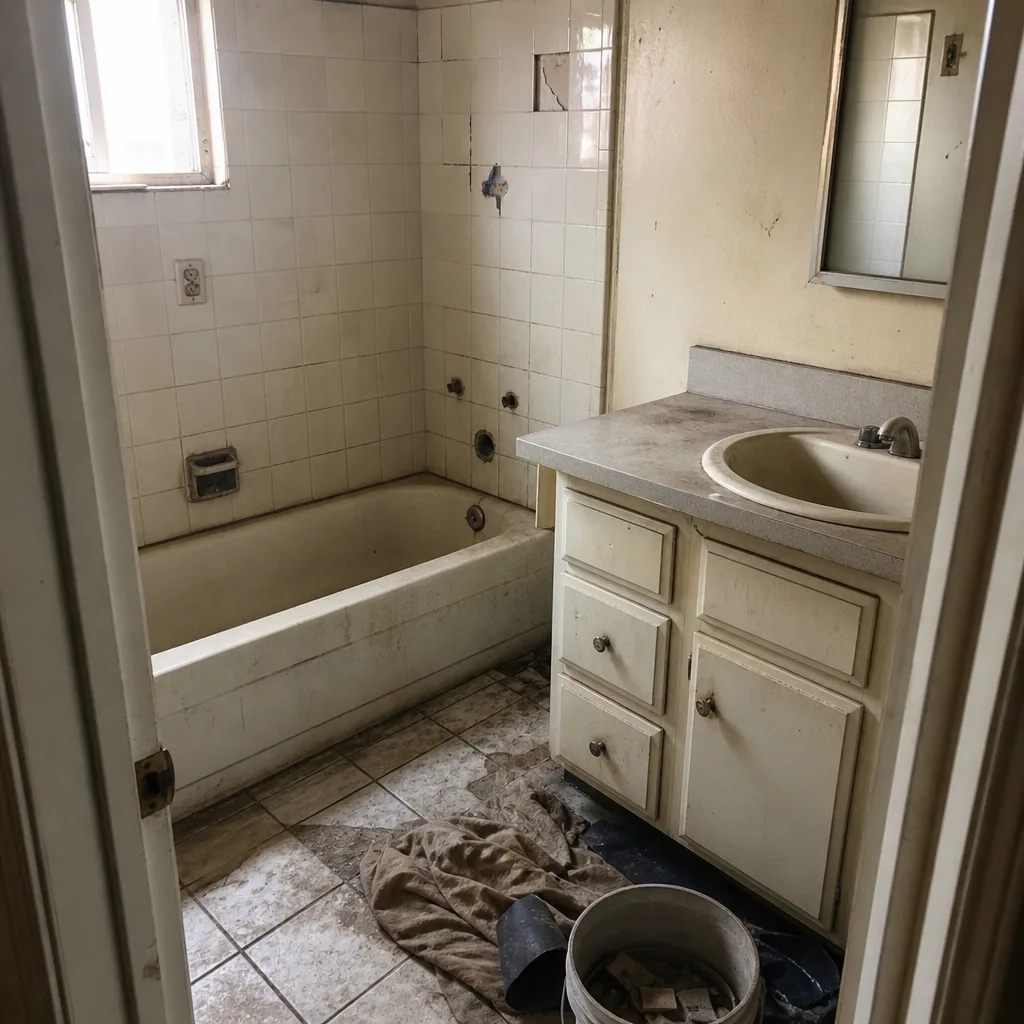 Before
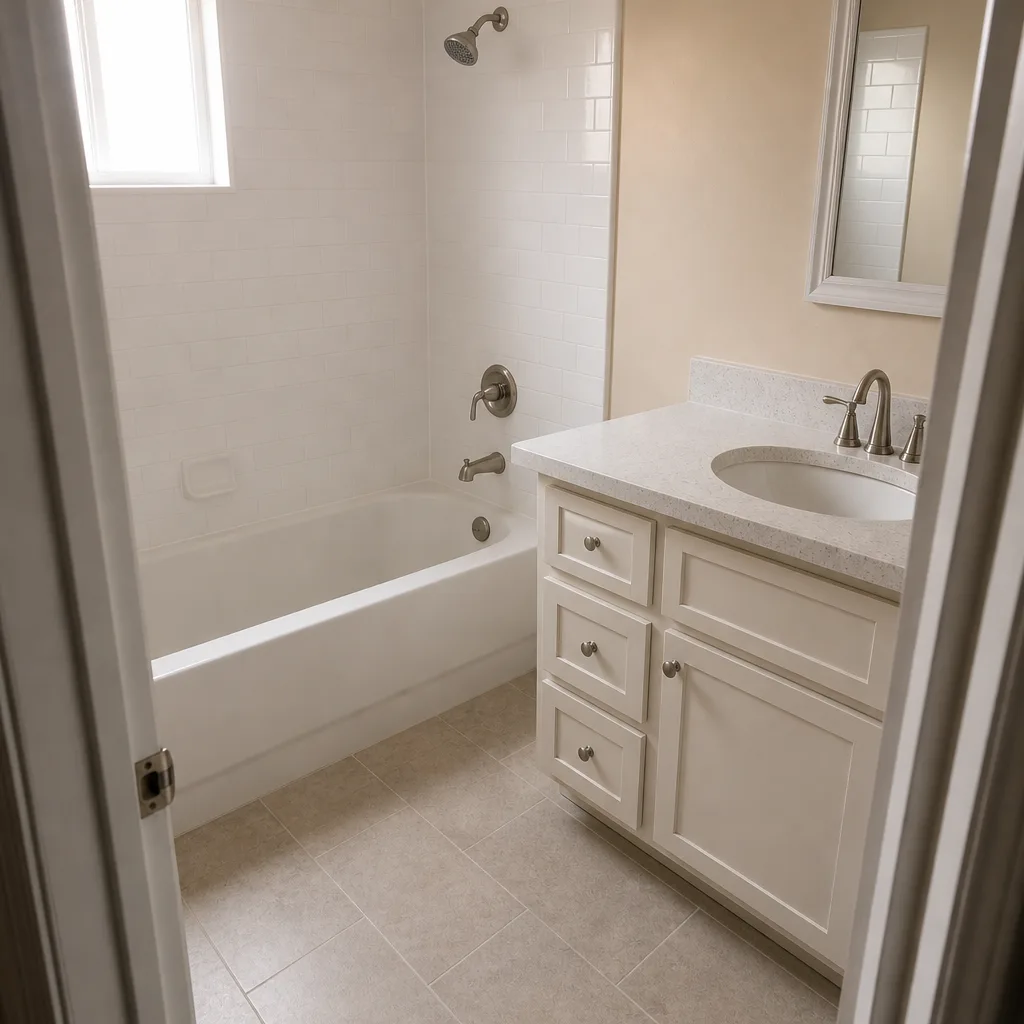 After
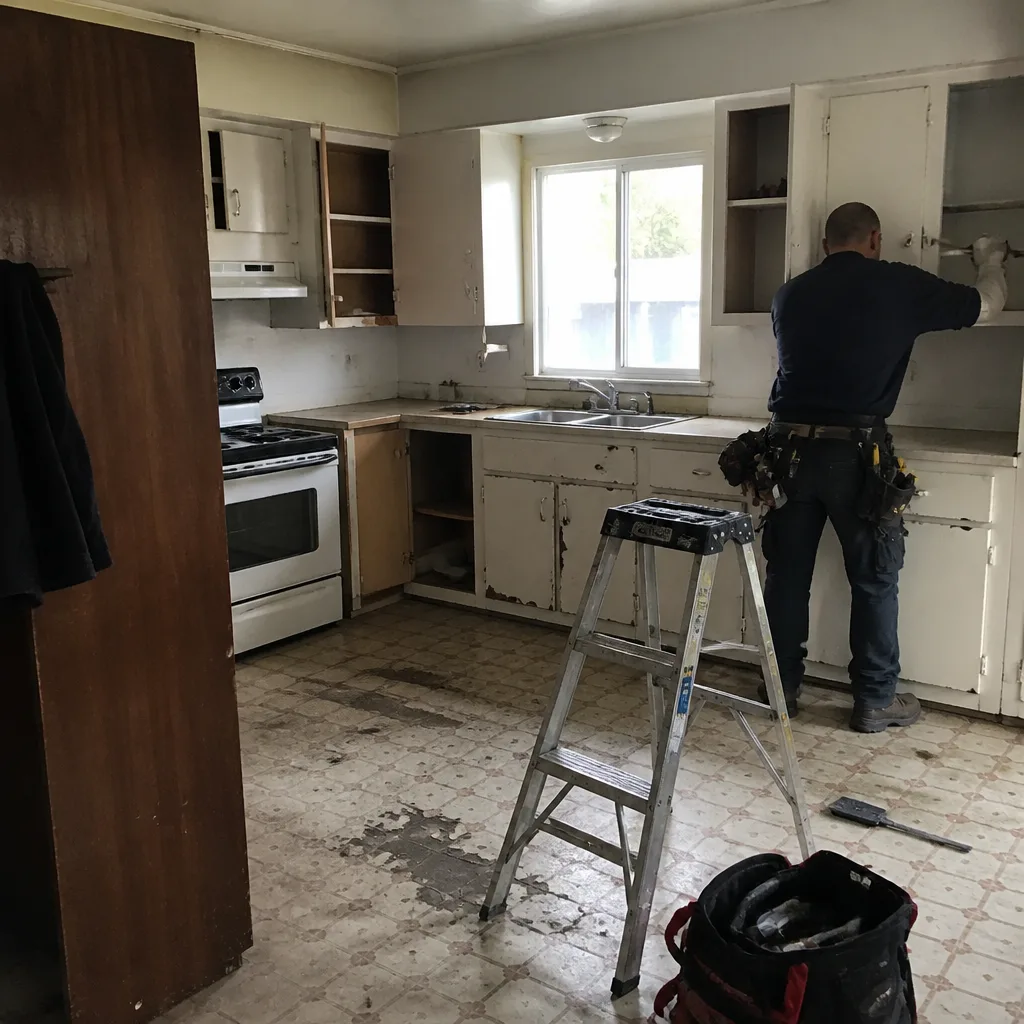 Before
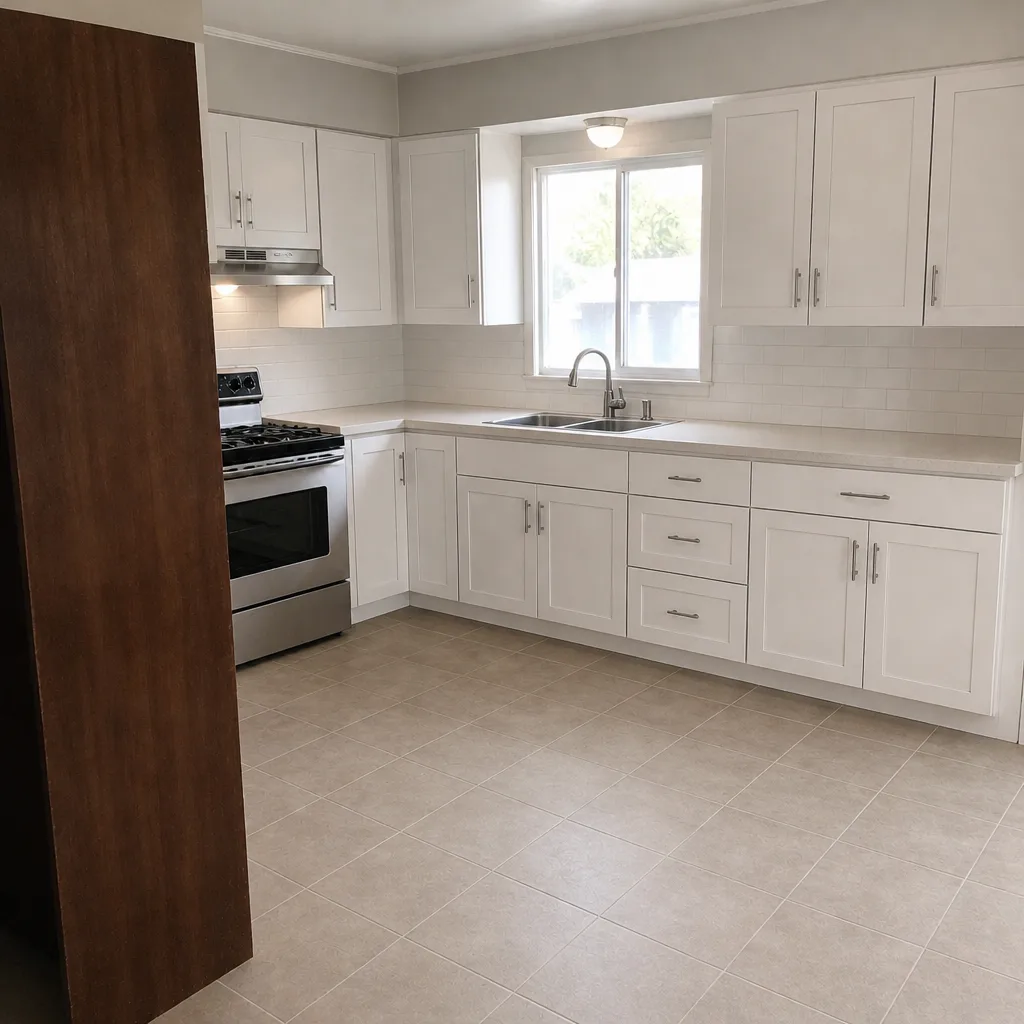 After
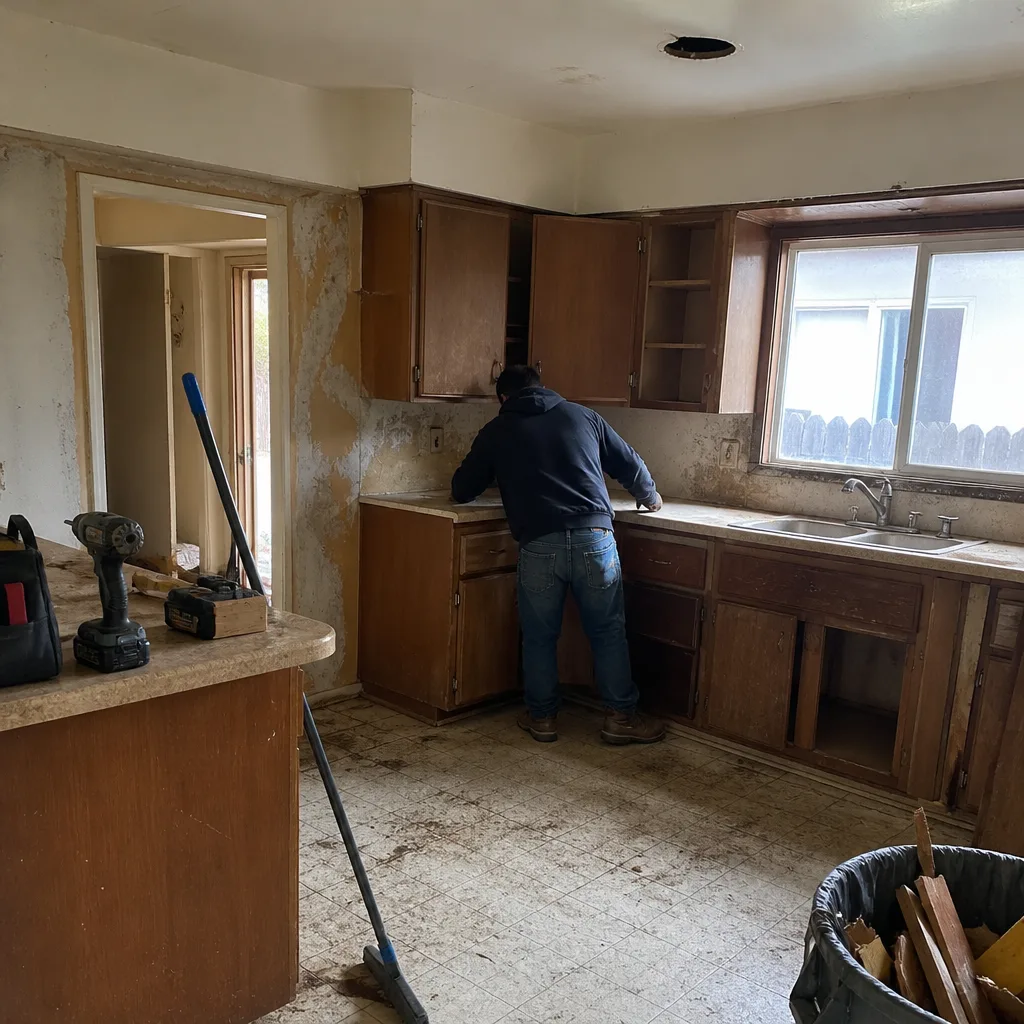 Before
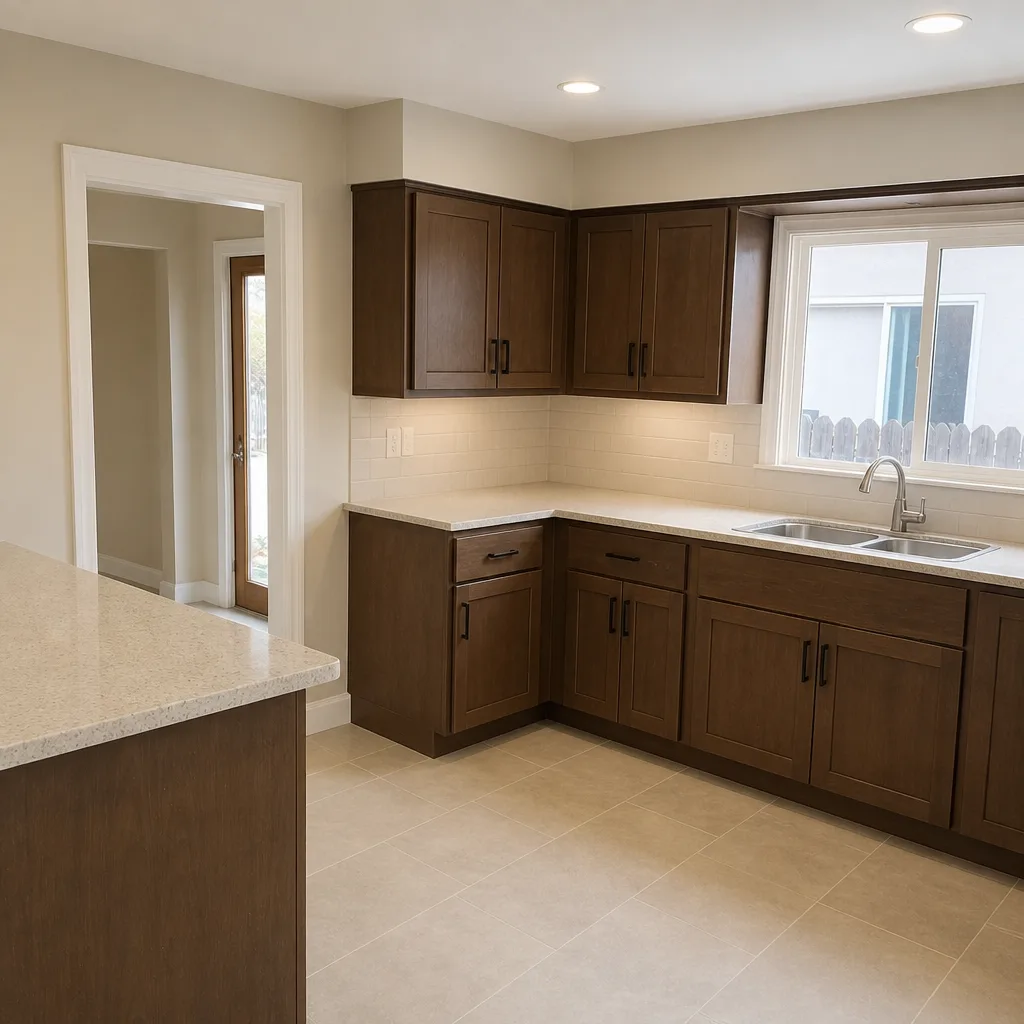 After
How Long Does a Wood Fence Last in Long Beach, CA? The Honest Answer Is 7 to 20 Years
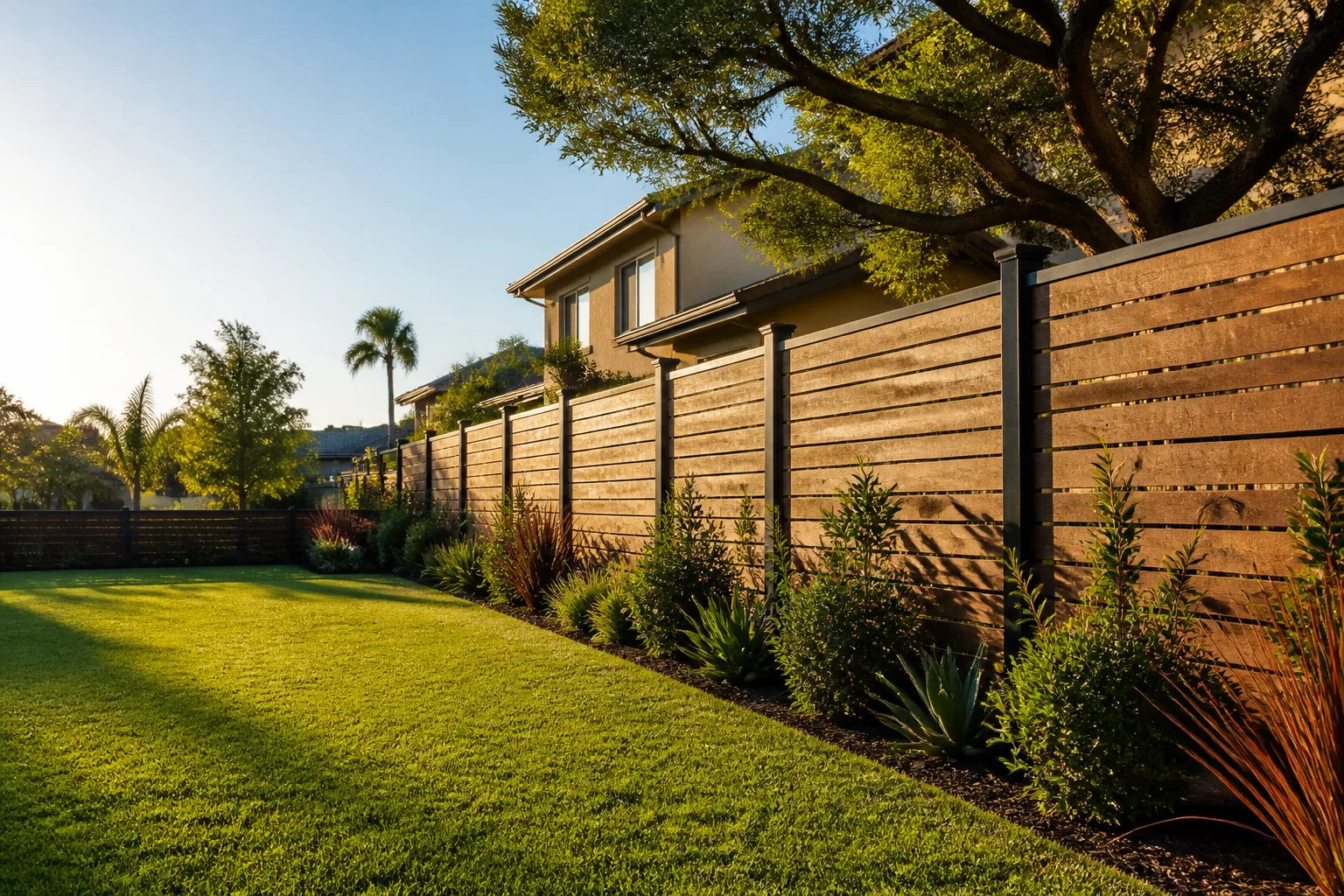
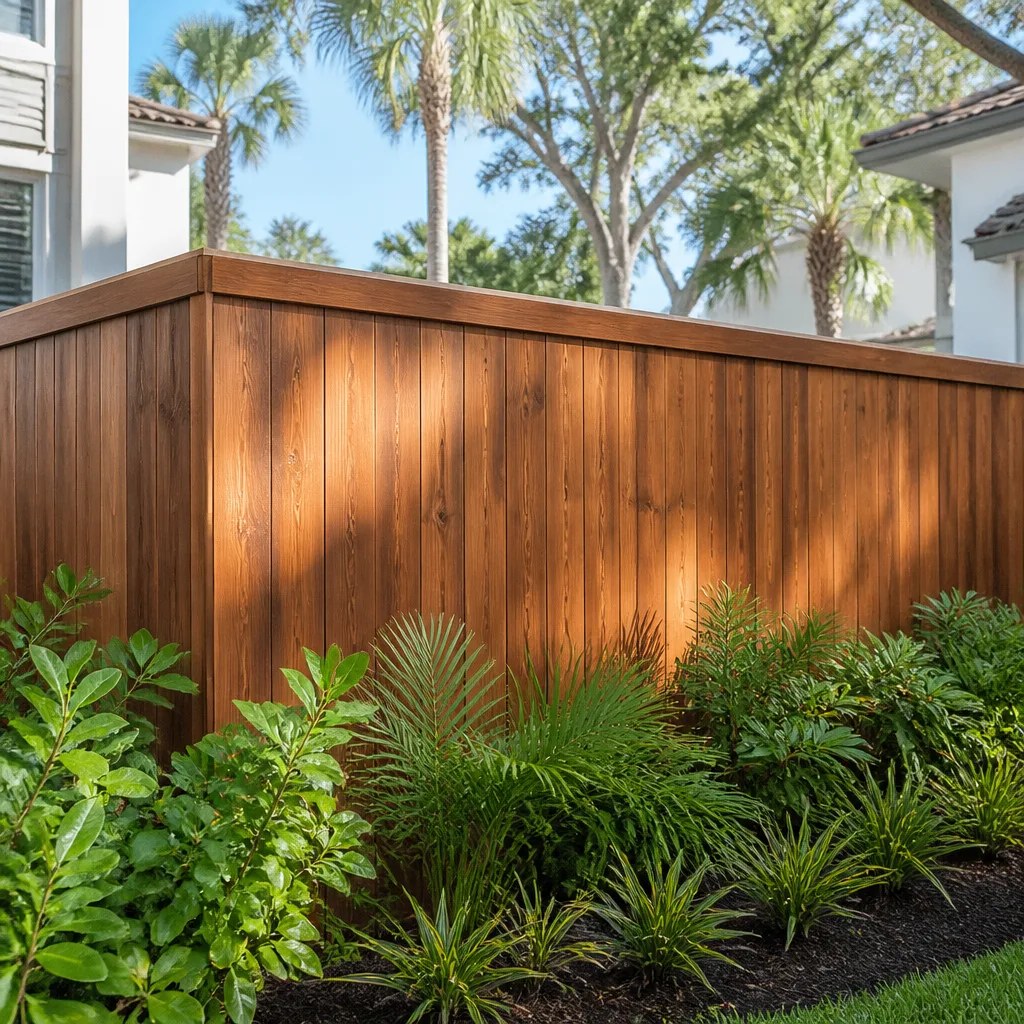
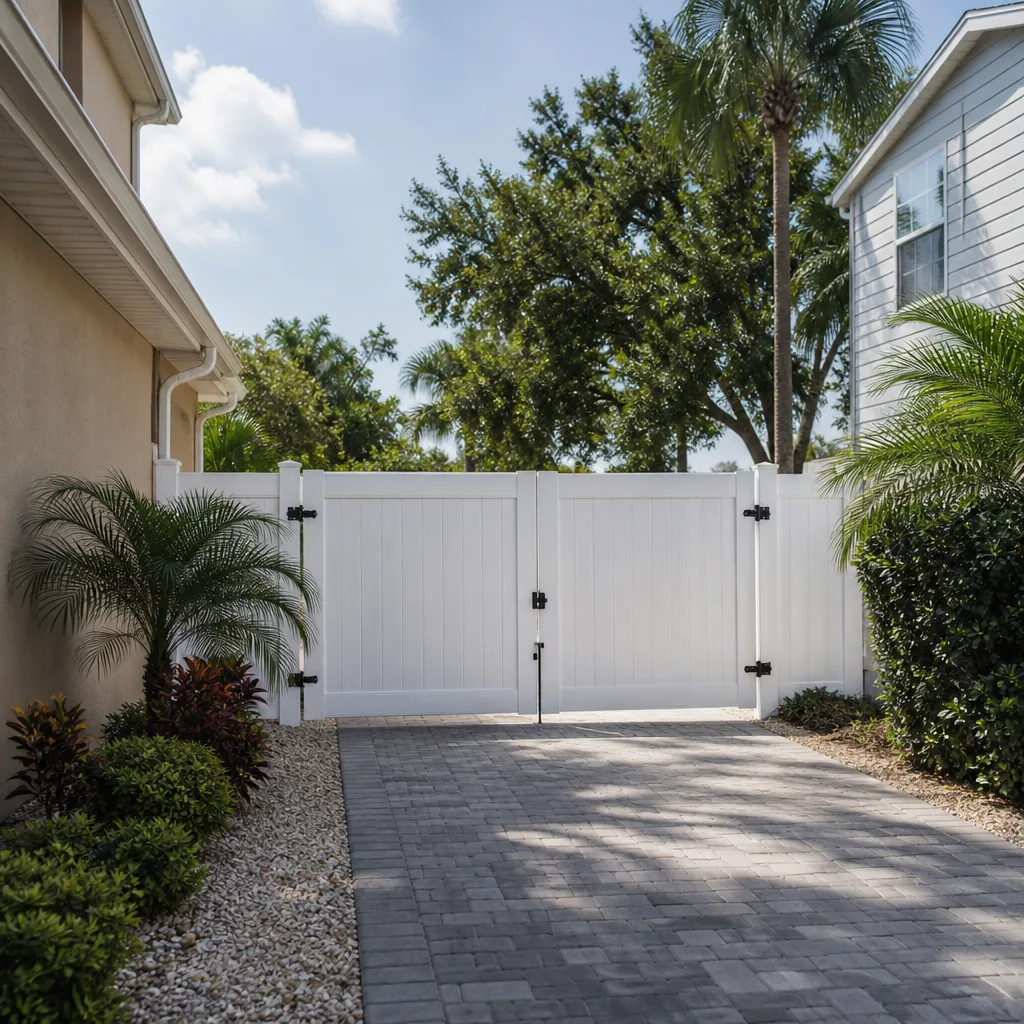
A wood fence in Long Beach lasts anywhere from about 7 years to 20 years, and the single biggest factor is what the wood is made of and how it’s protected from salt air and dry Santa Ana cycles. The national average you’ll see quoted everywhere, 15 to 20 years, assumes a dry inland climate. Two miles from the water in Long Beach, that number doesn’t hold. A few feet from the sand in Belmont Shore, it drops fast.
Here’s the gap in plain terms: a cedar fence that lasts 20 years in Denver might make it 9 in a Long Beach backyard off Ocean Boulevard. If your boards are already graying, cupping, or wobbling at the posts, call Groundwork Construction Co. of Long Beach at (888) 345-8164 for a free assessment. We’ll tell you honestly whether you’re looking at a repair or a full replacement.
Why Long Beach Wood Fences Age Twice as Fast as Inland Fences
Most fence lifespan charts are written by people who’ve never watched a pressure-treated post sit in marine air for a decade. Long Beach puts wood through a kind of whipsaw that inland cities don’t.
The first enemy is salt. Marine air coming off the Port carries salt particles that settle on the fence surface, work into the end grain of every post and rail, and quietly corrode any fastener that isn’t exterior-grade. A standard galvanized nail in an uncoated post near the water can start rusting within a couple of years. The rust expands, splits the wood around it, and lets moisture in. That slow failure is invisible until the board is already loose.
The second enemy is the Santa Ana wind. During a Santa Ana event, humidity drops hard and fast across Long Beach, and the same boards that were swollen with marine moisture the week before dry out and shrink. That cycle repeats several times a year. The result is checking (small cracks running with the grain), cupping, and eventually split rails. No national fence lifespan study accounts for this combination, because most of the country only fights one of the two problems.
What you get from the back-and-forth: a fence that looks fine for four or five years, then starts failing at the fasteners and end grain first, and posts at or below grade shortly after. That’s why maintenance timing matters so much in Long Beach. An annual seal on a wood fence here isn’t cosmetic, it’s the difference between 10 years and 18.
Species Hierarchy: What Actually Lasts in Long Beach’s Coastal Air
Not every wood holds up the same way next to the Pacific. Here’s how the common fence species stack up in Long Beach conditions, with realistic lifespans:
| Wood Species | Without Annual Care | With Annual Seal | Notes for Long Beach |
|---|---|---|---|
| Cedar (western red) | 7-10 years | 12-15 years | Natural rot resistance, but thins and checks fast in salt air |
| Pressure-treated Douglas fir | 8-12 years | 15-20 years | Best bang for the buck in coastal zones; must be sealed, not just stained |
| Redwood heartwood | 12-15 years | 18-25 years | The premium choice for salt-air longevity; heartwood only, not sapwood |
The practical takeaway for anyone budgeting a fence in Long Beach: skip cedar if you care about the 15-year horizon. Cedar is a great fence in dry heat, but it isn’t built for marine air. Pressure-treated Douglas fir and redwood heartwood both give you more years per dollar in this climate, especially if you pair them with the right finish and hardware.
The fastener spec matters as much as the wood. Coated deck screws, stainless or hot-dipped galvanized hardware, and exterior-grade sealant aren’t upcharges here, they’re the parts that decide whether your fence fails at year 8 or year 18. When we specify a fence in Long Beach, we pull hardware from vetted suppliers like Quikrete and Sakrete for post-setting and exterior-grade fasteners from the same curated list of brand partners we use on roofs and remodels. That’s a small, verifiable detail that separates a fence built to last from one that just looks like it will on day one.
Termites Are a Year-Round Problem Here, Not Seasonal
Standard lifespan numbers assume termites are a seasonal concern. In Long Beach, they’re not. The mild coastal climate keeps subterranean termites active most of the year, and older wood-frame bungalows in neighborhoods like Rose Park are prime territory. If you’re putting a wood fence on a lot that’s had termite activity anywhere on the property, that fence is a long, low buffet line.
The failure mode is at or below grade. A post that sits directly in soil, with no protective footing and no barrier, is the first thing termites find. The failure starts at the bottom, works up, and the homeowner finds out when a section leans after heavy weather. That’s why we specify post footings on every fence we install, not just posts in dirt, and why we flag the termite risk for any Long Beach lot that hasn’t had a recent inspection.
Older Long Beach housing stock makes this more complicated than a generic fence guide admits. Between the pre-1933 bungalows, the 1950s stucco fourplexes, and the seismic retrofit rules that come with a small lot in a historic coastal zone, fence replacement here often sits near other work. If your fence has been leaning for more than a season, it’s worth having the posts evaluated before a section ends up in the neighbor’s yard. You can see the full scope of what our fence work involves on our Fence Installation page.
How Groundwork Backs a Long Beach Fence
Every fence we install is covered by the 730-Day Done Right Promise. If the wood we specified fails early because of a bad fastener, a wrong post treatment, or a workmanship issue, we make it right. That long of a workmanship guarantee is rare in residential construction, and it’s a direct signal of how confident we are in the material spec we choose for Long Beach conditions.
When you book with us, you get:
- A live person on the phone 24/7, no voicemail and no waiting for Monday morning
- Background-checked, uniformed technicians on every job
- Upfront pricing, no surprises, with the price you see being the price you pay
- 0% financing for 18 months and $1,000 off any project over $10,000
- A free project estimate and design consult before you commit to anything
Our technicians have up to 12 years of experience installing and repairing fences in this climate, which matters when the difference between good and not-good is whether a post has the right footing. For a full list of what we offer across fence work, see our Fence Installation in Long Beach page or start at our home page to see every service line we handle.
What Fence Quality Actually Costs in Long Beach
Most Long Beach wood fence installations land between $3,500 and $9,000 depending on linear footage, wood species, and whether you’re replacing posts. That’s a working range, not a quote. Here’s how it breaks down line by line for Long Beach:
| Item | Typical Long Beach Range |
|---|---|
| Full wood fence installation (100-150 linear ft) | $3,500-$9,000 |
| Post replacement (per post, includes footing) | $150-$400 |
| Wood fence repair (per section) | $250-$800 |
| Stain and seal service | $400-$1,200 |
| Upgrade to redwood heartwood | Add 15-25% to base install |
If your existing fence is over 10 years old and more than a couple of sections are failing, replacement usually costs less over the next decade than repeated repairs. That’s an easy call in Long Beach where repair bills add up quick. We’ll tell you which one you’re actually looking at when we do the free estimate.
FAQs
A properly sealed pressure-treated Douglas fir or redwood heartwood fence in Long Beach can reliably reach 15 to 20 years with an annual seal and good fastener spec. Cedar is the outlier here, even with maintenance you’re looking at 12 to 15 years because salt air checks it fast. If you don’t know what species is in the ground right now, call (888) 345-8164 and we can tell you on a free assessment.
Often yes, especially if the damage is isolated to one or two sections and the posts are still solid. Once more than about a third of the fence is failing, or the posts are soft at the base, replacement is usually the better spend. Call (888) 345-8164 and we’ll give you an honest read on repair versus replace before you commit to either.
Yes, and the effect is biggest within about two miles of the water. Salt corrodes uncoated fasteners, wicks into end grain, and speeds up surface checking. Board fences near the marina and along Ocean Boulevard age a full five to seven years faster than the same wood in a Long Beach lot further inland. The fix is a marine-grade finish schedule and stainless or hot-dipped galvanized fasteners from the start.
Wood fence installation in Long Beach typically runs $3,500 to $9,000 for 100 to 150 linear feet, depending on species and post condition. Redwood heartwood pushes the top of that range. Groundwork offers 0% financing for 18 months and $1,000 off projects over $10,000, and every estimate is free. Call (888) 345-8164 to schedule yours.
If you’d rather have it looked at than guess from a chart, Groundwork Construction Co. of Long Beach offers a no-pressure fence assessment anywhere in Long Beach. We’ll tell you what species you have, how much life is left in it, and what a repair or replacement would cost. Call (888) 345-8164 for a free estimate. Upfront pricing, no surprises, and the 730-Day Done Right Promise behind every job.
Written by the team at Groundwork Construction Co. of Long Beach, serving Long Beach, CA.