
Last updated November 17, 2026






Free written scope consultation - allowances, timeline, and change-order rules on paper before a single trade is scheduled
Windows & Doors Maintenance Schedule: What to Do and When
Most window manufacturers require documented maintenance at specific intervals to honor warranty claims, and “I didn’t know” is not a defense when your failed seal gets denied at year four. We’ve watched homeowners in Long Beach get turned down on a $4,000 window replacement because nobody could prove the weep holes had ever been cleared. The fine print on your warranty defines “neglect” precisely, and it usually means missed lubrication, clogged sill drains, or the wrong cleaner on a vinyl frame. This guide turns that fine print into a plain-language calendar you can actually follow, with the intervals, the tasks, and the local conditions that matter here on the coast.
Quick Answer
Clean frames and glass every three to six months, lubricate door and window hardware twice a year, inspect weatherstripping and sweeps each season, and check sill drainage quarterly. Coastal-facing windows in Long Beach need a freshwater rinse monthly to remove salt residue. Log every task with a date and photo so you have documented proof if a warranty claim ever comes up.
Styles & brands we work with
- Kitchen remodeling
- Bathroom remodeling
- Home additions & ADU
- Roofing
- Windows & doors
- Driveway & pavers
- Fence
Table of Contents
- Why a Written Schedule Protects Your Warranty
- The Seasonal Maintenance Calendar
- Hardware Lubrication: What to Use and When
- Weatherstrip and Sweep Inspection
- Sill Drainage and Water Intrusion Checks
- Coastal Salt Spray: A Long Beach Cleaning Schedule
- Cleaning by Frame Material: Vinyl, Fiberglass, Wood, Aluminum
- Building Your Maintenance Log
Why a Written Schedule Protects Your Warranty
Window and door warranties are some of the most conditional documents in a home. The glass itself might carry a 20-year seal failure clause, but that clause routinely hinges on proof of “reasonable maintenance.” Manufacturers define reasonable differently, but almost all of them list the same triggers for denial: no record of hardware lubrication, corroded hinges, debris left in the sill track, and improper cleaning chemicals. When a seal fogs at year four, the adjuster asks one question first: can you show us what you did and when?
In our experience across Long Beach, the denials cluster around two neighborhoods. Ocean-facing properties in Belmont Shore and the Peninsula deal with salt-laden air that eats hardware finishes and pits aluminum, and homeowners there often assume the damage is “normal wear” the warranty should cover. It usually isn’t. Meanwhile, properties a mile inland near Bixby Knolls see less salt but more dust and pollen collecting in sill tracks, which blocks the weep holes that let condensation escape. Once those clog, water backs up into the frame and the failure gets logged as owner neglect, not a manufacturing defect.
The fix is simple and cheap: a written record. Manufacturers aren’t asking you to hire a maintenance crew every quarter. They’re asking for evidence that you looked. A calendar entry, a photo of a cleared sill, a note that you lubricated the hinges in March. That’s the whole game when a claim is on the line. Windows here aren’t cheap, and neither is paying for a replacement you could have gotten covered. Protecting a few thousand dollars of investment takes maybe 20 minutes a season.
The Seasonal Maintenance Calendar
Break the year into four check-ins and the schedule stops feeling like a chore. Here’s the calendar we recommend to Long Beach homeowners, tuned for a marine climate with mild winters and dry, dusty summers.
- Spring (March – May): Full exterior wash of all frames and glass, clear every sill track and weep hole, lubricate all window and door hardware, inspect weatherstripping for cracks or compression, test door closers and locks.
- Summer (June – August): Check weatherstripping again after the dry heat, confirm no gaps opened at door sweeps, clean sliding door tracks, inspect screen mesh, rinse coastal-facing glass to remove salt film.
- Fall (September – November): Pre-rain inspection of all seals, thresholds, and sweeps; clear gutters that feed water toward window wells; check for any new drafts ahead of the wet season; re-lubricate hinges and latches.
- Winter (December – February): Post-storm checks for water intrusion around frames and thresholds, inspect caulking at exterior perimeter joints, look for interior condensation that signals a failed seal, photograph anything suspicious.
Most of these tasks take 10 to 30 minutes. The spring and fall inspections are the heavy ones because that’s when water and temperature swings do their damage. Long Beach gets the bulk of its rain between November and March, so the fall check is your last chance to catch a failing sweep before water finds the subfloor under a sliding door. That threshold detail alone prevents more damage than any other item on the schedule.
If you’re planning a larger project like a new patio door or window replacement, treat the maintenance calendar as your baseline for the new units too. The Groundwork Construction Co. of Long Beach home page covers how we approach window and door installs so you know what to look for after the job. And if you’re reworking outdoor surfaces near your entries, our guide to Driveway & Pavers in Long Beach explains how drainage and grade affect water at your doors.
Hardware Lubrication: What to Use and When
Door and window hardware gets lubricated twice a year: once in spring, once in fall. That interval holds up because hinges, latches, and sliding tracks collect grit slowly and the two seasonal service points catch problems before they seize. The warranty language on most manufacturers we work with treats a seized or corroded mechanism as owner-caused, so lubrication is one of the cheapest forms of insurance you have.
Use a silicone-based lubricant or a dry-film spray on sliding tracks, hinges, and pivot points. Avoid oil-based products on sliding door tracks because they attract dust, which then thickens into a paste that damages the rollers. For hinges on casement and awning windows, a few drops of a good lubricant worked in by opening and closing the window a few times does more than a heavy coating. Wipe the excess. Locks and latches get a light touch; you don’t want lubricant migrating onto the frame finish.
Specifically, here’s what to lubricate each cycle:
- All hinge points on hinged doors, casement windows, and awning windows
- Sliding door tracks and rollers (silicone, never oil)
- Window lock and latch mechanisms
- Door strike plates and deadbolts (a small amount of dry lubricant)
- Threshold adjusters and door closers if present
After lubricating, work every mechanism through a full cycle 3 – 5 times. If a hinge feels gritty, or a sliding door won’t glide smoothly at the end of travel, that’s your early warning of wear before a roller fails. In Long Beach the salt air accelerates corrosion on hardware finishes, so coastal-facing doors often need a fresh lighter application at the six-week mark between full cycles if you start seeing green-white residue on hinges.
Weatherstrip and Sweep Inspection
Weatherstripping is the first line of defense against both drafts and water. Inspect it each season, and give it real scrutiny in spring and fall. The task is simple: run a finger along every strip of foam, fin seal, bulb seal, or brush seal and look for cracking, compression, tearing, or gaps. On doors, check the sweep at the bottom and the jambs on both sides. On sliding doors, check the interlock where the panels meet.
The most common failure we see in Long Beach is threshold sweep wear under sliding patio doors, especially on units that face the marine layer. Constant temperature swings between foggy mornings and warm afternoons cause the rubber sweep to harden and crack faster than it would inland. A worn sweep lets water wick under the track, where it quietly stains hardwood and rots subfloor. If your sweep leaves a visible gap when you press a piece of paper against the threshold and pull, replace it. Same test on the jamb weatherstripping.
Also check the weatherstrip around fixed frames. Even windows that don’t open have seal lines at the perimeter that fail as the caulk shrinks. In Long Beach, sun exposure on west and south-facing elevations weathers caulk joints faster. If the caulk line is pulling away from glass or frame, the warranty may cover the seal failure but not the water damage that follows, so re-caulk the perimeter when you spot it.
Weatherstripping is inexpensive and installs fast, which makes it a good task to handle before the fall season opens up the rainy window. If your door sweeps and thresholds are beyond repair and you’re already considering replacement doors, our guide to Home Additions & ADU in Long Beach covers how new openings and door placement get planned inside a larger project.
Sill Drainage and Water Intrusion Checks
Every modern window has weep holes or drainage slots in the sill. They exist because water gets past the exterior seal eventually; the sill is designed to let it escape. When those holes clog with dust, pollen, spiders, or paint, water pools inside the frame, the seal at the bottom of the glass fails, and the unit fogs. Check the weep holes quarterly, and after any major wind event.
Clear each weep hole with a small soft brush, a piece of wire no thicker than a paperclip, or a blast of compressed air. Don’t drill into them, don’t poke hard with sharp tools, and never seal them with caulk thinking you’re stopping a draft. The holes are directional; they let water out and stop most air infiltration. In our experience, the most stubborn blockages in Long Beach come from pollen and fine coastal dust mixing with moisture to form a crust, so a spring and fall clear-out is worth the effort for anything on a windward elevation.
- Inspect each sill from outside; look for standing water or dark streaks below the frame.
- Locate every weep hole or slot (there are usually two or three per window).
- Clear each one with a soft brush or low-pressure air; confirm water can pass.
- Check interior sill for water stains, bubbling paint, or soft drywall under the window.
- Test with a brief, gentle water spray outside and watch for drainage; repeat if blocked.
- Photograph the cleared sill and the interior check for your maintenance log.
If you find a persistent water entry you can’t trace, get a professional involved before the damage spreads into framing. That’s one of the scenarios worth a service call, and we cover it below.
Coastal Salt Spray: A Long Beach Cleaning Schedule
If your windows face the ocean, the bay, or the channel, salt spray deposits need removing at least monthly, and more often during Santa Ana conditions. Salt residue is mildly corrosive and, more importantly, aggressive to the surface finish on aluminum, vinyl, and hardware. Left long enough, it pits aluminum frames and dulls powder coatings, and manufacturer warranty language typically requires periodic cleaning to prevent “environmental damage.” Translation: cleaning the salt off is a documented duty, not a nice-to-have.
Belmont Shore, Naples, the Peninsula, and anything near Shoreline Aquatic Park sit squarely in this category. So does anything along Alamitos Bay where boat activity and tidal moisture keep the air salty year-round. For those properties, we recommend a monthly freshwater rinse of exterior frames and glass with a hose and a soft cloth. A very mild soap solution helps break up the salt film; follow with a freshwater rinse to remove the soap. Don’t use abrasives or high-pressure washers pointed at weep holes or gaskets, since both push salt and debris deeper into places you can’t reach.
Inland Long Beach neighborhoods like Lakewood, Bixby Knolls, and Cal Heights see less salt but more dust and airborne grit, so their exterior windows benefit from quarterly cleaning instead of monthly. Both categories still get the seasonal inspections above. The point isn’t perfection; it’s not letting salt sit on hardware for six months and then wondering why a warranty claim over a peeling finish gets denied.
Cleaning by Frame Material: Vinyl, Fiberglass, Wood, Aluminum
“Cleaning” means something different for each frame material, and using the wrong product shortens its life and can void coverage. This is one of the details most homeowners never get told after a window installation, so it’s worth writing down.
- Vinyl: A mild dish soap and water solution, soft cloth or sponge. Avoid abrasive pads and strong solvents like acetone or undiluted bleach, which can dull and craze the surface. Rinse with freshwater. Vinyl tolerates moderate products but discolors with harsh ones.
- Fiberglass: Similar to vinyl, mild soap and water. Fiberglass is generally durable but solvent-heavy cleaners can degrade the finish coat. Soft cloth only; no scouring pads.
- Wood: Damp cloth, dried immediately. No standing water, ever, and re-oil or re-seal exterior wood frames on the schedule the finish manufacturer specifies, often annually. Water sitting on wood is the beginning of rot and the end of any warranty argument.
- Aluminum: Mild soap and water, soft cloth, thorough freshwater rinse. Avoid alkaline or acidic cleaners, which can stain and pit the finish, especially in coastal Long Beach where salt and cleaners can compound. Touch up scratches on painted aluminum promptly to prevent corrosion spreading.
For glass, avoid ammonia-based cleaners on any factory-tinted, low-E, or film-coated glazing unless the manufacturer says otherwise; some coatings and films degrade with ammonia. Plain water with a drop of dish soap works for most; a glass cleaner is fine for standard clear glass. Read the label on your window’s glazing tag if it’s still on the glass, and photograph it before you peel it off. That tag can be worth thousands when a seal claim comes up later.
Building Your Maintenance Log
A maintenance log is a simple document that converts good intentions into warranty-proof evidence. The format doesn’t matter; what matters is that it exists, it’s dated, and it lives somewhere you’ll find it again. A page in a notebook, a folder on your phone, or a shared spreadsheet all work. Here’s what to record for each task:
- Date of each maintenance task.
- What was done (washed frames, cleared weep holes, lubricated tracks, replaced sweep, re-caulked joint).
- Products used, especially cleaners, in case a warranty claim questions chemical exposure.
- Photos before and after any work that touches seals, drains, or finishes.
- Any issue found (small crack, water stain, stiff hinge) and what you did about it.
- Any professional service or inspection performed, with the company name and date.
Keep one folder for all windows and doors in the house, plus the original manufacturer paperwork, model numbers, and the glazing tags. In Long Beach, where salt and marine air add wear that a warranty adjuster will look for, that documentation is often the deciding factor between a covered replacement and out-of-pocket cost. We’ve seen homeowners win claims with a single dated photo of a cleared sill and lose claims without one. The log is the difference.
If you’re thinking about replacement instead of repair, our team can walk through what a warranty actually covers on new units and how the install affects coverage. The Fence Installation in Long Beach guide is also worth a look if your exterior maintenance plan is expanding to the yard, since fencing and gates share hardware maintenance cycles with doors.
Common Mistakes to Avoid
- Sealing weep holes to stop a draft. That converts a small draft into a water trap and gives the manufacturer grounds to deny a seal claim. Clear the holes, don’t plug them.
- Using oil on sliding door tracks. Oil attracts dust, which clumps into sludge and destroys rollers. Use silicone.
- Power-washing coastal windows. High pressure drives salt and grit into gaskets and drains. A hose and a soft cloth do the job better in Long Beach.
- Peeling off the glazing tag before recording it. That tag carries the model number and coverage details the warranty adjuster will ask for first.
- Assuming “warranty” covers marine-air corrosion. Most policies treat environmental corrosion as owner responsibility, which is why monthly freshwater rinses on coastal Long Beach properties matter.
- Replacing weatherstripping with the wrong profile. A sweep that’s too thin or too thick won’t seal and leaves the same draft and water problem in place.
- Skipping lubrication because “the door still works.” A working mechanism can still be nearing seizure. Lubricate it before it fails, not after.
See the difference
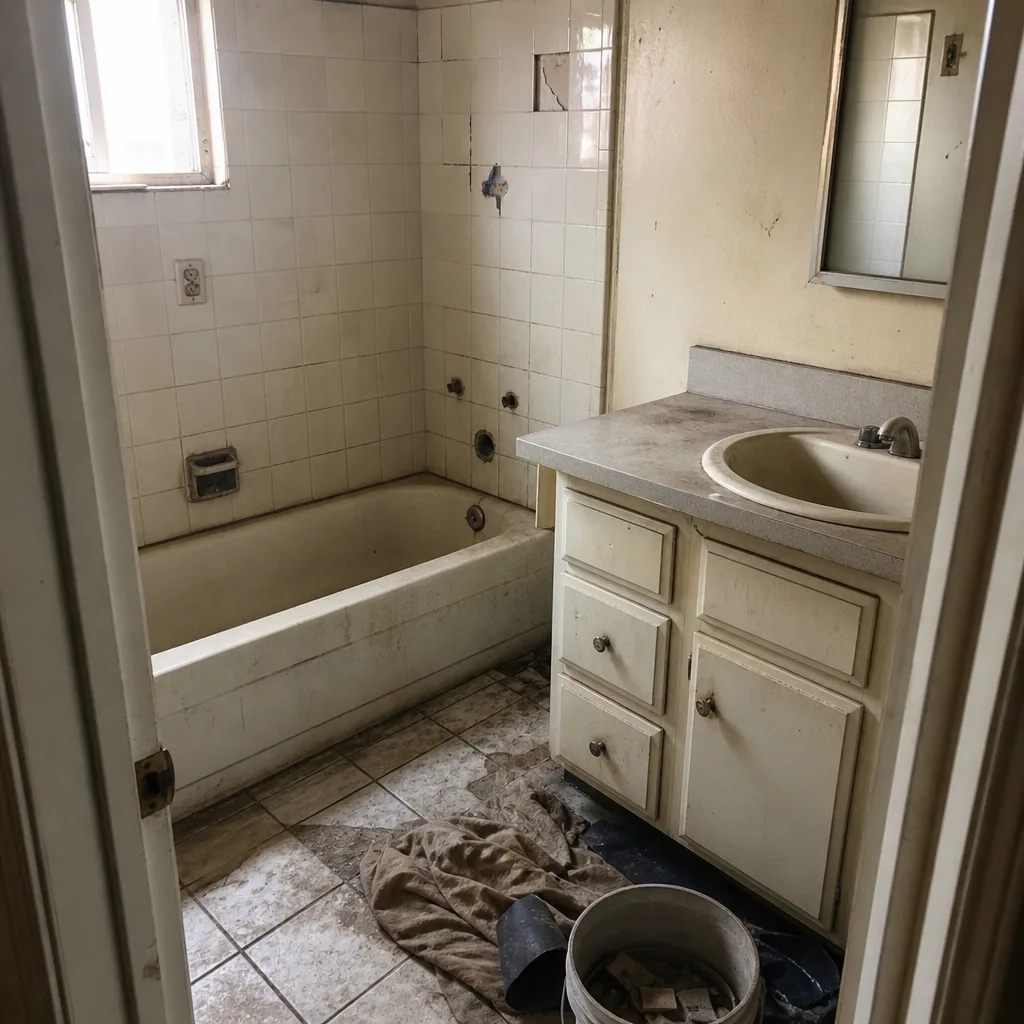 Before
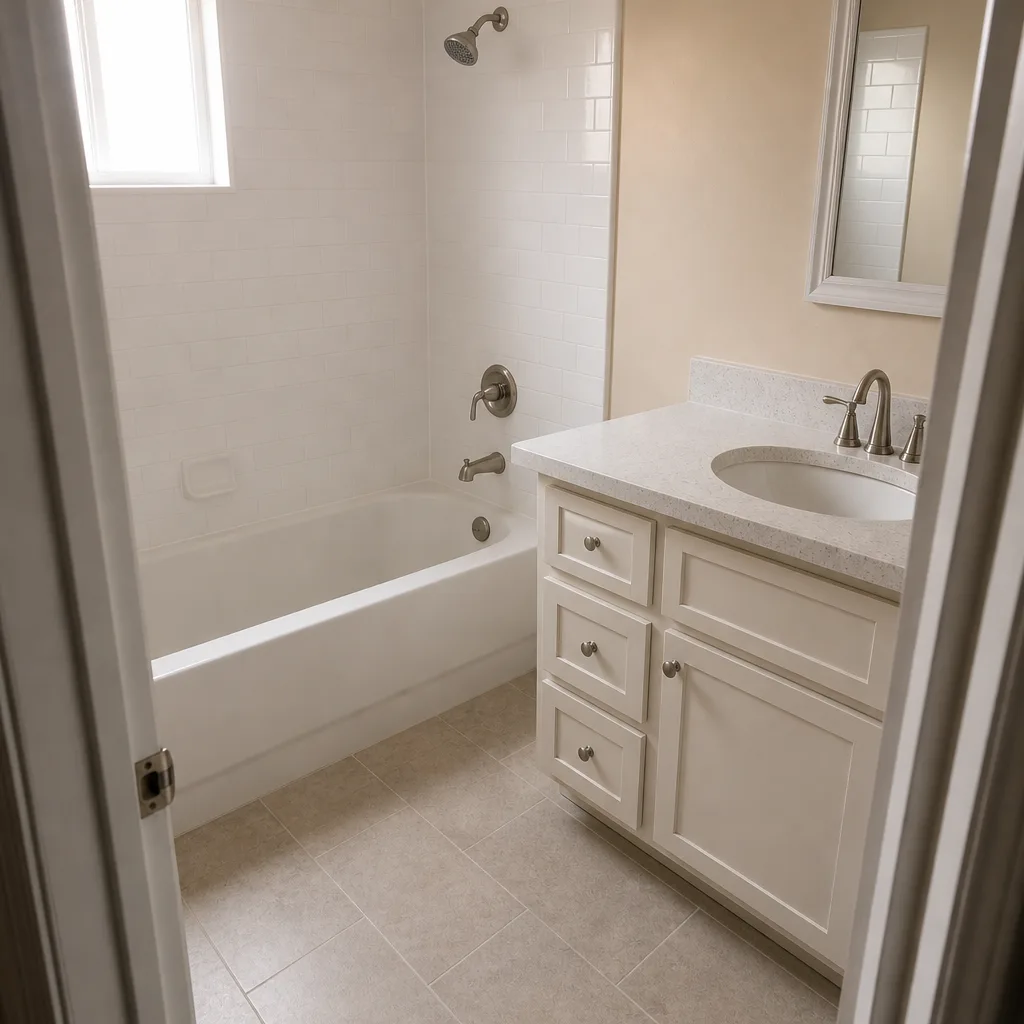 After
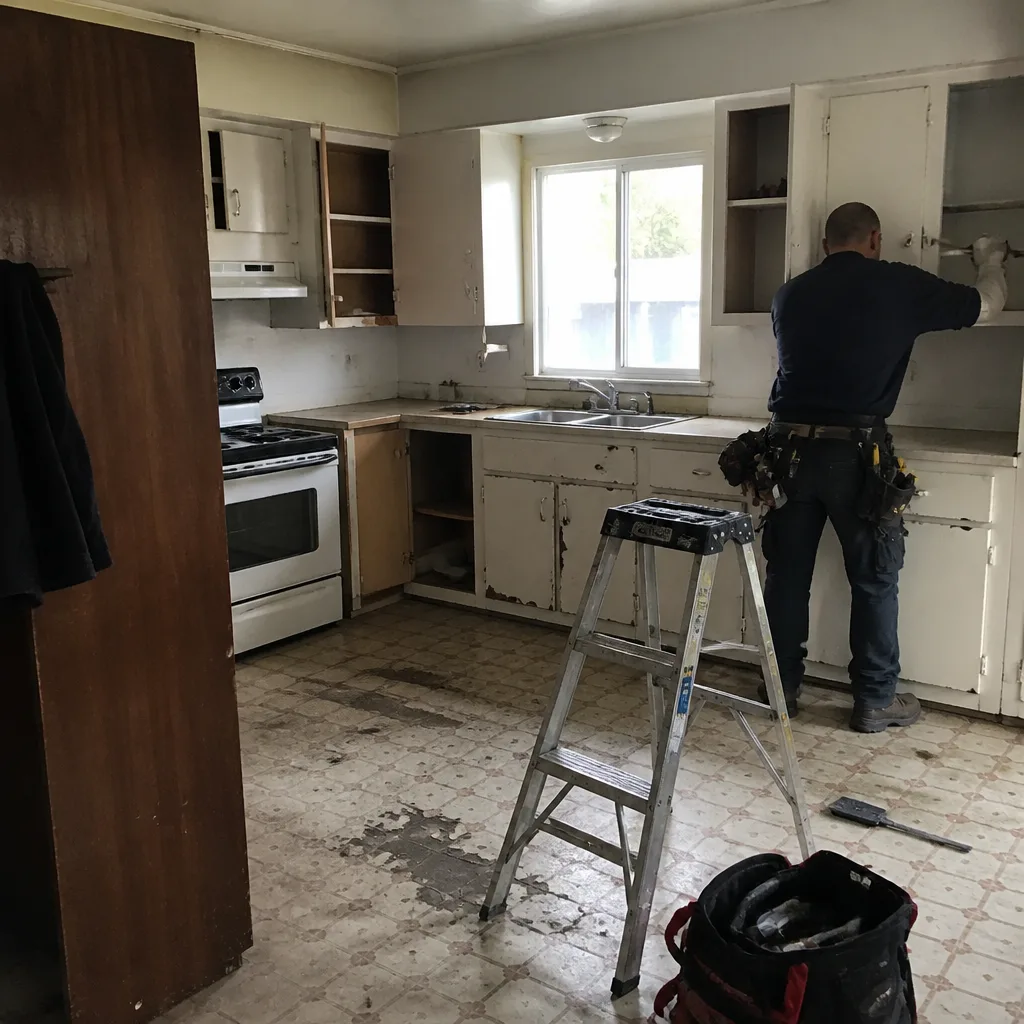 Before
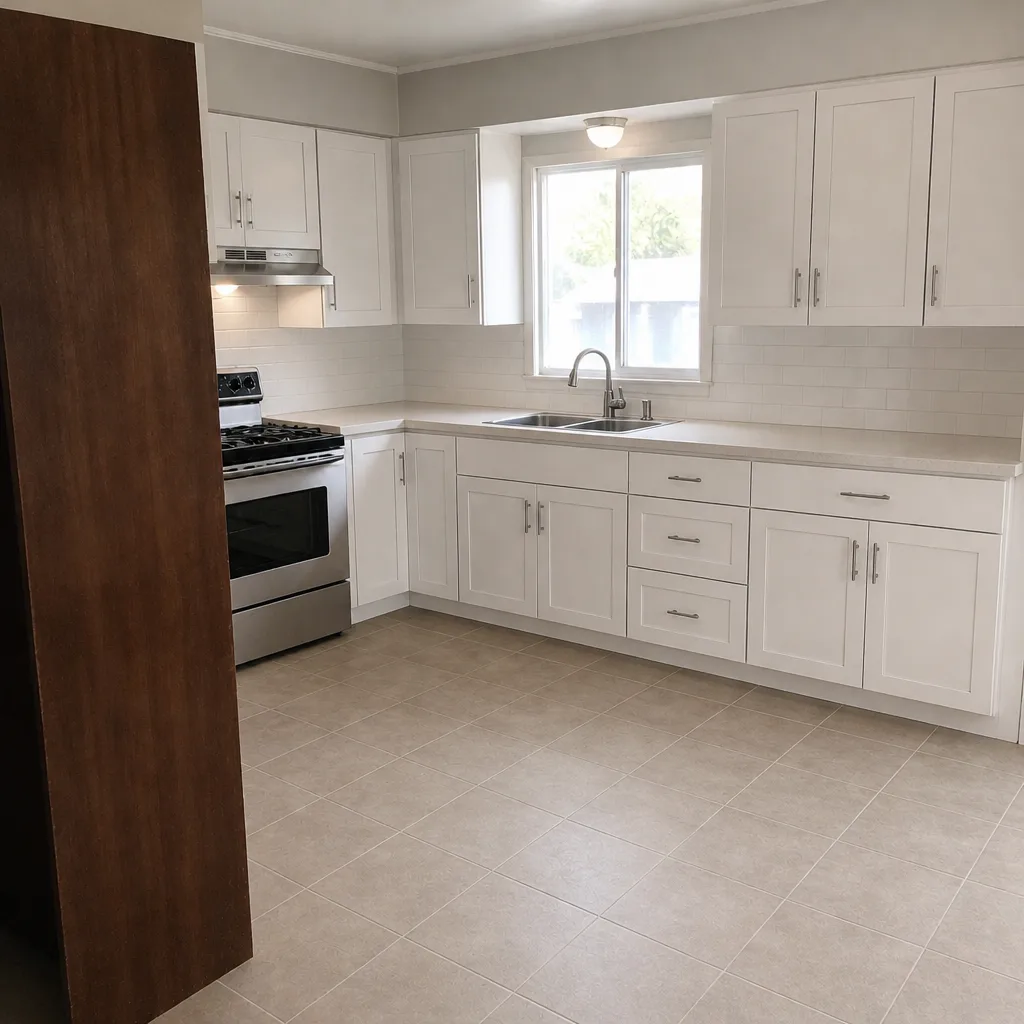 After
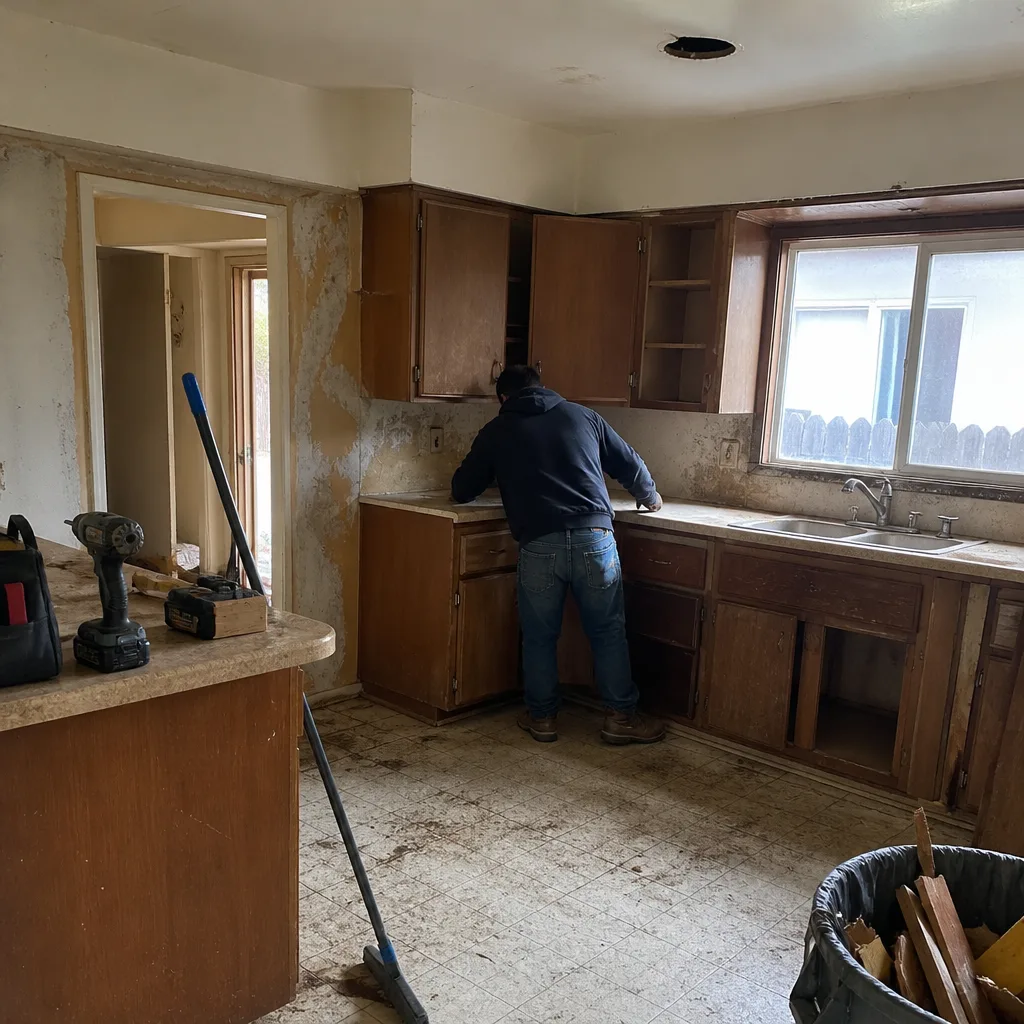 Before
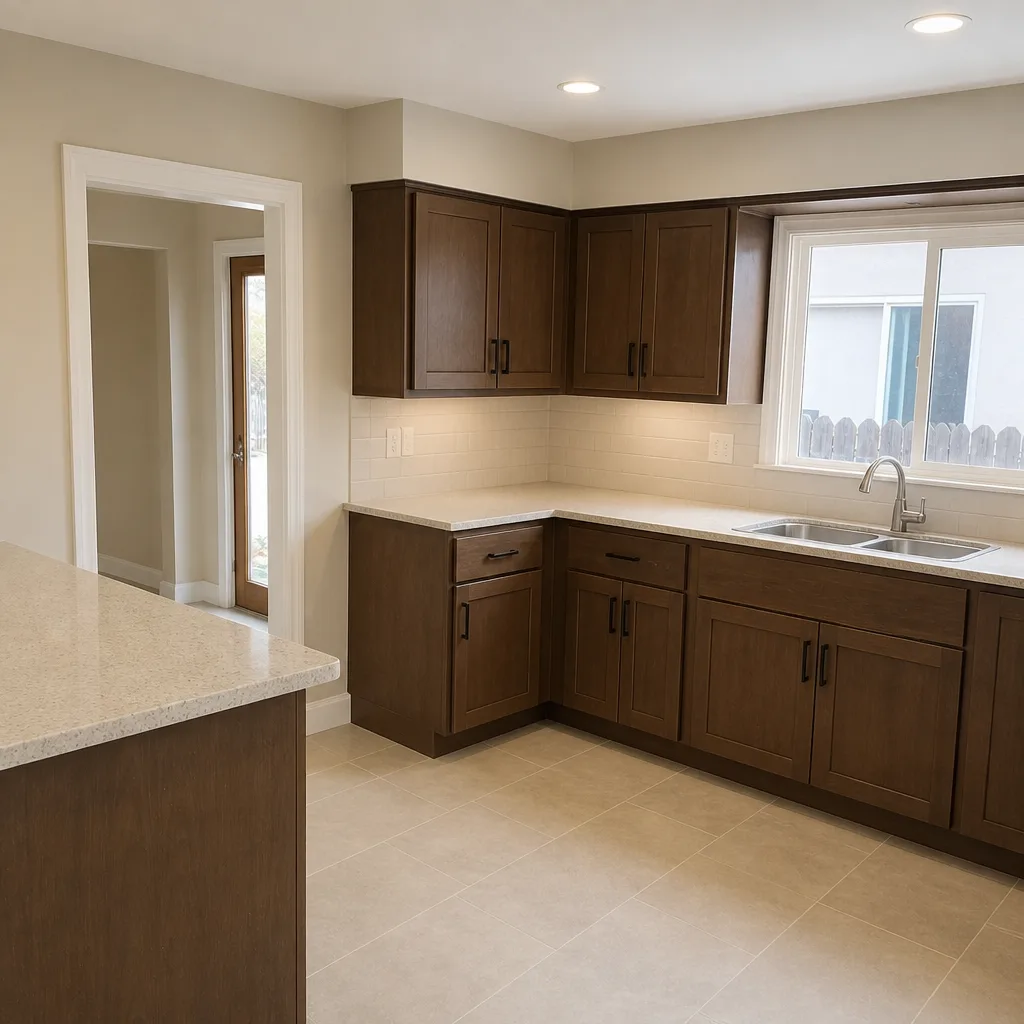 After
When to Call a Professional
Most of the calendar above is homeowner work. But water intrusion you can’t trace, a sliding door that won’t roll even after lubrication, a window that fogs between the panes, or any hinge or frame damage pointing to structural movement warrants a trained eye. Fogging means the sealed unit failed, which is often a warranty claim that needs documentation done right from the start. Rotted wood at a threshold, gaps you can see daylight through, and doors that stick seasonally on one side of a Long Beach home can all point to settling or drainage problems worth diagnosing before they spread. Groundwork Construction Co. of Long Beach offers free estimates in Long Beach, and our technicians have up to 12 years of experience with window and door replacement and repair. Call (888) 345-8164 and we’ll come look.
Frequently Asked Questions

Clean the glass and frames every three to six months, and rinse coastal-facing units monthly in Long Beach to remove salt spray. That frequency matches what most manufacturers define as reasonable maintenance. Call (888) 345-8164 if you’re unsure what your warranty requires.
Two times a year is the safe standard, and most warranty terms treat corrosion or seizure from skipped lubrication as owner responsibility. A spring and fall cycle covers it. Call (888) 345-8164 for a free assessment if a hinge has already seized.
Fogging means the sealed glass unit failed and moisture reached the space between panes. Seal failure is often covered, but only if you can show the weep holes and drainage were maintained. Call (888) 345-8164 and we’ll document what we find.
Monthly freshwater rinses for salt-facing frames and glass, plus seasonal inspections in spring and fall. Salt air wears finishes faster than inland conditions, so the coastal cycle is genuinely tighter. Call (888) 345-8164 to schedule a free inspection.
Only if the manufacturer approves it for your glazing. Avoid ammonia on low-E coatings and factory tinted or filmed glass, where it can degrade the surface. A mild dish soap and water solution is the safe default. Call (888) 345-8164 if you want a recommendation for your specific windows.
Look for daylight under the sweep, press a sheet of paper against the threshold to test the seal, and check the sill interior for stains or soft trim after rain. In Long Beach, worn sweeps are the top cause of intrusion under sliding doors. Call (888) 345-8164 if you find water damage.
The Bottom Line
Windows and doors fail on a schedule, and so do warranty protections. The homeowner who cleans quarterly, lubricates twice a year, checks weatherstripping each season, clears the weep holes, and keeps a dated log has a real shot at getting a failed unit replaced under warranty. The homeowner who doesn’t is often the one paying for it. In Long Beach the coastal salt adds a monthly rinse to the calendar, and marine-climate sweeps wear faster. It’s not complicated; it’s just documented. That’s the whole game, and it protects an investment worth thousands for maybe an hour of work a season.
If a maintenance check turns up water intrusion, a failed seal, or door damage you’d rather have someone look at, call Groundwork Construction Co. of Long Beach at (888) 345-8164 for a free estimate. Calls are answered by a live person 24/7, technicians are background-checked and arrive in uniform, and every window and door project is covered by our 730-Day Done Right Promise. No-hassle upfront pricing means the number you see is the number you pay, and projects over $10,000 qualify for $1,000 off with 0% financing for 18 months available.
Written by the team at Groundwork Construction Co. of Long Beach.