Last updated November 17, 2026

Free written scope consultation - allowances, timeline, and change-order rules on paper before a single trade is scheduled
Construction Cost Breakdown: The Long Beach Homeowner’s Reference for 2026
In 2025, Long Beach homeowners reported an average gap of $18,000 between their lowest and highest bids on mid-size remodel projects. The spread wasn’t fraud. It was opacity. Contractor A priced a tile allowance at $4 a square foot; Contractor B at $14. Contractor A’s bid excluded the permit revision that follows a failed framing inspection; Contractor B’s included it. Same scope on paper. Two completely different buildings in practice.
This guide does one thing: it exposes the hidden variables inside the line items, so when you compare bids on a Long Beach kitchen, bathroom, roof, ADU, driveway or fence, you’re actually comparing the same house. You’ll learn what drives Long Beach costs above national averages, where markup is legitimate and where it’s padding, how coastal air changes the cost-per-year math on materials, what a transparent fixed-price contract should say, and how to build a contingency that reflects the surprises that genuinely show up here. Roughly 20% of this is us telling you how we price at Groundwork Construction Co. of Long Beach. The other 80% is here so you can read any bid, from any contractor, with clear eyes.
Quick Answer
Construction costs in Long Beach in 2026 typically run 15% to 30% above national averages, driven by prevailing wage requirements on larger permitted jobs, coastal zone permit fees, and a subcontractor market that stays tight because supply can’t keep up with demand. For a mid-size remodel, expect to pay somewhere between $65,000 and $140,000 all-in, depending on scope, material tier, and whether the bid you choose is transparent about what it actually covers. The single biggest factor in what you pay isn’t the contractor you pick. It’s whether the bids in front of you are describing the same work.
Styles & brands we work with
- Kitchen remodeling
- Bathroom remodeling
- Home additions & ADU
- Roofing
- Windows & doors
- Driveway & pavers
- Fence
Table of Contents
- Why Long Beach Bids Vary 30-50% for the Same Scope
- The Long Beach Cost Premium: Prevailing Wage, Coastal Permits, and Subcontractor Rates
- Line-by-Line: Legitimate Markup vs. Where Padding Hides
- Material Tier and Longevity: The Coastal UV and Salt Air Reckoning
- What a Fixed-Price Contract Should Include (and What “Allowance” Signals)
- Building a Realistic Contingency Budget for Long Beach
- Trade-by-Trade Cost Ranges for 2026
- Common Mistakes to Avoid
- When to Call a Professional
- Frequently Asked Questions
Why Long Beach Bids Vary 30-50% for the Same Scope
Two contractors hand you bids on the same 200-square-foot kitchen remodel in Belmont Shore. One comes in at $82,000. The other at $118,000. The natural instinct is to assume the low bidder is cutting corners or the high bidder is padding. Sometimes that’s true. More often, they’re pricing different things under identical-sounding line items.
Here’s what actually differs:
- Allowance amounts. One contractor allows $3,500 for tile; another $9,000. Until you buy the tile, neither number is real.
- What’s excluded. Demo? Dumpster fees? Permit pulls? Subfloor repair? Electrical panel upgrade if the kitchen circuit needs 20 amps and the panel is a 1970s Zinsco? A low bid often excludes three or four categories that quietly reappear as change orders.
- Subcontractor relationships. A contractor with a steady framer and plumber prices certainty. A contractor scrambling for subs in a tight Long Beach market prices the same work at a markup because the subs are charging more.
- Insurance and warranty reserves. A bid with proper general liability, workers’ comp, and a real workmanship warranty costs more to build. A bid without them is cheaper right up until it isn’t.
- Material tier. Quarts vs. high-end solid-surface counters, builder-grade vs. architectural shingle roof, standard 6-panel doors vs. solid core. The scope can look identical and the actual finish schedule be nothing alike.
The fix isn’t asking one contractor to drop their price to match the other. It’s asking both to itemize the bid to a level where you can line them up trade-by-trade: demo, framing, rough-in, drywall, finishes, allowance, permit, contingency. If a bid can’t be lined up, it can’t be compared. That single conversation eliminates most of the confusion.
The Long Beach Cost Premium: Prevailing Wage, Coastal Permits, and Subcontractor Rates
Long Beach isn’t an average California market. Three structural factors push real costs above national baselines, and knowing them helps you read a bid accurately.
1. Prevailing wage on covered public work
On larger permitted projects in Long Beach – particularly anything touching public right-of-way or a public-works-adjacent scope – prevailing wage requirements can apply. Even on private residential work, contractors who routinely bid public work sometimes apply prevailing-wage logic to their whole business, and that inflates their labor line by 20-40%. A transparent bid states whether prevailing wage applies and shows it as its own line item. If it’s buried, ask where it is.
2. Coastal zone permit fees and review timelines
Parts of Long Beach fall inside the California Coastal Zone, which triggers an additional permitting review layer. The fees themselves may run a few hundred to a couple thousand dollars on a residential project, but the real cost is time – the additional review can add weeks, and time has a carrying cost. A pending permit pushes labor to next quarter, when subcontractor rates are set anew. If a bid quotes permit fees but doesn’t quote a realistic timeline, it’s quoting half the equation.
3. Subcontractor market rates
Long Beach subcontractor rates in 2026 reflect a supply-constrained market. Electricians, plumbers, and finish carpenters are booked six to twelve weeks out on decent-size jobs. When they’re booked, they price. A contractor who bids below market on labor in this environment is either eating into supervision or planning to substitute crews mid-job. Neither is your problem to fix. It’s your problem to spot.
The 15-30% premium over national averages sits in this stack: labor, permitting, and market rates. It’s not a Long Beach upcharge. It’s the reality of building here.
Line-by-Line: Legitimate Markup vs. Where Padding Hides
Contractors mark up. It’s not a secret, and pretending otherwise would be dishonest. The question worth asking is which portions of the markup are earning their place and which are just weight.
Legitimate markup – what it’s actually paying for
- General liability and workers’ comp insurance. On a $100,000 project, insurance can easily run 3-5% of the job cost. That’s $3,000-$5,000. Every contractor carries it or the state makes them carry it. You want to see it.
- Supervision and project management. A project manager on a mid-size remodel, at legitimate cost, contributes 8-12% to the job. The alternative is nobody answering your calls.
- Warranty reserves. A meaningful workmanship warranty – not a one-year handshake, a real one – costs money to underwrite. Our 730-Day Done Right Promise means we allocate funds up front to honor it. That’s a legitimate line item, not padding.
- Overhead. Licensing, software, office, permit runner, bookkeeping. This is 6-12% of the job. If a contractor’s overhead is zero, they’re running on a personal phone and a folding table, which is not the recipe for a $100,000 remodel you’ll want them back for.
- Profit. 10-20% is the legitimate range for a residential contractor doing quality work. Below 10% and they’re not building a durable business; above 25% and you’re paying for their beach house.
Where padding hides
- Vague line items. “Miscellaneous framing: $6,500.” What framing? How many linear feet? What’s the lumber spec? A real bid breaks this out.
- Inflated allowances paired with a “TBD” spec sheet. If the allowance is high and the material isn’t specified, the contractor pockets the difference if you choose lighter, or charges overage if you don’t. Both outcomes serve them.
- Supervisory fees with no supervisor named. “Project coordination fee” as a line item is fine. “Project coordination fee” as a line item with no description of what gets coordinated is padding.
- Remodeling protection markup on change orders. A 10% markup on a change order is normal. A 30% markup on the same change order, added after work begins, is a way to make back a low original bid.
- Cleanup and dumpster as separate, up-charged items. Legitimate as line items, but when they double across two invoices, something’s off.
A bid where every dollar traces to a specified material, a stated labor hour count, and a stated scope is a bid you can trust. A bid where more than 15% of the total sits in vague buckets deserves a specific conversation before you sign.
Material Tier and Longevity: The Coastal UV and Salt Air Reckoning
Long Beach sits close enough to the ocean that the local material spec matters in ways it doesn’t in Riverside or Bakersfield. UV exposure here is high, salt air is real, and the marine layer brings humidity cycles that shorten the useful life of anything specified without coastal conditions in mind.
Here’s where it shows up in the true-cost equation:
- Countertops. Standard quartz counters hold up well in kitchens; Cambria and comparable mid-to-high-tier quartzes carry better UV stability than entry-level products that can yellow in strong west-facing sunlight. Cost difference runs $800-$2,500 on a typical kitchen. Over 15 years, that’s a small annual premium for not facing a replacement.
- Fixtures and finishes. Kohler and other mid-tier brand fixtures are designed with marine-air conditions in mind. Budget foreign equivalents carry similar cosmetic appeal at 40% less, then show pitting and finish failure two to three years earlier in coastal homes.
- Roofing. Architectural shingles from GAF or CertainTeed degrade more slowly in coastal UV than builder-grade three-tab, which chalks and loses granules noticeably faster here. A roof that lasts 22-25 years instead of 15 is a very different cost-per-year – often cheaper than the “budget” roof.
- Windows. Coastal homes need low-E glass and corrosion-resistant hardware, not because the window companies invented a need, but because salt air eats standard hardware. Andersen and Pella offer coastal spec packaging for exactly this reason.
The cost-per-year calculation, not the upfront sticker, is what tells you whether the material tier you’re choosing is actually the cheaper choice. It usually isn’t the one that looked cheaper at the bid comparison stage. The right dollar figure is the one that divides the installed price by realistic years of service, adjusted for Long Beach conditions. Ask your contractor to do that math with you on paper.
What a Fixed-Price Contract Should Include (and What “Allowance” Signals)
“Fixed price” means the price is fixed for the scope as described. If the description is vague, the price isn’t fixed; it’s just initial. Here’s what a genuinely transparent fixed-price contract covers in Long Beach.
- A complete scope narrative. Not just “kitchen remodel.” A room-by-room, trade-by-trade description of what’s included, and an equally clear list of what’s excluded.
- Material schedule with specified brands and models. Not “premium cabinet package” – a cabinet line, door style, finish, and hardware spec. Not “quartz counters” – the brand and color and edge profile. This is where the difference between Amish custom cabinetry and imported flat-pack, or Cambria vs. an unnamed quartz, lives.
- Low, specified allowances. A $2,000 lighting allowance and a $12,000 lighting allowance produce different final prices. Low, well-researched allowances with clear overage rules are better than high allowances that mask uncertainty.
- Permit responsibility and fee handling. Who pulls, who pays, and whether the final permit closeout is the contractor’s job or yours.
- Change order process in writing. How changes get priced, who approves, and what the markup ceiling is.
- Warranty terms spelled out. Length in months or years, what’s covered, what voids coverage, who responds, and how fast.
- Payment schedule tied to milestones. Deposits, progress payments, and a final payment that’s meaningful enough to guarantee final-walkthrough punch work actually gets done.
- Schedule with contingencies. A start date, a milestone timeline, and a stated process if an inspection delay or weather event pushes the schedule.
“Allowance” and “TBD” signal one of two things: either the contractor hasn’t done enough homework to price your project honestly, or they’re reserving room to grow the bill later. Either way, you want to see those numbers filled in before you sign. Vague line items don’t become less vague during construction. They grow.
Building a Realistic Contingency Budget for Long Beach
Every cost guide worth reading tells you to build in a contingency. Few tell you what the contingency is for. Here’s what actually adds cost on Long Beach projects, and what percentage each category deserves.
The five “surprise” categories
- Soil and site conditions (5-15% of hard construction cost on additions). Expansive clay is common in parts of Long Beach and inland areas; older homes sometimes show undocumented footings, buried obstructions, or historic site prep that doesn’t match the drawing. Geotechnical reports help, but they only sample the soil they sample.
- Permit revision fees and review delays (2-5%). If a plan check comes back with revisions, re-submittal fees and a second round of plan review are real dollars. Additional weeks of delay carry carrying costs on financing and displaces the schedule.
- Inspection corrections (2-8%). Framing, shear, MEP, and energy compliance errors sometimes require rework. The scope of rework on a whole-house remodel can surprise. A contractor who includes a plan for inspection correction costs in the contingency isn’t being pessimistic; they’re being accurate.
- Hidden conditions in existing structure (5-12% on pre-1970s homes). Anything pre-1970 in Long Beach runs the risk of lead paint, asbestos-containing materials, knob-and-tube wiring, galvanized plumbing, or undocumented structural modifications. Each discovery has remediation cost.
- Material price movement and lead times (2-5%). Specialty cabinetry, windows, and roofing can swing in both directions during 6-month delivery timelines. A bid that locks material pricing at bid date protects you; a bid that prices materials at delivery date pushes the risk onto you.
Add those ranges together and a 15-25% contingency on the total project cost is a reasonable planning target for a Long Beach remodel. For additions and ADUs, use 20-25% because there’s more structure to discover. For a roof or driveway replacement, 10-15% is typically enough. The point isn’t paranoia; it’s that a homeowner with a contingency is calm when a surprise arrives, and a homeowner without one makes rushed, expensive decisions under pressure.
Trade-by-Trade Cost Ranges for 2026
Here’s how the major trade categories price out on Long Beach projects in 2026. Every number is a range, not a quote; use it as a sanity check when bids land, not as the bid itself.
- Kitchen remodel, mid-size, mid-tier finishes: $75,000-$140,000. Lower end for galley kitchens with existing footprint; upper end for layout changes, all-new cabinetry, and Cambria or equivalent counters.
- Bathroom remodel, full, mid-tier: $25,000-$55,000. Tile, glass shower enclosure, new vanity and plumbing fixtures, and ventilation upgrade.
- Roof replacement, asphalt shingle, 1,800 sq ft: $18,000-$32,000 installed. Architectural shingle tier pushes toward the top; coastal spec and tear-off add.
- Window replacement, whole house, Andersen or Pella mid-tier: $22,000-$45,000. Coastal hardware spec and low-E glass add meaningfully over builder-grade.
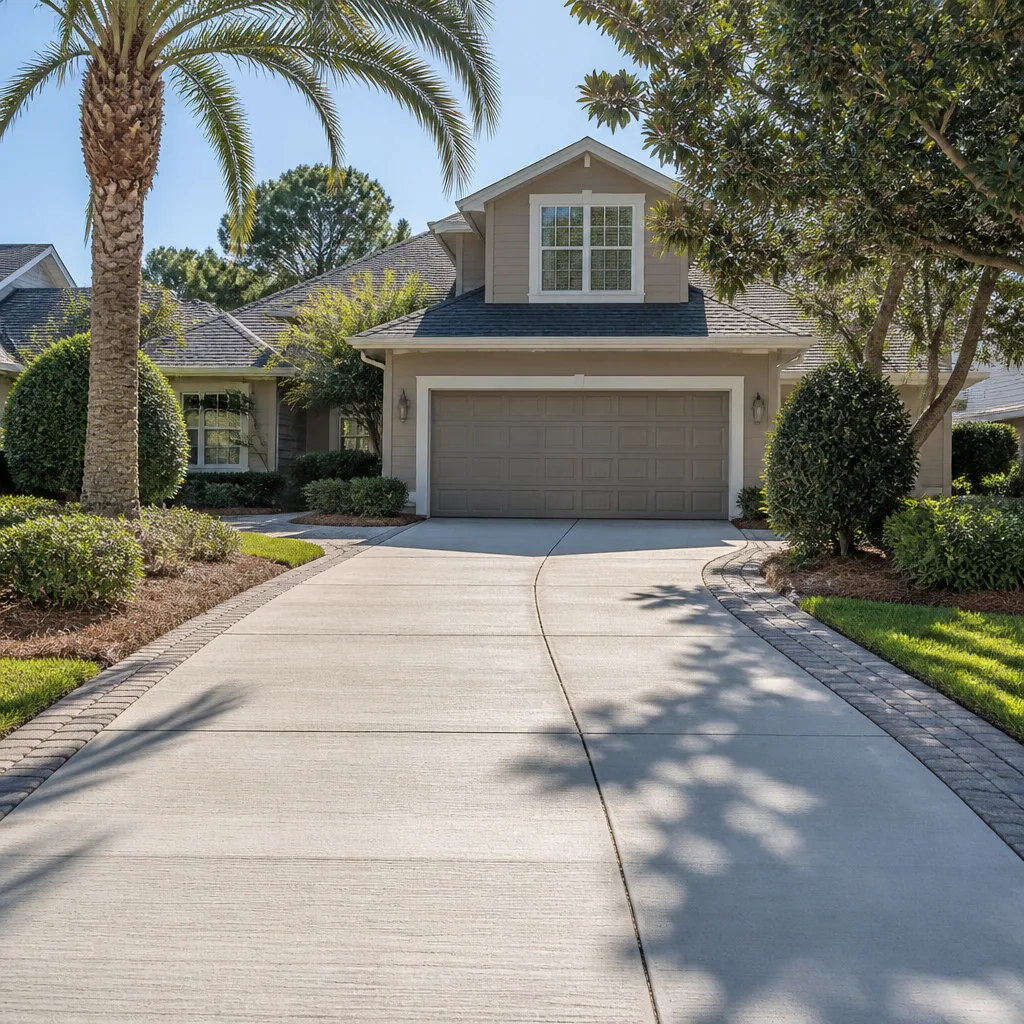
- Driveway replacement or pavers, 600 sq ft: $12,000-$28,000. See Driveway & Pavers in Long Beach for a full breakdown of the trade.
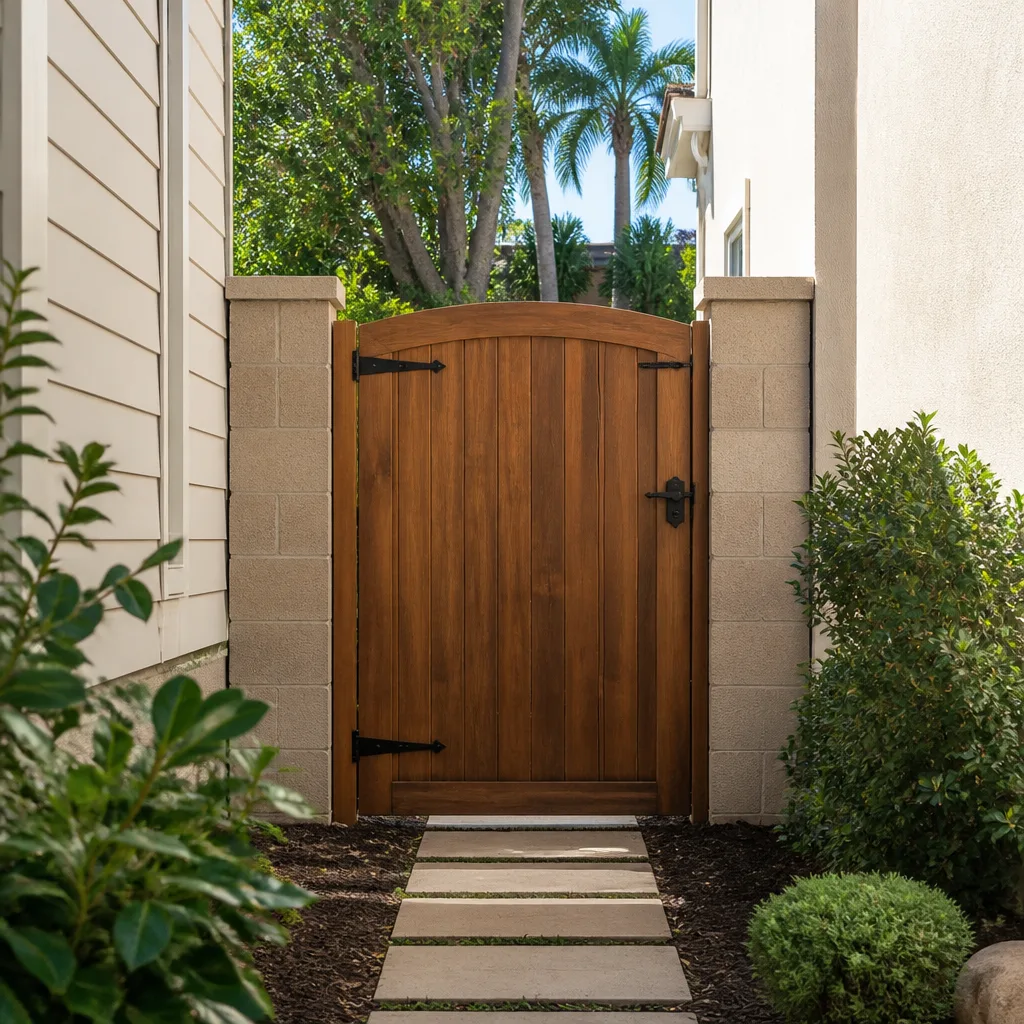
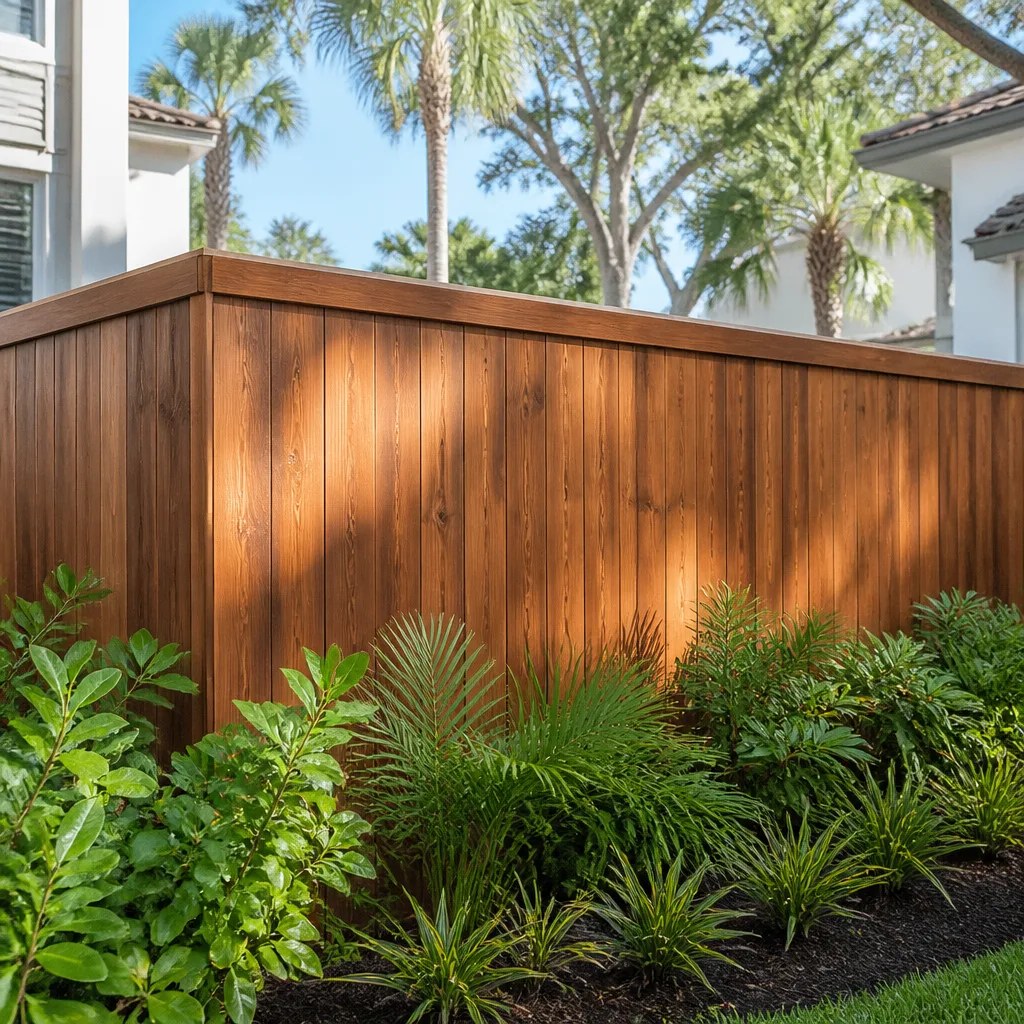
- Fence installation, 100 linear ft, cedar or composite: $6,500-$14,000. See Fence Installation in Long Beach.
- ADU, 600-800 sq ft detached: $220,000-$380,000 turnkey. Full detail at Home Additions & ADU in Long Beach.
Ranges move with material tier, layout complexity, and site conditions. A bid at the low end of every range, across every trade, on the same project is a warning sign, not a bargain. A bid at the high end of every range with no line-item detail is also a warning. Compare itemized, trade-by-trade bids, and you’ll find the honest number faster.
Common Mistakes to Avoid
- Comparing totals instead of line items. A $12,000 gap between two bids tells you almost nothing. A line-by-line comparison of the same scope tells you which bid is realistic and which needs follow-up questions before you can trust it.
- Choosing the lowest bid without confirming scope parity. If the low bid excludes the panel upgrade, the dumpster, and a $9,000 allowance for tile, it’s not actually lower. Add the exclusions, compare allowances side-by-side, and re-rank.
- Ignoring the permit trail. Long Beach projects that skip permits fail resale years down the road, and retroactive permitting is expensive. If a bid offers to “work weekends and skip the paperwork,” that’s a bid for a project you’ll eventually have to fix.
- Building in too little contingency. A 5% contingency feels prudent and reads as optimistic. In Long Beach, with soil surprises, permit delays, and pre-1970s house reality, 15-25% is what actually protects the budget.
- Letting allowance creep go unrecorded. Small overages on tile, lighting, hardware, and plumbing fixtures stack into real money. Keep a written allowance ledger from day one.
- Accepting a bid with no written warranty terms. The bid should state the workmanship warranty in writing, in months or years, with the process for making a claim. A promise isn’t a warranty; a contract clause is.
- Signing with a contractor whose insurance you haven’t confirmed. Ask for the certificate of insurance naming the carrier and policy types. Verify it. This is one of the few checks Long Beach homeowners skip that can be devastating if wrong.
When to Call a Professional
Some work is fine as a homeowner project. Replacing hardware, painting a fence line, swapping a light fixture on an existing circuit. Call a professional when the work involves structural changes, electrical panel work, gas line work, roofing at height, or anything requiring a permit. In Long Beach specifically, call a professional when the project touches the coastal zone, involves a property pre-1970, or when the bid you’re evaluating has more than 10% of its cost in vague categories and you can’t tell whether that’s padding or legitimate. A pro walks the property, produces a written scope, and answers the questions you couldn’t find in a guide. Groundwork Construction Co. of Long Beach offers free estimates in Long Beach – call (888) 345-8164 and we’ll walk the property with you and turn this guide’s framework into a real, itemized bid for your home.
Frequently Asked Questions
A mid-size kitchen remodel in Long Beach runs $75,000-$140,000 in 2026, with the spread driven by layout changes, cabinetry tier, and countertop material. A cosmetic refresh keeping the existing footprint and mid-tier finishes lands near the low end; a layout change with custom cabinetry, Cambria counters, and new appliances lands near the top. Call (888) 345-8164 for a free itemized estimate on your specific kitchen.
Long Beach construction carries a 15-30% premium over national averages because of prevailing wage applicability on larger permitted jobs, coastal zone permit review, and a subcontractor market with genuine supply constraints. None of these are optional; all of them are real costs. A bid that comes in at national-average pricing usually has scope exclusions buried in it. Call (888) 345-8164 and we’ll walk you through a line-item breakdown on your project.
On a well-written fixed-price contract, the price doesn’t change unless you change the scope or the job hits a documented hidden condition. Every legitimate change should come with a written change order showing the added cost and markup before you approve it. If your contract doesn’t specify the change-order process, get that added before you sign. Call (888) 345-8164 to see what a Groundwork Construction Co. bid looks like on paper.
Yes, for every project that requires one. Permitted work protects your resale value and prevents the kind of retroactive permitting that can cost more than the original job. We handle permit submission, plan check correspondence, and inspection closeout as part of the project scope. Coastal-zone review, when it applies, is part of that work. Call (888) 345-8164 for an estimate that includes permit handling.
Budget 15-25% of the total project cost as contingency, or 20-25% for additions and ADUs where there’s more existing structure to discover. The most common surprise categories in Long Beach are soil conditions, permit revision fees, inspection corrections, hidden pre-1970s conditions, and material price movement. A project without a real contingency is a project that makes rushed financial decisions the first time something unexpected surfaces. Call (888) 345-8164 and we’ll help you scope a realistic contingency into your bid.
A mid-size kitchen remodel in Long Beach typically takes 10-16 weeks from permit issuance to final walkthrough, with the exact timeline depending on scope, material lead times, and inspection scheduling. Coastal-zone review can add additional weeks before construction even begins. Any contractor quoting a two-week kitchen with this scope is either running an entirely different project or planning to substitute crews. Call (888) 345-8164 for a schedule that reflects real Long Beach timelines.
The Bottom Line
The reason Long Beach bids differ by 30-50% on identical-scope projects isn’t fraud. It’s that identical scopes aren’t identical. Different allowances, different exclusions, different insurance, different warranty reserves, different material tiers, different subcontractor relationships. The homeowner who wins the bid-comparison game is the one who learns to read past the total and into the line items. Build in a real contingency (15-25%), insist on a specified material schedule, ask for the change-order process in writing, and buy the material tier that makes financial sense over its real Long Beach lifespan, not just on bid day. Do that, and the bid you sign is one you’ll still be glad you signed two years from now. Groundwork Construction Co. prides itself on Groundwork Construction Co. of Long Beach home pricing that eliminates the guesswork other contractors leave behind – the number on the bid is the number you pay, backed in writing by our 730-Day Done Right Promise.
Call (888) 345-8164 to schedule your free estimate. A live person answers, we walk your property, and we produce an itemized, fixed-price bid you can compare line-by-line against any other. Free estimate and design consult. $1,000 off projects over $10,000. 0% financing for 18 months. Transparent, up front, in writing.
Written by the team at Groundwork Construction Co. of Long Beach.
See the difference
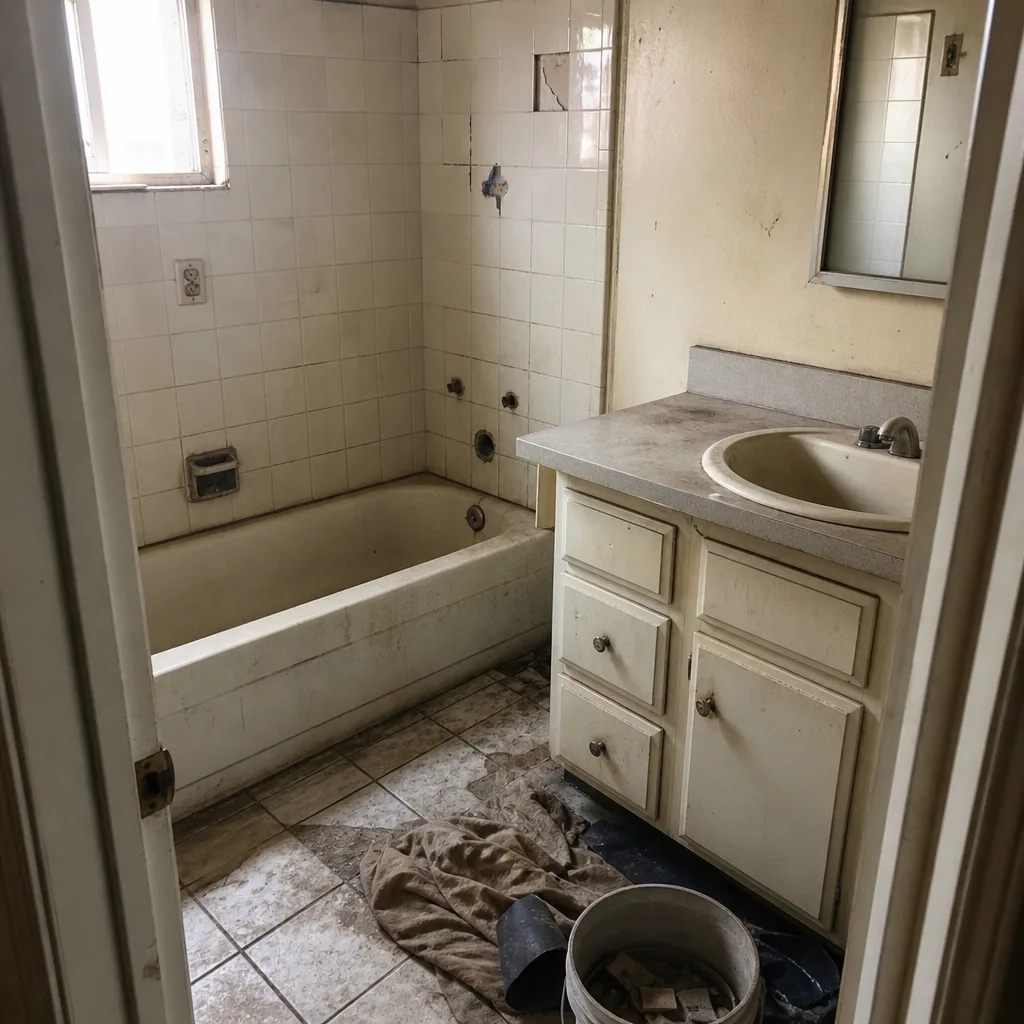 Before
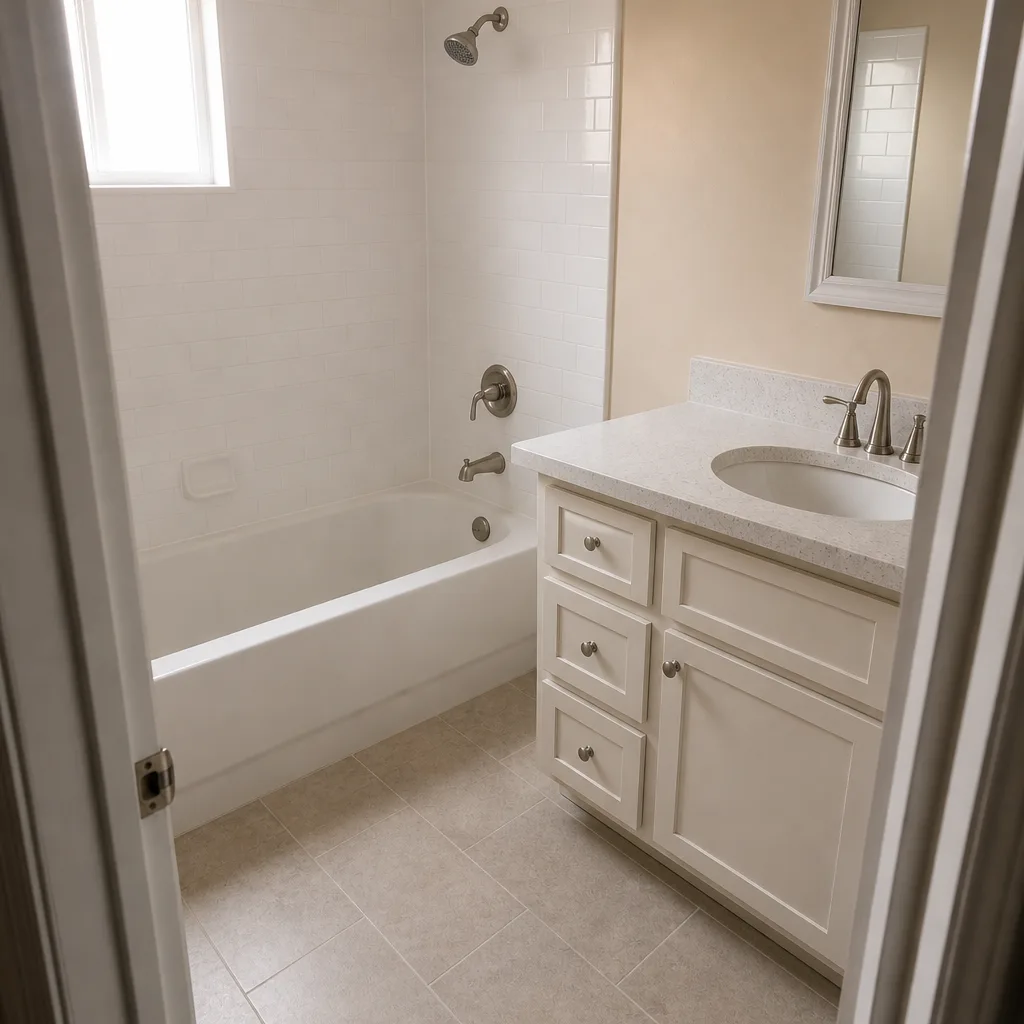 After
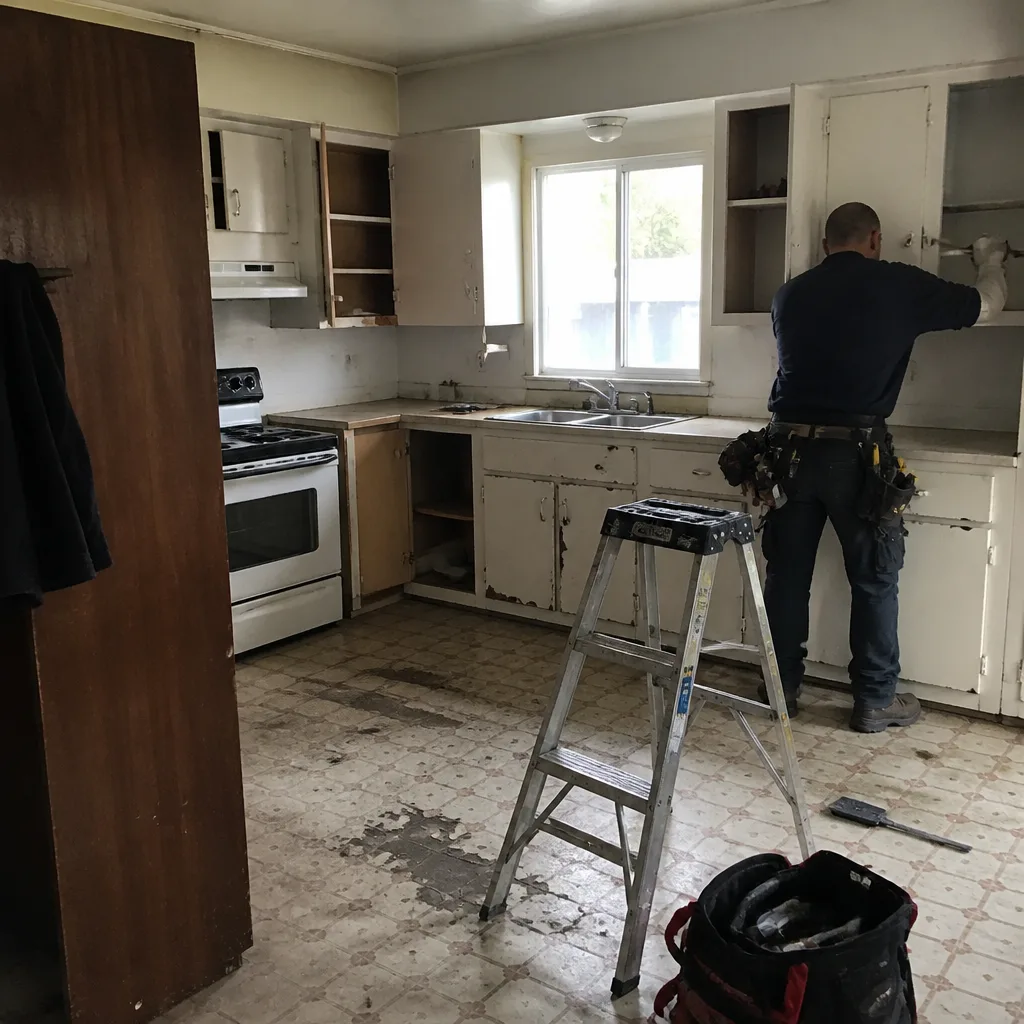 Before
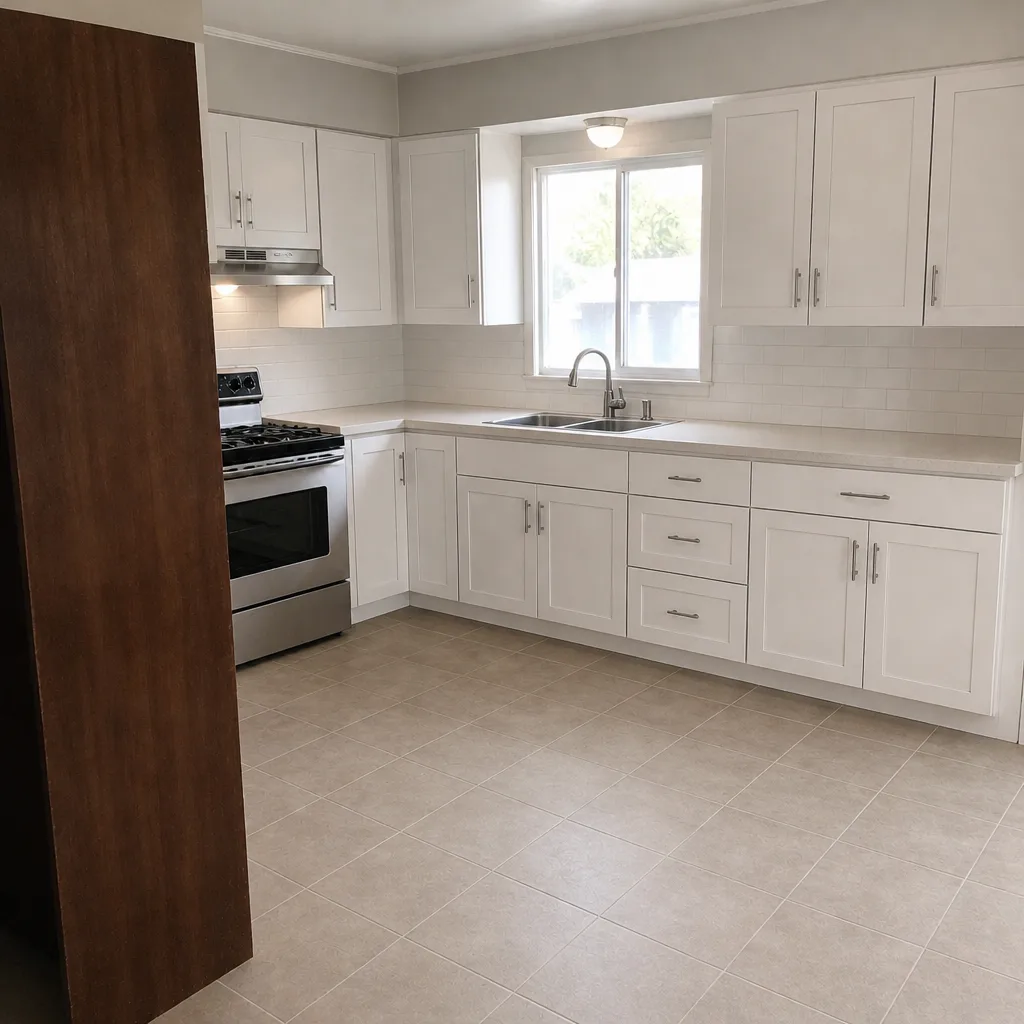 After
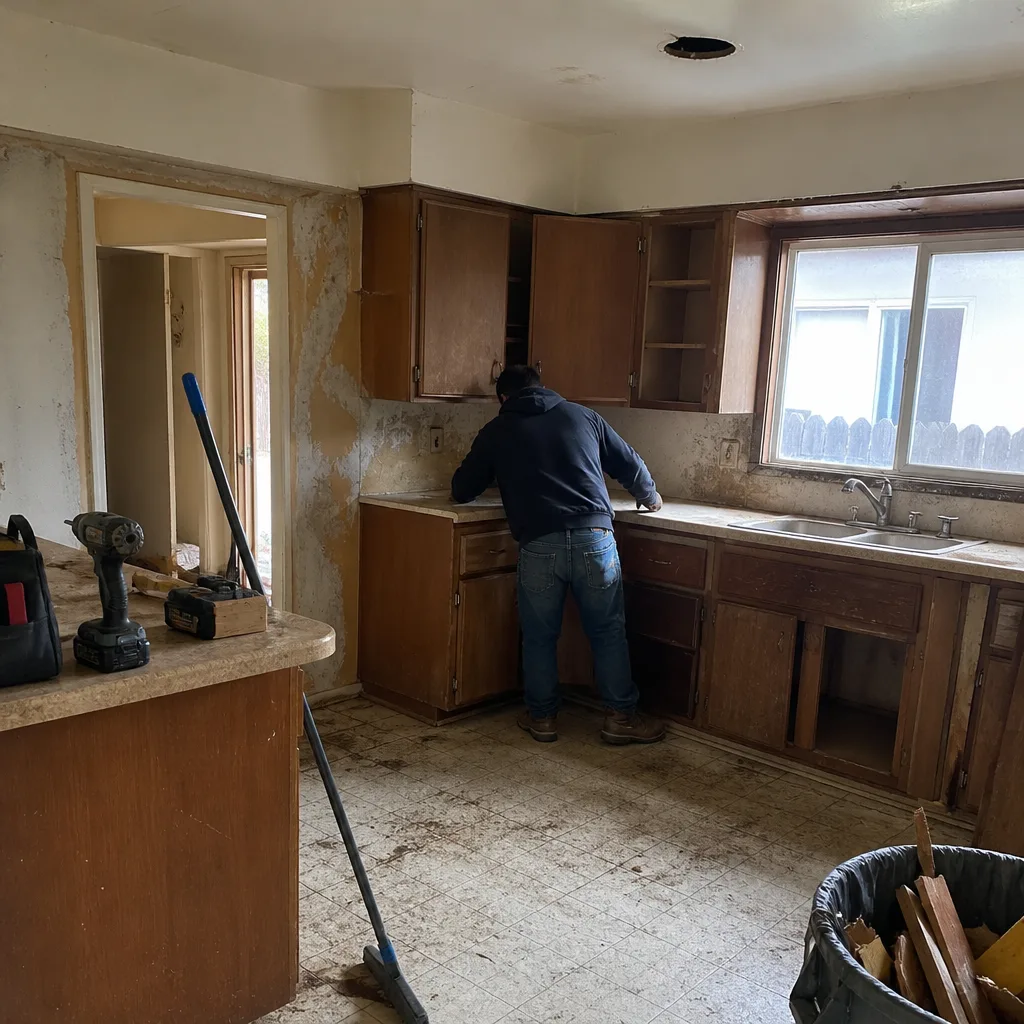 Before
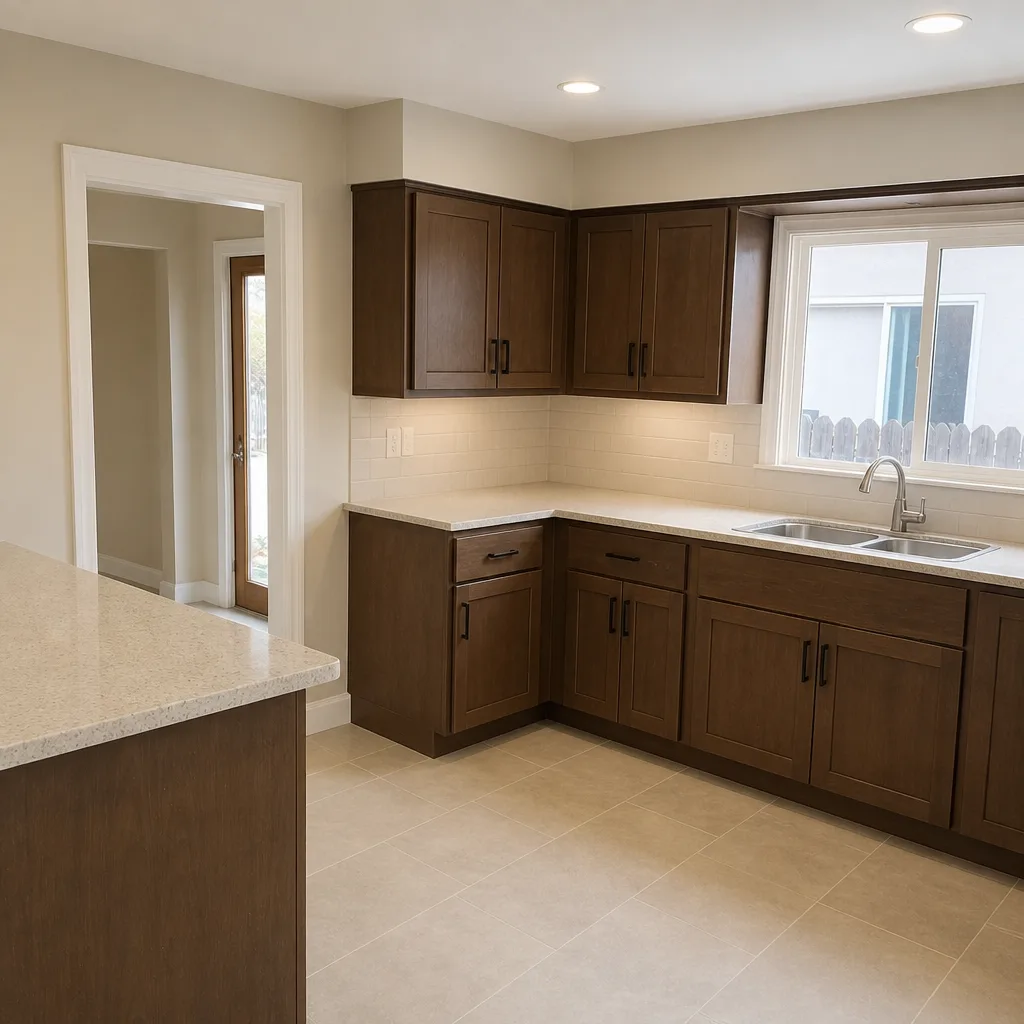 After