Last updated November 17, 2026




Free written scope consultation - allowances, timeline, and change-order rules on paper before a single trade is scheduled
Construction Emergency Preparedness Guide for Long Beach Homes
After the 2019 Ridgecrest earthquakes, Long Beach homeowners who had no documentation of their home’s construction condition waited an average of six weeks longer for insurance settlements than neighbors who had photo records and contractor paperwork on file. That gap wasn’t about damage. It was about proof. Long Beach sits inside an earthquake zone, a coastal flood zone, and a wind corridor at the same time, so a construction emergency here isn’t a hypothetical. This guide walks through the risk map, the record package you should build now, the first 24 hours after a quake, the scam tactics that show up within 72 hours, and how to keep a warranty claim and an insurance claim from canceling each other out.
Quick Answer
Construction emergency preparedness for a Long Beach home means three things done before anything happens: knowing your specific address’s seismic, flood, and wind risk (not the county average), keeping a construction record package with permits, inspection sign-offs, material specs, and contractor contacts in a safe place, and having a written response plan for the first 24 hours after an event. Long Beach homeowners who do these three things recover faster, get cleaner insurance settlements, and avoid the predatory contractors who arrive within days of every local disaster.
Styles & brands we work with
- Kitchen remodeling
- Bathroom remodeling
- Home additions & ADU
- Roofing
- Windows & doors
- Driveway & pavers
- Fence
Table of Contents
- Long Beach Risk Matrix: Liquefaction, Flood Maps, and Fault Proximity
- The Construction Record Package Every Long Beach Home Should Have
- Post-Earthquake Inspection Protocol: The First 24 Hours
- How to Spot Emergency Contractor Scams in Long Beach
- Warranty Event, Insurance Event, or Both?
- Coastal Wind and Water Intrusion: The Underrated Long Beach Threat
- Planning the Rebuild: Sequence, Permits, and Picking a Contractor Under Pressure
Long Beach Risk Matrix: Liquefaction, Flood Maps, and Fault Proximity
Long Beach is not one uniform risk zone. A home in the Willmore City historic district sits on different ground than one in Belmont Shore, which sits on different ground than a hillside property near Signal Hill. Before you plan for anything, you need your address’s actual profile. Three maps drive the answer.
1. Liquefaction susceptibility
Liquefaction happens when saturated, sandy soil loses its strength during shaking and behaves like a liquid. The California Geological Survey publishes liquefaction hazard zones, and in Long Beach the highest-risk areas line the coastal plain, the low ground near the LA River channel, and the filled land around the port and Alamitos Bay. If your home is in a high-susceptibility zone, foundation condition matters far more than it does a few miles inland. A pre-1990 slab with no retrofit history is a very different risk than an older raised foundation that’s been bolted and braced.
2. FEMA flood zone
Pull your address on the FEMA Flood Map Service Center. Long Beach has properties in AE, X, and other designations depending on elevation and proximity to the bay, the river, and the breakwater. The flood zone tells you two things: whether your lender requires flood insurance, and how water intrusion will move through your property during a coastal storm. That second point matters for construction, because the direction of water tells you which wall assemblies, framing, and exterior materials are most likely to fail.
3. Fault proximity
Long Beach sits within the influence of the Newport-Inglewood fault zone plus the broader Southern California network. You don’t need to memorize the fault names. You do need to know that ground shaking in Long Beach is a when, not an if, and that the building stock here spans more than a century. A 1920s bungalow in Rose Park, a 1960s tract home in East Long Beach, and a new build near Downtown all respond differently to the same event. The age and retrofit history of your specific house is the variable you can actually control.
How to look up your address
- Open the California Geological Survey’s earthquake hazard maps and locate your parcel in the liquefaction and landslide layers.
- Pull your address on the FEMA Flood Map Service Center to confirm your zone and base flood elevation.
- Request the permit history for your property from the Long Beach Community Development Department to see what’s been retrofitted, added, or altered.
- Take that combined profile to a licensed structural engineer or a qualified contractor and get a written assessment of the specific vulnerabilities.
Generic county data won’t help you here. The building official who reviews your post-event repairs is looking at your property, not the average.
The Construction Record Package Every Long Beach Home Should Have
This is the single highest-return task on the entire list. The difference between a fast settlement and a six-week stall is almost always documentation. When an adjuster asks how the roof was attached, what the window specs were, and when the addition was inspected, “I think it was 2018” does not move the file forward. A folder does.
What belongs in the package
- Permits and inspection sign-offs. Every pull number, every final inspection card, every sign-off from the Long Beach building department. If a prior owner did unpermitted work, document it now so you’re not discovering it under pressure.
- Material specs and manufacturer documentation. Roof underlayment spec, shingle product line, window and door models, siding material, foundation and framing schedules. This is where brands matter: if your roof is GAF or CertainTeed, the product line and warranty terms should be on file; if your windows are Andersen or Pella, note the model. Material identification makes damage assessment faster and keeps the adjuster from guessing.
- Photo record. Current photos of every elevation, the roof from multiple angles, the attic framing, the mechanical room, the foundation perimeter, and the interior of each finished room. Take these annually.
- Contractor and vendor contacts. The names and numbers of every trade that has worked on the home, plus a short note about what they did.
- Insurance policy details. Policy number, coverage limits, deductible, and the name of your agent, all in the same folder.
- Warranty documentation. Workmanship warranties, manufacturer warranties, and the terms that govern each. A written 730-Day Done Right Promise from your contractor is a real asset in a claims situation and belongs in this package.
Where to store it
Three copies, in three places. One printed copy in a fire-resistant safe or a grab-and-go bag. One cloud copy in a folder you can reach from any phone. One copy with a trusted person outside the region, since a disaster that hits Long Beach could affect the same local network. Both the physical and digital versions should be current to within a year. This is the same discipline our crews apply on every project: documented from foundation to finish line, so the record is never in question later.
Post-Earthquake Inspection Protocol: The First 24 Hours
When the shaking stops, the instinct is to walk the house and start cleaning. Don’t start there. Start with a structured, fast safety check, then take photos of everything before you touch anything. The photo record made in the first hour is worth more to your adjuster than anything you can reconstruct later.
Before you enter (or if you’re already inside)
- Smell gas? Get out, don’t flip switches, and call SoCalGas from outside.
- Look for visible structural failure from the exterior if you can: sagging rooflines, separated walls, cracked foundation corners, leaning chimneys.
- Water leak with structural risk (a broken line running into an attic or a wall)? Shut off the main valve if it’s safe to reach.
The 24-hour inspection walk
- Foundation and sill plates. Look for new cracks that are wide enough to slip a coin into, horizontal separation where the foundation meets the sill, and visible shifting of the structure relative to the slab or stem walls.
- Framing and wall connections. Check for gaps, racking (walls that have shifted diagonally), and doors or windows that suddenly stick or no longer latch. Those are often the first visible sign of racking.
- Roof and chimney. From the ground, check for slipped shingles, ridge separation, and a chimney that’s pulled away from the wall. Do not climb on the roof.
- Gas lines and water heater. The water heater should be strapped; its riser should be secure. Smell or hiss stops the inspection.
- Attic framing (if it’s reachable and safe). Look for pulled nails, gaps at rafters and ridge, and separation at the top plate.
- Photo and video record of every finding, plus date and location.
What’s safe to handle yourself, and what isn’t
Cleaning up broken glass, moving furniture away from walls, and photographing damage are all fine. Anything involving assessment of structural integrity is not a DIY job. High-tension garage door springs and cables, electrical panels and wiring, gas lines, and any inspection that requires roof or height access all carry real injury risk, and a misjudged “it looks fine” on a foundation is how people end up in a house that isn’t safe. If you see structural questions you cannot answer with certainty, stop and call a licensed structural engineer or a qualified contractor with a documented inspection process.
How to Spot Emergency Contractor Scams in Long Beach
Within 72 hours of any Long Beach weather or seismic event, the contractor landscape changes. Some excellent outfits mobilize. So do predators who follow disaster cycles. The tells are consistent, and knowing them in advance is the point.
The first-72-hour playbook you will see
- The door-to-door pressure pitch. Someone knocks, notices a visible need, and offers to “get you on the schedule today” for a price that has to be locked now. Real contractors offer written estimates, not same-hour commitments.
- The insurance “help” offer. A contractor offers to negotiate your claim for you, then hands you a “no risk” arrangement to sign. You should never sign anything that assigns your insurance claim to a contractor without a lawyer reviewing it.
- The cash-and-no-paperwork offer. Discount for cash, no invoice, no permit, “we don’t need to pull for this.” That’s not a discount, it’s a problem you inherit.
- The unmarked vehicle and no credentials. A legitimate contractor’s technicians arrive in uniform, carry identification, and can produce a license and insurance certificate when asked. Unmarked vehicles and no credentials are a hard stop.
- The “temporary tarp fee” that keeps growing. Emergency tarping is a real service, but it should come with a written scope and a clear line where it ends and the actual repair begins.
How to hold them off
Ask four questions, every time: Are you licensed and insured (see the certificate)? Will you give me a written, line-item estimate before any work begins? What permits will you pull, and in whose name? What workmanship warranty do you offer, in writing, and for how long? A contractor who stumbles on any of these isn’t the one. Upfront pricing and a written guarantee are not favors. Any legitimate company offers them as standard.
Notice your roof is leaking after a wind event and you need to act quickly? Groundwork Construction Co. of Long Beach answers calls with a live person, 24/7, and every estimate is free and written. The number you see is the number you pay.
Warranty Event, Insurance Event, or Both?
This is where most Long Beach homeowners get stuck, and it’s a genuine trap. Warranty coverage and insurance coverage have different triggers, different documentation requirements, and different timelines. Moving on one before you’ve understood the other is how people accidentally void the claim they needed.
Step one: identify the damage source
- Workmanship failure is a defect in how something was installed or built. Failed flashing that leaked for two years and finally gave way, a window that was set without proper sealing, a fence post that wasn’t set to depth. This is typically a warranty event.
- Event-driven damage is sudden, external, and beyond your control. An earthquake, a windstorm, a fallen tree, a wave of coastal flooding. This is typically an insurance event.
- Both is common: a wind event takes off shingles, and the resulting water intrusion exposes a pre-existing flashing defect. Now you have an insurance claim for the wind damage and a workmanship question about the installation. These claims need to be coordinated, not stacked.
Step two: initiate in the right order
- Call your insurance carrier first when the damage source is external. Get a claim number, request a written adjustment, and do not authorize any permanent repair until the adjuster has seen the damage.
- Pull out the warranty documentation for any system that failed. Read the trigger language before you call your contractor. Know what you’re claiming.
- Notify your contractor of the potential warranty event in writing, with photos and dates. If your contractor backs work with a written 730-Day Done Right Promise, the term and the process are already defined.
- Let both parties know there’s an insurance claim in progress. Insurance adjusters and warranty teams can coordinate when they know about each other. Silence on either side is what turns a clean claim into a dispute.
Step three: do not authorize repairs that could void either claim
The rule that saves the most money: emergency mitigation (tarping, boarding, water extraction) is almost always covered and should happen immediately. Permanent repair, replacement, and anything that gets rid of the evidence should wait until the adjuster has documented and you’ve confirmed the warranty scope. A contractor who pushes for full replacement before the insurance process has run is a red flag, even when the contractor is otherwise solid.
Coastal Wind and Water Intrusion: The Underrated Long Beach Threat
Earthquakes get the attention, but the more frequent construction emergencies in Long Beach are wind and water. The coastal exposure means salt air, driven rain, and wind uplift pressure that inland properties don’t experience. Over years, that combination quietly degrades roofing, siding, and window assemblies, and then a single wind event turns “aging” into “emergency.”
What to check before wind season
- Roof attachments at the perimeter and ridge. Lifted or missing fasteners near the edges are the first failure point.
- Window and door seals, especially on properties within a few blocks of the water. Seal failure lets driven rain into the wall cavity, where it’s invisible until it’s structural.
- Exterior siding details at the top plates and around penetrations. This is where water finds a path in.
- Fence footings and fence posts. A wind event doesn’t just damage fences; a fallen fence panel becomes a projectile. If your fence is older and the posts are soft, that’s a pre-event fix, not a post-event repair.
- Outdoor structures, patios, and hardscape edge conditions.
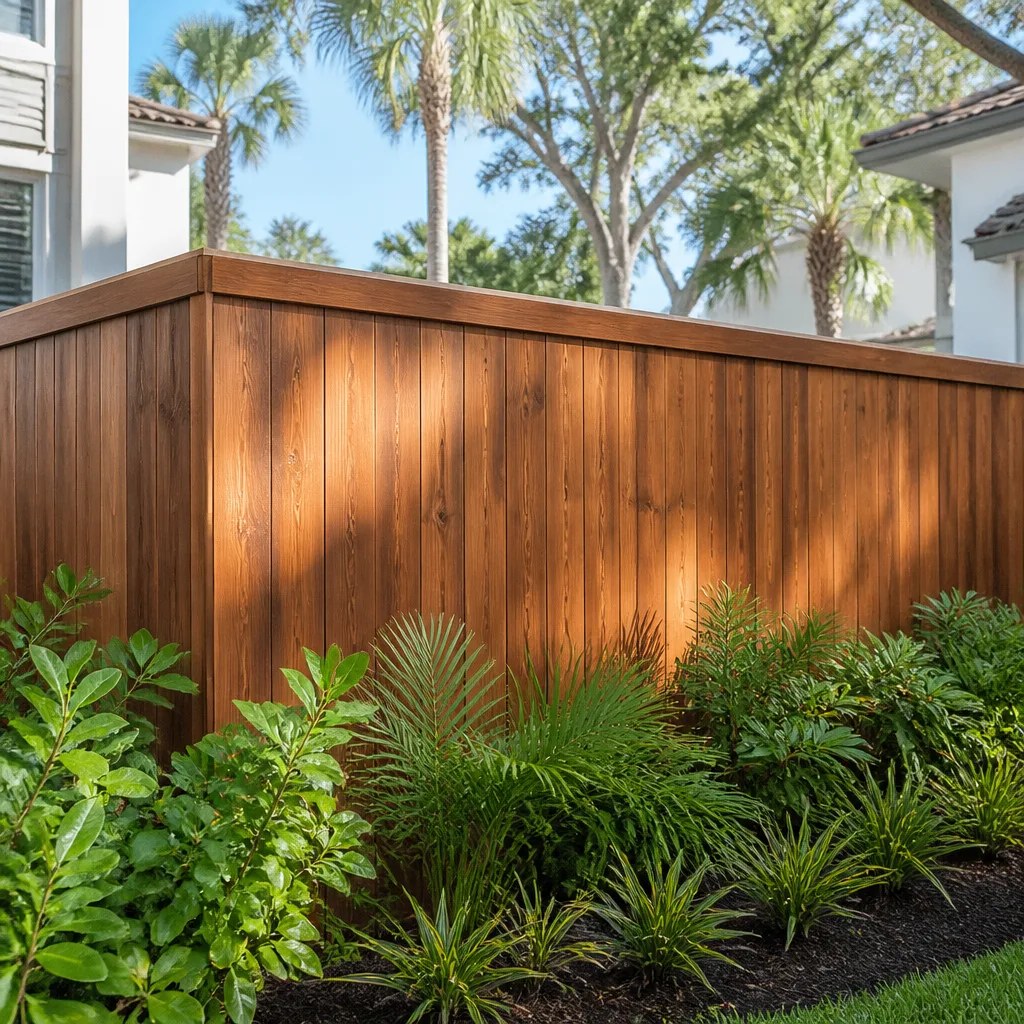
Damaged fencing is one of the most predictable post-storm calls in Long Beach, and one of the fastest to address when you plan for it. See how we handle fence installation in Long Beach with wind-rated post footings and hardware that holds up to coastal conditions.
The same logic applies to driveways and pavers, which are often the first visible casualty of water management failures. Ponding, heaving, and displaced pavers after a storm usually trace back to drainage issues that existed long before the event. If you’ve noticed pooling in your driveway during any recent rain, that’s a pre-event repair that prevents a post-event expense. Our Driveway & Pavers in Long Beach work accounts for grading and drainage from the first walk-through.
Planning the Rebuild: Sequence, Permits, and Picking a Contractor Under Pressure
After an event, the temptation is to move fast on everything at once. Wrong sequence is how rebuilds go sideways. Here’s the order that works.
- Safety and stabilization first. Structural assessment, shoring if needed, tarping, board-up, and utility restoration. Nothing else starts until you have a written confirmation that the structure is safe to enter and work in.
- Insurance documentation and scope agreement. Wait for the adjuster, agree on the scope in writing, and get your contractor’s line-item estimate in hand. This is where upfront pricing matters, because “we’ll figure it out later” is where budgets die.
- Permits. Long Beach requires permits for structural repairs, reroofing beyond minor patch work, window replacement, electrical and plumbing rework, and any change to the building envelope. Confirm in writing that your contractor is pulling the permit and will pass the inspections. Do not proceed without this.
- Material selection with lead times in mind. Post-event, material availability is tighter. This is where a curated portfolio of brand partners pays off: KraftMaid, Kohler, GAF, CertainTeed, Andersen, Pella, Belgard, James Hardie. Knowing what’s spec’d and what’s available beats hoping.
- Rebuild in sequence: structural, envelope, systems, finishes. Rushing the finish before the envelope is sealed means doing it twice.
- Final inspection and documentation. Keep the final inspection sign-offs and all material warranties. Add them to your record package. You’re now better documented than you were before the event.
If the event turns into a larger rebuild, additions, ADUs, and structural rework all need to be planned with permit sequencing in mind. Our Home Additions & ADU in Long Beach work follows exactly this sequence, from structural engineering through final inspection, on every project.
Common Mistakes to Avoid
- Not knowing your property’s actual risk profile. A homeowner in Naples assumes the risk map looks the same for a house in Bixby Knolls. It doesn’t. Pull your address-specific data before you need it.
- Never having taken photos of the house. The single biggest reason settlements stall is no “before” record. An annual photo walk takes an hour and protects thousands.
- Authorizing permanent repairs before the insurance adjuster has seen the damage. This is the classic way homeowners accidentally void their own claim. Mitigate, document, then wait.
- Signing an insurance assignment contract with a storm-chasing contractor. Once you’ve signed over your claim, you’ve lost control of the negotiation.
- Assuming the fence, roof, or window is fine because it “looked fine” during pre-event inspection. In a coastal wind corridor, deferred maintenance has a way of announcing itself at the worst possible moment.
- Not pulling the permits on the rebuild. Unpermitted work after a disaster becomes a nightmare at resale, and sometimes at the next disaster, when the inspector looks at what was done and finds nothing on record.
- Hiring based on the first knock at the door. Knock-and-offer is not a business model. Every legitimate contractor works on written estimates, scheduled appointments, and documented scopes.
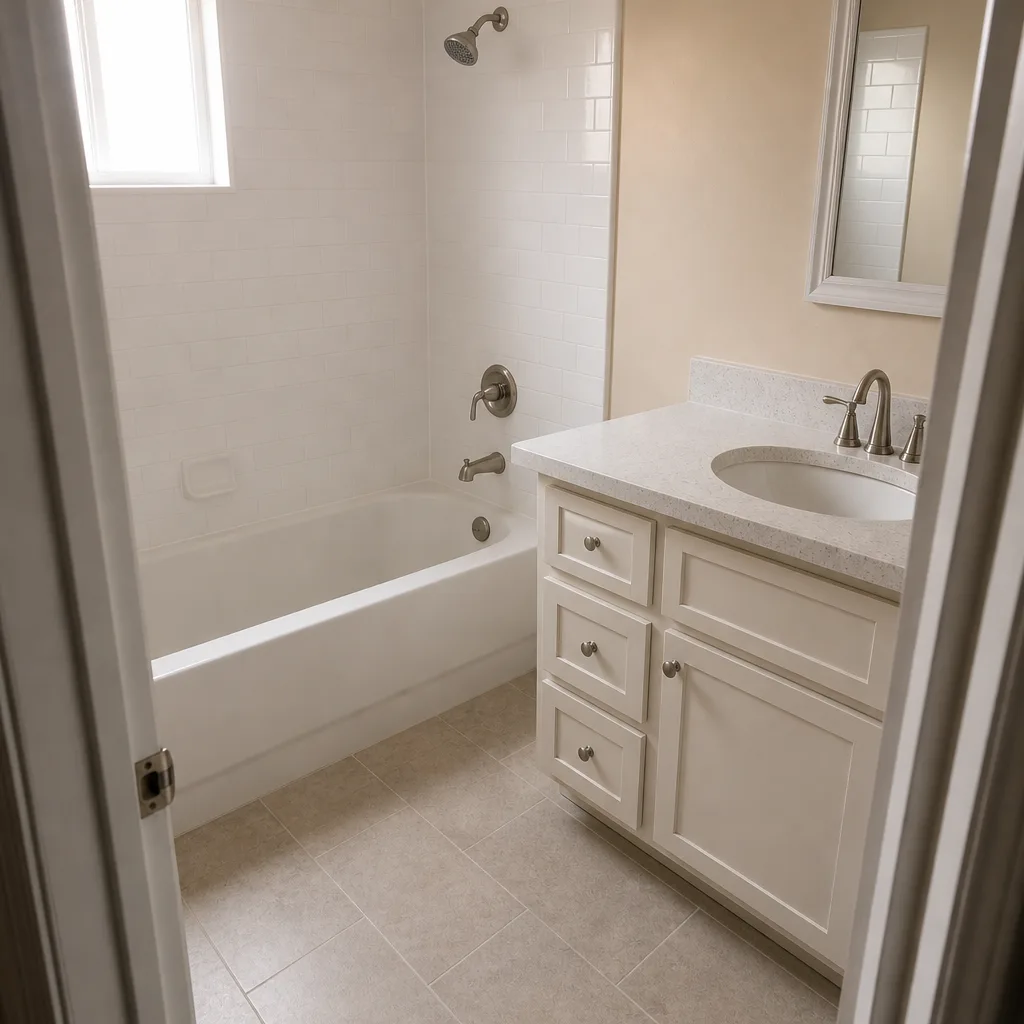
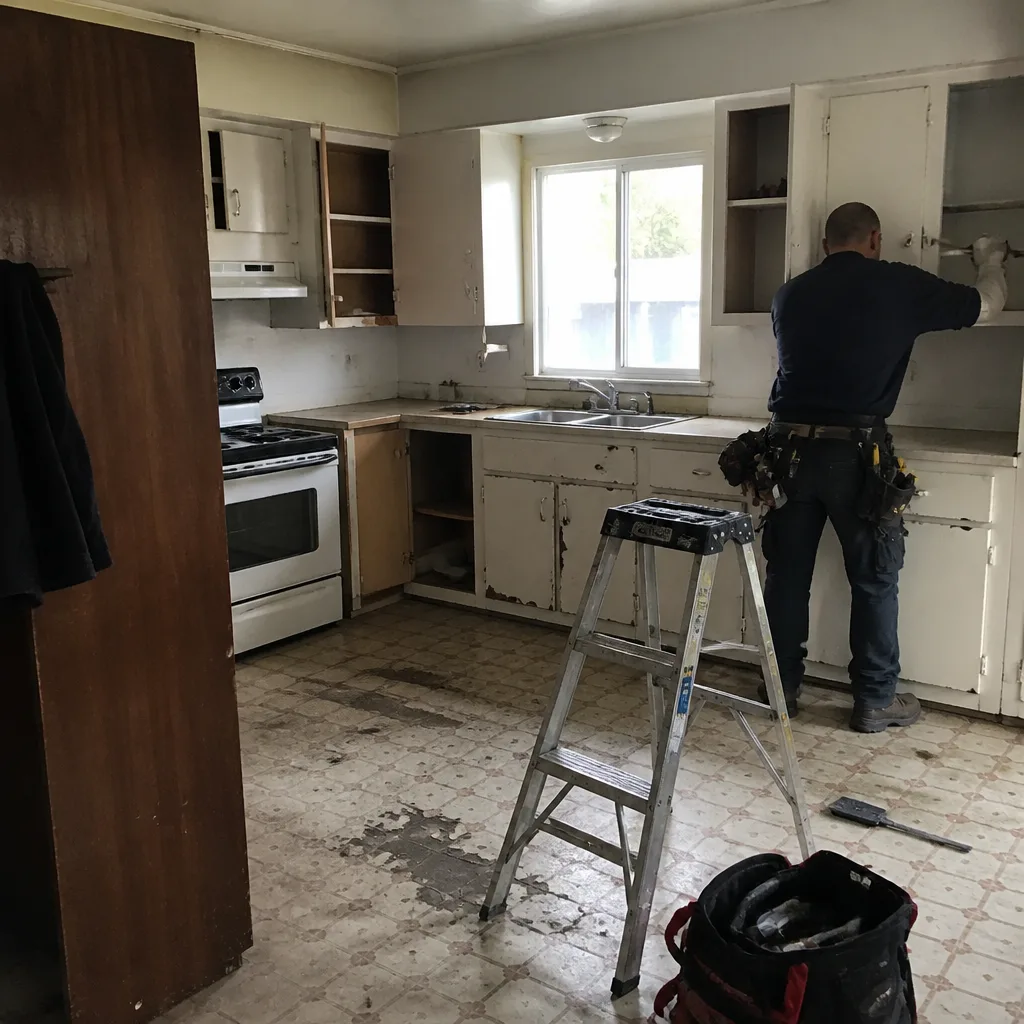
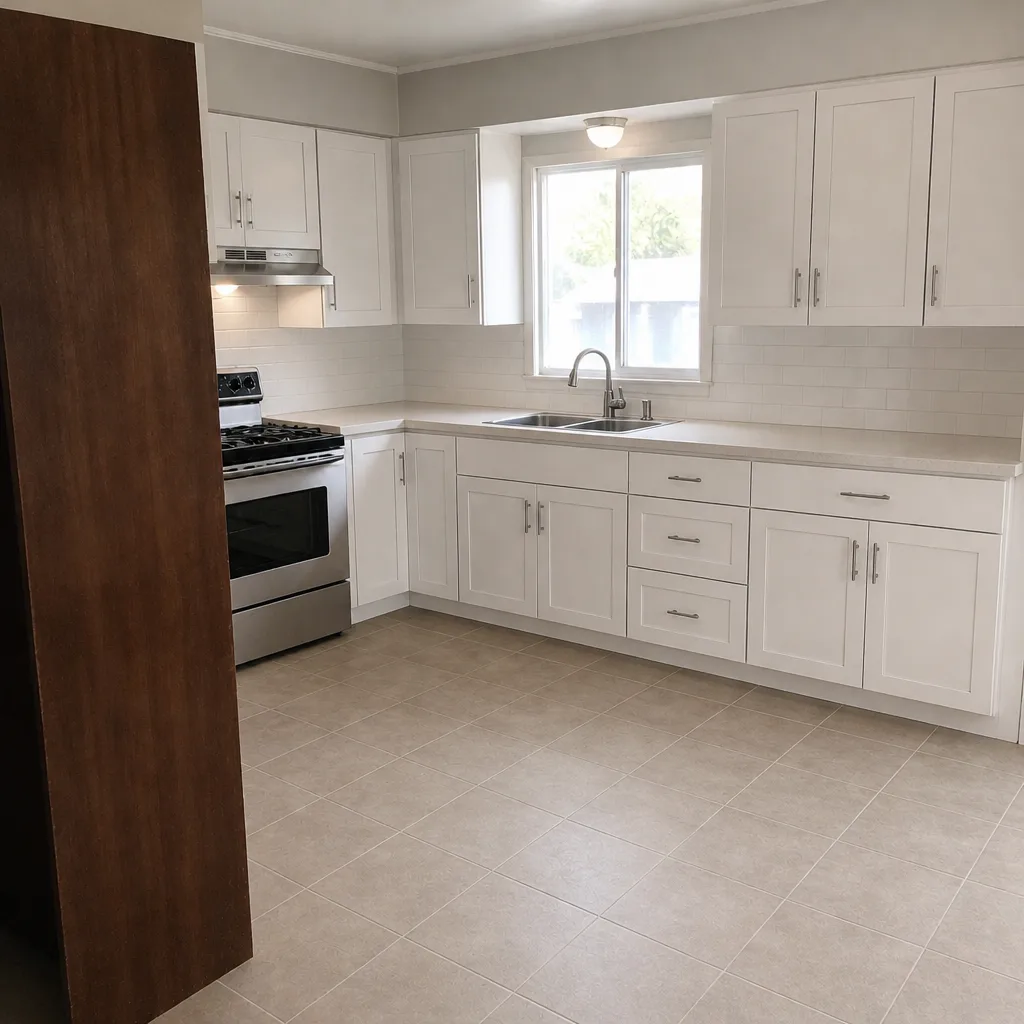
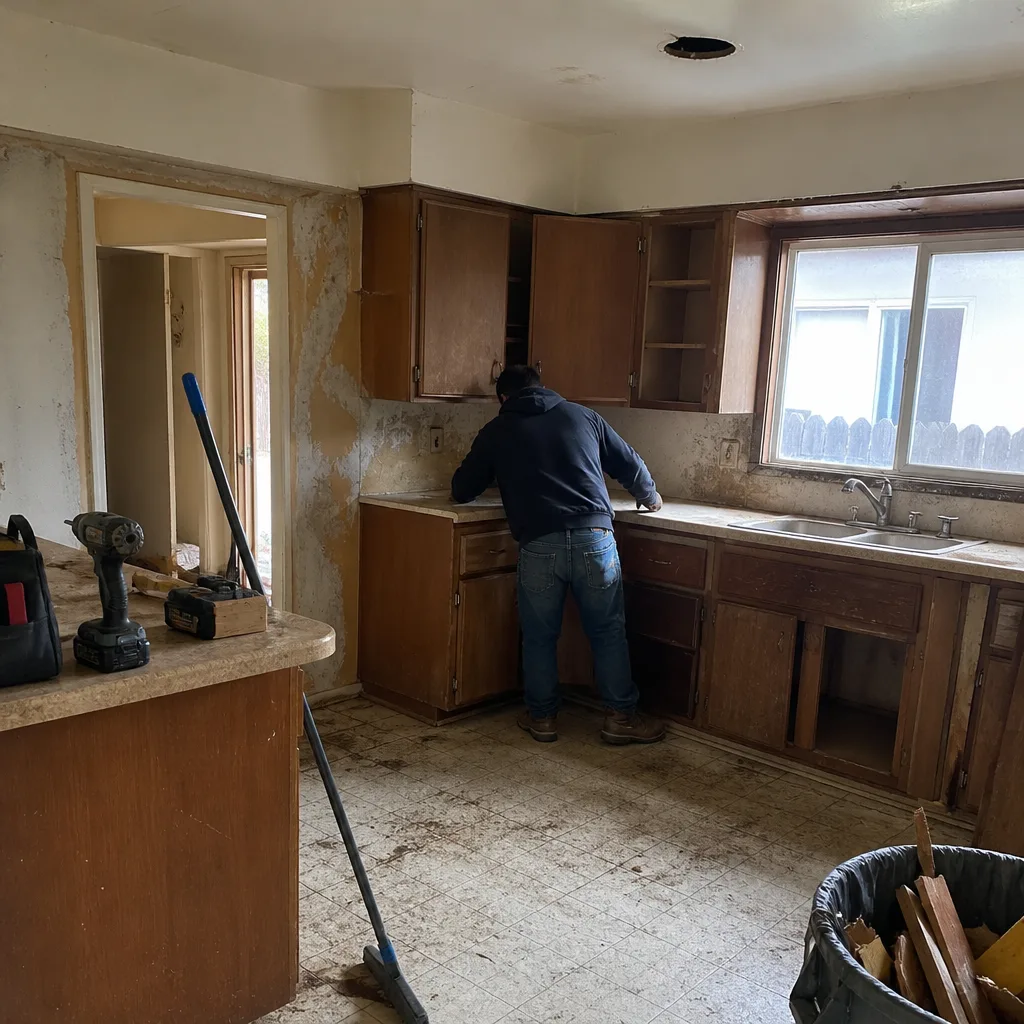
See the difference
 Before
 After
 Before
 After
 Before
 After
When to Call a Professional
Some construction emergencies are genuinely urgent and need a professional immediately. Call us or dial 911 when: you smell gas, a wall or roof shows visible structural failure, water is actively running into a structural assembly you can’t shut off, a chimney has separated from the wall, or your garage door springs or cables have failed (these are dangerous and cause serious injury in DIY attempts every year). Call a licensed structural engineer or contractor for any damage assessment that isn’t obviously cosmetic, and call a roofing or window professional for any damage to the building envelope that could let water in before the next rain. If your property is in an active flood zone and water has entered the structure, don’t wait. Groundwork Construction Co. of Long Beach offers free estimates in Long Beach, gives you written line-item pricing, and stands behind every project with the 730-Day Done Right Promise. Call (888) 345-8164.
Frequently Asked Questions

Emergency mitigation in Long Beach typically runs $500 to $3,000 for tarping, board-up, water extraction, and stabilization, while permanent structural repair can range from a few thousand dollars for minor fixes to tens of thousands for roof sections, wall reconstruction, or window and door replacement. The most important number in that entire answer is zero: mitigation and most repairs are covered by your homeowner’s policy, provided you document the damage before permanent work begins.
Yes, almost always. Long Beach requires permits for structural repairs, reroofing beyond a minor patch, window and door replacements that change the opening, electrical and plumbing rework, and any change to the building envelope or framing. Pulling the permit also gets you an official inspection sign-off, which is valuable documentation the next time you need to prove the state of your home, whether to an insurer, a buyer, or the next adjuster.
The first thing is safety, the second thing is photos. Check for gas smell and structural failure from the exterior first, get out if either is present, and call for help. If your home is safe to enter, walk the structure methodically from foundation to roofline, photograph everything before touching anything, and then call your insurance carrier and a contractor for a written assessment. Don’t start permanent repairs until the adjuster has seen the damage.
Ask four questions. Are you licensed and insured (and can I see the certificate)? Will you give me a written, line-item estimate before any work begins? Will you pull the permits, and in whose name? What workmanship warranty do you offer in writing? A real contractor answers all four without hesitation, arrives in uniform, and works on a scheduled appointment rather than a door-to-door drop-in.
A warranty claim covers defects in the work itself, like failed flashing or a window installed without proper sealing. An insurance claim covers sudden damage from an external event, like a windstorm or earthquake. Damage from an event that exposes a pre-existing defect can trigger both claims at once, and the right move is to file both, tell each party about the other, and wait for documentation before authorizing permanent repairs.
Three places, always. A printed copy in a fire-resistant safe or grab-and-go bag, a digital copy in a cloud folder you can reach from any phone, and one copy with a trusted contact who lives outside the region. Keep the digital folder current to within a year, especially the photo record of every elevation, roof angle, attic framing, and finished room.
The Bottom Line
Long Beach homeowners who recover fastest from a construction emergency aren’t the ones with more money or better luck. They’re the ones who prepared before the shaking started. Know your address-specific risk, build the construction record package, run a scheduled photo walk once a year, and know the difference between a warranty claim and an insurance claim before you ever need to. Set up a pre-event inspection with a contractor who pulls permits and documents every step. Call (888) 345-8164 for a free estimate and a written scope. From foundation to finish line, we do the job, back it in writing, and pick up the phone when it matters.
Written by the team at Groundwork Construction Co. of Long Beach.