Last updated November 17, 2026
Free written scope consultation - allowances, timeline, and change-order rules on paper before a single trade is scheduled
Choosing the Right Construction Brand: A Buyer’s Guide for Long Beach
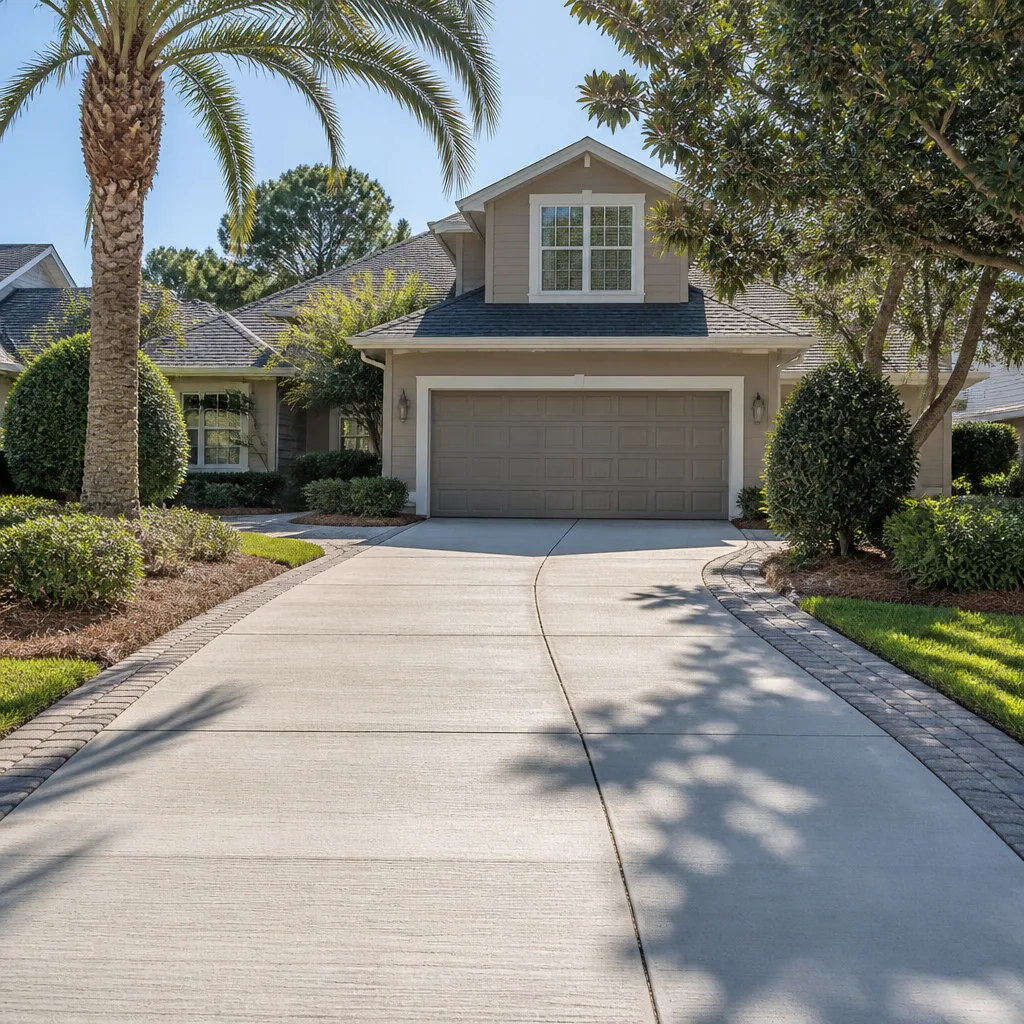
Two neighboring homeowners in Long Beach installed the same style of concrete paver the same year. One used a coastal-rated product from a manufacturer with regional testing data. The other grabbed the big-box equivalent on a weekend sale. At year five, one driveway still looked new. The other was already cracking at the joints and discoloring under the salt air, headed for full replacement. Same material appearance, wildly different engineering. This guide is about the gap between those two driveways: what “coastal-rated” genuinely means, which brands earn their price premium in Long Beach conditions, and how to read a contractor’s brand partnerships as a mirror of their standards.
Quick Answer
The best construction brands for a Long Beach project are the ones tested for coastal exposure, not the ones with the slickest showroom display. In practice that means prioritizing manufacturers who publish salt-air, UV, and corrosion testing data for their products – names like James Hardie on siding, GAF and CertainTeed on roofing, and Belgard on pavers – and treating generic big-box equivalents as a false economy. A contractor who can access these product lines reliably is usually held to a higher standard in every other part of the job, too.
Styles & brands we work with
- Kitchen remodeling
- Bathroom remodeling
- Home additions & ADU
- Roofing
- Windows & doors
- Driveway & pavers
- Fence
Table of Contents
- What “Coastal-Rated” Actually Means on a Spec Sheet
- Brand Tiers by Project Category: Where Premium Pays and Where It Doesn’t
- How to Read a Contractor’s Brand Partnerships
- The Warranty Transfer Question: Materials That Protect Resale Value
- How Brand Choices Interact With a 730-Day Done Right Promise
- Long Beach-Specific Factors: Salt Air, UV, and Soil Chemistry
- A Step-by-Step Way to Evaluate Brands Before You Buy
What “Coastal-Rated” Actually Means on a Spec Sheet
“Coastal-rated” is one of the most abused phrases in residential construction marketing. On a legitimate spec sheet it should point to something specific and verifiable. On a cheap one, it’s just a word on a box.
Here’s the distinction that matters. A genuinely coastal-rated product publishes test data or certification against recognized standards for the environmental stressors of a marine climate: salt fog exposure (typically ASTM B117 testing for metal components), accelerated UV weathering (ASTM G154 or similar for coatings and finishes), and corrosion resistance classifications for fasteners and hardware. If those aren’t in the manufacturer’s technical documentation and you can’t find them, treat the “coastal-rated” label as unproven.
The specific performance certifications worth asking about in Long Beach:
- Salt fog testing (ASTM B117) – critical for any metal fasteners, hinges, brackets, or railing components. Cheap galvanized hardware rusts in coastal conditions in a fraction of the time inland equivalents do.
- UV weathering data (ASTM G154 or equivalent) – matters for paint finishes, window frames, composite decking, and paver sealers. Long Beach’s sun load is hard on anything without a rated finish.
- Corrosion resistance class for fasteners – stainless steel or hot-dip galvanized versus standard electro-galvanized. This is the single most common coastal failure point, because it’s the easiest place to cut corners unseen.
- Wind uplift ratings for roofing – relevant near the coastline where wind exposure is elevated.
When a manufacturer like GAF or CertainTeed publishes coastal installation guidance, they’re telling you they’ve thought about wind-driven rain and salt-laden air. When a generically branded product has no such guidance, you’re the test case. That’s the engineering difference between a roof that lasts fifteen years near the water and one that makes ten.
Brand Tiers by Project Category: Where Premium Pays and Where It Doesn’t
Premium materials aren’t uniformly worth their cost premium. In some categories the difference is dramatic. In others a mid-tier product performs nearly identically. Here’s the honest breakdown we’d give any Long Beach homeowner sitting across the table.
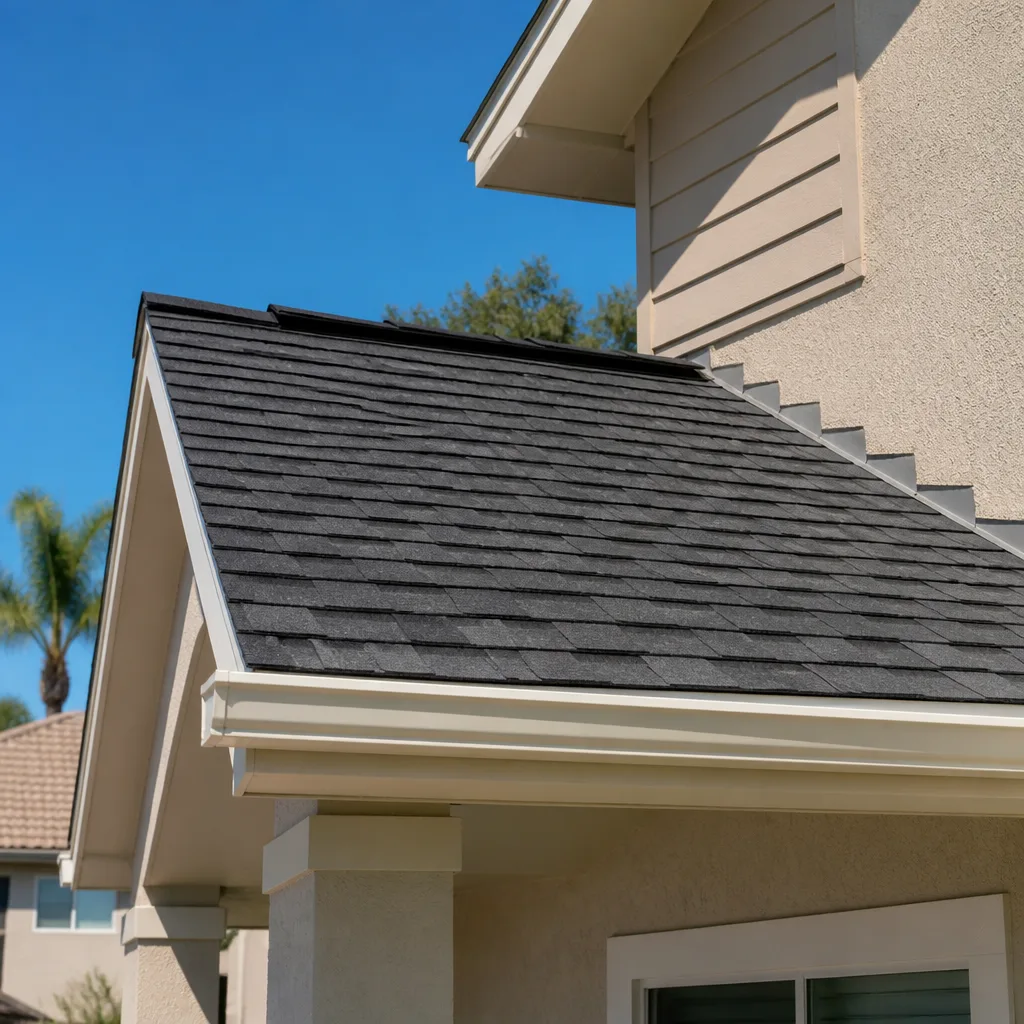
Roofing – premium pays, clearly. A GAF or CertainTeed architectural shingle with a manufacturer-backed warranty is worth the step up. In coastal zones the wind and moisture resistance and the shingle-to-fastener system design matter, and the warranties on cheap roofing are often pro-rated and hard to collect against.
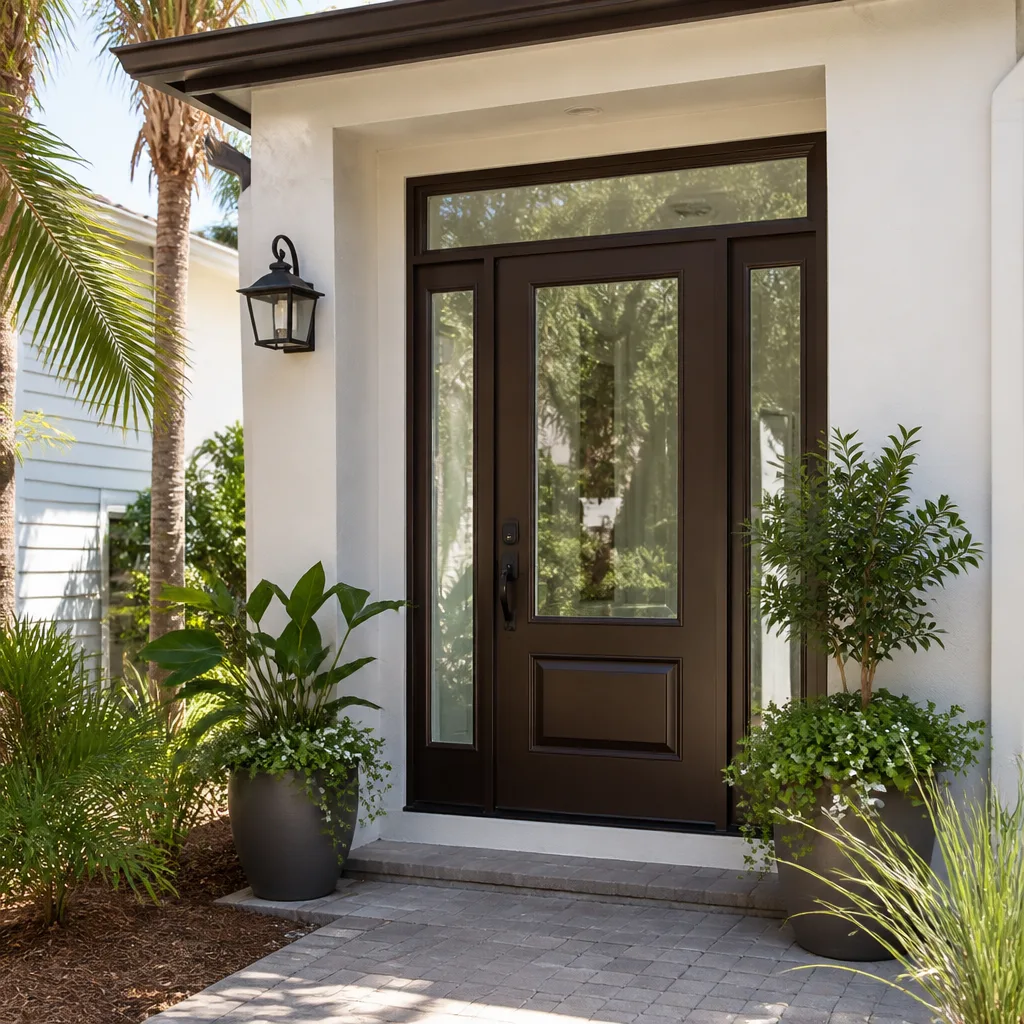
Windows and doors – premium pays, especially near the water. Andersen and Pella publish coastal performance data and offer products specifically engineered for salt and wind exposure. A cheap window frame can fail at the seal and start letting moisture behind the stucco. On a Long Beach property within a mile or two of the beach, this is not a place to save a dollar.
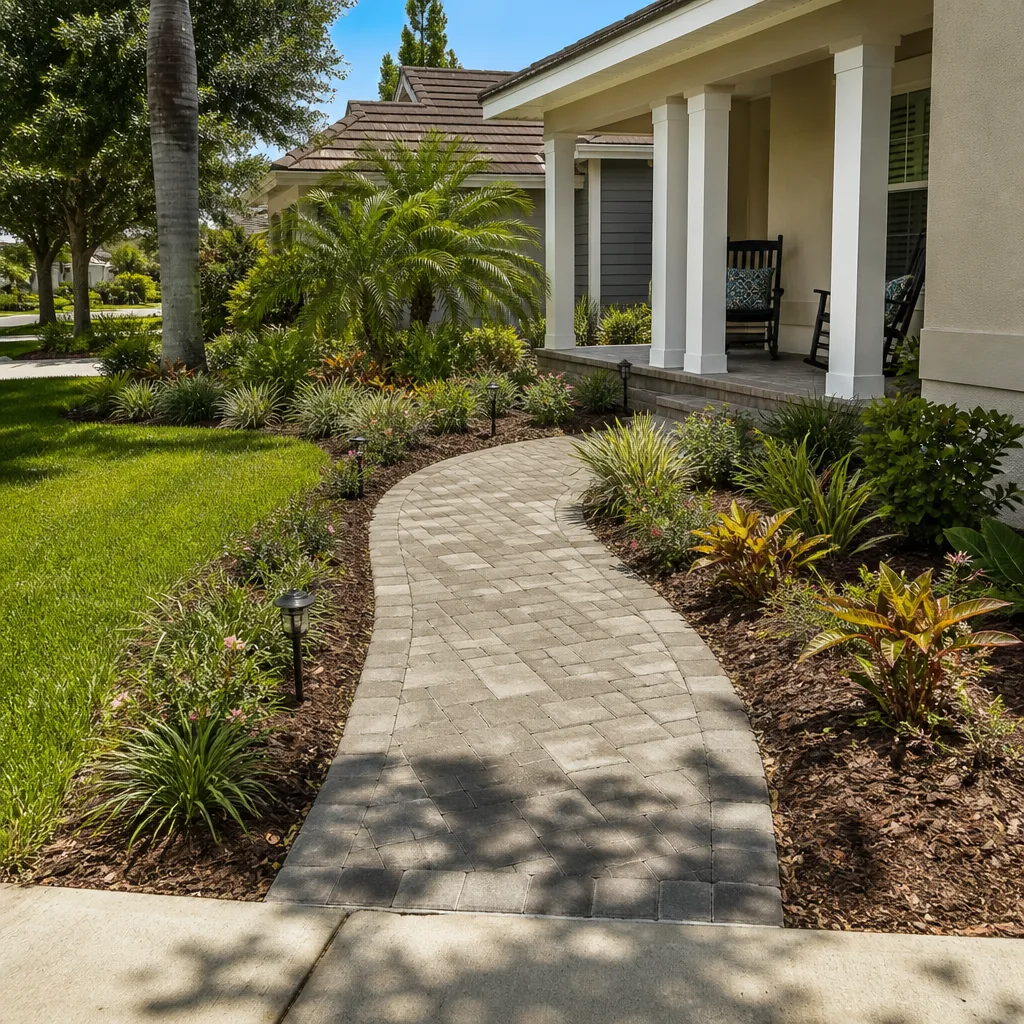
Pavers – premium pays on driveways and hardscape. Belgard products are engineered for freeze-thaw, salt, and UV, and the color stability alone is worth the difference over generic big-box pavers. If you want more context on this category specifically, our page on Driveway & Pavers in Long Beach covers installation methods and base preparation in detail.
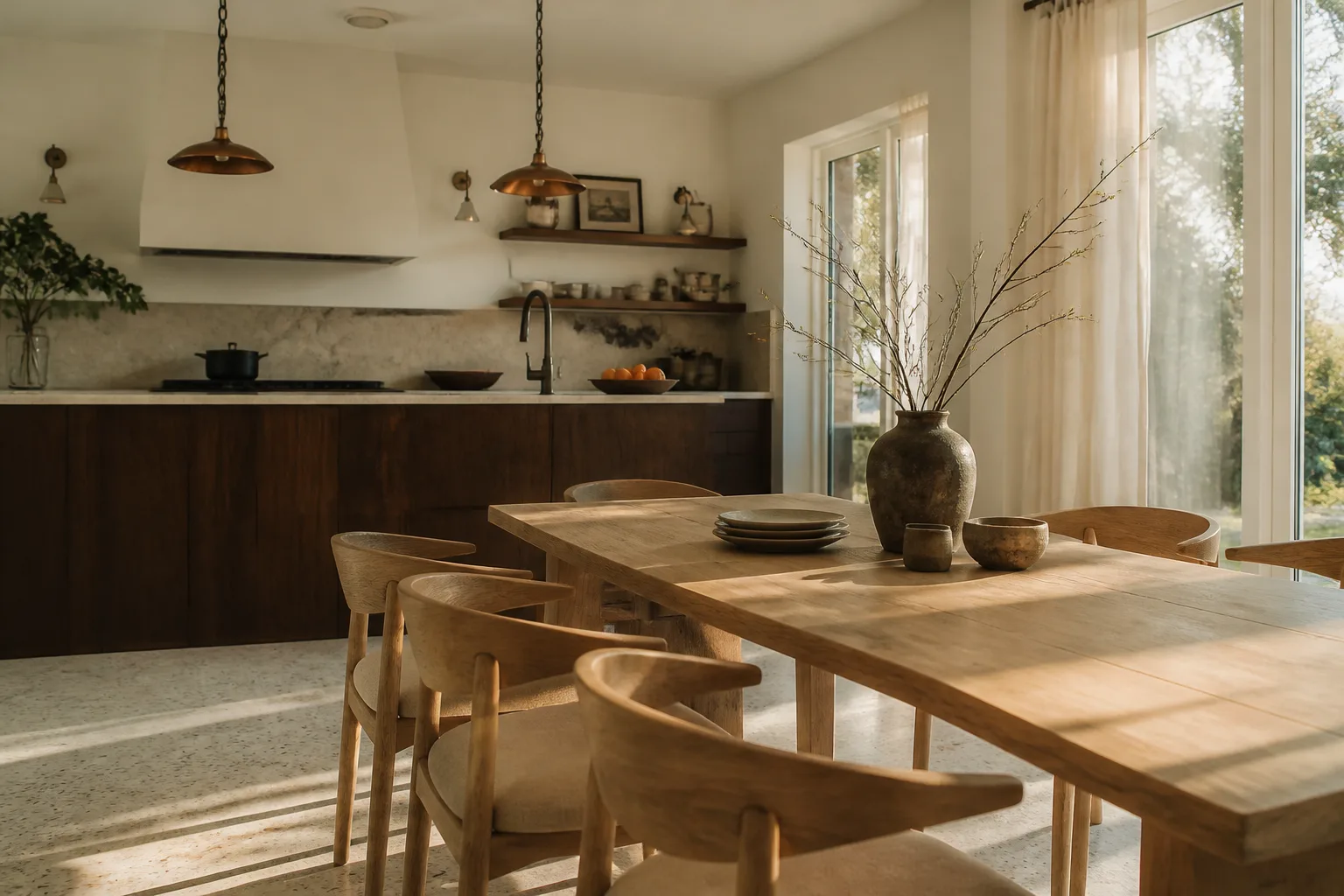
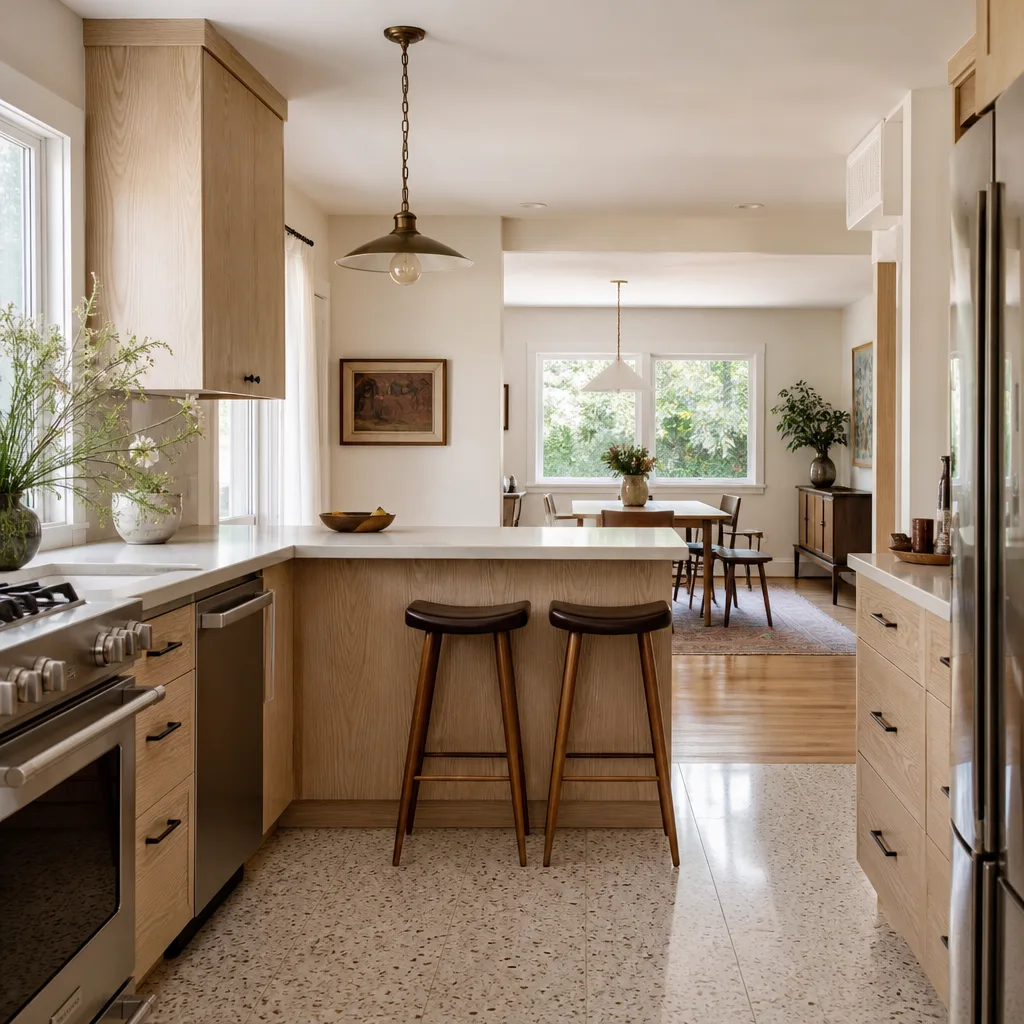
Kitchen cabinetry and countertops – mixed. Premium brands like KraftMaid or Wellborn earn their price on cabinetry in the hinge and drawer hardware, the finish durability, and the warranty. Countertops are more about the slab quality than the brand name – Cambria and Silestone both offer strong quartz products, but a fabricator’s installation quality matters as much as the material source.
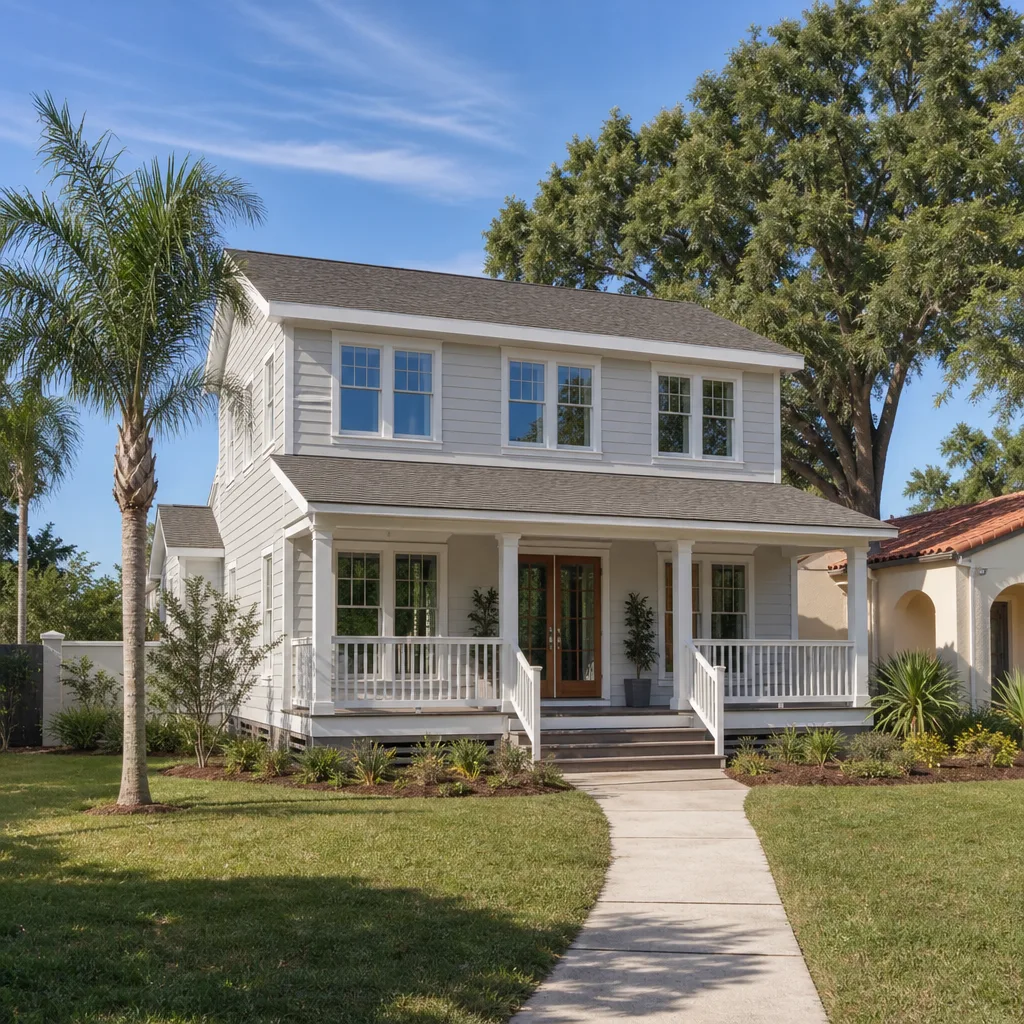
Siding – worth checking closely. James Hardie fiber cement is the standard for coastal exterior walls, and for good reason: it resists moisture and pests and holds paint longer than wood or cheap vinyl. Cheap vinyl siding can fade and warp within a decade on a south-facing wall.
How to Read a Contractor’s Brand Partnerships
The brands a contractor can access directly tell you something about how they operate. It’s not because premium brands are a prestige flex. It’s because access to these brands requires a track record: established credit, volume, and a relationship history that a fly-by-night operation doesn’t have. When a contractor carries James Hardie, GAF, or Belgard, they’re telling you they’ve qualified for those programs and passed the screening those manufacturers require.
Budget contractors often cannot get those same access lines. That’s not always through lack of effort; it’s often because the manufacturer partner requirements are stricter than they can meet. The result is that they substitute cheaper products, and the homeowner absorbs the long-term performance risk.
When you’re evaluating a contractor’s brand relationships, here’s what to ask:
- Which manufacturers are you a certified or authorized installer for? Ask for the specific designations, not just the brand names.
- Will the manufacturer’s warranty be registered in your name after the project? If a contractor can’t or won’t register a manufacturer warranty, ask why.
- Which of these brands publish coastal installation guidance for Long Beach’s climate zone? If the contractor can’t answer this, they haven’t done the homework.
At Groundwork Construction Co. of Long Beach, we work with a curated set of brand partners across every trade – KraftMaid and Cambria in kitchens, GAF and Owens Corning on roofs, Andersen and Marvin for windows. We choose them for their published performance data and warranty terms in coastal conditions, not just their catalog aesthetic. You can get a sense of the full range of what we handle on the Groundwork Construction Co. of Long Beach home page.
The Warranty Transfer Question: Materials That Protect Resale Value
Here’s a factor most homeowners don’t think about until they’re five years from selling: whether the material warranties on their home are transferable to the next buyer.
A transferable manufacturer warranty is a tangible asset in a resale. It goes in the listing, gets mentioned in disclosure, and gives a buyer a reason to pay more. A non-transferable warranty is worth zero to anyone but you. In a market like Long Beach, where buyers are already scrutinizing building quality and coastal wear, a documented transferable warranty on the roof, the windows, or the siding is a quiet but real negotiating tool.
Generally transferable: most major architectural shingle warranties (GAF and CertainTeed both offer transferable coverage on their premium product lines, though terms vary – confirm the specific product); most major window manufacturer warranties on premium lines; James Hardie siding products typically include a transferable warranty term on qualifying installations.
Often non-transferable or limited: many generic or private-label products from big-box stores; contractor workmanship warranties (these are almost always non-transferable and tied to the original contract); warranties that require professional installation by a certified installer – the transferability may be conditional on that certification being maintained.
The practical point: when you’re evaluating brands, ask about transferability. A slightly more expensive product with a transferable warranty can pay for itself in resale value down the road. And when you hire, verify the contractor will register the manufacturer warranty properly so the protection is actually documented.
How Brand Choices Interact With a 730-Day Done Right Promise
A workmanship warranty and a material warranty are two different things, and the space between them is where homeowners get stuck.
When a roof leaks or a paver cracks, the question is always: is this a workmanship failure or a material failure? If the installer didn’t follow the manufacturer’s spec – wrong fastener, wrong underlayment, wrong gap – the manufacturer may not honor the material warranty. And if the material itself was defective, the contractor’s workmanship warranty might not cover it. In that gap, a homeowner can find themselves stuck between a manufacturer pointing at the installer and an installer pointing at the manufacturer.
The 730-Day Done Right Promise handles this by keeping accountability in one place. Our promise covers workmanship for two full years – if it’s not done right, we make it right. That’s one of the longest workmanship guarantees in the residential construction space. On materials, we source from brands whose warranties we understand and can register properly, so the material side of the equation is documented and defensible.
What that means for a Long Beach homeowner in practical terms: you’re not left trying to figure out whose fault it is. If something goes wrong within the promise window and the fix is workmanship-related, we own it. If it’s a manufacturer issue, we help navigate the claim. You call one number. Calls are answered by a live person, 24/7.
Long Beach-Specific Factors: Salt Air, UV, and Soil Chemistry
Long Beach isn’t a single climate. The city runs from the waterfront neighborhoods – Belmont Shore, Naples, the Alamitos Bay area – to inland pockets like Bixby Knolls, Lakewood-adjacent areas, and the Wrigley district. The right material for a roof or a fence in one location may not be the right material from a performance standpoint a few miles inland.
Salt air and marine layer. The closer you are to the water, the more aggressive the corrosion environment. Metal fasteners, hinges, garage doors, and railings need to be specified for the exposure. Galvanized hardware that would last twenty years inland will pit and fail much faster within a couple miles of the coast. The marine layer – that persistent morning fog – also keeps surfaces damp longer and creates a sustained moisture load that demands better drainage detailing and more resistant products.
UV load. Long Beach gets serious sun hours, and UV degradation is a real factor on paint finishes, window frame materials, composite decking, and pavers. A product with no documented UV weathering data is a gamble on anything that faces south or west.
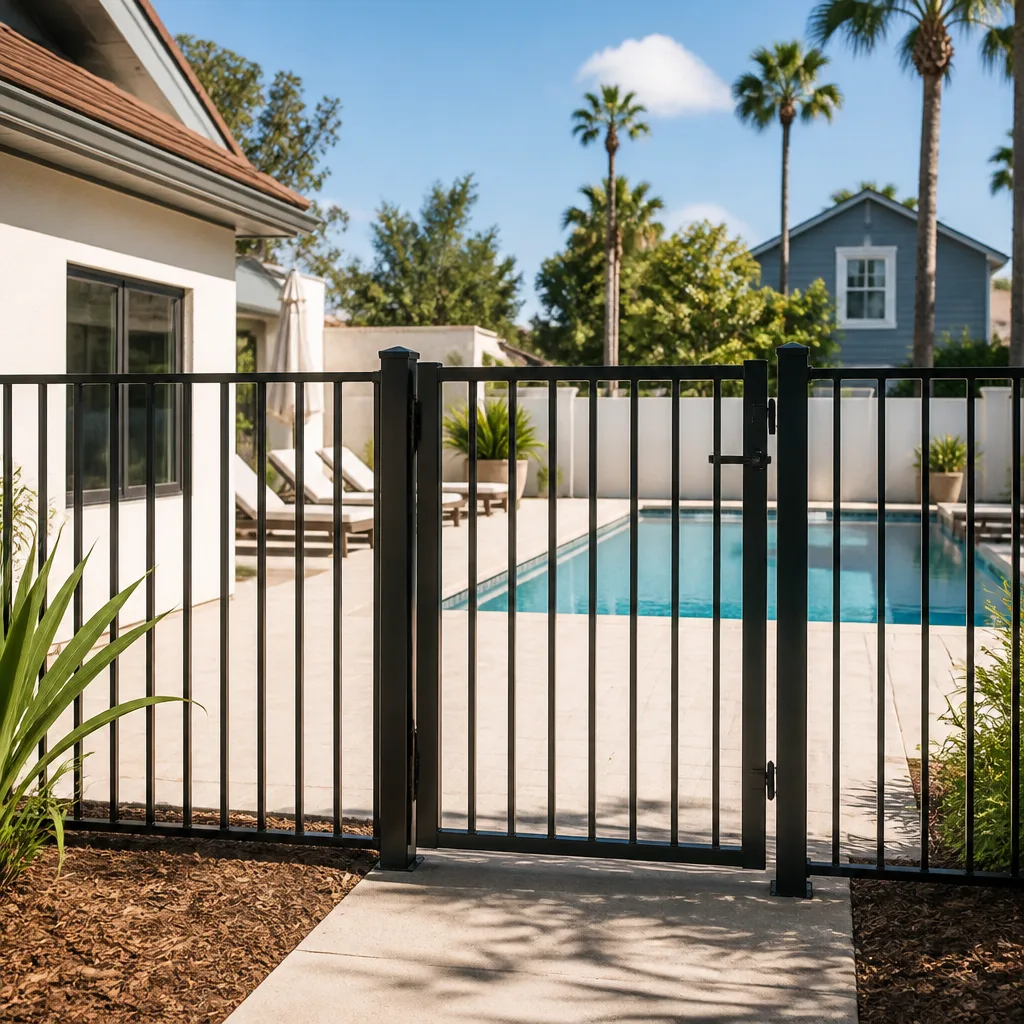
Soil chemistry. The soils across Long Beach vary – some areas have clay-heavy soils with poor drainage; others closer to the water are sandy and more freely draining but can still be expansive. Material selection affects how a paver or a fence holds up: a paver set on an inadequate base over expansive soil will fail regardless of the paver quality, but a paver rated for salt exposure will hold its color and integrity far better than a cheaper one. For fence installations, understanding soil pH and moisture exposure is part of specifying the right post material and anchor. We cover these factors in detail on our Fence Installation in Long Beach page.
If you’re considering an addition or ADU, the foundation and exterior envelope specifications are where brand selection matters most. Our page on Home Additions & ADU in Long Beach covers the process from design through final inspection.
A Step-by-Step Way to Evaluate Brands Before You Buy
Whether you’re replacing a roof, repaving a driveway, or upgrading a kitchen, the process for evaluating brands is the same. Work through these steps before you commit to anything.
- Identify the environmental stressors specific to your property. How close is the coast? Is your property on an exposed corner or a sheltered lot? Is the material surface facing south or west? This determines which performance criteria actually matter for your location.
- Get the manufacturer’s technical documentation, not the marketing brochure. Ask for the spec sheet, the installation guide, and any published testing data. If a manufacturer doesn’t publish technical documentation, that’s a red flag on its own.
- Check for coastal installation guidance. GAF publishes wind and coastal guidance; CertainTeed publishes regional specs; Belgard has engineered its paver products for coastal and freeze-thaw conditions. If a product has no coastal guidance for a coastal install, ask the manufacturer directly why.
- Check warranty terms – and transferability. Read the warranty, not the summary on the box. Specifically ask: Is it pro-rated? Does it require professional installation by a certified installer? Is it transferable to a future buyer, and under what conditions?
- Check the contractor’s product access. Ask which manufacturers they’re authorized to install and whether the manufacturer will register the warranty in your name. If they can’t access a premium brand, ask what their substitute is and why.
- Get the material line-item in writing. Your quote should name the brand and specific product line, not just the material category. “Premium architectural shingles” is not a brand. “GAF Timberline HDZ” is. Upfront pricing with named products is the only way you can verify what you actually bought.
Common Mistakes to Avoid
- Choosing by appearance alone. A paver is a paver to the eye. Under a box, the difference between a coastal-rated product and a big-box equivalent shows up at year five in your driveway. Look at the spec data, not the showroom sample.
- Assuming the contractor knows coastal specifications. Plenty of crews install the same products they’ve always used. Long Beach’s salt and UV exposure is an engineering variable, not a marketing concern. Ask specifically how they select for coastal conditions.
- Ignoring the warranty registration requirement. A manufacturer warranty that requires professional installation and registration is worthless if the contractor doesn’t register it. Verify the registration happens after the install.
- Not asking about transferability. A non-transferable warranty adds nothing to your resale value. In Long Beach, where buyers scrutinize coastal wear, a documented transferable warranty is a quiet but real asset in a sale.
- Letting the contractor substitute the specified product. If your quote says a specific product line, get written confirmation if it needs to change – and know the substitute by name. Substitution is the single most common way brand quality disappears from a job.
- Not asking who warrants what. Ask in writing: who covers workmanship, who covers the material, and what happens when the two overlap. Don’t wait until you need it.
- Treating premium as a binary choice. Premium matters most in certain categories – roofing, windows, pavers, siding on coastal properties – and less in others. A smart homeowner picks their spots rather than paying for premium everywhere or saving everywhere.
See the difference
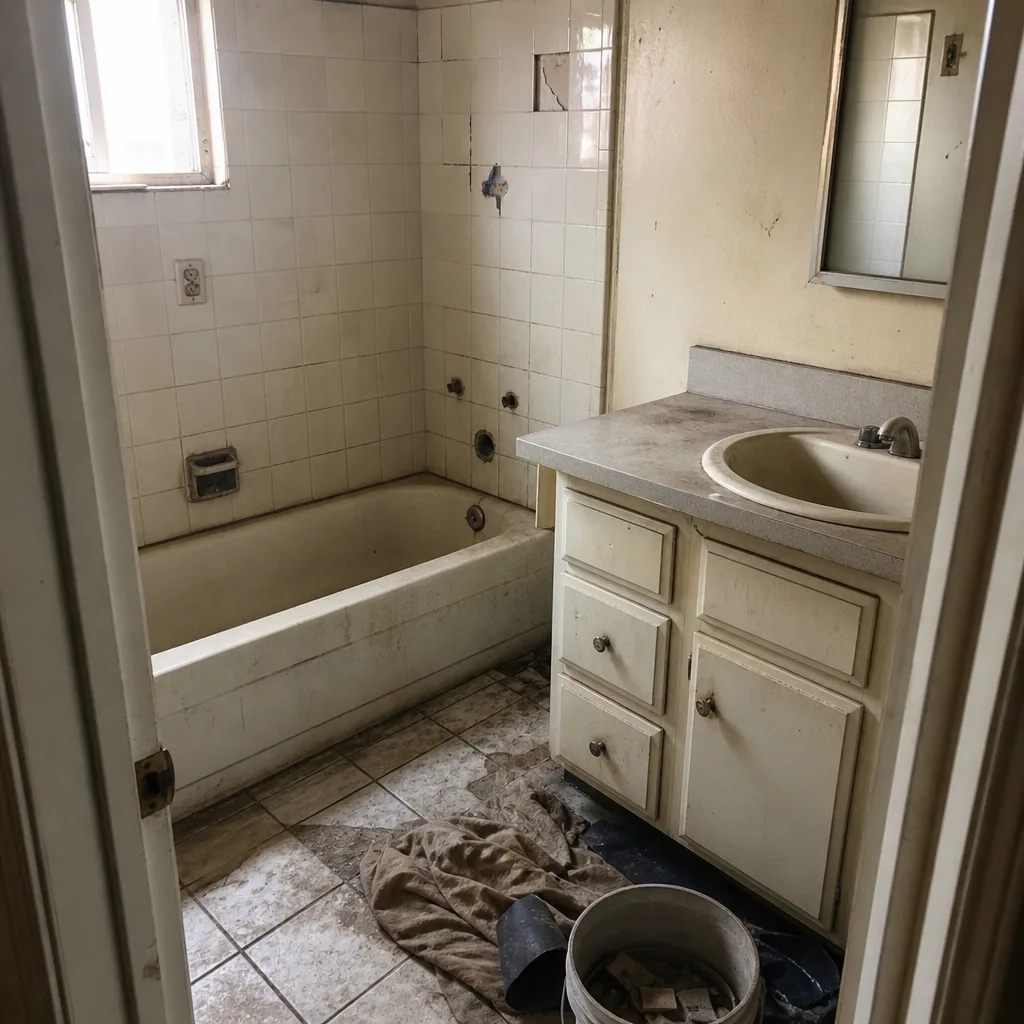 Before
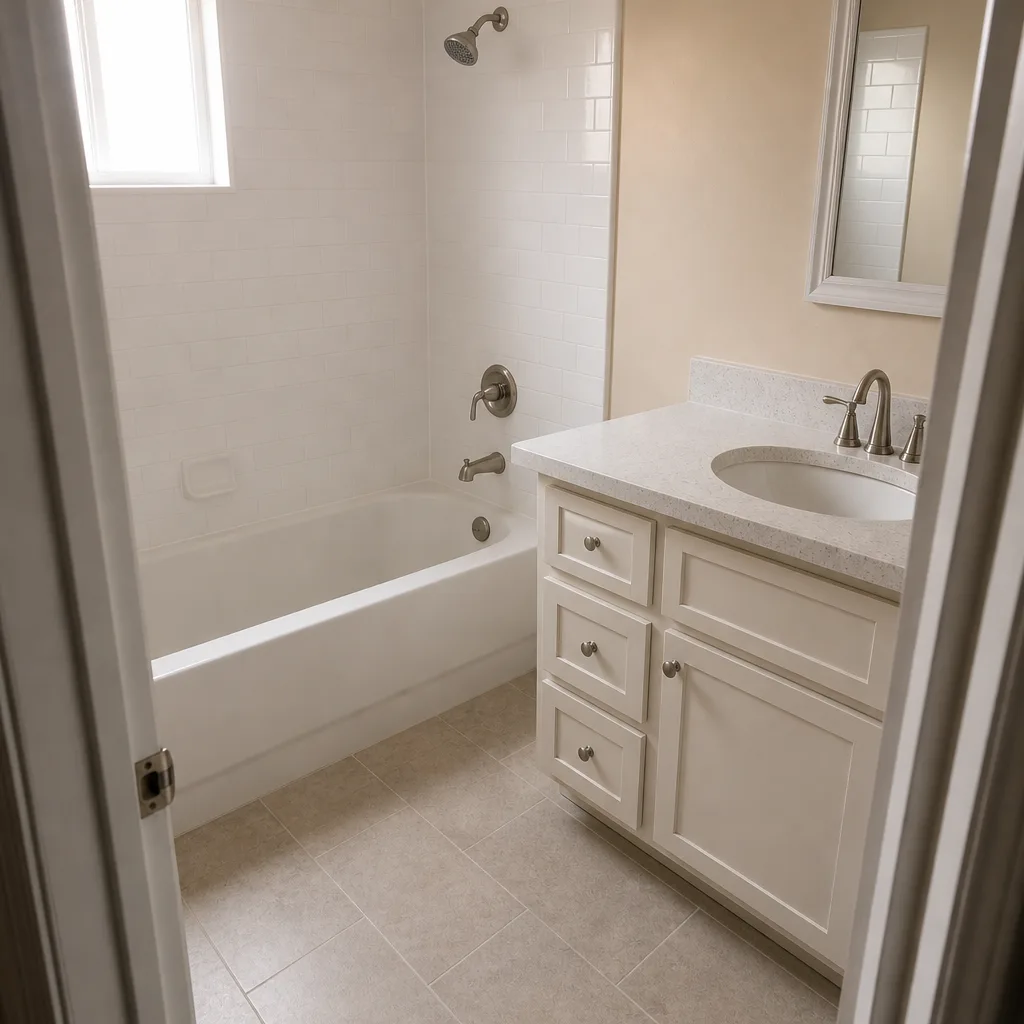 After
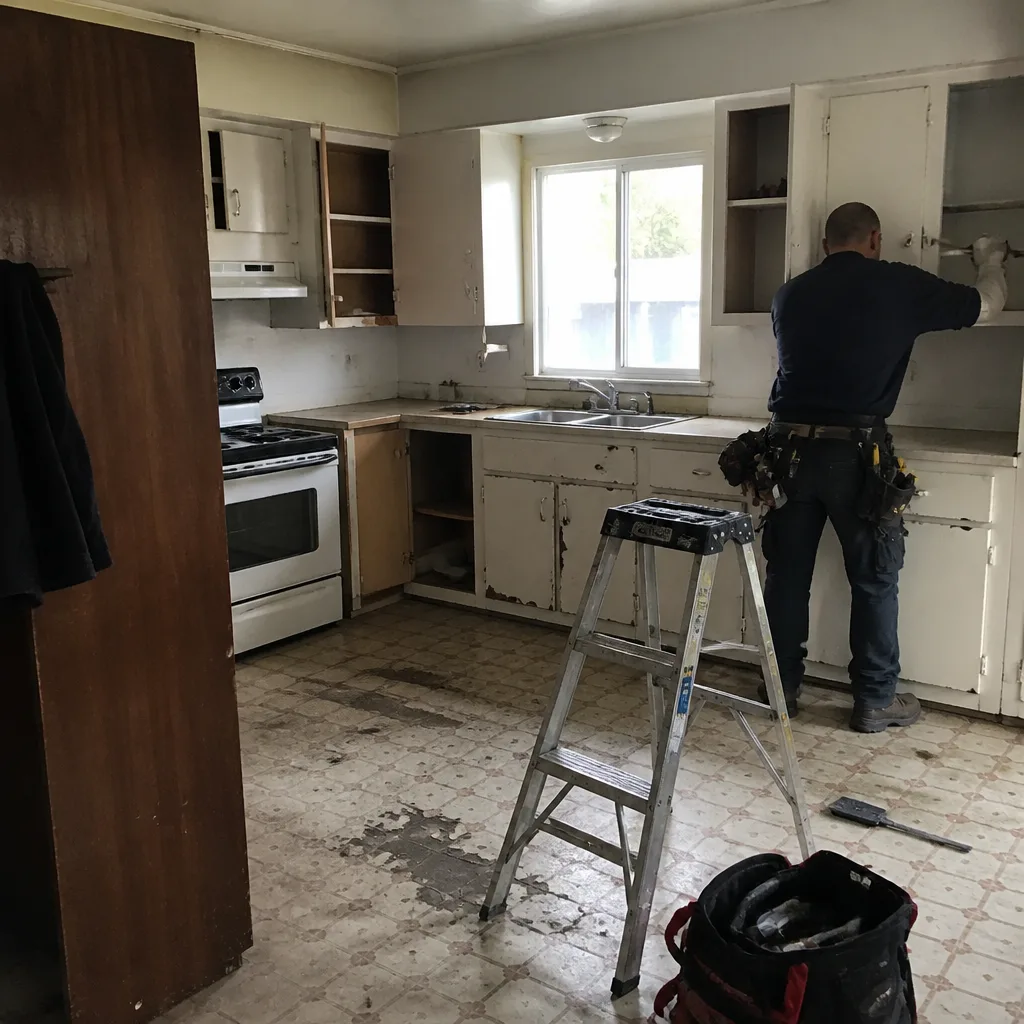 Before
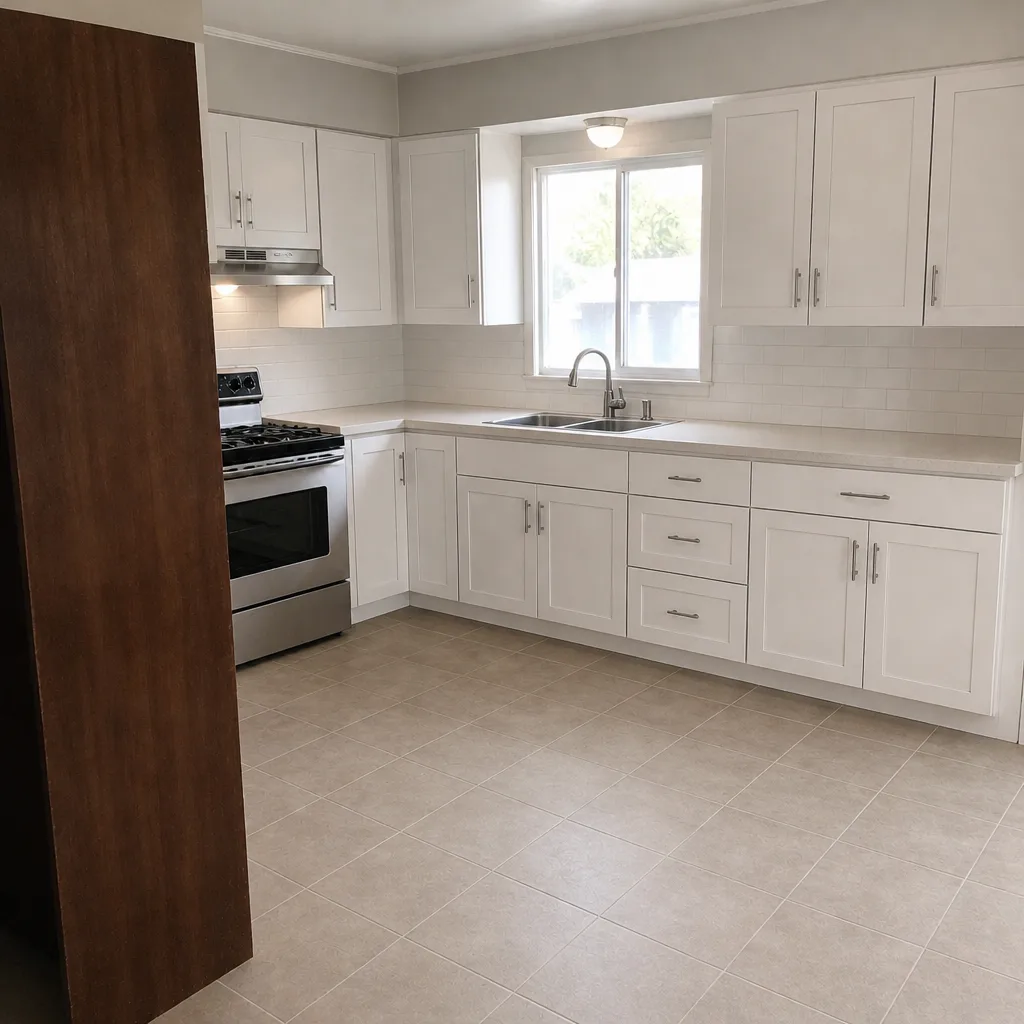 After
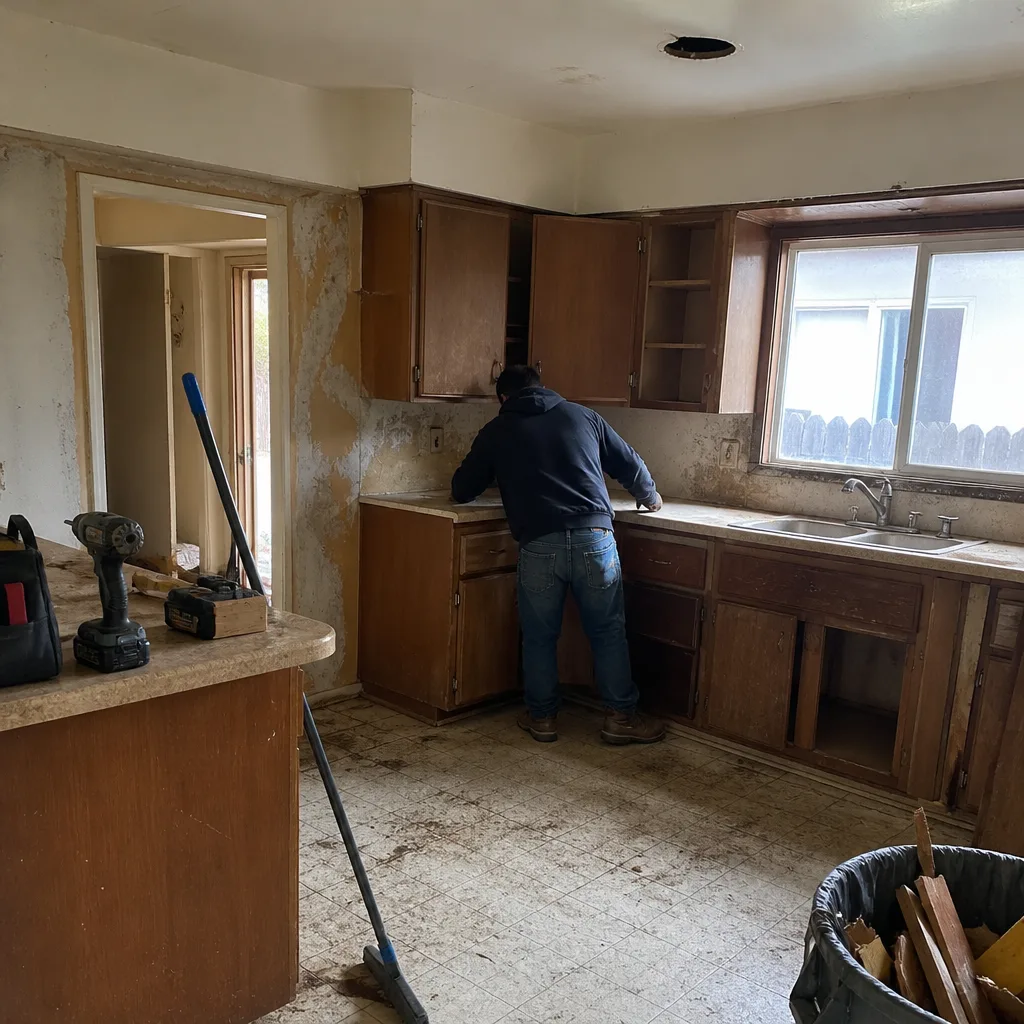 Before
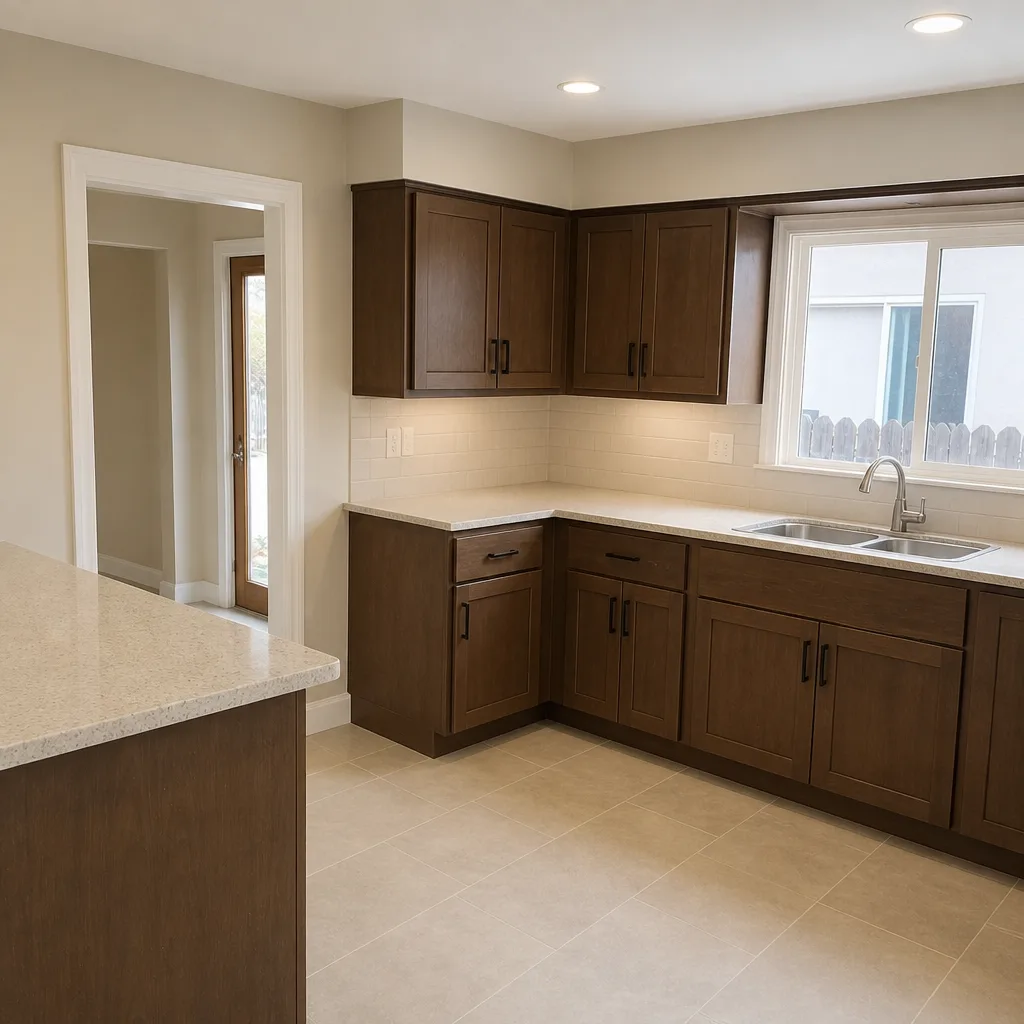 After
When to Call a Professional
Material brand selection is part of the larger job, and the larger job is not a DIY project when you’re replacing a roof, installing windows, specifying a paver driveway, or building an addition. These are workmanship-critical jobs where a bad installation undermines even a top-tier product. If you’re replacing roofing or anything on the exterior envelope, installing windows and doors, building a fence, laying pavers, or adding an ADU, you want a licensed, insured contractor who knows the brand landscape and the coastal conditions in Long Beach. Groundwork Construction Co. of Long Beach offers free estimates in Long Beach – call (888) 345-8164. Our technicians have up to 12 years of experience and every project is covered by our 730-Day Done Right Promise.
Frequently Asked Questions
The strongest brands for a Long Beach project are the ones that publish coastal performance data and warranty terms designed for marine exposure. In practice: GAF and CertainTeed for roofing, Andersen and Pella for windows, James Hardie for siding, Belgard for pavers – all with documented testing and clear warranty terms. The brand name alone doesn’t guarantee performance; what matters is that the manufacturer publishes the data and the contractor installs to the manufacturer’s spec. Call (888) 345-8164 to talk through what brands fit your specific project.
Not always, but more often than people expect – especially near the water. Premium pays most clearly in roofing, windows and doors, and exterior siding, because the cost of early failure is high and the performance gap between top-tier and cheap products is large in salt air and high UV. For counters and cabinetry, the sweet spot is often a mid-tier product installed by a skilled fabricator. The smarter move is to spend the premium where it most directly affects long-term performance, and select well-regarded products in other categories.
Ask for the technical documentation. Genuinely coastal-rated products have published test results against applicable standards – ASTM B117 for salt fog (metal hardware), ASTM G154 for UV weathering, and a corrosion resistance classification for fasteners. If the manufacturer’s data sheet doesn’t show those, the “coastal-rated” label is unverified. A good contractor will know which brands have that documentation and which don’t. Our team is happy to walk you through the spec sheets – call (888) 345-8164.
It depends entirely on the brand and the product line. Premium lines from GAF, CertainTeed, James Hardie, and major window manufacturers generally offer transferable warranties (terms vary – always ask for the specific document). Many cabinetry and countertop warranties are non-transferable or require the original contract. Since a transferable warranty is a tangible asset in a Long Beach resale, it’s worth asking about it before you commit. Call (888) 345-8164 for a free consultation and we’ll help you identify which warranty terms are worth having.
That depends on whether the failure is a workmanship issue or a material defect – and the difference matters because the two are covered by different warranties. If the failure traces back to how the material was installed (wrong fastener, incorrect drainage detailing, improper base preparation), workmanship coverage applies. If the material itself is defective, manufacturer warranty applies. The easiest way to avoid being stuck between the two is to hire a contractor who’s committed to the workmanship side and who handles warranty registration properly. The 730-Day Done Right Promise is designed to keep that accountability in one place. Call (888) 345-8164 to learn how coverage works on your project.
It shouldn’t if the quote is written in line-item detail with named brands and specific product lines. That’s why we put the actual product names in the contract, not just categories. If an unavoidable substitution becomes necessary – supply chain issue, for example – you should hear it from us first, in writing, before the work continues. No-hassle upfront pricing means the number you see is the number you pay. Call (888) 345-8164 to request your free written estimate.
The Bottom Line
The brand on the material in your Long Beach home is a technical decision, not a taste decision. Coastal-rated products with published test data perform differently from showroom lookalikes under Long Beach’s salt air, UV load, and soil conditions – and the gap shows up at year five or year ten, when the cheap product fails and the tested one holds. Choose brands where performance data and transferable warranty terms actually answer the Long Beach question. Then choose a contractor who can access those brands, installs to spec, and puts the workmanship warranty on the record. The right combination saves you money twice: once at the job, and again when you sell. Call (888) 345-8164 to schedule a free estimate.
Written by the team at Groundwork Construction Co. of Long Beach.