Last updated November 17, 2026
Free written scope consultation - allowances, timeline, and change-order rules on paper before a single trade is scheduled
The Complete Windows & Doors Guide for Long Beach Homeowners
A Low-E coating that performs beautifully on a Pasadena bungalow can quietly accelerate corrosion on a window frame three blocks from the beach in Long Beach. Same glass, different outcome. That’s the part most window guides skip. Within 15 miles of the Pacific, salt air, marine humidity, seasonal thermal swings, and Title 24 energy rules all push product choices in directions that don’t apply to inland California. This guide breaks down frame materials, impact and seismic ratings, microclimate zones from the beachfront to the inland neighborhoods, and the City of Long Beach permit process, so you can spec your windows and doors with confidence.
Quick Answer
For most Long Beach homes, the right window package pairs fiberglass or high-grade vinyl frames with Low-E insulated glass, correct U-factor and SHGC values for Title 24, and stainless or corrosion-resistant hardware rated for salt air. Beachfront and bluff properties need upgraded corrosion protection and, in some cases, impact or windborne-debris-rated assemblies. Inland neighborhoods like Lakewood-adjacent areas, Bixby Knolls, and North Long Beach can generally use standard coastal-rated products. The specification has to be matched to your microclimate, your home’s construction, and the current Long Beach permit requirements.
Styles & brands we work with
- Kitchen remodeling
- Bathroom remodeling
- Home additions & ADU
- Roofing
- Windows & doors
- Driveway & pavers
- Fence
Table of Contents
- Why Long Beach Is Different for Windows and Doors
- Title 24 Compliance and What a Non-Compliant Install Costs You
- Frame Material Performance in Salt Air
- Impact-Rated vs. Hurricane-Rated vs. Earthquake-Safe
- Matching Windows and Doors to Long Beach Microclimates
- The City of Long Beach Permit and Inspection Process
- Door Selection: Entry, Patio, and Sliding Systems
- What Windows and Doors Cost in Long Beach
Why Long Beach Is Different for Windows and Doors
Long Beach sits in a coastal marine zone that most of California doesn’t share. The city sees roughly 10 to 12 inches of rain in a normal year, but the marine layer delivers persistent humidity that hangs on window frames and door bottoms far longer than inland air does. Salt spray carried on afternoon onshore winds deposits chloride on glass, hardware, and frames, and chloride is the single biggest driver of premature corrosion on window systems installed near the coast.
Add a second factor: Long Beach sits on and near active fault segments connected to the Newport-Inglewood zone. That means the seismic story matters for window anchoring, door framing, and how the assembly is tied into wall structure. A window that’s properly flashed and anchored handles movement differently than one that was friction-fit into an opening and called done.
A third factor is the thermal swing. Beachfront blocks in Belmont Shore and the Peninsula can run 10 to 15 degrees cooler than inland pockets around Bixby Knolls or the areas near Long Beach Airport on the same afternoon. That kind of gradient matters because condensation, expansion, and seal failure all respond to how often a window cycles between cool and warm. We’ve seen coastal-facing aluminum sliders in Naples show pitting and seal fatigue years before identical units installed a few miles inland.
If you’re planning a broader exterior upgrade alongside the windows, it helps to think of the whole envelope at once. Our Groundwork Construction Co. of Long Beach home page lays out how windows and doors connect to roofing, siding, and structural work, and why doing them together often saves money on labor and permits.
Title 24 Compliance and What a Non-Compliant Install Costs You
Title 24 is California’s building energy efficiency standard, and it applies to any window or door replacement in Long Beach that triggers a permit. The practical effect: any window you install has to meet a maximum U-factor and a maximum Solar Heat Gain Coefficient (SHGC) for the climate zone your home sits in. Almost all of Long Beach falls in Climate Zone 6, which is coastal. The prescriptive values for Zone 6 are tighter than most of inland California, and the numbers you’ll typically see quoted are U-factor of 0.32 or lower and SHGC of 0.25 or lower for the whole-window assembly, though the exact compliance path depends on how the rest of your home is specced.
Here’s the part that catches homeowners who choose the cheapest quote: non-compliant windows can pass through unpermitted only until someone asks. Then they become a problem.
- Resale disclosure. California requires permit history disclosure. An unpermitted window or door replacement is a red flag that shows up in a buyer’s inspection report and can stall escrow.
- Lender pushback. Some lenders refuse to finance or refinance a property with unpermitted work, or they require the sale price be adjusted.
- Retroactive permitting is expensive. A homeowner who gets flagged has to pay for a retroactive permit, sometimes the removal of inaccessible drywall to expose framing, and re-inspection.
- Insurance complications. A voided claim after storm damage because the window wasn’t permitted is a real outcome we’ve seen discussed more than once.
In our experience, the delta between a compliant window package and a non-compliant one is usually a few hundred dollars per opening on the same frame. That difference will cost thousands if it surfaces during a sale.
As a matter of practice, we pull permits and pass inspection on every window and door job. Written line-item quotes show the exact product specifications and the compliance path, so you know exactly what’s going into your walls before we touch them. If you’d like a free estimate and design consult, that’s how we start.
Frame Material Performance in Salt Air
Frame material is the decision that separates a window that lasts 30 years in Long Beach from one that fails at 12. Here’s how the four main options stack up under salt air.
Vinyl
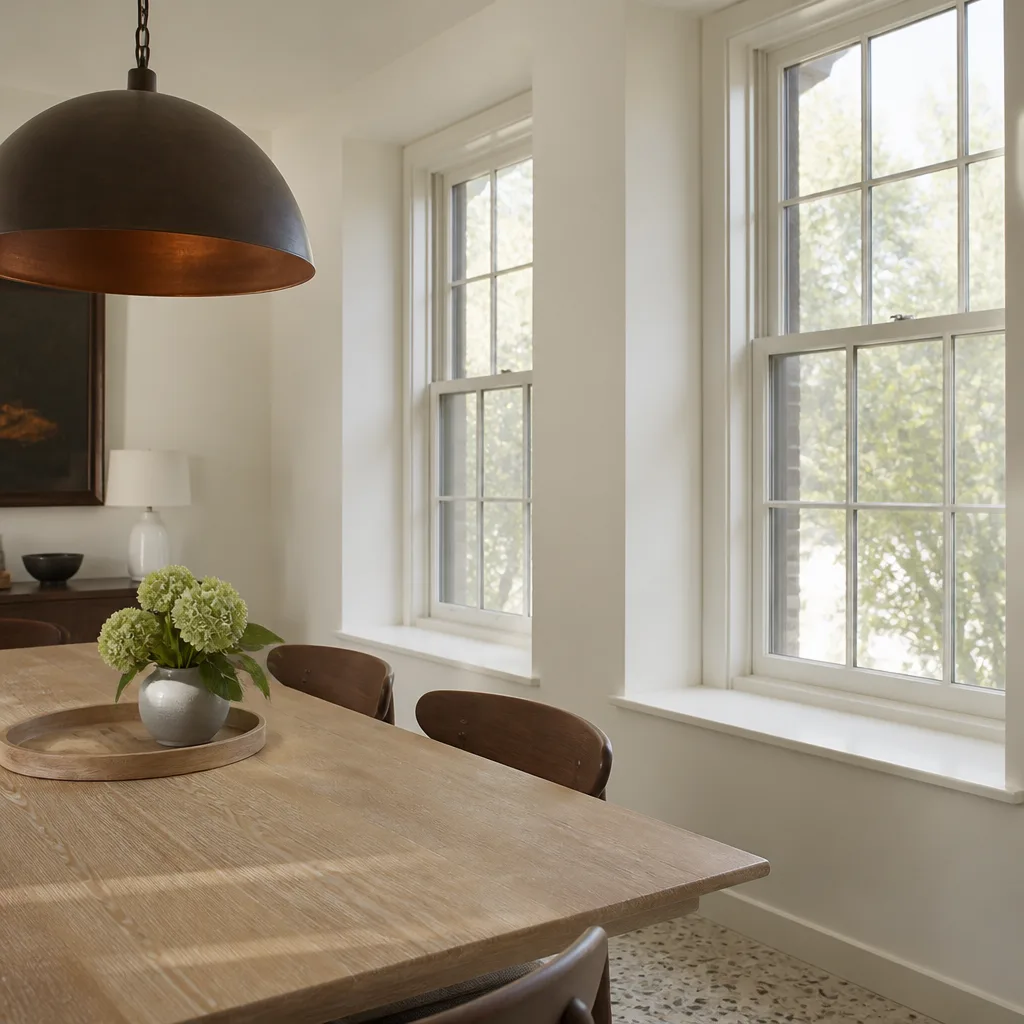
Modern vinyl, especially extruded multi-chamber vinyl from manufacturers like ViewLux, performs well in coastal Long Beach when the hardware and reinforcement are spec’d correctly. Vinyl itself doesn’t corrode, which is a real advantage near the water. The weak point is the hardware and the seam quality. Cheap hinges and screws rust out quickly in salt air, and low-end vinyl can yellow or distort on south- and west-facing elevations. Specify stainless hardware and check the manufacturer’s coastal warranty language before committing.
Fiberglass
Fiberglass is the strongest performer for Long Beach conditions among the mainstream options. It won’t rot, doesn’t corrode in salt air, expands and contracts less than vinyl or aluminum, and holds paint well. Fiberglass frames tend to hold up better on bluff-top homes in Bluff Park and on beachfront Peninsula properties where salt exposure is highest. The cost is typically 15 to 30 percent more than vinyl, and for a coastal home the upcharge is usually worth it.
Aluminum
Aluminum frames are light, thin, and hold up well visually in modern architectural styles, but untreated aluminum corrodes quickly in salt air. Anodized aluminum does better; thermally broken aluminum with a proper finish (AAMA 2605 rated) is what you want on a Long Beach home. Anything less will pit within a few years on a coastal-facing wall. Aluminum is still common for sliding patio doors and large glazed units on modern additions.
Wood
Wood frames, including clad-wood units, are the most traditional option and match the character of homes in Bluff Park, Rose Park, and the historic districts. Interior wood adds warmth that vinyl can’t match. The catch is that exterior wood needs steady maintenance in Long Beach’s marine air, and even clad-wood units require attention at the sill and around weatherstripping. For homeowners committed to period-correct appearance, wood makes sense; for a set-and-forget install, fiberglass or high-spec vinyl is the better call.
If you’re comparing these options on a full envelope project, our Home Additions & ADU in Long Beach page shows how window spec changes when you’re matching new construction to an existing style.
Impact-Rated vs. Hurricane-Rated vs. Earthquake-Safe
These three terms get thrown around interchangeably, and they don’t mean the same thing. Here’s what each actually covers for a Long Beach home.
- Impact-rated windows are tested for resistance to flying debris. In Florida and Texas coastal codes, this is required. In Long Beach, impact rating is not mandated by code for residential windows, but it’s sometimes chosen for high-wind exposure on bluff-top homes and for peace-of-mind on homes with large glass walls facing the ocean.
- Hurricane-rated assemblies add pressure-cycle testing (cyclic wind-load) to the impact testing. For Long Beach, hurricane rating is overkill for most homes because the region doesn’t see hurricane-force sustained winds. It becomes relevant only if your insurance carrier requires it or if your property sits on an exposed coastal bluff with unusual wind exposure.
- Earthquake-safe isn’t a formal product rating; it’s a marketing phrase. The real seismic performance of a window comes from proper anchoring to framing, correct shim and fastener spec, accommodation for structural movement, and sealant flexibility. A cheaper window installed correctly outperforms an expensive window installed poorly, every time.
What you do want to verify for a Long Beach install: AAMA certification for air, water, and structural performance; DP (design pressure) rating at or above what the exposure requires; and a manufacturer whose warranty doesn’t exclude coastal zones. Some product lines void their warranty inside a defined distance from the ocean, and that distance varies by manufacturer. Reading that clause before you buy matters.
Matching Windows and Doors to Long Beach Microclimates
Long Beach isn’t one climate. It’s at least four, and the right window spec looks different in each. Here’s how we think about the geography.
- Beachfront and bluff zones (Belmont Shore, the Peninsula, Bluff Park, Naples). Highest salt exposure, strongest onshore wind, and most consistent marine humidity. Specify fiberglass or premium vinyl with stainless hardware, anodized or AAMA 2605 aluminum where aluminum is used, and Low-E glass with a hard coat rather than a soft coat. Impact-rated glass is worth considering on any large west- or south-facing opening.
- Inland-adjacent coastal (Alamitos Beach, Downtown, Rose Park, East Village). Moderate salt exposure, more urban heat island effect, and taller buildings that block wind. Vinyl with proper hardware is fine. Watch for condensation on south-facing glass; choose a glazing package that prioritizes SHGC control over maximum insulation.
- Inland residential (Bixby Knolls, California Heights, Virginia Country Club, the area near Long Beach Airport). Lowest salt exposure, higher summer heat gain. Here, SHGC becomes the priority. Low-E with a lower SHGC reduces cooling loads meaningfully and Title 24 compliance is easier to hit.
- Lakewood-adjacent and far-north Long Beach. Closer to inland climate patterns; standard coastal-rated products work, but don’t skip the salt-air hardware spec. Winter condensation and heat gain are the bigger concerns here.
The takeaway: don’t accept a one-size spec across a whole-house window replacement in Long Beach. A package that’s right for the north side of a Bixby Knolls house isn’t the right package for a south-facing wall in Naples. We spec each elevation based on its exposure, not on a single catalog line item.
The City of Long Beach Permit and Inspection Process
Window and door replacement in Long Beach requires a permit whenever you’re changing the size of the opening, altering the structural header, changing the type of door assembly, or replacing windows that are part of a Title 24 energy compliance scope. Like-for-like replacement (same size, same operation type) sometimes qualifies for a simpler “express” path, but the City’s current rules on this have moved around over the years. The only reliable way to know is to check with the Long Beach Development Services permit counter or have your contractor confirm on your behalf, which is what we do on every job.
Here’s the sequence we follow, and what a homeowner should expect:
- Product specification and energy compliance. Gather manufacturer specification sheets, NFRC ratings, and the Title 24 compliance documentation. This is what the plan checker looks for.
- Permit application. Submit to Long Beach Development Services with drawings or a scope of work, product data, and energy compliance. Standard turnaround runs several business days to a few weeks, depending on workload.
- Pre-installation inspection (if required by the permit scope). The inspector checks rough opening, flashing plan, and header condition if the opening is being modified.
- Installation. Flashing, sealant, insulation, and anchoring all need to match what was approved. This is where cheap installs fail inspection and where re-work eats schedule.
- Final inspection and sign-off. This closes the permit and gives you the paper trail a future buyer’s agent and lender will ask for.
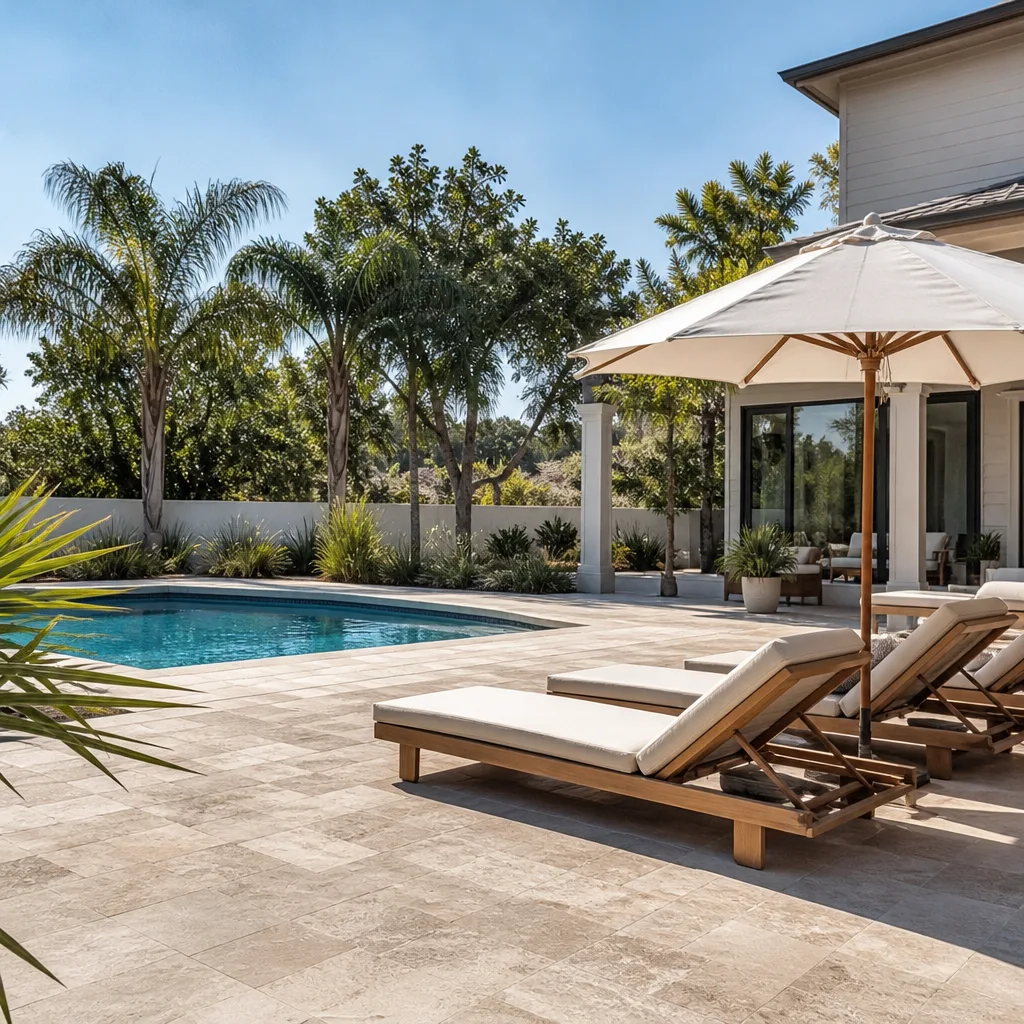
In our experience, the permit process itself adds two to four weeks to a typical Long Beach window and door project. It’s not the pain most homeowners fear, and it protects a decision this large. If you’re also upgrading the hardscape around your property, our Driveway & Pavers in Long Beach page covers how exterior sequencing interacts with the window and door scope.
Door Selection: Entry, Patio, and Sliding Systems
Doors take the same salt-air punishment as windows, plus one extra variable: door bottoms sit at ground level where splashback from rain, irrigation, and hosing drives water into thresholds. In Long Beach, a front entry door that performs well in Pasadena can show bottom rail rot within a few seasons near the coast if the wrong material is used.
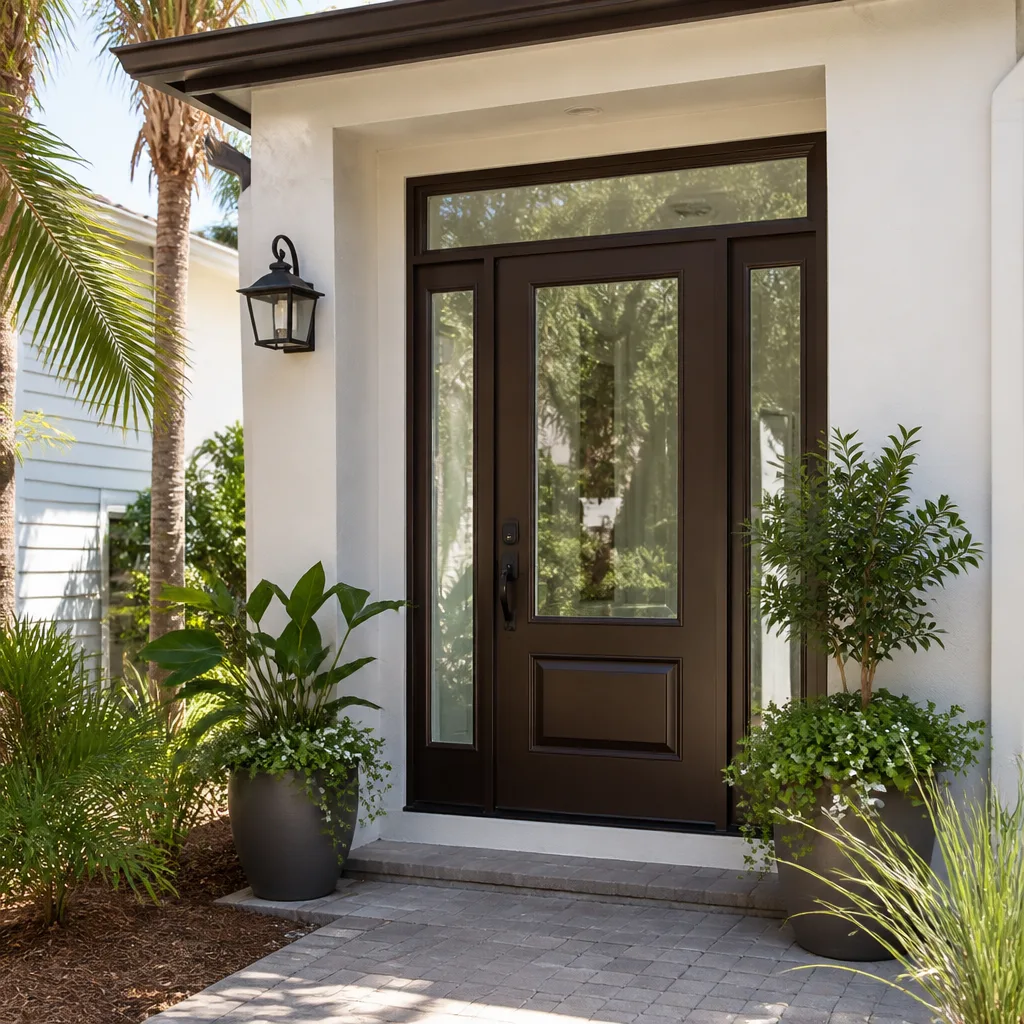
For entry doors, fiberglass and steel doors from manufacturers like Therma-Tru hold up well in salt air when the finish system is spec’d for coastal use. Wood doors work when the exposure is protected by a porch or overhang, but require more maintenance. The threshold, sill pan, and weatherstripping do most of the work in protecting the door; if those are undersized or installed poorly, no door material will survive.
Patio doors and sliding systems need special attention on Long Beach homes. A few things matter most:
- Stainless steel or marine-grade rollers and tracks. Cheap rollers corrode and seize within two years in coastal air.
- Drainage at the sill. Every slider needs weep holes and a positively drained sill pan. Poor drainage is the number one cause of rot at Long Beach thresholds.
- Panel weight and gap tolerance. Large sliders in bluff-top homes get buffeted by onshore wind; heavier panels and tighter gap tolerance reduce rattle and air infiltration.
- Thermally broken aluminum or fiberglass frames. Vinyl works at most price points, but fiberglass and thermally broken aluminum hold up better on large-format multi-panel systems.
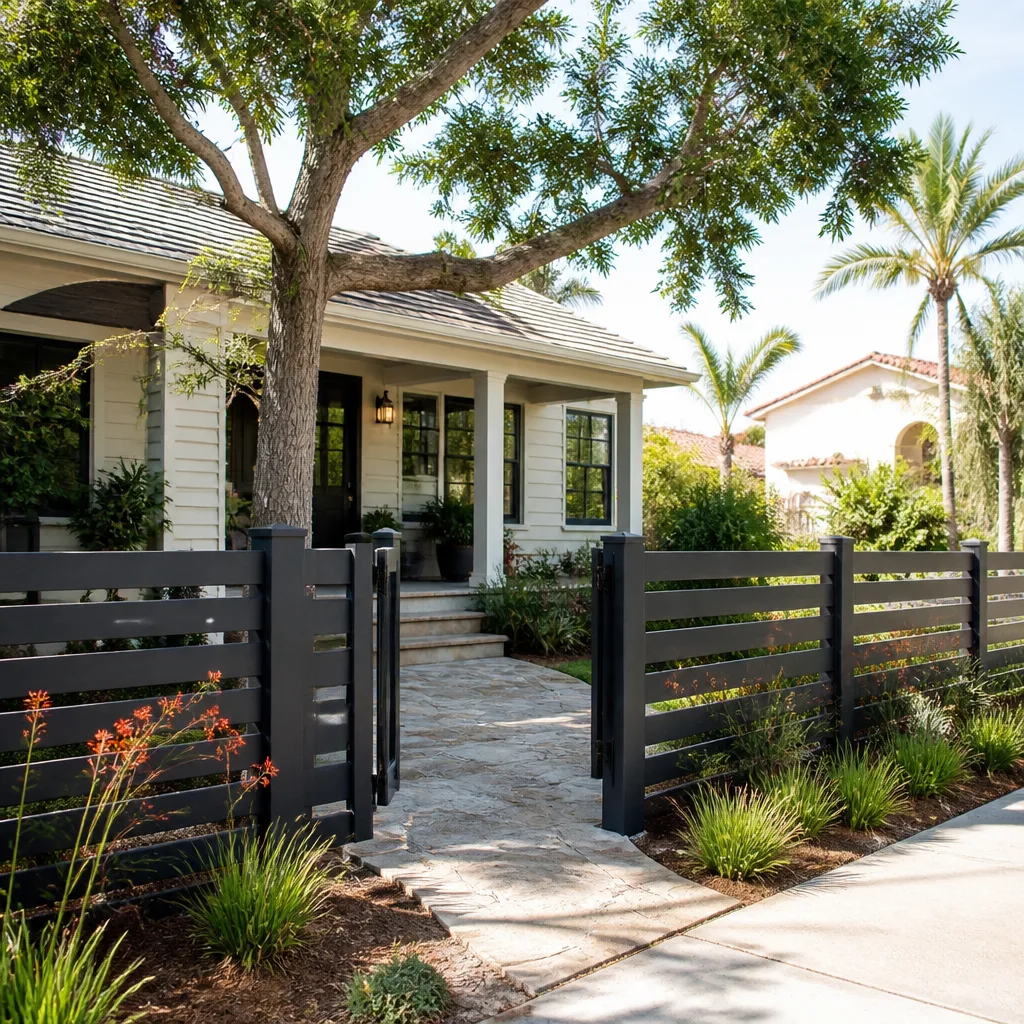
For fencing, gates, and screen systems that pair with a door package, our Fence Installation in Long Beach page shows how exterior materials interact with coastal exposure.
What Windows and Doors Cost in Long Beach
Costs below reflect typical Long Beach market ranges for supply and installation, including permit, for a reputable contractor using coastal-rated materials. These are ranges, not quotes; the exact number depends on your home.
- Standard vinyl double-hung window, per opening installed: $650 to $1,150
- Fiberglass double-hung window, per opening installed: $850 to $1,450
- Vinyl or fiberglass slider (patio door), installed: $2,200 to $4,800
- Entry door, fiberglass or steel, installed: $1,800 to $4,200
- Wood or clad-wood entry door, installed: $3,200 to $6,800
- Large multi-panel slider or glazed door system, installed: $6,000 to $18,000+
- Permit and Title 24 compliance documentation: $400 to $1,200 per household, depending on scope
The three biggest price drivers in Long Beach specifically: exposure (beachfront costs 15 to 25 percent more than inland), whether the opening size changes (any structural modification raises cost meaningfully), and glass specification (impact-rated or high-performance glazing adds per square foot). All of these numbers come as line items in a written quote before we start, so nothing changes once work begins.
Common Mistakes to Avoid
- Buying on U-factor alone. U-factor matters, but so does SHGC, and in Long Beach’s Climate Zone 6 the SHGC limit is often the harder threshold to hit. Skipping that review leads to a non-compliant install you didn’t realize was non-compliant.
- Ignoring the coastal warranty exclusion. Many window manufacturers void or shorten warranty coverage on homes within a defined distance from the ocean. That clause isn’t always on the first page; it’s worth reading before you sign a contract.
- Reusing anchors and fasteners during replacement. Old fasteners removed during a replacement are often corroded and unusable; reinstalling them or substituting cheap zinc fasteners causes callbacks within a few years.
- Skipping flashing detail at the sill. The sill is where Long Beach rain and marine moisture do the most damage. A great window installed with a weak sill pan will develop rot behind the wall within five to seven years.
- Assuming “energy efficient” means “Title 24 compliant.” Those aren’t the same claim. A window can be energy efficient and still be outside the City of Long Beach compliance values.
- Mixing elevation specs to save a few hundred dollars. Spec’ing cheaper glass on the north-facing walls is fine; spec’ing cheaper glass on the west-facing walls near the coast is a mistake that pays back in repair bills.
- Not asking for a written, line-item quote. Lump-sum bids leave room for change orders once the walls are open. Line-item quotes with fixed pricing close that door.
See the difference
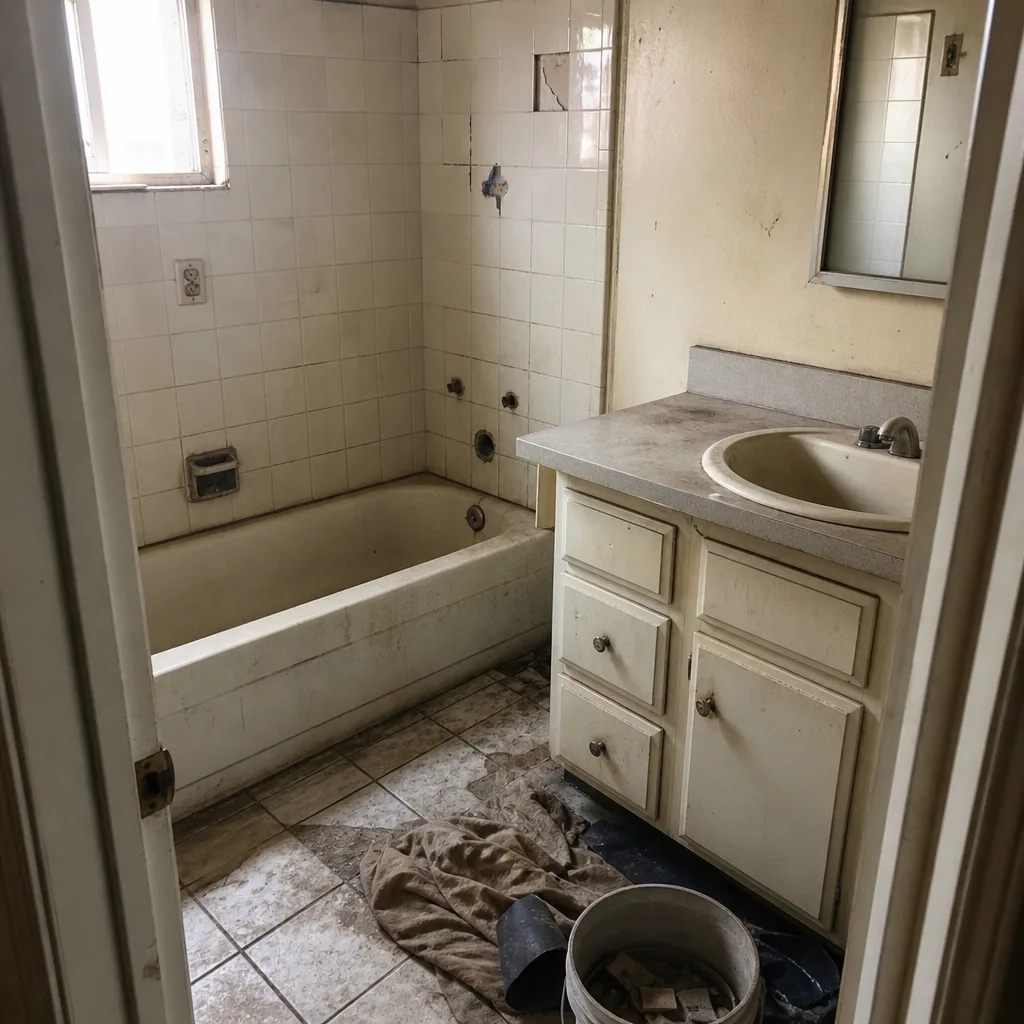 Before
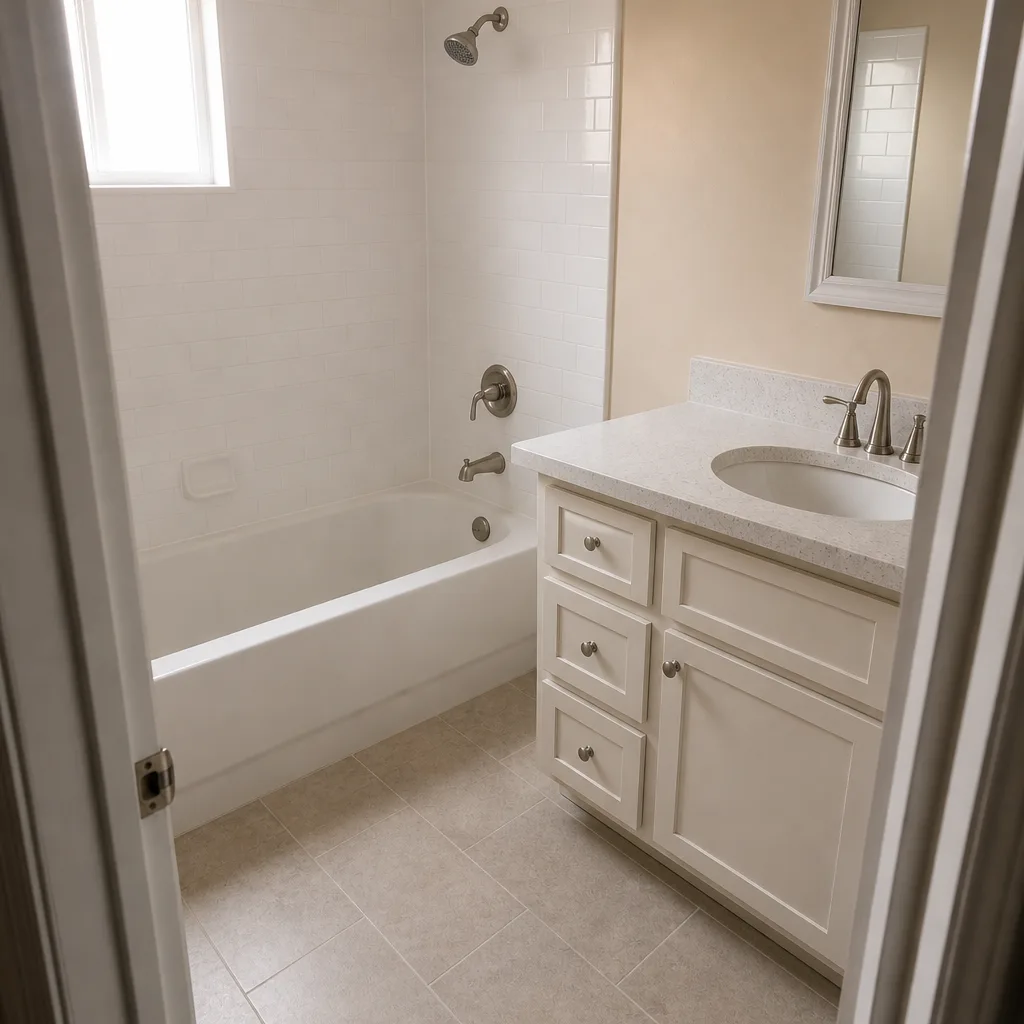 After
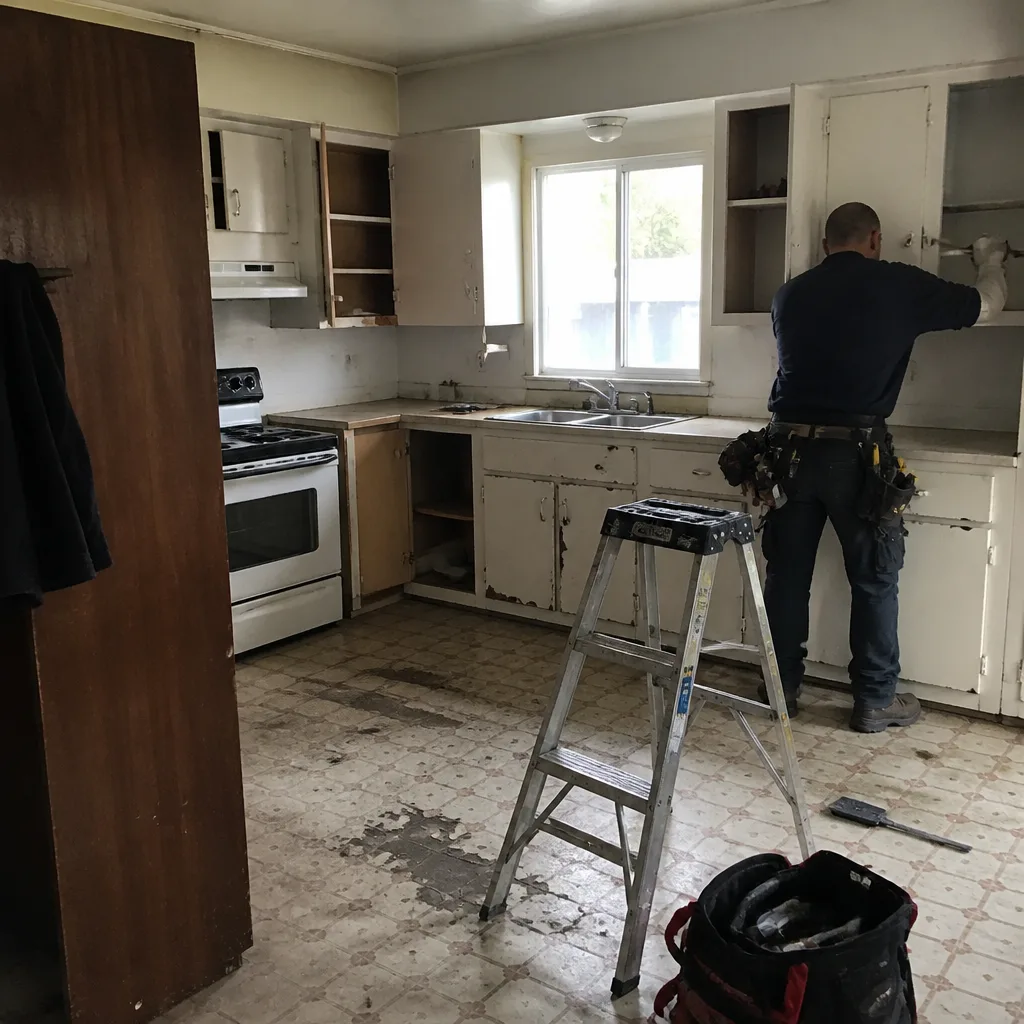 Before
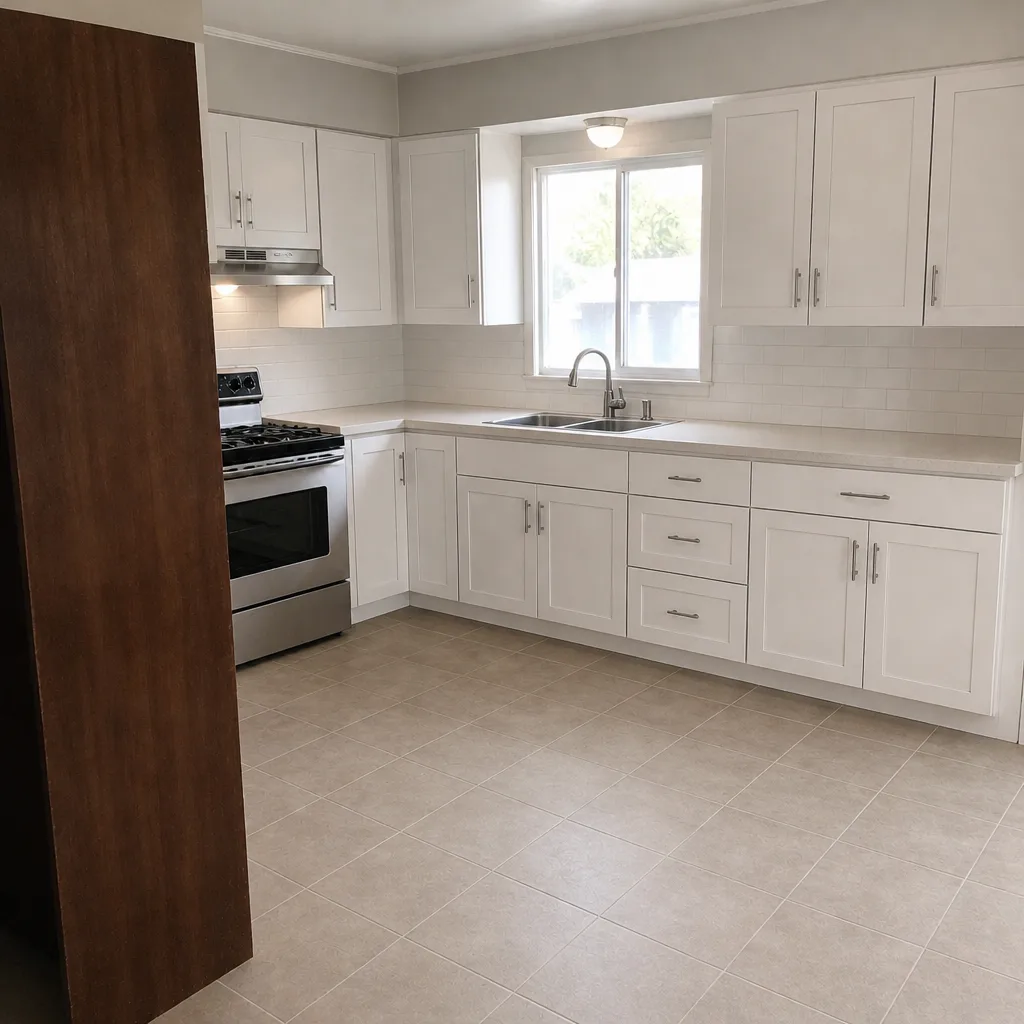 After
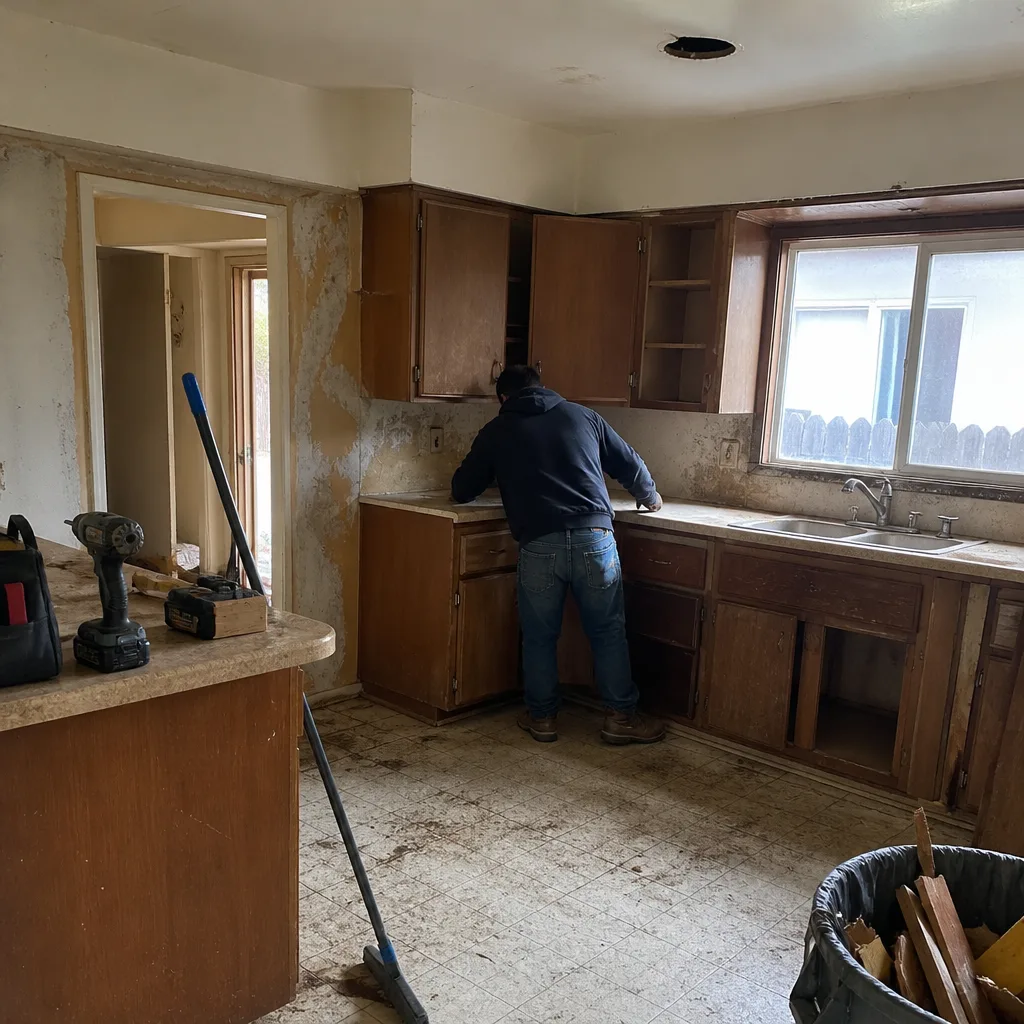 Before
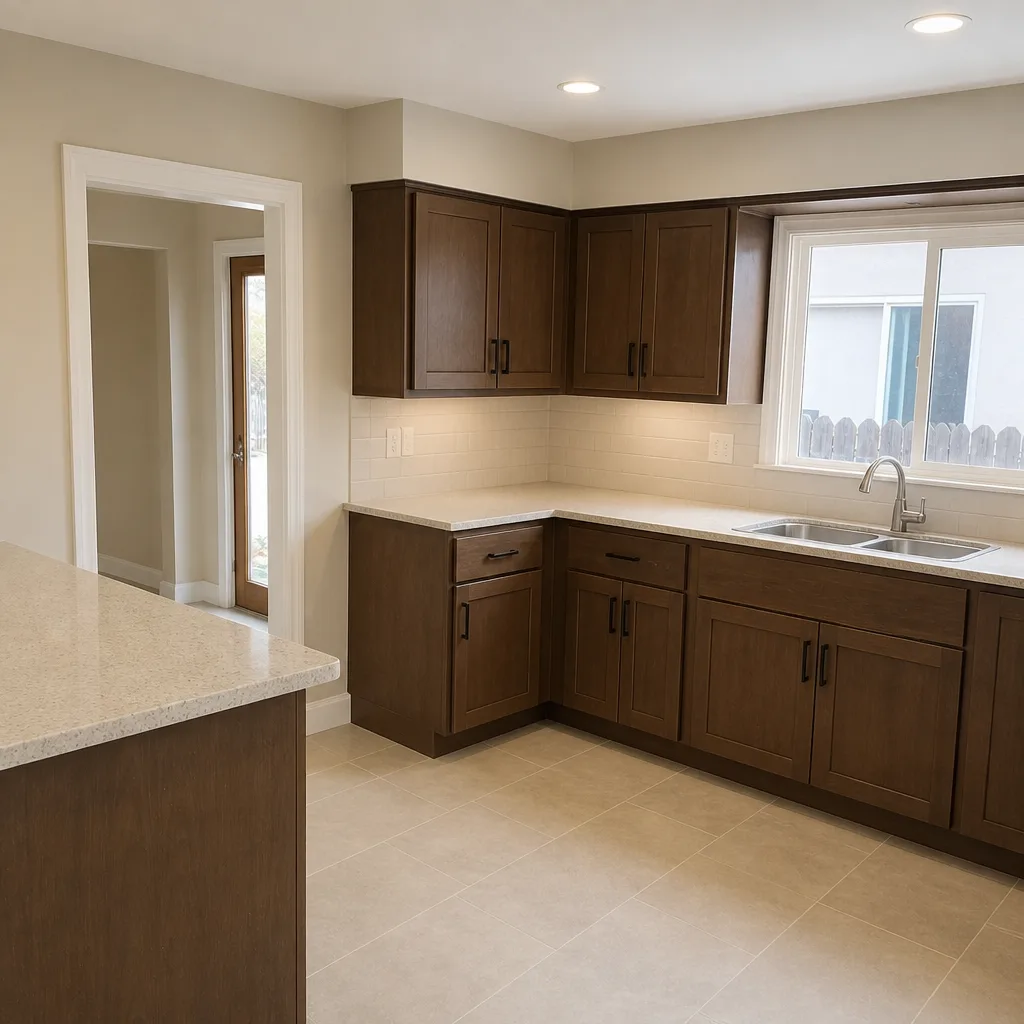 After
When to Call a Professional
Some window and door work is truly DIY territory. Replacing a screen, re-caulking a sill, or swapping hardware is fine. Anything else usually isn’t, especially in Long Beach where the stakes are salt-air exposure, seismic anchoring, and Title 24 compliance.
Call a licensed professional when you’re changing the size of an opening, replacing all the windows in a room or house, dealing with a failed seal (condensation between panes), noticing rot at a sill or threshold, or replacing any sliding door. These scenarios involve structural anchoring, flashing detail, permit and inspection obligations, and product warranty requirements that a handyman can’t safely cover. A mis-installed sliding door in a coastal Long Beach home is a mold problem waiting to happen behind the drywall.
Groundwork Construction Co. of Long Beach offers free estimates in Long Beach and the surrounding area – call (888) 345-8164. Our technicians have up to 12 years of experience, arrive in uniform, and are background-checked on every job. Every project carries our 730-Day Done Right Promise: if it isn’t done right, we make it right.
Frequently Asked Questions
Yes, in most cases. The City of Long Beach requires a permit for window and door replacement whenever the opening size changes, the structural header is modified, the door type changes, or the replacement is part of a Title 24 energy compliance scope. Like-for-like replacement sometimes qualifies for a simpler review path, but current rules shift, so it’s best to confirm with Long Beach Development Services or your contractor before work begins. Call (888) 345-8164 for an exact quote on a permit-inclusive install – estimates are free.
Fiberglass is generally the strongest performer for a beachfront Long Beach home. It doesn’t corrode in salt air, expands and contracts less than vinyl or aluminum, holds paint well, and holds up over decades even with high chloride exposure. Premium vinyl with stainless hardware is the next-best option at a lower price point. Skip bare aluminum on any coastal-facing wall.
No. Impact-rated windows are not required by Long Beach or California residential code. They’re sometimes chosen for bluff-top and beachfront properties with large glass walls facing the ocean, or when an insurance carrier requires them. For most Long Beach homes, standard coastal-rated windows with proper anchoring and Title 24-compliant glass are the right spec.
Most of Long Beach falls in Climate Zone 6, which uses tighter limits than inland California. The typical prescriptive values quoted for Zone 6 whole-window assemblies are U-factor of 0.32 or lower and SHGC of 0.25 or lower, though the exact number depends on your home’s compliance path. Your contractor should submit the NFRC ratings with the permit; that’s how we do it. Call (888) 345-8164 to schedule a free estimate and design consult.
The installation itself typically takes one to three days for a typical whole-house scope, depending on how many openings are involved and whether any structural changes are needed. The permit process adds two to four weeks before installation starts, and material lead times vary by manufacturer. Most jobs are completed in a single visit once the product is on site, and every one is backed by our 730-Day Done Right Promise.
No, not with us. We work from a written, line-item quote that fixes pricing before any work starts, so a project quoted at one number is completed at the same number. If something unexpected turns up during the install (rot behind a wall, an undersized header), we stop and walk you through it in writing before any change is made. That’s what upfront pricing, no surprises means in practice.
The Bottom Line
Long Beach windows and doors aren’t a generic purchase. Salt air, marine humidity, seismic exposure, and Climate Zone 6 Title 24 limits all push the specification in directions that don’t apply inland. Match the frame material to your microclimate (fiberglass or premium vinyl near the beach, standard coastal-rated inland). Verify the Title 24 numbers before you sign a contract. Confirm the manufacturer’s coastal warranty applies to your address. Pull permits and pass inspection, even when it adds weeks, because the paper trail protects your resale. Then build the whole envelope – windows, doors, exterior hardscape – into one coordinated plan instead of patching it together job by job.
Groundwork Construction Co. of Long Beach offers free project estimates, written line-item quotes, permits pulled and inspections passed, and a 730-Day Done Right Promise on every window and door project. Financing at 0% for 18 months is available, plus $1,000 off projects over $10,000. Call (888) 345-8164 for a free estimate – our team is available around the clock.
Written by the team at Groundwork Construction Co. of Long Beach.