Last updated November 17, 2026
Free written scope consultation - allowances, timeline, and change-order rules on paper before a single trade is scheduled
Home Additions & ADU Maintenance Schedule: What to Do and When
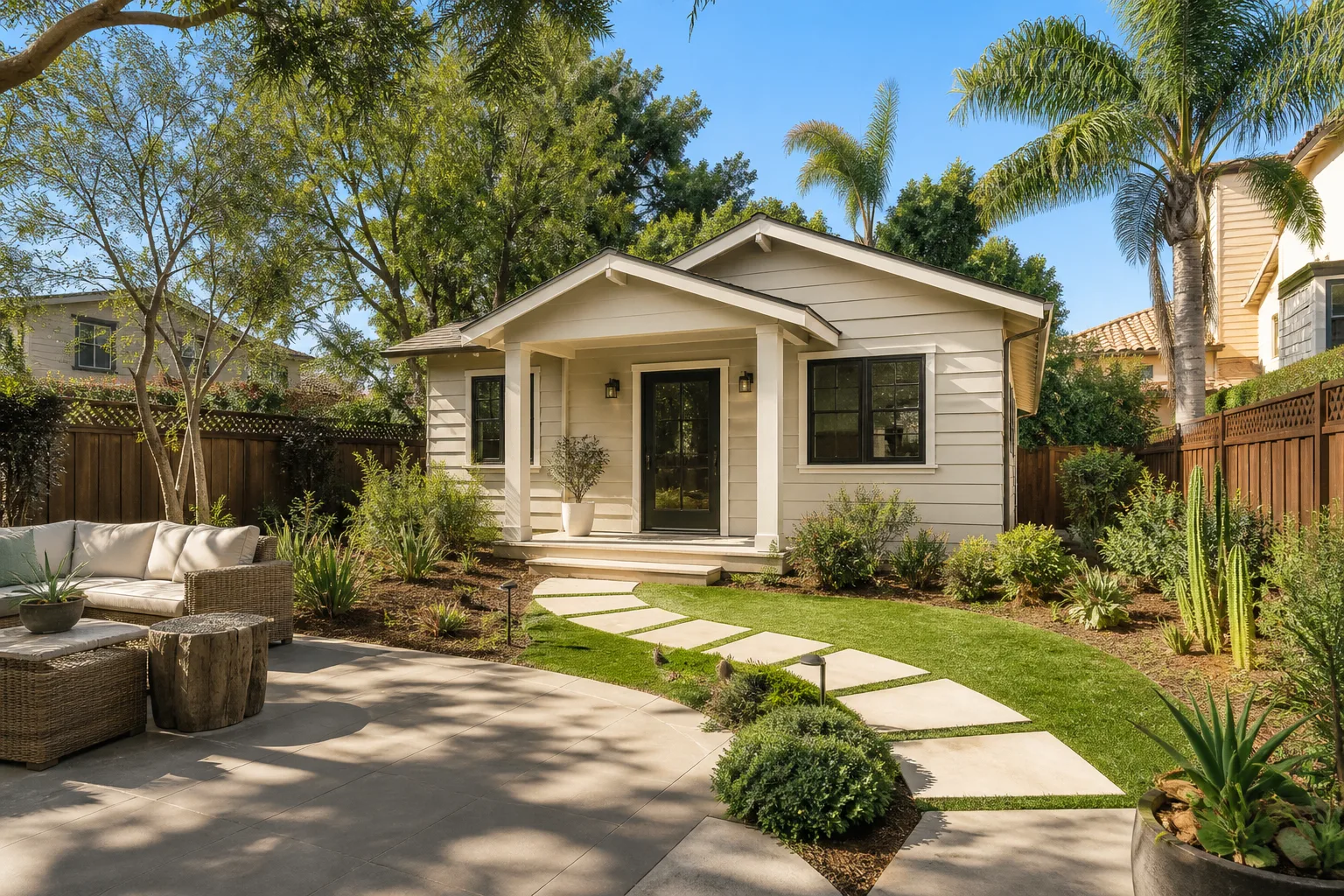
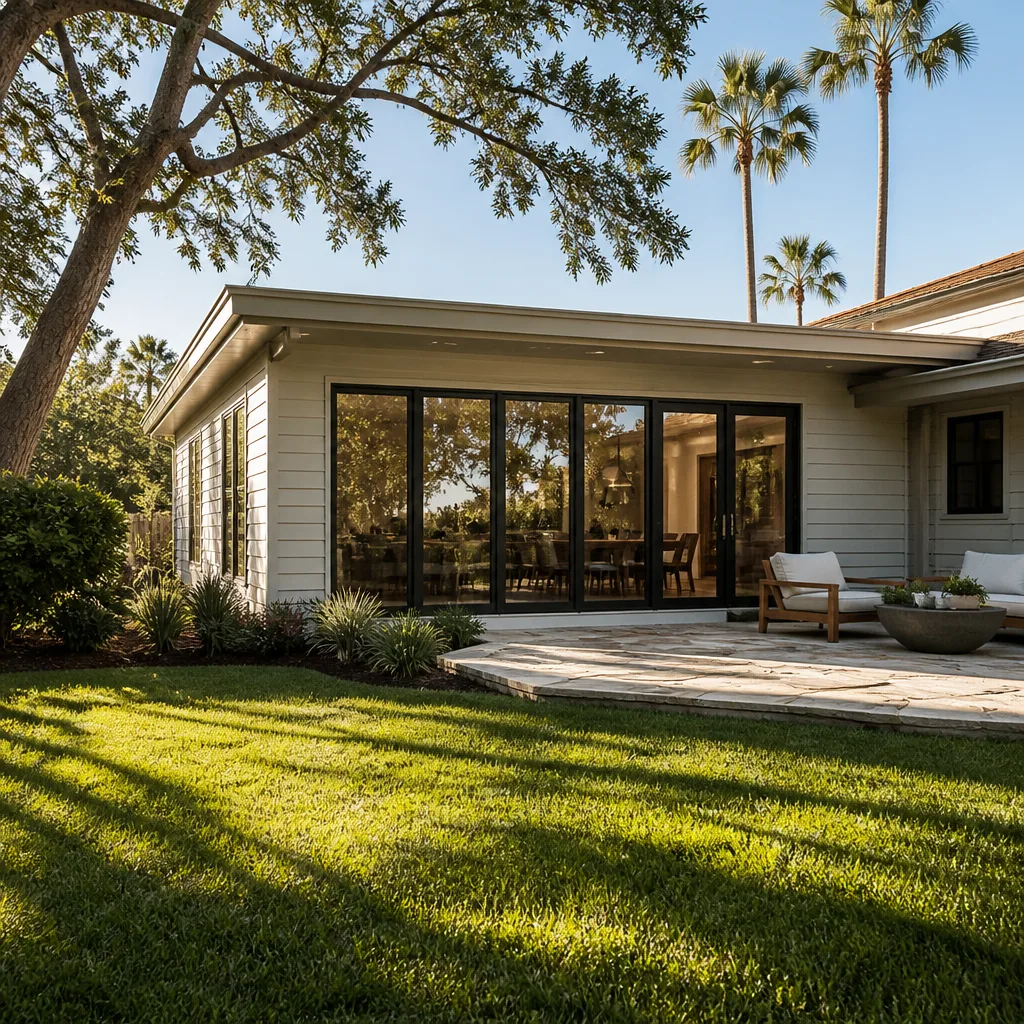
New construction feels maintenance-free because it is – for about 18 months. Then the expansion joints settle, the caulk at the seam starts to crack, and the connection between your old roof and your new one quietly becomes the most vulnerable spot on your property. An addition or ADU is a new structure grafted onto an existing one, and that graft line demands more attention than any other square foot you own. Skip it in years one through four and you’ll likely spend more in year five than you ever saved. This guide lays out a Long Beach maintenance calendar built around that reality.
Quick Answer
Anchor every home addition or ADU in Long Beach to three fixed checkpoints per year – one in spring, one before the first winter rain, and one after Santa Ana wind season – plus a full annual inspection of the seam where new construction meets old. Prioritize the transition zone every single time: flashing, exterior caulk, grading, and drainage at the connection point. Everything else can follow a rotating schedule, but that seam is where the smallest leak becomes the biggest bill.
Styles & brands we work with
- Kitchen remodeling
- Bathroom remodeling
- Home additions & ADU
- Roofing
- Windows & doors
- Driveway & pavers
- Fence
Table of Contents
- The Year-One Checklist: The Transition Zone
- Southern California Seasonal Maintenance Calendar
- ADU Mechanical Maintenance: Mini-Splits, Tankless, Subpanels
- If You Rent the ADU: California Habitability Obligations
- The 5-Year Major Maintenance Forecast
- Materials That Need the Most Attention in Long Beach
- Common Mistakes to Avoid
- When to Call a Professional
The Year-One Checklist: The Transition Zone
The first 12 to 18 months of an addition’s life are when the building tells you what it’s going to do. Wood moves, stucco cures, soil under new footings settles a fraction, and the sealant at the connection point between old and new goes through its first real thermal cycle. In Long Beach, we’ve seen plenty of fresh-sealed transitions open up within a single summer of UV exposure – the sun here is not gentle, and the touch-up most homeowners skip in month eight is exactly what prevents the leak in month eighteen.
The transition zone is the seam where the addition’s roof meets the original roof, where the new wall abuts the old wall, where the new slab meets the existing foundation, and where the grading outside shifts from old to new. That whole line deserves its own list.
- Month 3: Re-check exterior caulk at the wall-to-wall junction. Temperature changes will have moved it by now. Look for small gaps along the top edge where the new stucco meets the old.
- Month 6: Inspect flashing at the roof-to-roof connection from the ground with binoculars, or from a safe vantage. Any lifting, curling, or missing fasteners needs a pro.
- Month 9: Confirm that soil has not settled enough to create a low spot where water pools next to the new foundation. Positive slope away from the stem wall is the entire game.
- Month 12: Full seam inspection from the roof edge to the soil line. Re-caulk anything that has opened. Check gutters and downspouts at the new section.
- Month 15: Test all exterior doors and windows in the addition. If they’ve gone sticky or drafty, the frame has moved and the sealant needs review.
- Month 18: Second full seam inspection. By now the structure has done most of its settling, and what you fix at this point will likely stay fixed.
If you’re still in the design phase on a new addition, the structural details that determine how much maintenance the seam will demand are decided before the first nail goes in. That conversation belongs in the Home Additions & ADU in Long Beach planning stage, not after the roof is closed up.
Southern California Seasonal Maintenance Calendar
Long Beach has a maintenance calendar most of the country doesn’t understand. We don’t get a freeze-and-thaw cycle that tears things apart, but we do get three specific stressors that do just as much damage in different ways: UV that degrades roofing and exterior finishes faster than almost anywhere else in the country, a short but genuinely intense rain season (roughly November through March), and Santa Ana wind events that arrive without much warning and push 40 to 60 mph gusts through the older neighborhoods. Build the schedule around those three realities and everything else takes care of itself.
Spring (March through May): The Recovery Check
- Walk the exterior of the addition after the last meaningful rain. Look for standing water, water stains on stucco, or soft ground near the new foundation.
- Clear debris from roof valleys, gutters, and downspouts. The rain season deposits leaves and grit that sit until next winter if you don’t move them.
- Inspect exterior caulk at the seam, especially on south- and west-facing walls where UV does the most work.
- Change mini-split filters (see the mechanical section below) before cooling season.
Summer (June through September): The UV Check
- Look at roofing shingles at the seam between new and old roofs. Curling, granules in the gutter, or color fading tell you how fast the sun is working.
- Inspect paint and stain on any exterior wood – fascia, trim, door frames, fence connections. Long Beach UV will fade a south-facing trim board in two summers if it’s not recoated.
- Check outdoor LED fixtures, landscape wiring, and any exterior outlets on the addition. Summer is when you notice a burned-out fixture, not when you want to.
Fall (October through November): The Pre-Rain Check
- Re-caulk the seam. This is the most important single maintenance task of the year.
- Verify grade and drainage – that positive slope away from the foundation is still positive. New soil sometimes settles a half inch over a summer, which is enough to pool water during a Long Beach winter storm.
- Clear gutters and downspouts before the first rain. Every year.
- Test the sump pump if you have one at the addition’s low side, or confirm the drainage path if you don’t.
Winter (December through February): The Wind and Rain Check
- After each Santa Ana wind event, walk the roof edge and any patio cover attached to the addition. Wind lifts flashing and stresses fasteners.
- Check window and door seals after the first heavy rain. Water intrusion at the transition zone shows up here first.
- Verify subpanel and exterior outlet covers are snug. Wind-driven rain finds the loose ones.
ADU Mechanical Maintenance: Mini-Splits, Tankless, Subpanels
The envelope of your ADU gets the attention, but its systems are what fail on a Tuesday afternoon when the tenant is home. Long Beach ADUs typically run on mini-split heat pumps, a tankless water heater, and a dedicated subpanel – and each one has a specific maintenance rhythm. Our technicians have up to 12 years of experience keeping these systems running, and the pattern is consistent: units that get serviced on schedule last nearly the full expected life, units that don’t fail 30 to 40 percent sooner.
Mini-Split Maintenance
- Filters: rinse or replace every 4 to 6 weeks during heavy use, every 2 to 3 months otherwise. Long Beach dust and pollen load is steady year-round.
- Coils and drain line: clean and clear every 6 months. A clogged condensate line is the number one cause of mini-split water damage we see.
- Professional service: once a year, ideally in spring before cooling season. Refrigerant check, coil cleaning, electrical inspection.
Tankless Water Heater Descale
Long Beach water is hard – typically in the 12 to 15 grains-per-gallon range – and tankless units mineral-scale faster than tank heaters because there’s no standing water to buffer the deposits. Descale every 12 months in Long Beach. Skipping this is the fastest way to shorten the unit’s life from 20 years to 12 and to trigger the scale error code right when you don’t want to deal with it. This is a job most homeowners can learn, and it’s also a job every reputable plumbing tech does without complaint during an annual service call.
Subpanel Breaker Testing
Two to three times a year, flip each breaker in the ADU subpanel off and back on – including the GFCI and AFCI breakers. This isn’t a full diagnostic; it’s a check that nothing is stuck. Once a year, press the test button on every GFCI outlet and confirm it trips. If a breaker won’t reset, or trips repeatedly, stop flipping it and call an electrician. Electrical panels carry real risk, and an ADU subpanel is not a DIY experiment.
If You Rent the ADU: California Habitability Obligations
An ADU that earns rent is a different maintenance animal from one your in-laws live in. California Civil Code Section 1941.1 sets specific “habitability” standards the landlord must maintain, and ignorance is not a defense. The list includes weatherproofing (roof and walls), plumbing and hot water, heating, electrical wiring and lighting, and functional doors and windows. Local Long Beach code enforcement can and does act on tenant complaints, and a tenant can legally withhold rent or repair-and-deduct when a condition stays unaddressed.
The practical translation is simple: your maintenance schedule becomes a legal document, not a suggestion. Document every inspection with a photo and a date. Keep the mini-split service records, the tankless descale records, and any repair invoices. If a tenant reports a leak, you have a set timeframe to respond – and “we’ll get to it next month” isn’t a defense. This is also the reason our own free estimate process includes a written project scope; a written record is the difference between a maintenance log and a liability.
Water intrusion is the single most common habitability violation we see in rented Long Beach ADUs, and it’s almost always preceded by a transition-zone seal that went two or three seasons without a check.
The 5-Year Major Maintenance Forecast
Most homeowners react to failures because they never sat down and wrote what was coming. Here’s the forecast we share with Long Beach clients after an addition or ADU is completed. Treat the numbers as ballpark ranges for planning, not fixed quotes – actual costs vary with scope, unit size, and current material pricing.
- Year 1: Re-caulk and seam touch-up – $200 to $600 if done by a pro, or DIY. Any warranty items handled at no charge.
- Year 2: First mini-split full service, first tankless descale, GFCI/AFCI breaker check – $250 to $500 total.
- Year 3: Exterior paint touch-up at the transition zone and south/west surfaces – $400 to $1,500 depending on area.
- Year 4: Second mini-split service, second descale, roof inspection at the seam with likely minor flashing re-seal – $400 to $900.
- Year 5: Possible replacement of exterior sealant at the full seam, possible tankless descaling + flush, full structural walkthrough with a contractor – $800 to $2,500 depending on findings.
Set aside roughly $1,500 to $2,500 per year on average across the first five years, and most homeowners will end up spending less than that if they stay ahead of the schedule. The alternative – waiting for a failure – tends to land in the $5,000 to $15,000 range once water intrusion reaches the drywall or subfloor.
Materials That Need the Most Attention in Long Beach
Building materials age differently here than they do inland. Our coastal humidity and UV combine in ways that push certain products toward failure faster. Getting ahead of that with the right brand selections at the design stage saves a great deal of maintenance later. When we spec a Long Beach addition or ADU, we lean on brand partners we’ve watched hold up under our specific conditions.
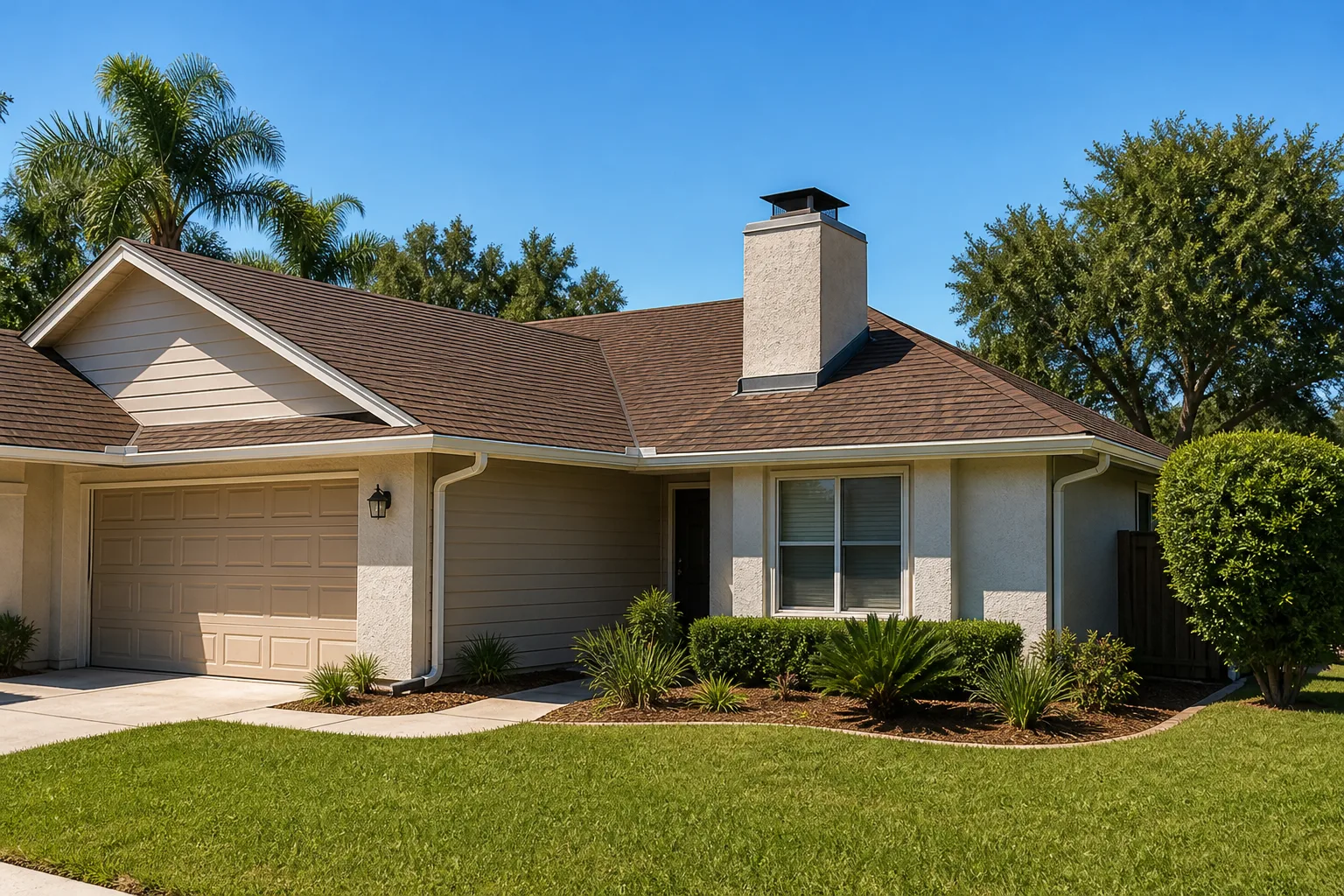
On the roofing side, GAF and CertainTeed shingles handle the UV load well and are backed by manufacturer warranties that complement our 730-Day Done Right Promise. On the exterior cladding and fence side, James Hardie fiber cement resists the moisture swing better than wood, and if you’re extending fencing around the ADU, ActiveYards vinyl or composite products won’t need the annual recoat that wood fencing in Long Beach does. If the addition includes a paver patio or driveway extension, Belgard and Unilock systems hold color far better than lower-tier concrete pavers under our sun – worth knowing if you’re planning hardscape alongside the build. For more on that side of the property, see Driveway & Pavers in Long Beach and Fence Installation in Long Beach.
The point isn’t the brand names – it’s that the material selection you make today determines what shows up on your maintenance calendar in year three and year eight. Choose well and the calendar gets shorter.
Common Mistakes to Avoid
- Ignoring the seam because it “looks fine.” The transition zone fails from the inside out. By the time you see water staining, the flashing has been leaking for months and the repair has grown from $400 to $4,000.
- Skipping the fall caulk pass. Long Beach rain is short but intense, and a single 2-inch storm in December finds every crack that opened over summer. Get the caulk done in October.
- Running mini-splits without filter changes. A clogged filter loads the compressor and shortens unit life. This is the cheapest maintenance task you’ll ever do and the one most often skipped.
- Not descaling the tankless water heater because the water “seems fine.” Long Beach water is hard, and scale builds slowly and invisibly until the unit starts throwing codes or stops heating. Descale once a year, no exceptions.
- Letting soil settle against the new foundation. A half-inch depression at the wrong angle pools water directly against the stem wall during winter rains. Check the grade every fall and add soil when needed.
- Treating a rented ADU like a personal home. California habitability rules apply from day one of a tenancy. Failure to document and respond can mean rent withholding, city enforcement, or worse.
- Not budgeting for year-five repairs. The sealant, flashing, and system service that come due around year five are predictable. Homeowners who save ahead pay a fraction of what reactive repairs cost.
- Hiring the cheapest maintenance contractor. A quick caulk job that fails in six months because the surface wasn’t prepped properly is a maintenance setback, not a savings. Look for a contractor who puts the workmanship warranty in writing.
When to Call a Professional
Some maintenance belongs in your own two hands: filter swaps, caulk touch-ups on accessible walls, breaker resets, and annual tankless descaling. Others don’t. Call a professional the moment water is coming through the seam, flashing has visibly lifted, a breaker trips repeatedly, the tankless heater throws a scale or ignition code, or the mini-split has stopped cooling on a hot September afternoon. Roof work, subpanel electrical, and anything that requires getting on a ladder above the first story carry real risk – these are not the jobs to learn on. Our technicians arrive in uniform and are background-checked on every project for the same reason.
Groundwork Construction Co. of Long Beach offers free estimates in Long Beach – call (888) 345-8164. We answer the phone with a live person, 24/7, so the call happens when the problem happens, not the next business morning.
See the difference
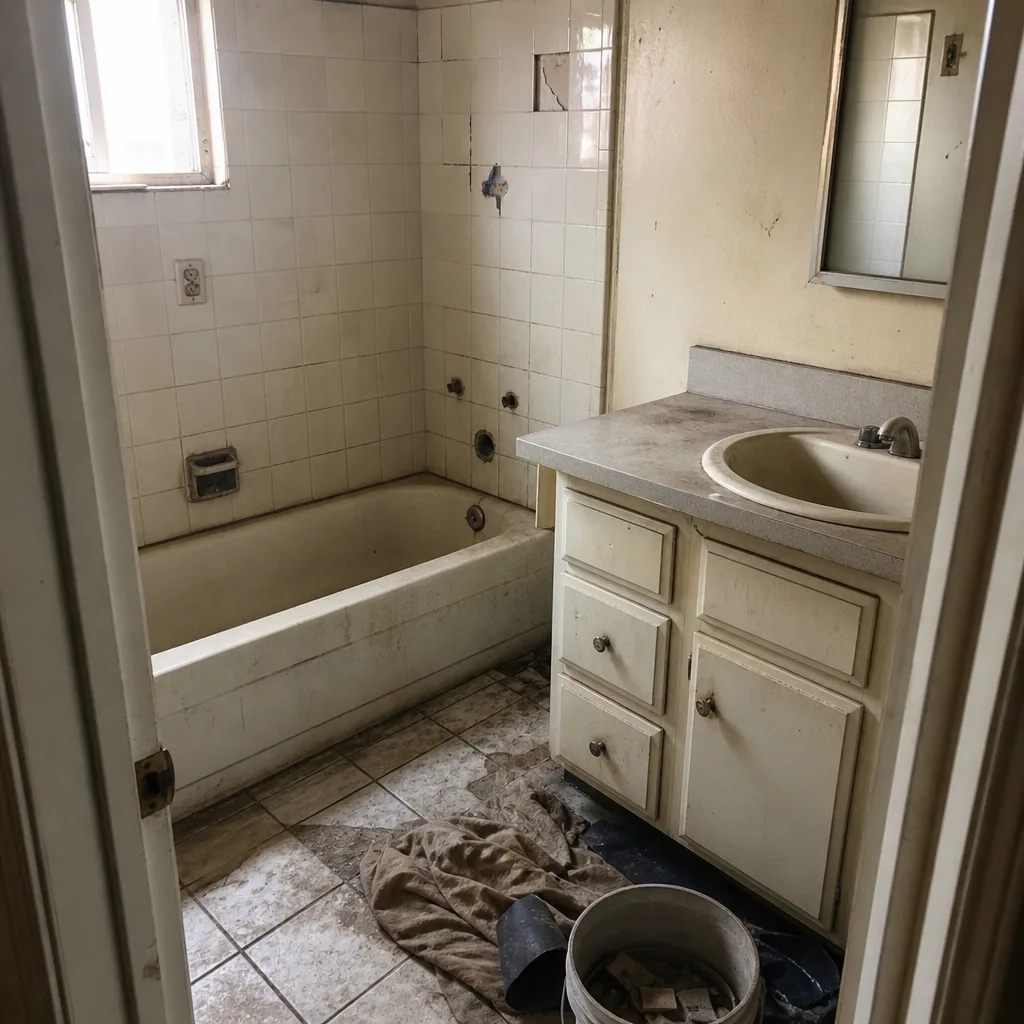 Before
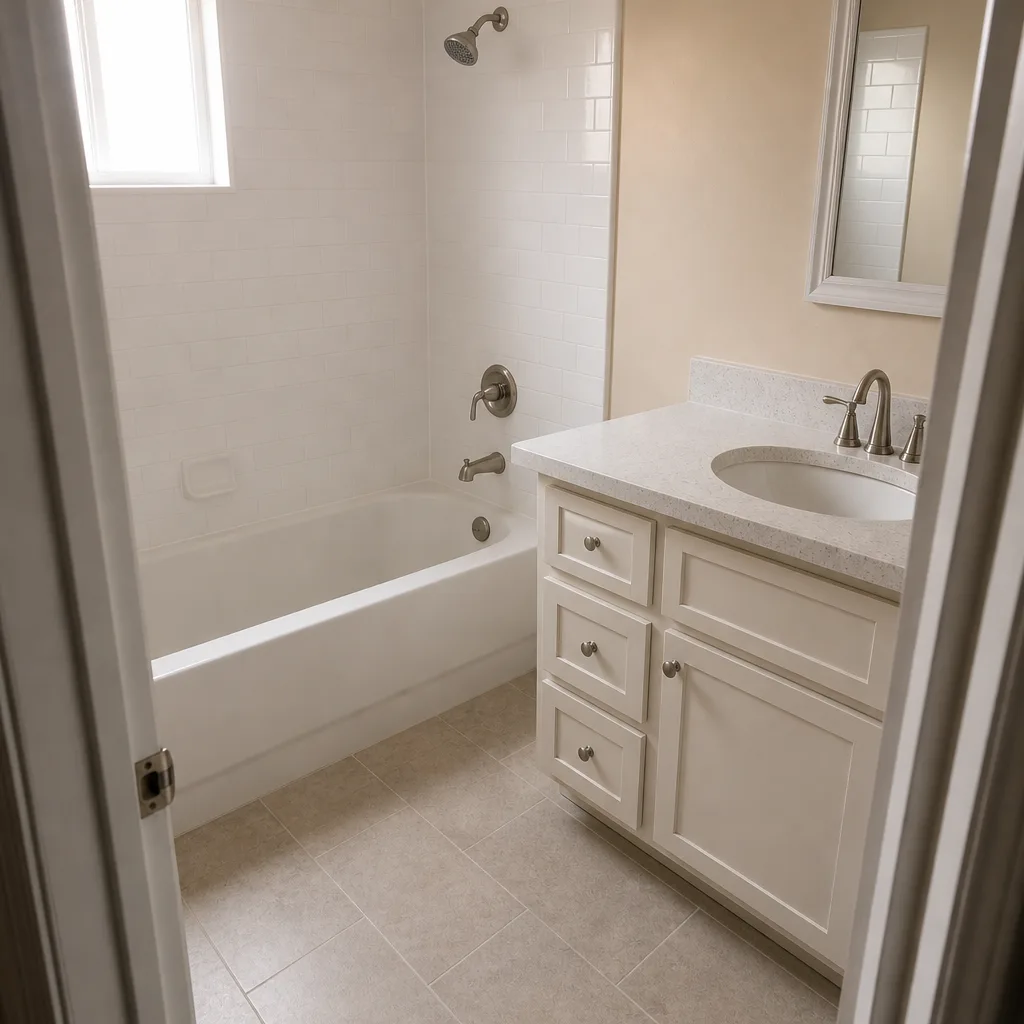 After
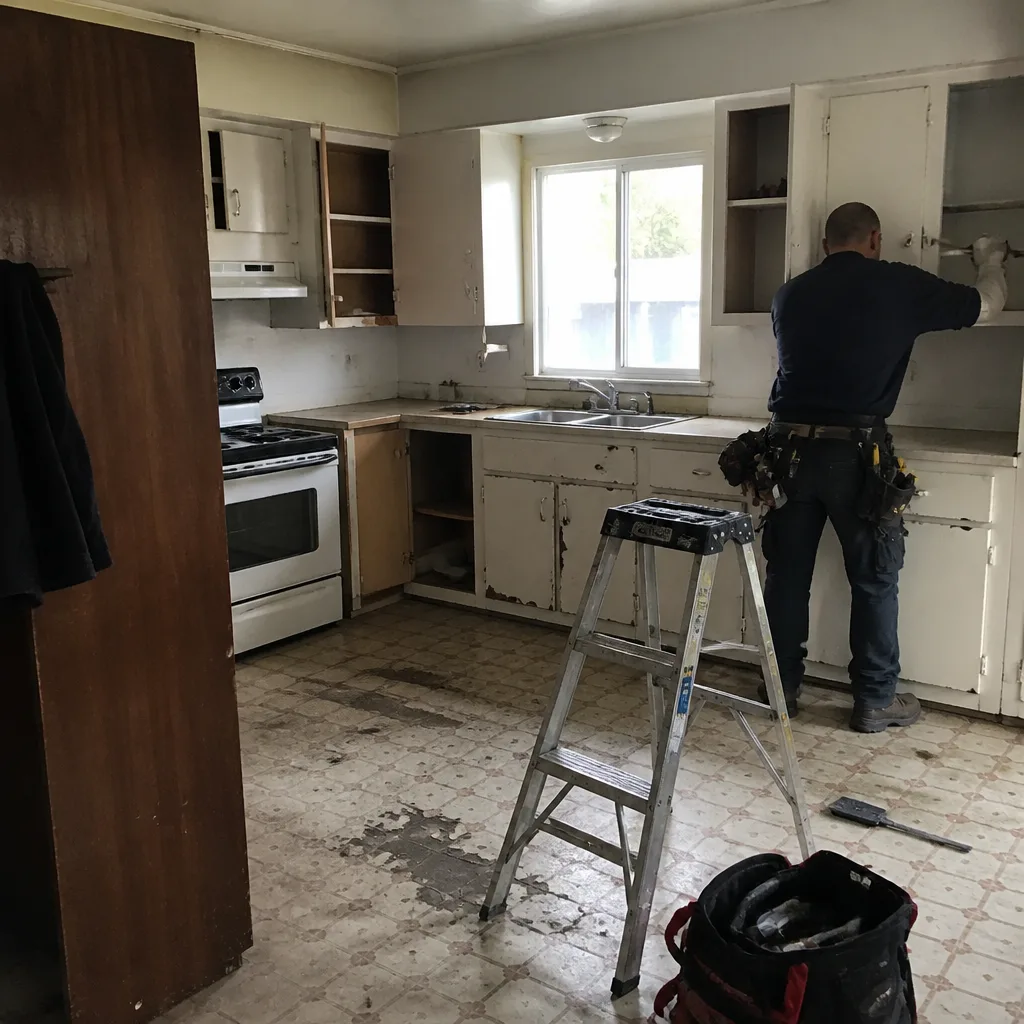 Before
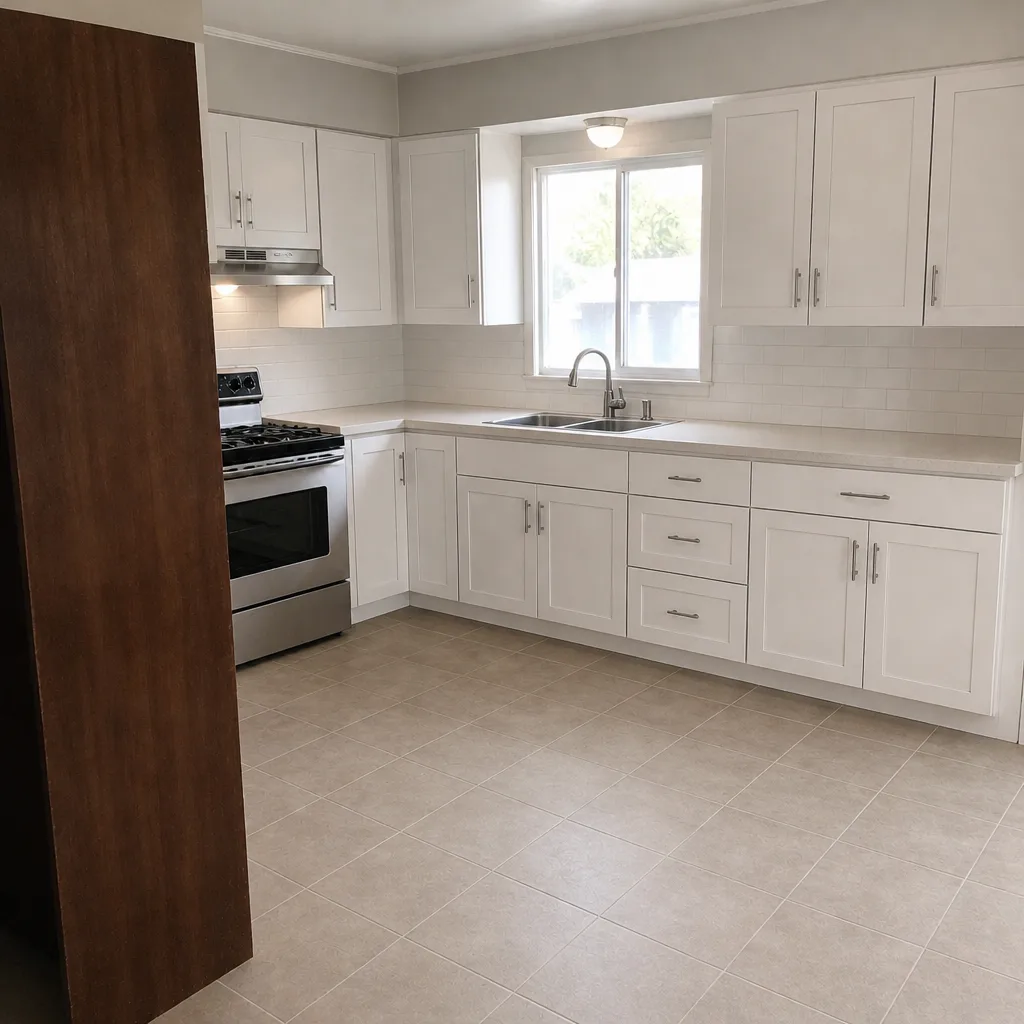 After
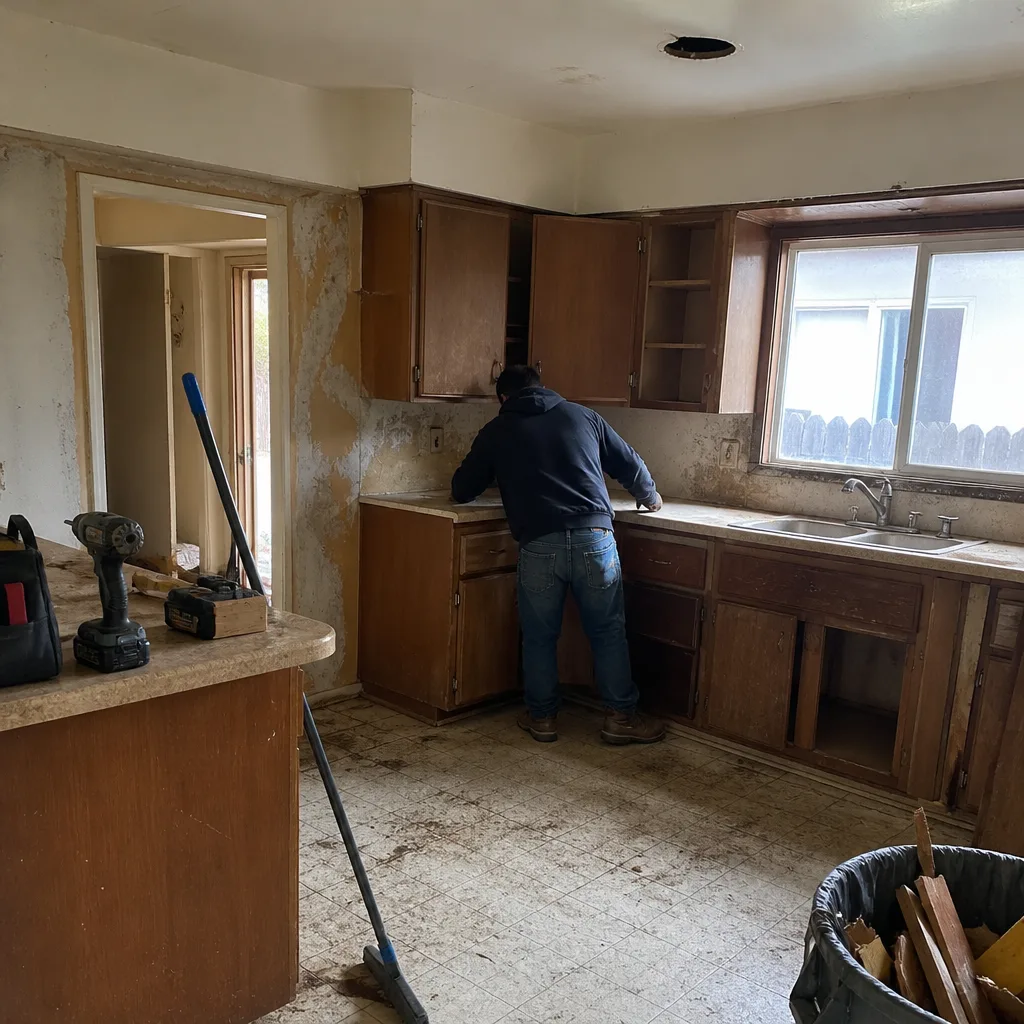 Before
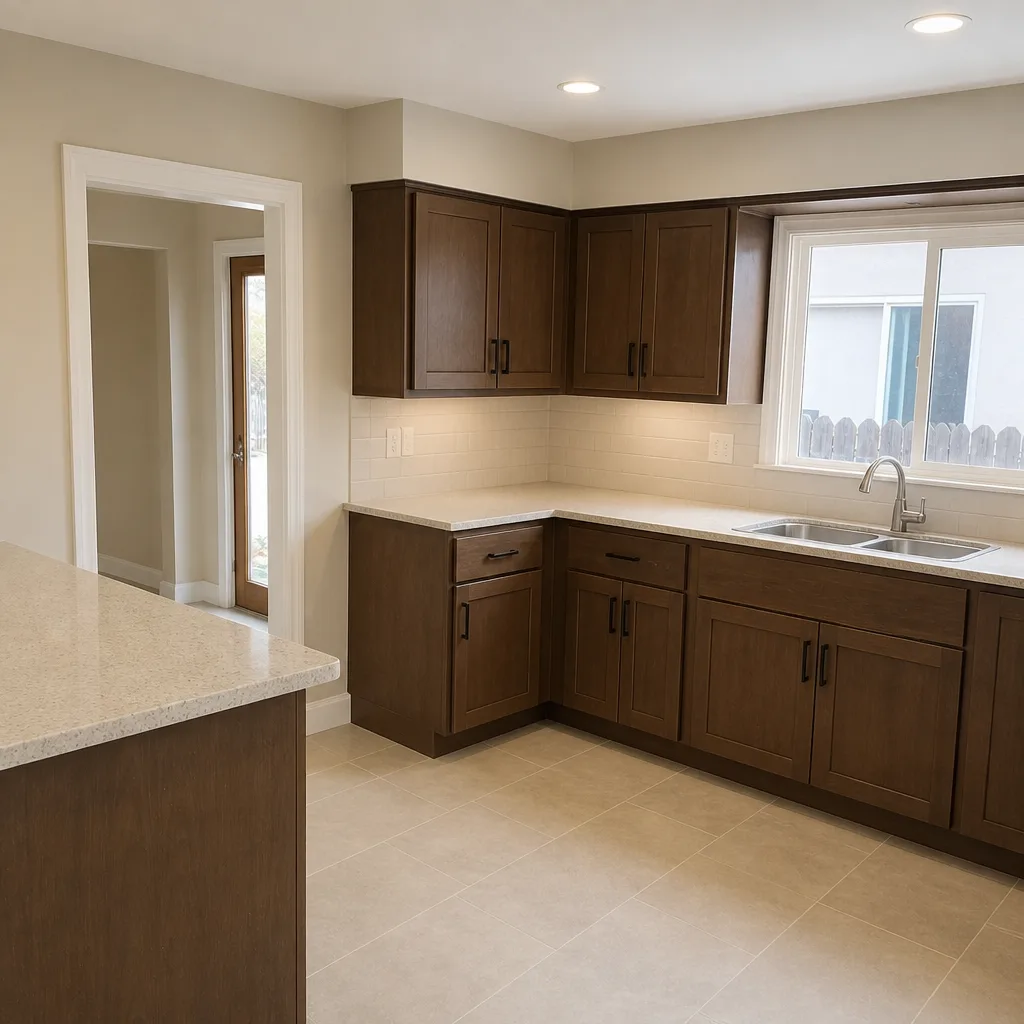 After
Frequently Asked Questions
At least twice a year – once in the fall before the rain season, and once in late spring after the winter rains have passed. In Long Beach, add a quick visual check after any significant Santa Ana wind event. The transition zone takes more abuse than any other part of the build, and small items caught on a twice-a-year cadence cost hundreds; found after a leak, they cost thousands.
Yes – Long Beach water runs roughly 12 to 15 grains per gallon, which is hard enough that annual descaling is the standard service interval, not a marketing upsell. Skip it and you’ll see scale error codes and shortened life. Descale costs a fraction of replacing the unit; call (888) 345-8164 for a free maintenance assessment if you’re not sure when yours was last done.
Change the filter first, then watch for 48 hours. If airflow improves and the unit cools normally, you’re done. If it still short-cycles, blows warm, or drips water, the issue is downstream – coil, condensate line, or refrigerant – and it needs a professional. A full service once a year, ideally in spring, keeps you ahead of both failure modes.
You must keep the unit weatherproof, plumbed, heated, electrified, and secure, per California Civil Code Section 1941.1. In practical terms, that means a functioning roof with no leaks, hot water, heating, working electrical, and functional doors and windows. Respond promptly to tenant reports and document everything with dates and photos. Non-compliance can lead to rent withholding, city enforcement action, and legal exposure.
Plan on roughly $1,500 to $2,500 per year on average, with the bigger single-ticket items landing in years three and five (external paint touch-up, full seam re-seal, second scheduled system service). Homeowners who follow the schedule often spend below that range; homeowners who wait for failures typically land far above it. Call (888) 345-8164 for a no-cost estimate on any specific maintenance item.
It covers workmanship on the construction itself, not owner-performed routine maintenance like filter changes or annual descaling. If a seam we installed begins to leak within the warranty period because of how it was built, we make it right – that’s the point of a 730-day guarantee. Routine upkeep on the calendar is yours; anything that looks like a construction defect should be reported immediately so we can review it.
The Bottom Line
An addition or ADU stays maintenance-light only if you treat the seam between old and new construction as the priority it is. Anchor your calendar to three checkpoints – spring recovery, fall pre-rain caulk, and post-Santa Ana wind inspection – and don’t miss the annual mini-split service, tankless descale, and breaker test. Budget $1,500 to $2,500 per year for the first five years, and view every inspection as a way to spend a few hundred dollars instead of a few thousand. If you rent the ADU, document everything. When a transition-zone repair, electrical panel, or roof issue comes up, don’t guess – call a licensed pro and get it done right the first time. Upfront pricing, no surprises – that’s how we handle every project. Groundwork Construction Co. of Long Beach home is here when you need us.
Schedule Your Free Estimate
Whether you’re planning a new addition in Long Beach, wrapping up a fresh build, or dealing with a transition-zone repair that has been quietly getting worse, Groundwork Construction Co. of Long Beach is ready to help. We answer every call with a live person, 24/7, provide upfront pricing with no surprises, back every project with our 730-Day Done Right Promise, and offer three standing ways to make the work more accessible: a free project estimate and design consult, 0% financing for 18 months, and $1,000 off projects over $10,000. Call (888) 345-8164 to schedule your free estimate – we’ll walk your property, document what we see, and give you a written plan you can act on. From foundation to finish line, built to last, backed in writing.
Written by the team at Groundwork Construction Co. of Long Beach.