Free written scope consultation - allowances, timeline, and change-order rules on paper before a single trade is scheduled
Styles & brands we work with
- Kitchen remodeling
- Bathroom remodeling
- Home additions & ADU
- Roofing
- Windows & doors
- Driveway & pavers
- Fence
See the difference
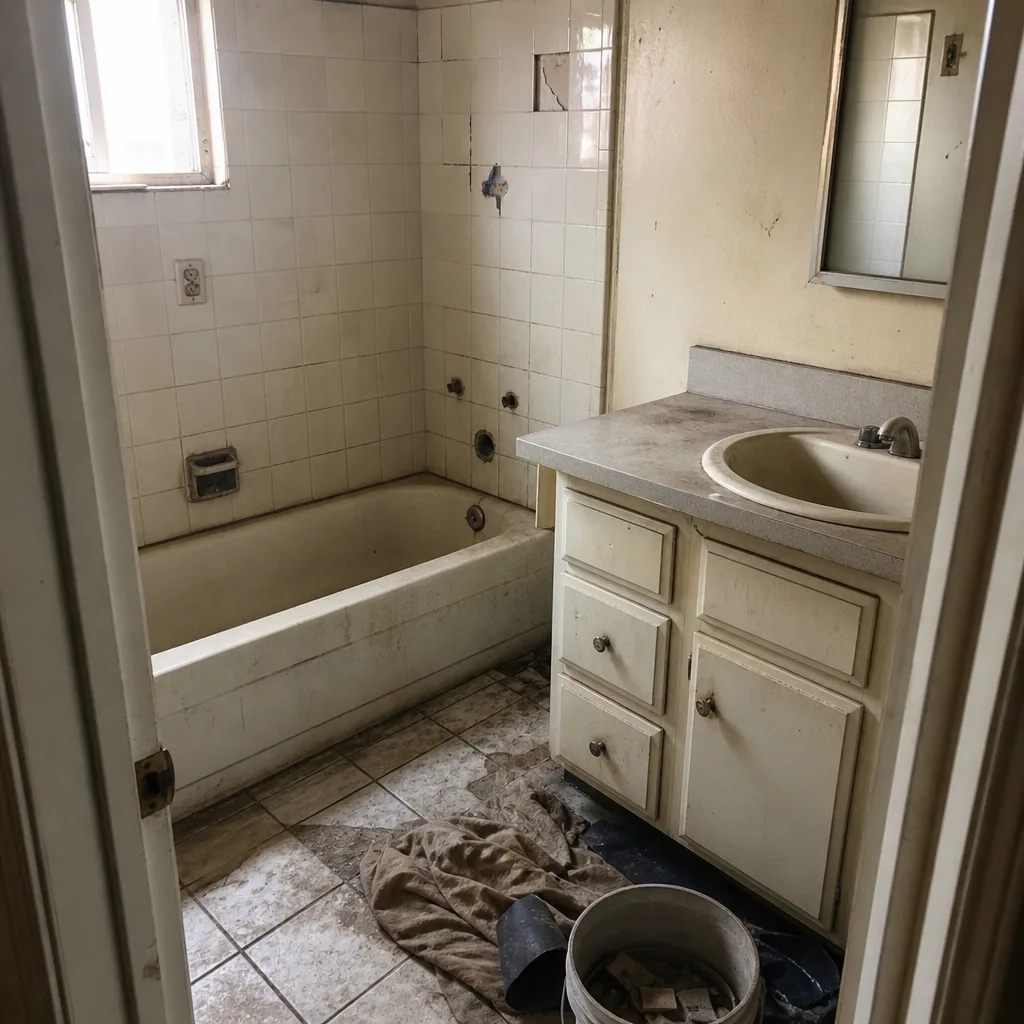 Before
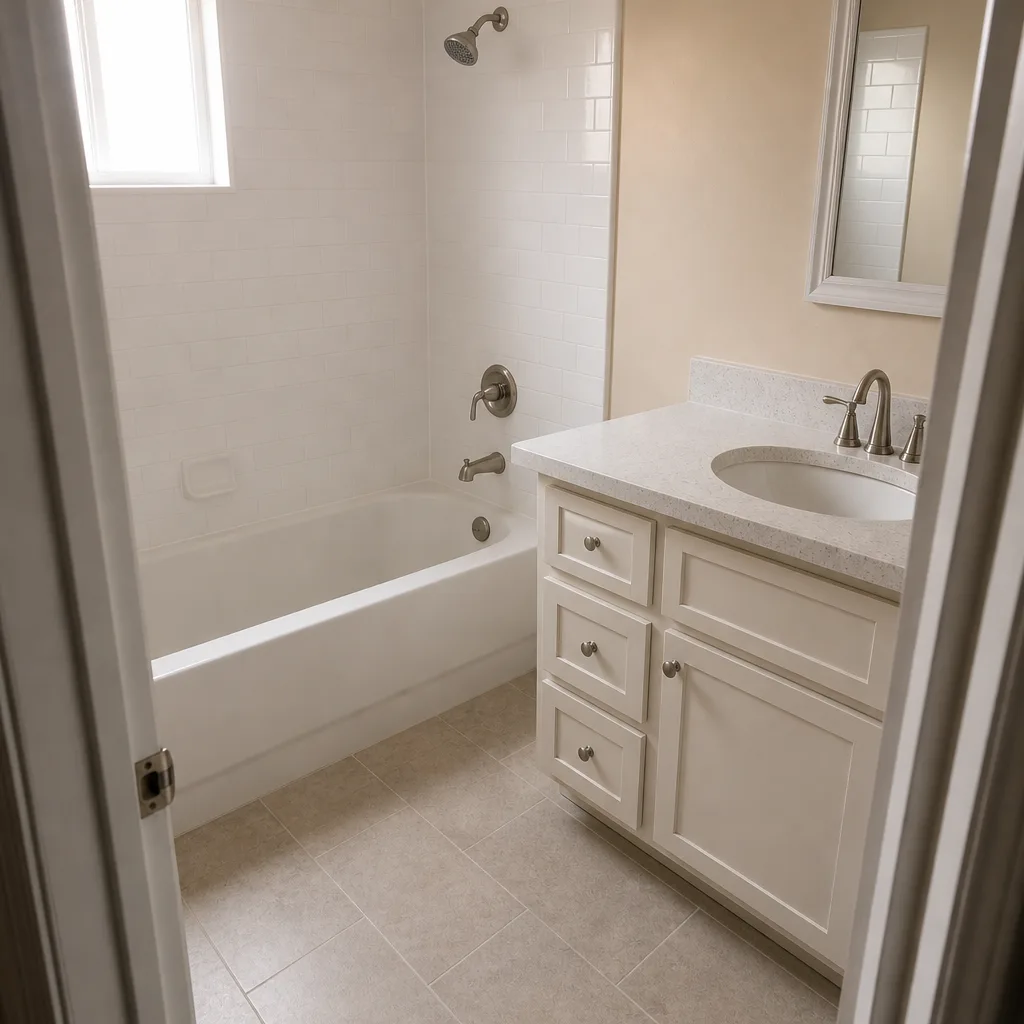 After
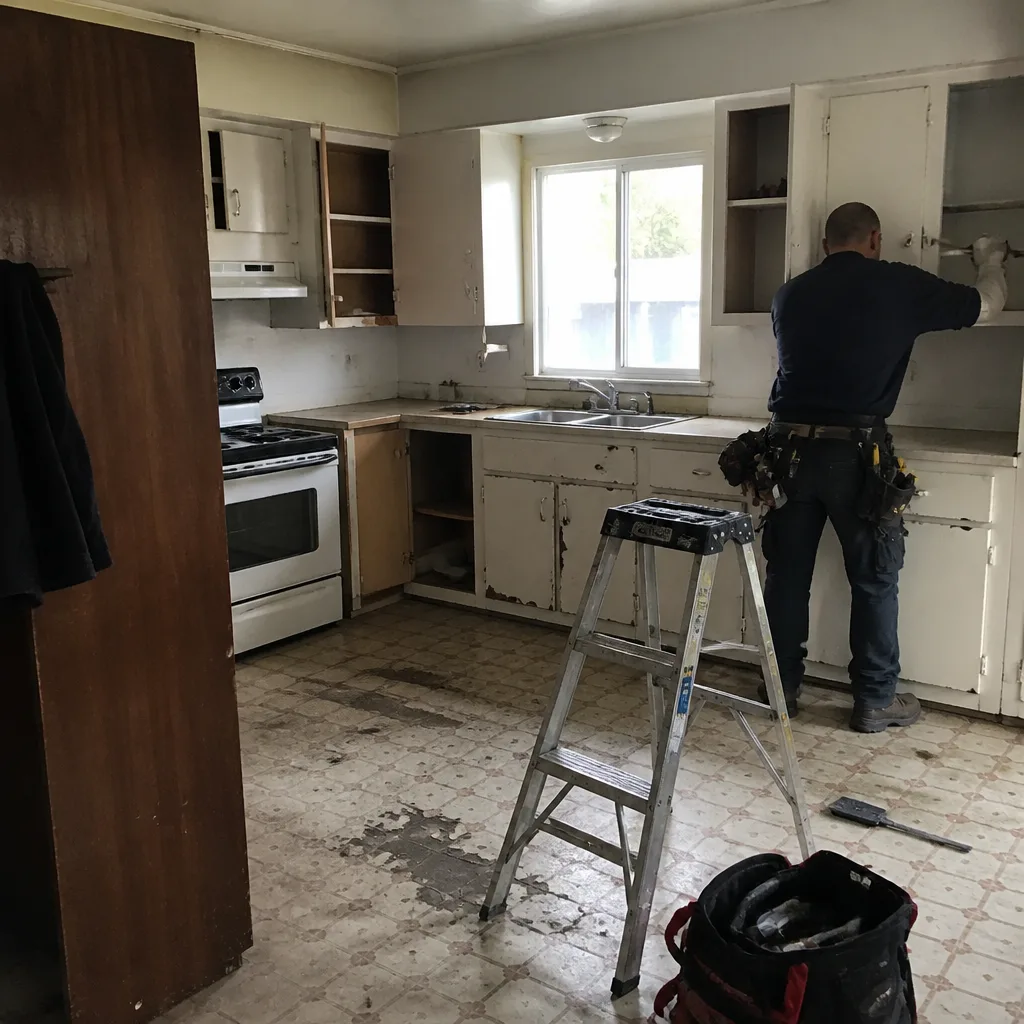 Before
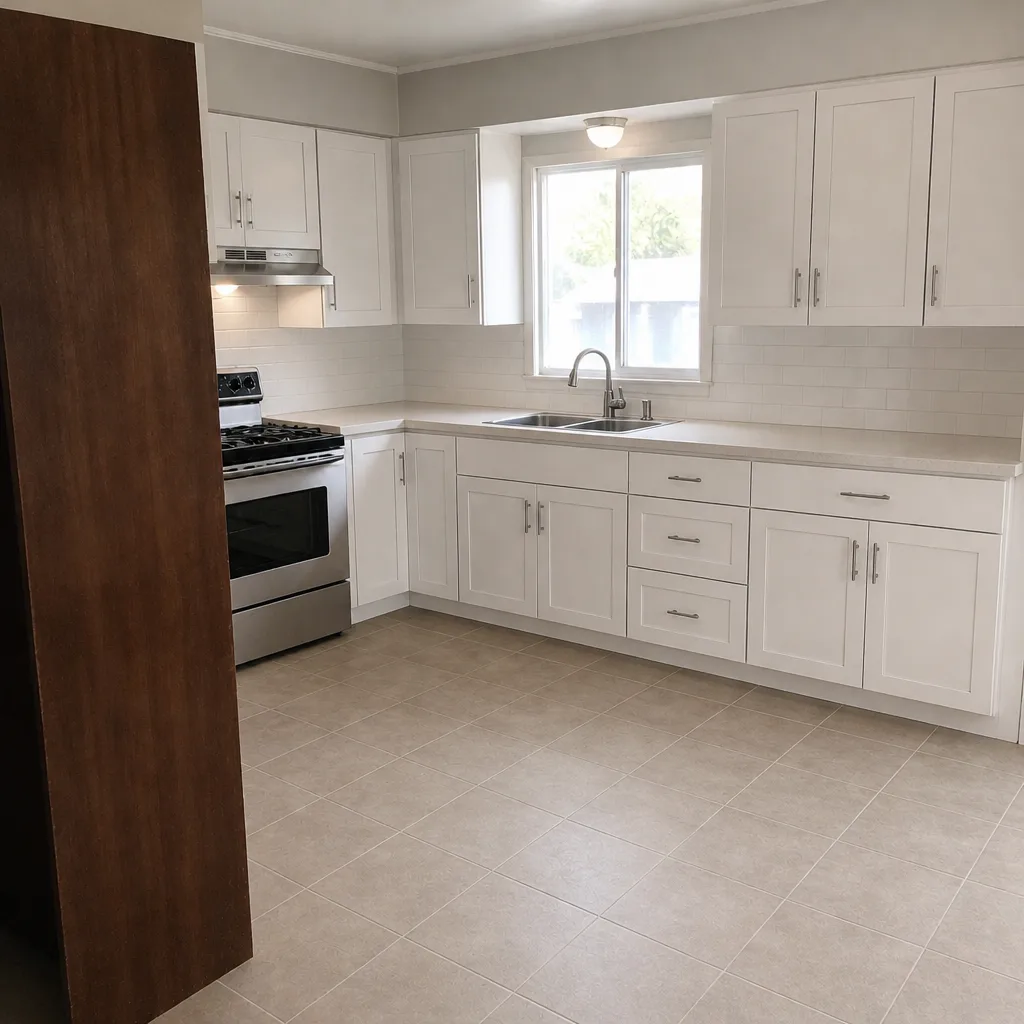 After
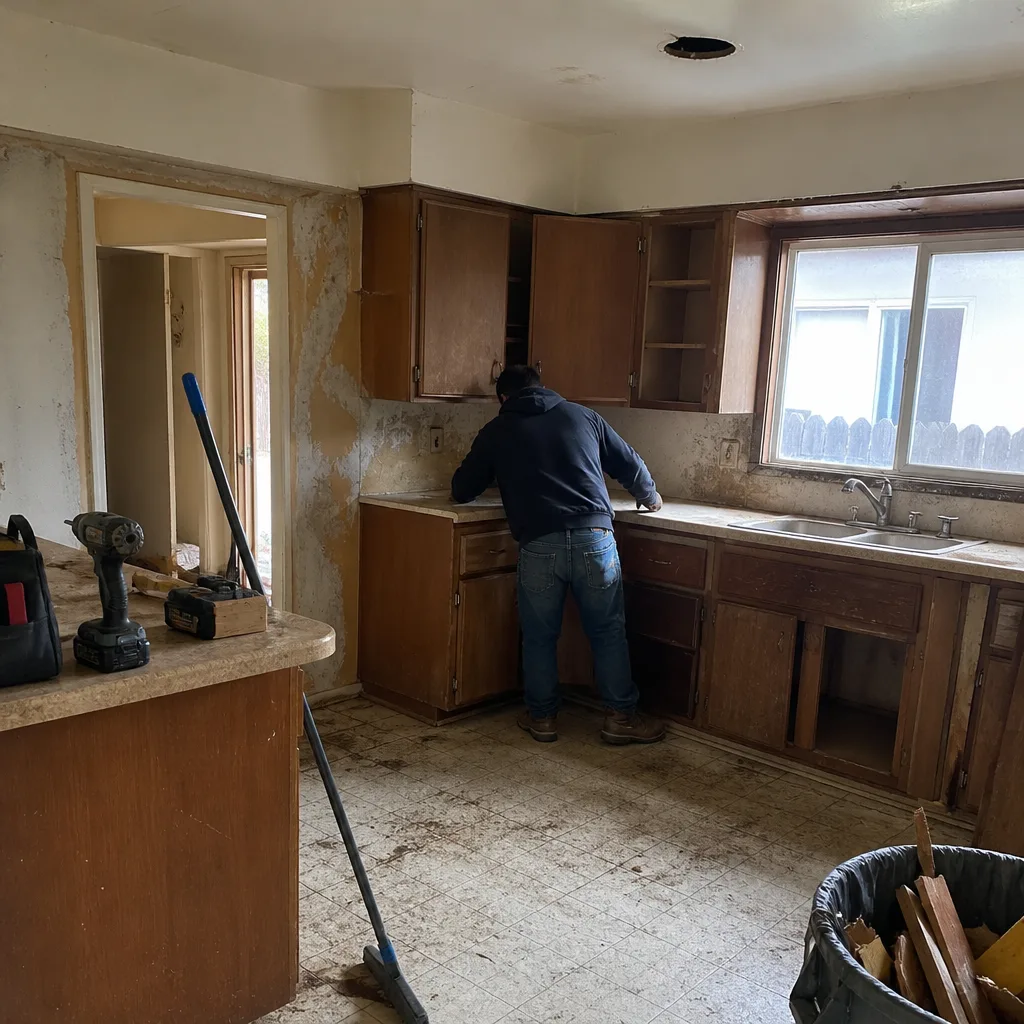 Before
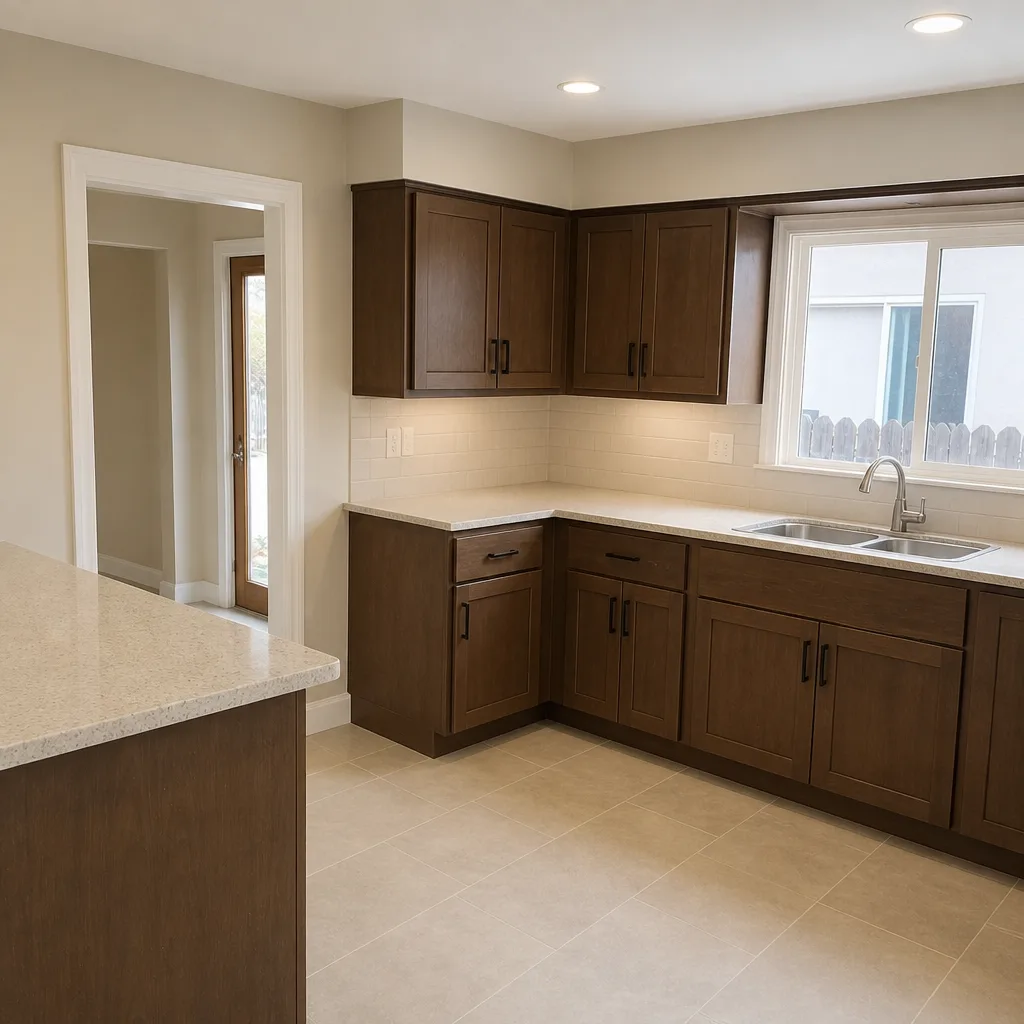 After
How Long Does a Tile Roof Last in Long Beach, CA? The Tile Isn’t the Problem
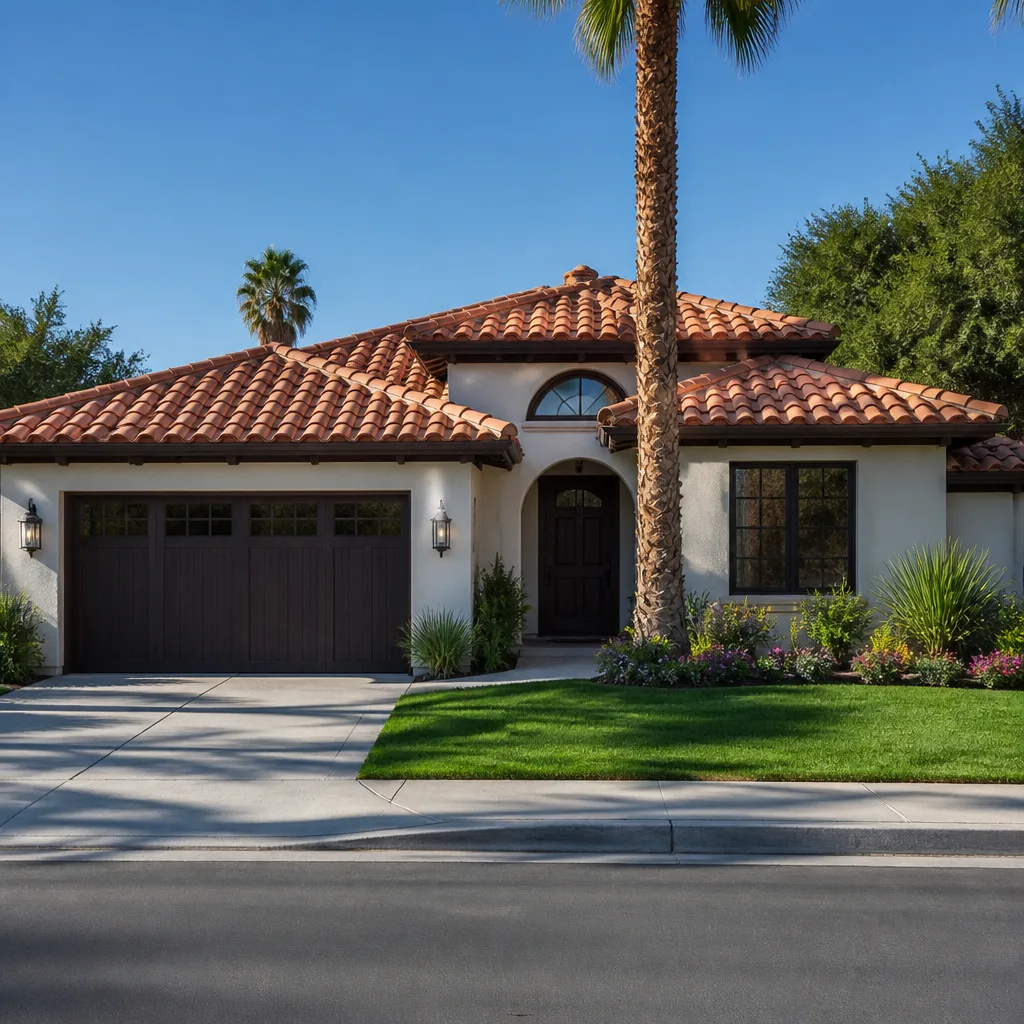
A tile roof in Long Beach typically lasts 50 to 100 years as a material, but the waterproofing system underneath it usually fails in 20 to 30 years. On a 1940s Spanish Colonial Revival in Belmont Heights, the clay tiles can look flawless from the sidewalk while the organic felt underlayment beneath them rotted out a decade and a half ago. That gap between how the roof looks and how it performs is the single biggest reason tile roofs leak here. If you suspect yours is past its underlayment window, call Groundwork Construction Co. of Long Beach at (888) 345-8164 for an honest assessment.
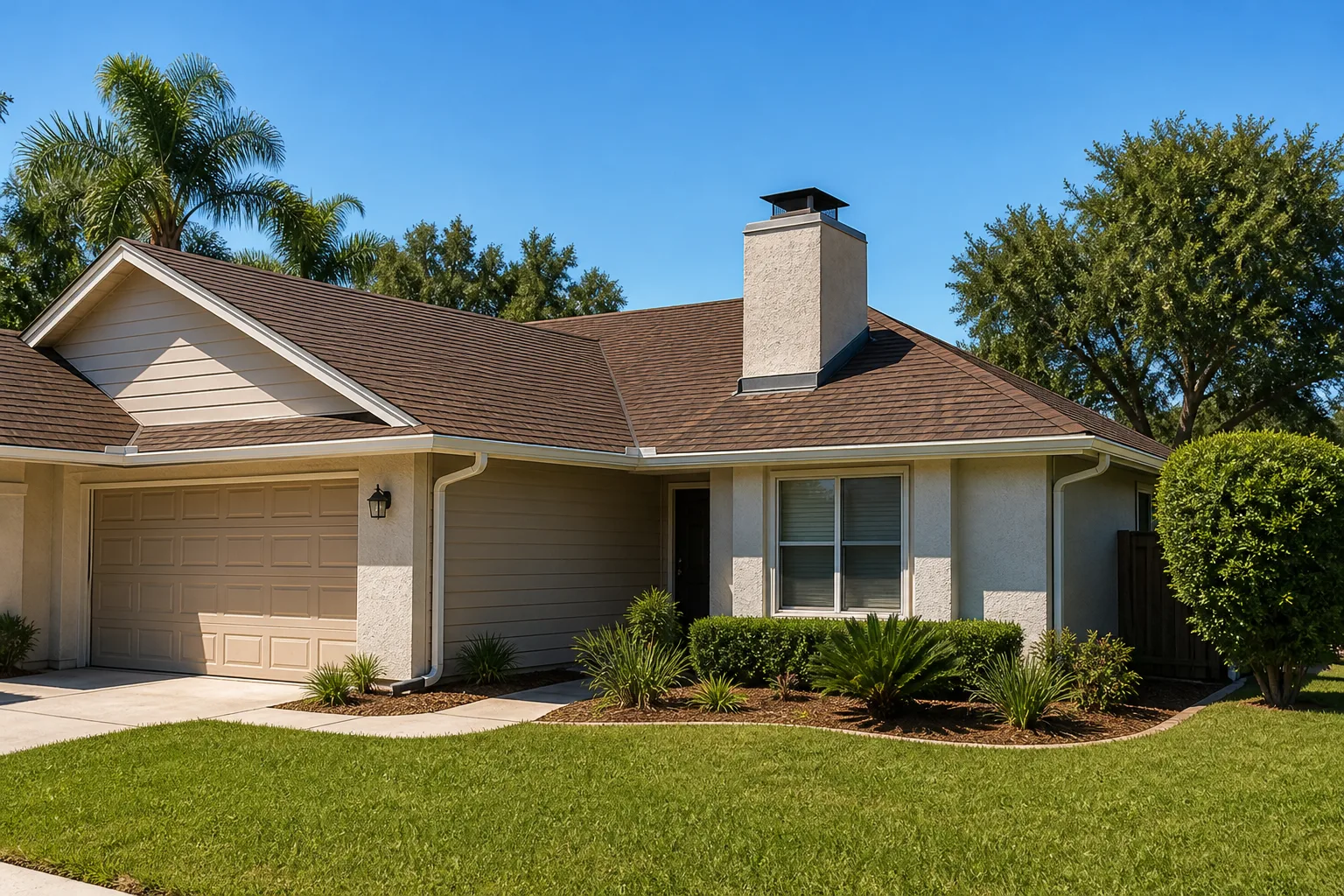
Why “How Long Does a Tile Roof Last” Has Two Different Answers
Search that question and you’ll get a clean number: 50 years for clay, up to a century for concrete tile, maybe 40 for a cheaper synthetic. All true. None of it tells you what’s actually happening on a Long Beach roof.
A tile roof is two systems stacked on top of each other:
- The tile – the visible clay or concrete pieces. They shed the bulk of the rain and deflect sun. They age slowly and can outlive the house.
- The underlayment – the waterproof membrane underneath. It’s the actual barrier. Every nail that holds a tile in place passes through it, and every drop of water that gets past the tile runs across it.
The tile is the part you see. The underlayment is the part that decides whether your ceiling stays dry. And in Long Beach, the underlayment is what fails first.
Marine Layer Humidity: The Slow Leak You Can’t See
Long Beach doesn’t get much rain. That’s the trap. Homeowners assume a roof is fine because it never gets hammered by storms. But the real wear here comes from the marine layer rolling in off the Port of Long Beach, cycling damp air across the roof deck every night and drying out by afternoon, over and over for decades.
Traditional organic felt underlayment was never built for that. It absorbs moisture, dries, and embrittles, and once it cracks, it stops shedding water. Under daily humidity cycling, that degradation tends to show up in the 15 to 25 year range. Modern synthetic underlayment is rated for 50 years or more and doesn’t absorb moisture the same way. It’s the correct spec for a coastal Long Beach reroof, and most longevity articles never make the distinction.
What that means in practice: a tile roof failure in Long Beach is rarely traced to a single heavy rain event. It’s found years later, when moisture that has been quietly working through degraded felt reaches the wood sheathing and starts softening it. By the time you see a stain on the ceiling, the underlayment has usually been gone for a while.
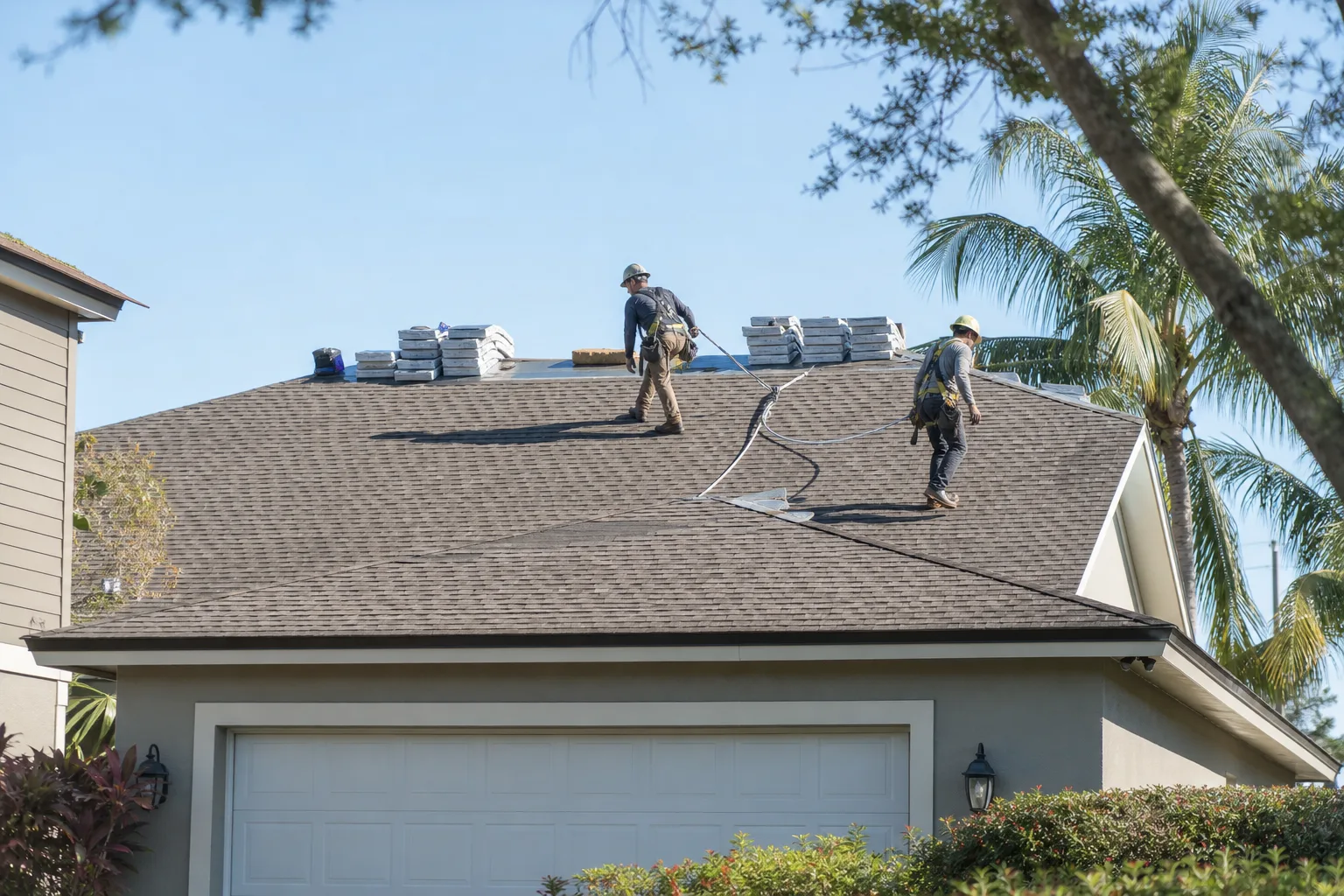
Broken Tiles Aren’t Always About Impact
Slipped or cracked tiles on older Long Beach homes often get blamed on a stray branch or a kid with a ball. Usually the fastening system is the real culprit. Older installations relied on copper wire ties or mortar clips, and both corrode in salt air. When the wire rusts through or the mortar lets go, tiles shift, water gets under the edges, and the underlayment takes on a load it was never meant to carry.
That’s why a full tile inspection has to look at the fastening system, the flashing at valleys and penetrations, and the condition of the deck – not just count the broken tiles you can spot from the ground. A proper check costs far less than the water damage it prevents. On the east-side fourplexes and 1930s bungalows, the same salt air that eats fasteners also pushes termites and rot into the wood-frame roof structure, so a moisture problem that goes unseen tends to turn into a structural one.
This is also where Long Beach permitting gets specific. Homes in the Coastal Zone and historic districts like Rose Park face design review and Coastal Commission scrutiny on exterior work, so a tile reroof here isn’t just a roofing decision – it’s a permit-and-materials decision. That’s a far different stack of requirements than a simple reroof in Lakewood or Compton, and it’s worth knowing before anyone climbs a ladder. When the repair scope grows past a few pieces, that’s the point to bring in a professional rather than send someone up on a tile roof, where the surface is slick and a fall is a real risk.
What a Tile Roof Actually Costs in Long Beach
Long Beach tile work breaks into three separate line items: underlayment, tile, and flashing. Most bids fold them into one lump sum, which hides where your money goes. Groundwork Construction Co. of Long Beach prices them separately so you can see exactly what you’re paying for. Here’s what Long Beach homeowners typically see:
| Work | Typical Long Beach Range |
|---|---|
| Tile roof repair (broken/slipped tiles, localized) | $600 – $2,500 |
| Roof repair (general leak and flashing work) | $400 – $1,800 |
| Roof replacement (standard) | $8,000 – $20,000 |
| Metal roof installation (comparison) | $15,000 – $40,000 |
A tile reroof that reuses the existing tile and replaces only the underlayment sits at the lower end of the replacement range. A full tear-off and new tile system lands higher. Groundwork includes itemized pricing on every tile quote, and the number you see is the number you pay. There’s also $1,000 off projects over $10,000 and 0% financing for 18 months if the timing works for you. For a closer look at the full service, see our Roofing page.
If you’re weighing a tile roof against alternatives, our guide to metal roof cost in Long Beach lays out the trade-offs in a coastal climate, and our roof replacement overview covers what a full tear-off involves.
What the Warranty Should and Shouldn’t Cover
Tile manufacturers warranty the tile. That’s it. Those warranties are generous – often 50 years – but they say nothing about the labor that installed them. If a valley leaks because the flashing was done wrong or the underlayment was breached during install, the tile warranty won’t help you. The manufacturer points at the installer and the installer points at the manufacturer, and the homeowner is stuck in the middle.
Groundwork backs its tile work with the 730-Day Done Right Promise, one of the longest workmanship guarantees in residential construction. If a flashing detail fails or a valley leaks within two years of install, that’s on Groundwork to fix. You’re covered on the installation, not just on the tile itself. Materials here come from GAF and CertainTeed for the components below the tile, so the system that actually keeps water out is built to outlast the underlayment window. Built to last, backed in writing.
A Few Things Worth Checking Before You Panic
Not every tile roof past its 20th year is failing. A few quick observations can tell you whether to relax or call:
- Stains or discoloration on ceiling drywall below the roof line, especially near exterior walls
- Daylight visible between deck boards in the attic
- Soft or crumbly roof sheathing you can reach from the attic hatch
- Consistently slipping tiles on one side or one slope – a sign the fastening system is going
- Peeling paint or bubbling stucco high on an exterior wall (moisture escaping the wall assembly)
None of these are things to diagnose from a ladder yourself. Tile roofs are slick, the tiles are fragile, and a fall off a two-story Spanish Colonial is a serious injury. Have a trained crew take a look. If the roof checks out, you sleep better. If the underlayment is done, you’re catching the problem before the sheathing goes with it.
FAQs
The tile itself lasts 50 to 100 years, but the underlayment beneath it typically fails in 20 to 30 years in Long Beach’s marine-layer climate. That’s the number that actually determines when the roof starts leaking. Call (888) 345-8164 for an exact quote on inspection or repair.
Yes – on many Long Beach homes the existing clay or concrete tiles are lifted, the underlayment is replaced with a modern synthetic system rated for 50+ years, and the original tiles go back down. This is often the most cost-effective path for a 1930s-era Spanish Colonial where the tile is still sound. Call (888) 345-8164 and estimates are free.
Because the failure is slow moisture intrusion from the daily marine layer, not heavy rain. Damp air cycles across the roof every night and dries by afternoon, and over 15 to 25 years that degrades organic felt underlayment until it stops shedding water entirely. Call (888) 345-8164 for an inspection before it reaches the wood sheathing.
Repair is cheaper when the damage is localized – slipped tiles, a single flashing detail, one valley – and falls in the $600 to $2,500 range. Once the underlayment is failing across the whole roof, replacement is the honest answer, and piecing it together just buys time. Call (888) 345-8164 for an itemized quote that shows you both options.
Get a Straight Answer on Your Long Beach Tile Roof
If you’d rather have it looked at than guess, Groundwork Construction Co. of Long Beach offers a no-pressure assessment in Long Beach – call (888) 345-8164. Our technicians have up to 12 years of experience, arrive background-checked and in uniform, and calls are answered by a live person 24/7. Our Long Beach service area page shows where we work, and you can start from home to see all our services. Serving with upfront pricing and a 730-Day Done Right Promise, from foundation to finish line.
Written by the team at Groundwork Construction Co. of Long Beach, serving Long Beach, CA.