




Free written scope consultation - allowances, timeline, and change-order rules on paper before a single trade is scheduled
Styles & brands we work with
- Kitchen remodeling
- Bathroom remodeling
- Home additions & ADU
- Roofing
- Windows & doors
- Driveway & pavers
- Fence
See the difference
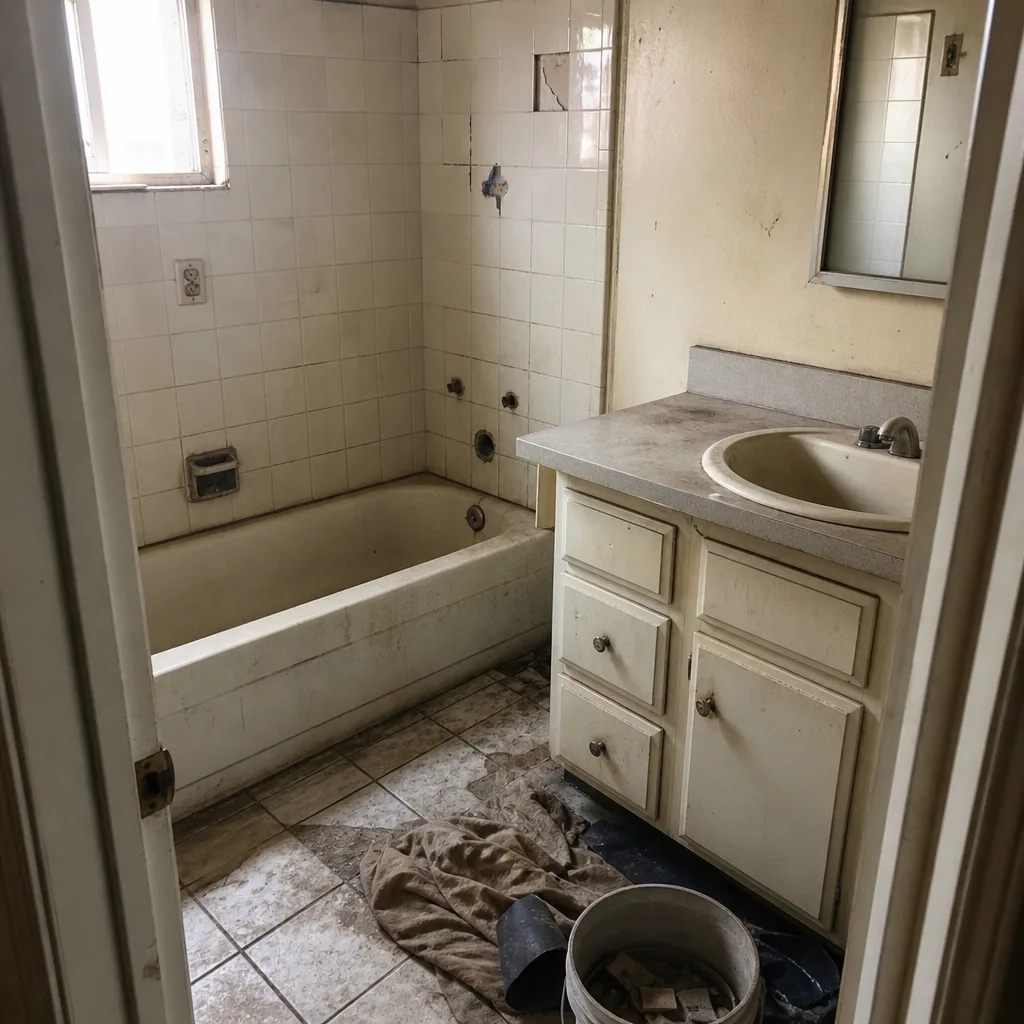 Before
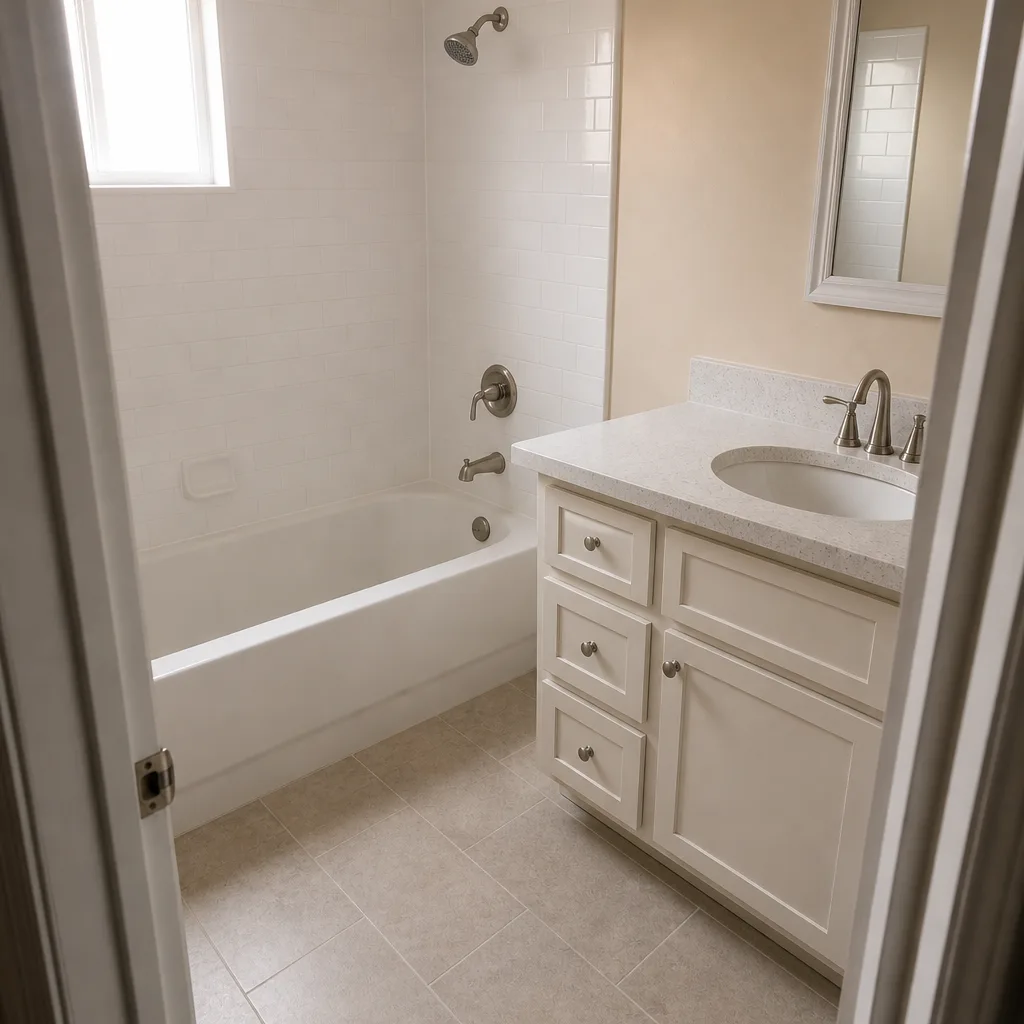 After
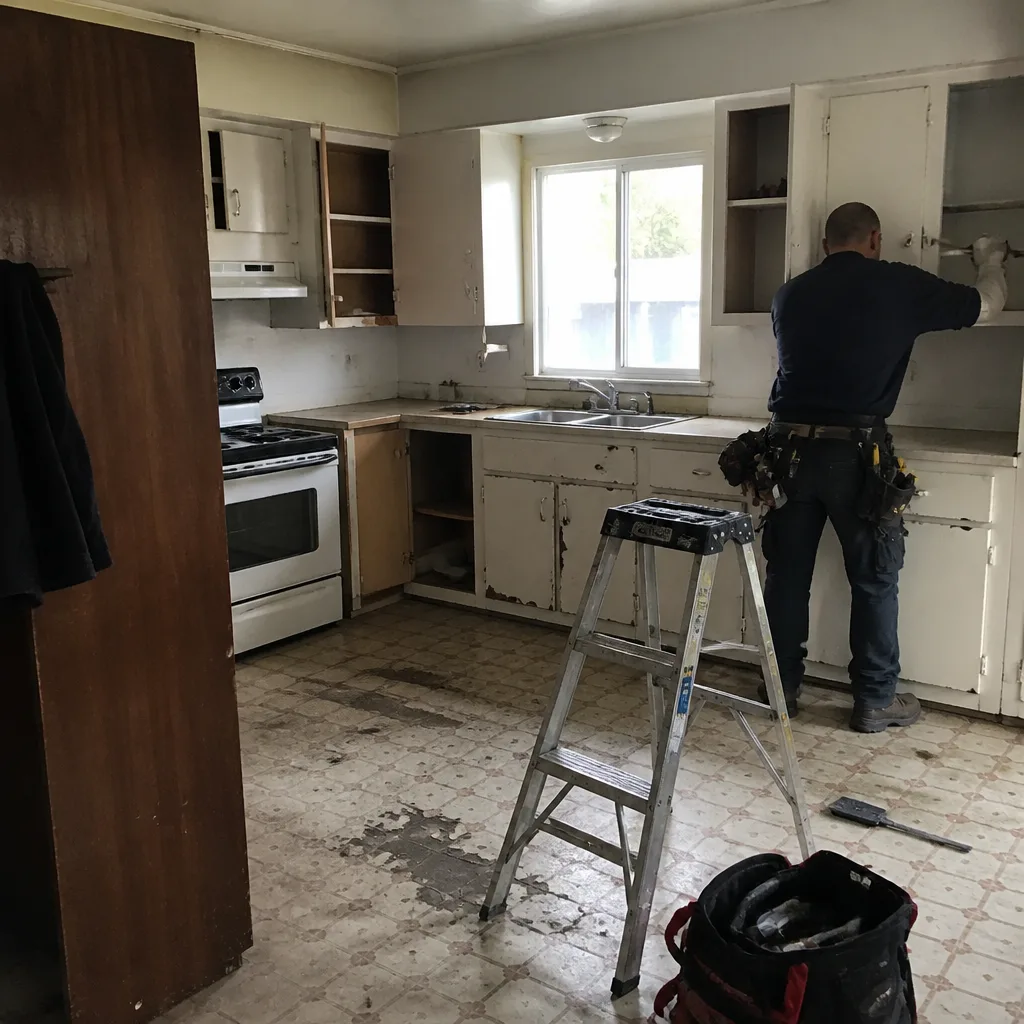 Before
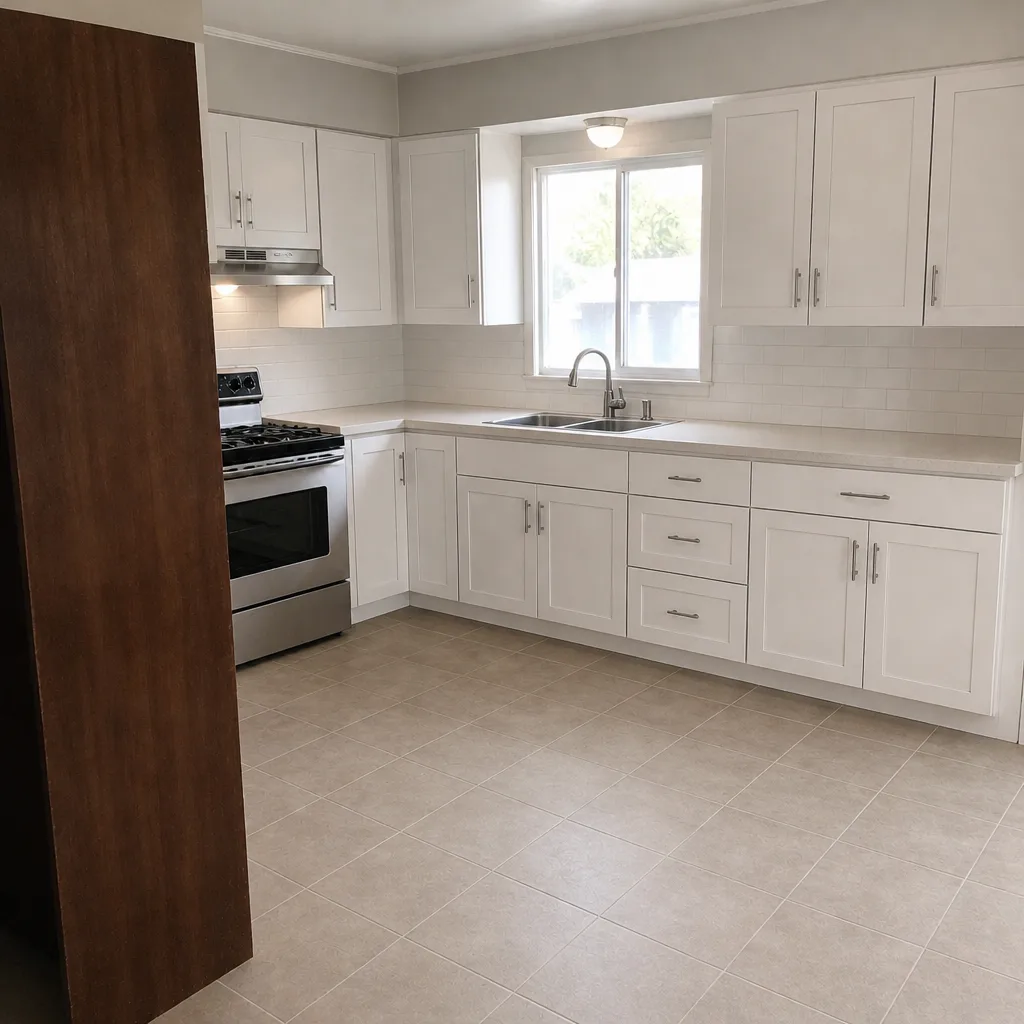 After
 Before
 After
How to Clean Gutters on a Long Beach Home (And What the Job Actually Reveals)
Cleaning gutters means removing debris by hand or with a scoop, flushing the channel and downspouts with a hose, and then checking the gutter bottom at every seam for soft spots or pinholes – on Long Beach homes more than 10 years old and within two miles of the coast, that last step matters as much as the cleaning, because salt air corrodes aluminum from the inside out and a seam that’s already pitted is delivering water to your fascia with every rain. Have someone on the ground the whole time; ladder work over a driveway or a rose bed is where most injuries happen. If you’d rather hand the job to trained technicians, call Groundwork Construction Co. of Long Beach at (888) 345-8164.
The standard homeowner guide gets the mechanics right and the local conditions wrong. Long Beach isn’t a pine-needle town. It’s a jacaranda, Canary Island palm, and ficus town, and the debris those three drop behaves nothing like the debris in a Colorado or Oregon gutter guide. That difference decides how often you clean, what tools work, and whether a cleaning is even the right call.
Why Long Beach Gutters Clog Differently Than the Guide Says
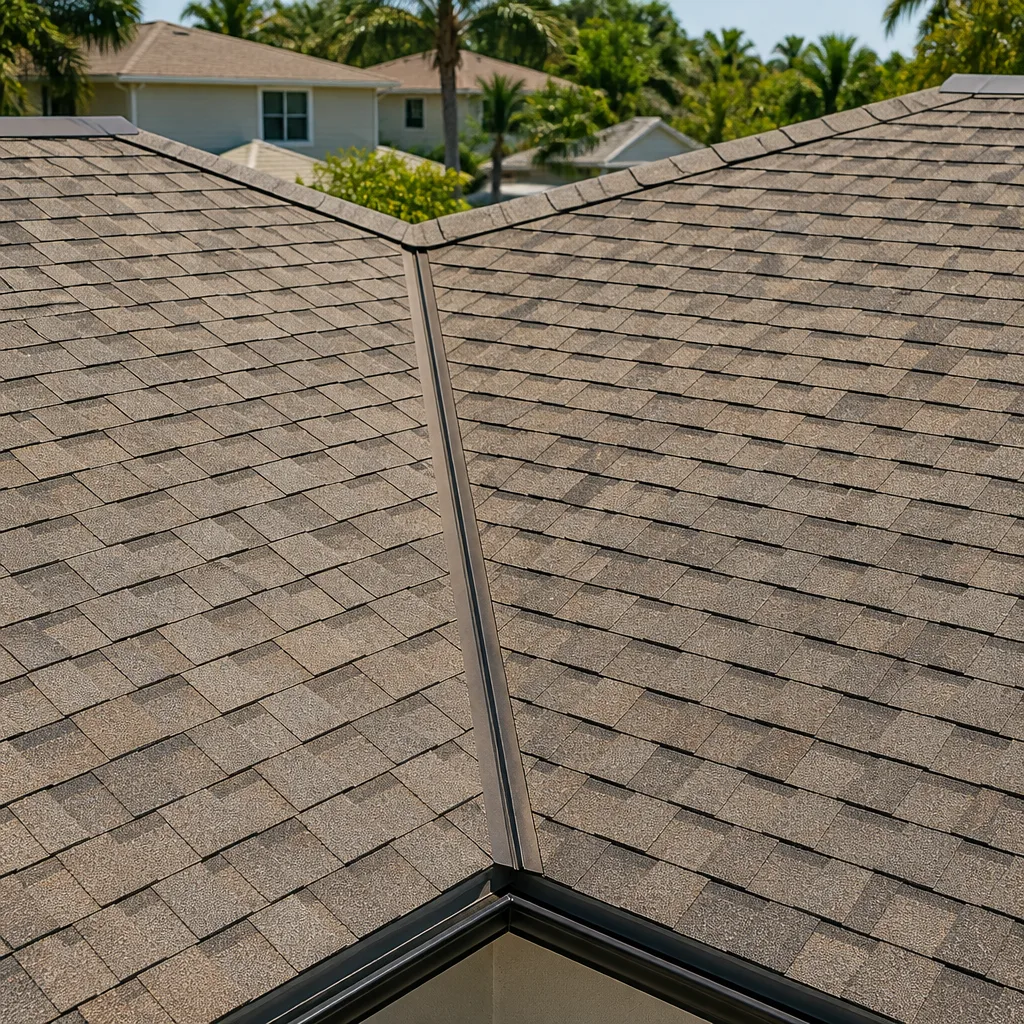
Ficus aerial roots and palm fiber don’t shed off a roof. They mat. Once that material lands in a gutter and gets wet, it compresses into a dense, water-retaining pad – closer to felt than to leaves – and it holds moisture against the gutter bottom long after the last rain. On a coastal Long Beach property, that’s the worst possible combination: standing damp on the inside of an aluminum channel while salt air works the outside. Pitting starts from within, and by the time you see white corrosion bloom on the exterior face, the metal underneath may already be thin.
Pine needles slide. Jacaranda flowers and seed pods stick. If your gutters sit under a mature jacaranda canopy, expect a second cleaning after the bloom drop in late spring, not just the fall pass every generic guide recommends. We’ve pulled gutters on Belmont Heights bungalows that were clear in February and fully packed by June.
What to check while you’re up there
- Probe every seam with a finger. Soft spots, pinholes, or a bottom that flexes under light pressure means the aluminum has corroded through at that joint.
- Look at the fascia behind the gutter. Staining, peeling paint, or a soft wood edge means water has been escaping the channel for a while.
- Check the pitch. Water pooling mid-run instead of draining to the downspout points to a sagging hanger, which is common on older wood-fascia installs.
- Test the downspouts. Run a hose and watch the discharge. A downspout that backs up is usually packed with the same fiber mat that filled the gutter.
- Note the dry debris load. Long Beach gets almost no annual rainfall, so whatever you find has been sitting dry for months.
That last point is the one that surprises people. Because the debris sits dry for most of the year, a Santa Ana wind event turns the contents of a clogged gutter into ember-ready fuel. The usual “clean before the rainy season” advice lands too late in the fall. In Long Beach, the cleaning calendar is driven by the spring bloom drop and the fire-risk window as much as by the first storm.
The Cleaning Decision Is Really a Replacement Decision
Here’s the part of gutter maintenance that doesn’t come up in most guides: cleaning is the inspection. On a 1920s-40s wood-frame bungalow with the original wood fascia board – and Long Beach has a lot of them, especially in Rose Park and the older blocks of Belmont Heights – standing water in a clogged gutter is the single most common driver of fascia rot and eventual soffit failure. A seam that’s already pitted doesn’t stop being a problem because you scooped the leaves out. It keeps feeding moisture into the wood with every rain event.
So the honest question after a cleaning isn’t “is the gutter empty?” It’s “is this gutter still doing its job?” If the answer is no, you’re not maintaining a gutter anymore – you’re managing a fascia replacement on a delay, and the delay is the expensive part. That’s when we’re usually called in, and it’s why the work often pairs with Roofing inspection, since the fascia, the gutter line, and the roof edge fail together on coastal homes. If the cleaning turned up corrosion through the seams or a run that needs re-pitching or replacement, a free estimate gives you a straight number before you commit to anything.
What Gutter Work Costs in Long Beach
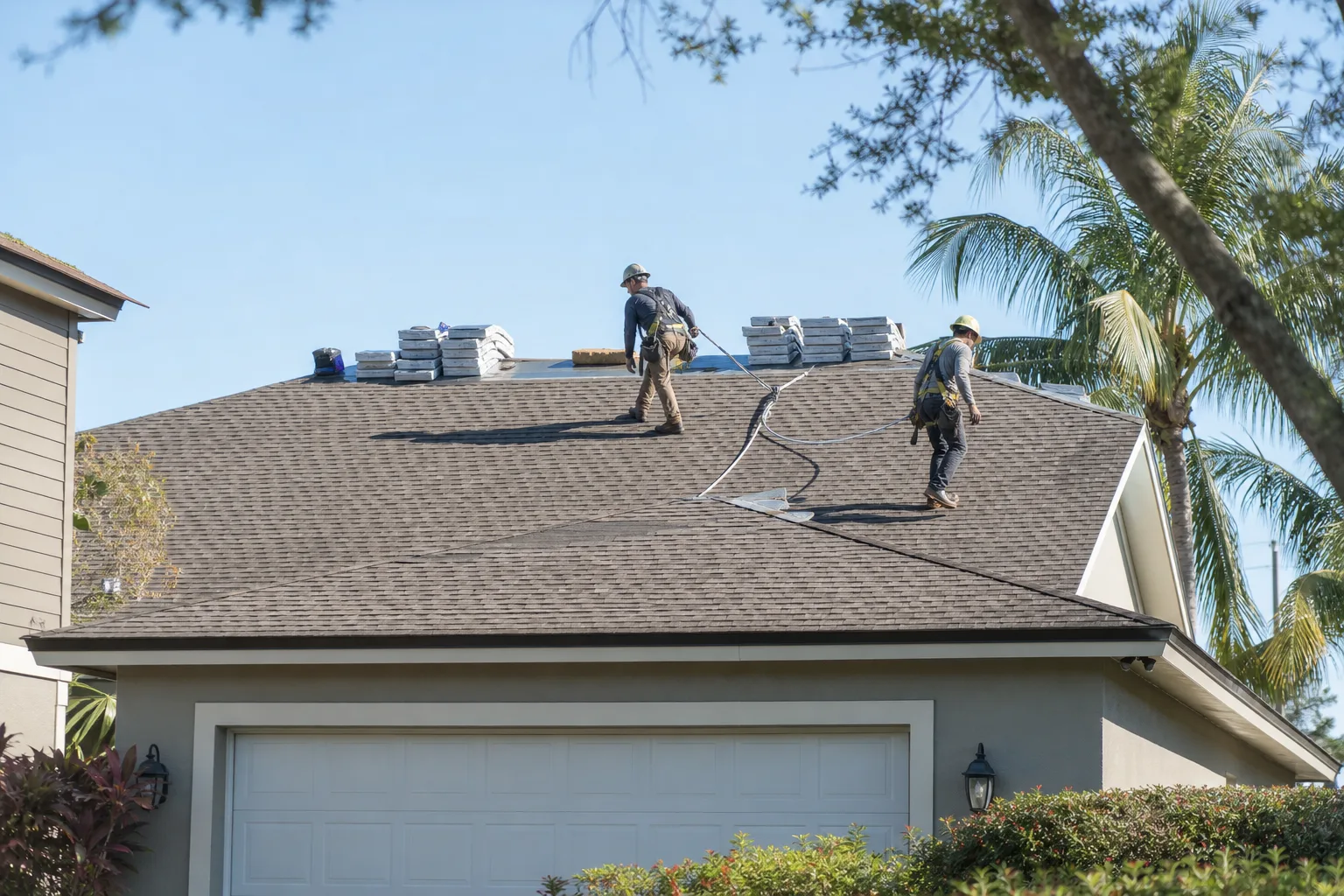
Cleaning and repair are two different line items, and homeowners usually need both or one or the other. Here’s what the local market runs. The number you see from us is the number you pay – upfront pricing, no surprises, and a written scope before anyone gets on a ladder.
| Service | Typical Long Beach Range |
|---|---|
| Roof repair (includes resealing a leaking gutter-to-fascia joint) | $400-$1,800 |
| Tile roof repair (cracked tiles near the gutter line) | $600-$2,500 |
| Roof replacement (when the fascia and roof edge have failed together) | $8,000-$20,000 |
| Metal roof installation (standing-seam, coastal-rated) | $15,000-$40,000 |
If the cleaning reveals rot in the fascia and a roof edge that’s been taking on water, the fix isn’t cosmetic – it’s a repair that has to be done right the first time. Everything we install is backed by the 730-Day Done Right Promise, which is one of the longest workmanship guarantees in residential construction. And because the trades touch each other on older homes, we handle the whole scope from foundation to finish line rather than handing you off to three different contractors. Our technicians have up to 12 years of experience, arrive background-checked and in uniform, and come with the material brands that hold up in salt air – GAF, CertainTeed, and James Hardie among them.
Long Beach homes come with their own permitting layer, too. Pre-1933 and 1930s-era bungalows and Craftsman fourplexes in the Coastal Zone and historic context can trigger Coastal Commission review, historic-district design review, and seismic retrofit rules on the same small lot – a stack you don’t hit on a Lakewood or Compton tract home. We build that into the estimate so there’s no surprise once the permit window opens.
When to skip the DIY and call someone
If your home is more than a single story, if the gutter runs over a driveway or a slope, if you spotted soft metal at any seam, or if the fascia behind the gutter looks stained or feels soft, get eyes on it from someone who does this for a living. Ladder work is the injury-prone part, and corrosion is the part that doesn’t show up until it’s a fascia job. Calls to us are answered by a live person 24 hours a day, seven days a week – so a gutter overflowing at 9 p.m. on a December storm night is a call you can actually make, not a voicemail you leave and hope the fascia survives the weekend. Emergency scheduling is available around the clock.
For a broader look at what we handle on Long Beach properties, the Long Beach service area page covers the full scope, and our home page gives you the overview.
FAQs
Twice a year is the starting point for most Long Beach homes – once after the spring jacaranda bloom drop and once before the first storm. Properties under heavy ficus or palm canopy may need a third pass, especially after Santa Ana winds load the channel with dry fiber that packs tight and holds moisture.
Probe the gutter bottom at every seam while it’s empty. Corrosion shows as soft metal, pinholes, or white bloom on the inside face that doesn’t scrub off – salt air pits aluminum from the inside out, so a gutter can look fine outside and be thin at the seam. Run a hose afterward to confirm the downspouts clear.
No – hosing a packed ficus-and-palm mat makes it heavier and drives wet fiber into the downspout, which is where most backups start. Scoop the bulk out dry first, then flush. That order matters on Long Beach gutters more than in cities with lighter debris loads.
Clean-and-repair wins when the aluminum is sound and only a hanger or a joint is failing. Replacement makes more sense when seams are pitted across the run or the fascia behind has already rotted, since patching a corroded channel just delays the same callback. We’ll give you both numbers with a free estimate – call (888) 345-8164 and we’ll tell you which one your gutter actually needs.
If you’d rather have it looked at, Groundwork Construction Co. of Long Beach offers a no-pressure assessment in Long Beach – call (888) 345-8164. Upfront pricing, a written scope, and a live person on the line any hour of the day.
Written by the team at Groundwork Construction Co. of Long Beach, serving Long Beach, CA.