
Free written scope consultation - allowances, timeline, and change-order rules on paper before a single trade is scheduled
Vanities, Tile & Fixtures in South Gate, CA: What the Job Actually Costs
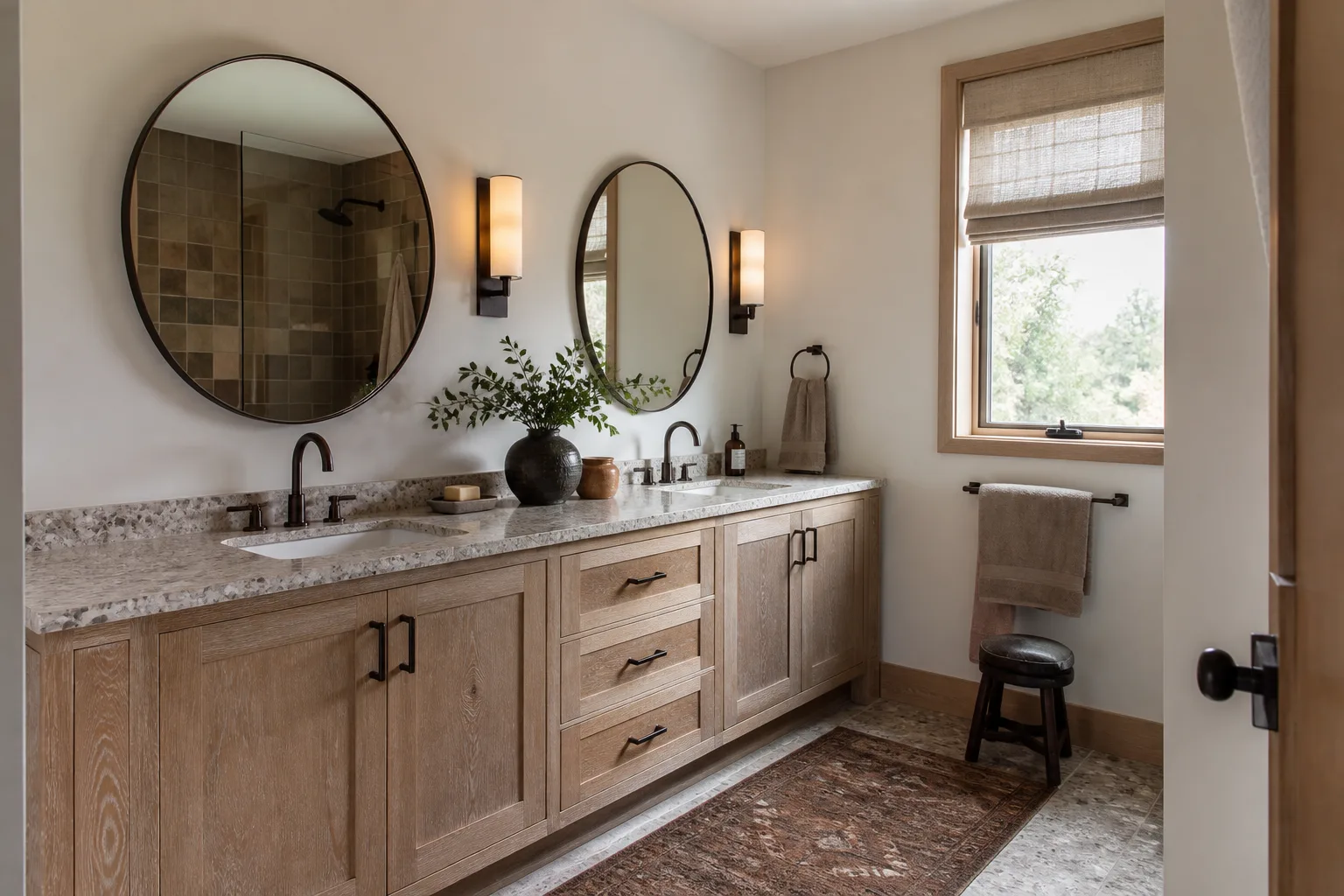
Updating vanities, tile and fixtures in South Gate usually runs $9,000 – $28,000, with a typical hall bath landing closer to $11,000 – $16,000. A vanity swap alone can be as little as $800 – $3,000, but most of the budget goes to tile work, fixtures and whatever the walls reveal once they’re open. Call (888) 345-8164 and we’ll walk your bathroom and put real numbers on paper – free estimate, no pressure to sign anything.
How the work moves from demo to final grout
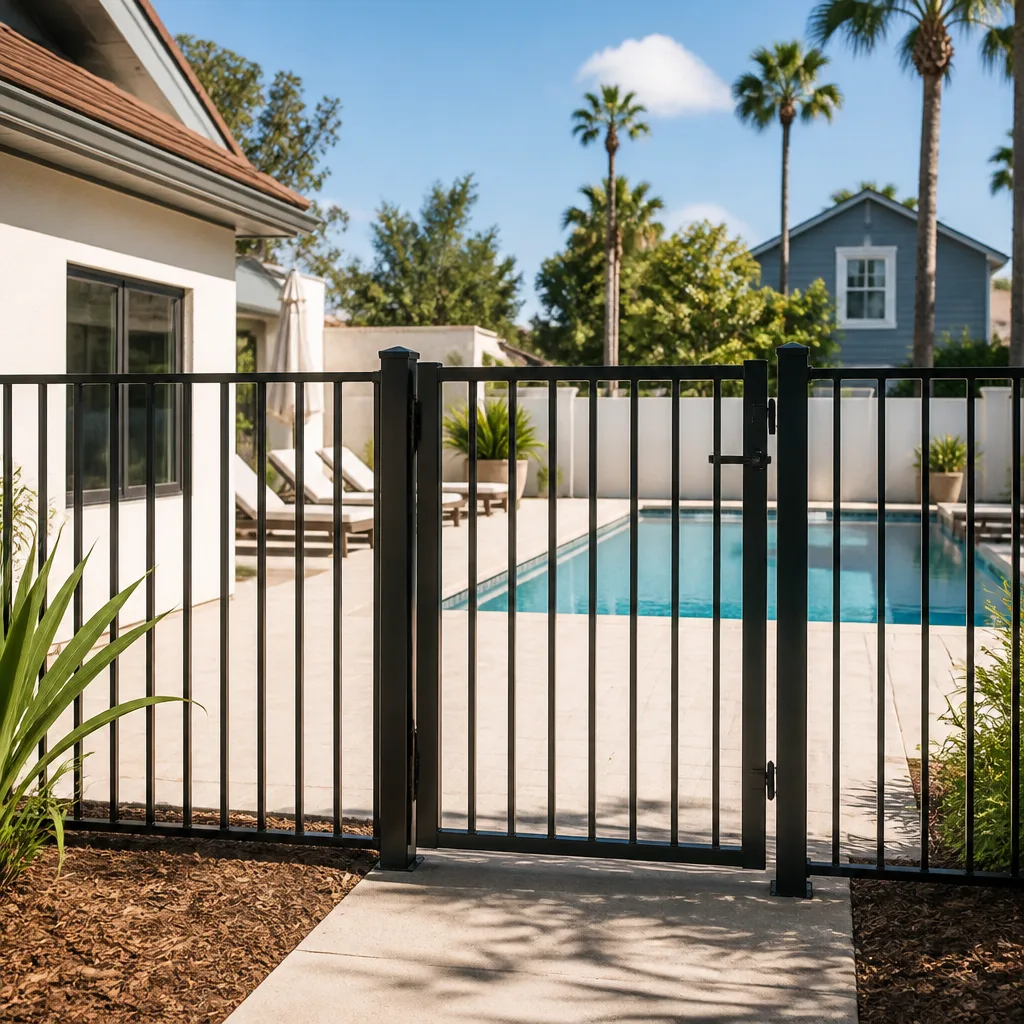
We don’t start swinging hammers on day one. The first visit is a walkthrough and a written scope: what’s staying, what’s going, and what has to be verified before anyone commits to a number. Here’s the sequence most South Gate bathroom projects follow.
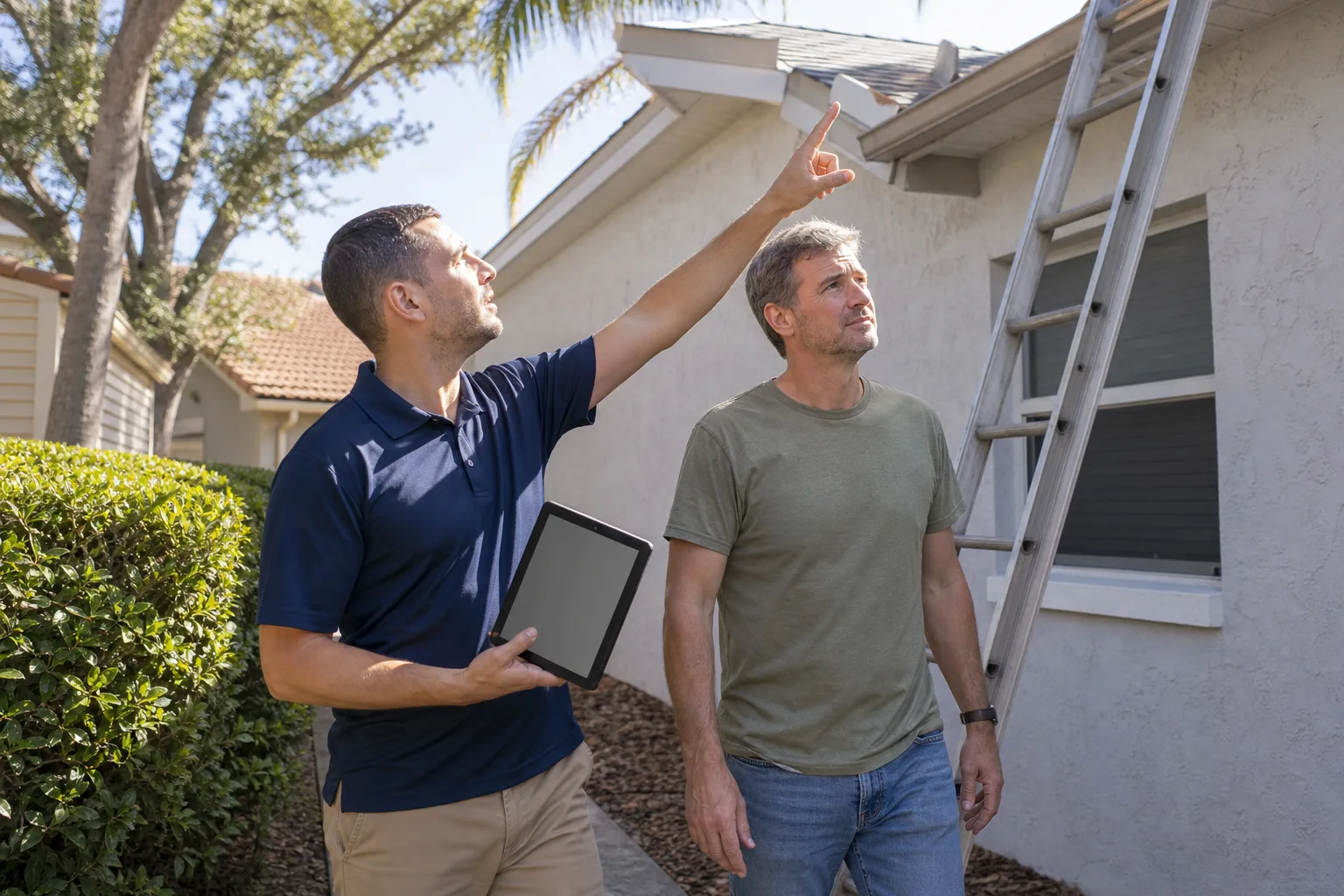
Stage 1 – Scope, measurements and permit check (day 1, about 90 minutes). We measure the room, check the vanity rough-in, confirm whether the drain and supply lines can stay where they are, and look at the existing subfloor. That last part matters more than people expect in older South Gate homes – a soft spot near the toilet or tub changes the whole budget. You decide here whether tile goes over the existing floor or comes up. We file for the permit if the scope needs one.
Stage 2 – Demo and substrate prep (days 2 – 3). Out comes the old vanity, toilet, tile and any failing drywall or cement board. This is where surprises live. On 1920s – 1960s South Gate homes we regularly find a cast-iron drain at the end of its life, or a floor that was floated over newspaper-backed vinyl decades back. We stop and document anything that changes the scope before we keep going. Prep itself – leveling, backer board, waterproofing – takes a full day and is the single biggest factor in whether tile lasts twenty years or cracks in three.
Stage 3 – Tile and waterproofing (days 3 – 5). Floor tile and shower walls go in now, with a waterproofing membrane under everything wet. You choose grout color, tile layout and trim trim profile before this stage starts, not during it – layout decisions made mid-install cost time and money. Most installs run two to three days depending on tile size and pattern.
Stage 4 – Vanity, fixtures and finish (days 5 – 6). Vanity sets, sink and faucet connect, toilet resets, electric gets trimmed out and the exhaust fan goes in. This is where you’ll see the room come together as a real bathroom instead of a construction site.
Stage 5 – Final inspection and walkthrough (day 6 – 7). We walk the room with you, run every fixture, check the grout lines and hand over care notes plus the warranty paperwork. A straight-forward vanity, tile and fixtures job is usually a five-to-seven working day project once we start. Relocating plumbing or knocking out a wall pushes it to two to three weeks.
Styles & brands we work with
- Kitchen remodeling
- Bathroom remodeling
- Home additions & ADU
- Roofing
- Windows & doors
- Driveway & pavers
- Fence
The options you’ll choose between – and what each one really costs you
Every decision below trades cost against lifespan and how much maintenance you want to sign up for. We go through these with you before we order anything, so you’re not choosing under pressure on install day.
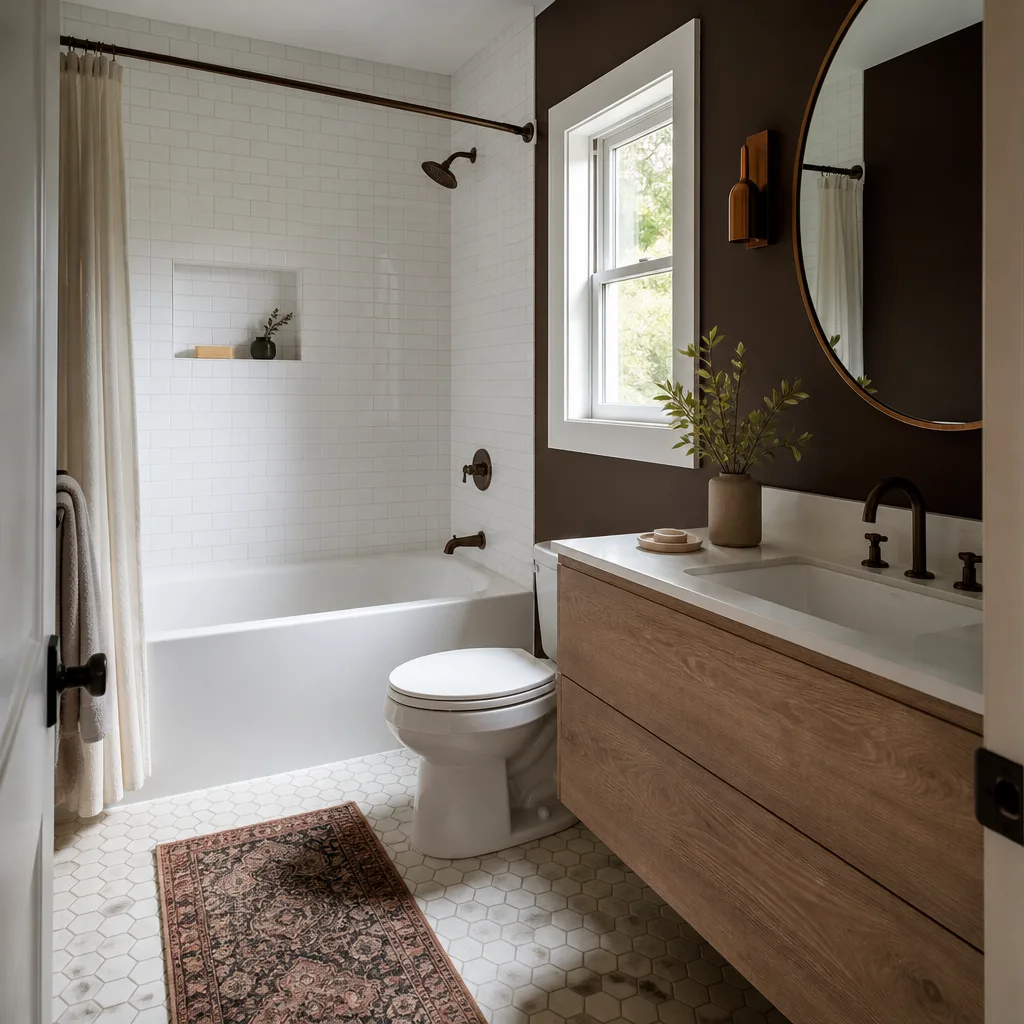
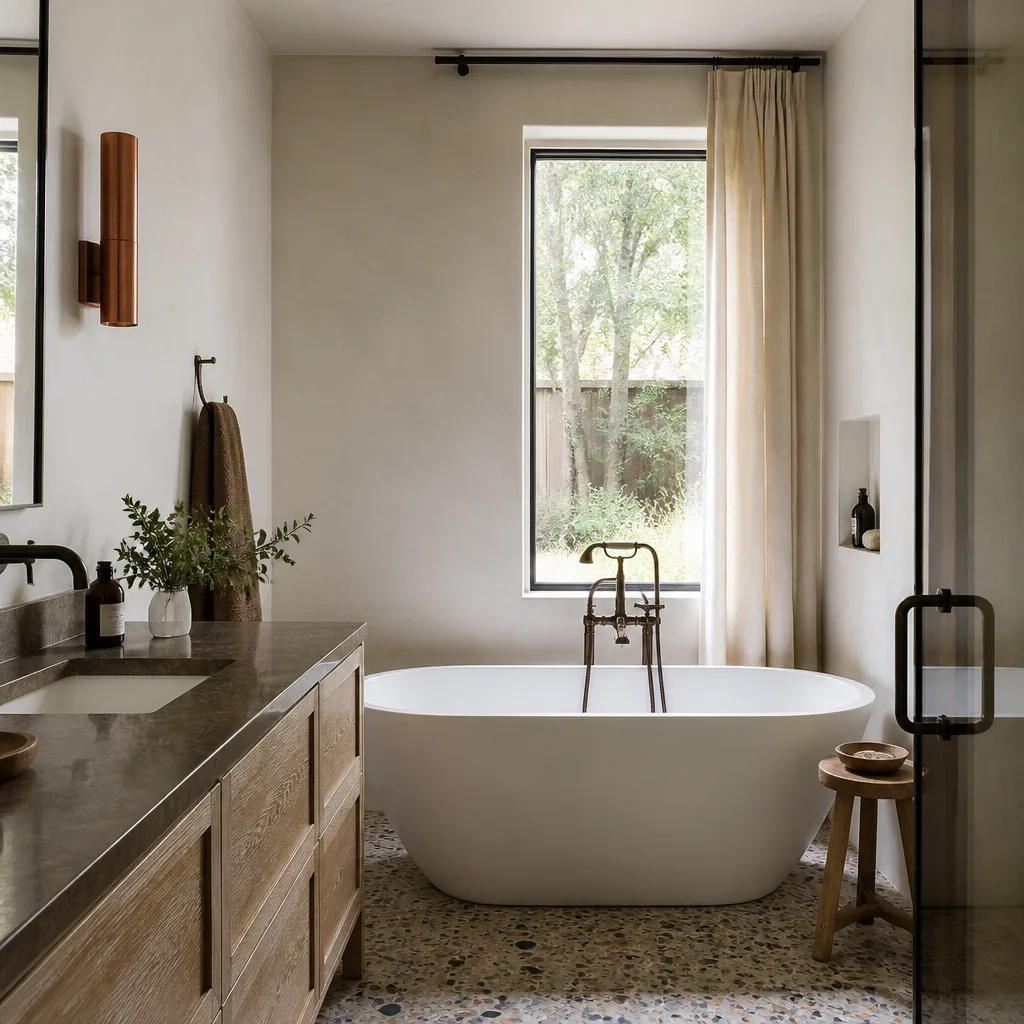
- Vanity construction: MDF cabinet vs. solid wood vs. plywood box. A stock MDF vanity brings the install down toward $800 – $1,300, but a bathroom that sees real moisture cycling will swell one within a decade. Solid wood or plywood construction with a moisture-resistant finish lands more in the $1,500 – $3,000 range and is the smarter bet for a bathroom with daily shower use.
- Vanity configuration: single vs. double, freestanding vs. floating. A floating vanity looks clean and makes sweeping easy, but requires solid blocking in the wall – which means opening drywall on a 1940s South Gate home. A freestanding unit is faster and cheaper to install but eats a couple of inches of floor space in a tight 5×8 hall bath.
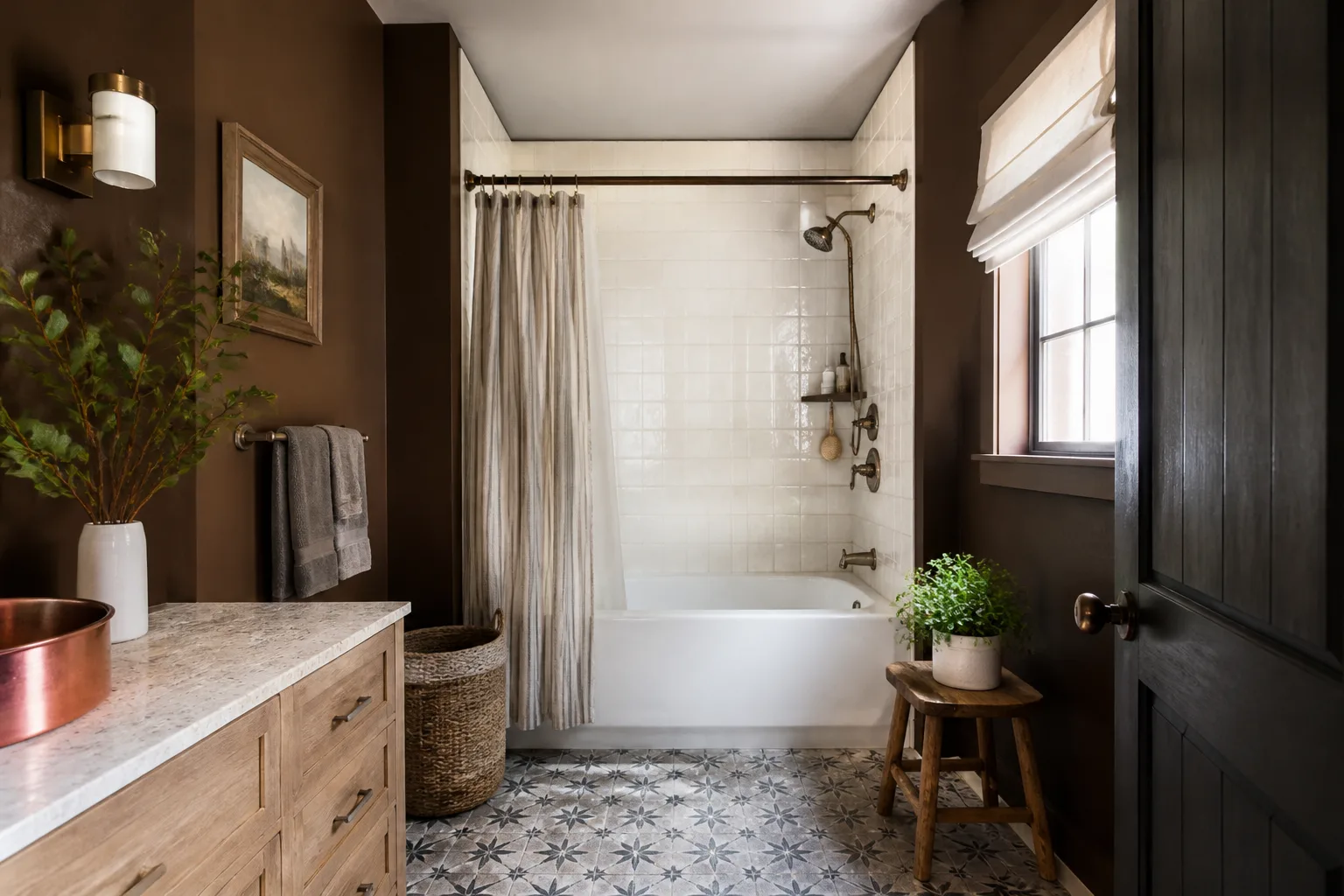
- Tile choice: porcelain vs. ceramic vs. natural stone. Porcelain gives you the best mix of durability, water resistance and price for a South Gate bathroom. Ceramic is the budget option and fine for walls. Natural stone (marble, travertine) looks premium and holds up well but needs sealing and a stiffer subfloor to avoid cracking.
- Sink type: undermount vs. vessel vs. drop-in. Undermount cleans best and looks the most built-in; it also costs more in labor because the countertop has to be cut and polished. A vessel sink is dramatic and simple, but adds splash range. Drop-in is the practical middle – the least expensive to install and easiest to replace down the road.
- Fixtures: entry vs. premium brands. American Standard and Delta give you reliable, serviceable hardware at a fair price, with parts available locally for years. Toto sits at the top end for toilets and delivers noticeably better performance and lower water use. The trade-off is real: premium fixtures cost more upfront but need less service over ten years.
- Faucet finish: chrome vs. brushed nickel vs. matte black. Chrome is cheapest and easiest to clean. Brushed nickel hides water spots well and blends with almost any vanity. Matte black looks sharp but shows hard-water buildup quickly – and LA basin water runs hard, so budget for extra wiping.
- Shower door and trim material. Glass costs more than a curtain rod and holds up far better. Frameless glass reads cleaner and is easier to keep clear of spotting than framed, especially with the mineral-heavy water most South Gate homes get from the tap.
What Vanities, Tile & Fixtures costs in South Gate, CA
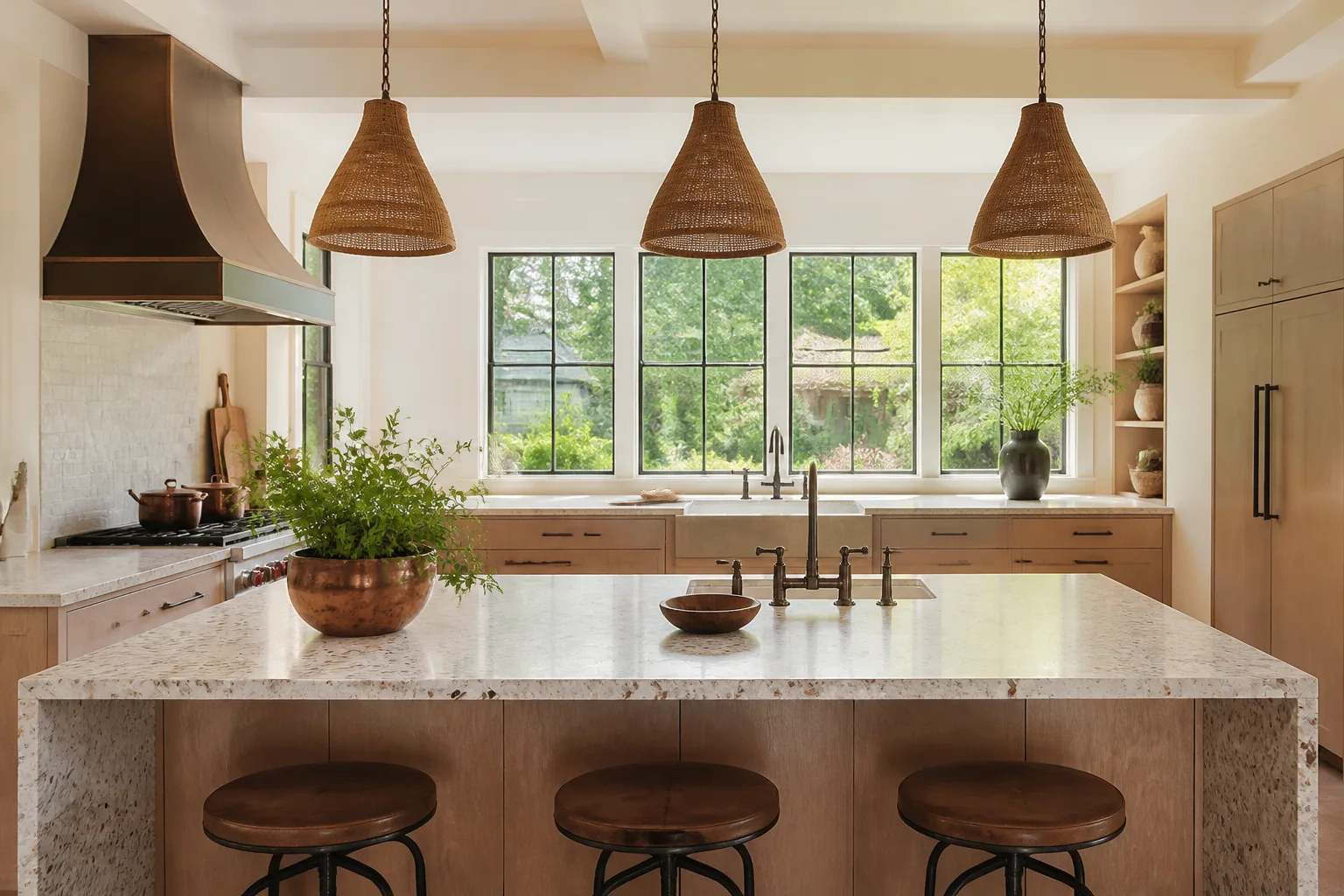
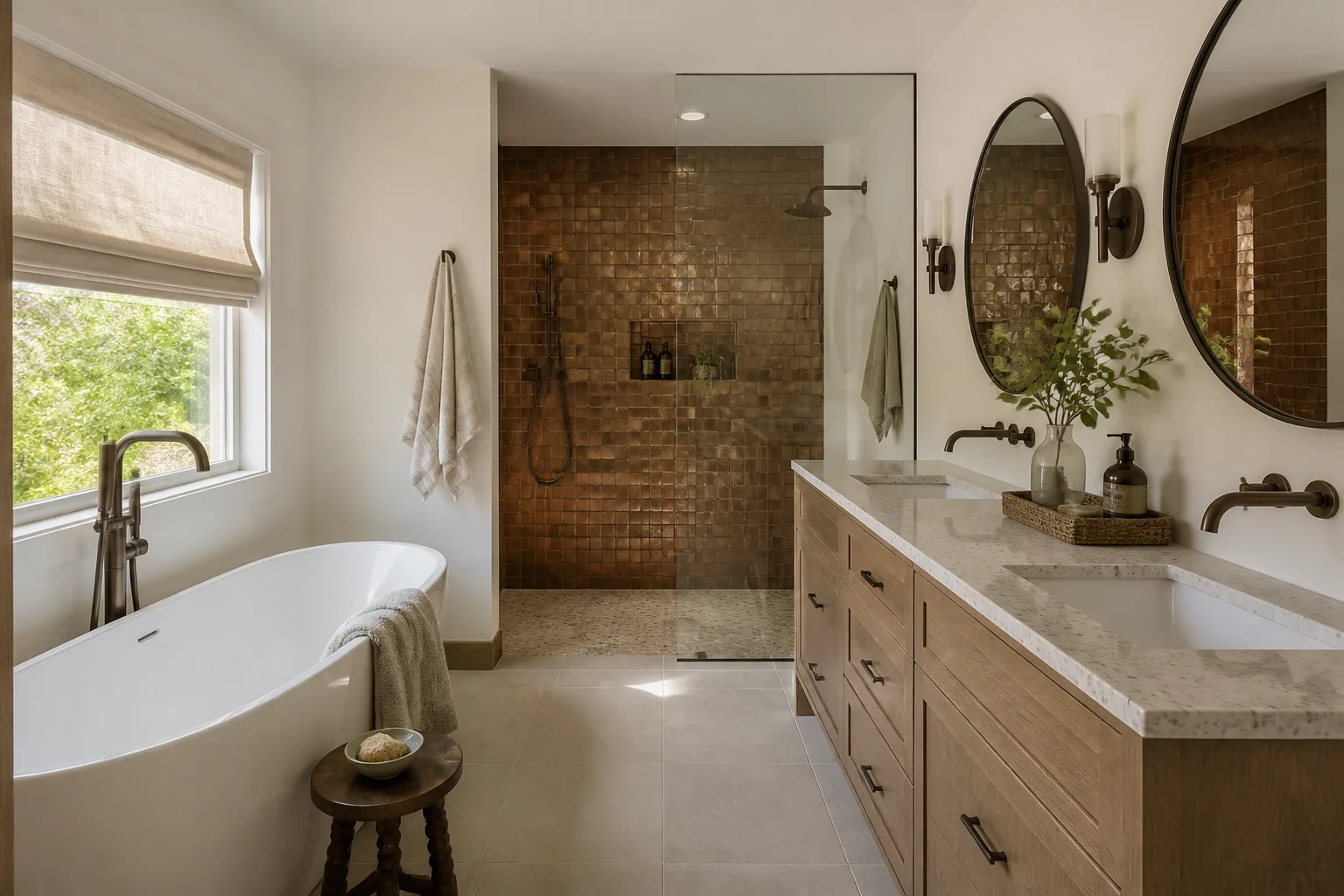
Our written estimates for this work land between $9,000 and $28,000. A small hall bath refresh with a stock vanity and porcelain tile stays near the bottom. A full primary-bath upgrades with a new vanity, tile shower, and premium fixtures lands toward the top. Here’s what typically drives that:
- Room size and layout: A 5×8 hallway bath vs. a 10×12 primary bath changes material quantities and labor hours significantly.
- Existing condition: Water damage, failed subfloor, or a dying cast-iron drain push the job up by $1,500 – $4,000 or more. Older South Gate housing stock makes this common.
- Relocating plumbing or electrical: Swapping a vanity in place is cheap. Moving the drain for a different layout or adding a GFCI circuit and exhaust fan adds $800 – $2,500 depending on what’s behind the wall.
- Material grade: Porcelain and stock vanity vs. natural stone and custom cabinetry is the widest swing on the page – sometimes $6,000 or more.
- Permit scope: A straight cosmetic tile and vanity swap often doesn’t require a permit. Anything that changes plumbing, electrical or the footprint almost always does. We pull it for you and stand by the inspection.
Our written estimate includes the line-item scope for demo, waterproofing, tile, vanity install, fixtures and cleanup. It also includes permit fees, dumpster and hauling. What’s not in the base number: anything the demo reveals behind the wall, and any upgrades you choose mid-project. We document every change before it happens – the number you see is the number you pay, backed by our 730-Day Done Right Promise. Calls are answered by a live person, 24/7, which matters when you’re standing in a half-demo’d bathroom and don’t know whether to keep going.
See the difference
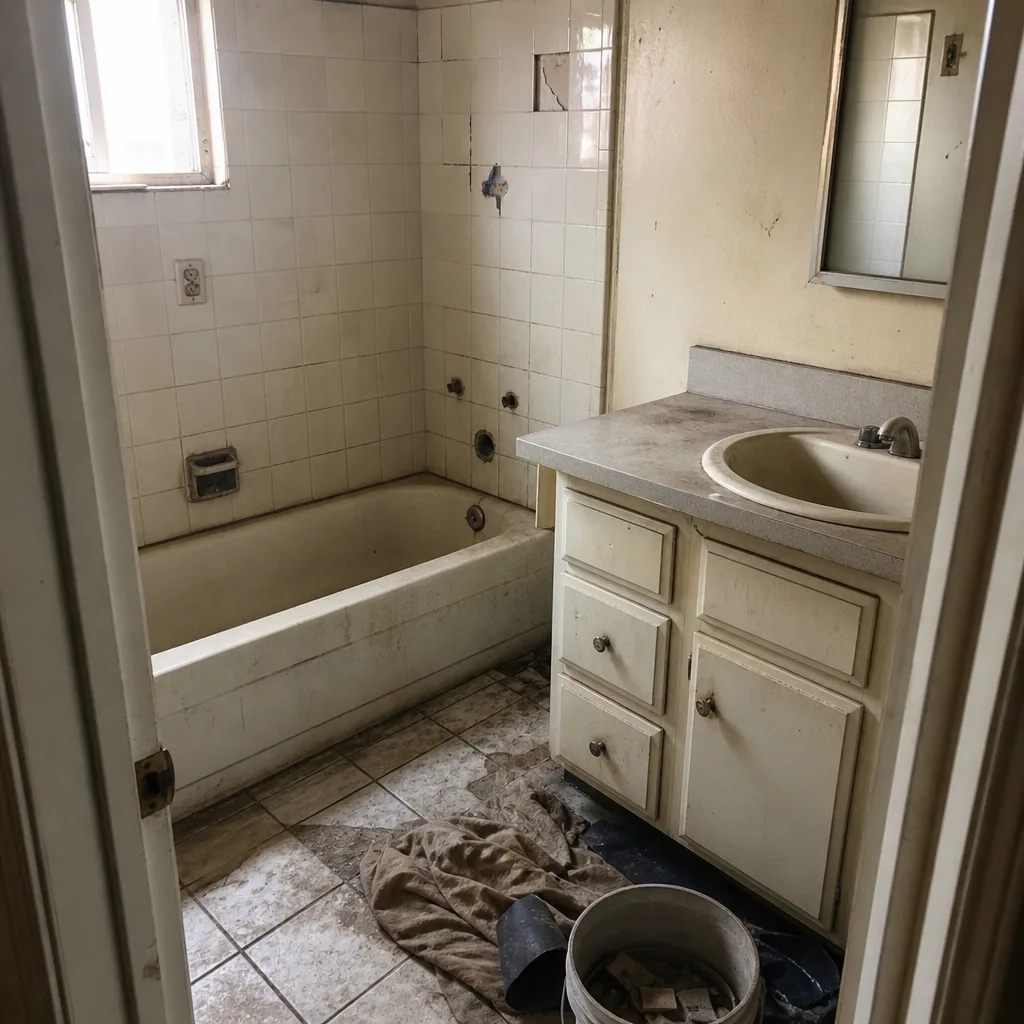 Before
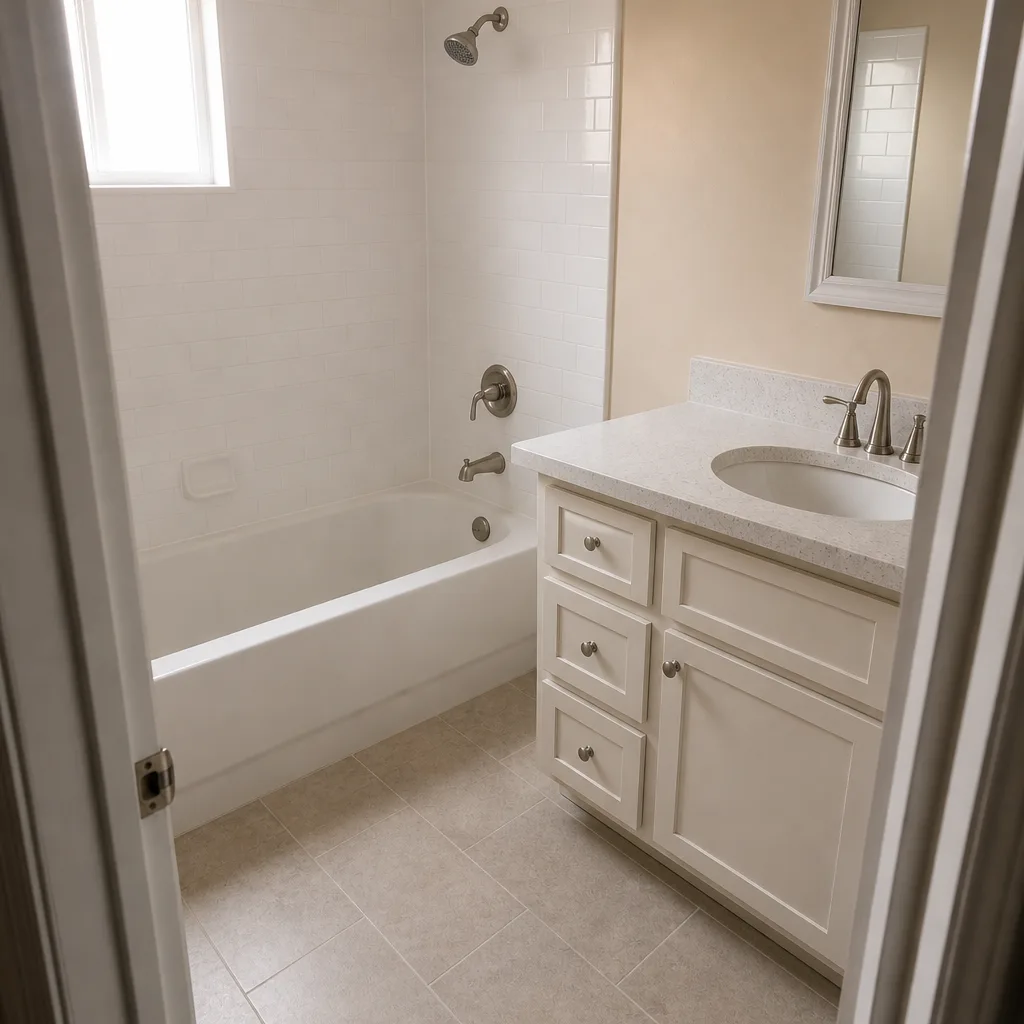 After
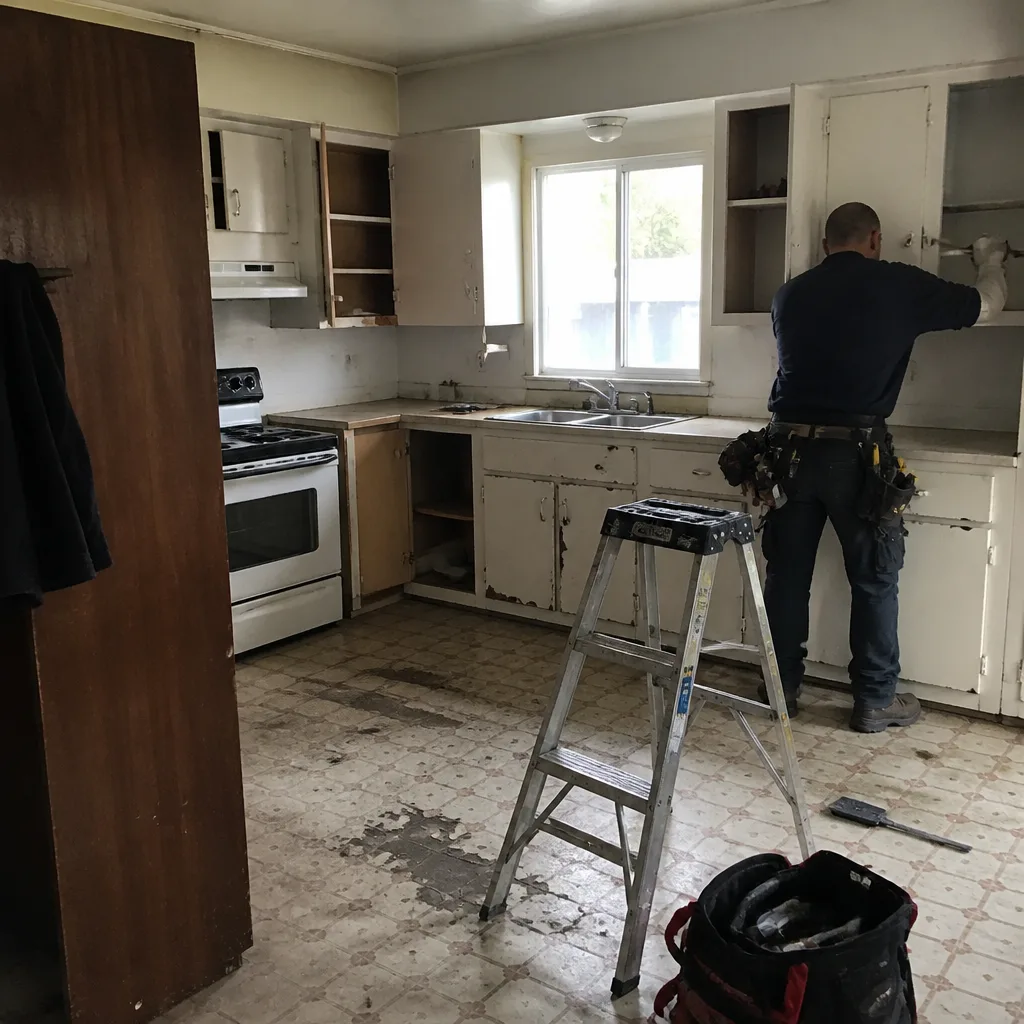 Before
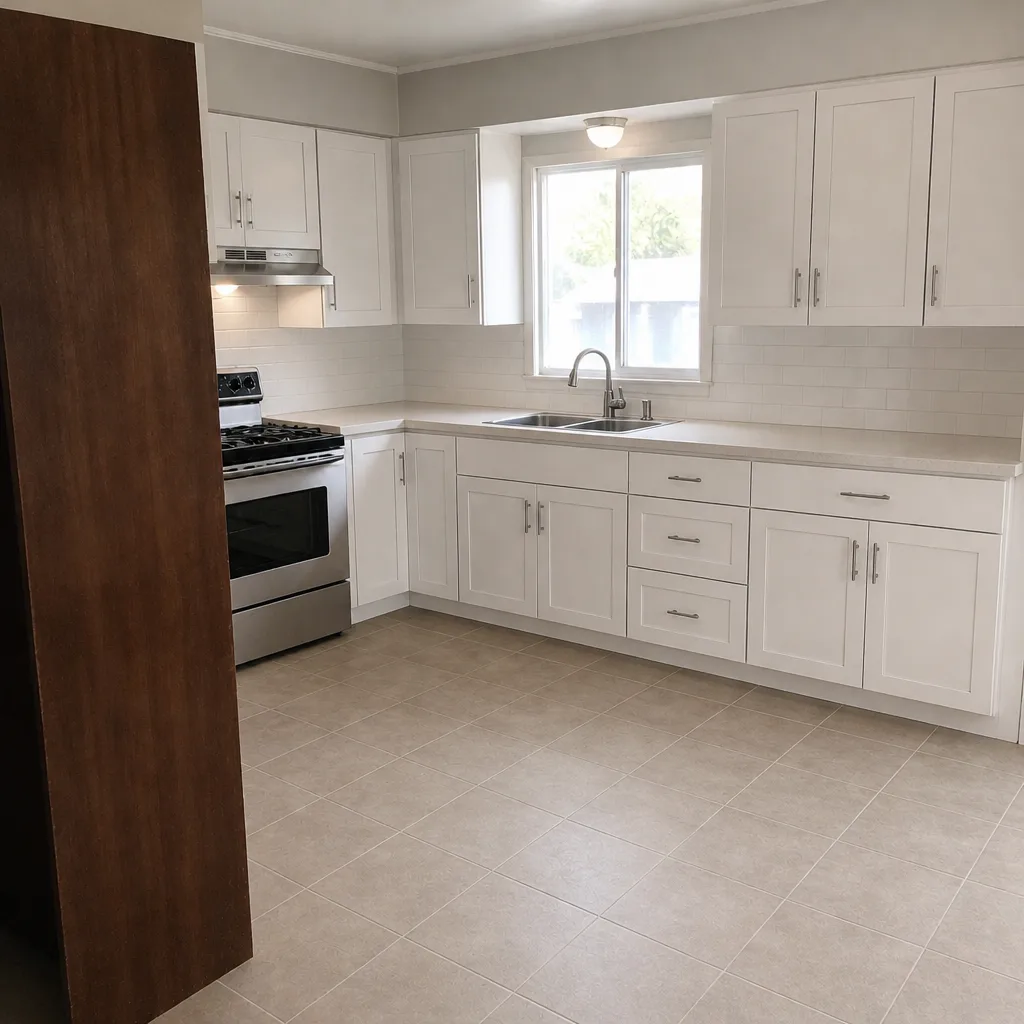 After
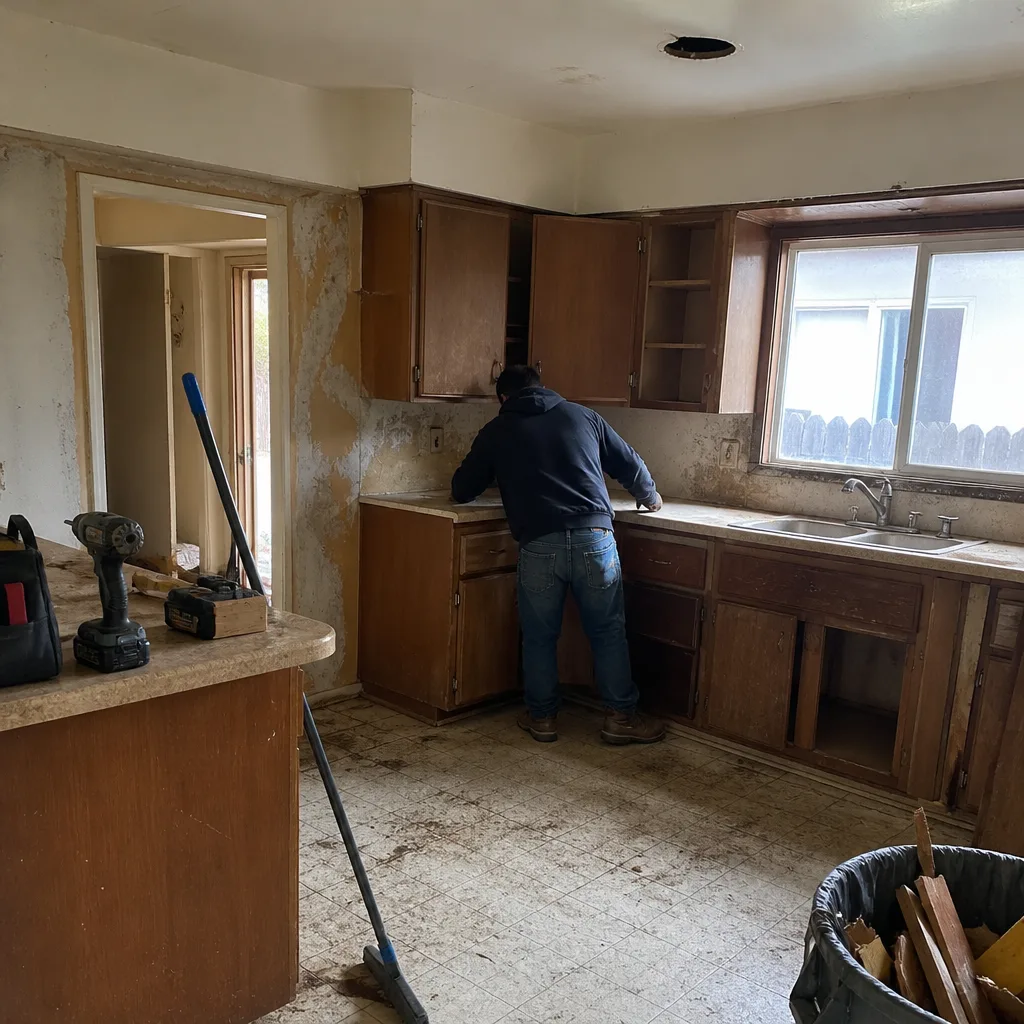 Before
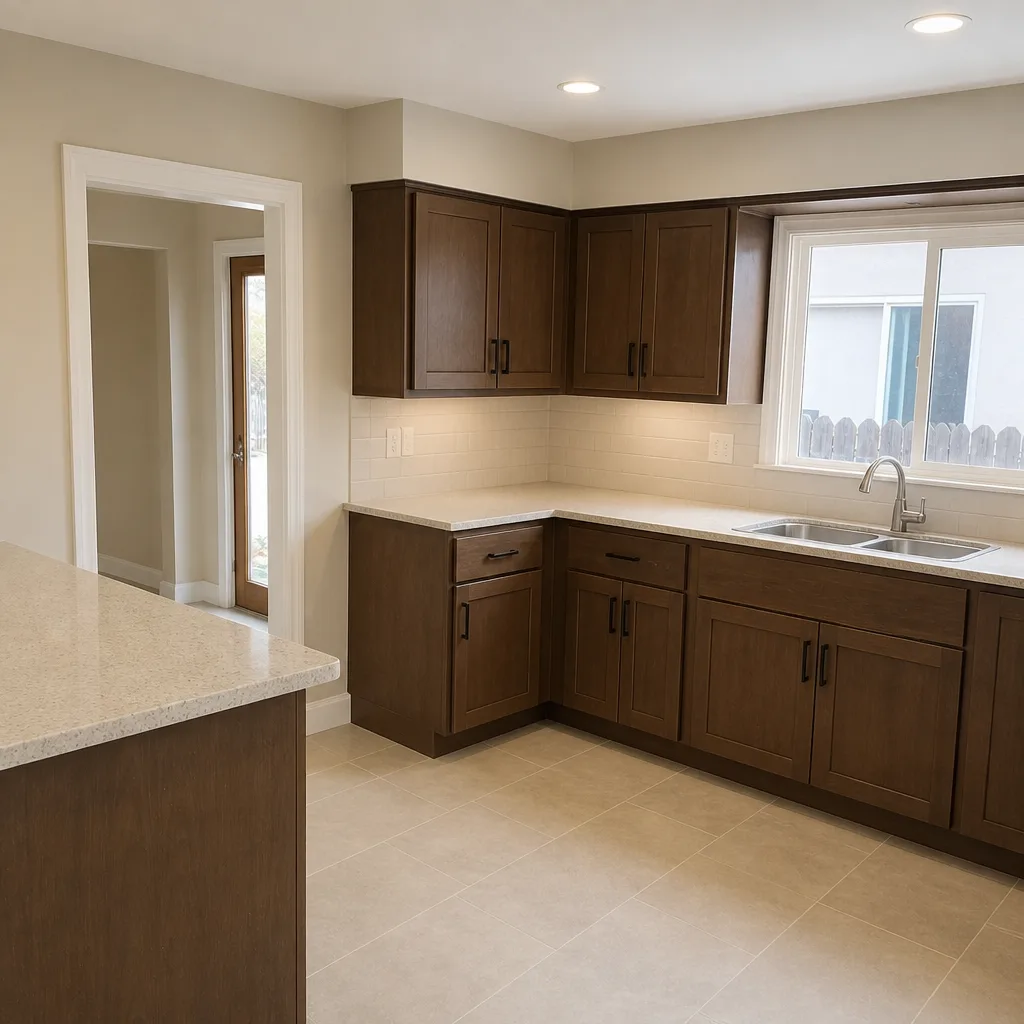 After
What South Gate homes do to this job that other cities don’t
South Gate’s housing stock is the biggest driver of what a vanities, tile and fixtures project actually becomes here. Nearly every home we work on was built between the 1920s and 1960s, which means most bathrooms haven’t seen a full redo in decades – and the layers under the tile tell you what someone did the last time. We regularly find floated floors, cast-iron drains at end of life, and walls that were opened and reclosed without permits. The city’s permitting office is strict on small parcels – parking and setbacks matter even on interior work if you’re touching the footprint – so as-built verification and permit research are the standard first step, not an afterthought.
The climate side is quieter but still real. South Gate’s hot, dry summers mean we rarely lose days to weather, but the expansive clay soil under much of the city shifts seasonally, which shows up as cracks in the old floor tile and grout long before it shows up as a structural issue. In post-war stucco tract houses – common through the older blocks west of Atlantic Avenue and near Hollydale Park – opening a bathroom wall often means adding blocking and header work before the new tile goes up. If your bathroom update gets wrapped into a bigger scope, that’s where our Bathroom Remodeling in South Gate team picks up the thread, and homeowners who are touching the exterior at the same time often pair this with Tile Roofing in South Gate or Specialty Roofing in South Gate while crews are already on site.
We cover South Gate and the surrounding neighborhoods, and we treat this as part of our Bathroom Remodeling work – the same standard applies to a vanity swap as it does to a full gut. Tight lots mean material staging is real; on many South Gate properties the dumpster goes in the driveway or the street with a permit, and your finished tile sits on sawhorses in the living room for three days. We plan the staging before we order materials so we’re not improvising on install morning.
Serving South Gate, CA – Our Local Coverage Area
We serve South Gate and nearby communities. Use the map below to see the area we cover. If you’re nearby, we can almost certainly help.
Frequently asked – Vanities, Tile & Fixtures in South Gate
A typical South Gate bathroom with a new vanity, floor and wall tile, and fixtures is a five-to-seven working day project once we start, and permit approval can add two to three weeks before that. If plumbing or layout changes enter the picture, plan on two to three weeks of install time. Call (888) 345-8164 and we’ll give you a real calendar based on your room.
Cosmetic work – replacing a vanity in place, re-tiling a floor without touching plumbing or electrical – typically does not require a permit in South Gate. Anything that relocates a drain, adds an exhaust fan or moves the toilet does. We confirm the permit scope during your free estimate and pull what’s needed so the inspection passes clean.
Yes, in most cases. A vanity swap on an existing rough-in is the cheapest version of this job, usually in the $800 – $3,000 range for the vanity portion. It gets more expensive if the new vanity is a different width or the drain doesn’t line up – we check the rough-in before ordering so there are no surprises.
Most projects land between $9,000 and $28,000, depending on room size, tile grade, and how much of the existing plumbing and subfloor can stay. A small hall bath with a stock vanity and porcelain tile sits near the bottom; a primary bath with natural stone, a new tile shower and premium fixtures like Toto sits near the top. Call (888) 345-8164 for an exact quote – estimates are free.
Every vanities, tile and fixtures project we deliver is covered by our 730-Day Done Right Promise: if it isn’t done right, we make it right. That covers the workmanship on tile, waterproofing, vanity installation and fixtures for two full years from final walkthrough. We hand over the written warranty at the walkthrough – no fine print to decode later.
Get a free vanities, tile and fixtures estimate in South Gate
Call (888) 345-8164 and a live person answers – any hour, any day. Tell us what’s in the bathroom now and what you want it to be, and we’ll schedule a free on-site estimate for your vanities, tile and fixtures in South Gate. You’ll get a written line-item quote, a realistic timeline, and the 730-Day Done Right Promise in writing. Projects over $10,000 get $1,000 off, and 0% financing for 18 months is available.
Written by the team at Groundwork Construction Co.