Free written scope consultation - allowances, timeline, and change-order rules on paper before a single trade is scheduled
Specialty Roofing in South Gate, CA: What It Is and What It Costs
Specialty roofing in South Gate covers the work that falls outside a standard asphalt shingle replacement: tile repair and underlayment replacement, flat and low-slope roof sections, flashing rebuilds, and matching legacy roof profiles on older homes. Most specialty jobs here run $600 to $2,500 for targeted repairs and $8,000 to $20,000 for a full system tear-off and rebuild. Call (888) 345-8164 and a live person answers, day or night, to set up a free on-site estimate.
The Problem You’re Probably Staring At Right Now
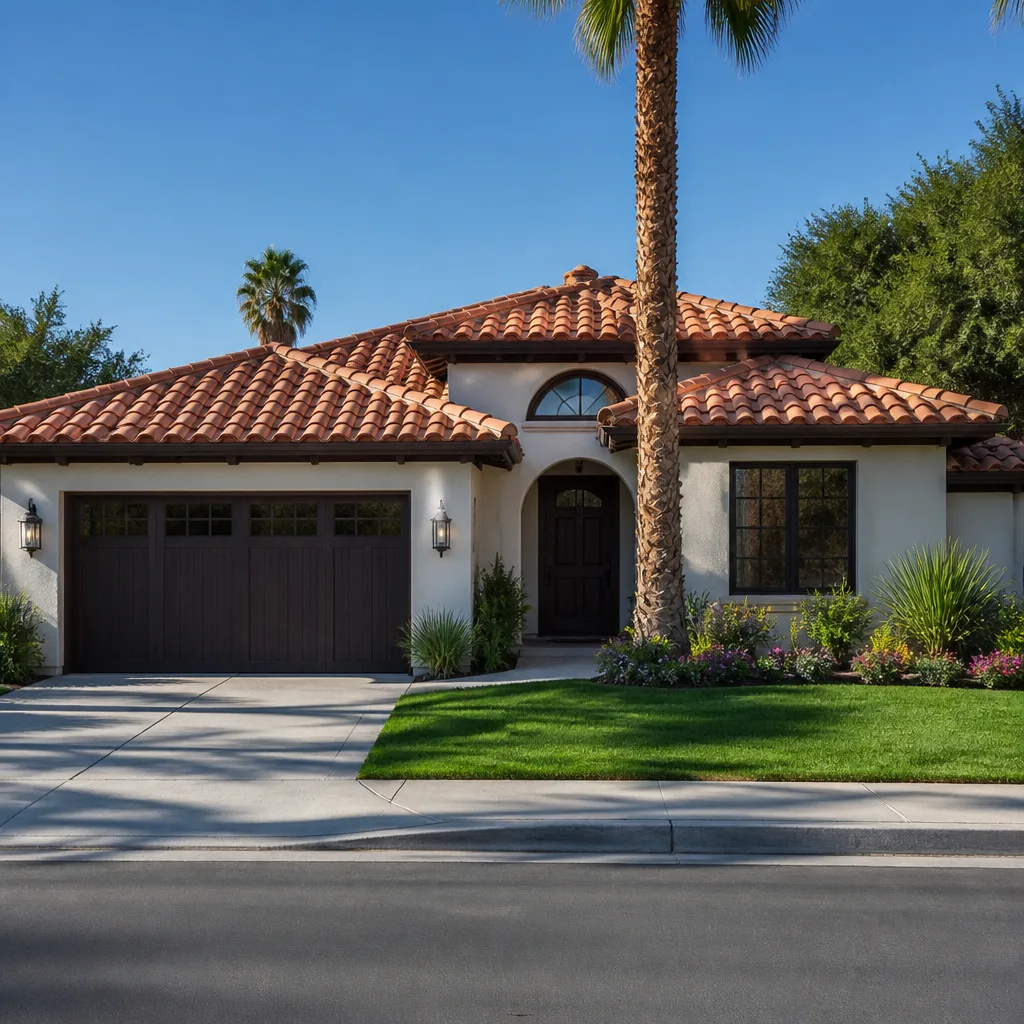
Walk down almost any block in South Gate and you’ll pass homes from the 1920s through the 1960s, and a lot of them still wear their original roof. That’s where this job starts: a low-slope section over the rear addition that pools water every winter, a clay tile field where the underlayment dried out a decade ago, or a porch roof patched three times with mastic and still staining the ceiling inside.
Specialty roofing is the work that fixes those specific failures rather than covering the whole house in new shingles and hoping. It means matching what’s already up there, rebuilding the layers underneath it correctly, and getting the tie-ins right where the roof meets a wall, a garage, or a parapet. That’s the whole job. That’s what we do here.
Styles & brands we work with
- Kitchen remodeling
- Bathroom remodeling
- Home additions & ADU
- Roofing
- Windows & doors
- Driveway & pavers
- Fence
How a Specialty Roofing Project Actually Runs, Stage by Stage
You should know exactly what’s going to happen to your house before anyone climbs a ladder. Here’s the real sequence.
Day 1: inspection and scope. We get on the roof, photograph the problem areas, and check the attic side where we can. You’ll see the photos and hear what we found before any pricing conversation. Expect 60 to 90 minutes. This is also when we flag whether a city inspection might be triggered, which matters in South Gate for reasons covered further down.
Day 1 or 2: written scope and material selection. You get a line-item written estimate, not a lump number. At this stage you decide the material route: match the existing tile, replace the low-slope section in a modified bitumen or single-ply membrane, or rebuild with a new underlayment system under the tile you keep. That decision drives roughly 40 percent of the final number, so it’s worth the conversation.
Day 2 to 3: tear-off and deck inspection. We remove only what’s failing, or the full field if the underlayment is gone. Decking gets inspected board by board. Soft or delaminated sheathing gets replaced, and we document it with photos before covering anything. On a typical South Gate specialty job this takes one to two days.
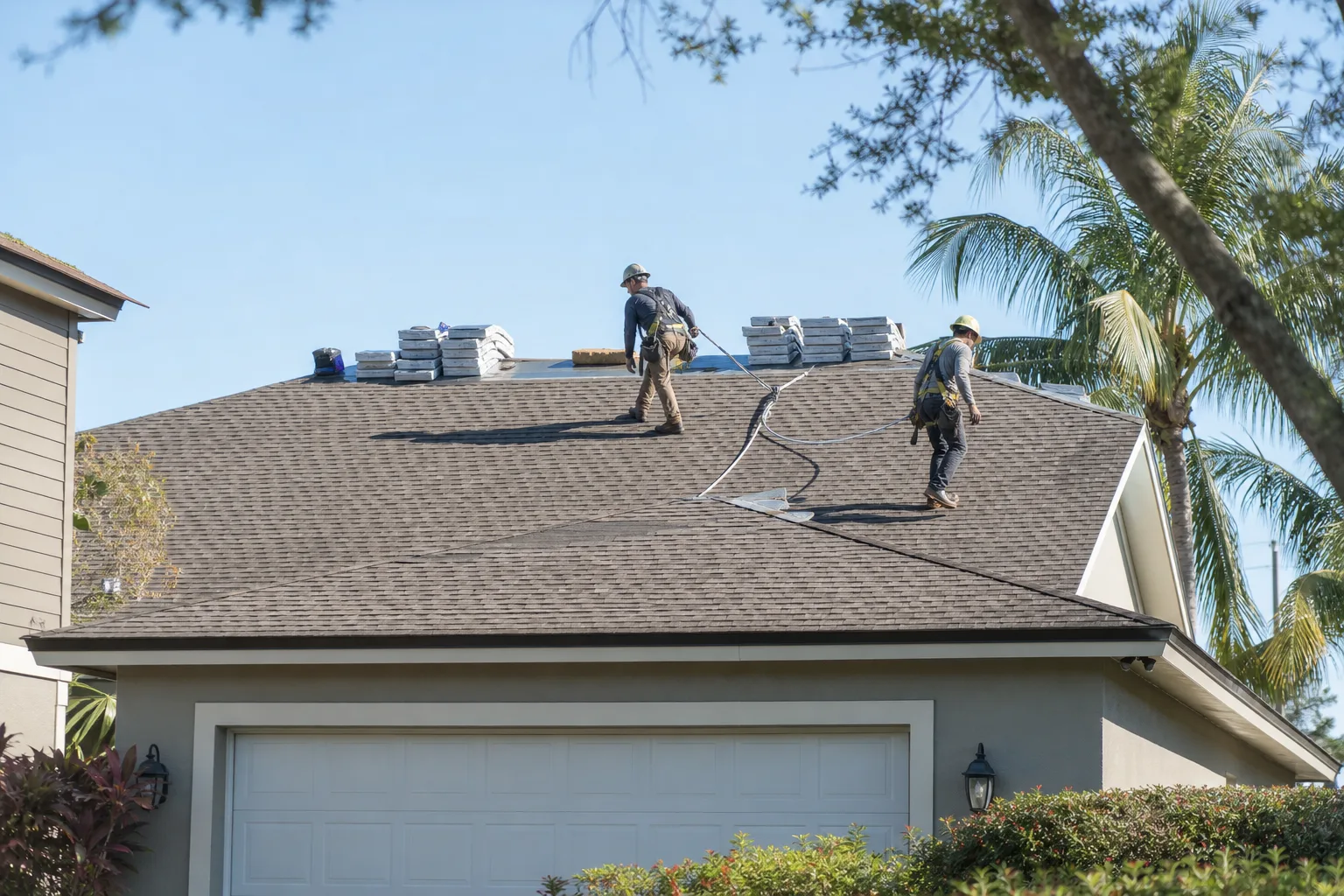
Day 3 to 4: the layers go back on. New underlayment or membrane, new flashing at every penetration and wall tie-in, then the finished surface. Flashing is where most cheap roofs fail, so we build it rather than caulk it. This is the stage where you’ll see the most activity and the least disruption inside the house.
Final day: walkthrough and cleanup. We walk the roof with you, show you the completed detail work, magnet-sweep the yard for nails, and hand over the written workmanship coverage. You sign off only when you’re satisfied with what you see. Any punch items get scheduled before we leave.
The Options You’ll Be Choosing Between
Specialty work is mostly a decision about what to keep and what to replace. Here’s the honest trade-off on each path.
- Keep the tile, replace the underlayment. The tile itself is often fine for decades more. The underlayment beneath it usually isn’t. This route runs $600 to $2,500 on a targeted section and saves the cost of new tile. It’s labor-heavy because every tile comes up and goes back down, but it’s the right call when the tile is intact.
- Full tile field replacement. Best when tiles are cracked, slipped, or discontinued. Budget $8,000 to $20,000 for a typical South Gate roof. New underlayment, new tile, and a warranty that covers both.
- Low-slope membrane systems. Modified bitumen and single-ply membranes handle the flat sections over rear additions and detached garages that dominate this city’s housing stock. They outperform shingles on slopes under 2:12 and last 15 to 25 years with proper drainage.
- Flashing and penetration rebuilds. The least glamorous, most important line item. New step flashing, counter-flashing at chimneys, and boots at every vent. Patching with sealant buys you a season at most.
- Underlayment grade. A synthetic underlayment costs more upfront than felt and holds up far better under tile in a hot, dry climate. Worth the difference on any roof you plan to keep.
See the difference
 Before
 After
 Before
 After
 Before
 After
What Specialty Roofing Costs in South Gate, CA
Targeted specialty repairs in South Gate run $600 to $2,500. A full specialty system replacement, including tear-off, new underlayment, flashing, and finish, lands between $8,000 and $20,000. Metal systems, if you’re going that route, push into the $15,000 to $40,000 range. Here’s what moves the number.
Roof size and pitch. A steep pitch slows the crew and adds safety rigging. A larger footprint means more material and more labor hours, straightforwardly.
Existing condition. Rotted sheathing, delaminated decking, and water-damaged fascia all add line items. We only know the real number after the tear-off, which is why we document with photos before covering anything.
Material grade and availability. Matching discontinued tile or a legacy profile can add cost and lead time. Standard profiles are faster and cheaper.
Permit scope. Structural repairs or full replacements typically need a permit; a like-for-like repair often doesn’t. We tell you which side of that line your job falls on before you commit.
Access and staging. Tight lots and shared driveways slow material delivery. It’s a real cost factor here.
A written estimate covers tear-off, materials, flashing, labor, cleanup, and the workmanship guarantee. What it typically doesn’t cover: structural repairs uncovered during tear-off, and anything behind a wall we can’t see until we open it. Those get quoted separately, in writing, before we proceed. No surprise change orders. The number you see is the number you pay.
What South Gate Homes Specifically Do to This Job
South Gate’s housing stock shapes this work in ways you won’t see on a page about roofing in a newer suburb. Most of the homes here went up between the 1920s and 1960s on small residential lots, and plenty of them carry additions built decades ago without permits. That history matters to a roofer because a specialty roof project can trigger a city inspection that uncovers earlier work, which is why permit research and as-built verification are our first step, not an afterthought. The city is strict about setbacks and parking on small parcels, and that scrutiny carries over to any project that pulls a permit.
Then there’s the post-war stucco tract housing, where opening up a wall or rebuilding a roof-to-wall tie-in often reveals structural shortcuts from the original build. We plan for that rather than being surprised by it. The LA basin climate works in our favor: hot, dry summers and mild, wet winters mean schedules rarely get interrupted by weather. But the expansive clay soils that shift with seasonal moisture wreak havoc on foundations and, indirectly, on roof planes, which is why we check for sagging and out-of-level decking on every job. A lot of the tile roofs over the older tract homes near the high school corridors and along the main commercial strips have failed at the underlayment long before the tile itself shows a problem, and that’s exactly the failure mode this specialty work is built to catch.
Serving South Gate, CA – Our Local Coverage Area
We serve South Gate and nearby communities. Use the map below to see the area we cover. If you’re nearby, we can almost certainly help.
Frequently Asked – Specialty Roofing in South Gate
A targeted specialty repair usually finishes in one to two days. A full specialty system replacement takes three to five working days depending on size, decking condition, and material availability. We schedule the tear-off so your house is never open to the weather overnight. Call (888) 345-8164 for a timeline specific to your roof.
It depends on scope. Like-for-like repairs typically don’t require a permit; structural repairs, decking replacement beyond minor patching, and full system replacements usually do. We handle the permit research and pull what’s needed, and we flag it upfront if your job falls in the permit-required category. Call (888) 345-8164 and we’ll tell you which side of the line your project sits on.
In most cases, yes. The specialty work lives on the roof surface, in the underlayment, and at the flashing details, and none of that requires opening an interior wall. When we do find a structural problem under the decking, we quote it separately in writing before touching it, so you decide. Call (888) 345-8164 to talk through your specific roof.
Targeted repairs run $600 to $2,500. A full specialty system replacement runs $8,000 to $20,000, and metal systems go higher. The variables are roof size, pitch, decking condition, material grade, and permit scope. Call (888) 345-8164 for an exact quote; estimates are free.
Every project is covered by our 730-Day Done Right Promise: if it isn’t done right, we make it right. That’s one of the longest workmanship guarantees in residential construction, and it’s in writing. Manufacturer material warranties stack on top of that. Call (888) 345-8164 to see the coverage in full.
Get a Free Specialty Roofing Estimate in South Gate
If your South Gate roof has a problem that a standard replacement won’t solve, we’ll come look at it and put the real number in writing. Call (888) 345-8164 and a live person answers, any hour. We’ll schedule a free on-site inspection, review the photos and scope with you, and hand you a line-item estimate with nothing hidden. Our technicians are background-checked, arrive in uniform, and bring up to 12 years of experience to the job. That’s a start you can plan around.
Written by the team at Groundwork Construction Co.