Free written scope consultation - allowances, timeline, and change-order rules on paper before a single trade is scheduled
Styles & brands we work with
- Kitchen remodeling
- Bathroom remodeling
- Home additions & ADU
- Roofing
- Windows & doors
- Driveway & pavers
- Fence
See the difference
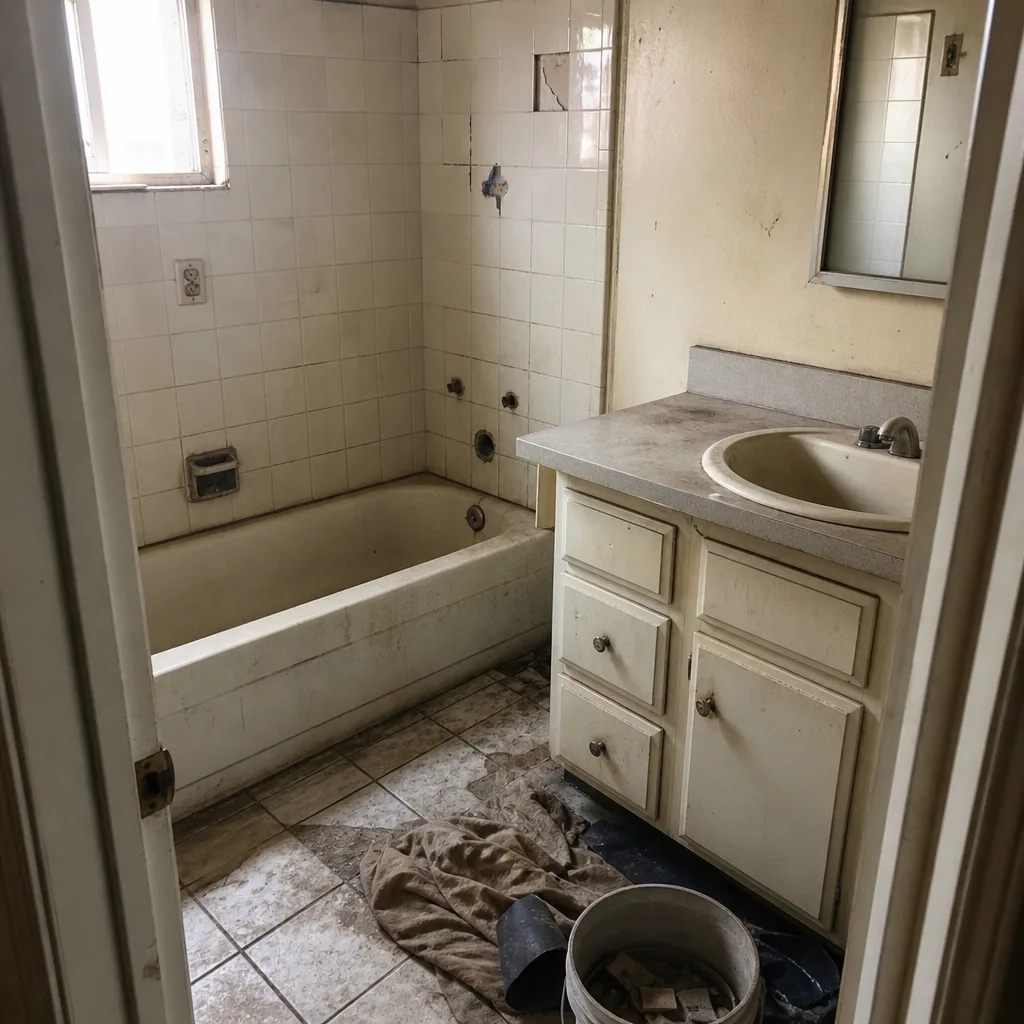 Before
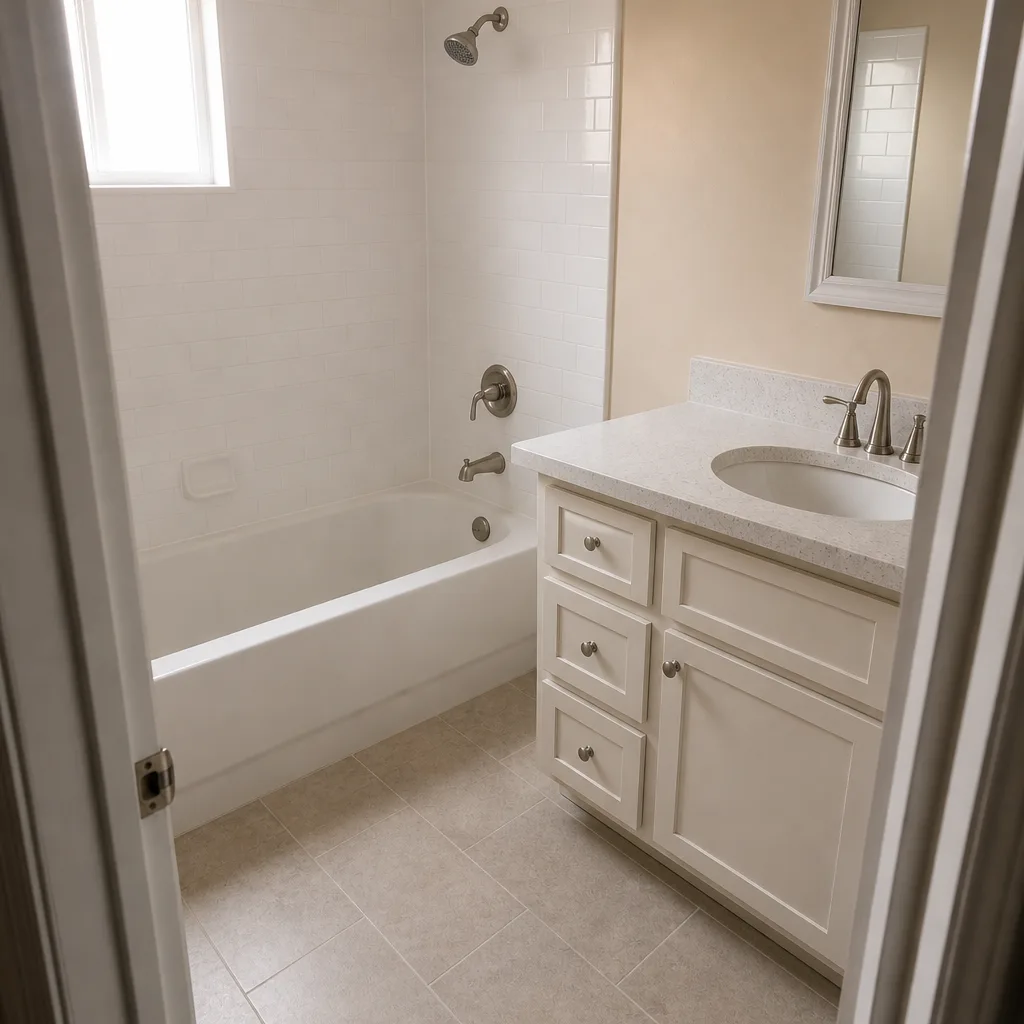 After
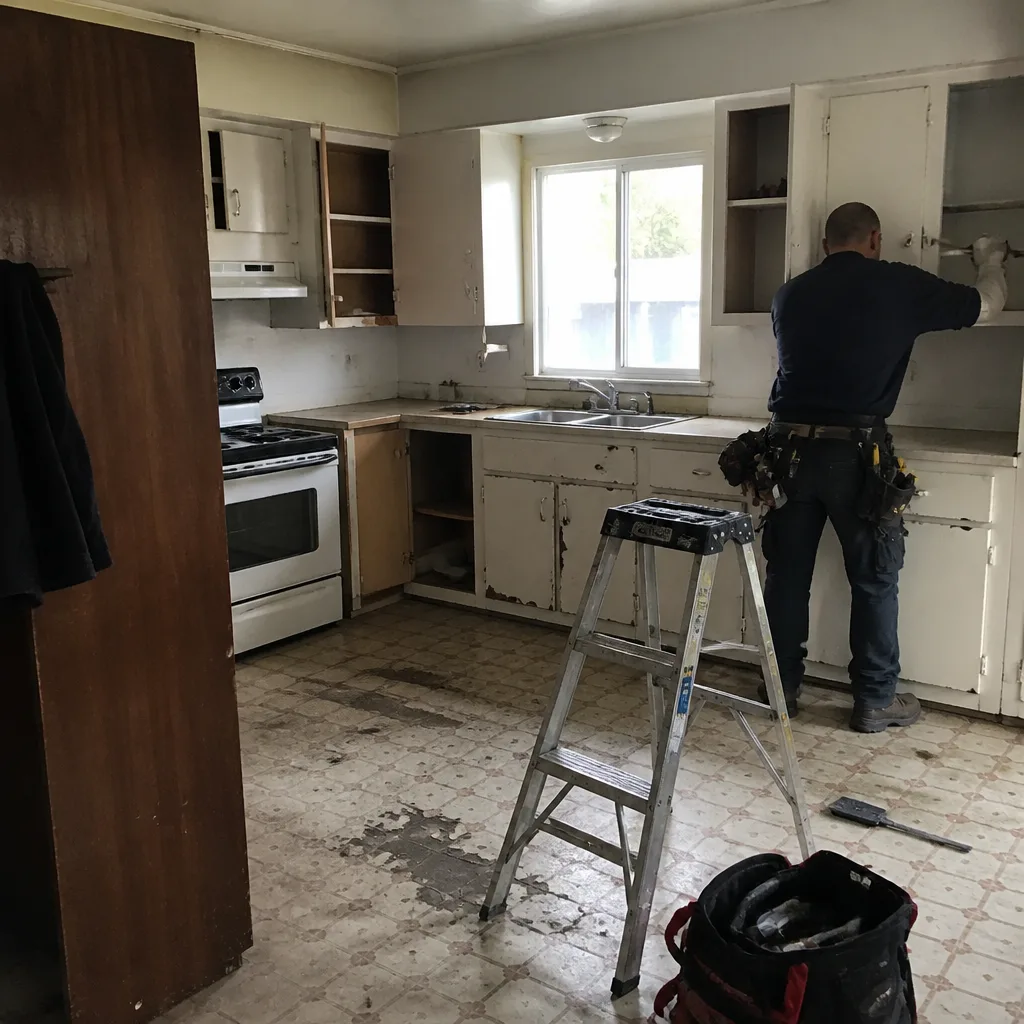 Before
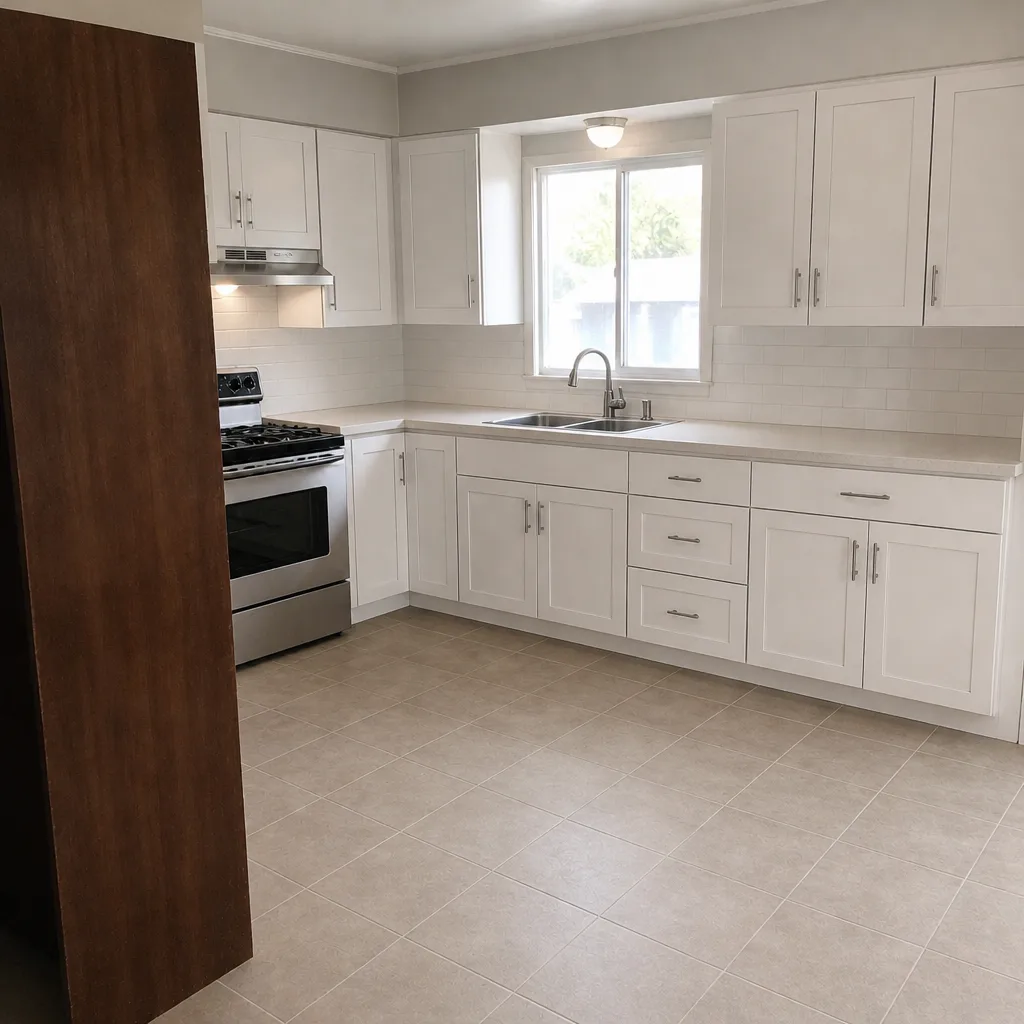 After
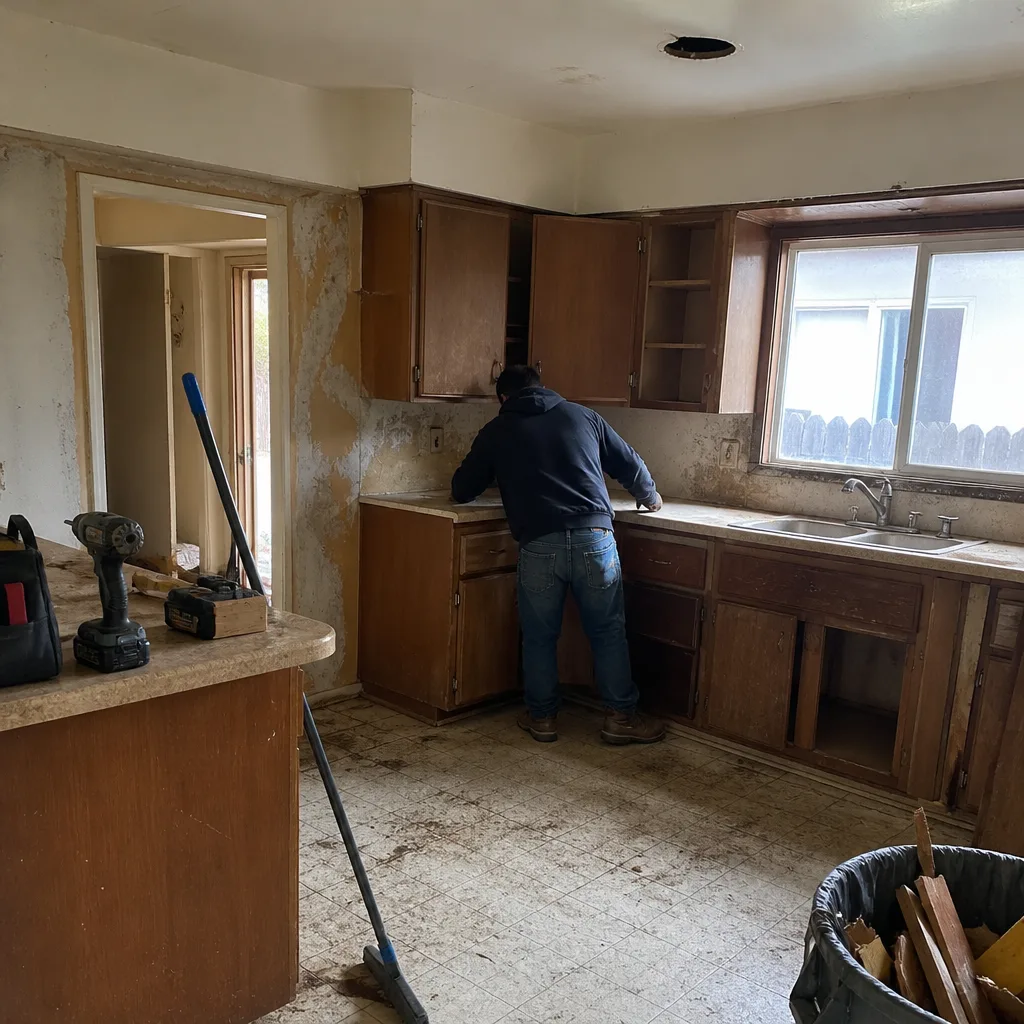 Before
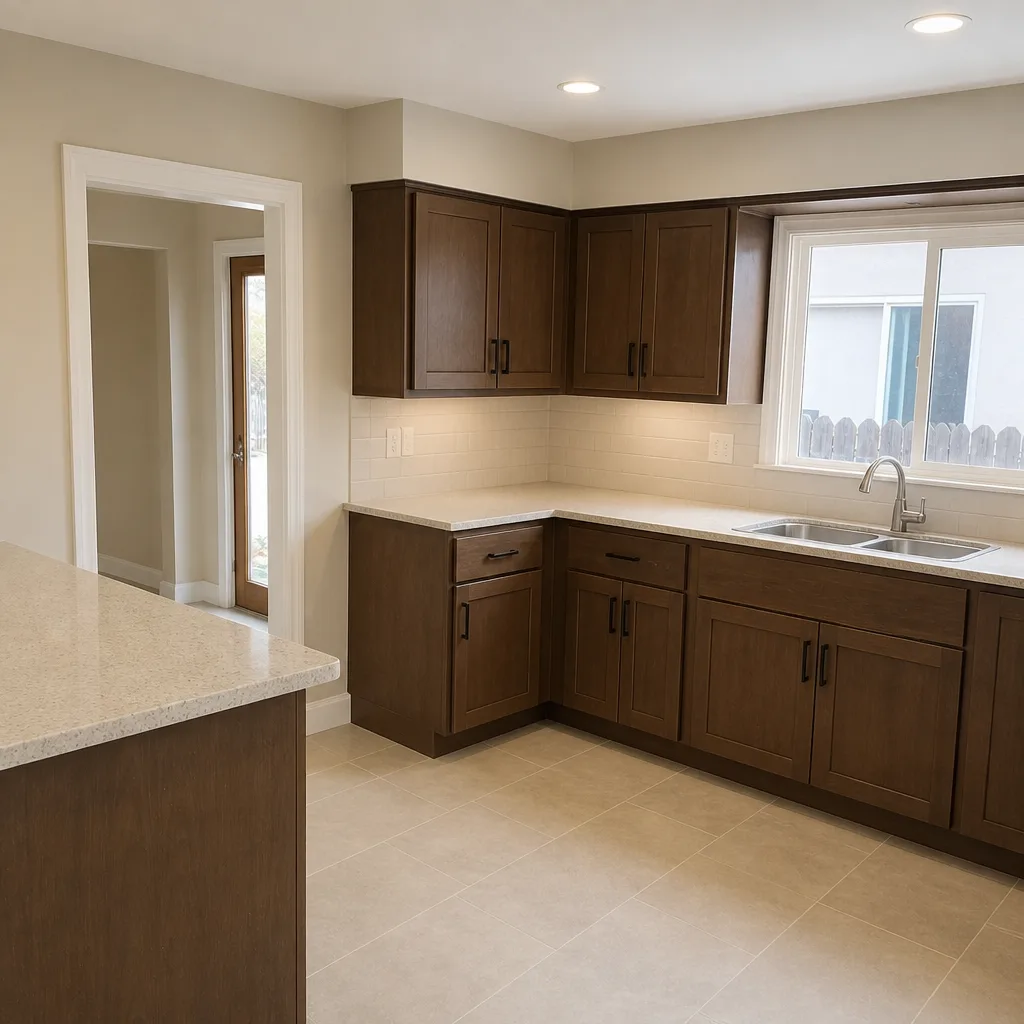 After
Paver Patio Cost in Long Beach, CA: What You’ll Actually Pay (and Why the Cheap Quote Isn’t)
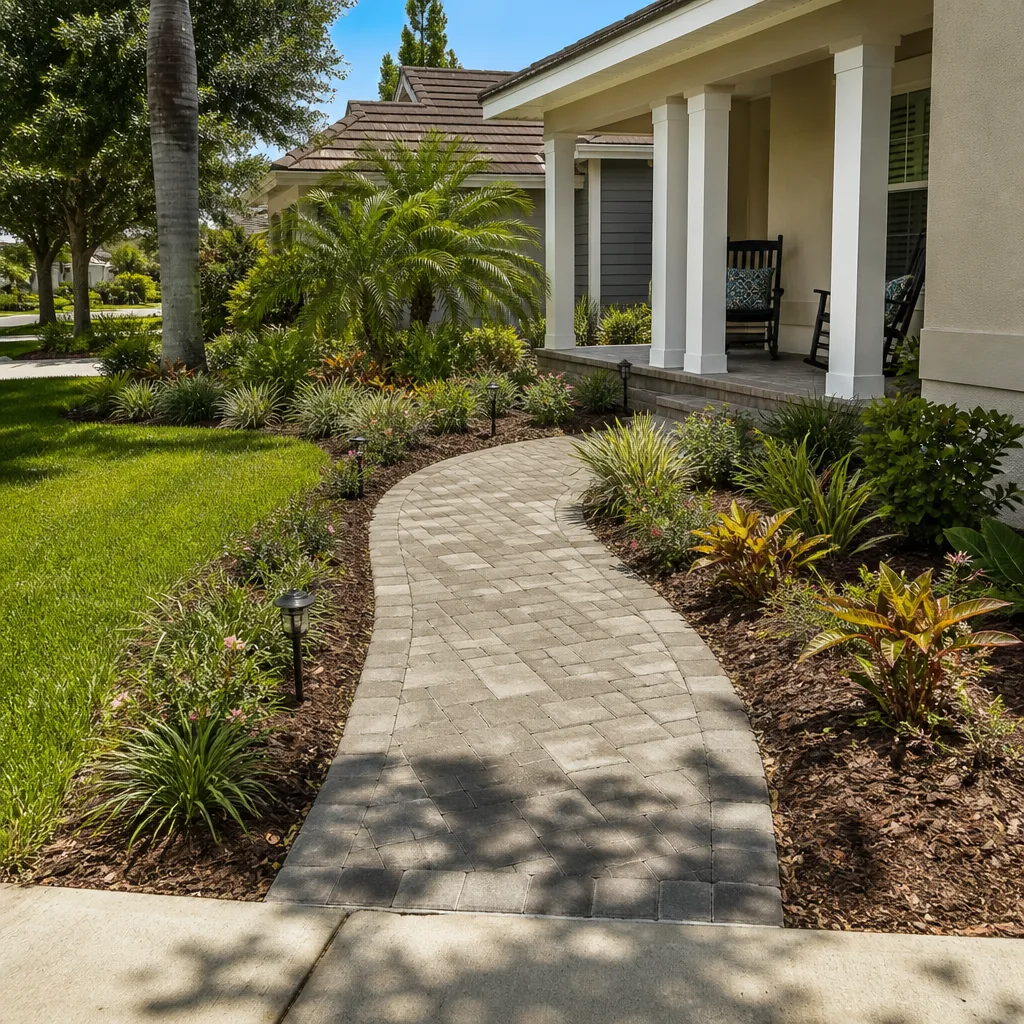
Paver patio installation in Long Beach runs $3,500 to $11,000 for most residential jobs, with full backyard builds with base work, edging, and pattern layout landing toward the top of that range. That’s the number you came for. But here’s the part nobody puts on a pricing page: a paver patio usually costs more upfront than a poured concrete slab, and over 15 years on a coastal Long Beach lot, it often ends up costing less. Call (888) 345-8164 for a free estimate and an upfront number you can hold us to.
Key Takeaways
- Most Long Beach paver patios land between $3,500 and $11,000 depending on size, base depth, and pattern complexity.
- Pavers let you pull and reset a single unit. Poured concrete means grinding or resurfacing the whole slab when salt air and soil movement do their thing.
- Long Beach’s clay soil pockets mean base depth varies by lot. A proper soil check before the quote prevents settling later.
- Patios that adjoin the structure or clear certain square footage may need a permit, and unpermitted patios can complicate an escrow.
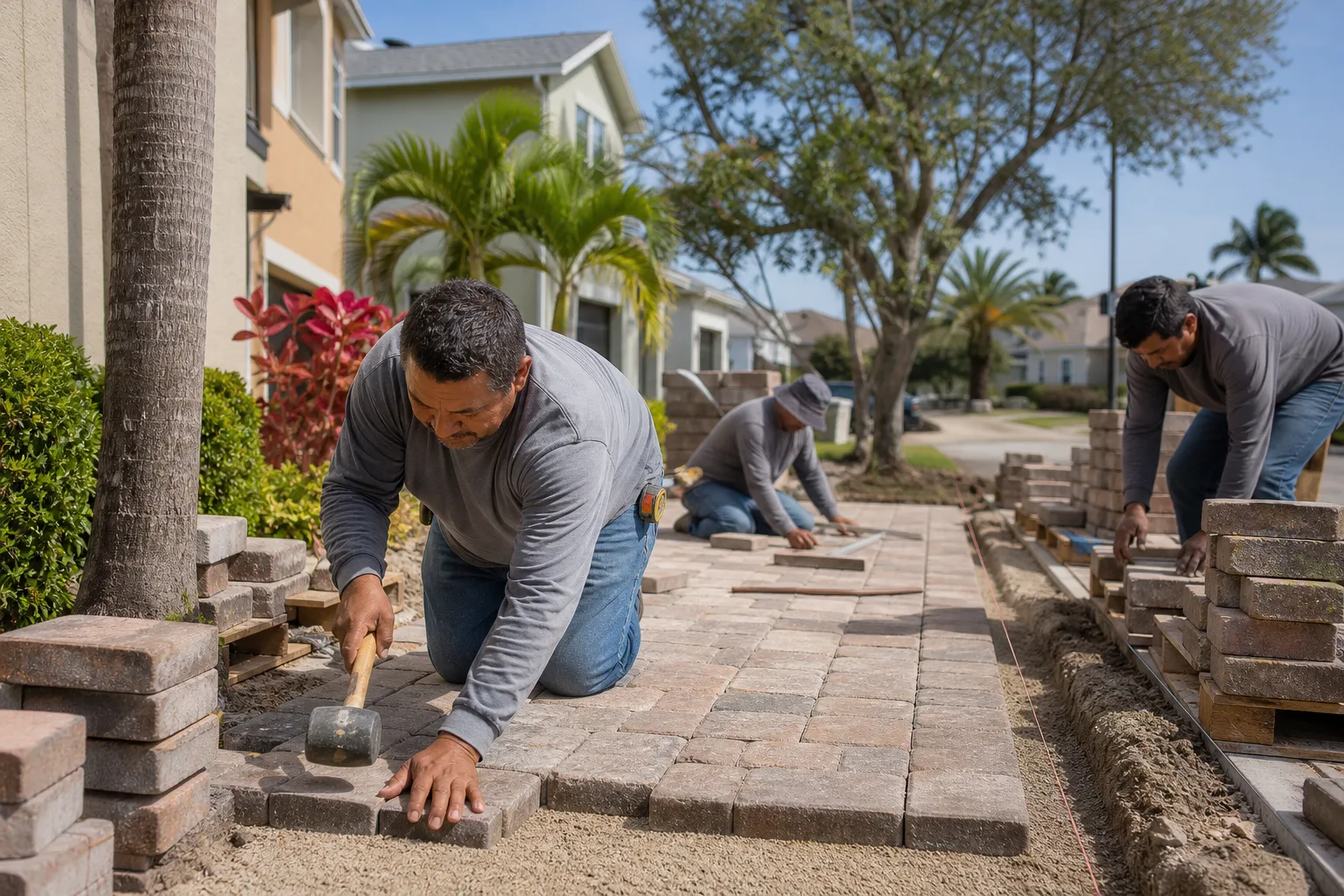
Why the Paver vs. Concrete Math Runs Different in Long Beach
Inland, poured concrete is a perfectly reasonable choice for a patio. It’s cheap, it’s fast, and the dry air and stable soil leave it mostly alone. Long Beach isn’t inland. The marine layer rolls in off the Port, salt deposits settle on horizontal surfaces, and the ground under half these lots is clay that swells and shrinks with the seasons. A concrete slab poured for a backyard in Lakewood and one poured in Belmont Heights will age differently by year eight.
That’s the material cost argument in plain terms: replace a paver, not the whole slab. When a poured patio cracks or the surface spalls from salt exposure, your options are grinding, resurfacing, or tearing it out. Grinding and resurfacing are the cheap fixes and they’re not cheap – you’re paying a crew to mechanically remove and re-lay a surface that was already paid for once. When pavers mottle or one settles, you lift it, reset the base, and put the same unit back. Concrete pavers let you treat maintenance as a spot repair instead of a full recompletion.
What Paver Patio Installation Costs in Long Beach
Here’s how the line items break down for a typical Long Beach backyard. Prices assume standard access, a backyard that’s been cleared, and no demo of an existing slab.
| Line Item | Price Range |
|---|---|
| Paver patio installation (standard, 150-350 sq ft) | $3,500-$11,000 |
| Aggregate base prep (compacted, depth varies by soil) | Included in install or quoted separately |
| Existing concrete demo and haul-off | Adds to base install cost |
| Edge restraint (concrete or plastic) | Included in most installs |
| Polymeric sand joint filling | Included in most installs |
Where you land in that $3,500-$11,000 band comes down to three things: square footage, whether there’s a slab to demo, and how deep the base has to go. That last one is the number most quotes gloss over, and it’s the one that matters most in Long Beach. Much of the local soil is clay-heavy, and clay pockets hold water and shift with the wet/dry cycle. A proper base below a patio in Rose Park may need to run deeper than the same patio a mile away on sandy soil. We assess soil before we quote, not after the pavers are set. Settling that shows up a year in is a base problem, and base problems are expensive to fix from the top.
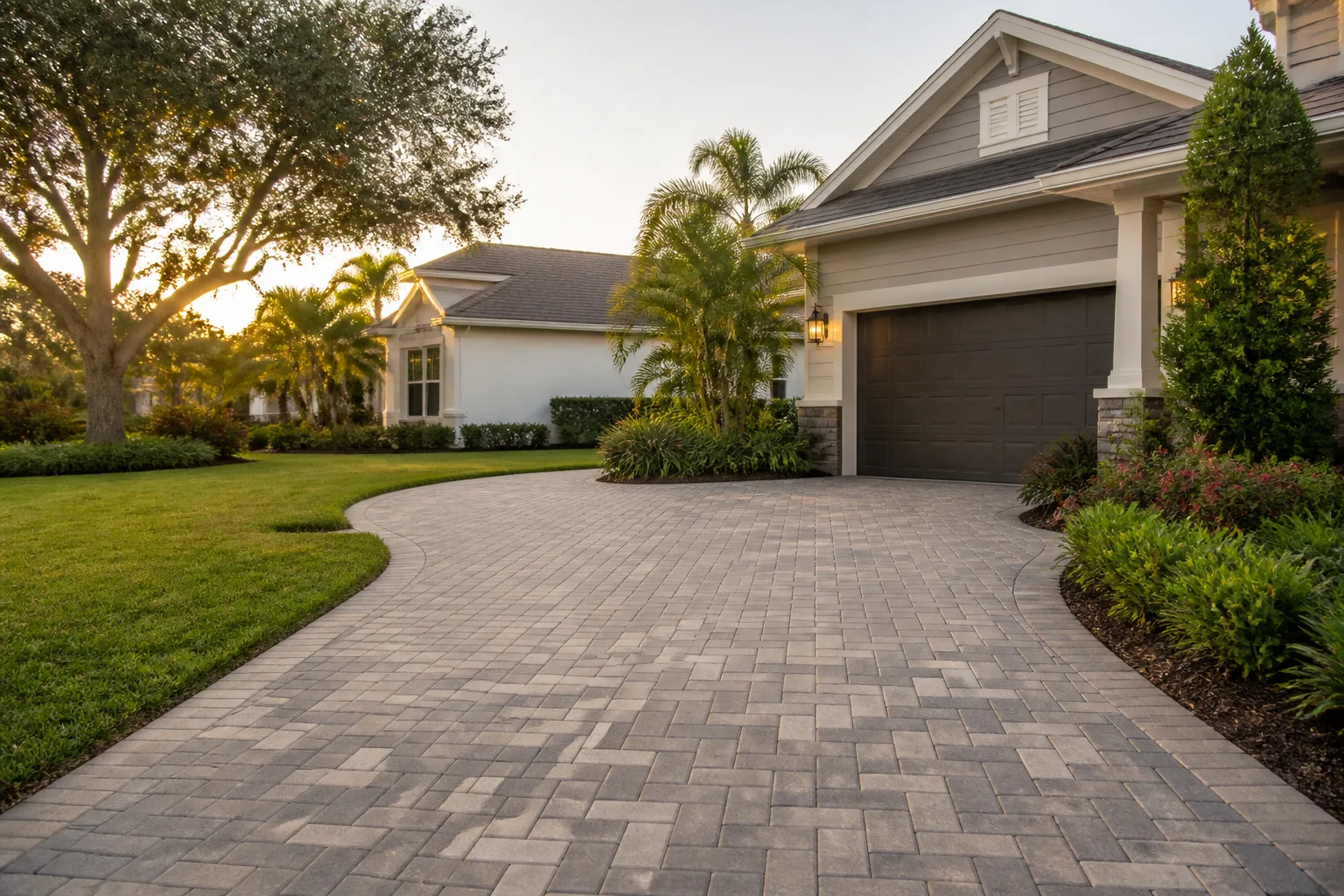
This is where the Driveway & Pavers work overlaps a lot with patios. Same base logic, same edging discipline, just a different load. Driveways carry vehicle weight and need a heavier compacted base than a patio does, but the soil assessment is identical.
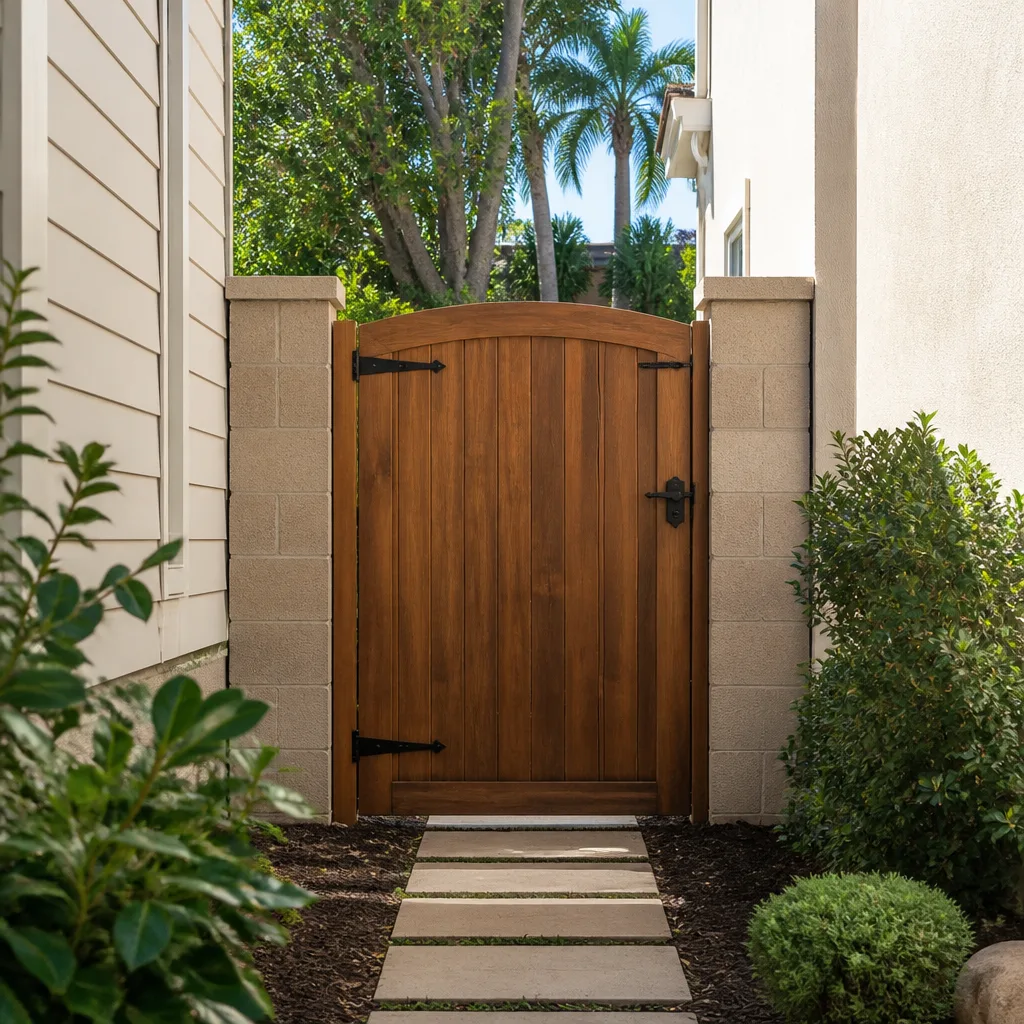
Not All Pavers Handle Salt Air the Same Way
Specification matters more near the coast than it does fifteen miles inland. Density, water absorption rate, and surface treatment all determine how quickly a paver mottles, spalls, or takes on that chalky look salt exposure produces. A high-density paver with a low absorption rate holds its color and surface dramatically longer on a coastal lot. A cheap, porous paver installed a few blocks from the water is a three-year problem, not a fifteen-year patio.
We source pavers with coastal performance in mind, not just the lowest number on a supplier sheet. Brands like Belgard make spec’d products that hold up to the marine layer, and the aggregate base product matters too – Sakrete and comparable base materials compact predictably, which is what keeps pavers from rocking and joints from washing out under the dry-runoff pattern we get here. You’ll select the pattern and color, and we’ll flag the products we know perform. If you’re weighing a paver patio against other hardscape projects on the property, our Driveway & Pavers in Long Beach page covers the driveway side of that same material conversation.
Does a Patio Require a Permit in Long Beach?
Sometimes. A freestanding paver patio that sits away from the house is usually treated as landscaping and doesn’t need a permit. A patio that attaches to the structure, sits on a raised deck, or clears certain square footage thresholds is another story, and it’s the kind of detail that gets ignored until the wrong moment, like when you’re selling. Long Beach already stacks Coastal Commission review and historic-district design review onto permits in neighborhoods like Rose Park and Belmont Heights. Adding an unpermitted patio to that paperwork during escrow is not a problem you want. We’ll tell you upfront whether your project should be permitted and help plan around it.
That permitting stack is genuinely a Long Beach-specific cost factor. Much of the local stock is 1920s-40s bungalows and dense 1950s-70s stucco fourplexes, and patios on those lots frequently run up against structures added without permits, sometimes decades ago. Knowing what’s on the lot before we dig matters.
Financing, the Discount, and the Real Total
A full paver patio with proper base, edging, and pattern work frequently clears $10,000 on a typical Long Beach backyard. That puts both standing offers in play: $1,000 off projects over $10,000, and 0% financing for 18 months. Both apply. If you’re comparing a $6,000 poured concrete quote against an $11,000 paver install, the financing question is the one to ask first.
Groundwork Construction Co. of Long Beach handles the whole scope, from base prep to final joint sanding, and every patio is covered by our 730-Day Done Right Promise. If it’s not right, we make it right. Calls get answered by a live person, 24/7, and our technicians have up to 12 years of experience on this kind of work. Our pricing is upfront. The number you see is the number you pay.
Frequently Asked Questions
Paver patio installation in Long Beach typically runs $3,500 to $11,000 for residential projects, with the low end covering a compact patio and the high end covering a full backyard build with demo, deep base prep, and complex pattern work. Call (888) 345-8164 for an exact quote – estimates are free.
Poured concrete costs less upfront. Over 15 years, the math can flip. Salt air and soil movement crack and spall concrete in a way that requires grinding or resurfacing the whole slab, while individual pavers can be lifted and reset for a fraction of the cost. Ask us to run the 15-year number with you.
Sometimes, if the slab is structurally sound and its grade drains correctly. Most Long Beach slabs we see are old enough and cracked enough that demo and fresh base prep make more sense. We’ll assess the slab during the estimate and tell you honestly which path costs less over time.
A properly specified paver patio with correct base depth and coastal-rated materials can last decades. The two failure points are the base and material spec. Clay soil shifting under an undersized base causes settling, and porous pavers near the Port’s marine layer mottle and spall faster. Both are solvable if they’re addressed before install.
Get an Upfront Paver Patio Number
Send us a rough sketch and a square footage and you’ll get a real number, base depth and all. Call (888) 345-8164 for a free estimate and design consult, or reach out to book a walkthrough. Our team is ready to help you plan the patio with the math that holds up over 15 years, not just the lowest first quote.
Written by the team at Groundwork Construction Co. of Long Beach, serving Long Beach, CA.
What Our Customers Say
"Found unpermitted work by the previous owner once he opened the wall. He stopped, explained the options and what each would cost, and let me decide rather than making it my emergency."
- Marco Castillo"He pulled the permits himself, scheduled every sub and ran the inspections. I made one decision a week and otherwise stayed out of it, which is exactly what I was paying for."
- Robert Sullivan"The finished work is exactly what we wanted. It did run about three weeks over, mostly waiting on a cabinet delivery that was out of his hands, though I would have liked more updates during that stretch."
- Dev Sharma