Free written scope consultation - allowances, timeline, and change-order rules on paper before a single trade is scheduled
Styles & brands we work with
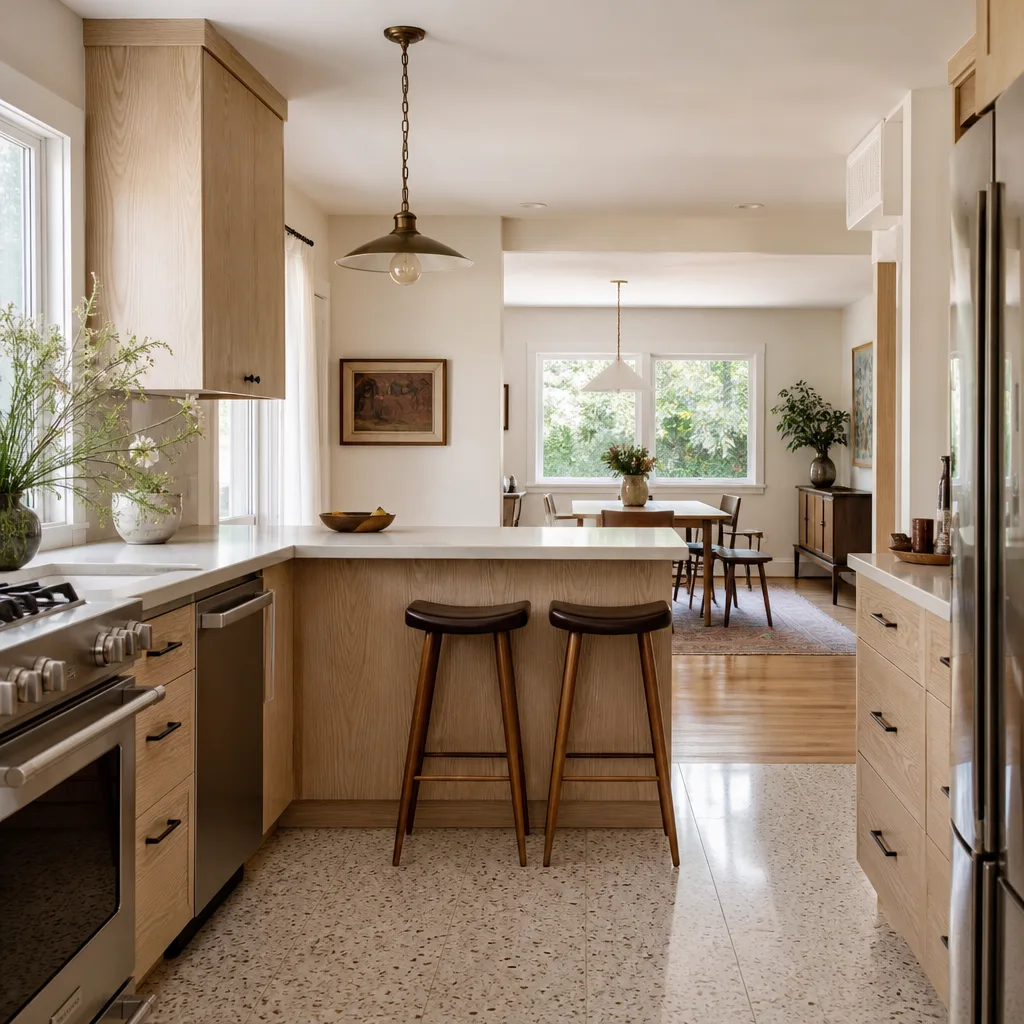
- Kitchen remodeling
- Bathroom remodeling
- Home additions & ADU
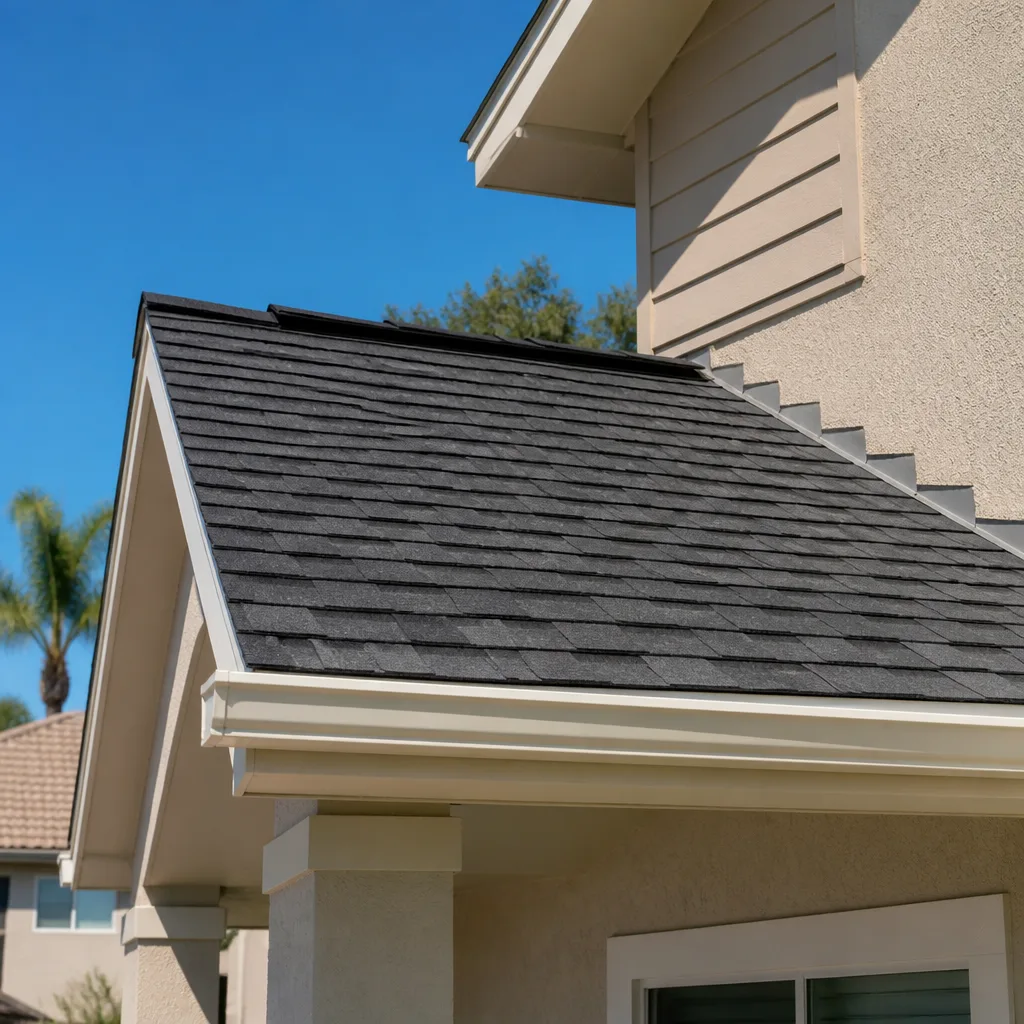
- Roofing
- Windows & doors
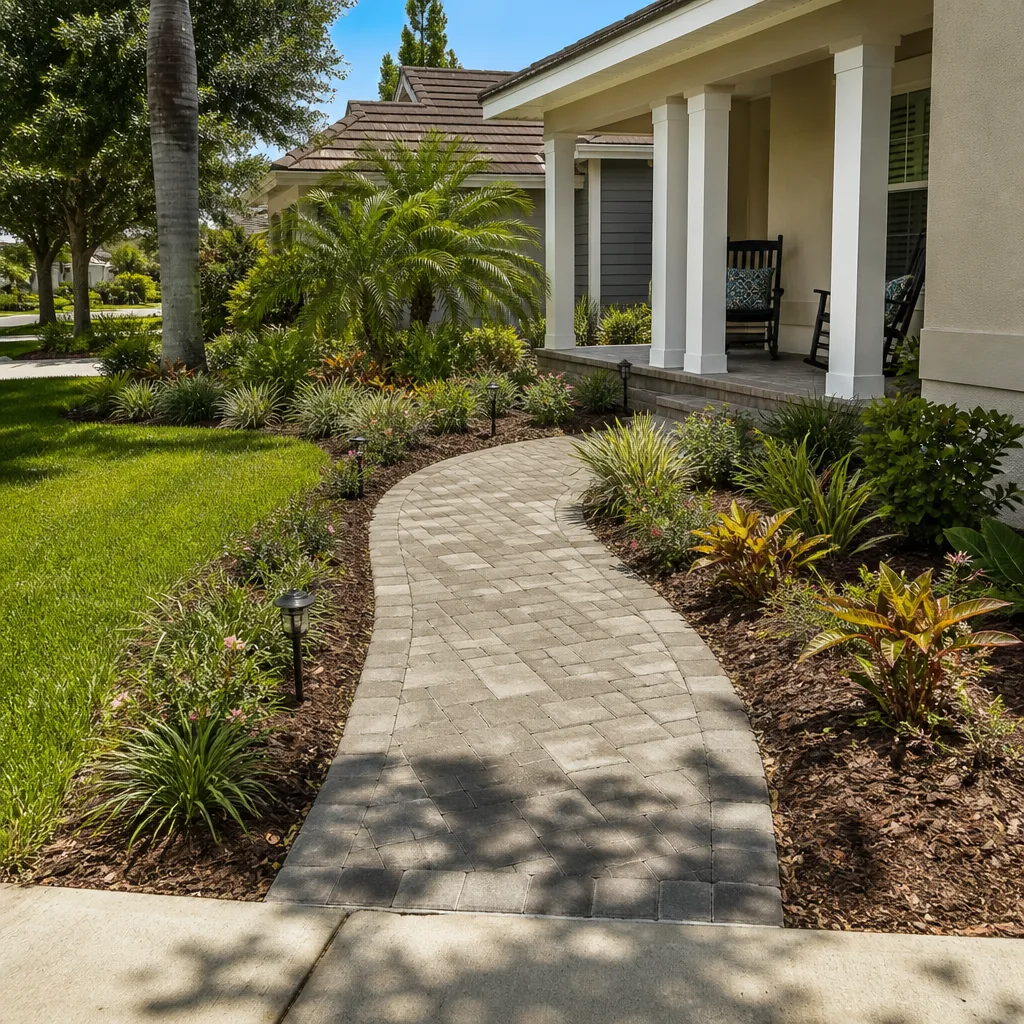
- Driveway & pavers
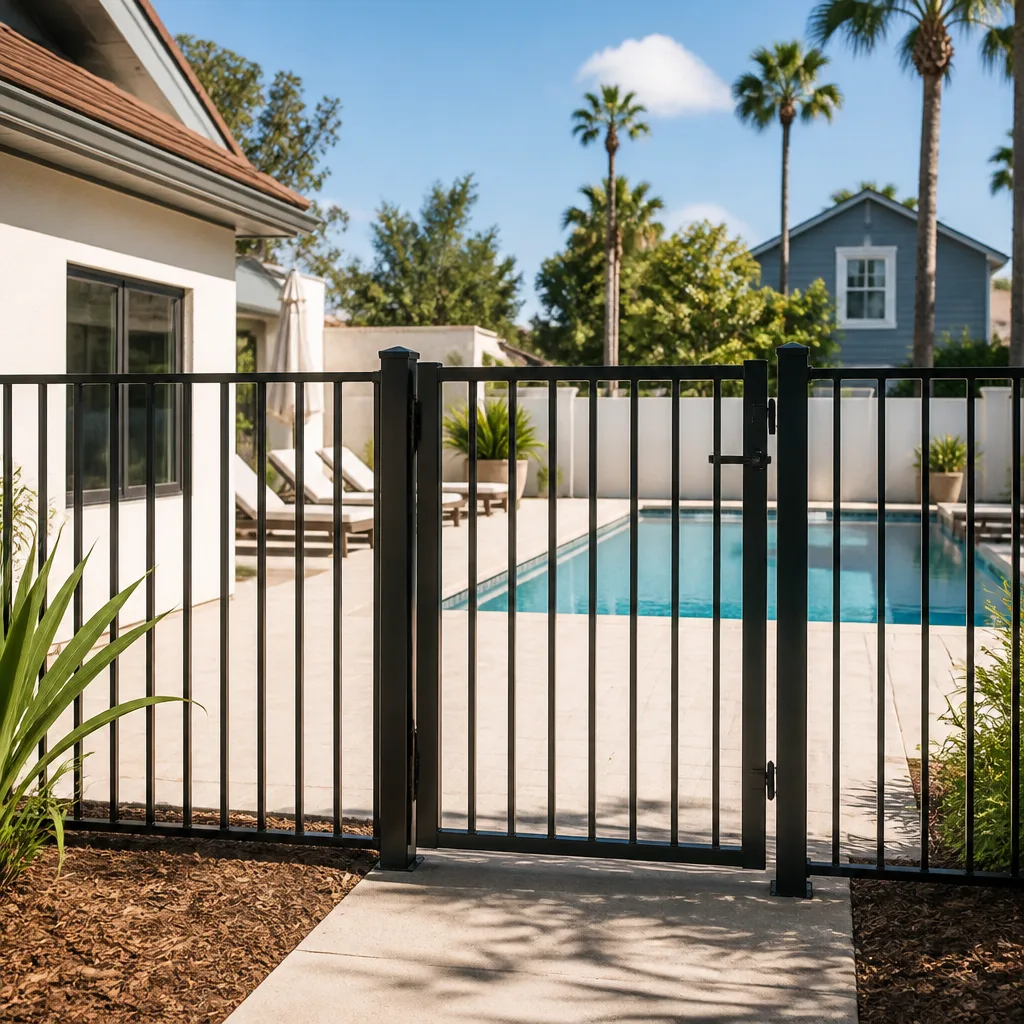
- Fence
See the difference
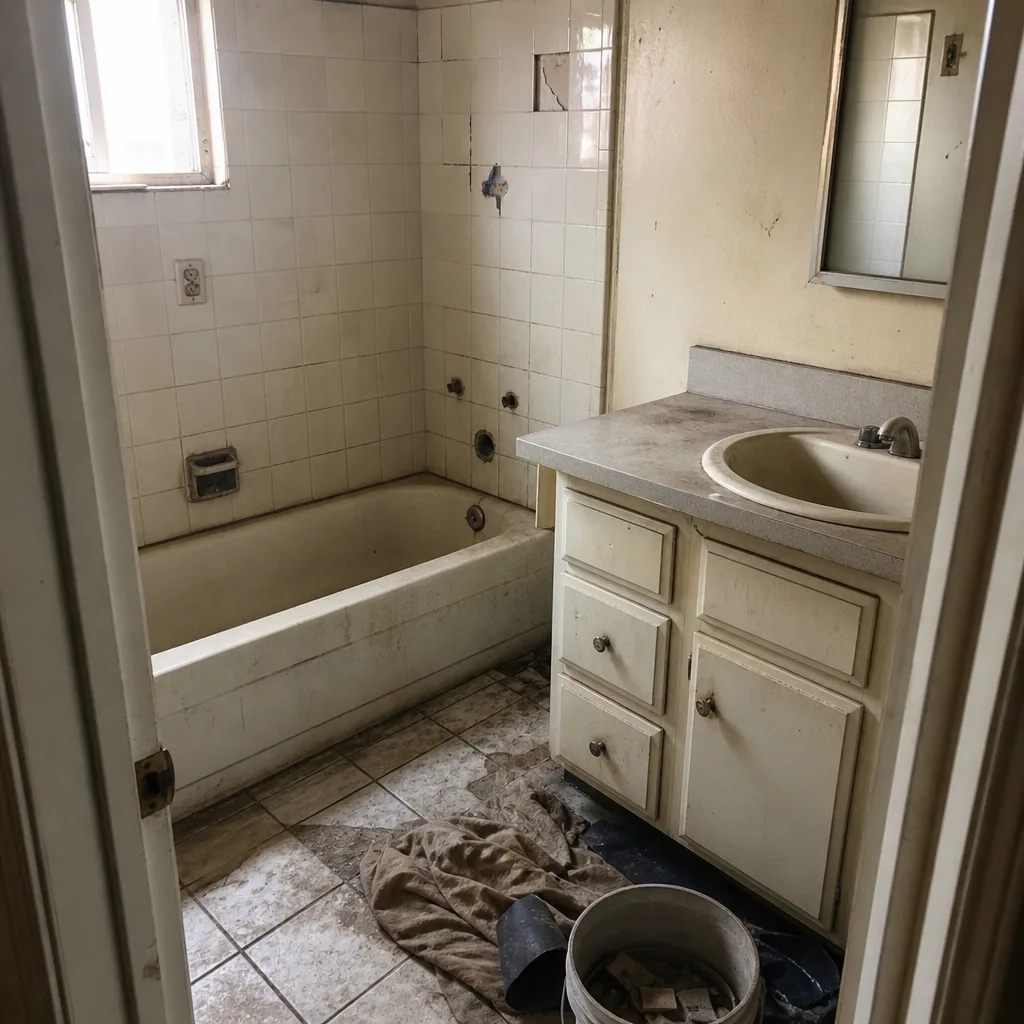 Before
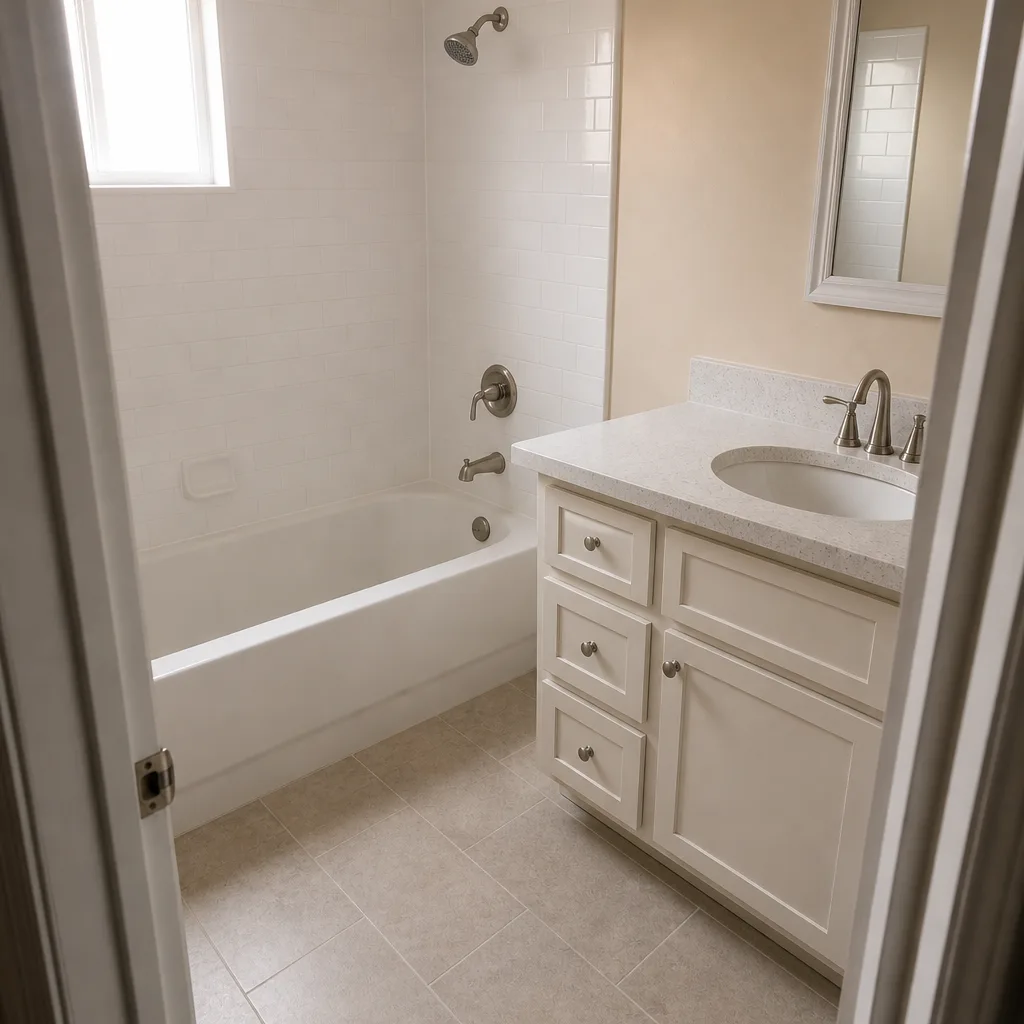 After
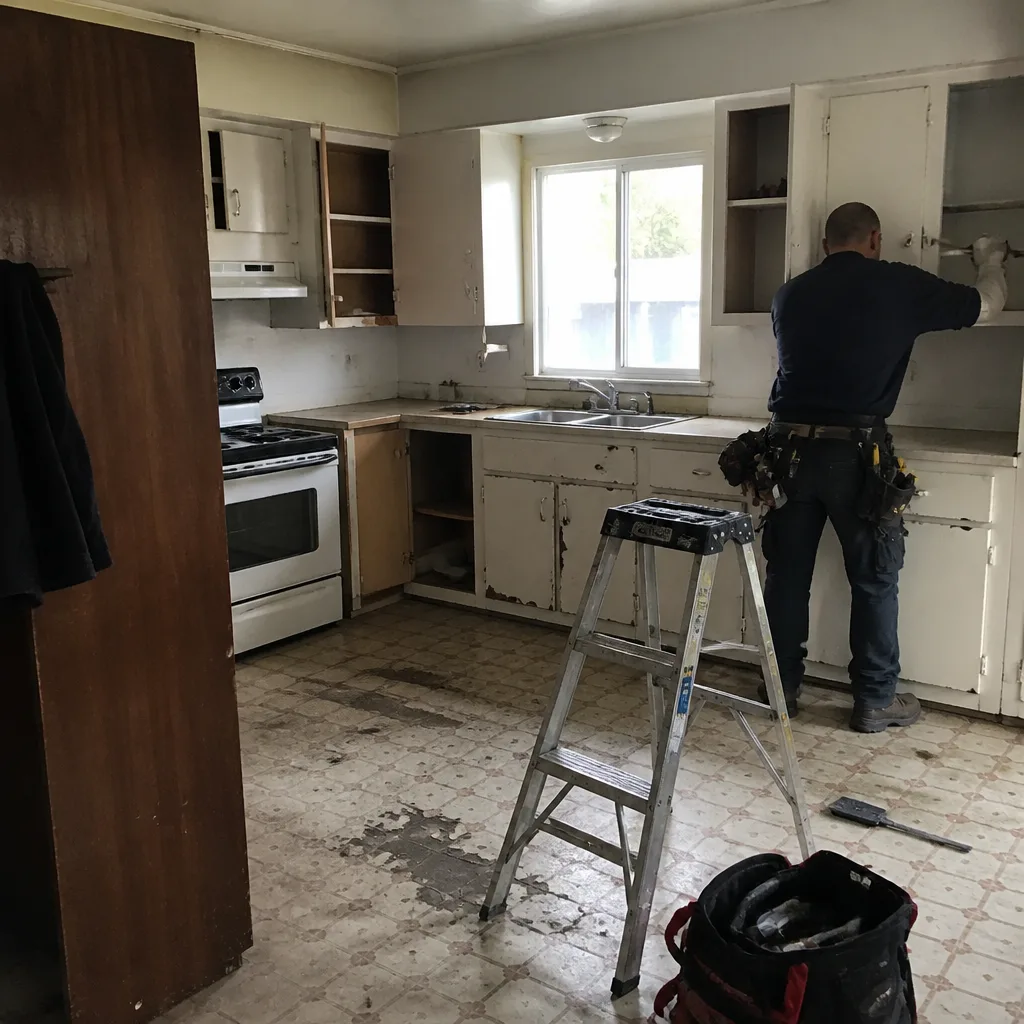 Before
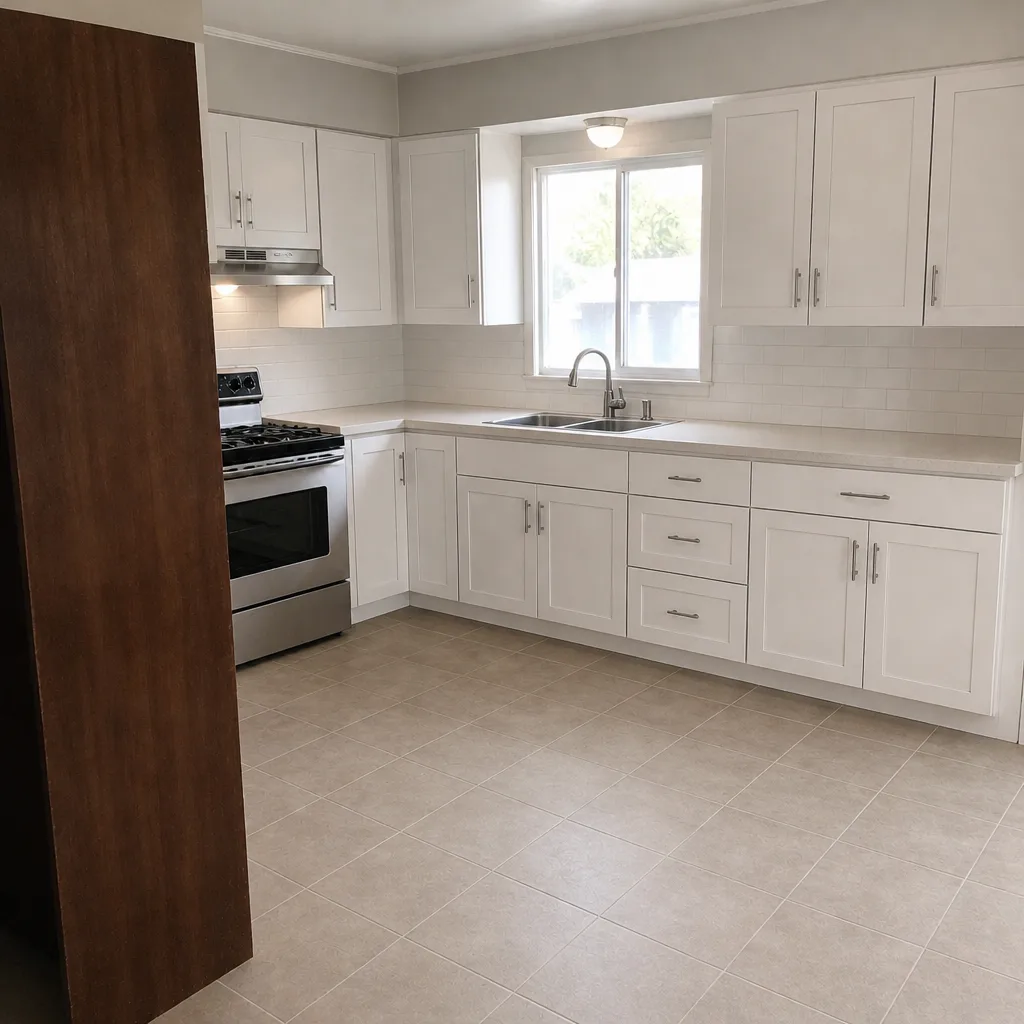 After
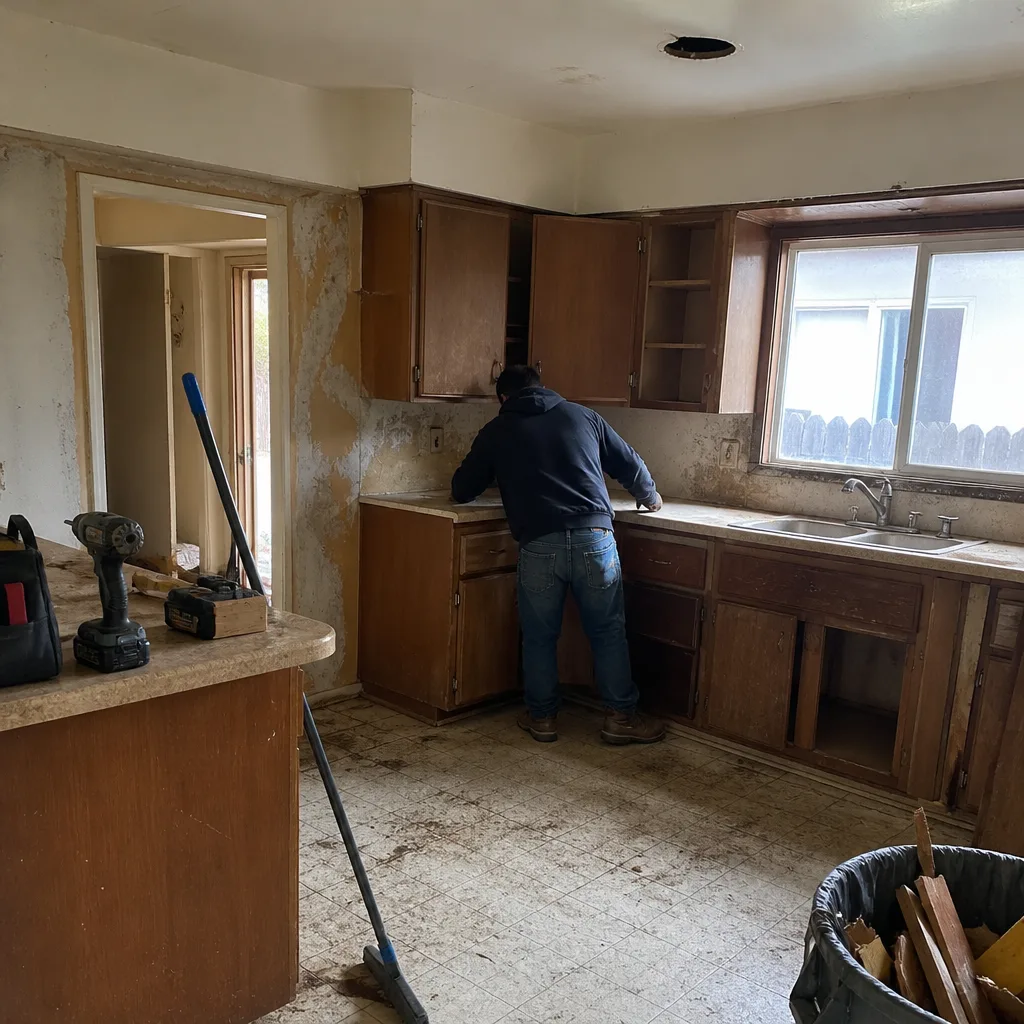 Before
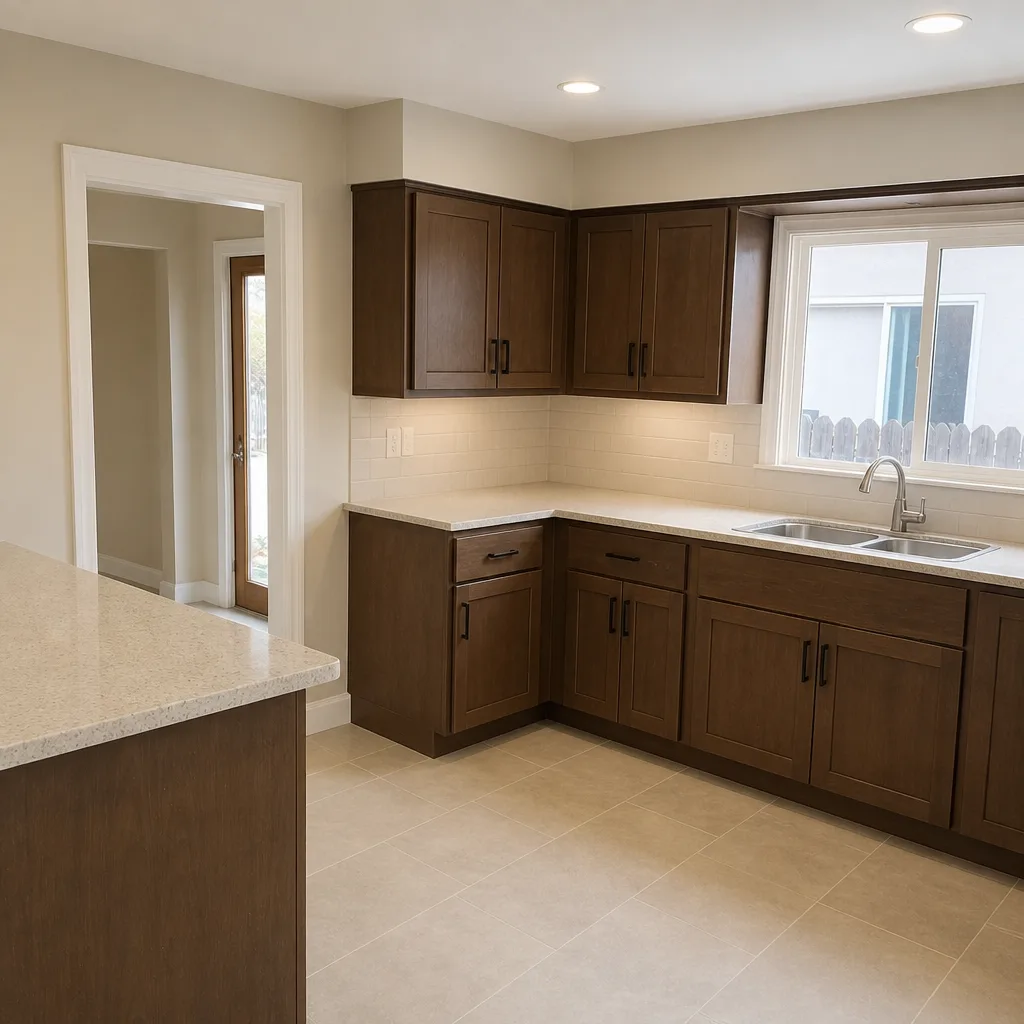 After
New Construction vs. Replacement Windows in Long Beach, CA: Which One Your Wall Actually Needs
For most Long Beach homeowners, replacement windows are the right call: they install inside the existing frame, keep your trim and stucco intact, and run $4,500-$15,000 for a typical whole-house project. Choose new construction windows instead when the frame itself is compromised – a rotted sill plate, termite damage, or a wall that needs to be opened anyway – because slipping a pocket insert into failing wood traps the problem behind a finished surface. In a 1940s bungalow here, the wall condition often makes that decision for you before preference gets a vote. Call (888) 345-8164 and we’ll tell you which side of that line your house sits on.
Groundwork Construction Co. of Long Beach works on both sides of this question every week. We’re not loyal to one method. We’re loyal to what holds up against the marine layer, the salt air off the Port, and the termites that find old fir sill plates long before anyone notices a draft.
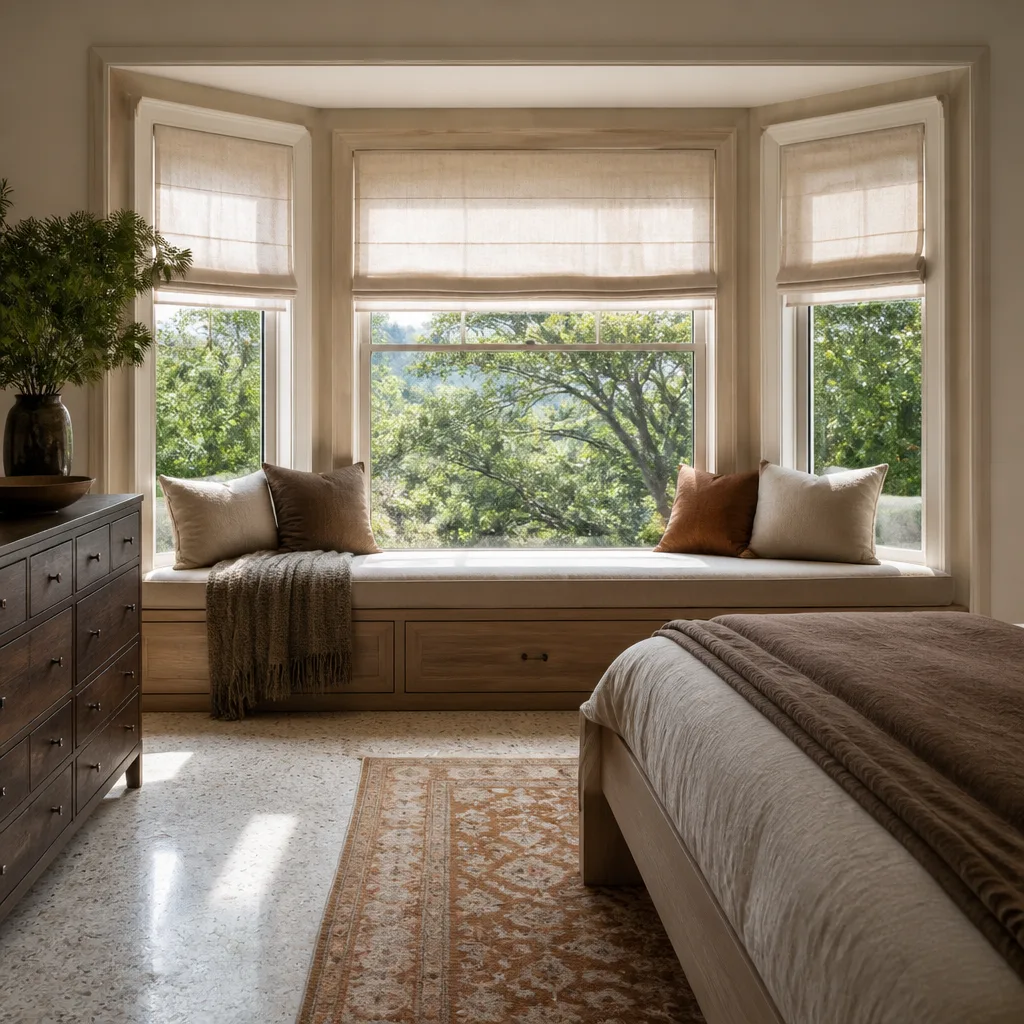
What’s the actual mechanical difference between the two?
The difference is where the window attaches to the house, and that changes everything downstream.
- Replacement (pocket) windows drop into the existing frame. A new sash and jamb cover the old one, your interior trim and exterior stucco stay put, and the work usually finishes in a day per opening. No stucco repair, no repaint, no wall opened up.
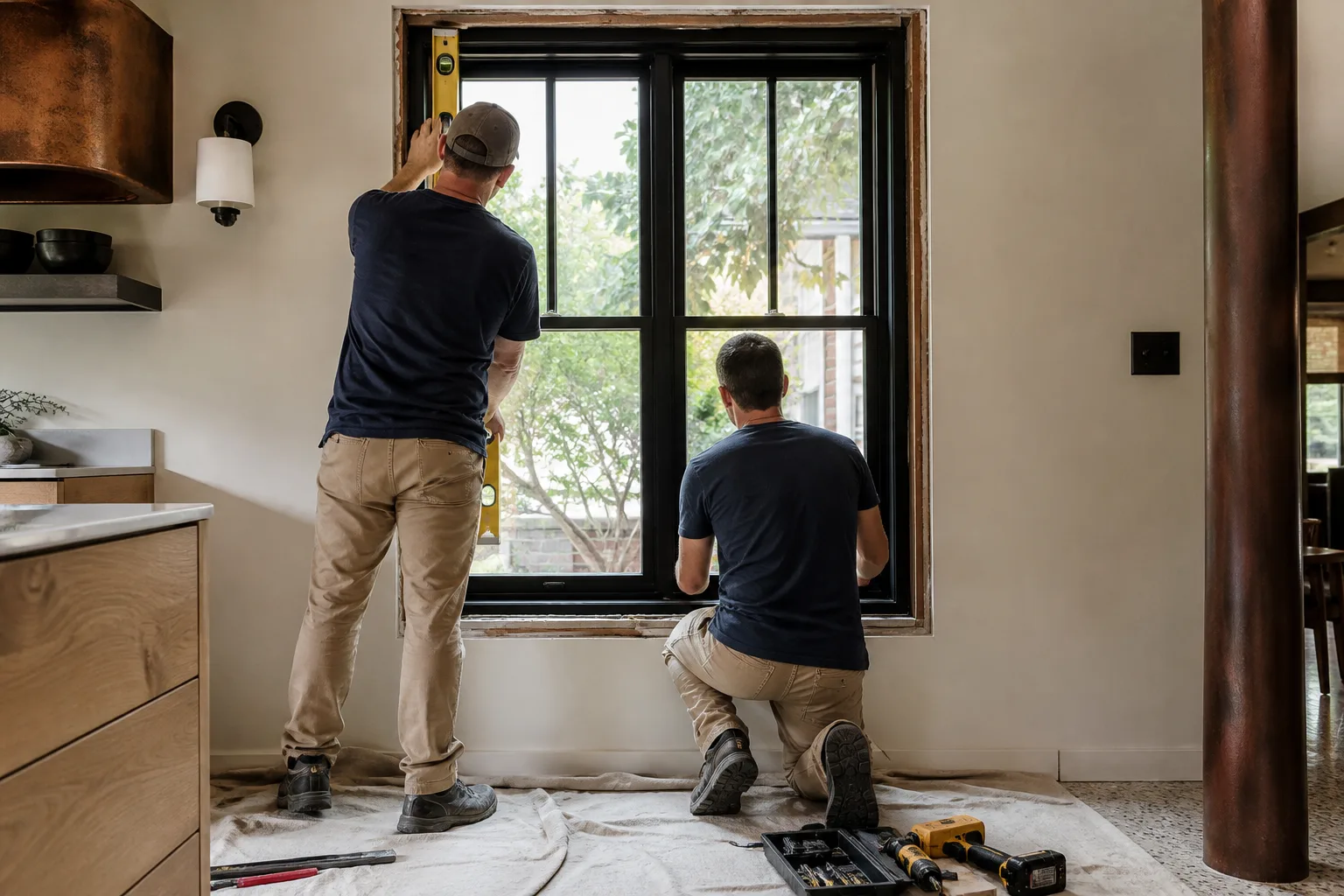
- New construction windows attach to the rough opening with a nailing fin. The exterior wall gets opened, the old frame comes out, and the window is flashed and integrated into the weather barrier before the wall is closed and re-finished. Bigger job, more trades, longer timeline.
Neither one is “better” in the abstract. A pocket window in a sound 1970s stucco fourplex is the sensible, cost-effective choice. A nail-fin window in a 1938 Craftsman where the sill plate has gone soft is the only choice that solves the actual problem. The mistake we see most is a homeowner buying a replacement window because it was quoted cheaper, then paying twice when the rot surfaces three years later.
Why Long Beach bungalows flip this decision more often than you’d expect
This city’s housing stock is old in a very specific way. Rose Park and Belmont Heights are full of 1920s-40s Spanish Colonial Revival and Craftsman bungalows, and the dense stucco fourplexes and garden apartments that followed in the 1950s-70s give you wall assemblies that were never designed for the moisture load this climate throws at them. The marine layer keeps exterior wood damp for stretches at a time, and the salt air coming off the Port accelerates corrosion on fasteners and hardware. Termites and moisture intrusion in older wood-frame bungalows aren’t the exception here; they’re the constant repair driver.
Add the dry Santa Ana wind events and near-zero annual rainfall that leave the ground cracking and pulling away from foundations, and you get a slow cycle of wet-then-dry that punishes wood sill plates and rough-opening framing. In a pre-1960s bungalow, we routinely pull interior casing and find the sill plate soft to the touch. That’s the moment the conversation changes.
What we won’t do is what some outfits do to keep a quote low: cut a pocket window into that soft wood, caulk the trim, and hand you an invoice. The rot stays hidden behind the finished surface, and you’re calling someone back in 3-5 years when the window sags or the draft returns. If the frame is compromised, the structurally correct answer is new construction with a full frame replacement – new wood, proper flashing, and a weather barrier that actually sheds water.
The stucco penalty: why new construction costs more here than inland
This is the part of the quote most homeowners aren’t expecting, and it’s genuinely a Long Beach problem. Opening a stucco exterior for a nail-fin install means you have to patch it, match the existing texture (smooth, sand, or dash – and older homes in this city can have any of the three), and in many cases re-paint a much larger field to blend the repair. On a vinyl-sided or wood-sided home, that cost essentially doesn’t exist. On stucco, it’s real work with real labor behind it.
Here’s how the two paths generally compare for a typical Long Beach window project, using the market-calibrated ranges we quote:
| Consideration | Replacement (pocket) | New construction (nail fin) |
|---|---|---|
| Typical project cost | $4,500-$15,000 | Above that range – stucco repair and repaint add cost |
| Impact-rated window project | $8,000-$25,000 | Higher still, once wall is opened and re-finished |
| Exterior trim & stucco | Preserved | Opened, patched, textured to match, repainted |
| Fixes rotted sill plate / framing | No – traps the rot | Yes – full frame replacement |
| Best fit | Sound frame, tight budget | Compromised frame, or wall already open |
We run both installation methods through the same product families – Andersen and Marvin lines both offer replacement and new construction configurations – so the recommendation rests on what the wall needs, not on which product happens to carry the better margin. That’s a promise we hold to, and it’s the reason our Windows & Doors service starts with an inspection rather than a sales pitch.
Coastal Zone and historic-district review: the detail that trips up some swaps
Long Beach construction is dominated by the collision of very old stock with very new regulation. The Coastal Zone and the city’s designated historic context mean that Coastal Commission review, historic-district design review, and seismic retrofit rules can land on the same small lot – a permitting stack you don’t hit a few miles inland in Lakewood or Compton.
In Belmont Heights and Rose Park, some replacement projects require design review even for like-for-like swaps if the visible profile changes. Here’s where new construction windows sometimes win the paperwork battle: a custom grille configuration on a nail-fin unit can match the historic profile in a way an off-the-shelf replacement insert often can’t. If your home falls inside one of these districts, we walk you through what the review board will actually look at before anyone orders a window.
Our pre-project assessment: a frame condition report, not a guess
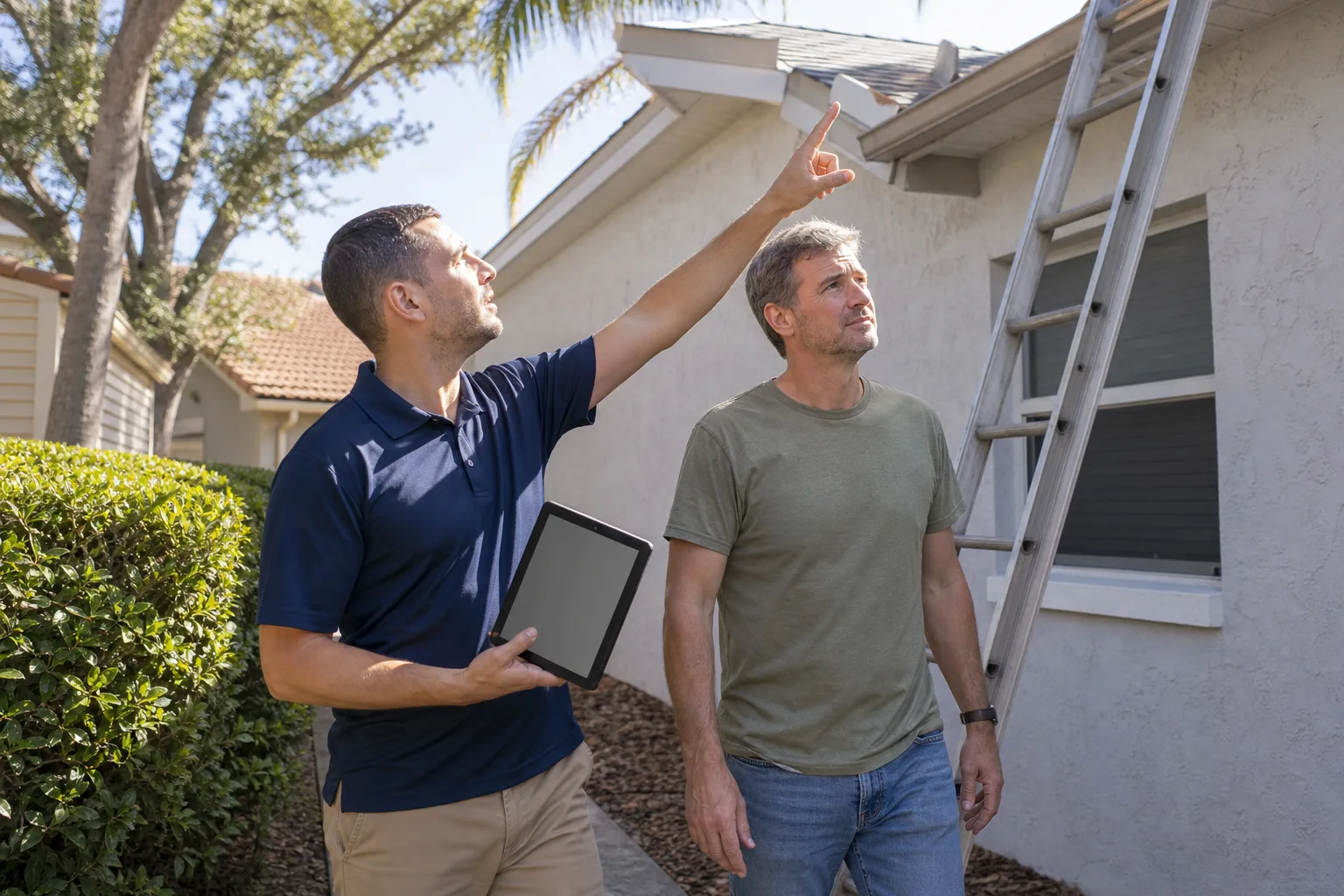
Before we quote either option, we pull back enough to see what’s behind the wall. That means checking the sill plates, the rough-opening framing, moisture readings, and any sign of termite activity, and it means handing you a written frame condition report that shows what we found. From there, the recommendation is straightforward: sound frame, pocket replacement; compromised frame, full frame replacement.
This is where the 730-Day Done Right Promise earns its keep. If it’s not done right, we make it right – and that guarantee sits behind every project whether you went with a replacement insert or a full new construction install. Calls are answered by a live person 24/7, so if a window we installed develops a problem, you’re talking to a human, not a voicemail box. Background-checked, uniformed technicians do the work, and the pricing we quote is the number you pay.
Across all seven of our service lines – kitchens, baths, roofing, windows and doors, fencing, driveways and pavers, and additions – the approach is the same: assess first, recommend honestly, back the work in writing. Read more about where we work on our Long Beach service area page.
FAQs
No, and doing it is one of the most common causes of a callback. A replacement window needs a sound frame to attach to; if the sill plate or rough-opening framing is soft from termite damage or marine-layer moisture, an insert simply traps the rot behind a finished surface. The right move is a full frame replacement with new wood and proper flashing – and a frame condition report before anyone quotes to tell you which situation you’re in.
Replacement windows in Long Beach typically run $4,500-$15,000 for a whole-house project, and impact-rated installations run $8,000-$25,000. New construction windows sit above those figures because the stucco exterior has to be opened, patched, textured to match, and often partially repainted – costs that don’t exist on vinyl- or wood-sided homes. Call (888) 345-8164 for an exact quote; estimates are free.
Sometimes, yes. In those neighborhoods, a project can trigger design review even for a like-for-like swap if the visible window profile changes, because the area sits inside a designated historic context and the Coastal Zone. New construction windows with custom grille configurations often satisfy review boards better than off-the-shelf inserts. We’ll help you understand what review will look at before your order goes in.
We can usually schedule an assessment quickly, and our calls are answered by a live person 24/7 so you’re never stuck waiting until Monday. During the visit we check frame condition, moisture, and termite activity, then recommend replacement or new construction based on what the wall actually needs. Call (888) 345-8164 and we’ll get you on the schedule.
If you’d rather have it looked at, Groundwork Construction Co. of Long Beach offers a no-pressure assessment in Long Beach – call (888) 345-8164. We’ll show you what’s behind the trim, put it in writing, and let the wall make the call.
Written by the team at Groundwork Construction Co. of Long Beach, serving Long Beach, CA.