Free written scope consultation - allowances, timeline, and change-order rules on paper before a single trade is scheduled
Styles & brands we work with
- Kitchen remodeling
- Bathroom remodeling
- Home additions & ADU
- Roofing
- Windows & doors
- Driveway & pavers
- Fence
See the difference
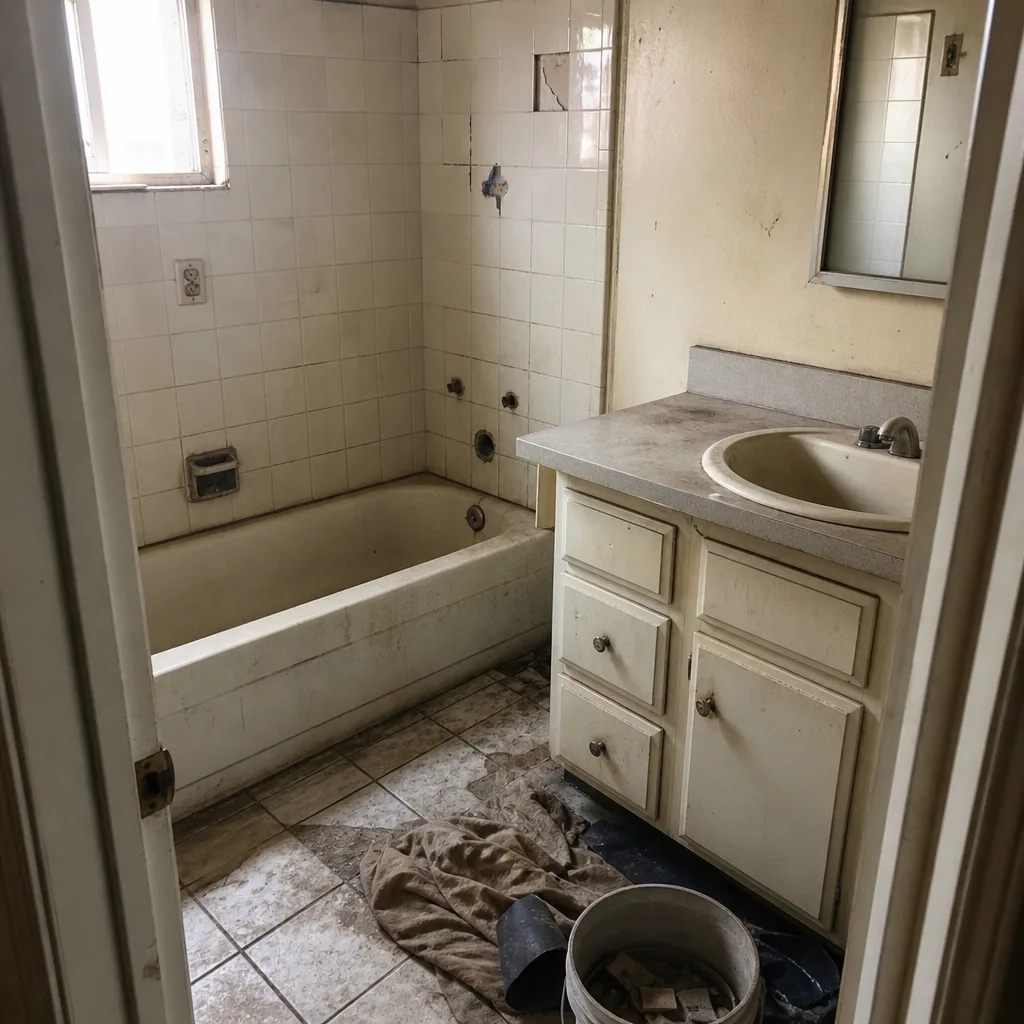 Before
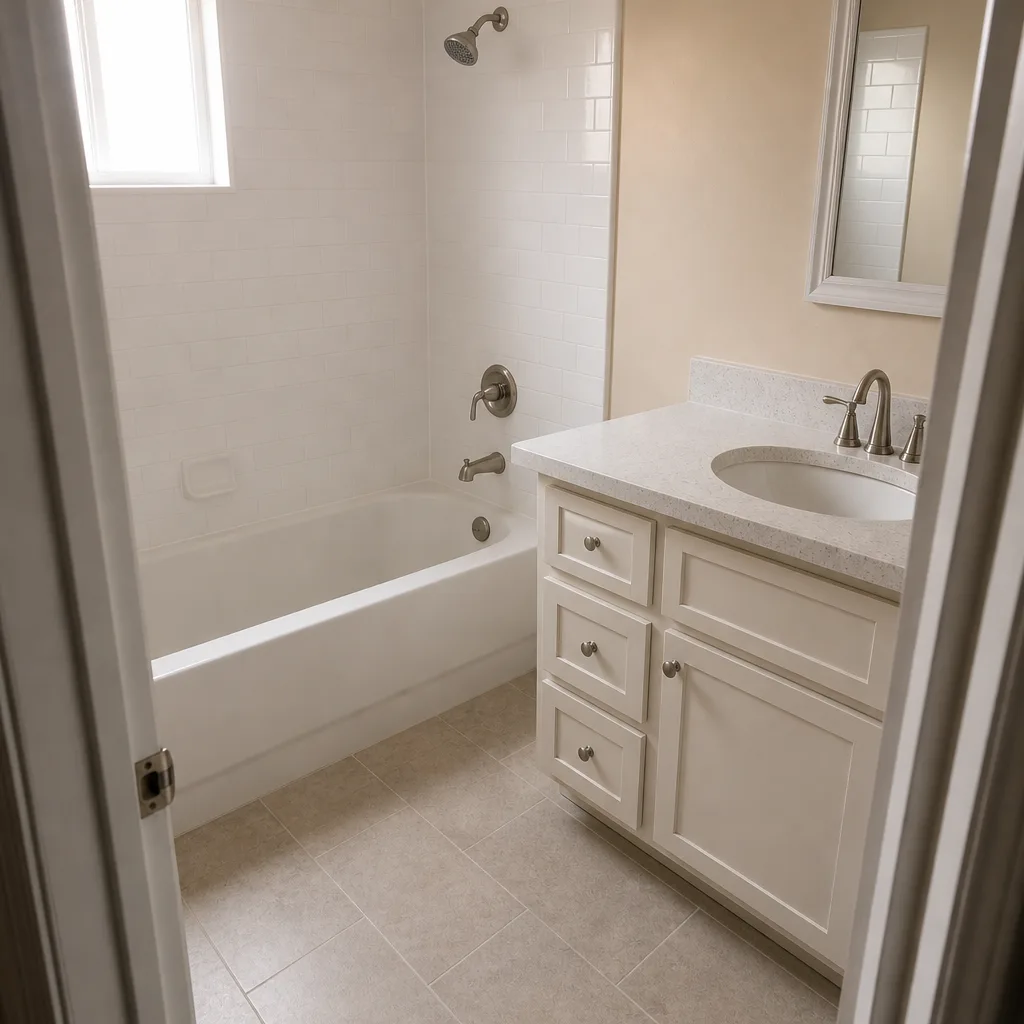 After
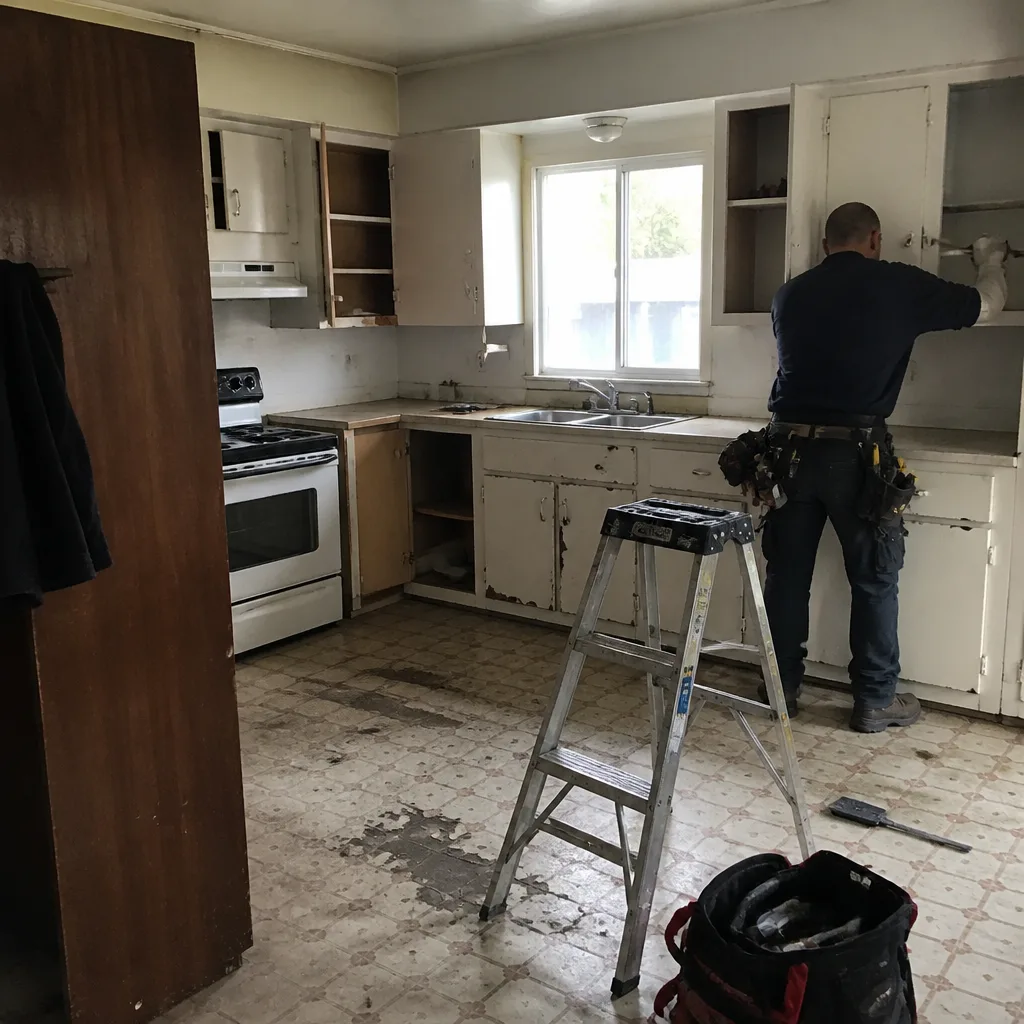 Before
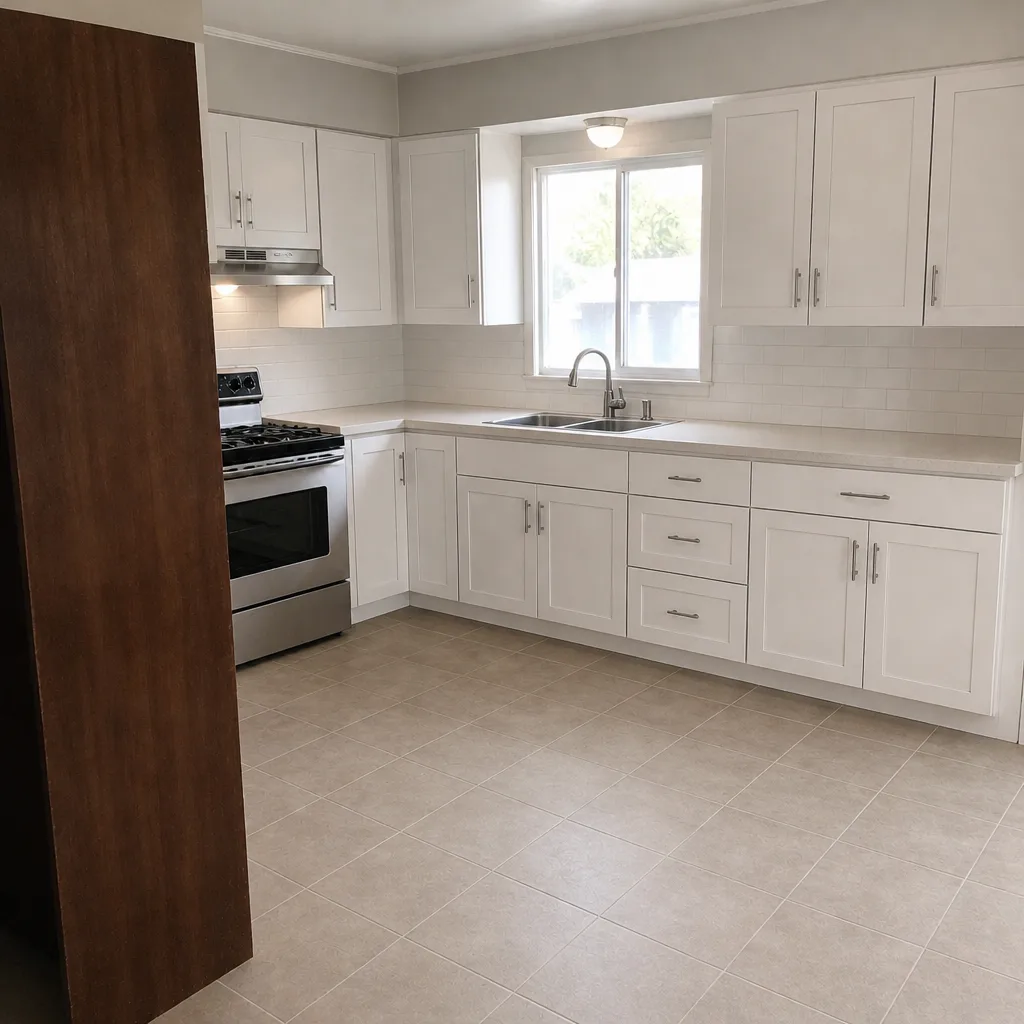 After
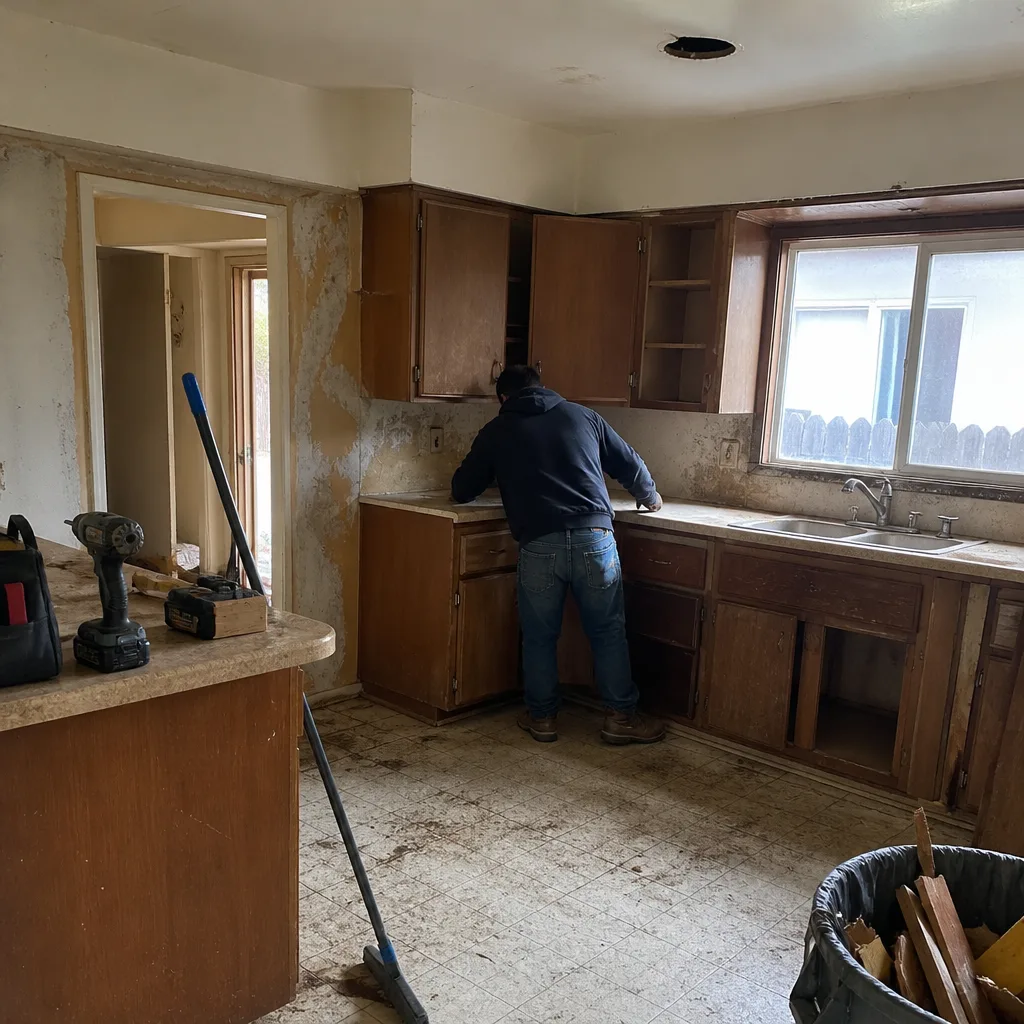 Before
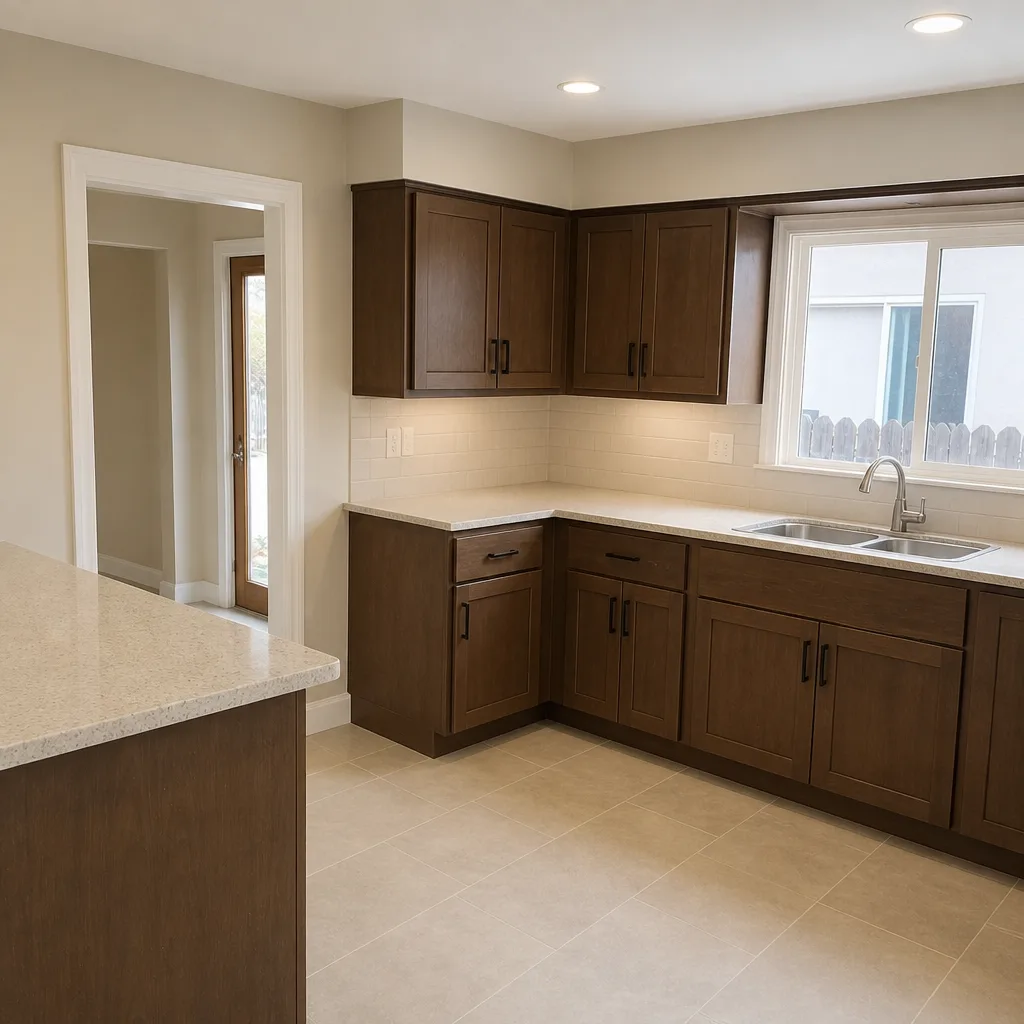 After
How Long Does a Metal Roof Last in Long Beach, CA?
A properly installed metal roof lasts 40 to 70 years in most of the country - but in Long Beach, plan on the realistic number being shorter unless the system is spec’d for the coast. The single biggest variable is fastener corrosion, followed by the panel coating and how close the house sits to the Port of Long Beach and the open water. Get those three right and a metal roof can outlive the mortgage; get them wrong and you’ll be chasing leaks by year 20. Questions about your specific roof? Call Groundwork Construction Co. of Long Beach at (888) 345-8164.
Most of the “50-year metal roof” research behind the industry’s standard lifespan numbers comes from inland test sites - dry, landlocked conditions with no salt spray, no marine layer, and no port traffic sitting two miles upwind. Long Beach has all three. That changes the corrosion timeline in ways a generic longevity chart won’t tell you.
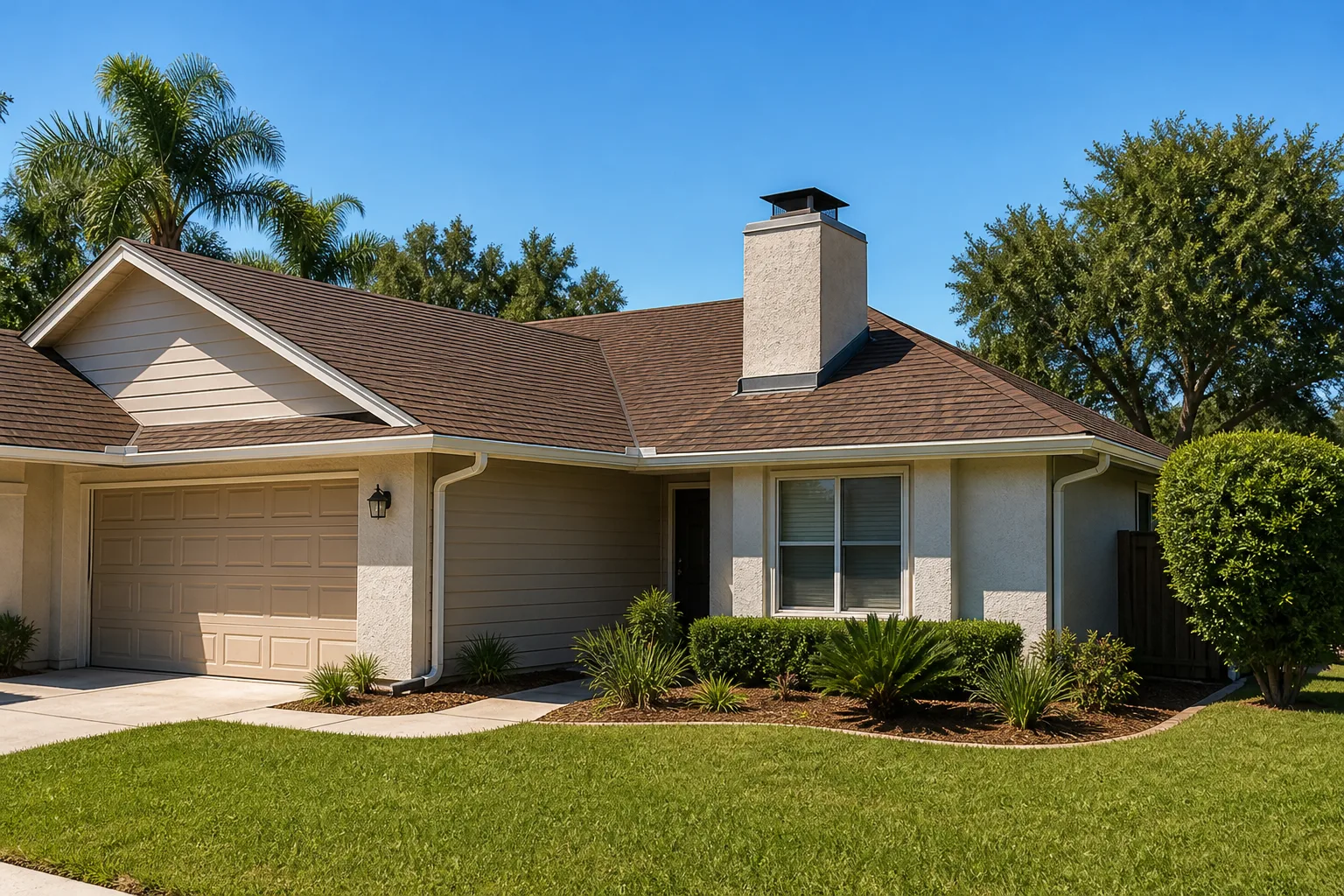
Why Long Beach Is Harder on Metal Than the National Averages Suggest
The marine layer off the Port of Long Beach deposits salt on roof surfaces every night and burns it off by mid-morning. That wet-dry cycle repeats roughly 300 days a year, and it’s the mechanism that drives corrosion on fasteners, cut panel edges, and any metal that isn’t fully coated. Salt-spray zones within about 1,500 feet of the ocean or heavy port activity can cut the working life of uncoated galvanized steel panels by 15 to 20 years compared with the same panel installed in Lakewood or Compton.
What that means practically: coastal-spec materials aren’t an upsell in Long Beach, they’re the baseline. Kynar 500-coated steel and stone-coated steel systems hold up where bare galvanized and low-grade painted panels fail early. The coating isn’t cosmetic - it’s the barrier between the steel and the salt.
Rainfall isn’t the issue here. Long Beach gets near-zero annual rainfall most years, so ponding water on low-slope panels is a minor concern compared with what you’d worry about in Seattle. The real stress comes from dry Santa Ana wind events, which push panels through repeated thermal expansion and contraction. Over a decade, that cycling works on every clip, every overlap, and every penetration seal. Panel overlap and clip systems matter more here than in wetter climates, not less.
What to look for when you’re comparing metal roof bids in Long Beach
- Coating spec on the panel. Ask for the coating system by name - Kynar 500 or equivalent - and get it in writing. A “painted steel panel” line item doesn’t tell you enough.
- Fastener material. Stainless steel or sealed fasteners, spelled out. Galvanized fasteners are the first failure point on coastal metal roofs.
- Clip and overlap details. On a Santa Ana wind corridor, proper clip spacing and overlap spec is a workmanship question, not a materials question.
- Decking plan. If your Long Beach home still has original skip sheathing under the old roof, solid decking typically has to go in before metal panels. That’s a real line item, not a surprise.
- Workmanship warranty length. Installation errors show up in the first two years. If the warranty on labor is shorter than that, you’re carrying the risk.
Fasteners: The Failure Point That Decides Your Roof’s Real Lifespan
If you remember one thing from this page, make it this: on a coastal metal roof, the fasteners fail before the panels do. Stainless or sealed fasteners add a modest amount to the upfront bid - often a few hundred dollars on a typical Long Beach residential job - and they prevent the single most common mid-life repair driver we see in this market.
When galvanized fasteners corrode, the seal around the screw head breaks down, and water finds the penetration. That’s when you start getting the small, hard-to-trace leaks that lead to sheathing rot and, eventually, panel replacement in patches. Twenty years in, a roof that should have been a 50-year roof becomes a repair project. It’s the kind of thing that never shows up on a materials comparison chart but absolutely shows up on your repair bills.
The same logic applies to cut panel edges and any field-cut penetrations around vent stacks and skylights. Those are the spots where the coating barrier is broken and salt gets its first foothold. Sealing those correctly at install is what separates a coastal-spec job from a standard install.
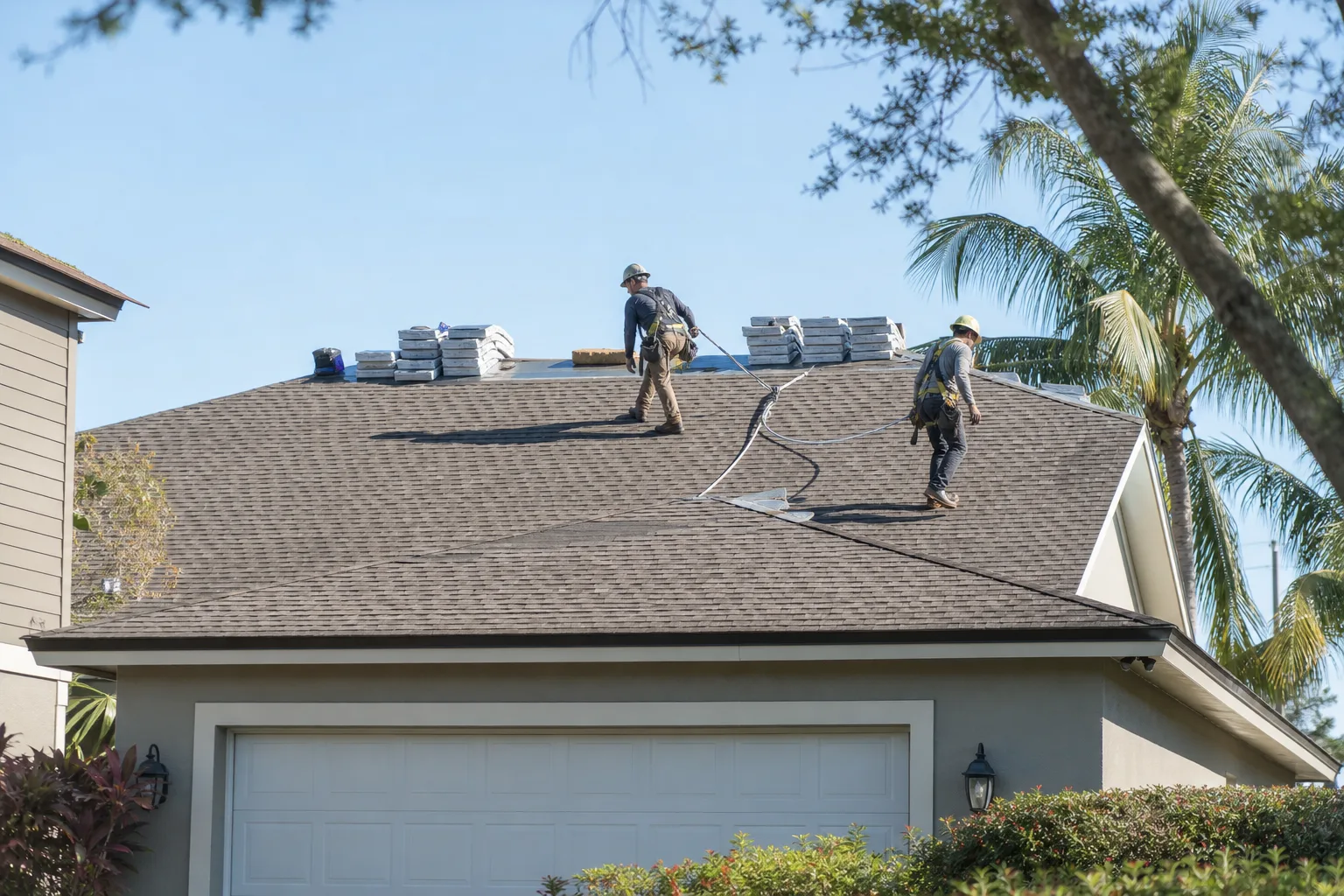
What a Metal Roof Costs in Long Beach - and Why the Number Varies
Metal roof installation in Long Beach runs $15,000 to $40,000 for a typical residential project, depending on roof size, panel style, coating spec, and whether re-decking is required. Here’s how the pricing breaks down against related work:
| Project | Typical Long Beach Range |
|---|---|
| Metal roof installation | $15,000 - $40,000 |
| Standard roof replacement (asphalt) | $8,000 - $20,000 |
| Roof repair (leaks, flashing, fasteners) | $400 - $1,800 |
| Tile roof repair | $600 - $2,500 |
Groundwork Construction Co. of Long Beach quotes all of this with upfront pricing - the number you see is the number you pay. We install rated metal systems, and the workmanship side - clips, flashing, penetration seals, decking - is covered under our 730-Day Done Right Promise. If it’s not done right, we make it right. That two-year window is exactly when installation errors surface, which is why the guarantee length matters more on a coastal metal roof than it does on a shingle job in a landlocked market.
If you’re also weighing this against a full replacement, our Roofing page covers the broader replacement process, and you can see what else we handle across the Long Beach service area.
Long Beach roofing isn’t just a coastal question. The city’s building stock collides old and new on the same lot - pre-1933 bungalows in Rose Park and Belmont Heights sit in a Coastal Zone and historic context, so Coastal Commission review and historic-district design review can land on a re-roof project alongside seismic retrofit requirements. If your home has original skip sheathing and an un-permitted addition from decades ago, the decking and framing assessment is part of the honest number.
Financing makes the coastal-spec upgrade easier to absorb
Metal roofing is a long-horizon purchase, and the difference between a mid-grade panel and a coastal-spec system is often within reach when you spread the cost. We offer 0% financing for 18 months and $1,000 off projects over $10,000. Estimates are free, and we’ll walk the roof and tell you what your specific installation actually needs rather than quoting the same system for every house on the block.
FAQs
A Kynar 500-coated or stone-coated steel roof in Long Beach typically lasts 40 to 60 years; uncoated galvanized steel in a salt-spray zone can lose 15 to 20 years off its lifespan and fail much earlier, often starting at the fasteners around year 20 to 25. Coating and fastener spec determine the number far more than panel thickness does. Call (888) 345-8164 for a free roof assessment - we’ll tell you what your existing decking and exposure actually need.
Most metal roof leaks in Long Beach are repairable, and the fix usually runs $400 to $1,800 if it’s a fastener, flashing, or penetration-seal issue. If the leak traces back to widespread fastener corrosion or failed coating across multiple panels, patching becomes a losing battle and section replacement is usually the better call. Call us for an inspection and a straight answer - estimates are free.
Kynar 500 is a fluoropolymer coating system that holds up to salt spray, UV, and thermal cycling far better than standard painted steel panels, and it’s the coastal-spec choice in Long Beach, not an optional upgrade. Standard painted panels chalk and fade faster under marine conditions, and once the coating breaks down, corrosion starts at the edges and penetrations. Ask any contractor to specify the coating by name in the bid.
In many older Long Beach homes, yes - if the original skip sheathing is still in place, solid decking typically has to go down before metal panels go on. Skip sheathing was standard practice for 1920s Craftsman bungalows and Spanish Colonial Revival homes, and it wasn’t built to carry a metal roof system. The re-deck work is a real line item, so any honest estimate should include it up front. Call for a free inspection and we’ll tell you which situation your roof is in.
Wrapping Up: Get the Number Right the First Time
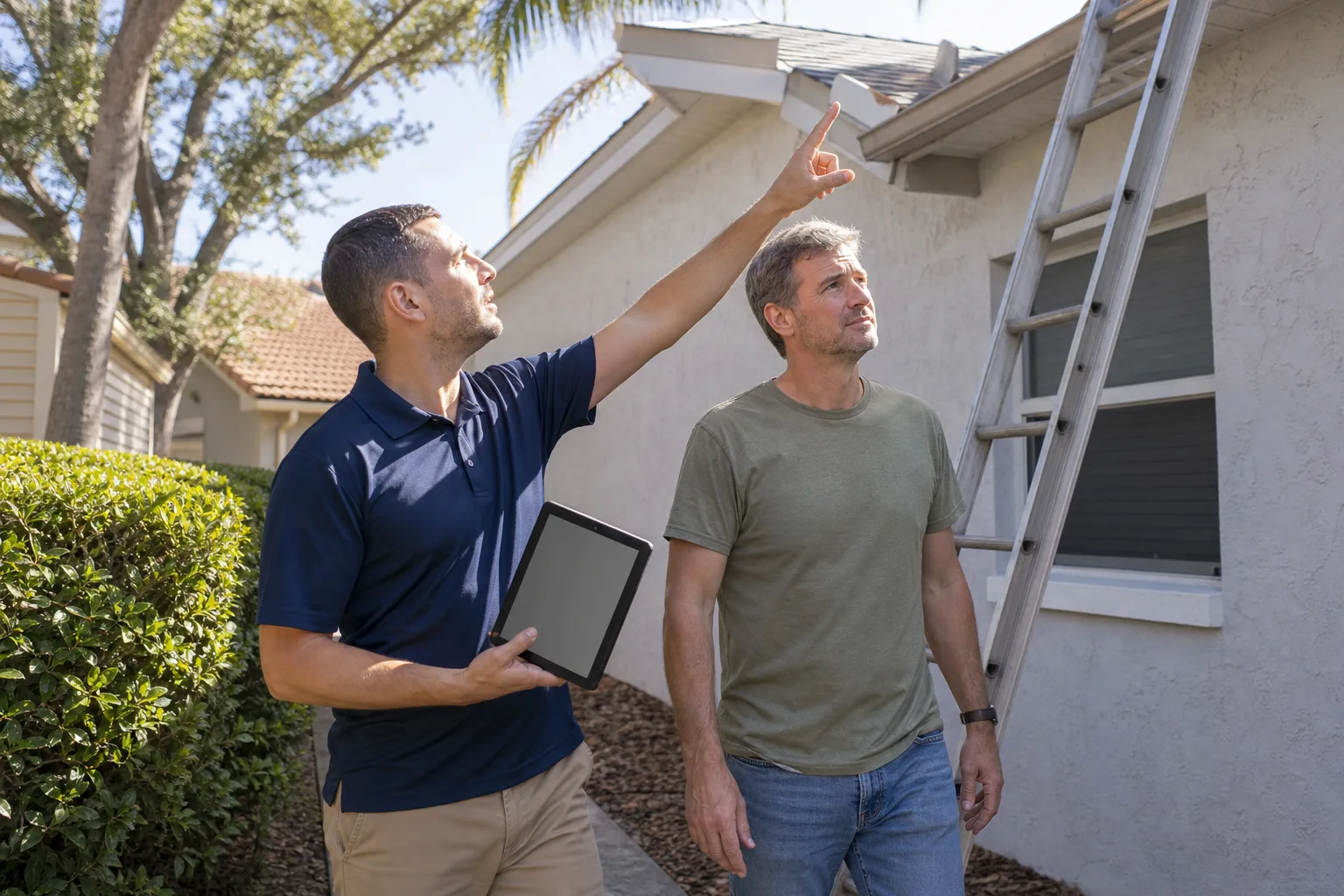
If you’d rather have it looked at, Groundwork Construction Co. of Long Beach offers a no-pressure assessment in Long Beach - call (888) 345-8164. We’ll walk the roof, check the fasteners and decking, and give you an upfront price with no surprises.
Written by the team at Groundwork Construction Co. of Long Beach, serving Long Beach, CA.