Free written scope consultation - allowances, timeline, and change-order rules on paper before a single trade is scheduled
Styles & brands we work with
- Kitchen remodeling
- Bathroom remodeling
- Home additions & ADU
- Roofing
- Windows & doors
- Driveway & pavers
- Fence
See the difference
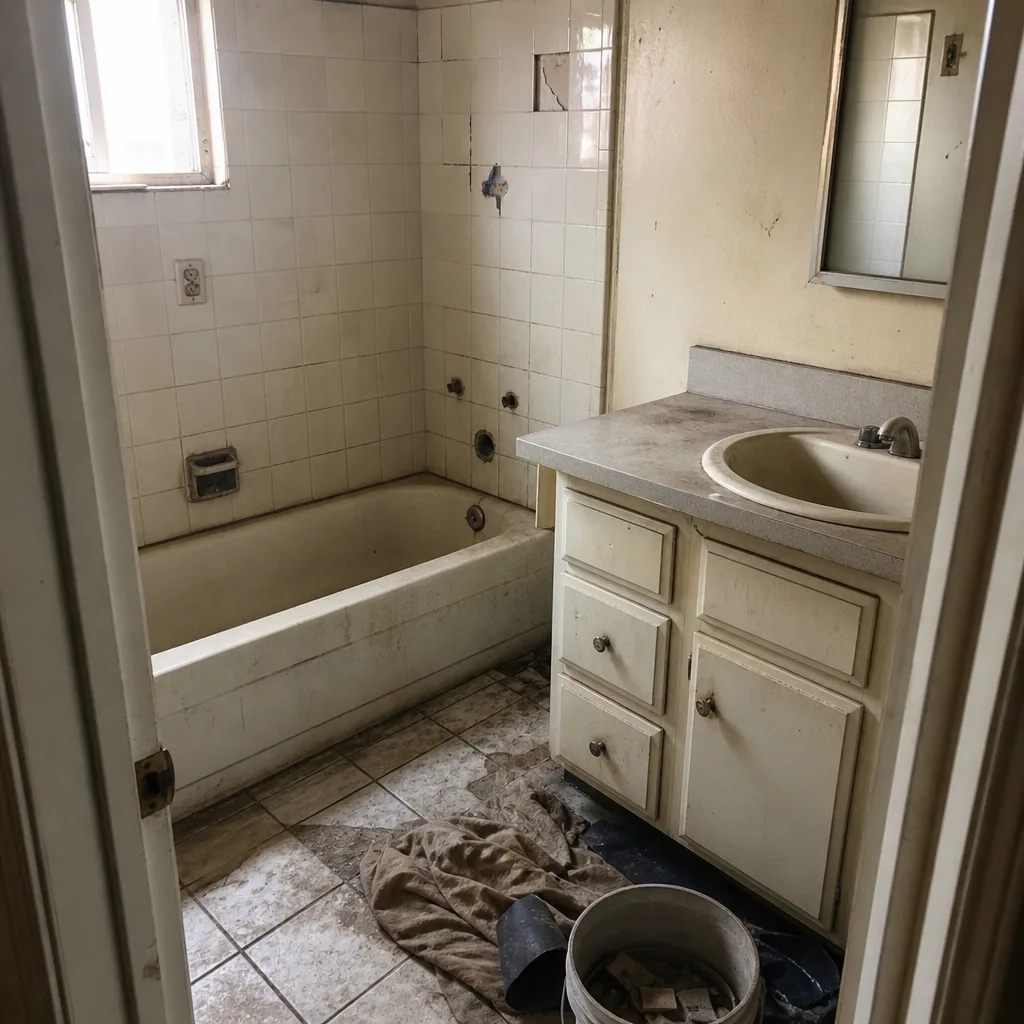 Before
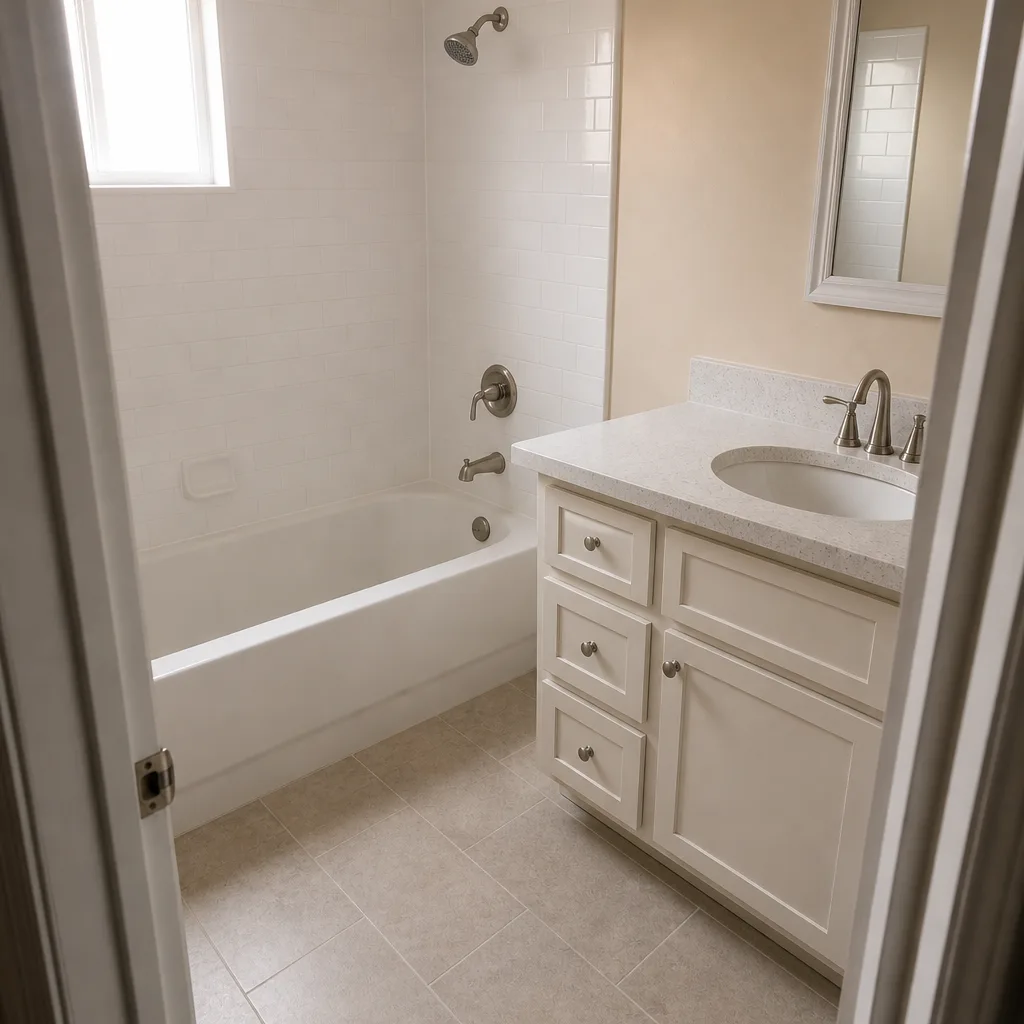 After
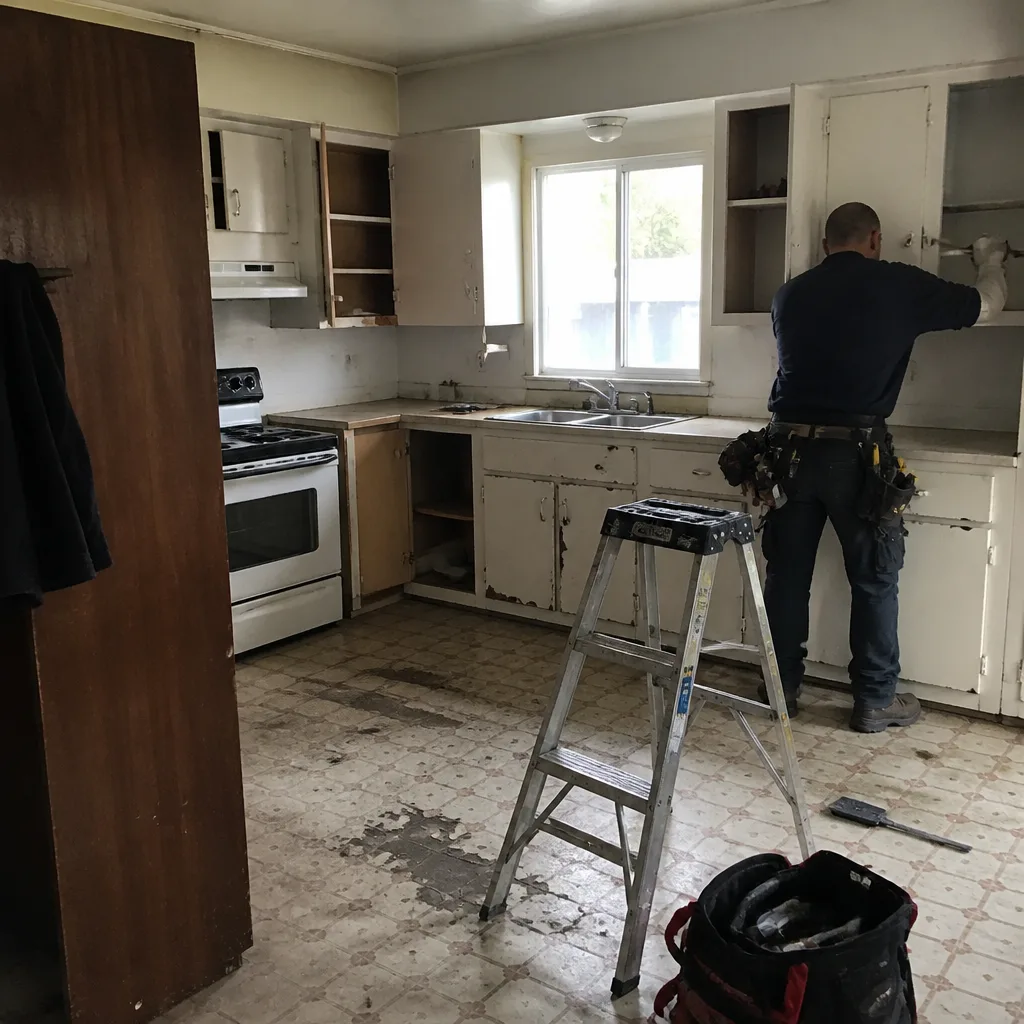 Before
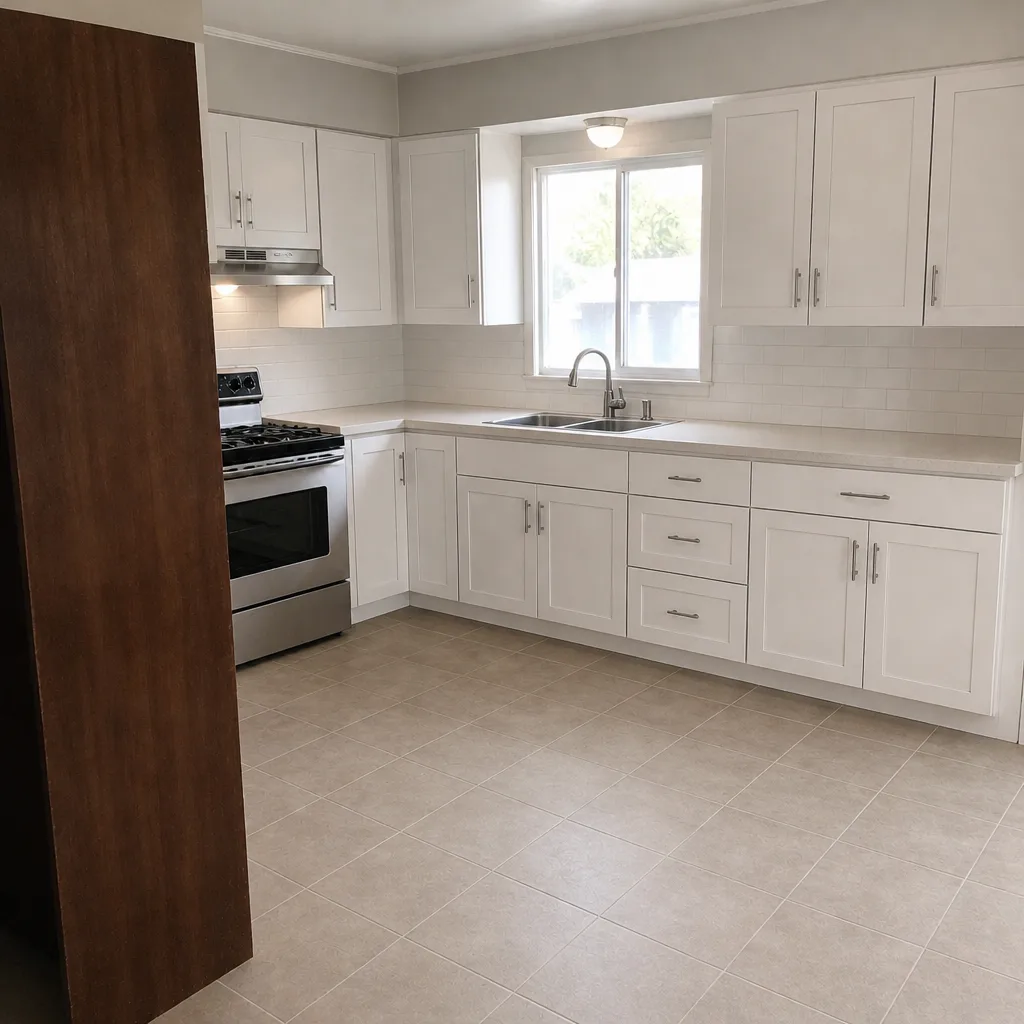 After
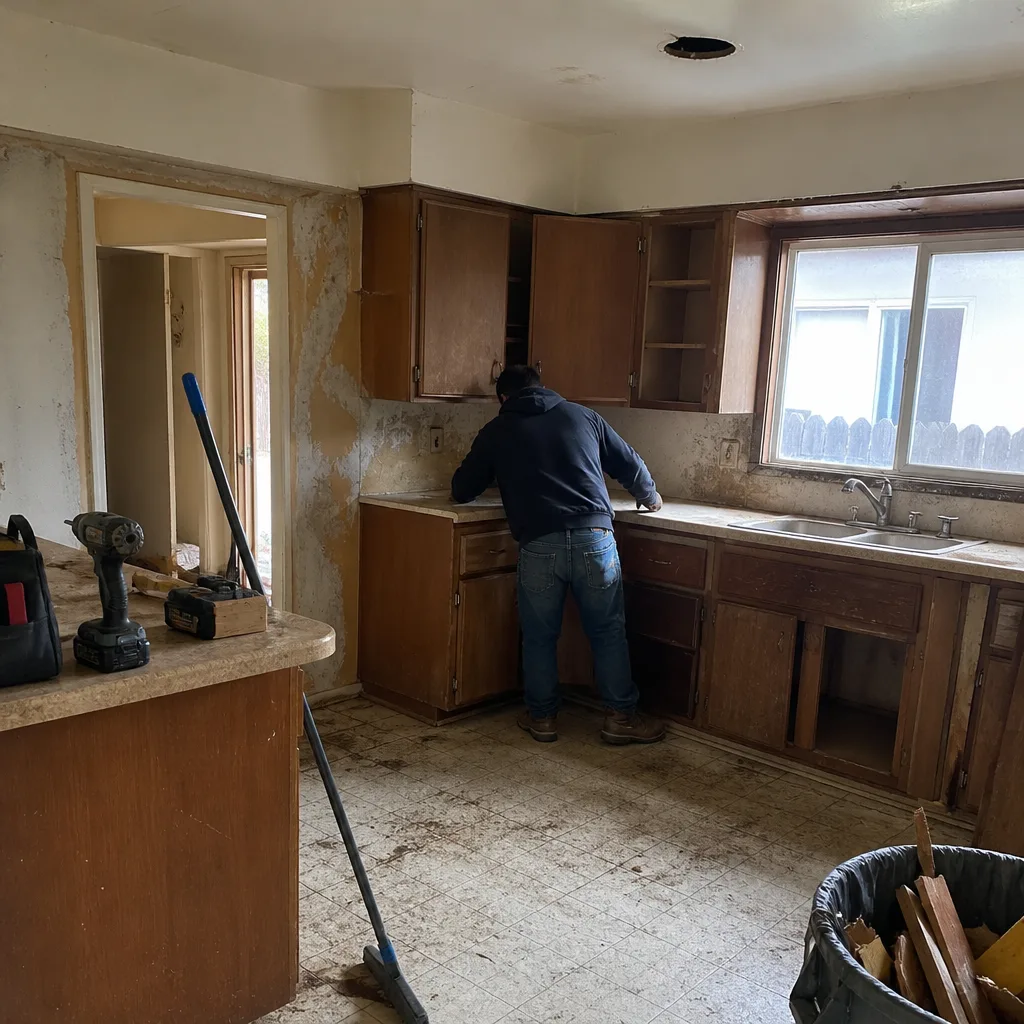 Before
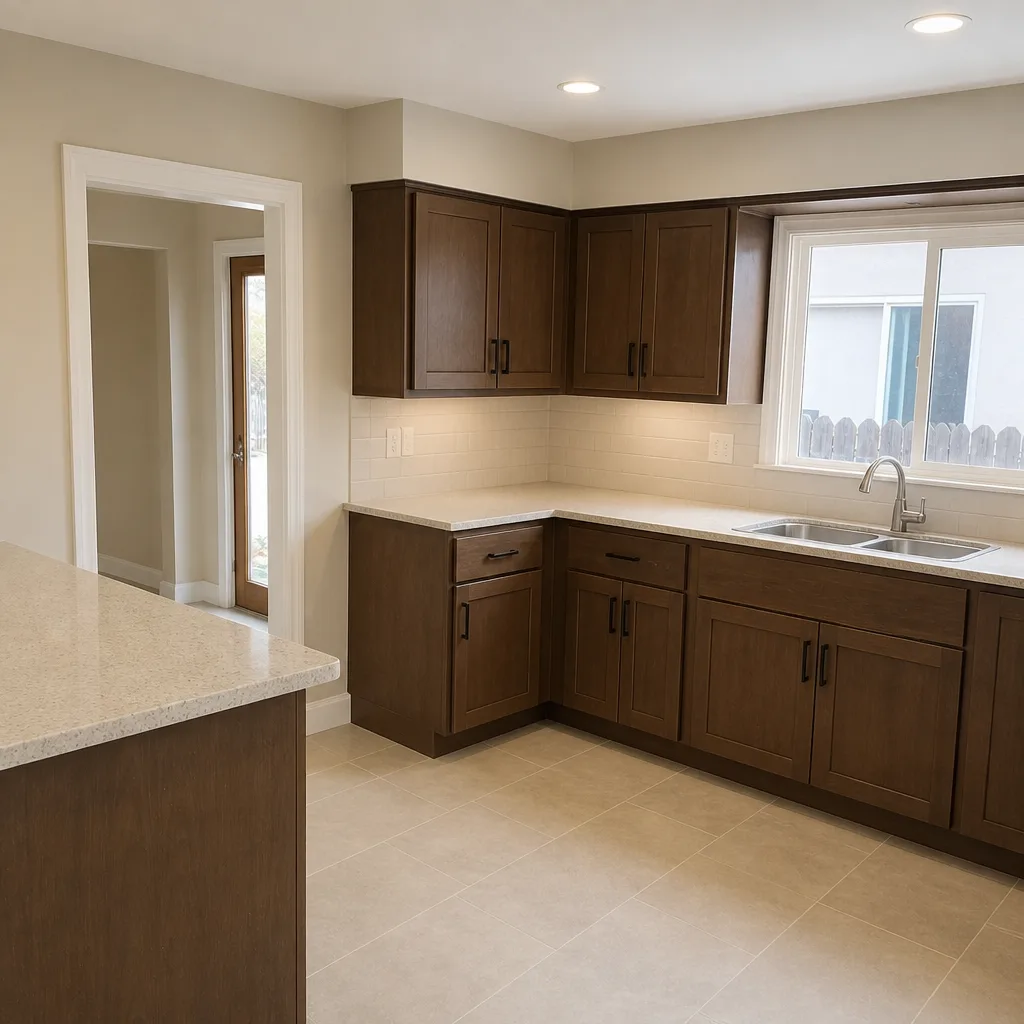 After
Garage Conversion vs New ADU in Long Beach: Which One Can You Actually Build?
Choose a garage conversion if your existing detached garage has a serviceable slab and framing, sits within setbacks, and you want the lowest-cost path to a legal unit. Choose a new detached ADU if the garage needs major structural remediation, sits too close to a property line, or you want a layout purpose-built for rental income. In Long Beach, the cost question is real but secondary - the parcel usually settles the argument before a contractor does. Call Groundwork Construction Co. of Long Beach at (888) 345-8164 and we’ll walk your specific lot through the filter below.
Most homeowners come to us asking which option costs less. We get it, and we can answer that. But on a typical Long Beach infill lot, the more useful question is which one you’re legally and physically allowed to build - because a garage that can’t be converted cleanly or a lot that can’t carry another structure eliminates one option no matter what the spreadsheet says.
Start With the Parcel, Not the Price Tag
Long Beach infill lots are scarce and expensive, and the housing stock is old. Walk down a block in Rose Park or the east-side fourplex corridors and you’re looking at 1920s-1940s Spanish Colonial Revival and Craftsman bungalows sitting next to dense 1950s-1970s stucco fourplexes. Most of these parcels were never designed with a second dwelling in mind. That’s why the decision framework here runs on four filters, in order:
- Parcel eligibility. Is there a detached garage that can legally be converted - meaning it’s on the same parcel, it’s not a shared structure, and converting it doesn’t push you into another zoning conflict?
- Lot coverage. A new detached ADU adds footprint. Does the added square footage push the lot past the zoning maximum coverage? On a tight infill lot, it often does.
- Setbacks. Does the existing garage already sit closer to the property line than a new structure would be allowed to? If it was built before current rules, a conversion may be grandfathered where a new build wouldn’t clear the setback requirement.
- Infrastructure. Does the garage already have water, sewer, and electrical nearby, or would a new build have a shorter, cheaper utility stub-out run?
The right answer falls out of that filter. Cost comparison comes after. If you want the broader picture of what we build under this umbrella, our Home Additions & ADU in Long Beach page lays out the full scope.
Why Long Beach Garage Conversions Often Run Over Budget
A 1950s detached garage in Long Beach is not a clean shell. Between the marine layer and salt air off the Port of Long Beach, exterior wood and fasteners corrode and rot faster than almost anywhere inland. Add a compromised slab, framing that’s absorbed decades of moisture, and no utility rough-ins, and you’re looking at $20,000-$35,000 in remediation before a single dollar of conversion work starts.
That changes the math. Once you’ve spent that remediation, a new detached ADU on a clean slab may only be $15,000-$25,000 more - and you get a 30-year durable structure instead of a repaired one carrying forward someone else’s 1950s engineering. On older bungalows we also run into original knob-and-tube wiring and un-permitted additions built decades ago, which adds discovery and correction time to any conversion. That’s a real reason conversions surprise people, not a sales line.
How the Coastal Zone Changes the Timeline for Each
Long Beach sits in a Coastal Zone, and that overlay treats the two options differently. A new detached ADU in the Coastal Zone requires a full Coastal Development Permit including design review for massing, materials, and view impact. A garage conversion in the same zone still needs a CDP, but because no new structure is added to the lot, it usually faces less design scrutiny. The practical difference is a timeline swing of 60-90 days in favor of the conversion. If you’re working backward from a moving-in date or a rental start date, that matters as much as the construction budget.
Cost Comparison at a Glance
Here’s how the two options stand side by side, using Long Beach market ranges. These are pre-remediation baselines for a garage conversion:
| Factor | Garage Conversion | New Detached ADU |
|---|---|---|
| Typical project range | $30,000-$80,000 | $90,000-$220,000 |
| Remediation before build (1950s garage) | $20,000-$35,000 | Not applicable (new slab) |
| Coastal Development Permit | Required, lighter design review | Required, full design review adds 60-90 days |
| Lot coverage impact | None added | Adds footprint; may exceed zoning max |
| Setback risk | Often grandfathered | Must meet current setbacks |
| Layout for rental appeal | Constrained by existing footprint | Purpose-designed |
Our full Home Additions & ADU work runs $45,000-$130,000 depending on scope and site. For context elsewhere in our work: kitchen remodels run $14,000-$45,000, bathroom remodels $9,000-$28,000, and roof replacements $8,000-$20,000. When we bid an ADU or conversion, those supporting trades show up as line items, not surprises.
The Rental Math That Sometimes Justifies the More Expensive Option
A new detached ADU can be designed for rental demand from the ground up: ceiling height, natural light, a private entrance, a layout that actually works for a tenant. A garage conversion is boxed in by an existing footprint and ceiling structure. In Long Beach’s strong rental market, a unit that commands $400 more per month pays back the construction premium in 3-4 years. That’s the honest case for spending more - and it only holds when the parcel actually allows the new structure.
Common Local Scenarios We See
A Rose Park bungalow with a leaning garage. The slab has settled, framing shows rot at the base plates, and there’s no electrical panel at the structure. Here the conversion often wins anyhow if the budget is fixed and the lot coverage is maxed out - but only after we’ve priced a full remediation honestly rather than tucking it into a lump sum.
An east-side fourplex lot with a tight property line. The existing garage already sits inside current setback limits. A new detached structure won’t clear review, so the conversion is the only path. We confirm this before design starts, not after.
A mid-block lot with room to build. Plenty of yard, clean access, utility stub-out short. A new detached ADU delivers better rental upside and a new structure, and the Coastal Zone timeline is worth the wait.
Our technicians have up to 12 years of experience on local projects like these, and Groundwork Construction Co. of Long Beach prices both options side by side so you’re choosing with real numbers. Every project is covered by our 730-Day Done Right Promise: if it’s not done right, we make it right. Calls are answered by a live person, 24/7, and our background-checked, uniformed technicians show up on schedule.
Why an Honest Recommendation Requires a Contractor Who Builds Both
If the only quote you get is from a contractor who prefers one path, you’re not comparing options - you’re comparing a recommendation to silence. The only way to get a straight garage-conversion-versus-new-ADU answer is from a builder with no financial incentive to steer you toward the pricier choice. We present both with itemized line items under upfront pricing, no surprises. Finishing touches include material partners like Caesarstone and Kohler when the unit calls for them. And when the numbers are in, that’s your call to make: 0% financing for 18 months applies, and projects over $10,000 get $1,000 off.
FAQs
On paper, yes: a garage conversion typically runs $30,000-$80,000 versus $90,000-$220,000 for a new detached ADU. But a 1950s Long Beach garage with a compromised slab and no utility rough-ins can add $20,000-$35,000 in remediation, narrowing the gap to $15,000-$25,000. Call (888) 345-8164 for an exact side-by-side - estimates are free.
Yes. A garage conversion in the Coastal Zone still requires a Coastal Development Permit, but because no new structure is added to the lot, it usually faces lighter design review than a new detached ADU and can move 60-90 days faster. We confirm your parcel’s status before design begins. Call (888) 345-8164 to walk through your lot.
Not always. On tight infill lots, adding a new detached structure can push you past the zoning maximum for lot coverage even when the ADU itself is permitted. A garage conversion adds no new footprint, which is why it’s often the only viable path. We check coverage and setbacks before pricing. Call (888) 345-8164 for a no-pressure assessment.
Converting is cheaper to build, but a purpose-designed new ADU can command $400 more per month in Long Beach’s rental market, paying back the construction premium in 3-4 years. Which wins depends on your parcel and your rental goals, not the construction number alone. Call (888) 345-8164 and we’ll model both with real line items.
Get Both Options Priced Before You Decide
If you’d rather have it looked at than argued about on a forum, Groundwork Construction Co. of Long Beach offers a no-pressure assessment in Long Beach - we’ll filter your parcel, price both paths, and hand you the numbers with no sales pitch attached. Call (888) 345-8164 for a free estimate. Upfront pricing, no surprises.
Written by the team at Groundwork Construction Co. of Long Beach, serving Long Beach, CA.