Free written scope consultation - allowances, timeline, and change-order rules on paper before a single trade is scheduled
Styles & brands we work with
- Kitchen remodeling
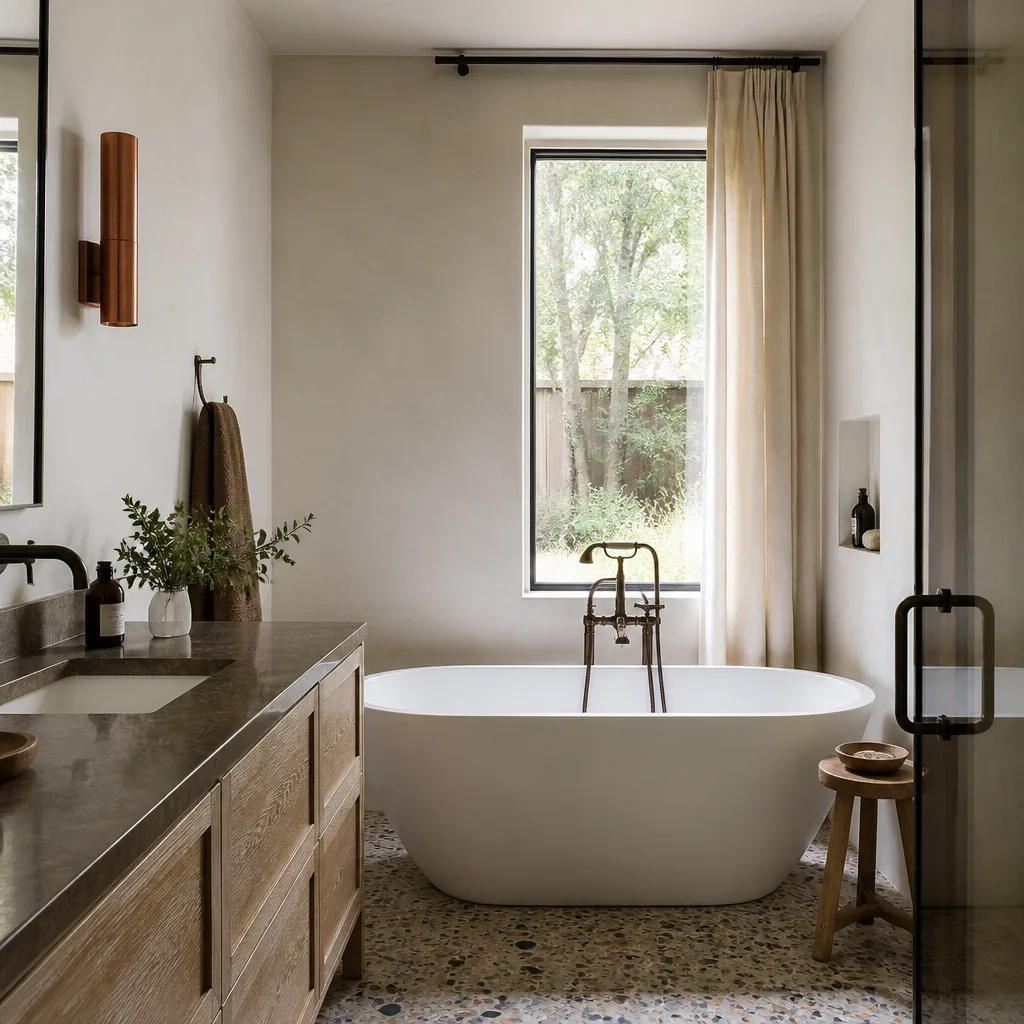
- Bathroom remodeling
- Home additions & ADU
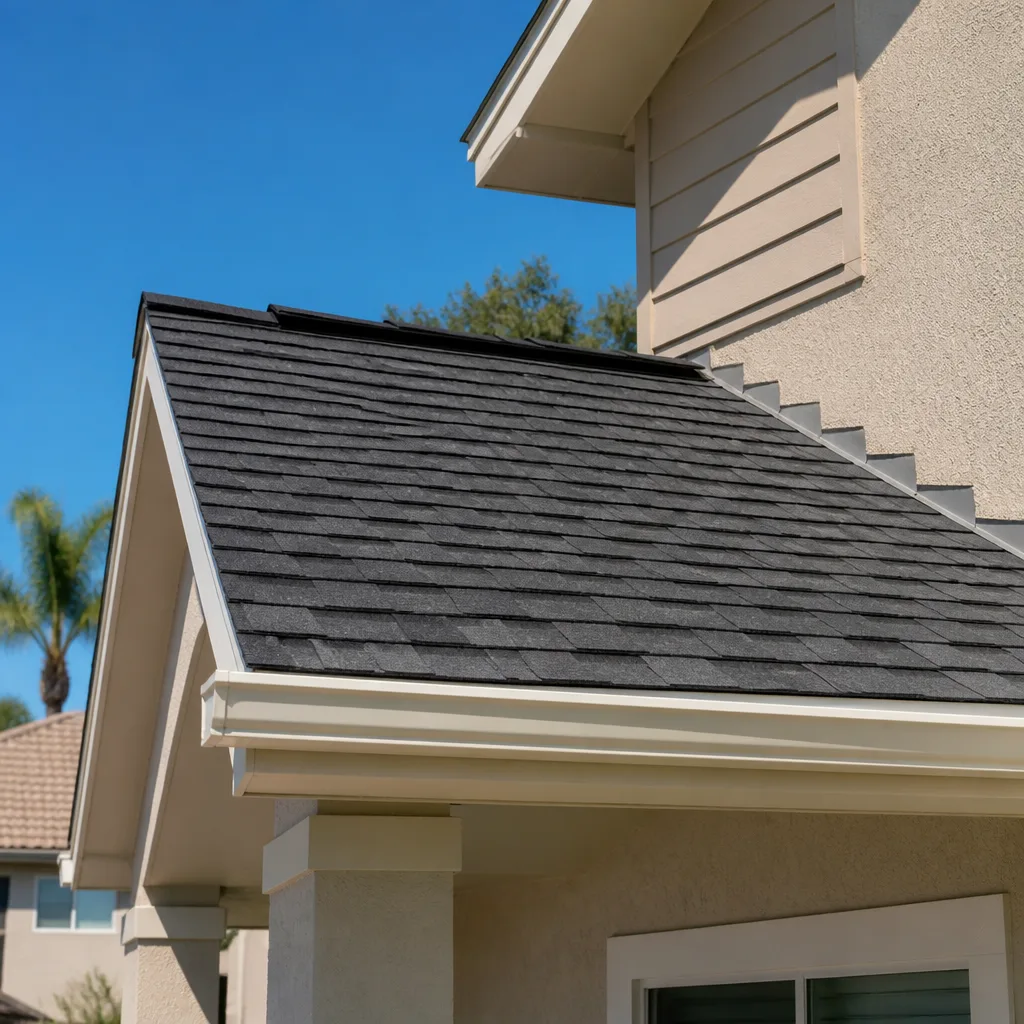
- Roofing
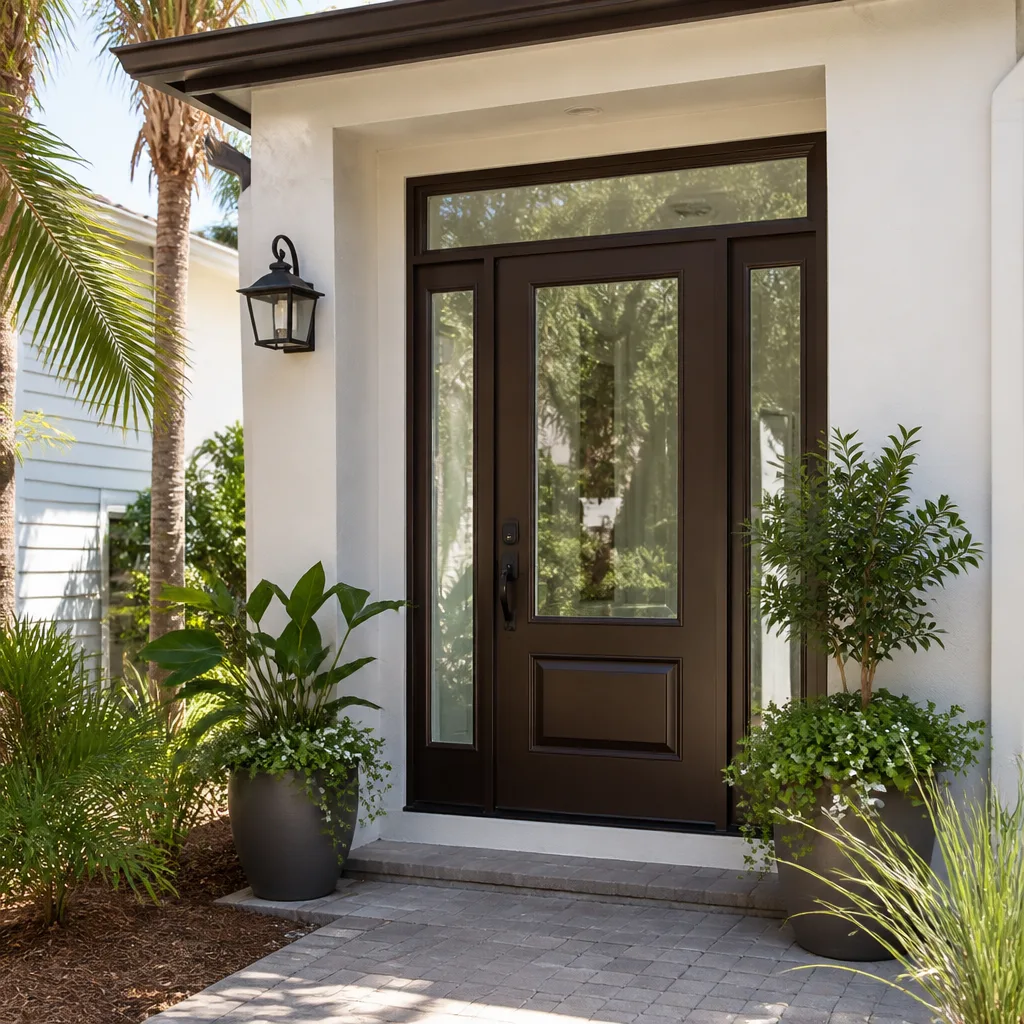
- Windows & doors
- Driveway & pavers
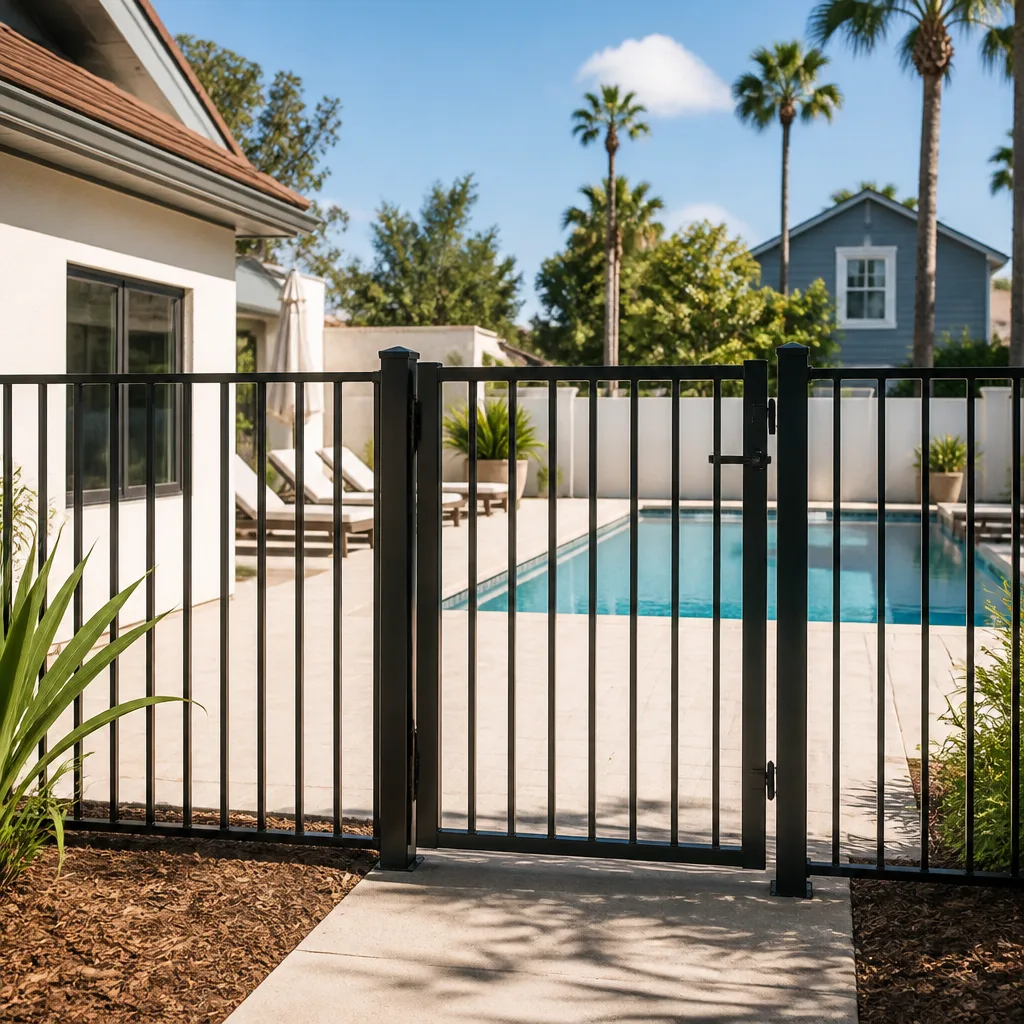
- Fence
See the difference
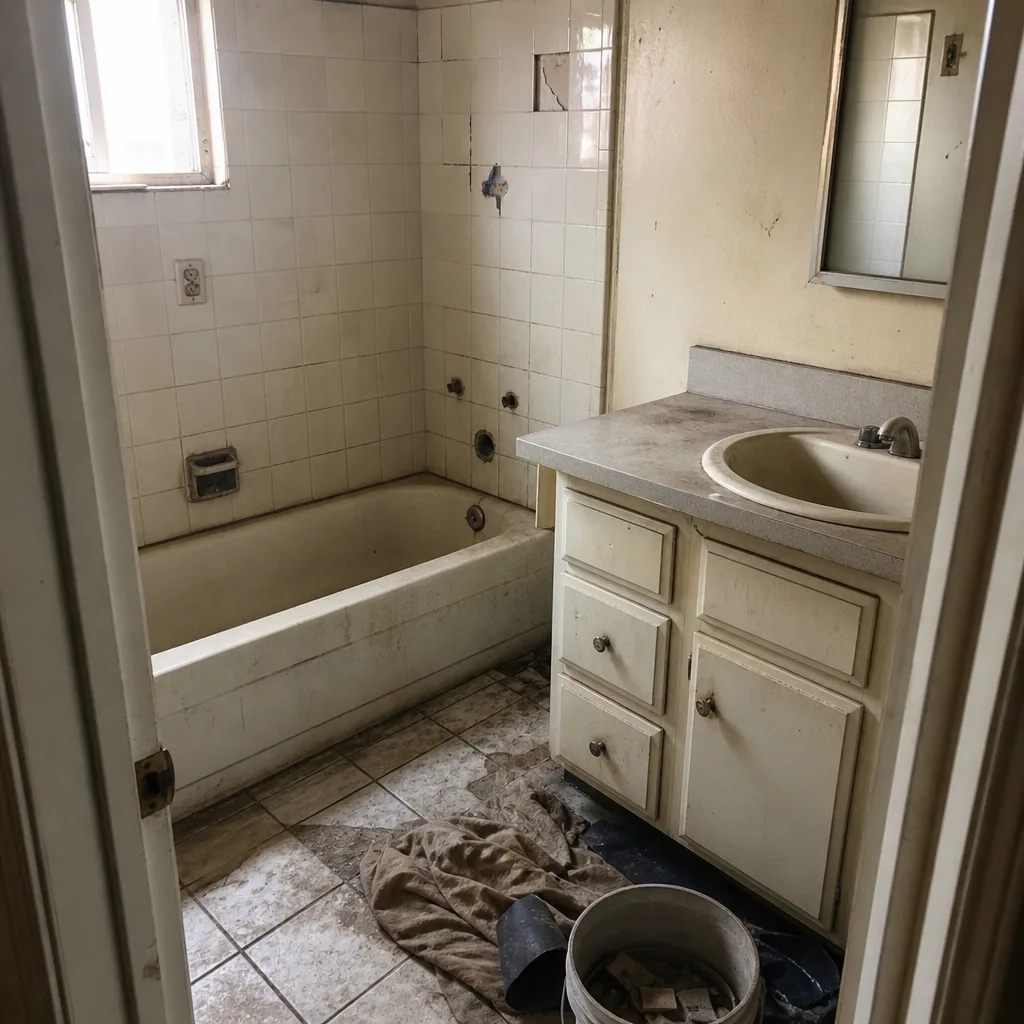 Before
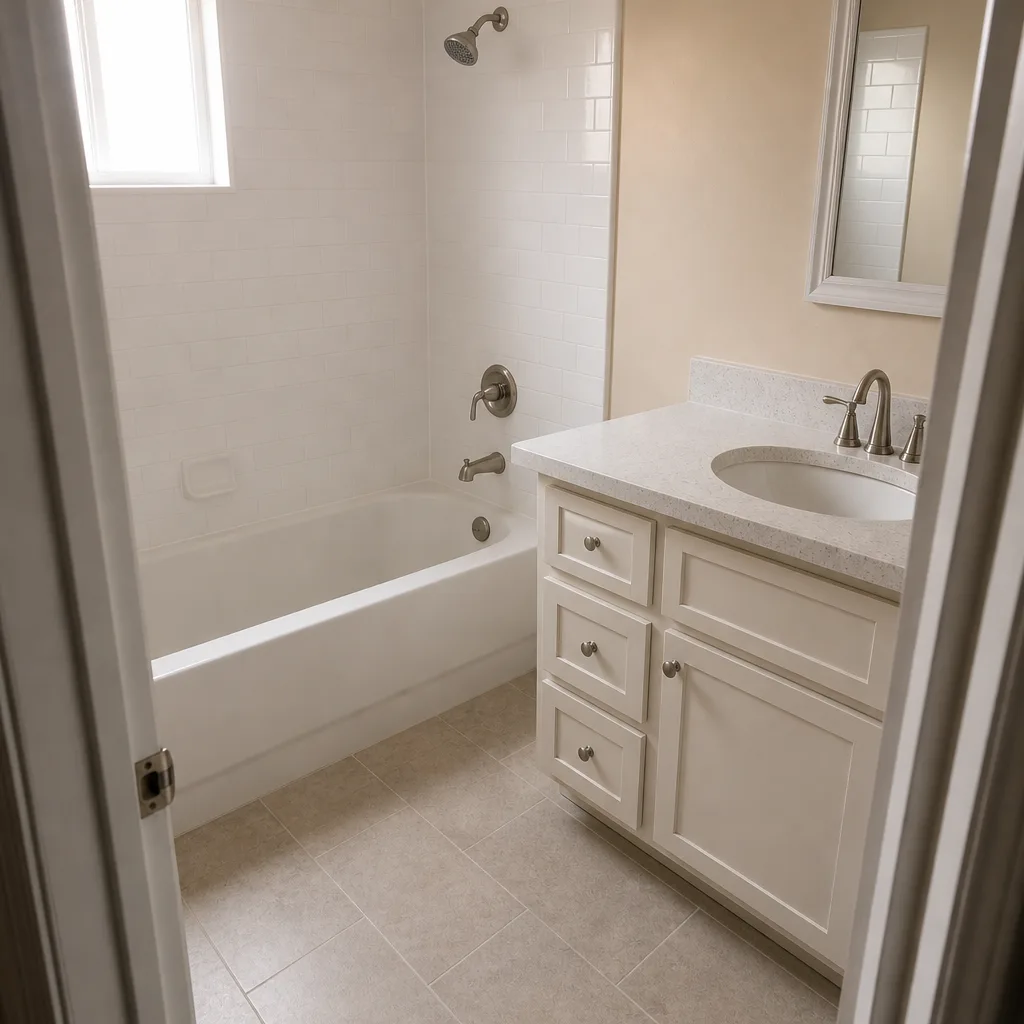 After
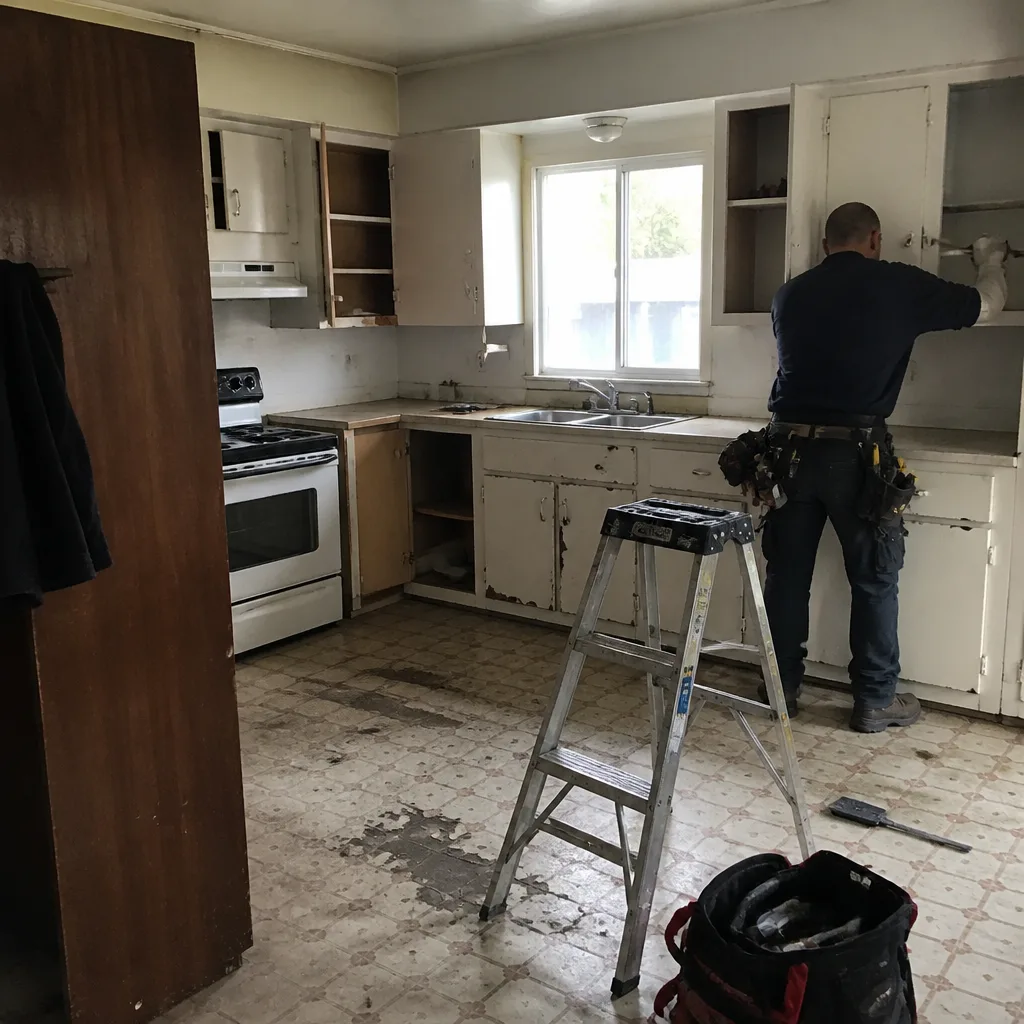 Before
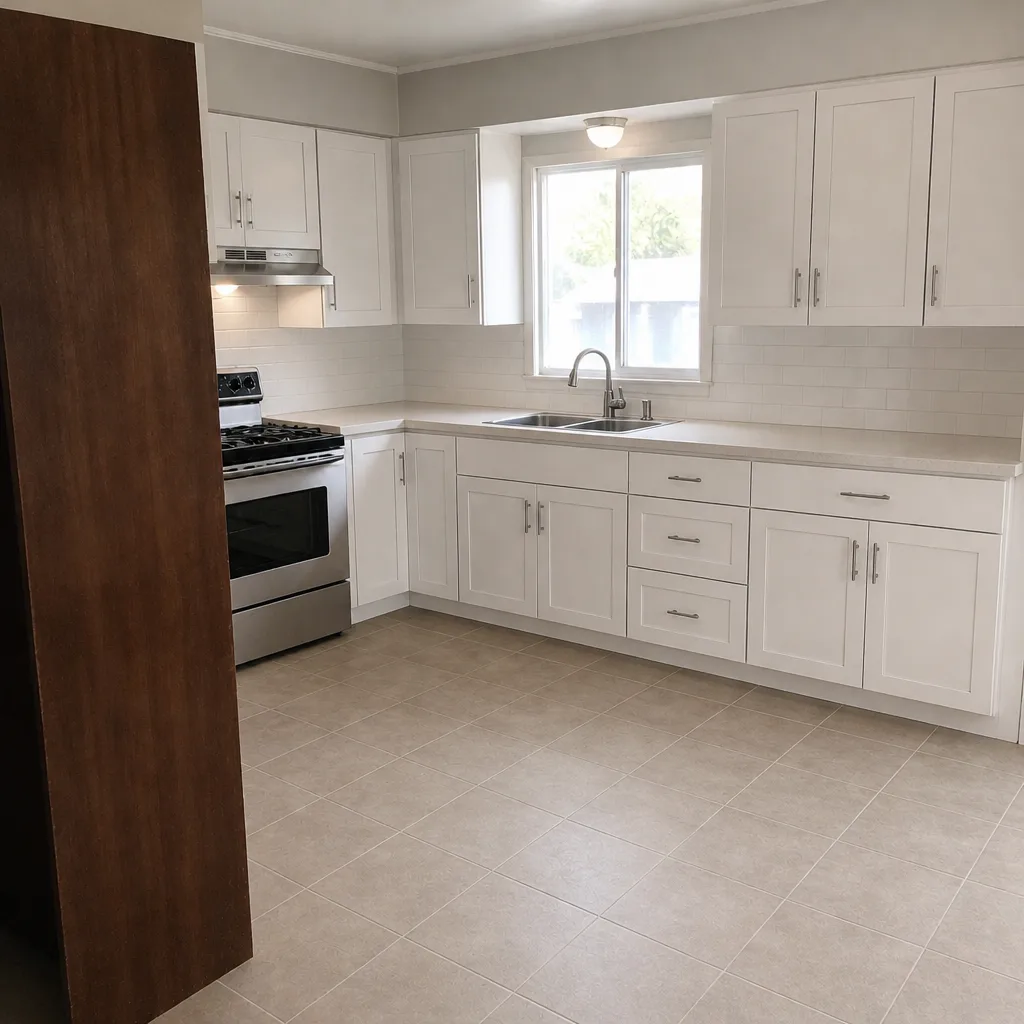 After
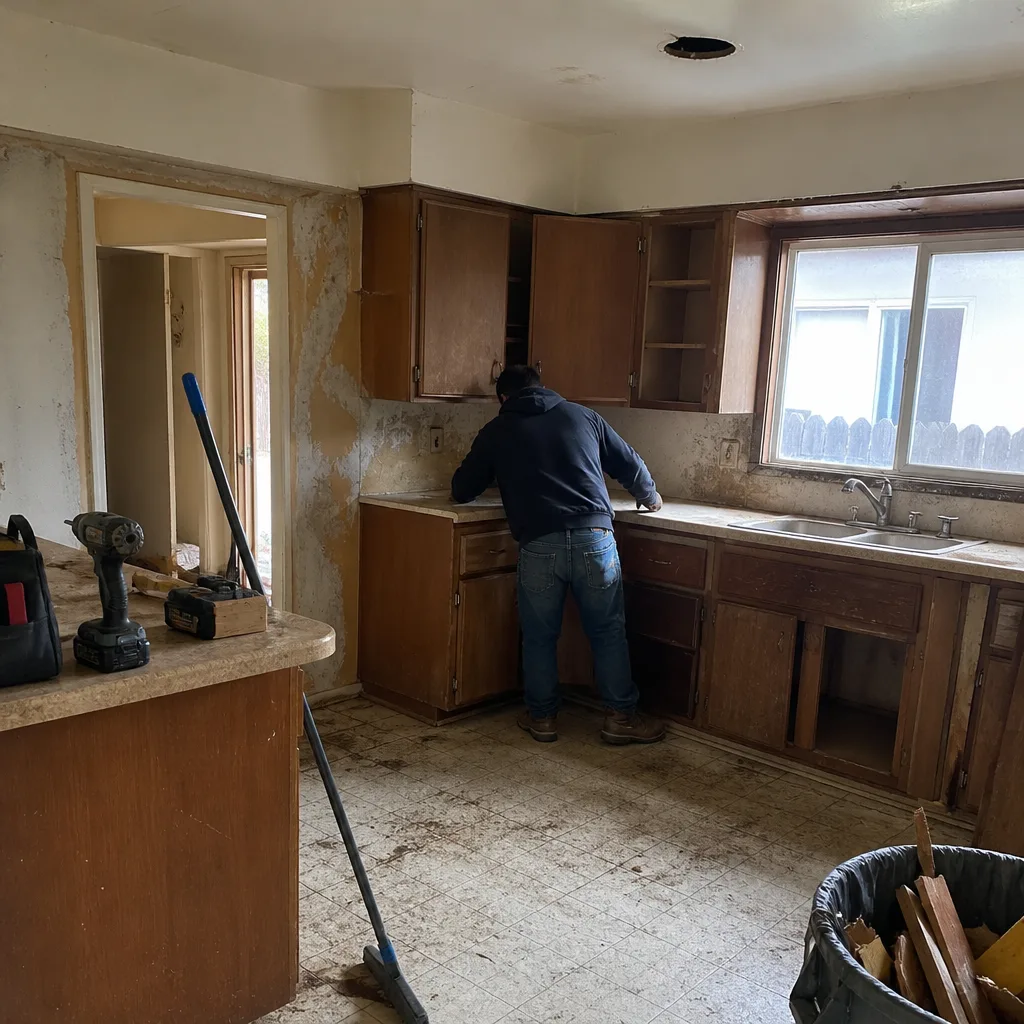 Before
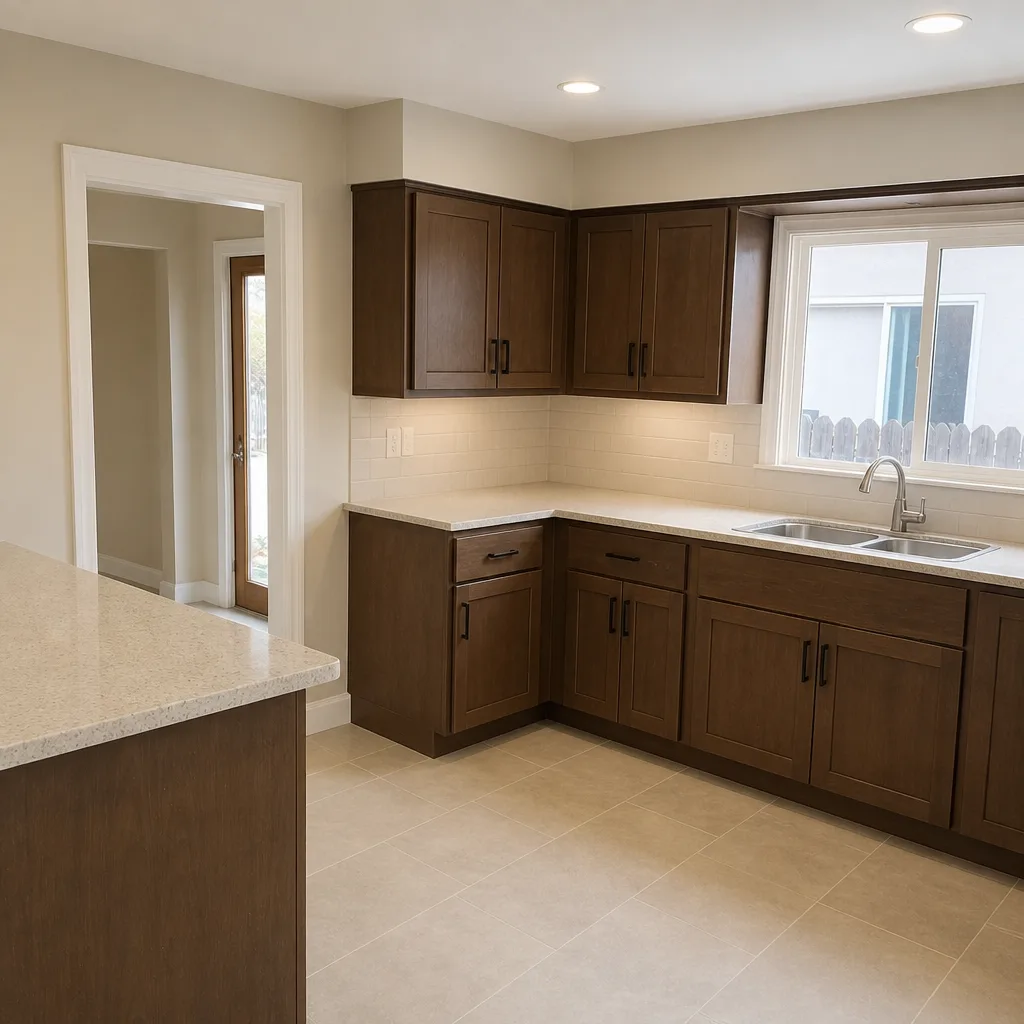 After
Home Addition vs ADU in Long Beach: Which Path Actually Clears Your Lot?
Go with a home addition if you need more living space and want the value to land on the main house; go with an ADU if you want rental income, a separate entrance, or a faster approval path through Long Beach’s permit system. Same household budget, two completely different regulatory roads. For most Long Beach homeowners the deciding factor isn’t cost – it’s what your specific parcel triggers: Coastal Zone review, historic design review, or ministerial ADU approval. Talk it through with us at (888) 345-8164 before you pick a direction.
Here’s the local reality that shapes the call. Long Beach construction is a collision of very old stock with very new regulation. Pre-1933 bungalows and 1930s Craftsman fourplexes in Rose Park and Belmont Heights sit inside a Coastal Zone and a designated historic context, so the same small lot can pull Coastal Commission review, historic-district design review, and seismic retrofit rules all at once. That permitting stack is heavier than what you’d hit on an inland lot in Lakewood. Which option you choose changes how much of that stack you have to climb.
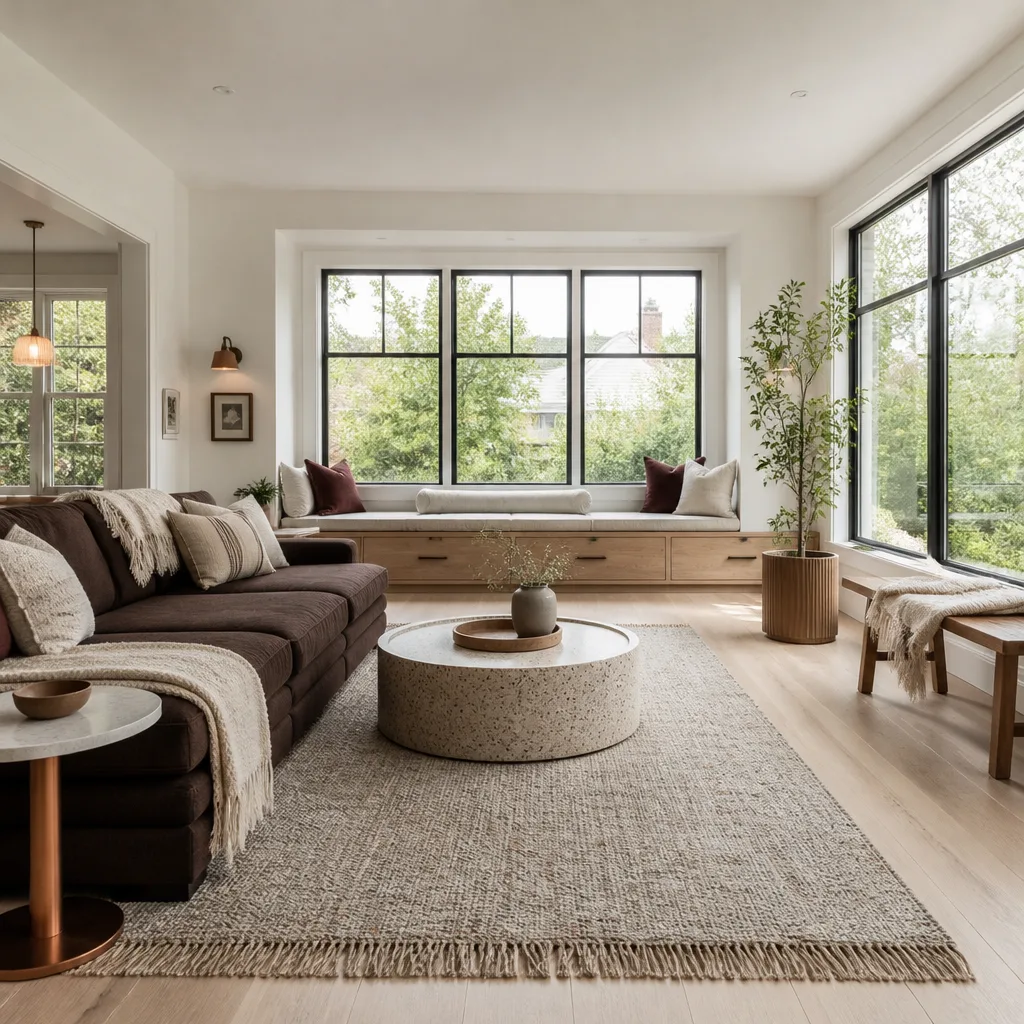
How the Permit Paths Split: Addition vs ADU by Address
The single biggest thing generic comparison articles miss: a detached ADU can often qualify for streamlined ministerial approval under state ADU law, which means it skips public hearings and Historic Design Review. A traditional home addition on a designated historic property in Long Beach typically has to go through design review, and that queue adds real months to the calendar and real dollars to the budget.
So the question isn’t “which is better.” It’s “which path does my address push me toward.” Ask yourself:
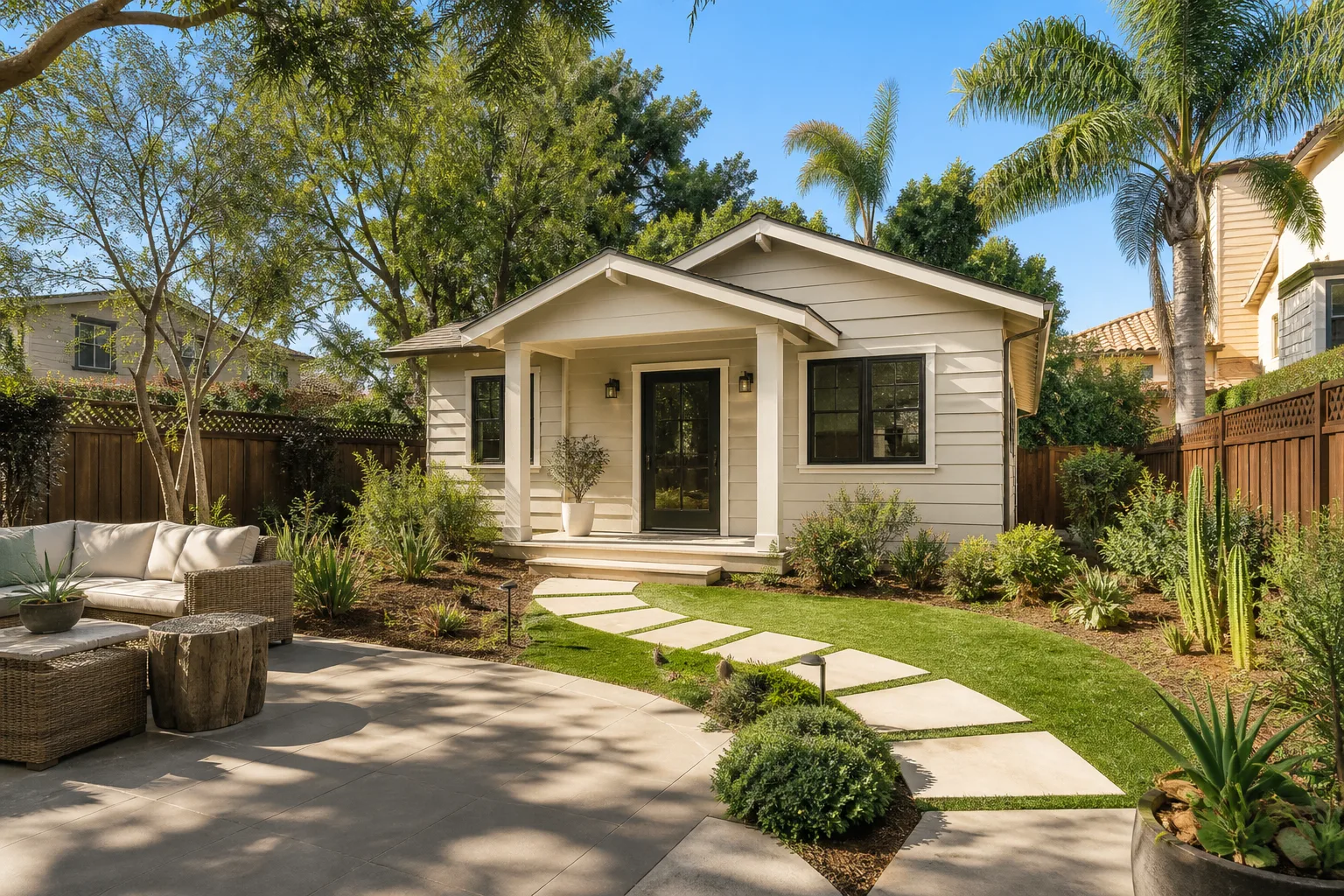
- Is my property in a historic district? If yes, a detached ADU in the backyard can move through a faster track while a second-story or front-facing addition lands in design review.
- Am I in the Coastal Zone? Near the shore, both paths trigger Coastal Commission review, but the criteria differ. An ADU may draw less scrutiny on view corridors and public access than a large addition, depending on site lines and setbacks.
- Does the house already have an un-permitted addition? On older Craftsman and bungalow stock, this is common. Legalizing existing square footage can meet the same spatial need as new construction at a lower cost.
- Do I want space or income? That’s the financial fork, and it’s worth modeling honestly before you commit to a permit queue.
If you want the full scope laid out before you choose, our Home Additions & ADU page walks through the build side in detail.
The Honest Financial Comparison: Value vs Income
Home additions and ADUs are not competing for the same reward. A traditional addition raises the assessed value of the main house faster and qualifies for conventional construction financing that lenders are comfortable underwriting. An ADU, by contrast, generates rental income – and in a rental market as tight as Long Beach’s, that income can offset the financing cost of the build over time. One is an equity play; the other is a revenue play. Be clear which you need.
Cost ranges across Long Beach track roughly like this:
| Project Path | Typical Long Beach Range |
|---|---|
| Home Addition | $45,000 – $130,000 |
| ADU Construction (detached) | $90,000 – $220,000 |
| Garage Conversion (ADU path) | $30,000 – $80,000 |
Notice the overlap. A moderate home addition and a detached ADU can land within range of each other in raw construction terms – which is exactly why the regulatory timeline and the income question, not the sticker price, should drive your decision. A garage conversion is the quieter third option: it’s the lowest-cost way to add an income-generating unit or a private suite, and on a lot that’s already tight it can sidestep the footprint problems a detached build runs into.
Groundwork Construction Co. of Long Beach prices both paths in a single consultation so you’re comparing actual numbers from one set of drawings, not two estimates from two different contractors. The $1,000 off projects over $10,000 applies whichever direction you choose, and 0% financing for 18 months helps on the larger builds. Every project carries the 730-Day Done Right Promise – if it’s not done right, we make it right.
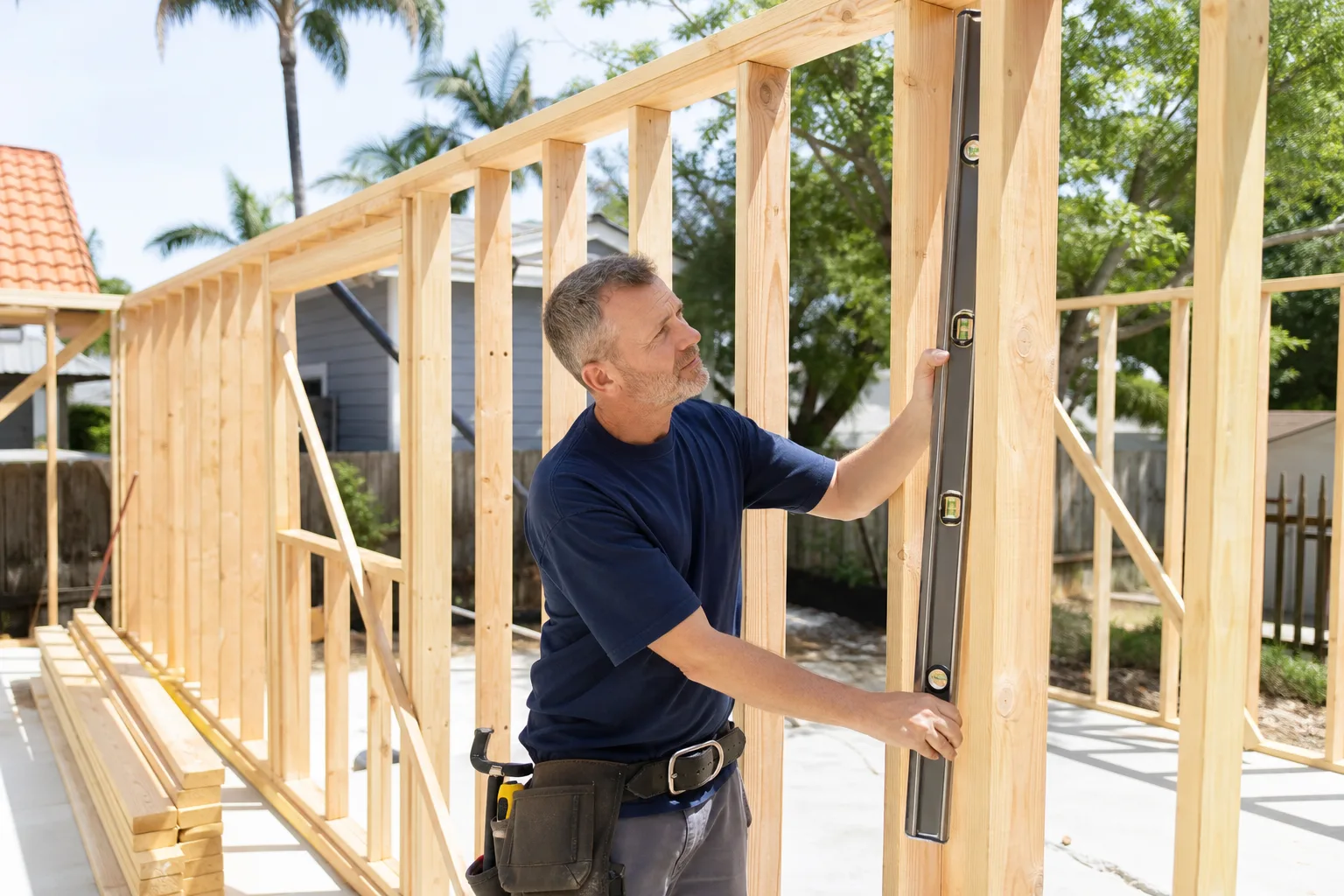
The Un-Permitted Addition Trap – and the Coastal Zone Wrinkle
Before you commit to new construction, check what’s already there. Long Beach’s older wood-frame bungalows and east-side fourplexes frequently carry additions built decades ago without permits, and some carry original knob-and-tube wiring alongside them. If your house already has that extra square footage, legalizing it can satisfy the same need for space at a fraction of the cost of a fresh build. We evaluate that first on any home we look at, because it’s the option homeowners most often skip.
Near the water, the coastal rules add a second layer. Both an addition and an ADU trigger Coastal Commission review in the Coastal Zone, but the review criteria aren’t identical. A large addition that changes massing and sightlines can draw close attention to view corridors and public access. A well-sited ADU in the rear of the lot may face less friction depending on how it sits relative to those corridors. The site plan decides this, not the project type – which is why we want to see your lot before we recommend a path.
The marine layer and salt air off the Port of Long Beach also shape how we build either option. Exterior wood, stucco, and fasteners corrode faster here, so we spec materials that hold up to salt exposure – the same thinking that puts us on home exterior work with brands like Therma-Tru for doors and Mr-Glass for glazing. Built to last, backed in writing.
How Much Does a Home Addition or ADU Cost in Long Beach?
A home addition in Long Beach runs $45,000-$130,000, while a detached ADU runs $90,000-$220,000 and a garage conversion runs $30,000-$80,000. The wide spread reflects size, site conditions, and how much regulatory review your address triggers. Historic-district properties and Coastal Zone lots can add cost on the review side before a single board is nailed. Call (888) 345-8164 for an upfront number on your specific lot – estimates are free.
Can You Compare Both Options in One Consultation?
Yes. We quote the addition and the ADU path side by side from one site visit so you’re weighing real numbers, not two disconnected estimates. Our technicians have up to 12 years of experience, arrive background-checked and in uniform, and calls are answered by a live person 24/7 – no voicemail black hole while you’re trying to make a decision. The free project estimate and design consult is where that comparison happens.
Is It Cheaper to Legalize an Existing Addition or Build New?
Legalizing an existing un-permitted addition is usually cheaper than building new, because the square footage and often the framing already exist. On Long Beach’s older bungalow stock, where past owners added rooms without permits, this is worth pricing before anything else. You may need to bring electrical, structural, or seismic work up to code, but that’s typically a smaller number than ground-up construction. Get it assessed first – call (888) 345-8164 for a no-pressure look.
Which Option Adds More Value in Long Beach?
A home addition generally raises the assessed value of the main house faster and is easier to finance conventionally, while an ADU adds a rentable asset that can offset its own financing cost. The right pick depends on whether you need living space or income. In a rental market this tight, an ADU’s income stream is a real factor many owners undervalue. We’ll model both for your address so the choice is grounded in numbers.
Ready to Compare Your Two Paths?
If you’d rather have it looked at than guess, Groundwork Construction Co. of Long Beach offers a no-pressure assessment in Long Beach. We’ll walk your lot, flag what your address triggers on the permit side, and put upfront pricing on both the addition and the ADU in writing – backed by the 730-Day Done Right Promise and $1,000 off projects over $10,000. Call (888) 345-8164 to start.
Written by the team at Groundwork Construction Co. of Long Beach, serving Long Beach, CA.