
Free written scope consultation - allowances, timeline, and change-order rules on paper before a single trade is scheduled
Styles & brands we work with
- Kitchen remodeling
- Bathroom remodeling
- Home additions & ADU
- Roofing
- Windows & doors
- Driveway & pavers
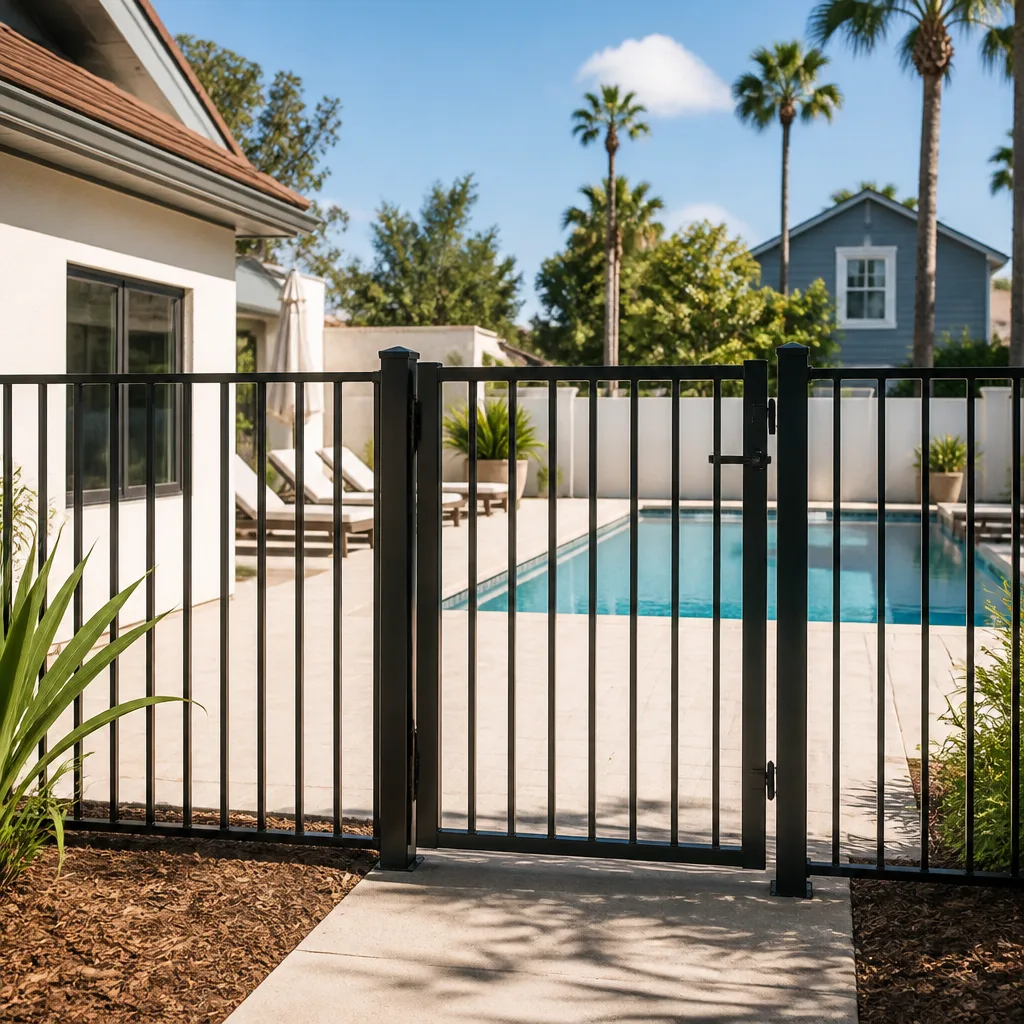
- Fence
See the difference
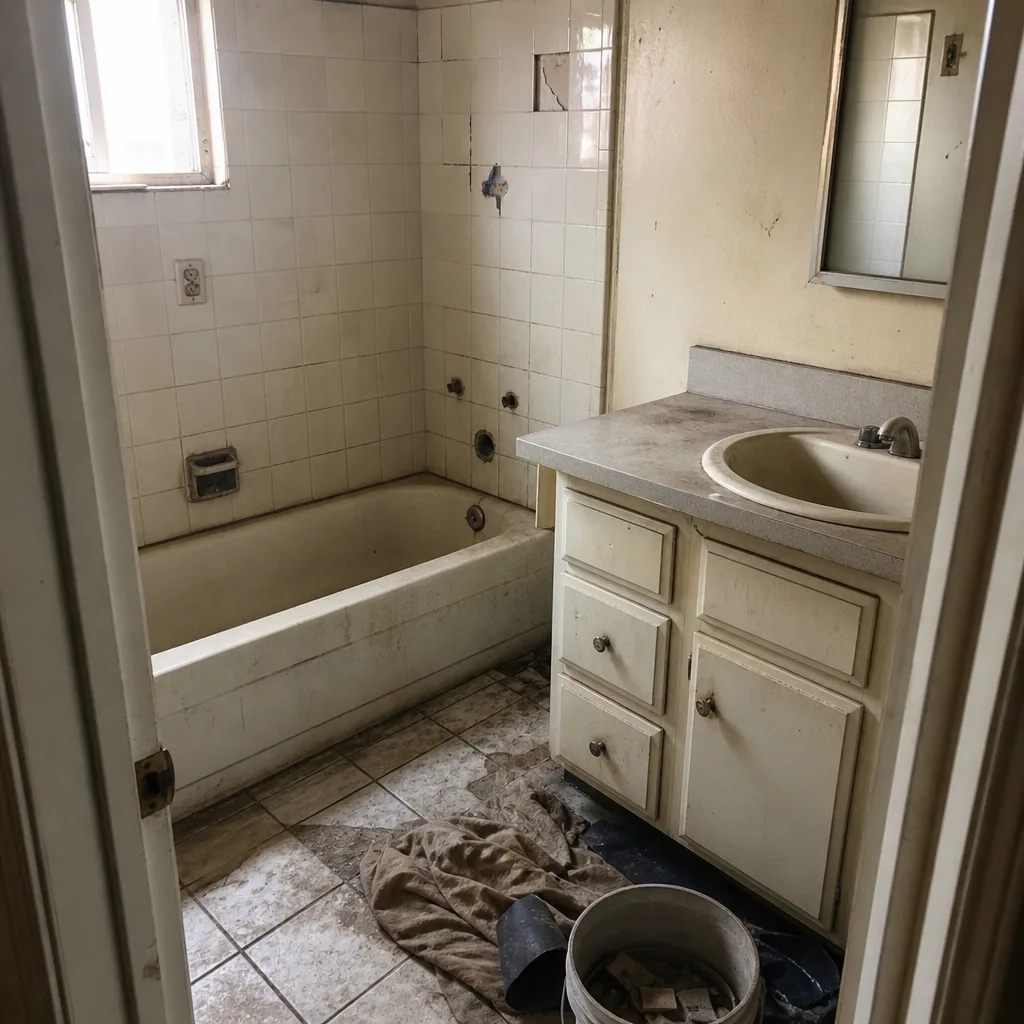 Before
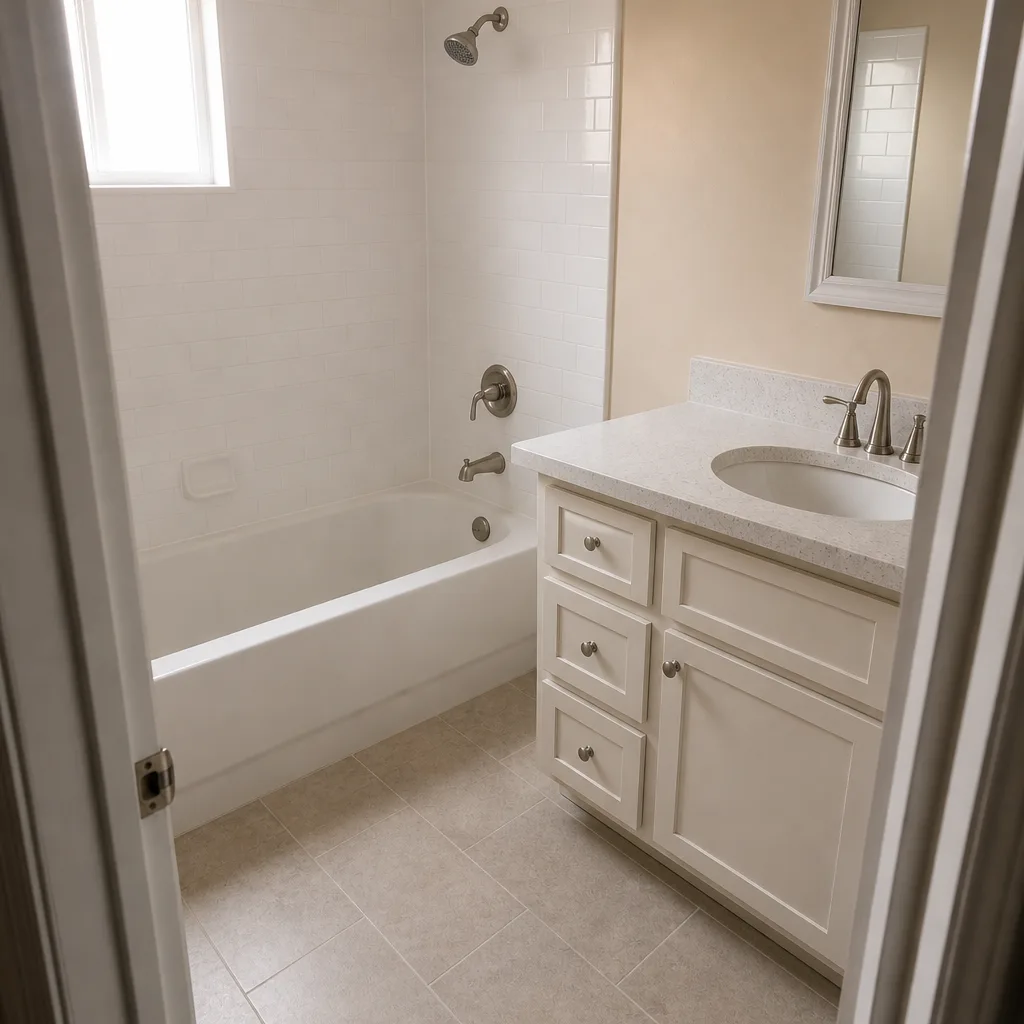 After
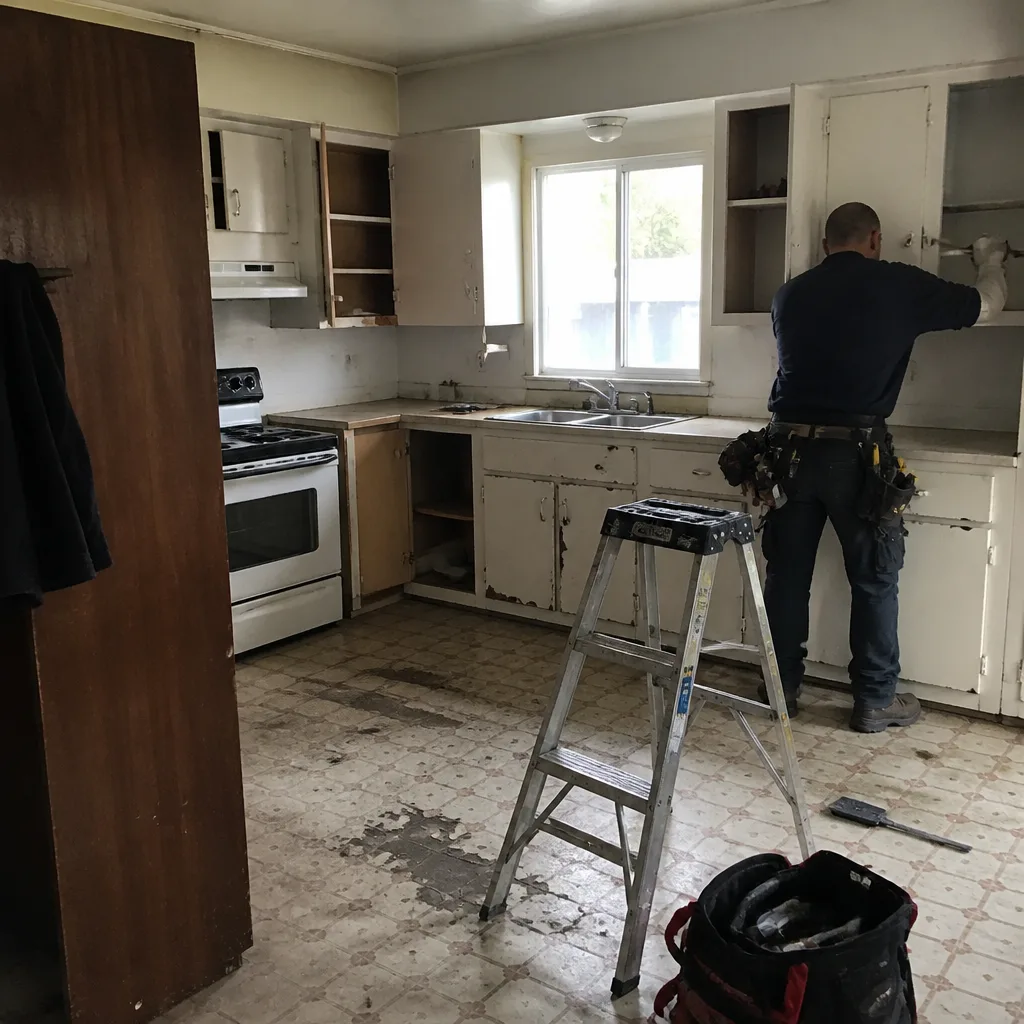 Before
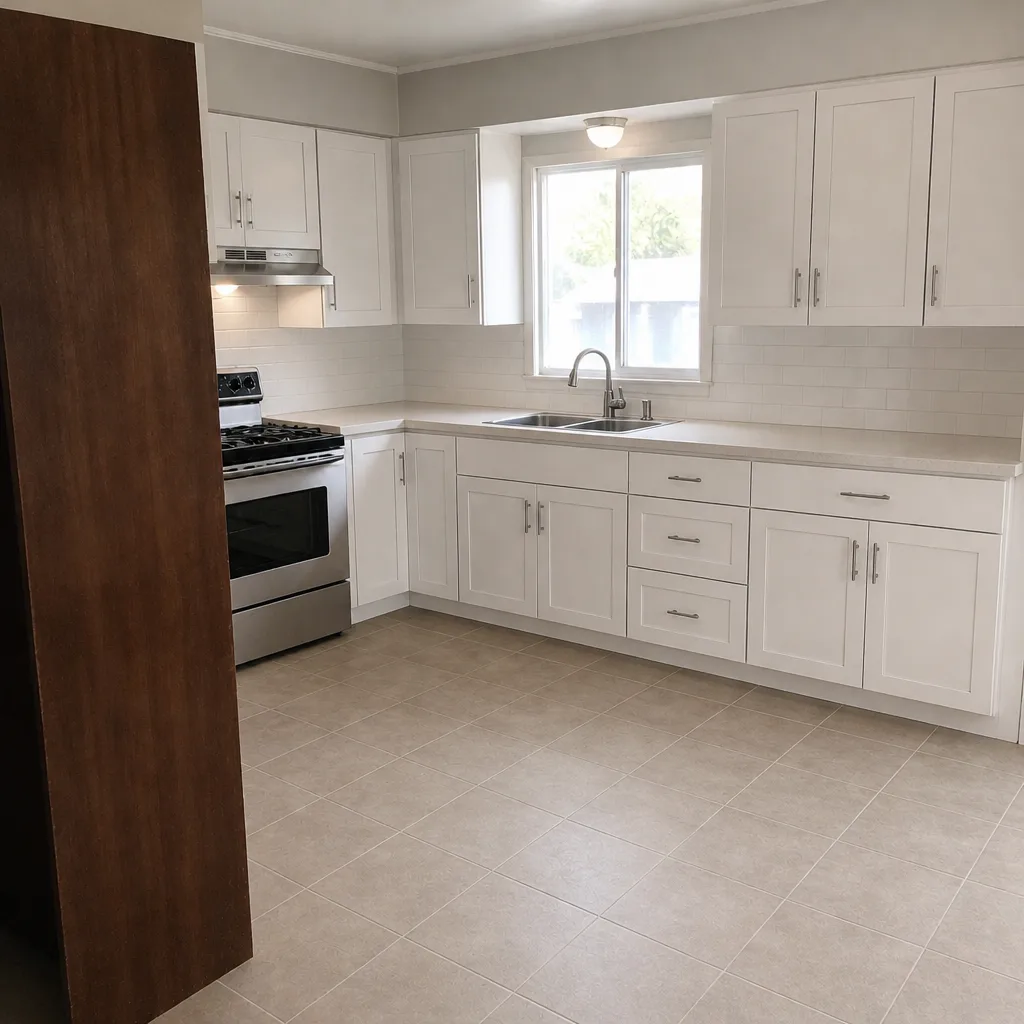 After
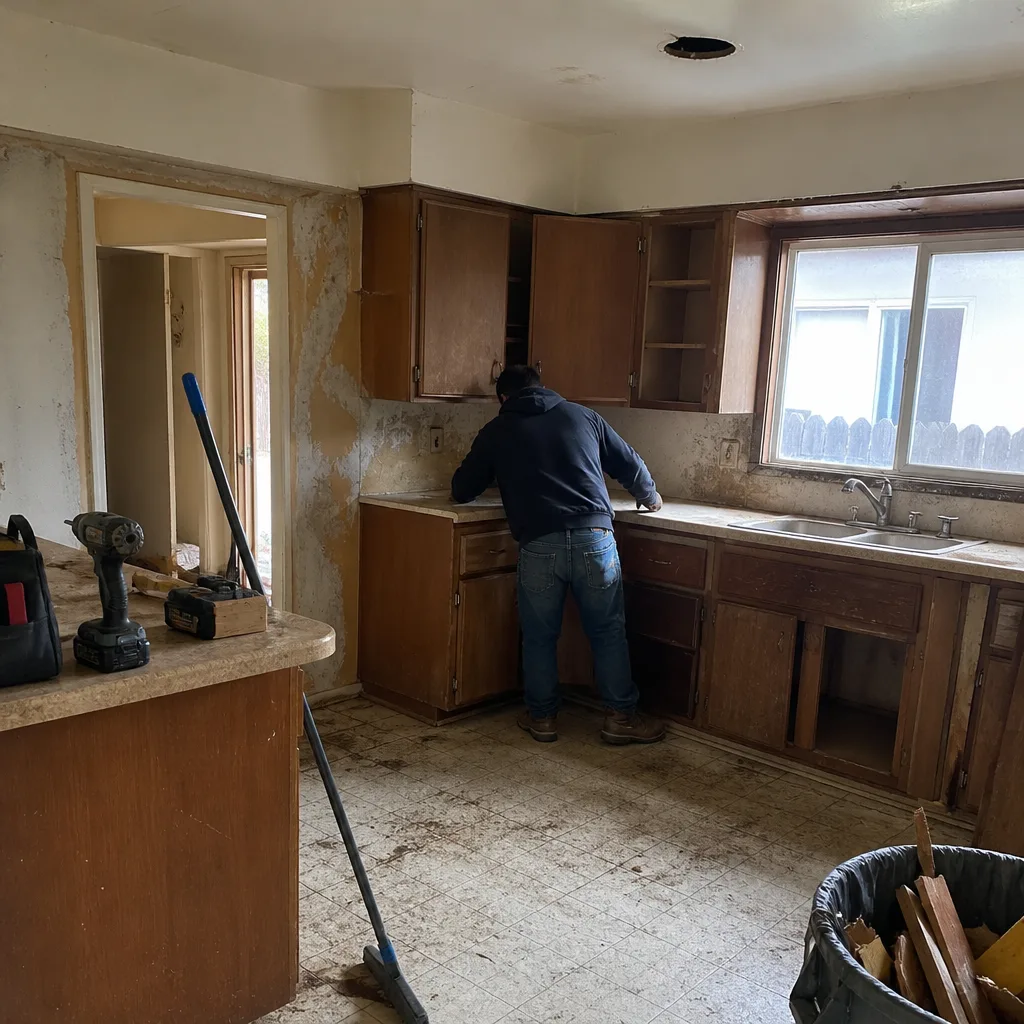 Before
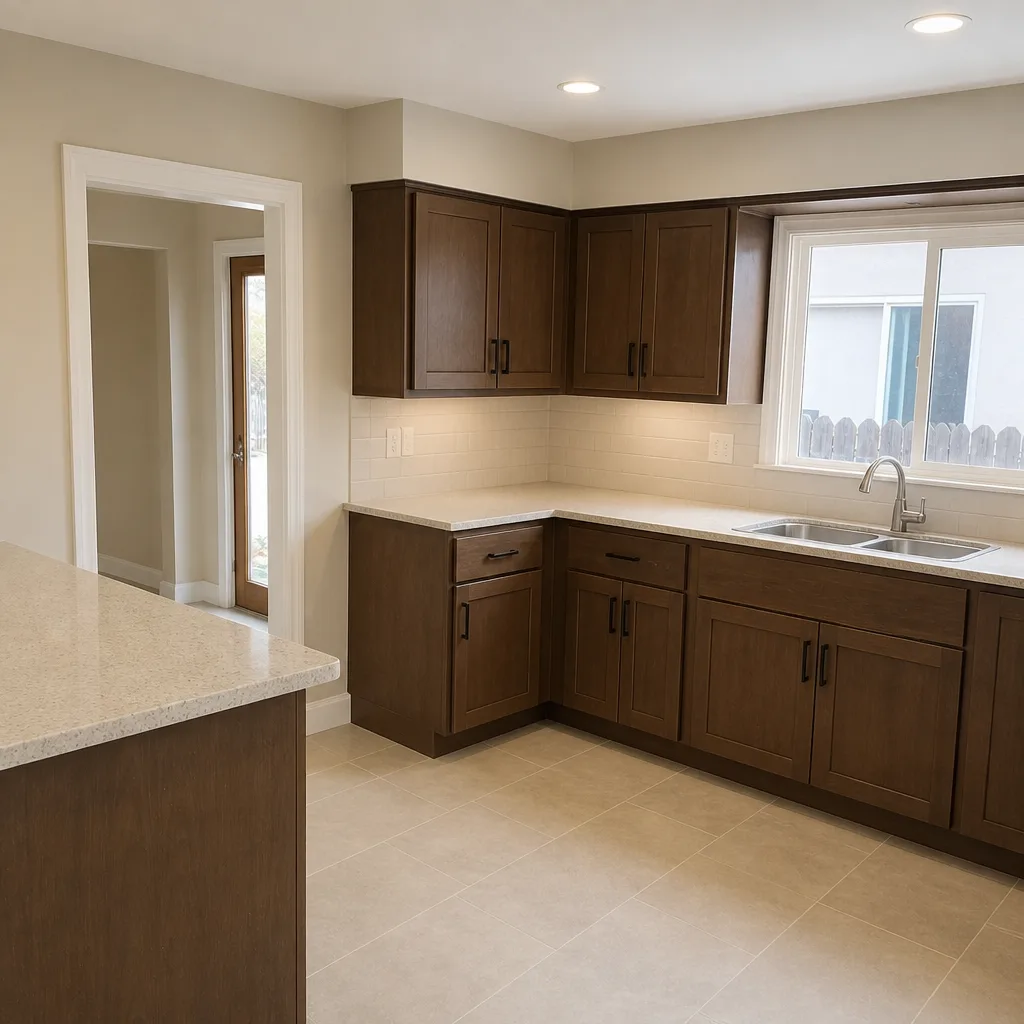 After
Emergency Roof Repair in Long Beach, CA: What to Do When the Santa Anas Hit
Emergency roof repair in Long Beach usually means one thing: a wind event, not a rainstorm. Call (888) 345-8164 and a live person answers around the clock, ready to dispatch a crew for displaced ridge caps, blown step flashing, or lifted tile before the next moisture arrives. We handle the interim stabilization and the permanent fix, with upfront pricing on both, backed by our 730-Day Done Right Promise. Salt air has been quietly working on your fasteners for years – the right crew knows how to read that damage before the next gust finds it.
Long Beach doesn’t get the storms that drive most emergency roof calls around the country. What it gets is a dry, fast Santa Ana wind event in October that peels back flashing and lifts tile on roofs the marine layer has been slowly softening for a decade. That’s a different kind of emergency, and it calls for a crew that understands salt-air corrosion and aging underlayment, not just someone with a tarp and a ladder.
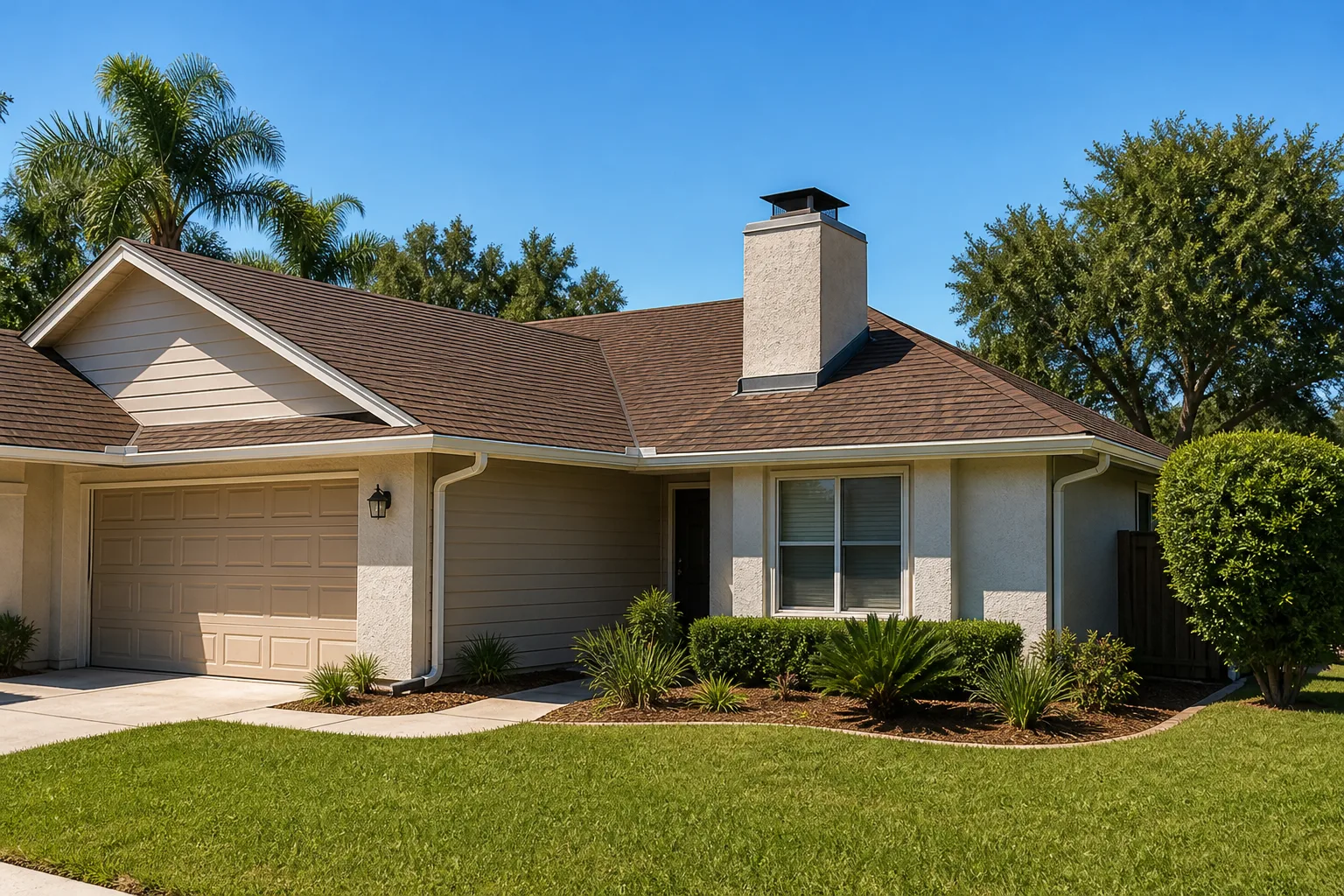
Why Santa Ana Winds Trigger Long Beach Roof Emergencies
Santa Ana events tend to arrive in the fall, after a spring and summer when almost nobody has had their roof inspected. Month after month of marine-layer moisture cycling loosens sealant and dulls the grip of fasteners that the salt air off the Port of Long Beach has already been eating at. Then a 70 mph gust comes through and finds every weak point at once.
The damage rarely looks like a leak at first. What we find on Long Beach roofs after a wind event is displaced ridge caps, step flashing that’s been blown loose at a wall or chimney intersection, and tile sections that have lifted or slid. The sheathing underneath is suddenly exposed to whatever moisture follows, whether that’s the first winter rain or a heavy morning dew. The clock starts ticking the moment the wind stops.
What should you check after a wind event?
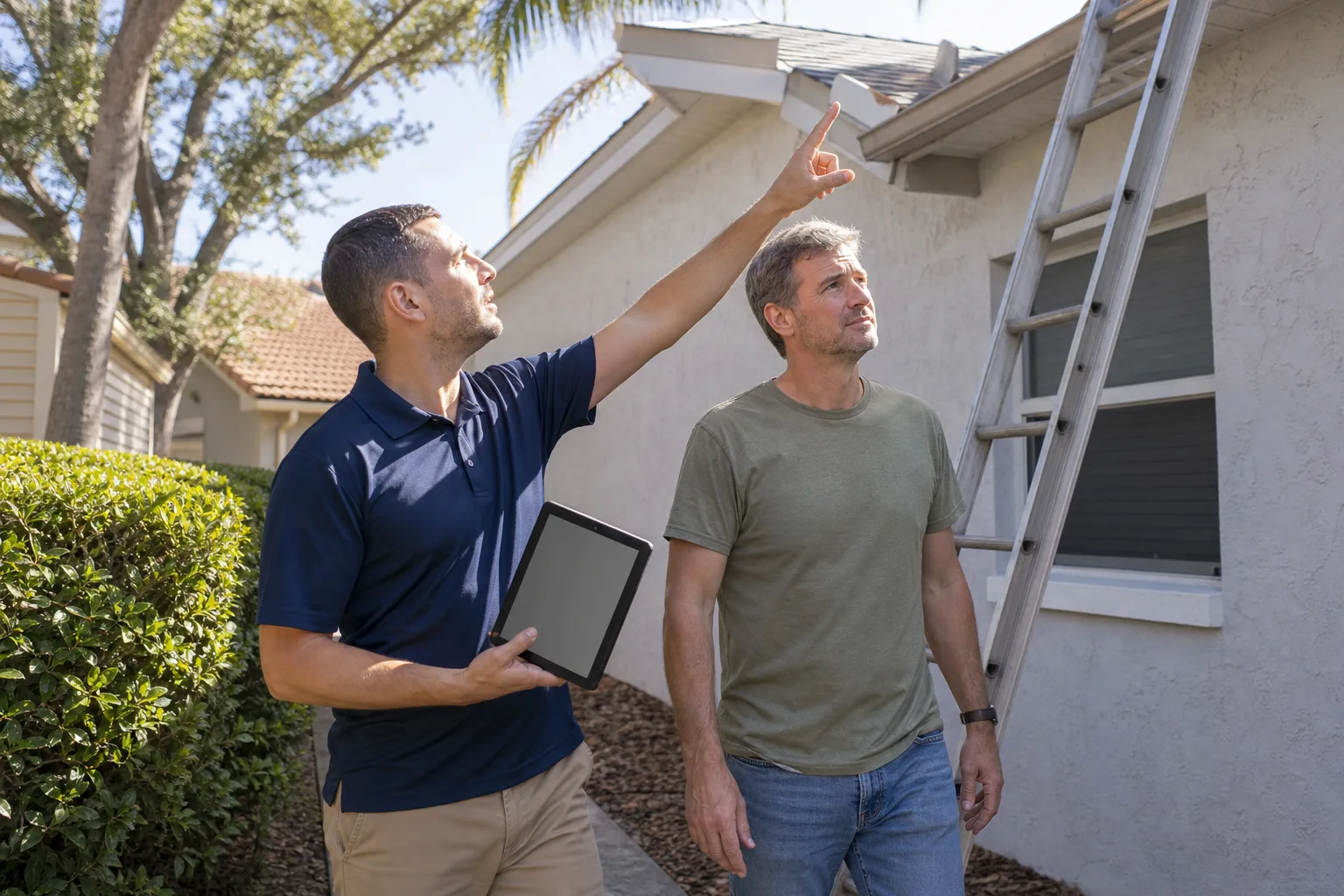
The first thing to check is ground level, not the roof. Walk your property and look for fallen ridge caps, tile shards, or pieces of flashing in the yard. Those are a clear sign something up top has moved. From the ground with binoculars, scan the ridgeline and any wall or chimney intersections for gaps or missing pieces. Then check your attic or upper ceiling for daylight or water staining. Stay off the roof yourself – a wind-damaged surface can look intact and give way under a footstep, and the fall risk on a two-story bungalow is real. That call belongs to a trained crew with the right equipment.
What Makes Older Long Beach Roofing Different
Long Beach’s housing stock complicates the emergency. The city mixes 1920s-to-40s Spanish Colonial Revival and Craftsman bungalows with dense stucco fourplexes and post-war tract homes on the east side, and each roof style fails in its own way. On the older Spanish Colonial homes, wind damage often exposes the original wire-tied tile system underneath. Re-securing or temporarily stabilizing that tile without cracking the pieces around it takes a crew with specific experience. Break a run of historic tile in a hurry and you’ve turned a small repair into a much bigger one.
The permitting side adds another layer. Rose Park and Belmont Heights sit in a Coastal Zone and a designated historic context, so roof work there can run into Coastal Commission review and historic-district design review on top of the usual seismic retrofit rules. That’s a stack you don’t hit on a straightforward roof in Lakewood or Compton. For emergency stabilization, we document everything so the permanent repair can be permitted correctly later. When the time comes for a full replacement, brand partners like GAF and Owens Corning give you premium material choices rather than whatever’s on the shelf.
Salt air is the thread running through all of it. It accelerates corrosion and rot on exterior wood, stucco, and fasteners across the whole city, and older wood-frame bungalows add termites and moisture intrusion to the list of things we’re looking at when we’re on the roof. A fastener that looks fine from a distance may be half gone. That’s why our crews inspect the fastening system, not just the visible surface, on every emergency call.
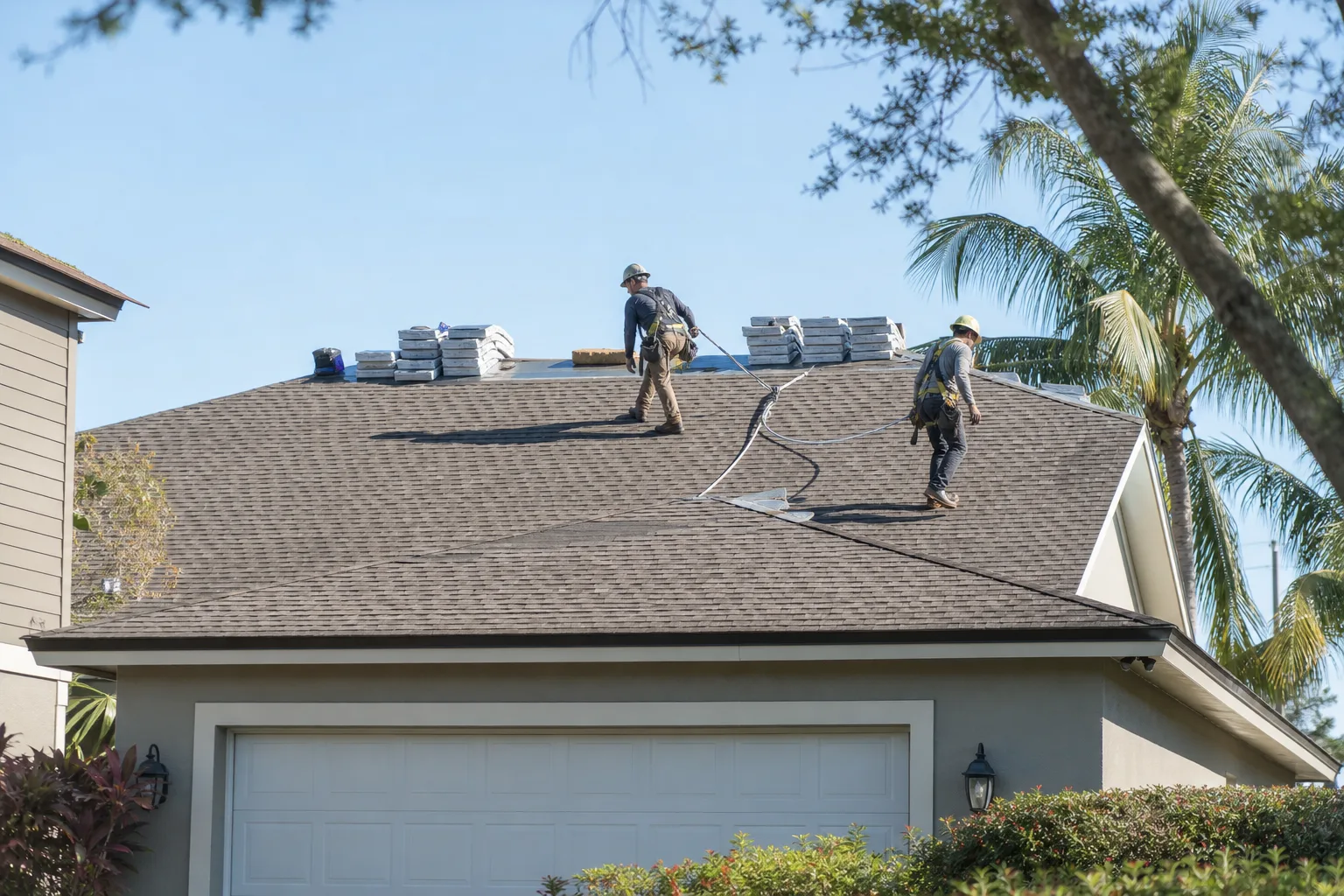
How Our Emergency Roof Repair Works
When you call Groundwork Construction Co. of Long Beach, a live person picks up at any hour – no voicemail black hole, no waiting until Monday morning. In a 2 a.m. wind event, that’s the difference between a crew dispatched that night and a message that sits while your sheathing gets wet. Here’s how the response runs:
- Live intake, day or night. You reach a real person who takes the details and gets a crew moving.
- The same verified technicians. Every emergency call goes to background-checked, uniformed technicians, the same crew you’d get on a scheduled visit. Letting a stranger onto your roof at night is a real concern, and we treat it that way.
- Stabilize first, document everything. We stop the exposure, photograph the damage, and hand you a clear written account of what we found.
- Upfront pricing on both stages. You see exactly what the temporary fix costs and exactly what the permanent repair will cost before you commit to either. The number you see is the number you pay.
- Permanent repair, done right. Full repair under our 730-Day Done Right Promise – if it’s not done right, we make it right.
Our technicians bring up to 12 years of experience to every roof, and we treat the emergency visit as the start of a repair, not a sales pitch. If the roof ultimately needs more than a fix, that’s a conversation we’ll have with you plainly, and our Roofing service covers everything from a single repair to a full replacement. Financing at 0% for 18 months and $1,000 off projects over $10,000 are there if the damage turns out bigger than expected.
What does emergency roof repair cost in Long Beach?
Roof repair in Long Beach runs $400 to $1,800, and emergency stabilization usually lands on the lower end of that before the permanent fix. Tile roof repair, which is common on the older Spanish Colonial homes here, runs $600 to $2,500 because matching and re-securing historic tile takes more labor. A full roof replacement, if the damage reveals deeper problems, runs $8,000 to $20,000, and a metal roof installation runs $15,000 to $40,000. We give you the number for the interim fix and the number for the permanent repair separately, so you always know what you’re paying for. Call (888) 345-8164 for an exact quote – estimates are free.
| Service | Typical Long Beach Range |
|---|---|
| Emergency stabilization (tarp, temporary fix) | Low end of the $400-$1,800 repair range |
| Standard roof repair | $400-$1,800 |
| Tile roof repair | $600-$2,500 |
| Roof replacement | $8,000-$20,000 |
| Metal roof installation | $15,000-$40,000 |
The Full-Scope Advantage When a Repair Snowballs
Wind damage has a way of revealing the repair underneath the repair. A lifted tile might expose underlayment that’s aged out. Blown step flashing might reveal rot where the wall meets the roof. Because we handle the whole scope of home construction, from foundation to finish line, we don’t hand you off to a second contractor when the roof work uncovers something structural. When you’re ready to think past the immediate emergency, our Long Beach service area page lays out everything we cover across the city.
FAQs
Yes. Our calls are answered by a live person 24/7, so an emergency call at 2 a.m. reaches a real person who can get a crew dispatched, not a voicemail that waits until morning. A wind event doesn’t keep business hours, and neither does our intake. Call (888) 345-8164 any time.
Most of the time a repair is the cheaper call, and it usually runs $400 to $1,800 versus $8,000 to $20,000 for a full replacement. If the damage is isolated to flashing, ridge caps, or a section of tile, a targeted repair makes sense. Replacement starts to make more sense when the same roof has been patched repeatedly or the underlayment is aged out. We’ll give you both numbers so you can weigh them. Call (888) 345-8164 for a free estimate.
Not always, and that’s exactly why the damage gets missed. A roof can shed a ridge cap or step flashing and stay dry for weeks until the first real moisture arrives. The exposure is happening even when you don’t see a leak yet, which is why a post-wind inspection matters. Don’t wait for a stain on the ceiling. Call (888) 345-8164 and we’ll take a look before the next rain.
Yes. Every emergency call goes to background-checked, uniformed technicians, the same verified crew you’d get on a scheduled visit. Nobody wants an unmarked van pulling up at night. Call (888) 345-8164 and you’ll know exactly who’s coming.
Get Your Roof Handled Before the Next Gust
Wind damage on a Long Beach roof doesn’t wait, and neither should your call. Reach a live person any hour at (888) 345-8164. We’ll stabilize what needs stabilizing, document the damage, and give you upfront pricing on the fix – all backed by our 730-Day Done Right Promise and a free estimate. Built to last, backed in writing.
Written by the team at Groundwork Construction Co. of Long Beach, serving Long Beach, CA.
What Our Customers Say
"Found unpermitted work by the previous owner once he opened the wall. He stopped, explained the options and what each would cost, and let me decide rather than making it my emergency."
- Marco Castillo"He pulled the permits himself, scheduled every sub and ran the inspections. I made one decision a week and otherwise stayed out of it, which is exactly what I was paying for."
- Robert Sullivan"The finished work is exactly what we wanted. It did run about three weeks over, mostly waiting on a cabinet delivery that was out of his hands, though I would have liked more updates during that stretch."
- Dev Sharma