Free written scope consultation - allowances, timeline, and change-order rules on paper before a single trade is scheduled
Styles & brands we work with
- Kitchen remodeling
- Bathroom remodeling
- Home additions & ADU
- Roofing
- Windows & doors
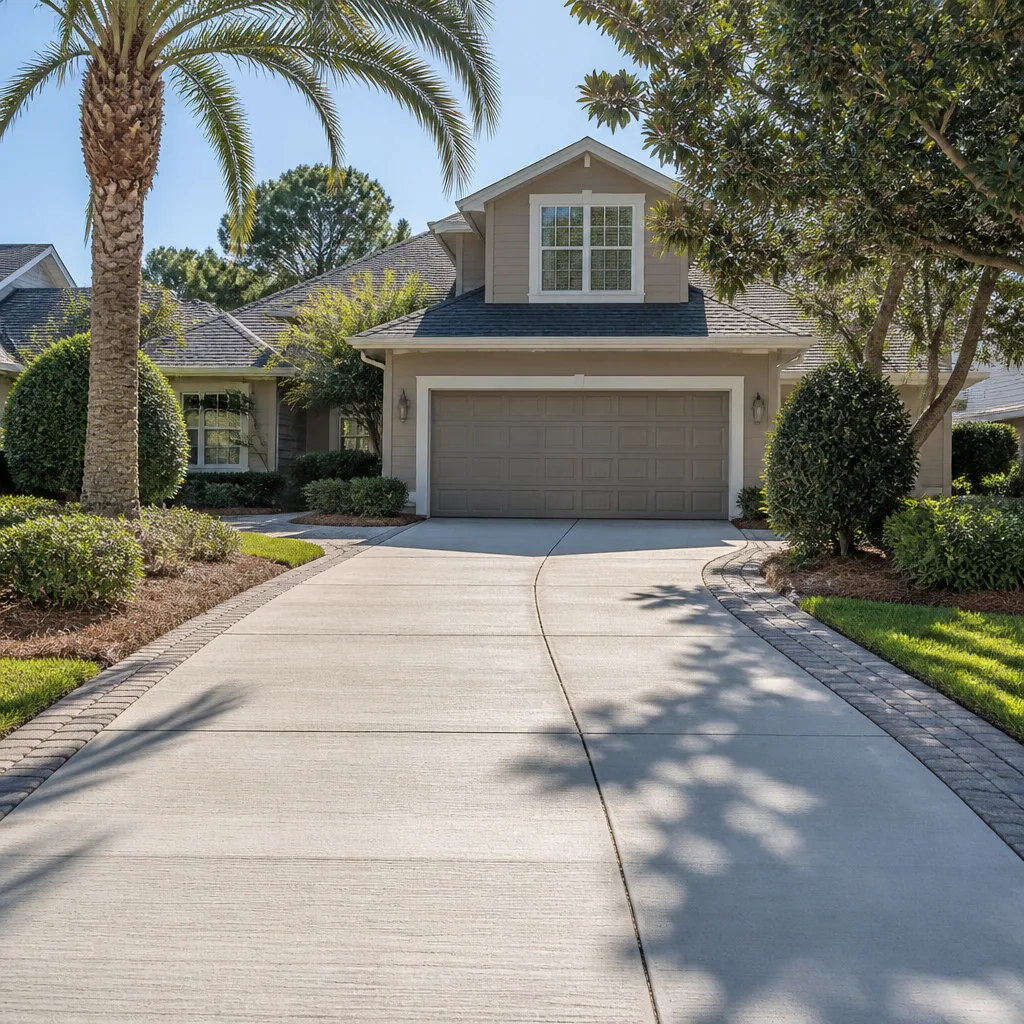
- Driveway & pavers
- Fence
See the difference
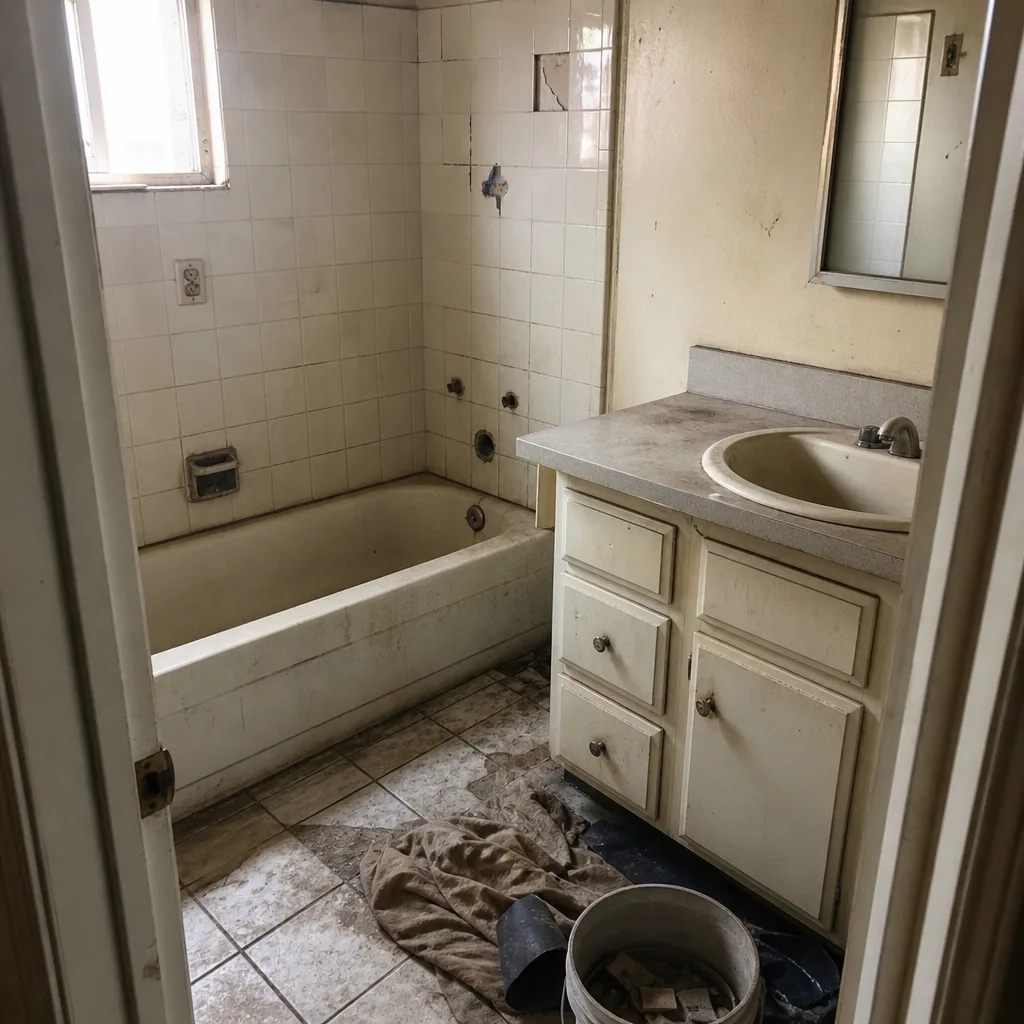 Before
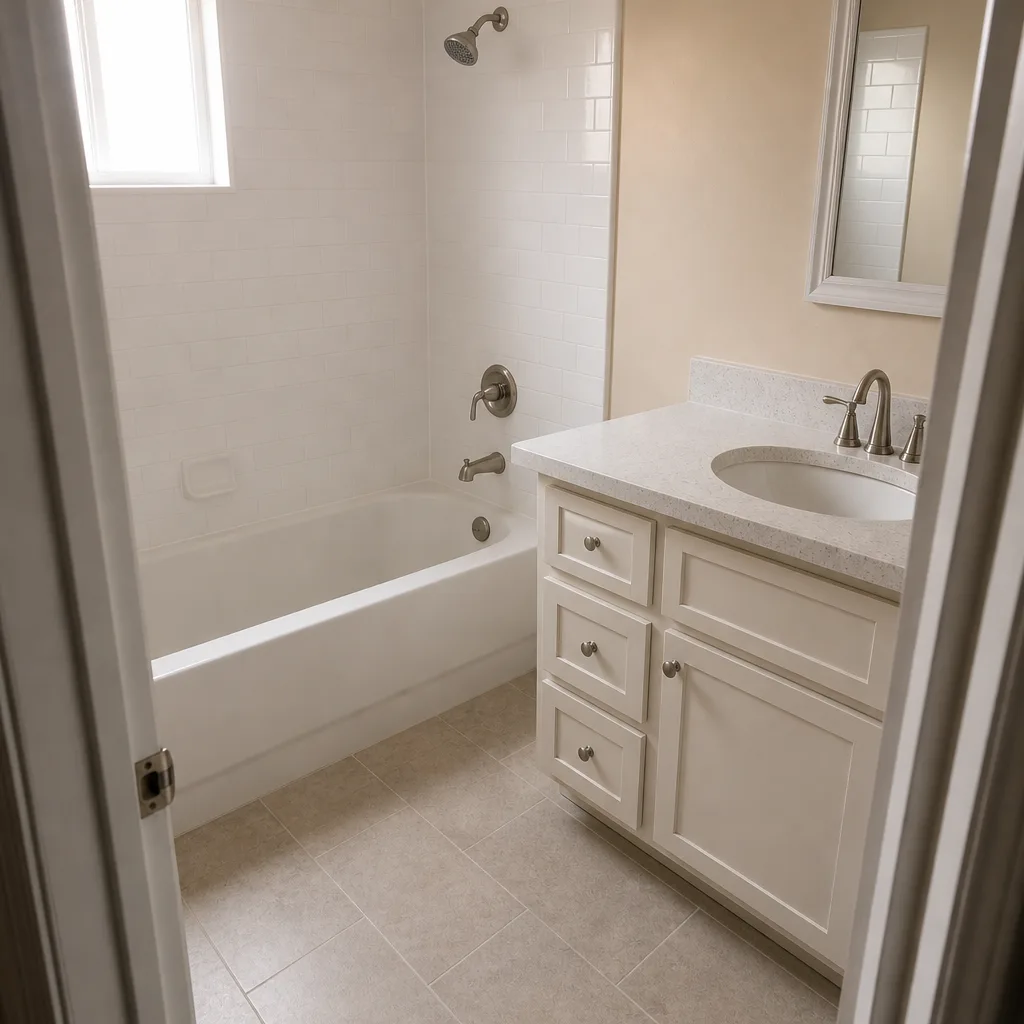 After
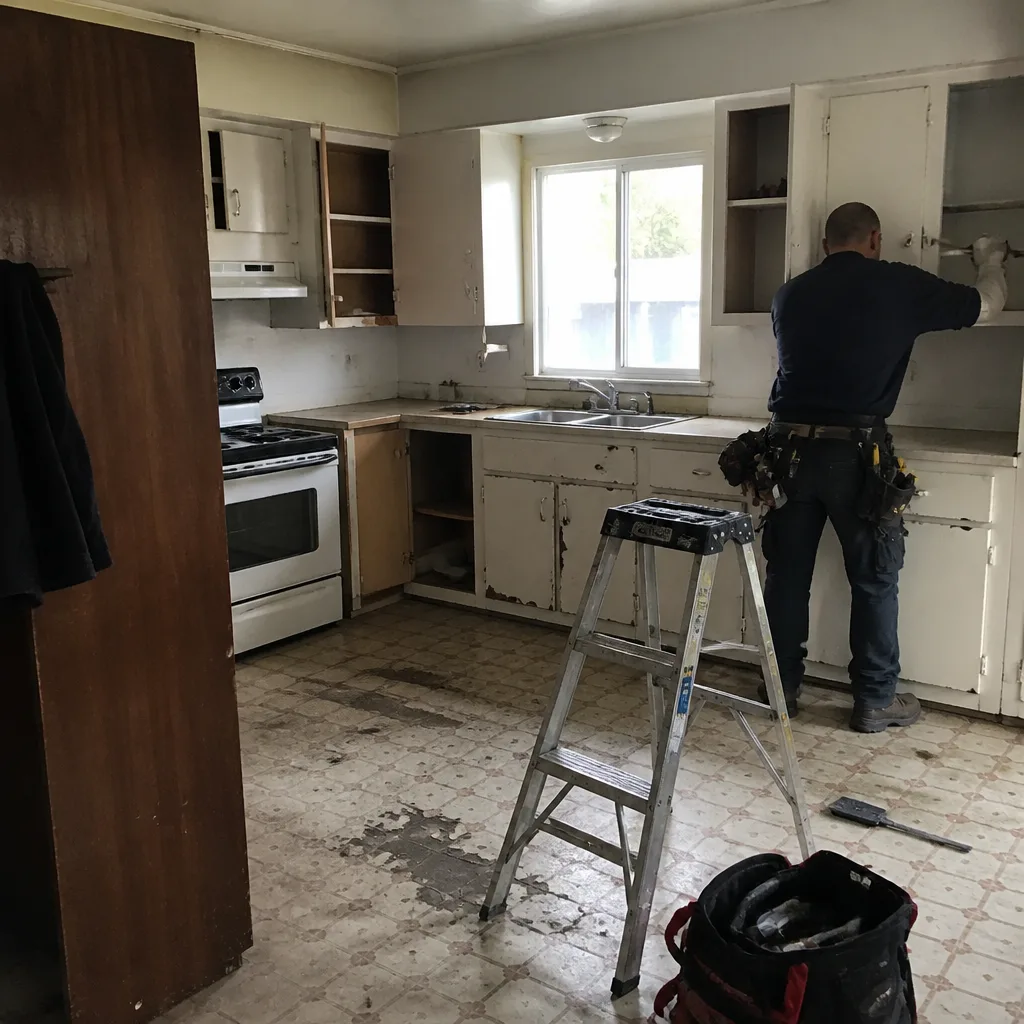 Before
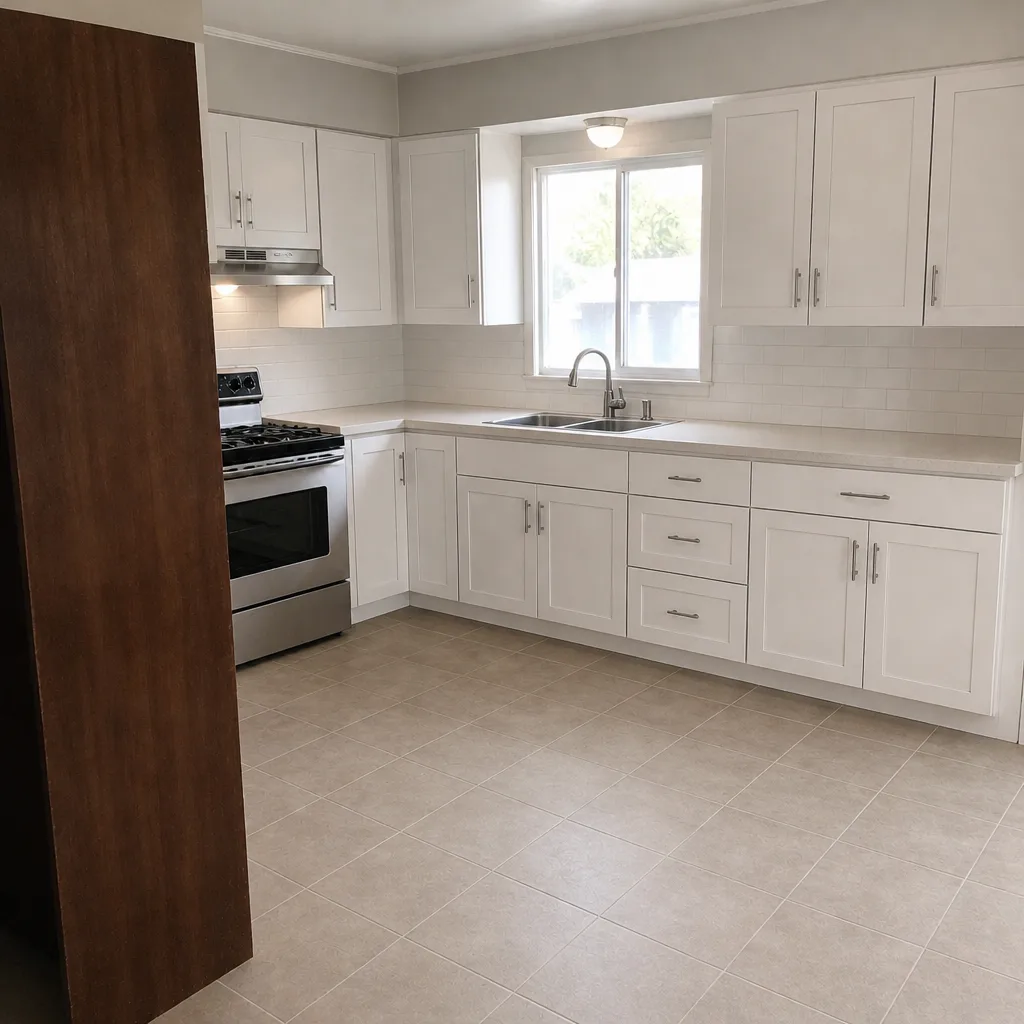 After
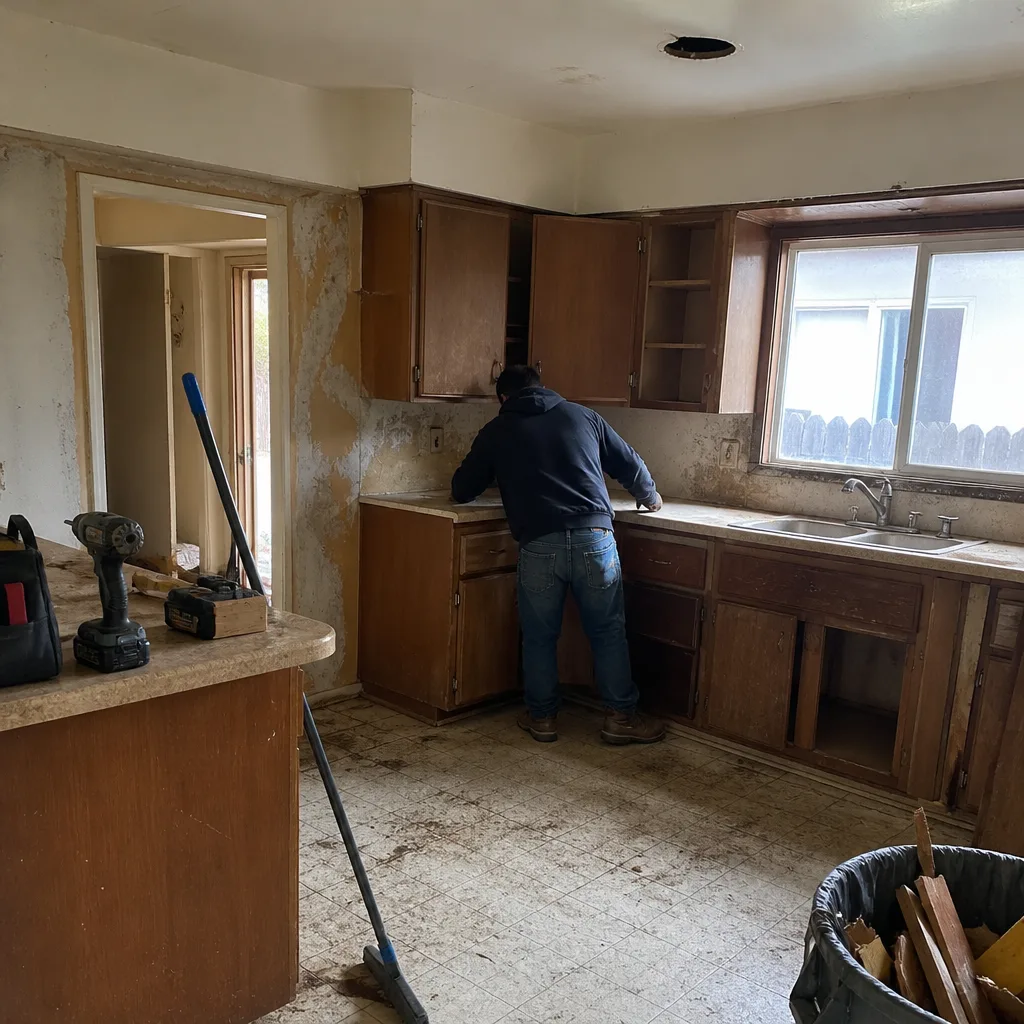 Before
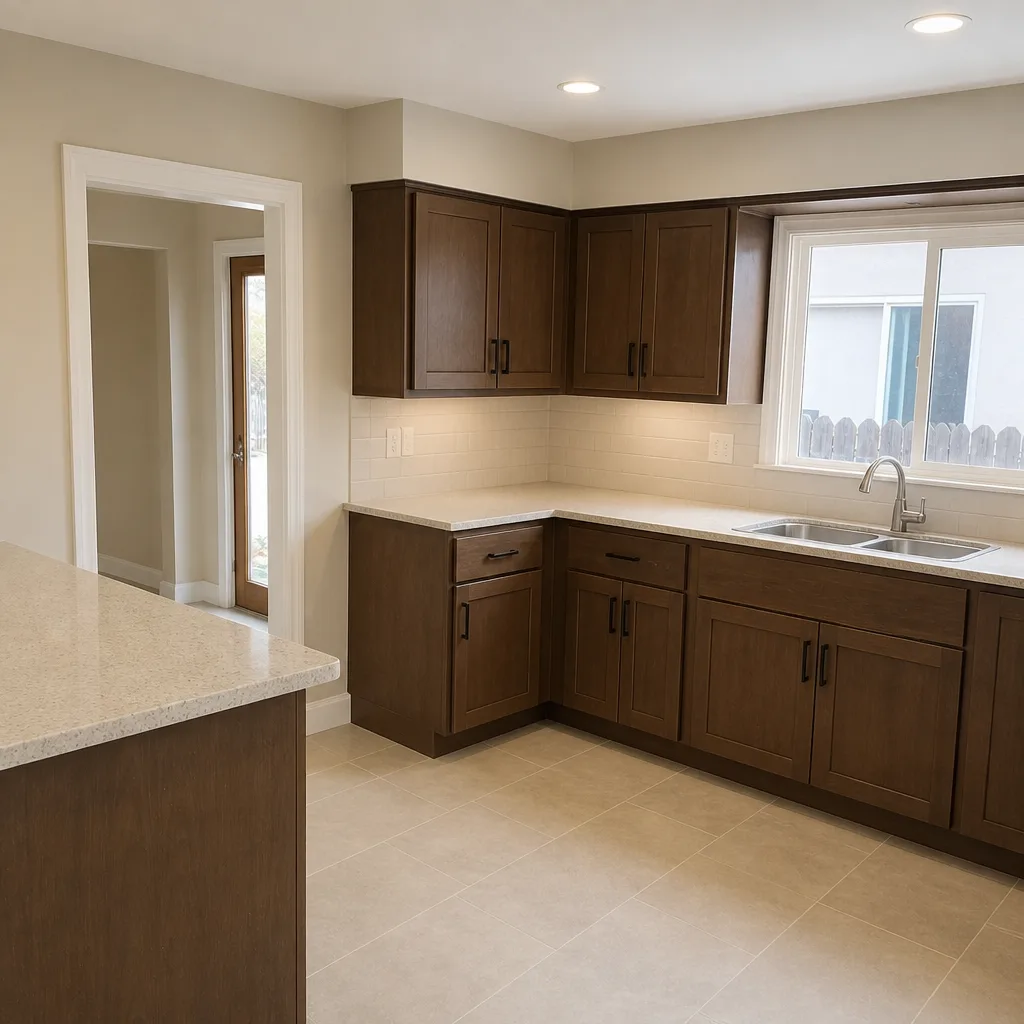 After
Aluminum vs. Wrought Iron Fence in Long Beach, CA: The Answer Depends on How Close You Are to the Water
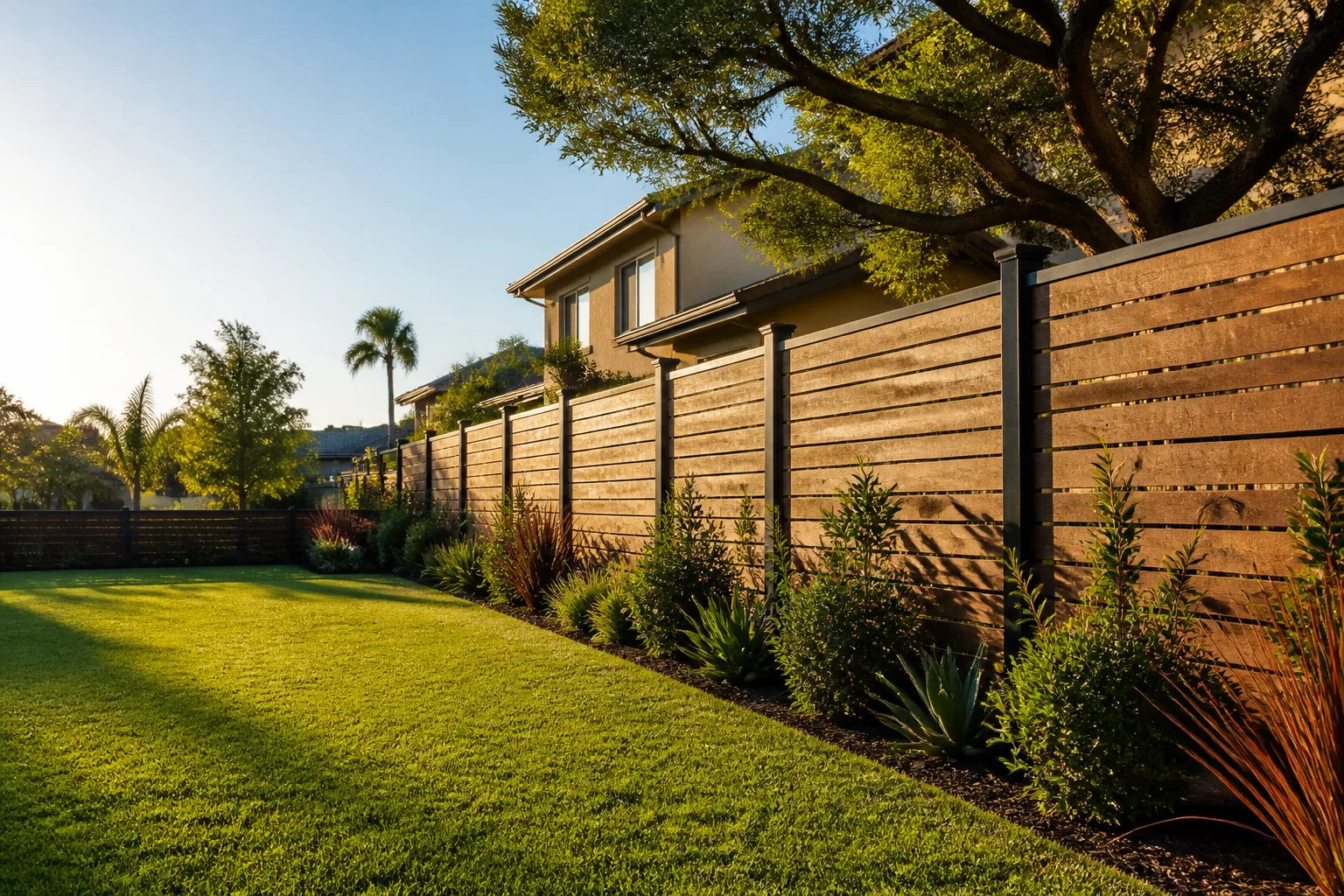
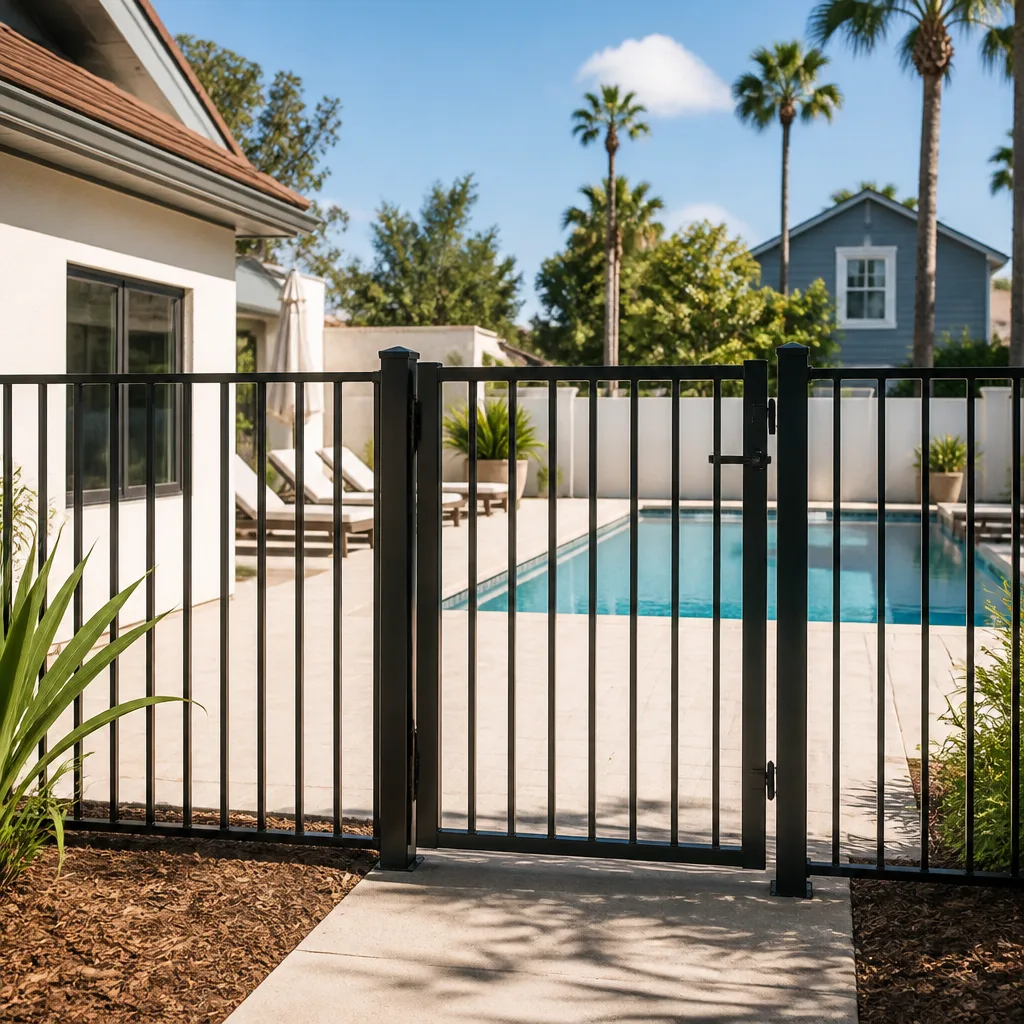
Choose powder-coated aluminum unless you own a front-yard fence in a Long Beach historic-design zone like Rose Park or Bluff Park and you’re willing to refinish wrought iron every few years. For most properties in Long Beach, aluminum wins on total ownership cost because salt air and the marine layer punish iron in a way inland buyers never see. Wrought iron looks better on day one. By year three near the waterfront, aluminum looks better for the next seventeen. If you want a straight verdict for your specific lot, call (888) 345-8164 and we’ll tell you what we’d specify.
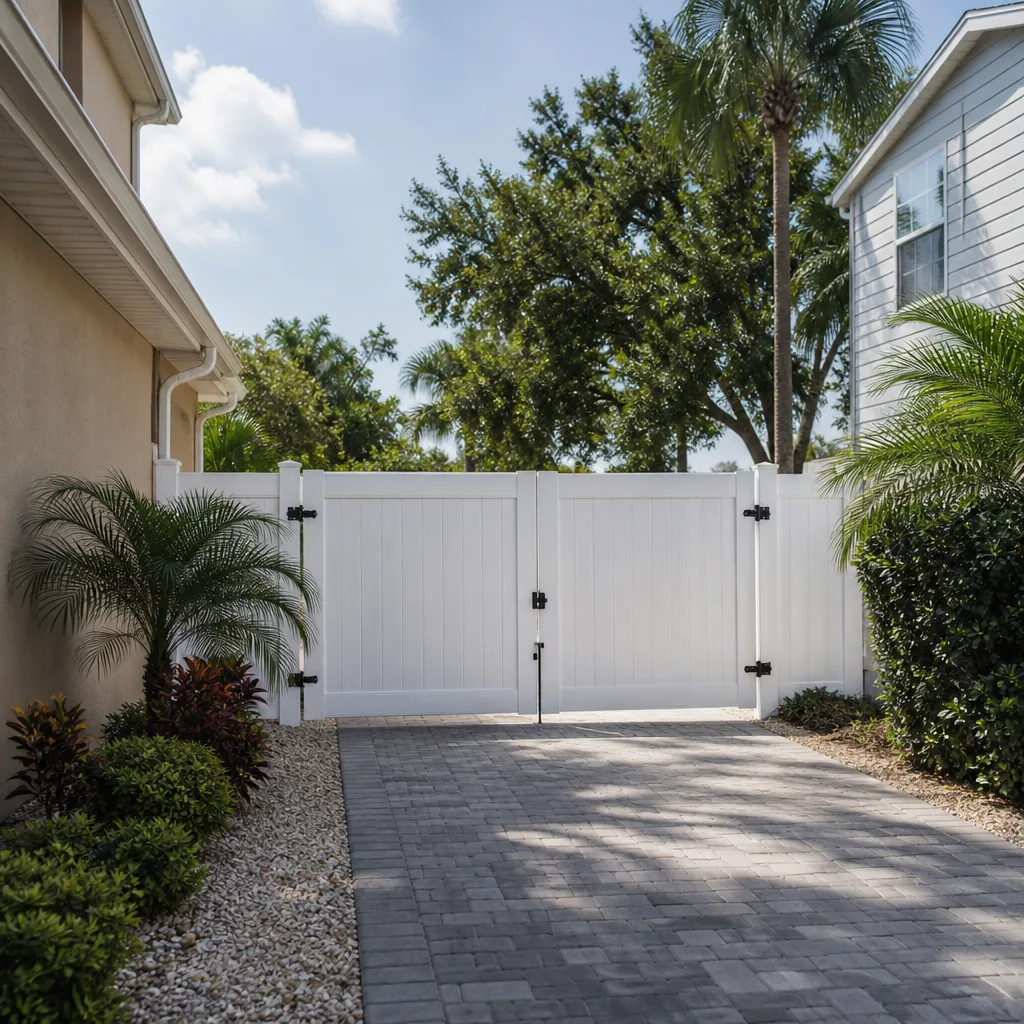
Why Long Beach Is a Harder Fence Market Than Most
Long Beach sits in a coastal zone where the marine layer and salt air coming off the Port of Long Beach settle on exterior metal every morning. That matters here more than in Lakewood or Compton, where the air is drier and the ocean influence fades a few miles inland. On top of the climate, the housing stock is a collision of very old and very regulated. Spanish Colonial Revival and Craftsman bungalows from the 1920s through the 1940s line blocks in Belmont Heights and Rose Park, and many of those properties sit inside a designated historic context. That means a front-yard fence project can pull in historic-district design review before a single post goes in the ground.
It’s a permitting stack you don’t hit in most of the county. Understanding it before you pick a material is the difference between a fence that passes review and one that gets red-tagged. Groundwork Construction Co. of Long Beach works through that review routinely, and it shapes how we recommend materials.
For a deeper look at how we install fences across the city, see our Fence Installation service page.
The Corrosion Math: Why Aluminum Is the Defensible Default
Wrought iron in a coastal salt-air environment needs paint or rust-inhibitor refinishing every two to three years to prevent structural pitting. Skip that schedule and the metal begins to pit from the inside, which weakens the section before you ever see a rust bloom on the surface. Powder-coated aluminum needs essentially zero corrosion maintenance. In Long Beach’s marine layer zone, this maintenance delta isn’t a footnote. It’s the primary ownership cost over a ten-year horizon.
Here’s how that plays out on typical Long Beach parcels:
- Wrought iron: refinish every 2-3 years near the water. Ten years of maintenance runs roughly $1,200-$2,400 on a typical front-yard run, before you factor in rust removal on pitted sections.
- Powder-coated aluminum: occasional rinse with a garden hose. No recoating unless the factory finish is physically damaged.
- Fail mode to watch: thin powder coat on bargain aluminum will chalk and fade within four to five years. Coat thickness matters more than the alloy name on the box.
This is where the right brand and the right spec earn their keep. We specify systems like Bufftech and ActiveYards when the coat quality matters, because those lines hold up to the coastal cycle where generic imports don’t.
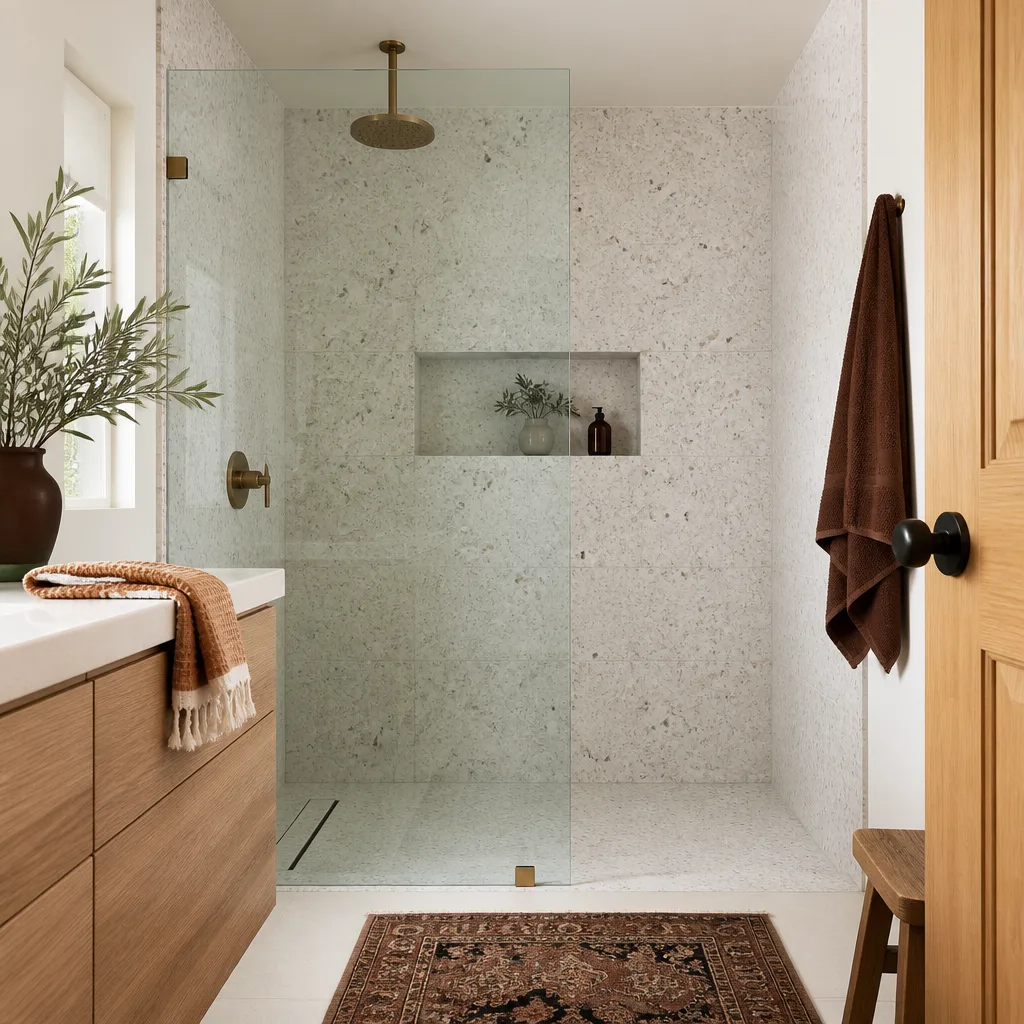
Where Wrought Iron Still Wins in Long Beach
Historic-district design review zones around Rose Park and Bluff Park still prefer wrought iron for front-yard decorative fencing. It matches the Spanish Colonial Revival and Craftsman-era architectural character in a way aluminum mimics but rarely matches. If your property is inside a design-review overlay, iron may be what gets the plans through. But the approval usually comes with an expectation of a committed maintenance plan. If you won’t refinish it on schedule, iron in a coastal zone is a slow-motion liability, not an asset.
Our read: wrought iron is the right choice for a historic front-yard ornamental fence where the review board wants it, backed by a documented refinish routine. For backyard privacy, side-yard runs, pool enclosures, and anything within a half-mile of the water, aluminum is the smarter bet.
Two Things Most Comparison Guides Get Wrong
Weight and Footings
Wrought iron is significantly heavier than aluminum, and that weight translates into heavier post footings. In Long Beach’s coastal clay soils, which can shift with the wet-dry cycle, undersized footings on a heavy iron run will lean or heave within a few seasons. Generic product comparisons call the weight difference “minor.” On this soil type, it’s a real line item in the install cost, and it’s the difference between a fence that stays plumb and one that doesn’t.
Galvanic Corrosion at Contact Points
Attaching wrought iron panels to aluminum posts or aluminum hardware in a salt-air environment accelerates corrosion at the contact point through dissimilar-metal interaction. This failure mode shows up within about 24 months as pitting or bubbling right at the joint, and generic comparison guides never mention it. The fix is straightforward: keep the system single-material through every connection, or specify an isolating gasket. It’s the kind of spec detail that separates a coastal-correct install from a stock-order build, and it’s exactly why we name the material on every line of the quote.
Aluminum vs. Wrought Iron: Side-by-Side for Long Beach
| Factor | Powder-Coated Aluminum | Wrought Iron |
|---|---|---|
| Corrosion maintenance (coastal) | None beyond a rinse | Refinish every 2-3 years |
| Ten-year maintenance cost | Under $200 | $1,200-$2,400+ |
| Weight / post footing | Lighter; standard footings | Heavier; more robust footings required |
| Galvanic corrosion risk at mixed connections | Low when kept single-material | High if mated to aluminum hardware |
| Historic-district design review fit | Mimics; may face objection | Preferred for Spanish Colonial / Craftsman front yards |
| Install range in Long Beach (typical run) | $4,000-$10,000 | Often higher where footings and finish spec add weight |
What Fence Installation Costs in Long Beach
Most aluminum fence installations in Long Beach land between $4,000 and $10,000, and a typical full fence run lands in the $3,500-$9,000 range. Wrought iron sits at the top of those bands or above once heavier footings and the coastal-refinish schedule enter the picture. Here’s a small snapshot of the install pricing we quote in Long Beach:
- Aluminum fence installation: $4,000-$10,000
- Vinyl fence installation: $3,500-$9,000, a good fit for backyard privacy where historic character isn’t a factor
- Wrought iron: priced per project, typically above the aluminum band where footing and finish spec add cost
Every quote we hand out is upfront and itemized: no surprise line items after the crew arrives. And every fence install is backed by the 730-Day Done Right Promise, which is one of the longest workmanship guarantees in the residential construction space. If it’s not done right, we make it right.
How Groundwork Handles a Long Beach Fence Project
Specifying the right powder-coat thickness and alloy grade for a coastal install is a technical call, not a sales call. Our technicians, with up to 12 years of experience on installs, know how to look at a coastal parcel and pick the material that will survive the next fifteen years of marine air. We also carry the brands that hold their finish in this climate, so the choice comes down to quality and fit rather than whatever happens to be in stock. From foundation to finish line, we’ve built our process around making that call clear for you upfront.
The work starts with a free project estimate and design consult. From there, you’ll get a spec sheet that names the material, the coat thickness, and the brand. That’s what makes the 730-Day Done Right Promise possible on a fence project: you have to know what you specified before you can guarantee it.
FAQs
Powder-coated aluminum is better for most Long Beach properties because salt air and the marine layer drive wrought iron maintenance to every two to three years. Iron is the right call for a front-yard ornamental fence inside a historic-design zone, but only with a committed refinish plan. Call (888) 345-8164 for a material recommendation specific to your lot.
Wrought iron typically costs more than aluminum in Long Beach, both up front and over time. Aluminum installation lands at $4,000-$10,000 for a typical run, while wrought iron rises above that band once heavier footings and coastal refinishing are factored in. Call (888) 345-8164 for an exact quote on your property – estimates are free.
Often, yes. Front-yard fences in historic-design overlay zones like Rose Park and Bluff Park may need design-review approval before installation, and the review board frequently prefers wrought iron where it matches the Spanish Colonial Revival or Craftsman character of the block. We walk clients through that review routinely, and we coordinate the design submittal so the material choice matches what the board will approve.
Technically yes, but not safely in coastal salt air unless you isolate the connection. Attaching wrought iron panels to aluminum posts creates a dissimilar-metal contact that accelerates corrosion at that joint, and the failure shows up within about 24 months. We keep connections single-material on every coastal install or specify an isolating gasket. Call (888) 345-8164 if you’re unsure about an existing mixed fence.
Get a Straight Answer on Your Fence
If you’d rather have your property looked at than guess about material, Groundwork Construction Co. of Long Beach offers a no-pressure assessment in Long Beach. We’ll walk the lot, check the proximity to the water, confirm any design-review overlay, and give you one honest recommendation. Call (888) 345-8164 for your free estimate. Live person, 24/7, no voicemail black holes.
Written by the team at Groundwork Construction Co. of Long Beach, serving Long Beach, CA.