Last updated November 17, 2026




Free written scope consultation - allowances, timeline, and change-order rules on paper before a single trade is scheduled
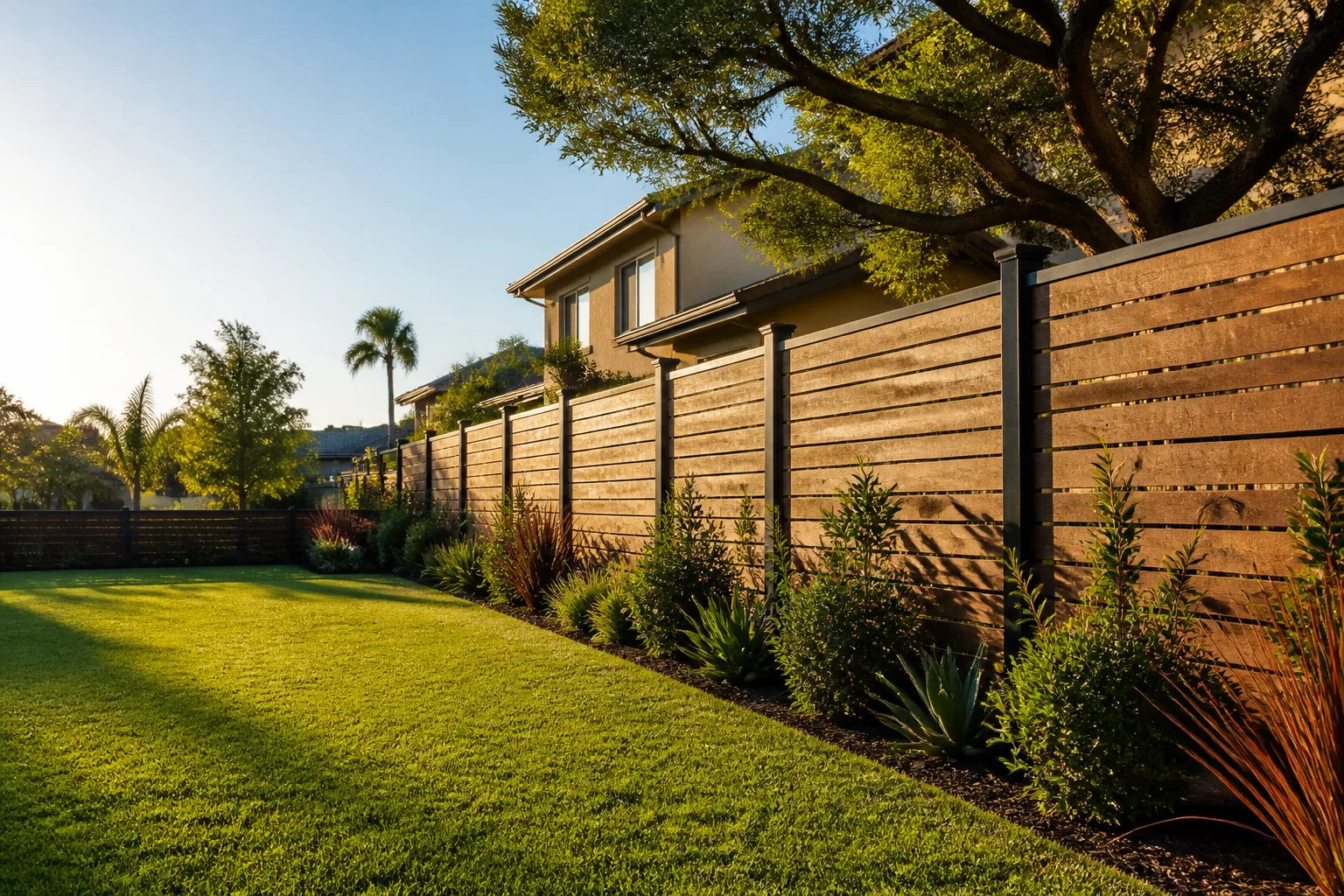
DIY vs Professional Fence Installation: What’s Safe to Do Yourself
California law requires a call to 811 before any ground-penetrating work, yet fewer than 40% of DIY fence projects ever make that call. A struck gas line or a sliced fiber optic cable turns a $600 weekend into a five-figure liability claim, and the homeowner who “just wanted to save money” ends up writing the check. The problem isn’t skill. It’s that a fence looks like carpentry when it’s really a legal, structural, and underground-utility project wearing a lumber costume. Here’s where the line actually sits. This guide breaks down what’s genuinely safe to do yourself, what isn’t, and why so many Long Beach homeowners learn the difference after the fact.
Quick Answer
Repairs, staining, panel replacement, and basic gate adjustments are safe DIY territory for a careful homeowner with the right tools. New fence installation is not – especially in Long Beach, where coastal wind loads, buried utilities, permit height limits, and California’s shared-fence notification law mean a misplaced post can cost more than the whole project. If your fence shares a property line with a neighbor, sits within 5 feet of a structure, or needs corner posts on a slope, hire a licensed professional and get the work covered in writing.
Styles & brands we work with
- Kitchen remodeling
- Bathroom remodeling
- Home additions & ADU
- Roofing
- Windows & doors
- Driveway & pavers
- Fence
Table of Contents
- The Legal Non-Negotiables That Apply to Every Fence Project
- What a Competent DIYer Can Genuinely Own
- When Professional Execution Isn’t Optional
- The Hidden Costs DIY Calculators Ignore
- How Pro Installation Protects You in California’s Shared-Fence Environment
- Long Beach-Specific Fence Considerations
- Common Mistakes to Avoid
- Frequently Asked Questions
The Legal Non-Negotiables That Apply to Every Fence Project
Before we talk skill or budget, understand that three legal requirements apply to any fence project in California regardless of whether you hired a crew or bought the wood at the local lumberyard yourself. These aren’t suggestions. Skip any one and you’re exposed to fines, rework, or a neighbor dispute that a judge will settle in their favor.
1. Call 811 first – every time. California’s Underground Service Alert line (811) will come out and mark gas, water, electric, and telecom lines on your property free of charge. It typically takes two business days for marking. Every municipality in Long Beach and the surrounding region requires it, and it’s simply the law. The marking matters more than most people realize: older Long Beach neighborhoods like Belmont Shore and Bixby Knolls have utility lines laid decades apart, and there’s no reliable map of where they run. A fence post dug into a fiber trunk line costs anywhere from a few thousand to tens of thousands of dollars to repair – and every dollar lands on the homeowner who skipped the call.
2. Check your height allowance. Long Beach residential zoning typically allows a fence up to 6 feet in height in a rear or side yard without a permit. Anything taller, anything in a front setback, and anything on a corner lot with a sight-line restriction may require a permit and could be outright denied. The city measures from the finished grade line, not from where you start digging – which is where most DIY installers get caught. A 6-foot fence built on a grade that slopes up an additional 6 inches is a 6.5-foot fence, and that’s a code violation waiting for a complaint.
3. Notify your neighbor in writing. California Civil Code Section 841 requires written notice to adjacent property owners before you modify or replace a shared boundary fence. The notice gives them a window to respond, and if they don’t, you can proceed – but the paper trail matters if they later claim you changed the property line. Verbal conversations about “splitting the cost” are not notice. In Long Beach, where many lots are 25-foot-wide and fences sit directly on the property line, this is the single most common source of neighbor disputes after the fence is already up.
None of these requirements care how skilled you are with a nail gun. They apply equally to a first-timer and a 12-year veteran carpenter.
What a Competent DIYer Can Genuinely Own
We’re not going to tell you every fence project belongs in someone else’s hands. Plenty of fence work is well within reach of a homeowner with average handiness, a few weekends, and the willingness to read instructions. Here’s the honest breakdown.
Panel and board replacement – DIY friendly
Swapping a broken picket or a warped fence panel is real carpentry but it’s reversible. Nothing below the ground changes. If you can identify the board profile (dog-eared cedar, board-on-board, shadowbox) and match the fastener, you can replace a panel in 30 minutes with a drill, a pry bar, and a box of exterior screws. Tools needed: hammer, pry bar, drill/driver, tape measure. Skill level: beginner.
Staining and sealing – DIY friendly
A well-prepped re-stain extends the life of a wood fence by years. Coastal Long Beach moisture and salt air accelerate wood degradation, so an annual or biennial re-seal isn’t optional if you want cedar or pine to last. Tools: pump sprayer or brush, cleaning solution, weather window of 48 dry hours. Skill level: beginner, but the prep work is where the value lives – a sloppy stain job grows mold within a year.
Gate adjustment and hinge replacement – DIY friendly with patience
Sagging gates are usually a hinge problem, not a wood problem. Swapping a hinge, re-driving the fastener, or adding a diagonal brace is DIY-reachable in most cases. Skill level: intermediate. The tool most people don’t own is a good 4-foot level; buy one before you start.
Cosmetic post caps and trim – DIY friendly
Adding or replacing post caps and trim boards is a straightforward Saturday project. Fastener choice matters – stainless or exterior-coated, not interior drywall screws – but at this point you’re decorating, not building.
What all these have in common: they’re above-ground, reversible, and don’t touch a shared boundary line. That’s the honest DIY lane.
When Professional Execution Isn’t Optional
Some fence work crosses a structural or legal threshold where even a skilled DIYer with the right tools shouldn’t do it themselves. It’s not about capability. It’s about liability, warranty, and the specific physics of the situation.
Corner posts on slopes
Long Beach has more slope than most people picture – think Bixby Park’s hillsides, the Signal Hill side streets, parts of California Heights where lots step up from the sidewalk. A corner post on a slope has to resist wind load from two directions at once, and it has to be set to a depth that accounts for the frost line (which in coastal California is negligible but the real constraint is post depth and concrete volume). Get the corner post wrong and the whole run leans within two years. This is a case where an engineered install with proper post depth, concrete volume, and bracing during cure time isn’t overkill – it’s the difference between a 20-year fence and a 4-year fence.
Any fence sharing a property line with a neighbor
Even when you own the fence and the neighbor does too – even when the fence sits fully on your side of the line – the shared boundary triggers California’s Section 841 notice requirement, and it also means the fence will be visible to, commented on by, and sometimes litigated by the neighbor. A professional installation comes with a documented install record, a written scope, and a guarantee that covers the work regardless of what the neighbor believes about the line. A DIY install comes with none of that.
Installations within 5 feet of a structure
Fences close to a house, garage, or shed are a building-code complexity. Setback rules, drainage, and structural attachment all come into play, plus the potential for blocking a vent or a window egress path. This is the scenario where a permit is most likely to be required and where a code officer is most likely to notice the work. Get an engineer or a permit-pulling contractor involved.
Anything involving post-tensioned or masonry walls
Attaching a new fence line to an existing masonry wall, or digging near post-tensioned slabs (common in mid-century Long Beach builds), is a category of risk that has nothing to do with skill. You can’t see post-tension cables before you cut. A professional installer with a utility-locating service and the right equipment won’t hit one because they took the steps to find it.
One more scenario worth naming: any fence over 6 feet. If you want privacy, sound mitigation, or a wind screen, that’s professional territory – both for the structural integrity of the posts and for the permit. Don’t negotiate with code.
The Hidden Costs DIY Calculators Ignore
Online fence calculators are optimistic by design. They give you material cost and call it done. Here’s the fuller picture that a DIY installer facing a first-time install typically sees only after the fact.
- Post-hole digger rental: An auger rental runs $50-$100 a day, and you’ll want it more than one day. A two-man manual digger is cheaper but slow. Budget the rental, fuel, and the second trip.
- Concrete at accurate volume: A 6-inch post hole at 30 inches deep takes about 2.5 80-pound bags of concrete. Most manufacturer calculators tell you 1-2 bags. Undersized concrete footings are the #1 reason DIY fences lean in coastal wind. Overbuy, don’t underbuy.
- Disposal: Old fence debris, concrete bags, and packaging add up. A dumpster for a modest fence removal runs $300-$600 in the Long Beach area.
- Tools you don’t own: A good post level, a 4-foot level, a string line, a cordless drill, an auger, a post driver. Some of these you’ll buy once and keep. Others rent. Both add up.
- Overtime cost of a two-day project becoming a four-day project: Every first-time fence install stretches. Weather delays, unexpected rocks, a mis-measured run, a neighbor calling code enforcement. Each extra day is a day you didn’t work, or a weekend you didn’t have.
- Mistakes that require rework: A post set 12 inches off-line, a chain-link bottom rail cut short, a gate frame that doesn’t square. Rework on a fence is almost always more expensive than the original install.
- Permits and inspections: If your project needs a permit, the DIY route means pulling it, scheduling inspection, and paying a re-inspection fee if the first visit fails.
Add these up and the “savings” of DIY often shrinks to $200-$400 against a professional install – and the professional install comes with the workmanship covered for years. That’s not a sales pitch, it’s arithmetic.
For driveway and hardscape work that often pairs with a fence project, our team at Driveway & Pavers in Long Beach can talk through the shared site plan in a single estimate visit.
How Pro Installation Protects You in California’s Shared-Fence Environment
Here’s the part most homeowners don’t think about: what a professionally installed fence protects is not just your investment, but your legal standing. California is a shared-fence state, and the Civil Code has real teeth when a fence dispute lands in court or at mediation.
When you hire a licensed, insured contractor to install a fence:
- The 811 call is documented. A licensed installer logs the utility-locate request, keeps the marking record, and knows what to do if the marking comes back ambiguous. If a line is later struck, the record shows due diligence.
- The scope of work is written down. When you and the contractor sign on the line number, the property-line location, and the install method, the document is what a mediator looks at if a neighbor claims the fence crossed their line.
- Notice to adjacent owners is issued in the right form. A licensed installer knows the Section 841 notice requirements and issues written notice in the way the statute requires – which is the piece most DIY and handyman installs get wrong.
- Insurance is on the job site. If a worker is injured, a utility line is struck, or a neighbor’s vehicle is damaged during install, the contractor’s general liability and workers’ compensation policies respond. A DIY homeowner is uninsured for all three.
- Warranty attaches to the work. A written install warranty transfers with the property in most cases and covers workmanship, not just materials. That’s the piece of paper you’d want in your hand when a fence problem appears four years later.
None of this is about the quality of the fence you’d build yourself. It’s about the paper trail and the liability shield a professional install carries structurally, in a way a self-install can’t.
Long Beach-Specific Fence Considerations
Long Beach is a specific place, and fence work here runs into specific local realities. If you’re planning a project in this city, these angles matter.
Coastal wind loads. The ocean breeze in Long Beach isn’t just pleasant – it’s a predictable load on every fence panel. A 6-foot privacy fence near the coast has to withstand sustained wind loads that a fence in an inland city wouldn’t see at that height. This is why our crews dig deeper footings on coastal properties and why undersized post footings fail first on the coastal side. If your fence is in Belmont Shore, Naples, or the Peninsula, assume the wind load is real even on a mild day.
Salt air and material choice. Cedar and pressure-treated pine both work in Long Beach, but salt corrosion on galvanized fasteners is a known issue. Stainless fasteners cost more up front and last longer. Vinyl doesn’t corrode but the color options matter for sun-fade on south-facing runs. If your fence project runs alongside a home addition – we cover that work through Home Additions & ADU in Long Beach – the material palette should be chosen together so the fence and the addition read as one project, not two.
Alley-facing and shared-property hardware. A lot of Long Beach residential lots have rear alleys, and the fence along the alley frequently sits on a shared line with the property behind. Any work on that line falls under California’s shared-fence rules – even if you’re doing an “invisible” repair. A quick conversation with a licensed installer before you touch it saves you a fight.
Height in dense neighborhoods. Narrow lots in Belmont Heights and Rose Park mean fences sit close to structures. The 6-foot rule applies from grade, and a front-yard fence over 3 feet needs a permit in most parts of Long Beach. If you’re buying the material this weekend for a Saturday install, confirm the height allowance first. It’s the cheapest check in the project.
Neighborhood-specific failure patterns. In Long Beach, we regularly see wood fence posts failing at the concrete line after 8-12 years – not because the wood is bad, but because coastal moisture gets into the post-to-concrete joint and the footing dries unevenly around it. A professional install that sets the post with the right concrete mix and leaves the post grain properly oriented extends that timeline significantly.
For our full fence service scope, see Fence Installation in Long Beach.
Common Mistakes to Avoid
- Skipping the 811 call. We’ve seen Long Beach DIYers skip the free utility locate because they “know where everything runs.” No one reliably knows where everything runs on a 1950s lot. One hit on a gas line stops the project and starts an insurance claim.
- Under-deep post holes. A post hole that’s 18 inches deep when it should be 30 – or 36 on a coastal property – is the top reason DIY fences lean after their first winter. Post depth is not a place to negotiate with the instructions.
- Assuming the property line. Fence installs get built a foot onto the neighbor’s side of the line because the homeowner “just eyeballed it” from the survey marker. Get a survey – or at minimum, a documented boundary confirmation before you dig.
- Using the manufacturer’s concrete estimate. Manufacturer calculators run low. Undersized footings fail. Overbuy the concrete and return what you don’t use.
- Not notifying the neighbor in writing. California Civil Code Section 841 requires written notice. A text message the neighbor “probably won’t see” isn’t compliant. Send certified mail.
- Building a 6-foot fence on a sloped grade without accounting for the finished height. Setback rules measure from grade, and a 6-foot fence built 8 inches up a slope is a 6.7-foot fence. That’s a violation on the height limit.
- Skipping the stain. Long Beach coastal moisture degrades unprotected cedar or pine fast. A fence that isn’t stained within 6 months of install ages dramatically faster than one that was.
See the difference
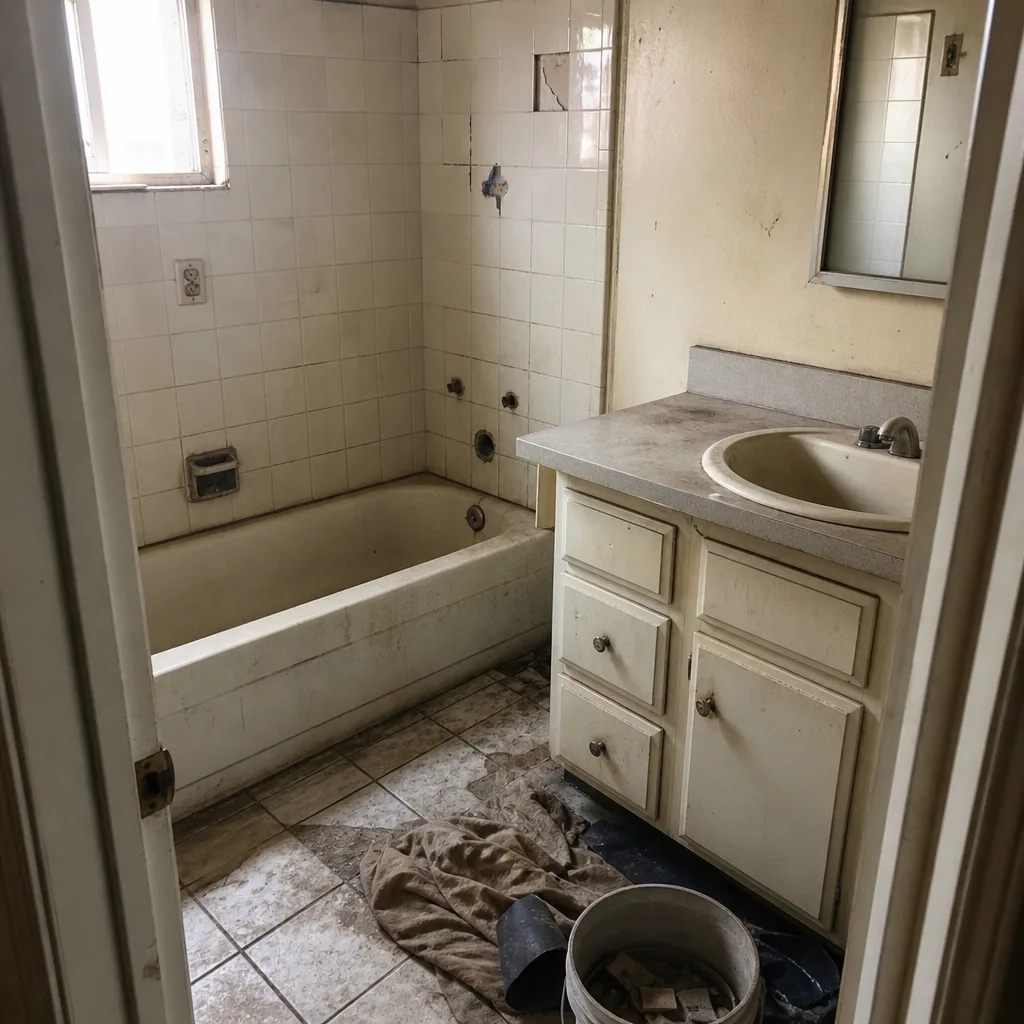 Before
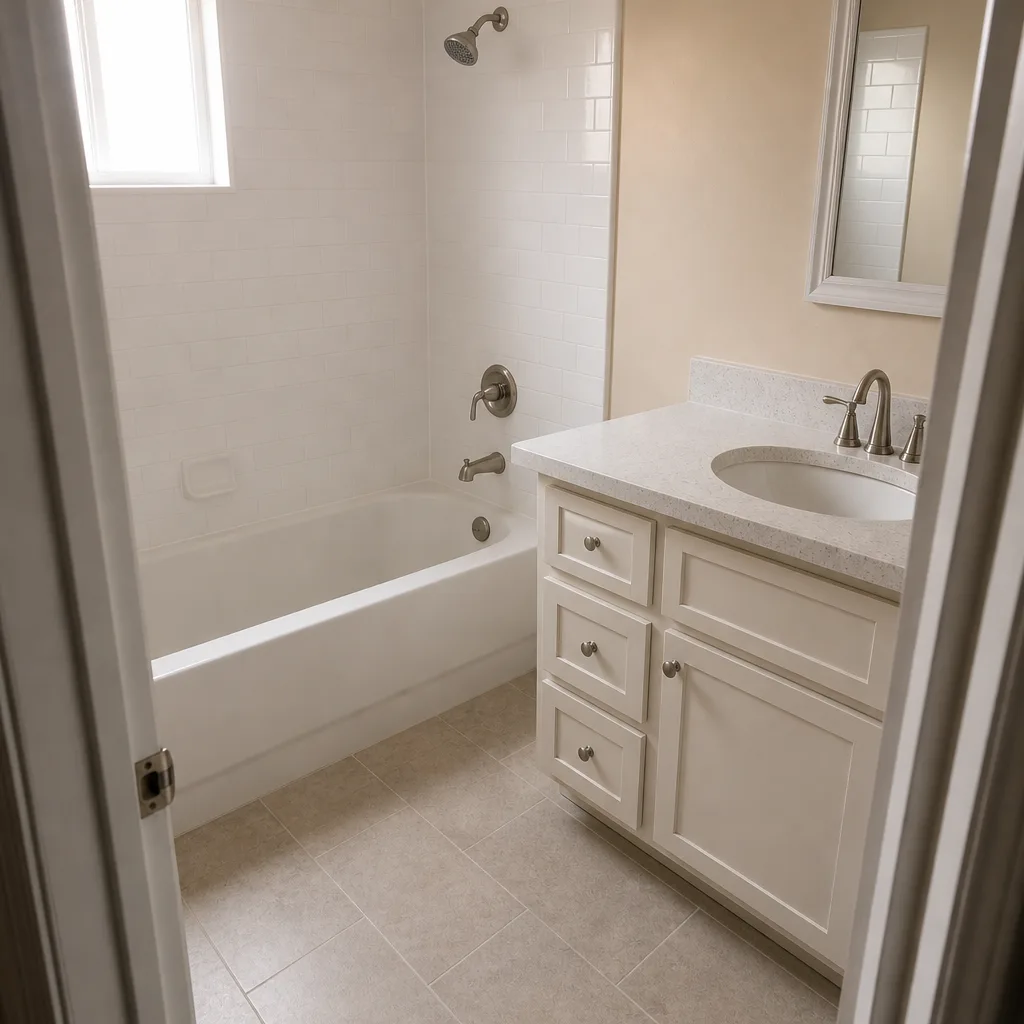 After
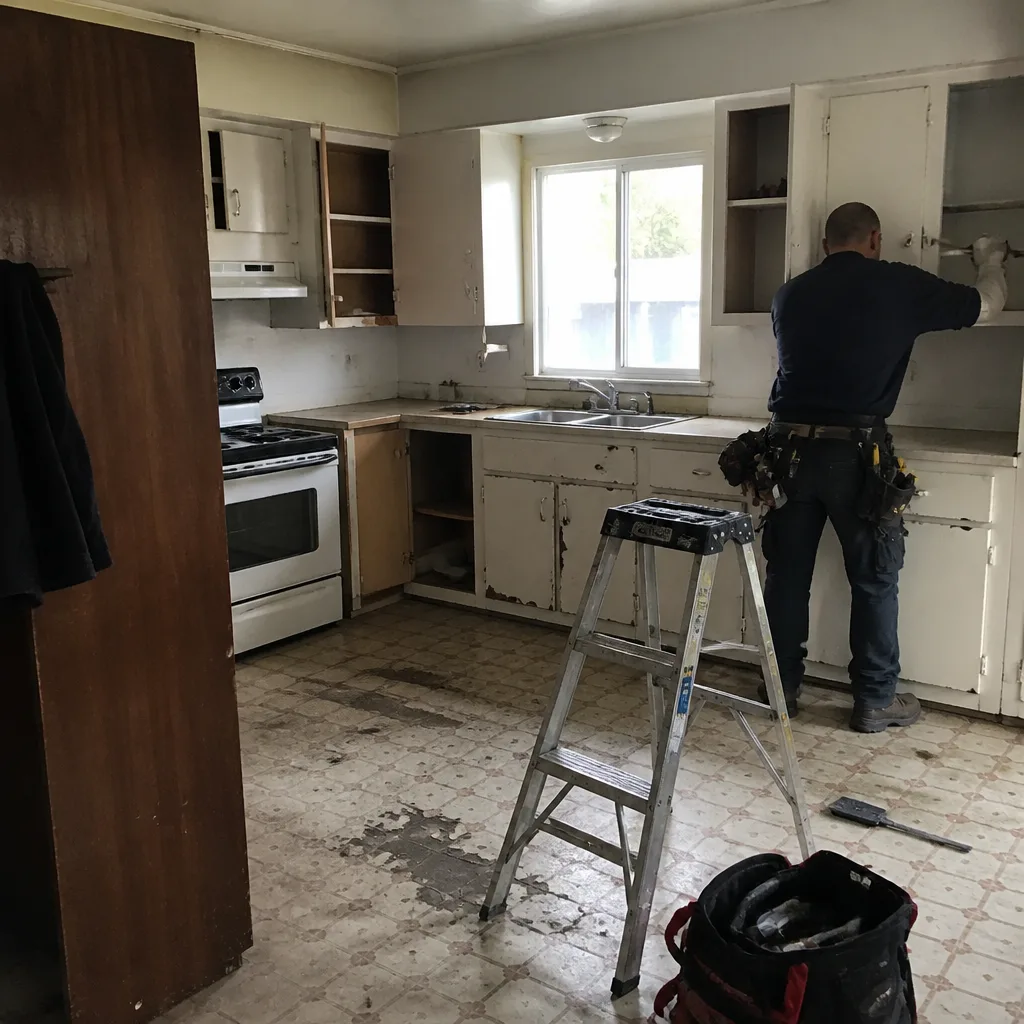 Before
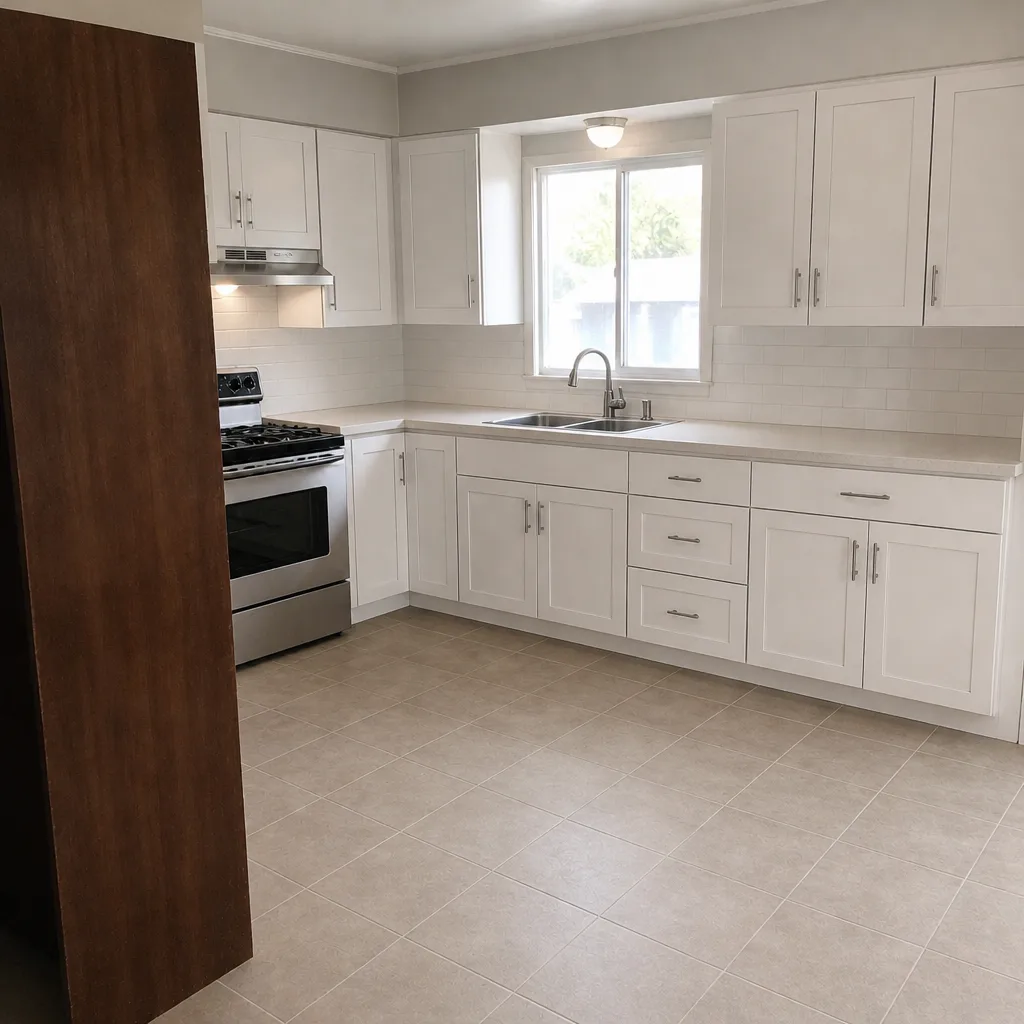 After
 Before
 After
When to Call a Professional
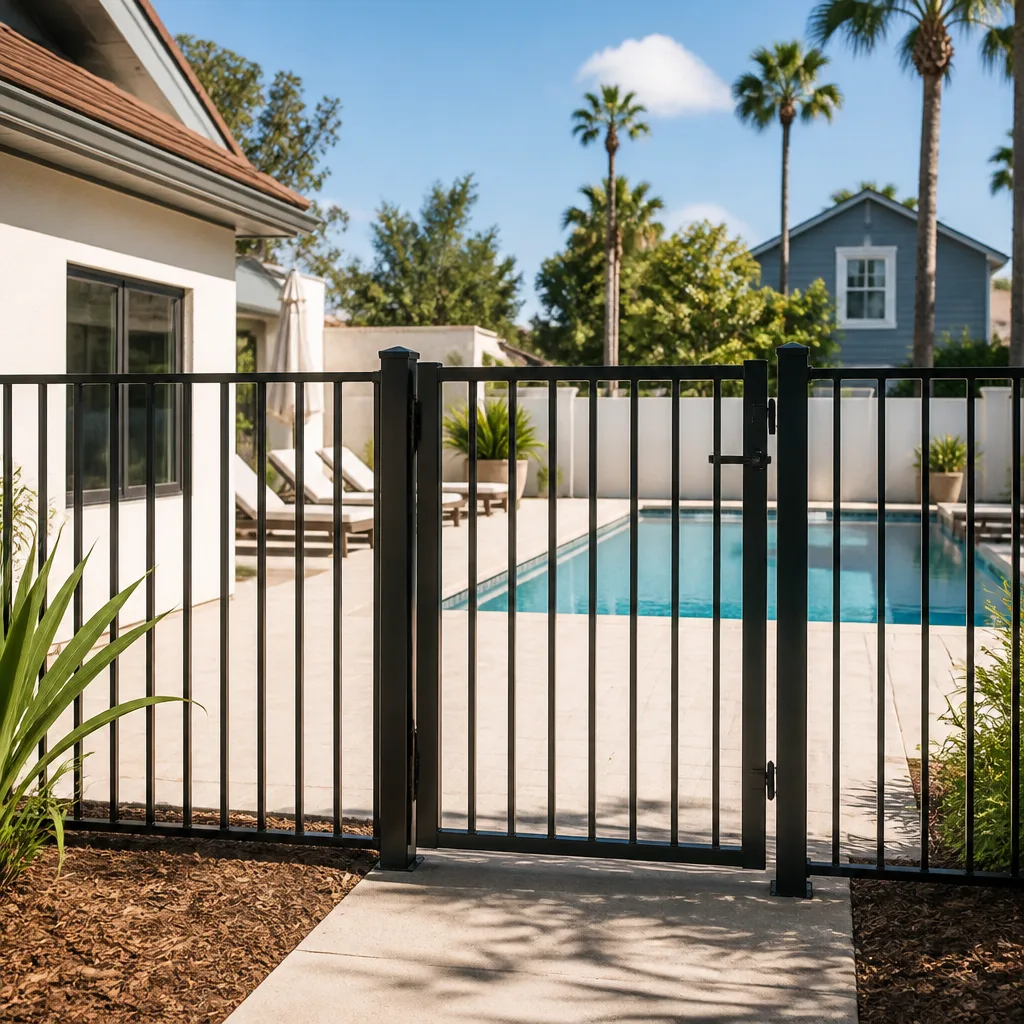
Call a professional installer when the project hits any of these: the fence crosses or shares a property line; any post needs to hold against a coastal wind load; the fence runs within 5 feet of a house, garage, or outbuilding; the height exceeds 6 feet; a permit is required; or the fence attaches to any existing masonry or post-tensioned concrete. Those are the thresholds where structured install, documented scope, and written warranty all matter more than $400 in labor savings. Groundwork Construction Co. of Long Beach offers free estimates in Long Beach – call (888) 345-8164. We pull the permits, coordinate the utility locate, issue the required written notice, and back the work with our 730-Day Done Right Promise.
Frequently Asked Questions
Not for every fence, but you do for a fence over 6 feet in rear and side yards, and for most fences in the front setback or on a corner lot with sight-line restrictions. Long Beach measures height from finished grade line, so a 6-foot fence on a slope can trigger a permit even if the panels are only 6 feet tall. Confirm the height allowance before buying material. If you’re not sure, call (888) 345-8164 – we’ll walk you through whether your project needs a permit before you commit.
Yes, for repairs and refinishing. Panel replacement, staining, sealing, gate adjustment, and post cap installation are all within reach of a careful homeowner. New fence installation is where DIY stops being a good trade on time and money – a first-time install adds 60% to 100% of the schedule and typically produces a fence that isn’t backed by a workmanship warranty.
It depends on the line. A gas line means evacuation and a utility company emergency response – not a weekend project. A fiber optic cable can cost into five figures to repair and the homeowner who failed to call 811 is the party on the hook. Call 811 before any ground-penetrating work, every time. The service is free and it typically takes two business days to mark.
You can – California Civil Code Section 841 lets you modify or replace a shared fence after giving your neighbor written notice. But the notice isn’t optional and the form matters. Send written notice, wait the statutory window, and document everything. If the neighbor disputes after the fence is up, the written notice is what protects you. Call (888) 345-8164 if you want help with the notice process.
On a 100-foot privacy fence, typical DIY savings against a professional install run $200-$400 after accounting for tool rental, concrete at accurate quantities, disposal, and the extra days the project takes. That’s the real number for a careful homeowner – not the $2,000 many online calculators imply. Every dollar of that savings disappears if the fence needs rework before it’s five years old. For an exact line-item quote on your yard, call (888) 345-8164 – estimates are free.
Most residential fence installs run 1-3 days depending on run length, material, and site access. Add time if a permit is required (typically a few weeks for approval in Long Beach) or if a utility locate is pending. The install itself is fast – the timeline is the permits and the locate. We schedule both up front so the install doesn’t sit waiting on paperwork.
The Bottom Line
Fence installation has a clear DIY line, and it’s not about skill – it’s about legal exposure, structural tolerance, and the paper trail. Above-ground repairs, staining, gate adjustments, and panel swaps are solidly within reach. New installs, especially in Long Beach, are not. The 811 call, the height allowance, the Section 841 notice, and the coastal wind load are requirements, not suggestions. Get any one wrong and the “savings” evaporate into rework, neighbor disputes, or a utility-repair bill. If your project crosses any of those thresholds, a licensed installer with a written guarantee is the cheaper path – and the one that actually protects what you built.
Ready to price a fence project without the guesswork? Call Groundwork Construction Co. of Long Beach at (888) 345-8164 for a free estimate. Upfront pricing, permits pulled, workmanship covered by our 730-Day Done Right Promise – from the first post to the last panel. If you want to see how fence work fits into a larger yard or exterior project, start at the Groundwork Construction Co. of Long Beach home page and we’ll route you to the right crew.
Written by the team at Groundwork Construction Co. of Long Beach.