Last updated November 17, 2026


Free written scope consultation - allowances, timeline, and change-order rules on paper before a single trade is scheduled
DIY vs Professional Windows & Doors: What’s Safe to Do Yourself
Water intrusion from a badly flashed window is the second most common homeowner insurance claim in coastal California, and most policies decline to pay when unpermitted work caused the damage. That single fact reshapes the whole DIY conversation. Installing a window or door looks like a straightforward swap until you’re staring at a rough opening that’s out of plumb, a flashing detail that decides whether your wall rots behind the siding, or a permit requirement nobody told you about. This guide maps exactly where DIY ends and professional work begins in Long Beach, with the code, climate, and water-management details that decide which projects you can safely take on and which ones will cost you far more than you save.
Quick Answer
Replacing hardware, weatherstripping, screens, and door thresholds is genuinely safe DIY work. Replacing an entire window or door unit – especially anything that requires cutting the rough opening, reframing a header, or tying new flashing into a wall – is professional work in Long Beach because it involves structural loads and water management that fail inspection and rot walls when done wrong. If the unit goes into an existing opening with no structural change, some homeowners can handle it; if the opening changes, call a licensed contractor. Call (888) 345-8164 for a free estimate on anything structural.
Styles & brands we work with
- Kitchen remodeling
- Bathroom remodeling
- Home additions & ADU
- Roofing
- Windows & doors
- Driveway & pavers
- Fence
Table of Contents
- Where the DIY line actually sits
- What California and Long Beach code require permits for
- The flashing and water management details that decide everything
- Hardware and weatherstripping: the DIY tasks that pay off
- The structural risk in DIY door installation
- Why “YouTube-perfect” installs still fail inspection
- What professional installation costs versus DIY
- When to stop and call a professional
Where the DIY line actually sits
The honest answer is that most window and door “replacement” projects split into two very different jobs that get lumped together. One is a surface job: hardware, hinges, weatherstripping, screens, thresholds, exterior trim. The other is an opening job: removing the old unit, inspecting the rough framing, correcting flashing, sealing, and setting a new unit plumb, level, and square. The first is a weekend. The second is where Long Beach homes get into trouble.
A retrofit or “pocket” replacement slides a new unit into the existing frame without disturbing the wall. That’s closer to DIY territory, though the flashing and sealing still decide whether the install lasts. A full-frame replacement removes the entire window and frame down to the rough opening, exposing the wall sheathing and the water barrier behind it. Once you’ve opened the wall on a Long Beach bungalow in Belmont Shore or an older Craftsman in Willmore, you’re doing carpentry, flashing, and water management – not a swap.
The line we’ve seen hold up over thousands of installs is this: if you are not changing the size or position of the opening, and the existing flashing is intact and inspectable, a careful homeowner can sometimes manage a retrofit. The moment the opening changes, the header or jack studs need adjustment, or the existing flashing is compromised, you have crossed into structural and waterproofing work. That’s professional territory.
What California and Long Beach code require permits for
Many Long Beach homeowners are surprised by what qualifies for a permit. A straight one-for-one replacement of a window or door in an existing opening often does not require a building permit under California code. But change the size of the opening, add a new window or door where none existed, replace a door with a window or vice versa, or alter any framing, and a permit is required. Skip it and your insurance company can decline a water-damage claim on the grounds that the work was unpermitted.
Here’s the practical breakdown we walk homeowners through:
- One-for-one replacement, same opening, no structural change: Usually no building permit required, though HOA or historic-district rules in Long Beach neighborhoods like Bluff Park may still apply.
- Changing the opening size or location: Building permit required. This is structural.
- New window or door where none existed: Building permit required, plus egress and structural review.
- Replacing a door with a window (or vice versa): Permit required. This changes egress and load paths.
- Any change to a header, jack stud, or wall framing: Permit required, typically with engineered drawings.
- Window or door in a coastal zone or historic district: Additional review is common in Long Beach, and it can add weeks to the timeline.
Long Beach is a coastal city with a mixed housing stock, and that mix changes what a permit covers. A newer condo in Downtown gets a different review than a 1920s home near the shore. Before you start, call Long Beach’s Development Services department and describe exactly what you plan to do. Getting the answer in writing is worth an afternoon of your time.
The flashing and water management details that decide everything
This is the section that separates a professional install from one that fails. Flashing is the layered system that directs water away from the wall and out of the assembly. It’s invisible once the trim goes on, which is why DIY installs often skip it or do it wrong. In Long Beach, with marine air, salt spray, and wind-driven rain off the coast, a flashing failure shows up in 2 – 3 rainy seasons – sometimes sooner if the wind drives sheets of rain against the wall.
The correct installation follows a strict order of layers, and every one of them matters:
- Weather-resistive barrier (WRB) behind the frame: The house wrap or felt must lap over the flashing, not under it. The wall sheds water like shingles – top layer over bottom layer, always.
- Sill pan flashing at the bottom of the opening: A sloped, self-adhering pan with back dam directs water out, not in. This is the single most-skipped detail in DIY installs.
- Jamb flashing up the sides: Sealed in order so water can’t run behind the sill pan edges.
- Head flashing (drip cap) over the top: Sheds water over the sides, not behind them.
- Backer rod and sealant at the interior and exterior joint: A proper joint, not a bead of caulk slapped over a gap. Sealant alone is not flashing.
- Integrating with siding and trim: Lap siding, stucco, and stone each have their own detail. Done wrong, the water goes behind the siding and never drains.
A window installed plumb and level but flashed wrong will leak – every time. If you take nothing else from this guide, take this: flashing and sill pans are not optional, and if you’re not confident you can install them to manufacturer spec and pass a Long Beach inspection, hire a pro. Our team writes flashing details into every window and door scope on the jobs we run, and the Groundwork Construction Co. of Long Beach home page lays out how we handle full-scope exterior work like this.
Hardware and weatherstripping: the DIY tasks that pay off
Plenty of window and door work is genuinely safe to do yourself, and it delivers real returns. Weatherstripping alone can cut a noticeable slice off your heating and cooling bill if your doors are drafty, and it’s a job that takes an afternoon. In our experience running window and door service across Long Beach, old doors leaking air near the coast are one of the easiest fixes a homeowner can handle.
Here are the tasks where DIY is safe and effective:
- Weatherstripping replacement: Peel-and-stick foam, V-strip, and door sweeps are all homeowner-friendly. Match the product to the gap and clean the surface before applying.
- Door hardware: Knobs, deadbolts, handlesets, and hinges swap with basic hand tools. Keep the same backset and bore size and you’re fine.
- Window screens: Replacing spline and screen mesh is straightforward and cheap.
- Thresholds and door sweeps: Adjust or replace to stop drafts and water at the base of the door.
- Window locks and operators: Casement and awning operators, sash locks, and tilt latches replace with a screwdriver.
- Caulking and sealant touch-ups: Re-caulking a failing exterior joint at the trim – not at the flashing layer – buys you years.
- Sliding door rollers and tracks: Cleaning the track and swapping rollers is often all a sticky slider needs.
Two cautions. First, don’t confuse caulk with flashing; caulking a joint that should be flashed is a band-aid that hides a leak. Second, when you pull a door threshold to replace a sweep, look at the subfloor and sill for rot. If you find soft wood, the water’s already been getting in, and that’s a professional call, not a hardware swap.
The structural risk in DIY door installation
A door isn’t just a rectangle in a hole. It’s an opening in a load-bearing wall, and the header above it transfers the weight of the house around that opening to jack studs on either side. That’s fine when the opening stays the same. It stops being fine the moment you try to widen a door, raise a header, or move an opening to a spot where the wall wasn’t built to carry the load.
We’ve seen homeowners start an exterior door swap, discover a rotted header or a sagging jack stud, and then realize they’re now doing structural framing they didn’t plan for. That’s a genuine risk. Cutting or modifying a header without engineering is either an oversized job or an undersized one – both fail. Skip the structural review and you can end up with a door that sticks seasonally, a wall that cracks above the opening, or, in bad cases, a real structural failure that insurers will not touch.
Signs the job is structural, not a swap:
- The existing opening size or position needs to change.
- The door is currently sagging, sticking seasonally, or out of square.
- There’s visible rot at the sill, jack stud, or header.
- You’re going from a single door to a double, or adding a glass unit to a solid wall.
- The wall is brick or masonry with no existing framing opening.
- The header is undersized or missing – common in older Long Beach homes where “someone added a door” years ago.
If any of these show up, don’t take the door out until you’ve had a professional look at it. The 730-Day Done Right Promise exists precisely because we see the damage from these projects done wrong. If your project is part of a larger addition or opening a new door in an exterior wall, that often overlaps with our Home Additions & ADU in Long Beach work, where framing and engineering are part of the scope from day one.
Why “YouTube-perfect” installs still fail inspection
This is the part nobody expects. A video can show you a clean, plumb window install, and it might even look finished. What it can’t show you is the specific spec your Long Beach inspector is checking and the manufacturer’s installation instructions that the inspector will compare against. The written standard for a compliant install is the manufacturer’s instructions – and almost no DIY video reproduces them in order.
The real standard involves:
- Manufacturer’s installation instructions – which vary by brand. Andersen and Marvin specify different flashing, fastener, and sealant details, and the inspector will ask you to show them. Our brand partners for windows are Andersen and Marvin precisely because their documentation is complete and defensible.
- Fastener schedule – spacing, type, and depth are specified, not guessed. Galvanized or stainless in coastal Long Beach, not standard drywall screws.
- Flashing details – the layered order shown in the manufacturer’s guide, matching the code-approved method for your wall type.
- Sealant compatibility – the wrong sealant against the wrong material fails early, and in salt-air Long Beach, early is a matter of months.
- Egress and safety glazing labels – required glass and labels that aren’t optional and don’t show up in most videos.
- Final inspection sign-off – the thing that actually protects your insurance claim.
YouTube is genuinely useful for learning technique and for the safe DIY tasks above. It is not the standard. The standard is the manufacturer’s spec plus code, and it’s what your Long Beach inspector will be looking at. That’s where a professional install pays for itself: not just the work, but the paperwork, the documentation, and the inspection pass.
What professional installation costs versus DIY
Comparing DIY and professional costs fairly means comparing total cost, not the price of the unit. DIY saves labor but carries the cost of tools, materials, a permit if required, and the expensive risk of a water-management failure that isn’t covered by insurance when work is unpermitted. A one-season leak that rots sheathing and framing can cost far more than the install would have.
Here’s the shape of it, stated honestly:
- DIY retrofit (window, same opening): Cost of unit plus trim, sealant, and any tools you don’t own. Realistic for a careful homeowner on a like-for-like swap with no wall opening.
- DIY full-frame replacement or door install: Cheap in materials, high in risk once framing, flashing, and permit costs come in. Not a real savings once the first failure shows up.
- Professional retrofit: Labor, materials, warranty, and the inspection that protects your claim – priced upfront.
- Professional full-frame install: Reflects structural work, flashing, and permits. The scope is larger because the job is larger.
- Hidden cost of either DIY path: The insurance claim your policy declines because the work was unpermitted. This is the number most homeowners never factor in.
Groundwork Construction Co. of Long Beach offers upfront pricing – the number you see is the number you pay – plus 0% financing for 18 months and $1,000 off projects over $10,000. We don’t hide the scope. If flashing, framing, or a permit is required, it’s in the quote before you sign. Call (888) 345-8164 for a free estimate and a written scope. Our technicians have up to 12 years of experience and arrive background-checked and in uniform.
When to stop and call a professional
Wherever your project lands, here’s the clear line. Stop and call a professional if: the opening is changing size or position; you need to move or add a door or window in an exterior wall; you’ve found rot, sagging, or a missing header; the unit is in a coastal zone or historic district needing extra review; you’ve hit a flashing detail you can’t install to manufacturer spec; or you simply want a warranty and an inspection pass behind the work. Any of those means the job is bigger than a swap.
Groundwork Construction Co. of Long Beach offers free estimates in Long Beach, and we’ll tell you straight whether your job is a DIY candidate or a professional install. That’s a friendly, honest conversation, not a sales pitch. If you’re deciding between window work and other exterior projects like a new fence or a fresh driveway, our Fence Installation in Long Beach and Driveway & Pavers in Long Beach teams work the same way – written scope, upfront pricing, done right the first time. Every project is backed by the 730-Day Done Right Promise, and calls are answered by a live person around the clock.
See the difference
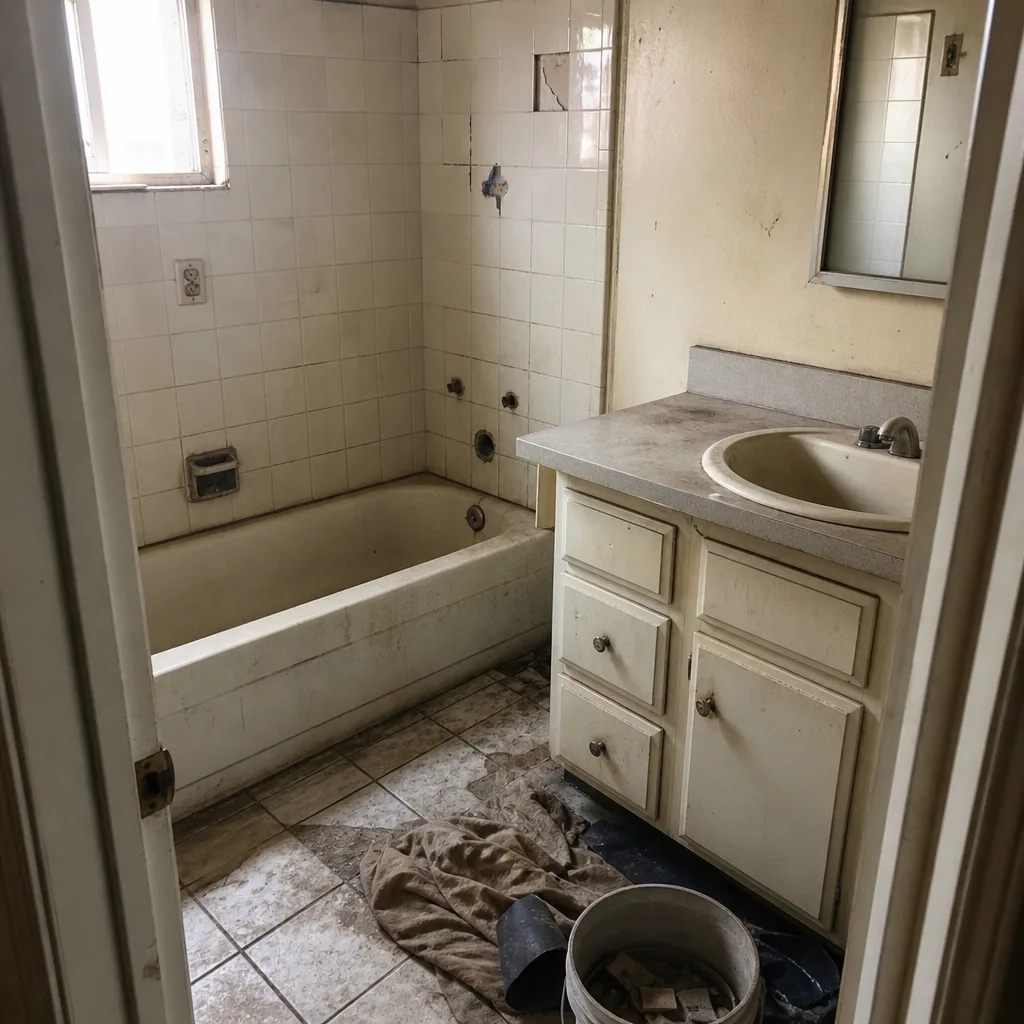 Before
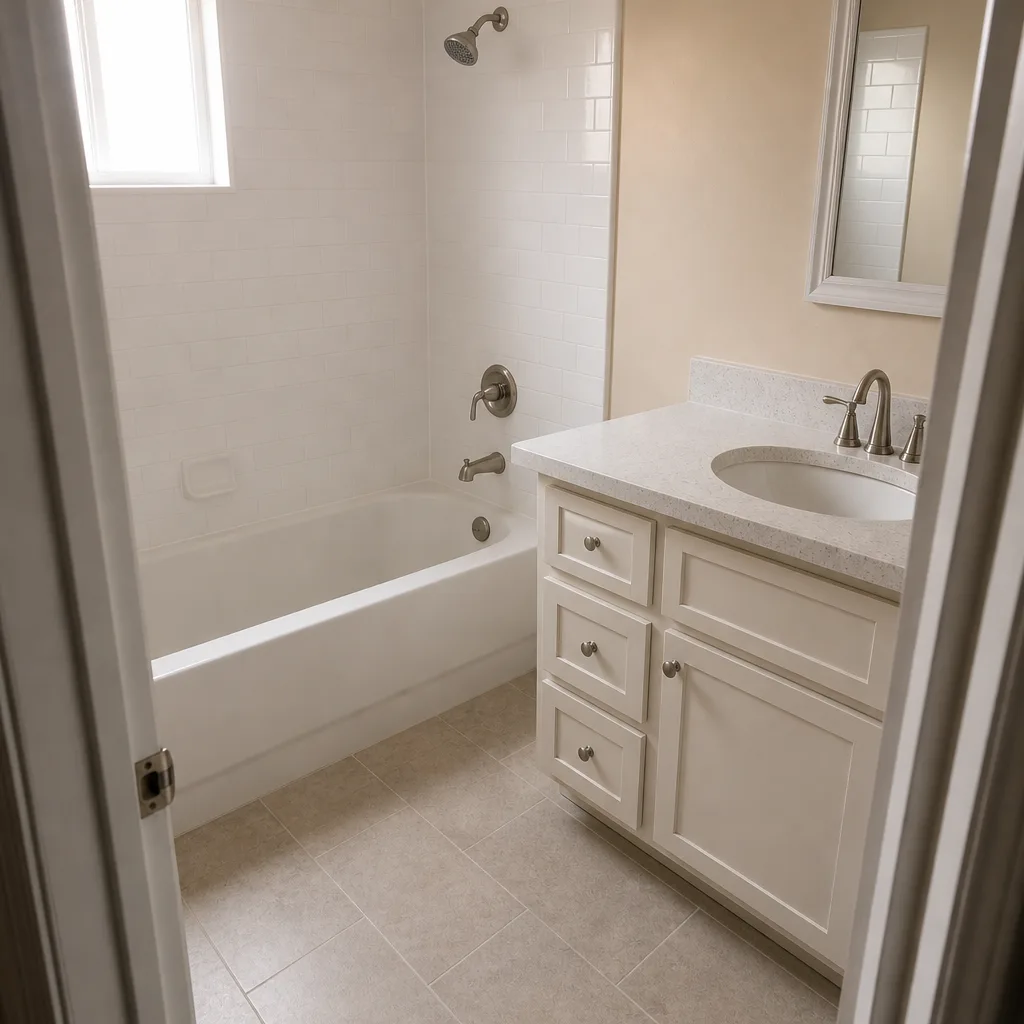 After
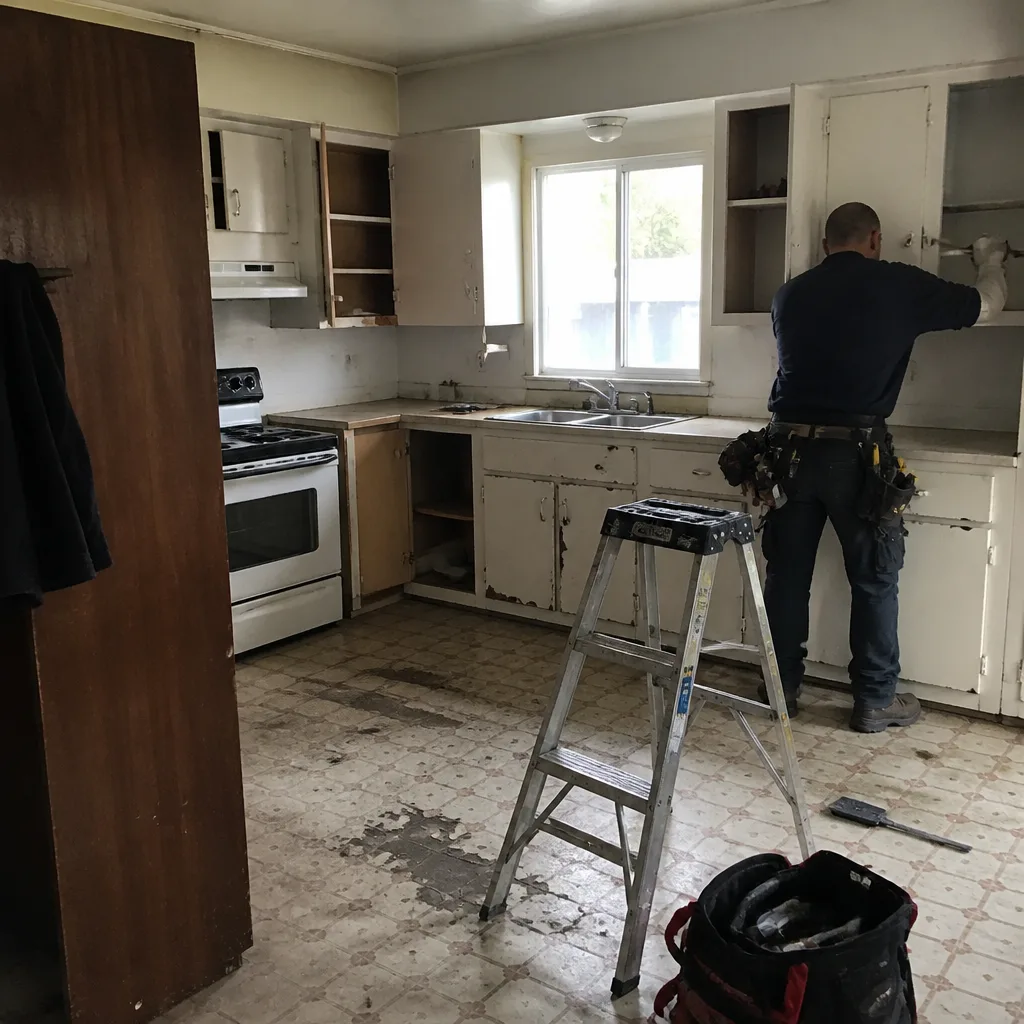 Before
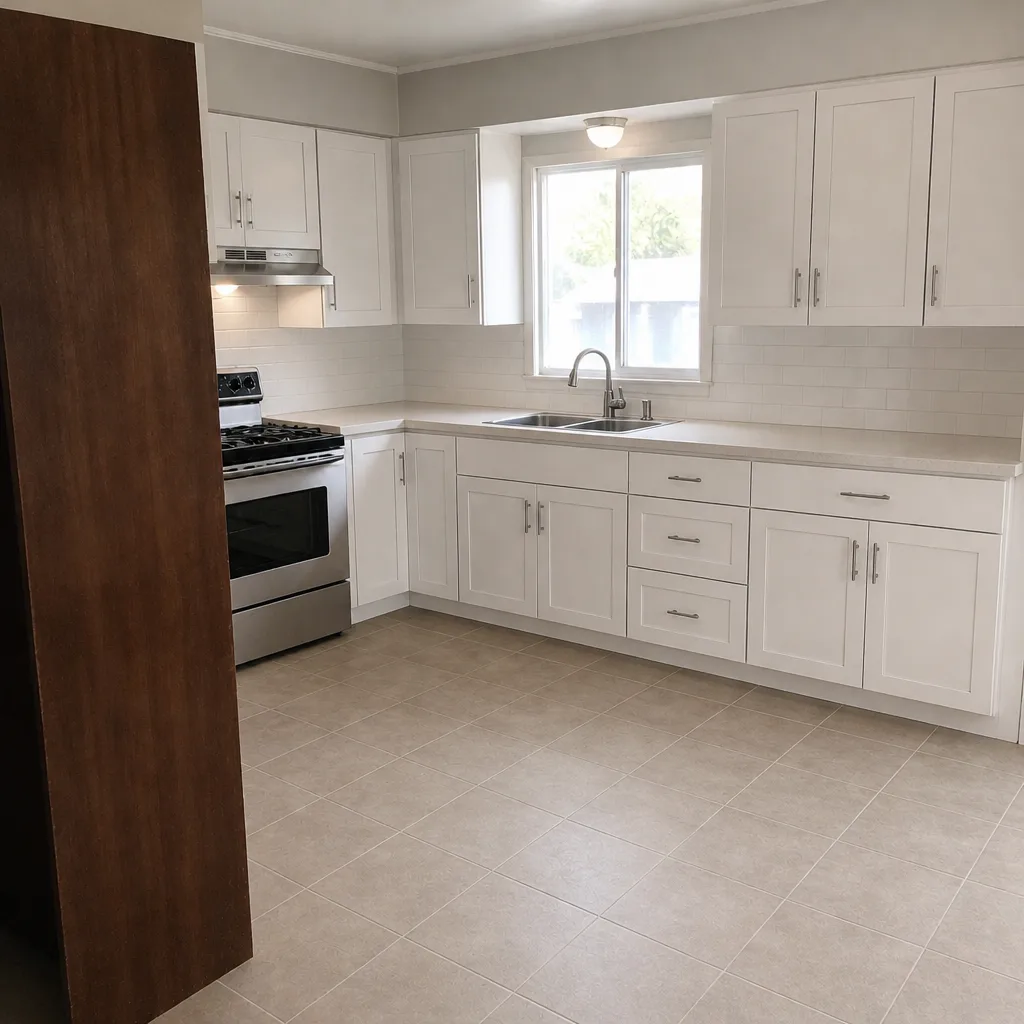 After
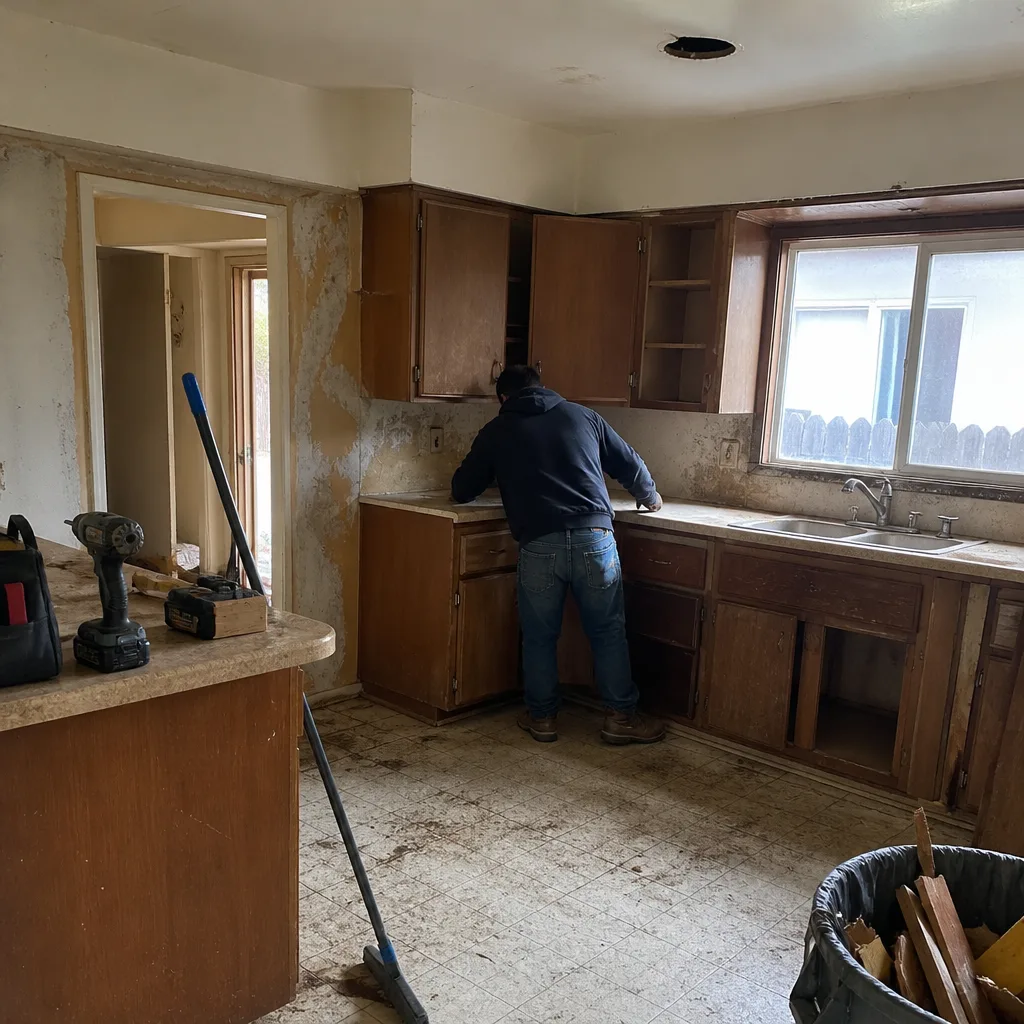 Before
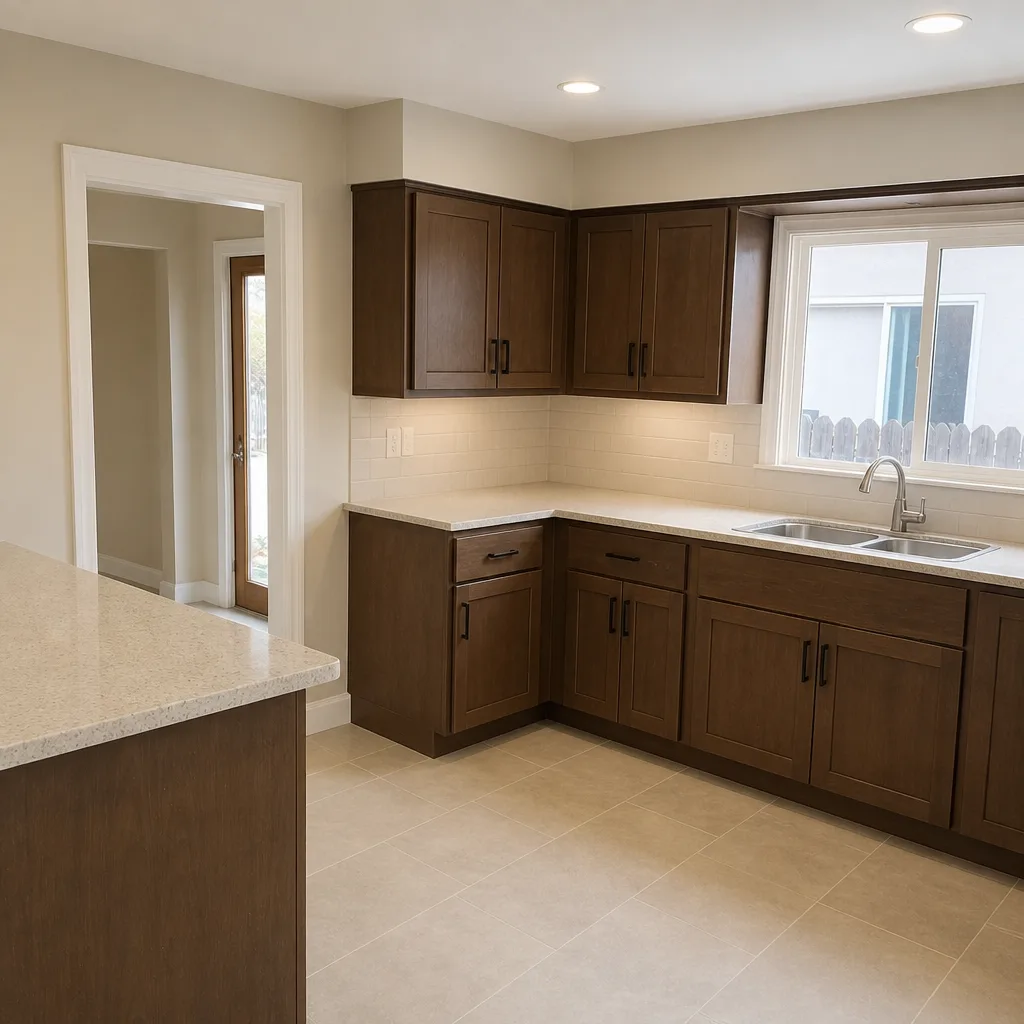 After
Common Mistakes to Avoid
- Skipping the sill pan flashing. This is the single most common DIY failure in coastal California, and it’s the detail that determines whether the wall behind the window stays dry through the first big storm.
- Sealing with caulk instead of flashing. Caulk is a joint seal, not a water-management layer. A bead of caulk over an unflashed gap looks finished and leaks anyway, usually after the first rainy season in Long Beach.
- Starting without a permit when the opening changes. Long Beach homeowners are often surprised that changing the opening size triggers a permit and structural review; the surprise is worse when the insurance claim gets denied.
- Using standard fasteners in a coastal climate. In Long Beach, salt air corrodes standard screws and clips fast. Use galvanized or stainless, as the manufacturer specifies.
- Cutting or modifying a header without engineering. A door swap that turns into a header job without a structural review is a load-bearing mistake that shows up as seasonal sticking and wall cracks.
- Buying the unit before checking the opening. Measure the rough opening and the unit’s exact spec first. Ordering a custom-size window to fit a wall that’s out of plumb is a costly lesson.
- Trusting a video instead of the manufacturer’s instructions. Every brand specifies its own flashing, fastener, and sealant details. The inspector checks the spec, not the video.
Frequently Asked Questions
Yes, under the right conditions. A like-for-like replacement in an existing opening with intact flashing can be done by a careful homeowner, but the moment the opening changes or the flashing needs to tie into the wall, it becomes professional work. If you’re unsure whether your window qualifies as a straight swap, call (888) 345-8164 for a free assessment.
Often no for a one-for-one replacement in the same opening, and yes the moment you change the size, position, or type of opening, or alter framing. Long Beach’s Development Services department will give you the answer for your specific project, and getting it in writing protects your insurance claim later. If a permit is required, a professional install passes inspection and documents the work.
Because the difference is almost always in the flashing and water-management layers you can’t see. A professional install follows the manufacturer’s flashing order, installs sill pan flashing, and passes inspection. That’s what keeps water out of your wall through Long Beach’s marine air and wind-driven rain, and it’s what protects your claim if something goes wrong. Call (888) 345-8164 for a free estimate and written scope.
Water gets behind the wall. The window can look perfect from the street, then rot sheathing, framing, and trim over 2 – 3 rainy seasons, and the insurance company can decline the claim if the work was unpermitted. That’s why flashing and permits matter more than the install looking neat. A free estimate from a professional is the cheapest way to find out if you’re at risk.
Yes. Weatherstripping, door sweeps, thresholds, hinges, deadbolts, handlesets, window screens, and casement operators are genuinely safe DIY tasks and often the highest-return work you can do on a drafty door. Save the DIY budget for those and leave the structural and water-management work to a pro.
Most jobs are completed in a single visit per opening, though a full-frame replacement with structural work involves more visits because the scope is larger. We give you a realistic timeline with the written scope and coordinate permits and inspections upfront. Call (888) 345-8164 for a free estimate and a schedule you can plan around.
The Bottom Line

DIY is the right call for weatherstripping, hardware, door sweeps, thresholds, screens, and window operators – and those tasks are worth doing. It’s the wrong call when the opening changes, when framing or headers are involved, when the flashing needs to tie into the wall, or when a permit applies. Flashing is the detail that separates an install that lasts from one that rots your wall in 2 – 3 rainy seasons, and in coastal Long Beach, salt air and wind-driven rain shorten that timeline. If your project crosses that line, a professional install pays for itself through the warranty, the inspection pass, and the insurance protection. Groundwork Construction Co. of Long Beach offers free estimates on windows and doors, with the 730-Day Done Right Promise behind every install, one of the longest workmanship guarantees in residential construction. Built to last, backed in writing.
Call (888) 345-8164 for a free estimate and a no-hassle upfront quote – no surprises, no change orders. Calls are answered by a live person, 24/7. Free Project Estimate & Design Consult included, plus 0% financing for 18 months and $1,000 off projects over $10,000. From foundation to finish line, our background-checked, uniformed technicians handle the whole job, with up to 12 years of experience. If you’re planning exterior work in Long Beach, our team is ready to walk the project with you and put the scope in writing.
Written by the team at Groundwork Construction Co. of Long Beach.