Last updated November 17, 2026


Free written scope consultation - allowances, timeline, and change-order rules on paper before a single trade is scheduled
DIY vs Professional Construction: The Long Beach Homeowner’s Decision Guide
A Long Beach homeowner who lays a paver patio without a permit isn’t just risking a fine. They’re building an unpermitted improvement that a buyer’s inspector will flag, that an appraiser may refuse to count, and that can force full removal at the seller’s expense before escrow closes. The work looked fine. The paperwork didn’t. That gap between how a project looks and what it legally is sits at the heart of every DIY decision in this city. This guide draws a hard line through Long Beach construction: what you can safely do yourself, what permits make impractical to DIY, and what’s structurally dangerous no matter your skill.
Styles & brands we work with
- Kitchen remodeling
- Bathroom remodeling
- Home additions & ADU
- Roofing
- Windows & doors
- Driveway & pavers
- Fence
Quick Answer
In Long Beach, the DIY-versus-professional question isn’t about skill. It’s about permits, liability, and resale. Cosmetic work like painting, interior demolition, and finish carpentry is genuinely DIY-safe. Anything structural, anything touching electrical, gas, or the roof envelope, and anything inside the coastal zone requires licensed, permitted work. The cost of a permit violation fine or a failed inspection at resale almost always exceeds what you’d save doing it yourself.
Table of Contents
- The Real Decision Framework: Permits, Liability, and Resale
- Which Long Beach Projects Are DIY-Safe, Permit-Blocked, or Structurally Risky
- How Long Beach’s Coastal Zone Changes the DIY Calculus
- The Hidden Cost of DIY Mistakes in Long Beach
- What “DIY-Adjacent” Actually Looks Like in Practice
- How to Tell a Real Contractor from an Expensive You
- Common Mistakes to Avoid
- When to Call a Professional
- Frequently Asked Questions
- The Bottom Line
The Real Decision Framework: Permits, Liability, and Resale
Most DIY guides ask whether you have the tools and the time. That’s the wrong question in Long Beach. The right question is: if this goes wrong, who pays, and can the problem follow the house onto the market years later?
Three forces should drive every decision you make on your property:
- Permit exposure. Long Beach requires permits for structural changes, electrical, plumbing, gas lines, roofing, and most exterior additions. If a project needs a permit, DIY means either pulling it yourself as an owner-builder (allowed, but you carry all liability) or skipping it (illegal and discoverable).
- Liability transfer. Licensed contractors carry insurance and a bond. If a crew member is injured on your property or a neighbor’s fence gets damaged, the contractor’s policy absorbs it. If you DIY, your homeowner’s policy may deny the claim entirely.
- Resale discoverability. Long Beach is a disclosure state. Unpermitted work must be disclosed when you sell. A buyer’s inspector will catch a non-permitted ADU conversion or a relocated load-bearing wall, and the burden falls on you to remediate or price it in.
We’ve walked into Long Beach homes where a previous owner’s DIY bathroom was beautifully tiled and completely unpermitted, and the current owner had to open two walls to make it legal before closing. The tile cost less than the remediation. That math repeats across the city more often than the tutorials admit.
The framework that holds up:
- If the work requires a permit and touches structure or systems, hire a licensed contractor. The risk isn’t whether you can do it. It’s whether you can absorb a failure.
- If the work is cosmetic and reversible, DIY is often smart. Paint, trim, cabinet hardware, landscaping, interior demo.
- If the work sits in the coastal zone, treat it as professional territory regardless of apparent simplicity. More on that below.
Which Long Beach Projects Are DIY-Safe, Permit-Blocked, or Structurally Risky
Here’s the definitive category list we give Long Beach homeowners who ask us where the line is. We’re not in the business of telling people to hire us for painting a bedroom. We are in the business of being honest about which projects will cost you more to fix than to do correctly the first time.
Genuinely DIY-Safe in Long Beach
- Interior and exterior painting on a sound substrate
- Cabinet hardware, faucet swaps, and light fixture replacements (same circuit, wire-for-wire)
- Interior demolition of drywall, tile, and non-load-bearing partitions once permits are in place
- Landscaping, sod, planting, and drip irrigation
- Finish carpentry: baseboards, trim, closet shelving, interior doors in existing openings
- Fence repair on an existing, permitted fence line (replacement is a different story – see Fence Installation in Long Beach)
- Flooring over existing substrate in dry areas
Permit-Blocked: Practical to DIY, Legally Complicated
- Driveways and paver patios. Long Beach requires permits for new hardscape that changes drainage or impervious surface coverage. An unpermitted patio can trip a grading and drainage review at resale. See Driveway & Pavers in Long Beach for what permitted installation involves.
- Fence replacement. Height limits, setbacks, and shared property line rules all apply. A 7-foot fence in a front yard will get flagged.
- Window replacement. Like-for-like swaps are simpler, but anything changing opening size or egress falls under permit and Title 24 energy rules.
- Bathroom remodels. Cosmetic work is fine; relocating a drain, moving a toilet, or adding a shower valve triggers plumbing permits.
Structurally Risky Regardless of Skill
- Any load-bearing wall removal or relocation
- Roof replacement, or structural roof repairs (rafter ties, sheathing, flashing at valleys)
- Electrical panel upgrades and any new circuit work
- Gas line work, including relocating an appliance
- Foundation repair, slab lifts, and any work tied to the clay soil issues we describe below
- ADU conversions and additions – see Home Additions & ADU in Long Beach
Safety note: Roof work, electrical panels, and gas lines are genuinely dangerous. Fall injuries from roof work and electrocution from panel work are common, and both are far more serious than the cost of a professional. We don’t recommend DIY on any of these, and we won’t give you a how-to. Call a licensed pro.
How Long Beach’s Coastal Zone Changes the DIY Calculus
Long Beach sits largely within the California Coastal Zone, and that designation changes how much of a remodel or addition you can personally navigate. A shed or small addition in unincorporated LA County might be a straightforward building permit. The same project near the coastline – in Bluff Park, Belmont Shore, Naples, or along the Peninsula – can require a coastal development permit, additional design review, and specific documentation about setbacks, view corridors, and flood elevation.
What that means for a DIY-minded owner:
- The paperwork doubles. Coastal permits stack on top of standard building permits, and the application materials are more detailed than most homeowners anticipate.
- Certifications are required. Structural plans often need an engineer’s stamp. Energy compliance (Title 24) needs a certified energy consultant. Those aren’t optional add-ons a homeowner can substitute with careful reading.
- Timelines stretch. A coastal permit review can add weeks or months to the front end. Doing it wrong once often means starting the review over.
- Non-compliance is expensive. Coastal Commission enforcement carries its own penalties, separate from city fines.
We’ve seen homeowners in Belmont Shore try to shortcut a coastal-triggered review by splitting a project into smaller permits. The city sees it, and the split gets flagged as an attempt to evade the coastal review process. That’s a much harder hole to climb out of than starting correctly the first time.
The practical rule: if you’re west of the traffic circle or south of Willow toward the water, assume your project touches the coastal zone until you’ve confirmed it doesn’t. That confirmation is exactly what a professional pulls together as part of a free estimate.
The Hidden Cost of DIY Mistakes in Long Beach
The money you save doing it yourself is real and counted upfront. The money you may owe if it goes wrong is invisible until it isn’t. Here’s what that looks like in this city specifically.
Permit Violation Fines
Long Beach Code Enforcement can issue fines for unpermitted work, and the fines accrue daily until the work is legalized or removed. The remediation path also means opening walls, re-inspecting, and in some cases re-doing the entire project. A $3,000 unpermitted patio can cost $8,000 to make legal after fines and rework.
Clay Soil and Improper Grading
Much of Long Beach sits on expansive clay soil – especially inland areas like Bixby Knolls, Cal Heights, and North Long Beach. Clay expands when wet and shrinks when dry, and it moves foundations when drainage is wrong. A DIY paver installation that doesn’t slope away from the house at proper grade can push water under the slab and cause foundation movement that shows up years later as interior cracks, sticking doors, and eventual underpinning costs. This is the single most common DIY mistake we see on the east and north sides of Long Beach.
Title Impact at Resale
Unpermitted work ties directly to title. A buyer’s inspector flags it, the lender may refuse to fund, and the appraiser may not count the square footage. The seller either removes the improvement or prices the house down. In a competitive Long Beach market where resale prices are high, the pricing hit often dwarfs the original savings.
Insurance Complications
A water heater installed by an unlicensed person that floods the second floor, or an unpermitted electrical addition that causes a fire, may be denied by your homeowner’s policy. The damage then falls on you, not the insurer. We’ve seen claims denied for exactly this reason in the aftermath of small DIY jobs that were fine on paper until they weren’t.
What “DIY-Adjacent” Actually Looks Like in Practice
There’s a middle ground most homeowners never hear about: you handle the parts of a project that don’t carry permit, liability, or structural risk, and a licensed contractor handles the parts that do. We set up this arrangement on Long Beach projects often, and it works when the division of labor is clear.
What a homeowner can do alongside a licensed contractor:
- Demolition. A homeowner can gut a kitchen or bathroom, saving labor cost. The contractor pulls permits and handles what comes after the demo (rough plumbing, electrical, structural).
- Finish work. Painting, tile, trim, and hardware are reasonable homeowner tasks once the rough work is inspected and signed off.
- Site prep. Moving materials, clearing a work area, removing debris for permitted projects.
- Selection and purchasing. Cabinets, fixtures, tile, paint colors – homeowner-managed with contractor guidance to keep timelines intact.
What has to stay with the licensed contractor:
- Any structural change
- Any rough electrical or plumbing
- Roofing, flashing, and waterproofing
- Gas line work
- Permit pull and inspection coordination
- Final punch list tied to the workmanship warranty
What makes this arrangement work is a single point of accountability at the end. If the homeowner does the tile and the tile fails, the tile warranty doesn’t extend to the finished room. Groundwork covers what we install with our 730-Day Done Right Promise – if it’s not done right, we make it right – and we’re explicit about where that coverage begins and ends. That clarity is the whole reason the split arrangement functions.
One caution we give every DIY-adjacent client: don’t begin demolition before permits are approved. County inspectors can and do reject a project mid-demolition, and the cost to restore a partially demolished kitchen to inspection-ready status is often more than the labor savings.
How to Tell a Real Contractor from an Expensive You
Some contractor quotes for a “DIY-tempting” project are honest: the work touches permits, inspections, and warranty obligations that genuinely carry professional risk. Others simply charge you to do what you could do better. The way to tell the difference is to ask a specific set of questions before you sign.
- “Which parts of this job require a permit, and which don’t?” A real contractor can list them from memory. If you get a vague answer or a “we’ll handle all that,” you’re not getting a straight answer.
- “Who pulls the permit: you or me?” Reputable contractors pull permits in their own name and provide the permit number before work starts. If they propose you pull it as owner-builder, ask why.
- “What’s excluded from this quote?” Genuine professional quotes name exclusions. Vague quotes (“miscellaneous”) hide the change orders.
- “What’s your workmanship warranty, and what does it actually cover?” Vague warranties (“our standard warranty”) are worth less than a written guarantee. Our 730-Day Done Right Promise is in writing and states clearly what’s covered.
- “Can I see three references for this exact project type in Long Beach in the last two years?” A real contractor has them. A shortcut artist does not.
- “What’s your license number, and are you bonded and insured?” Verify on the CSLB site before signing. Take a photo of the license card on the truck. This is basic due diligence.
- “What does the final inspection require, and who schedules it?” A professional knows the exact inspection sequence for your city. A “professional” who doesn’t is doing what you would have done, with a markup.
We encourage Long Beach homeowners to ask these questions of every bid, ours included. Contractors who don’t want to answer them are telling you something. The ones who do are the ones whose work stands up when the inspector comes through.
Compare that against the honest-DIY cost on a simple project. If a contractor’s quote for something like an interior paint job or landscaping adds twenty percent to the material cost but zero to your risk, hire the painter. If the quote for a permitted patio or a roof is what a real job costs, that’s not a markup – that’s the price of a legal, insurable, warrantied installation.
Common Mistakes to Avoid
- Starting demo before permits are approved. In Long Beach, a mid-project stop-work order can cost more to undo than the original quote. Wait for the permit.
- Assuming a small project doesn’t need a permit. Long Beach requires permits for many small jobs – paver installs, fence replacements over height, even some electrical work. Check before you buy materials.
- Grading a yard toward the house in clay soil. Common in Bixby Knolls and Cal Heights, and one of the most expensive errors we get called in to fix. Always slope away from the foundation.
- Skipping a coastal zone review because a neighbor did. Belmont Shore and Naples properties vary. One neighbor’s approval doesn’t transfer to your parcel.
- Buying cheap materials to offset the DIY savings. On roofing and windows especially, the material cost difference is smaller than the labor redo cost. If a product fails, you’ll pay twice.
- Hiring the cheapest bid with no written quote. A number spoken out loud isn’t a quote. Get line-item pricing in writing before any crew shows up.
- Doing electrical panel work or gas lines yourself. We won’t say this twice. Both are among the highest-injury DIY categories and the most commonly denied by homeowners’ insurance after a claim.
These mistakes share a common thread: each one looks small when you start, and each one is expensive to fix when it’s done. The homeowners we work with in Long Beach often call us exactly one project after their first costly lesson. Our goal as a company is to help you avoid that first lesson.
When to Call a Professional
Some projects are obvious. Others need a second opinion before you spend a weekend tearing out a wall. Call a professional when:
- The work touches the structure of the house, including any load-bearing wall
- The work requires a permit you can’t get as owner-builder without added liability
- Electricity, gas, or plumbing supply lines are involved
- The roof envelope is breached, including skylights and flashing
- The project sits in the coastal zone and involves exterior changes, additions, or new square footage
- The project is an ADU or addition – the permit, engineering, and inspection chain is long and specialized
- The cost of remediating a DIY failure would exceed what you can absorb without a loan
Groundwork Construction Co. of Long Beach offers free project estimates and design consultations in Long Beach – call (888) 345-8164. We’ll walk your project with you, tell you what needs a permit, and give you line-item pricing before any work starts. If the right answer is “you can do this part yourself,” we’ll say so.
If your project is a full remodel or addition, we bring the same full-scope approach we use every day: from foundation to finish line, one team, one warranty, one number to call. That covers kitchen and bathroom remodels, roofing, windows and doors, fences, driveways, and additions. If you’re building an ADU and considering a prefab route, some of our Long Beach clients look at makers like Abodu or Cover for modular units, and we’re happy to talk through how a site-built or prefab solution fits your lot, your permit path, and your timeline before you commit to either.
Frequently Asked Questions
In most cases, yes. Long Beach requires permits for new hardscape that changes drainage, impervious surface coverage, or grade. The exception is like-for-like replacement within an existing footprint. Call (888) 345-8164 to have us walk your specific lot and confirm before you buy materials.
You must disclose it, and the buyer’s inspector will flag it. The buyer can demand remediation, renegotiate price, or walk. The lender may also refuse to finance the sale until the work is legalized. The cost of fixing the issue at resale almost always exceeds the original savings from DIY.
Yes, if permits are already approved and the demolition is interior, non-structural, and doesn’t touch supply lines. Do not begin demo before the permit is in hand. County inspectors can and do reject a partially demolished space, which turns a $2,000 savings into a $10,000 remediation.
Legally DIYing requires you to pull the permit as owner-builder, carry all liability, and coordinate structural engineering, coastal review if applicable, and inspection sequencing. The labor savings rarely outrun the timeline and liability cost. A prefab unit from a maker like Cover or Abodu plus a licensed general contractor on site-work usually lands cheaper and faster. Call for a free consultation on your specific lot.
Interior cosmetic work generally does not trigger coastal review. Exterior changes, additions, new square footage, and anything visible from a public vantage point near the coast do. If your property is in Bluff Park, Belmont Shore, Naples, or the Peninsula, assume coastal zone rules apply and confirm before you start. Call for a free scoping walk-through.
It depends entirely on what was done wrong, but we commonly see $5,000-$15,000 in remediation for improperly graded hardscape, $8,000-$20,000 for unpermitted plumbing work that needs to be opened up and re-inspected, and more for structural issues. An accurate project estimate before you start is free; the fix rarely is. Call (888) 345-8164 for a free estimate on doing it right the first time.
The Bottom Line
The DIY-versus-professional decision in Long Beach comes down to three factors: whether the work requires a permit, whether it carries liability you can’t absorb, and whether it will follow your house onto the market. Cosmetic, reversible work is genuinely DIY-safe. Permitted work, structural work, and anything in the coastal zone belongs with a licensed contractor. Our advice to every Long Beach homeowner is the same: know which category you’re in before you start, get a free professional estimate on the permit-required projects, and put the accountability in writing. For a free estimate and design consultation, call Groundwork Construction Co. of Long Beach at (888) 345-8164. Our technicians have up to 12 years of experience, we’re licensed and insured, and every project is backed by our 730-Day Done Right Promise – if it’s not done right, we make it right.
Written by the team at Groundwork Construction Co. of Long Beach.
See the difference
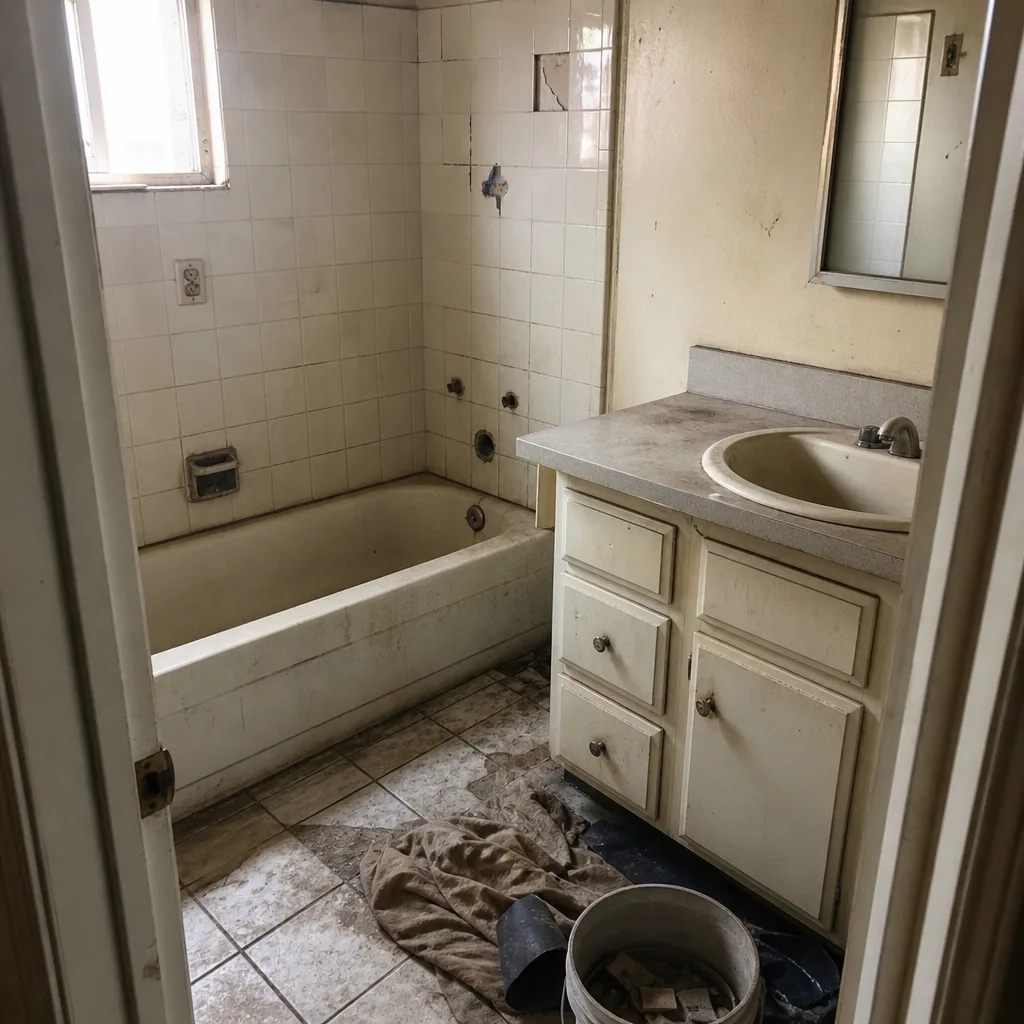 Before
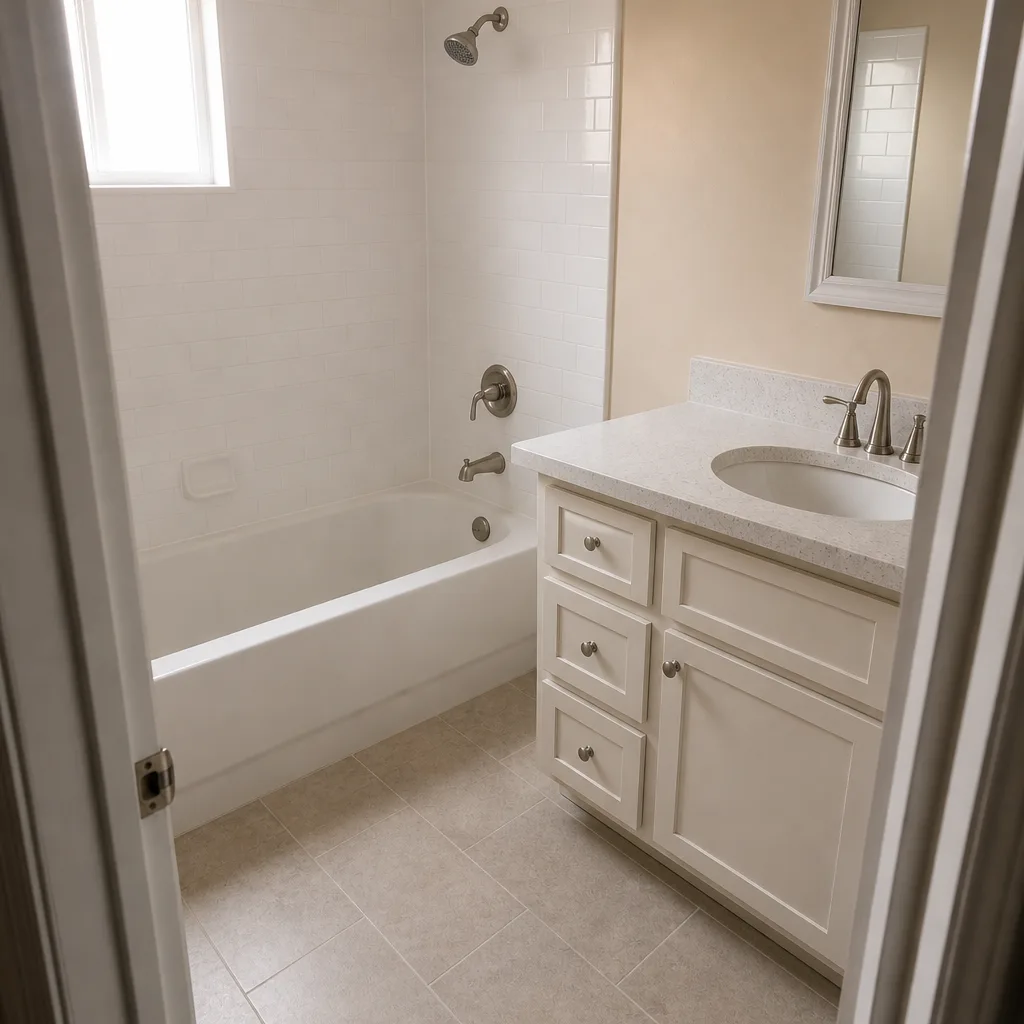 After
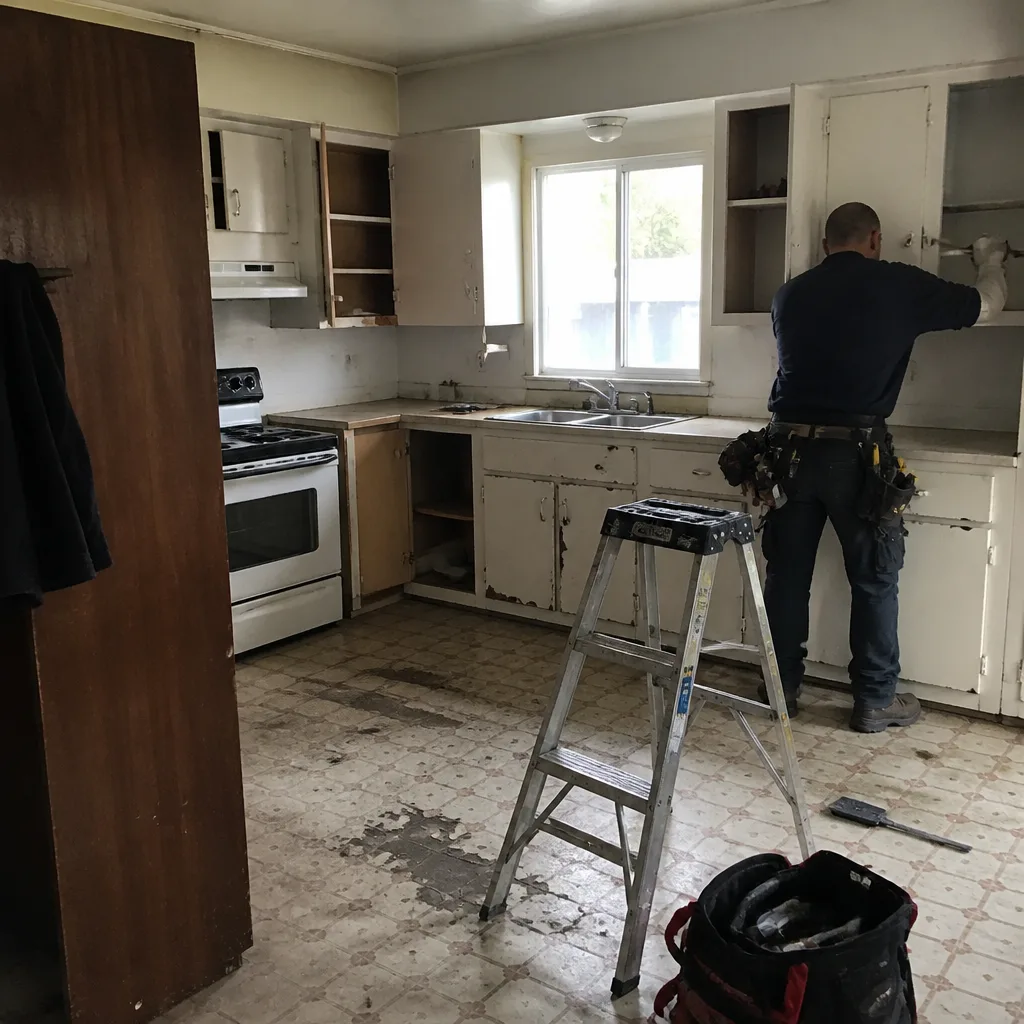 Before
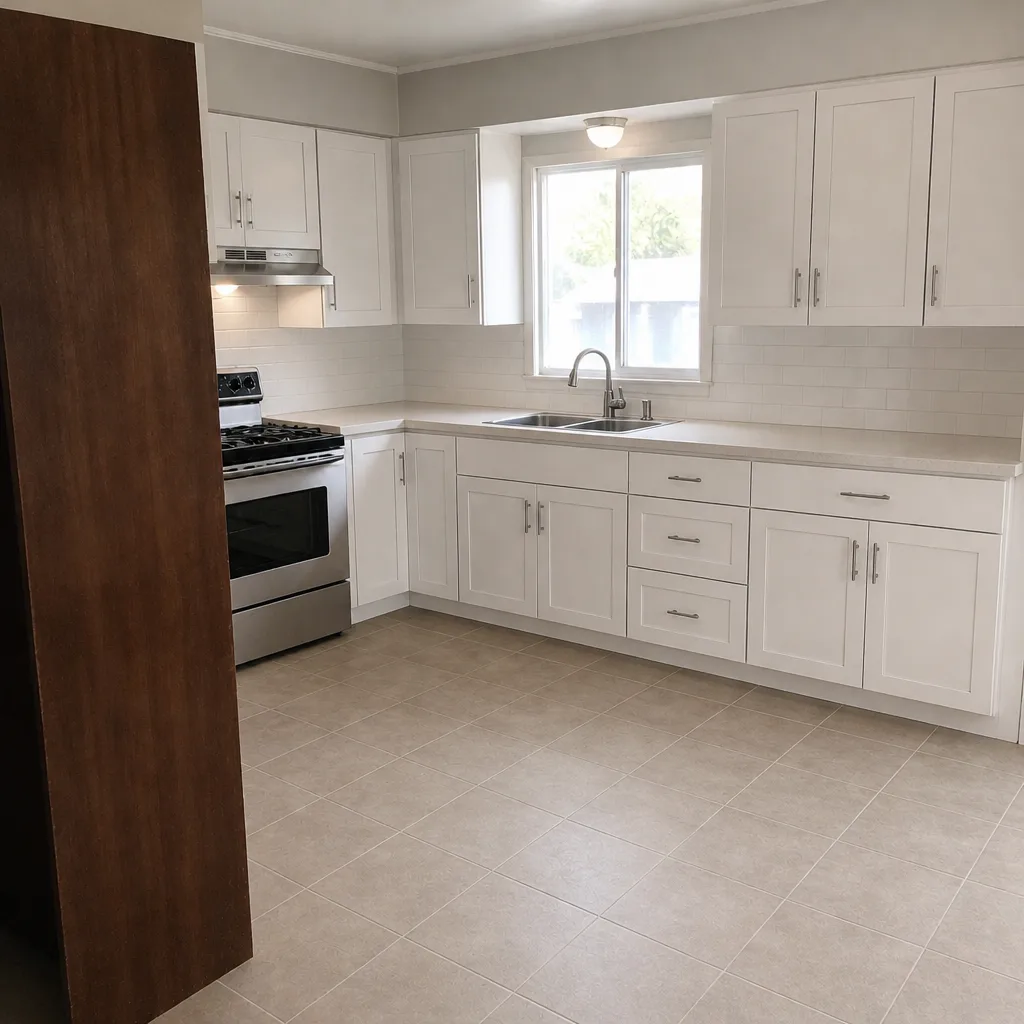 After
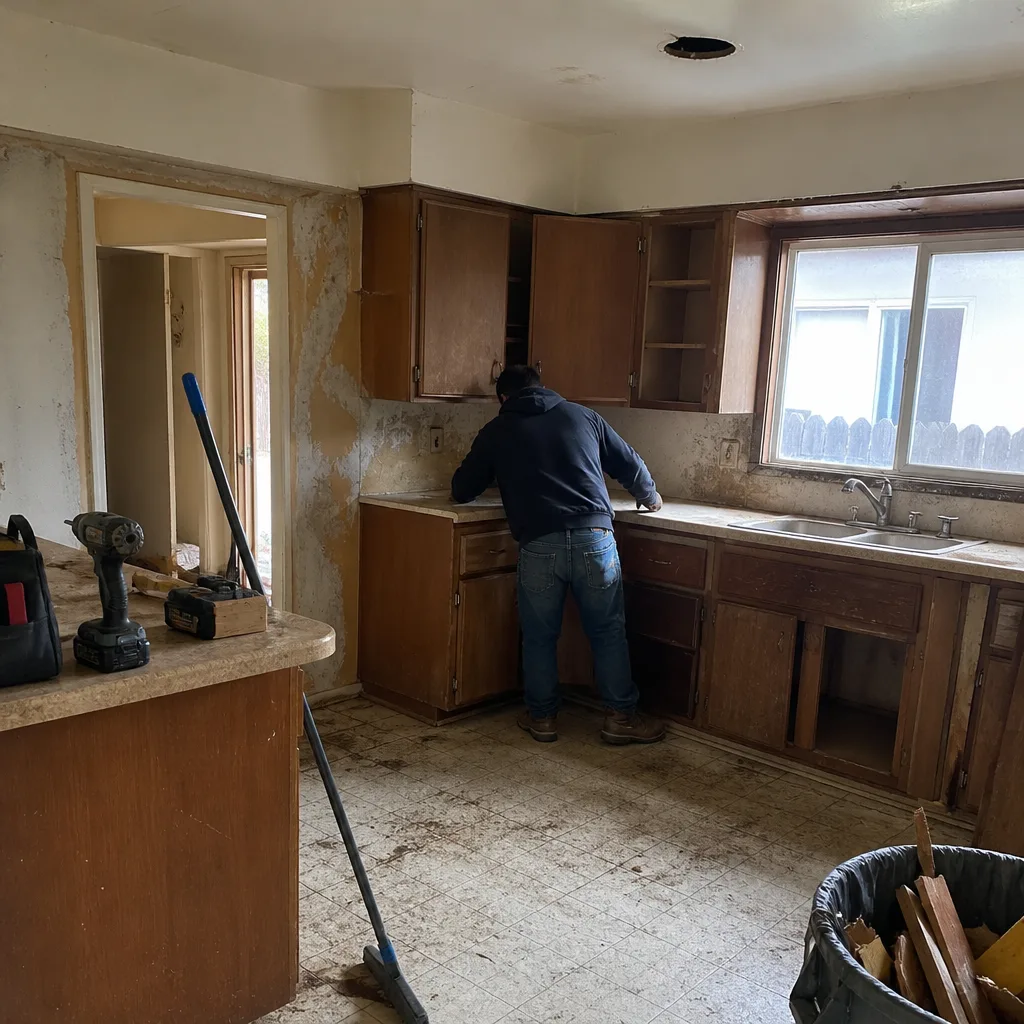 Before
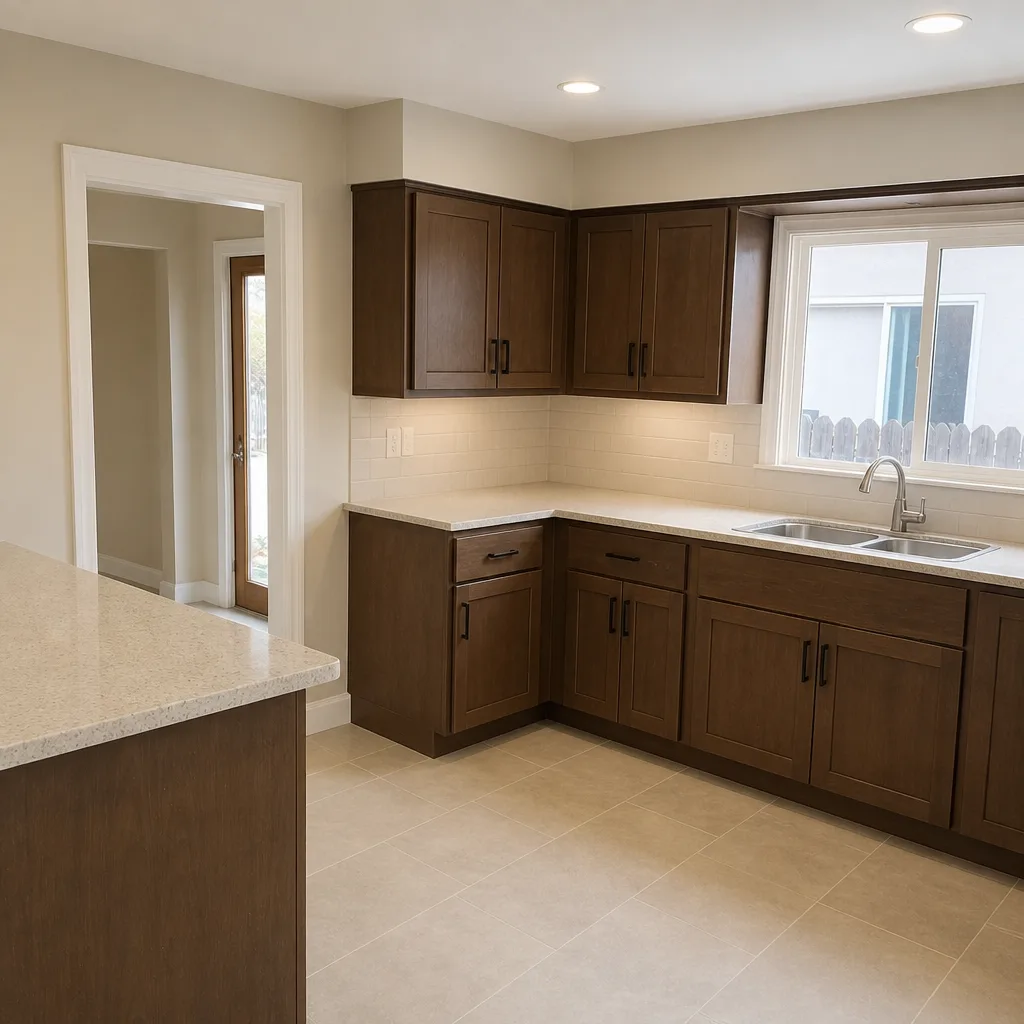 After