
Last updated November 17, 2026





Free written scope consultation - allowances, timeline, and change-order rules on paper before a single trade is scheduled
How to Hire a Construction Contractor in Long Beach: A Step-by-Step Guide
Long Beach Building & Safety inspection scheduling windows routinely run two to three weeks longer than neighboring cities. That single fact reshapes everything about hiring a contractor here. A contractor who doesn’t account for it in their timeline isn’t necessarily lying to you. They just don’t know what they’re doing in Long Beach. Permits here move on their own clock, the subcontractor network is smaller and more relationship-driven than in Los Angeles proper, and the inspection backlog has a way of turning a “six-week” kitchen into a twelve-week one. This guide shows you exactly what to ask, what answers should end the conversation on the spot, and how to read the paper trail before you sign anything.
Quick Answer
To hire a construction contractor in Long Beach, verify their CSLB license classification matches your project scope, pull their permit history from the city’s online portal instead of trusting testimonials, and insist on a written contract that names the payment schedule, the change-order process, the subcontractors, and a warranty that outlasts the punch list. The contractor who hesitates on any of those four is telling you something. The one who hands you documents before you ask is the one worth hiring.
Styles & brands we work with
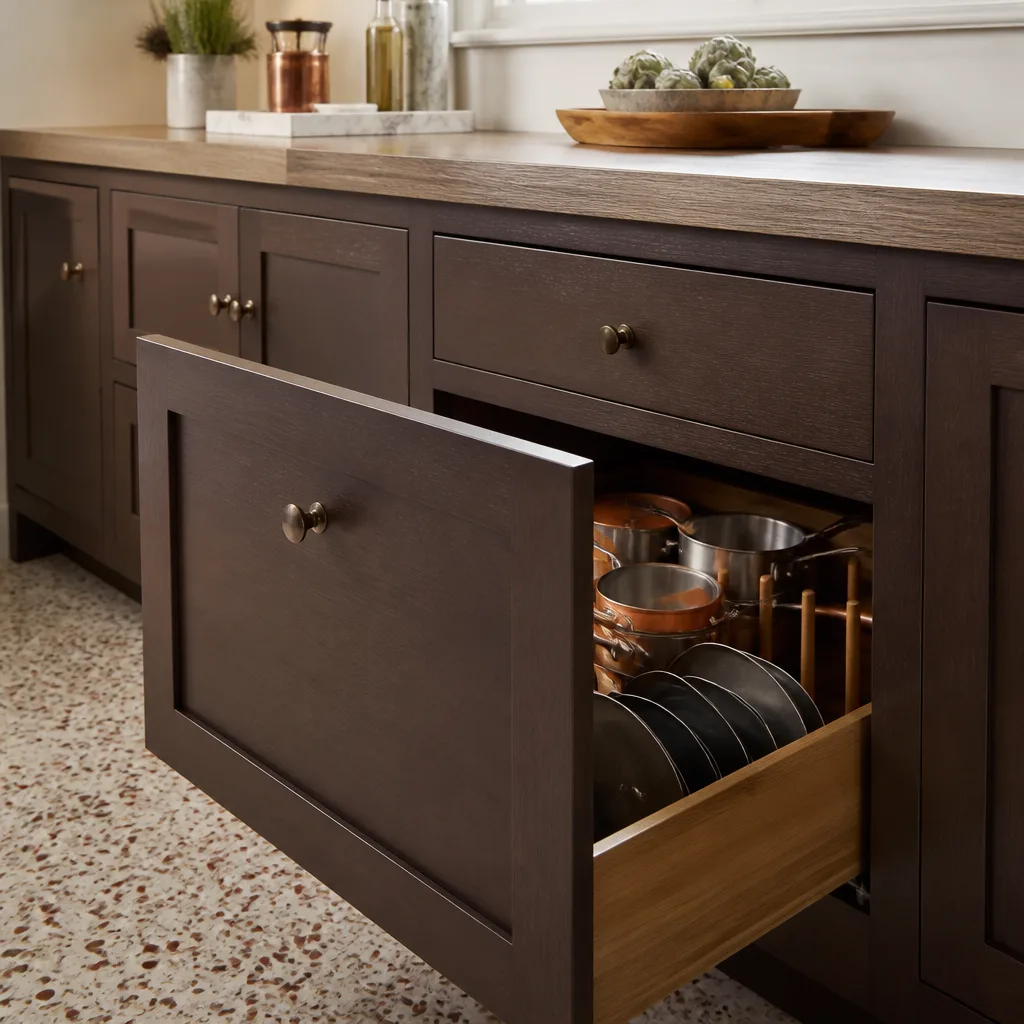
- Kitchen remodeling
- Bathroom remodeling
- Home additions & ADU
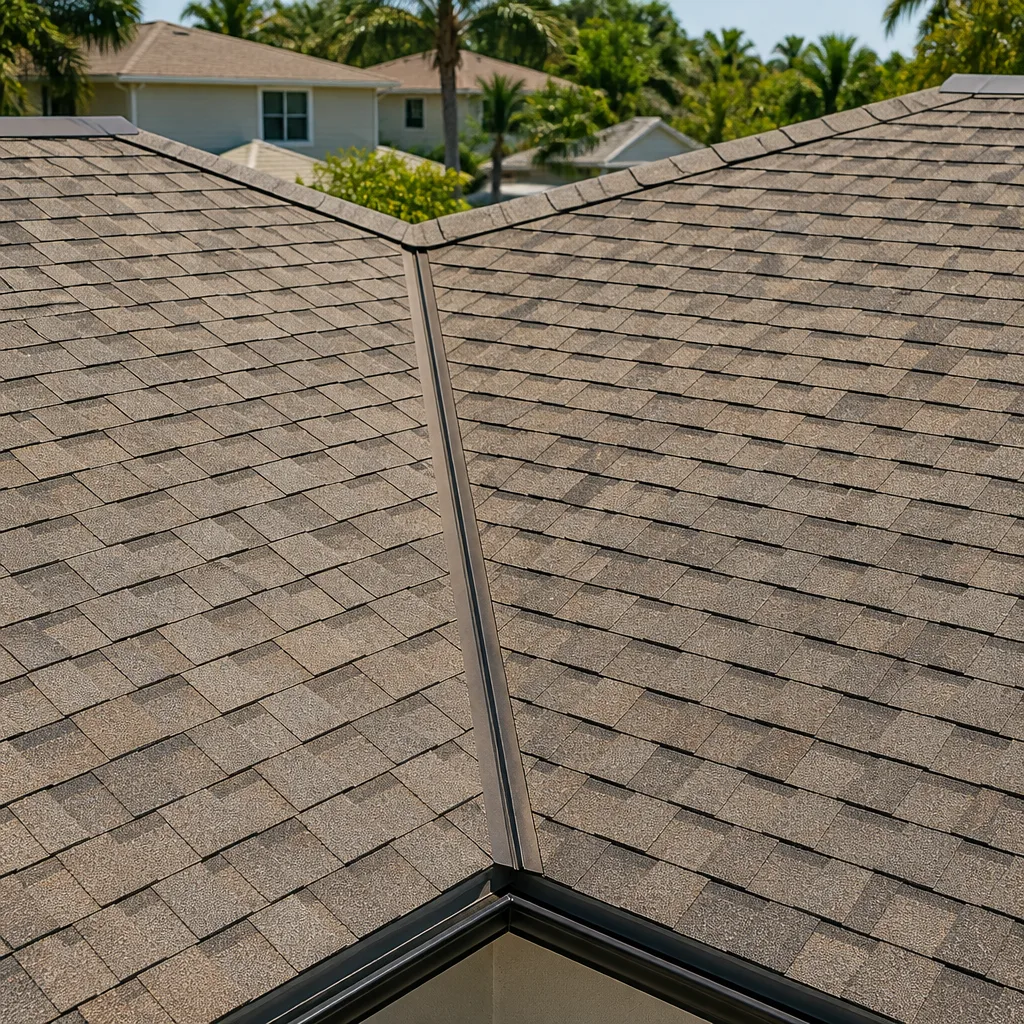
- Roofing
- Windows & doors
- Driveway & pavers
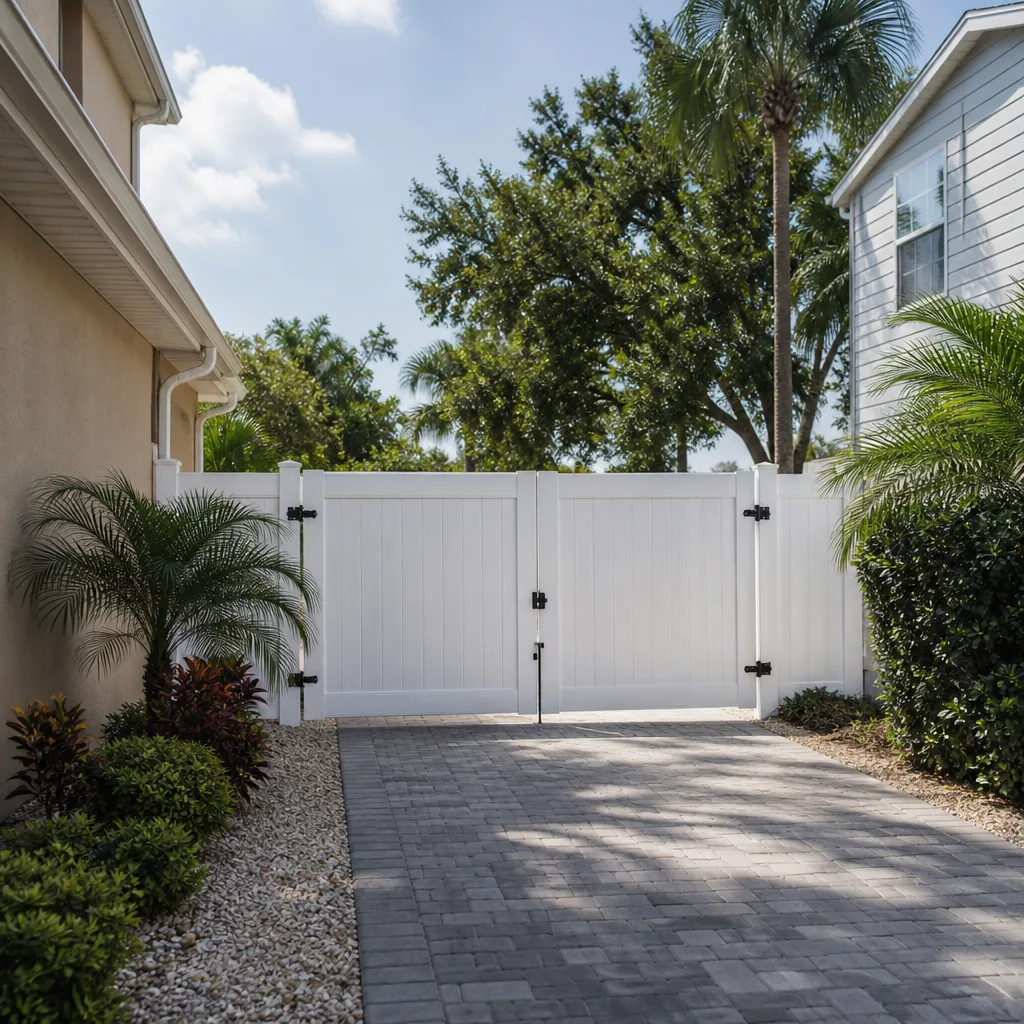
- Fence
Table of Contents
- What license does a contractor actually need in Long Beach?
- How do you verify a contractor’s real Long Beach project history?
- The five contract clauses that separate accountable contractors from ghosters
- Why subcontractors matter more than the general contractor’s own crew
- How Long Beach permitting and inspection timelines actually work
- What a 730-Day Done Right Promise signals about a contractor’s confidence
- The questions that disqualify a contractor on the spot
- Common mistakes to avoid
What license does a contractor actually need in Long Beach?
California doesn’t have a single “general contractor” license that covers everything. It has classifications, and the classification has to match the scope of work, or the contractor is operating outside their license. That matters in Long Beach because the city enforces scope at the permit counter. A roofer holding only a C-39 specialty license cannot legally pull a permit for a full home addition, and a B-2 residential remodeler cannot take on a commercial tenant improvement.
Here’s the shorthand for the classifications you’ll encounter on a typical Long Beach residential job:
- B – General Building Contractor: The classification most homeowners mean when they say “general contractor.” Can take a project involving multiple trades, but must sub out work that requires a specialty license. This is what you want for a kitchen remodel, a bathroom renovation, or a room addition.
- B-2 – Residential Remodeling: Limited to single-family homes and some multi-family structures of specific sizes. Covers remodels and additions but not new construction from the ground up.
- C-39 – Roofing: Required for roof replacement. A B-licensed GC can subcontract roofing, but the person on your roof should hold the C-39.
- C-27 – Landscaping: Covers driveways, pavers, and hardscape up to specific limits in most cases. A paver install usually needs a C-27 or a B with the right subs.
- C-13 – Fencing: For fence installation as a standalone contract.
- A – General Engineering: For work involving fixed structures, foundations at a larger scale, and some ADU foundation scenarios depending on the design.
What “general contractor” means in a sales pitch is often just “we coordinate people.” What it means legally is a specific CSLB classification with a specific scope. In Long Beach, the permit reviewer will check the classification against the work described on the application. If they don’t match, the permit stalls before it’s ever issued, and you’ve lost three weeks before the first nail is driven. Ask for the license number and classification in writing. Then look it up yourself at the CSLB website. It takes ninety seconds and it’s the single most important verification step you’ll do this month.
How do you verify a contractor’s real Long Beach project history?
Testimonials are marketing. Permit records are facts. Long Beach maintains an online permit portal through the Development Services Department, and you can search permit history by address, by contractor name, and by license number. This is the single most underused tool available to homeowners, and it tells you things no review site ever will.
Here’s the verification process we walk every Long Beach homeowner through, and it works whether they hire us or not:
- Pull the contractor’s permit history by license number. You’ll see every permit they’ve pulled in the city. Look at the volume and dates. A contractor with ten permits spread across the last eight years is doing occasional work here. One with forty in the last two years is active in the Long Beach market, which means they know the inspectors and the timelines.
- Check the permit addresses against the neighborhoods. If every permit is in Bixby Knolls and Belmont Shore, they know pre-war housing stock and knob-and-tube wiring. If yours is a 1960s tract home in Lakewood-adjacent East Long Beach with aluminum wiring, that experience doesn’t transfer.
- Look for finaled permits, not just issued ones. A permit that was pulled and never finaled is a red flag. It can mean the contractor walked off the job, or the work failed inspection and was abandoned. Either way, ask about it.
- Check the inspection history where it’s visible. Multiple failed inspections on a single permit followed by a long gap before final is a signature of a contractor who was learning on your neighbor’s house.
- Cross-reference the address with Zillow or the county assessor. If the permit says “kitchen remodel” and the current listing photos show an untouched 1980s kitchen, that remodel didn’t happen or didn’t finish.
This isn’t digging for dirt. It’s the same diligence the contractor should be doing on their own subs. In our experience working Long Beach jobs, the permit portal is the fastest way to separate a contractor who works here from one who drives in from Riverside on weekends and disappears when the job gets hard.
The five contract clauses that separate accountable contractors from ghosters
The contract is where trust becomes enforceable. Everything before signing is a conversation. Everything after signing is a legal document, and a bad one will cost you more than the job is worth. Here are the five clauses that matter, what they should say, and what vague language should trigger a hard stop.
1. Payment schedule tied to milestones, not calendar dates
A legitimate payment schedule is tied to completed, inspected work. A deposit of 10% or up to $1,000 (whichever is less) is the legal maximum in California for most home improvement contracts. After that, payments should release when specific milestones are met: demolition complete, rough framing inspected, drywall hung, final inspection passed. A contractor who asks for 50% upfront is either undercapitalized or planning to use your money to fund someone else’s job. Both outcomes are your problem. Language to fear: “Progress payments as needed.” That means whenever they need cash, and you have no leverage to say no.
2. A written change-order process with a signature requirement
Change orders are where budgets die. The clause should require a written change order signed by both parties before any work outside the original scope begins, with the cost and time impact stated up front. No verbal approvals, no “we’ll square up at the end.” Vague language to watch for: “Minor changes may be made as necessary.” There is no such thing as a minor change once the drywall is up and the tile is ordered. In Long Beach, we’ve seen change orders balloon a Belmont Heights bathroom budget by 30% because the contractor discovered galvanized plumbing mid-demo and had no clause requiring sign-off before proceeding.
3. Subcontractor disclosure by name and license number
The contract should list every subcontractor who will be on the job, their license number, and their specialty. Not “our team of professionals.” Names and numbers. This clause matters because the people doing the actual work are usually not the contractor’s employees. See the next section for why that’s the most important thing on this list.
4. A warranty that outlasts the punch list
A standard one-year workmanship warranty is designed to expire right around the time latent defects surface. A responsible contractor should offer substantially more. Read the warranty language word for word. Does “workmanship” mean labor only, or labor and materials? What’s the process for filing a claim? How long is the response window? We’ll cover this in detail below, because it’s the single clause where the gap between contractors is widest.
5. A termination clause with a defined exit
You should be able to terminate for cause if the contractor fails to perform, and the clause should define what “fails to perform” means: abandonment for more than a set number of consecutive days, failure to correct defective work after written notice, failure to maintain license or insurance. The clause should also specify how the remaining work gets priced and how the deposit gets returned. Vague language to fear: “Either party may terminate with 30 days’ notice.” Notice of what, and with what financial consequence?
Why subcontractors matter more than the general contractor’s own crew
On most Long Beach residential projects, the general contractor’s own employees do very little of the hands-on work. The GC manages permits, schedules, and inspections; the framing, electrical, plumbing, drywall, tile, and roofing are done by subcontractors. So when you hire a contractor, you’re really hiring their rolodex and their ability to manage the people in it. The GC’s own crew is often a project manager and a lead carpenter. The person installing your shower pan might be a sub they’ve worked with for years, or a sub they found on Craigslist last Tuesday because their regular guy was booked.
Ask these questions before signing:
- “How long have you worked with your framing sub? Your electrician? Your tile setter?” Long-tenured relationships mean the sub shows up, meets the GC’s standards, and knows how the GC runs a job.
- “Will the same subs who did your last Long Beach job be on mine?” If the answer is “whoever’s available,” you’re getting a different quality of work than the photos in the portfolio.
- “Are your subs licensed and insured separately, or do they work under your umbrella?” In California, subs must be licensed. The GC’s insurance should cover the subs on site, but verify that in writing.
- “Can I meet the lead electrician and plumber before work starts?” Legitimate contractors will arrange this. Contractors who dodge it are hiding something about their roster.
- “Who’s the point of contact for problems?” On a well-run job, it’s the GC, not the sub. If the GC says “call the tile guy directly,” they’ve checked out of managing quality.
Long Beach has a smaller subcontractor pool than Los Angeles, which cuts both ways. The good GCs have deep relationships and can pull the best subs. The bad ones churn through whoever’s available because the good subs won’t work for them. In our experience, a contractor who can name their subs, tell you how long they’ve worked with them, and describe a specific problem those subs solved on a recent Long Beach project is a contractor who’s actually running a business, not just booking jobs.
How Long Beach permitting and inspection timelines actually work
Here’s where Long Beach-specific knowledge separates the pros from the pretenders. The city’s Building & Safety Bureau has its own pace, and it doesn’t match what contractors who work primarily in LA County assume. Plan check turnarounds for a residential remodel typically run longer than the state average, and inspection scheduling has been running two to three weeks out for most of the last few years. That’s not a temporary condition; it’s the working reality homeowners and contractors plan around.
A contractor who knows Long Beach builds that into the schedule. A contractor who doesn’t will promise you a twelve-week kitchen and deliver a twenty-week one, then blame the city. Here’s what to look for in their timeline:
- Permit submittal before demo. A real Long Beach contractor submits for the permit before demo begins, not after. They know the plan check window, and they schedule crew availability around it rather than assuming a permit will appear in a week.
- Inspection requests batched, not scattered. Rough framing, electrical, plumbing, and mechanical often get inspected in a single visit if the contractor knows how to schedule. Contractors who request four separate inspections add weeks.
- A realistic buffer for inspection scheduling. Two to three weeks is the working buffer for a scheduled inspection. Any contractor quoting a timeline without that buffer is quoting a timeline that won’t hold.
- Knowledge of the specific plan check requirements for older housing stock. Much of central Long Beach is pre-1950s. That triggers seismic retrofit requirements, sometimes lead paint protocols on pre-1978 structures, and fire separation updates when you’re adding square footage. A contractor who knows the neighborhoods knows which of these will bite you.
- ADU specifics. Long Beach has been proactive about ADU approvals, and there are streamlined pathways, but the specifics change. A contractor who’s pulled multiple ADU permits here recently will know the current process. One who hasn’t will learn on your dime. If an ADU is on your roadmap, our Home Additions & ADU in Long Beach page covers the local specifics in more depth.
The inspection backlog doesn’t just cost time. It costs money, because the contractor’s crew sits idle while they wait, and somebody pays for that. Contractors who build the buffer into their bid look more expensive on paper. They’re usually cheaper by the time the job finishes, because they don’t have three weeks of standing-around costs to recover from you in change orders.
What a 730-Day Done Right Promise signals about a contractor’s confidence
Read the warranty section of any contractor’s contract and you’ll see a pattern. Most offer a one-year workmanship warranty. That’s the industry standard, and it’s standard for a reason: one year is long enough to catch obvious defects (a leak that shows up in the first rain, a door that doesn’t close in month three) and short enough to expire before the failures that stem from shortcuts become visible. Shower pans fail starting around year two. Roof underlayment failures show up in year three. Tile adhesion problems from insufficient thinset coverage fail in year two to four.
A longer warranty signals something important: the contractor is confident the work will hold. It also means their financial model has to survive the claims, which means they build jobs right the first time because they can’t afford to fix them three years later at their own cost.
Groundwork Construction Co. of Long Beach backs work with a 730-Day Done Right Promise, which is two years, and one of the longest workmanship guarantees you’ll find in residential construction. If it’s not done right, we make it right. That’s not a marketing claim; it’s a commitment that has to survive the entire window in which the most expensive defects typically surface. When you’re comparing warranties between contractors, ask this: “What specifically causes you to have to honor this warranty, and how often has that happened?” A contractor who can’t answer without getting defensive is telling you their warranty is theoretical.
One more thing to check: whether the warranty covers labor only or labor and materials. A labor-only warranty sounds reassuring until you realize the $4,000 of tile that failed isn’t coming out of the contractor’s pocket, it’s coming out of yours. Read the language carefully, and compare it against what a longer warranty says. The gap is usually where the real value lives.
The questions that disqualify a contractor on the spot
Every good contractor expects to be questioned. That’s the job. The answers below are the ones that should end the conversation, not because the contractor is evil, but because they’re either in over their head or being dishonest. Either way, you don’t want to find out after you’ve paid a deposit.
- “Is your license current, and what’s your classification?” Correct answer: a CSLB license number, a specific classification, and an invitation to look it up. Disqualifying answer: “Yeah, we’re fully licensed,” with no number, or a number you look up and find is suspended.
- “Can you show me two Long Beach permits you’ve pulled in the last 12 months?” Correct answer: yes, with addresses and current status. Disqualifying answer: “We don’t usually pull permits for that kind of work.” Unpermitted work is a serious liability in Long Beach, and it will surface when you try to sell.
- “What’s your change-order process?” Correct answer: a written change order signed by both parties before work begins, with cost and timeline impact stated. Disqualifying answer: “We’ll figure it out as we go” or “we can just adjust at the end.”
- “Who are your subs and will I meet them?” Correct answer: names, license numbers, and an introduction before the crew shows up. Disqualifying answer: “Our team handles everything,” with no names, no license numbers, and no opportunity to meet anyone.
- “What does your warranty say, word for word?” Correct answer: the contractor pulls out the warranty and walks through it. Disqualifying answer: “We stand behind our work,” which is not a warranty, it’s a feeling.
- “What’s the realistic timeline given Long Beach inspection scheduling, and what’s your buffer?” Correct answer: a schedule that accounts for the two-to-three-week inspection window. Disqualifying answer: a timeline that matches what you want to hear, with no mention of the inspection backlog.
- “Who answers the phone if I call at 8pm on a Friday?” Correct answer: a live person, or a voicemail that gets returned within an hour, with a clear escalation path. Disqualifying answer: “Just text me,” if the contractor is unresponsive to text, or “we’ll get back to you Monday.”
Note that none of these questions are about price. The price conversation happens after these, and the answers to the questions above determine whether the price is even worth discussing. A contractor who can’t answer these isn’t cheaper than the one who can. They’re just cheaper up front.
What does a Long Beach construction project actually cost?
Costs vary enormously by scope and by the age of the housing stock, but a rough working range for common Long Beach residential projects gives you a benchmark to hold contractors against. These are 2026 market ranges, not fixed quotes.
| Project | Typical Long Beach Range |
|---|---|
| Full kitchen remodel (mid-grade, 150 sq ft) | $65,000 – $95,000 |
| Bathroom remodel (full gut, 50 sq ft) | $28,000 – $45,000 |
| Roof replacement (asphalt shingle, 1,500 sq ft) | $18,000 – $28,000 |
| Paver driveway (600 sq ft) | $12,000 – $20,000 |
| Wood fence installation (100 linear ft) | $6,500 – $11,000 |
| Detached ADU (600 sq ft, turnkey) | $220,000 – $320,000 |
Three Long Beach-specific cost factors most contractors won’t mention in the estimate:
- Pre-1978 lead paint protocols. Much of central Long Beach predates the lead paint ban. Disturbing painted surfaces triggers testing and containment requirements that add 5 to 15 percent to remodel costs.
- Seismic retrofit on older homes. If your home is on a raised foundation, adding square footage often triggers a bolting and bracing requirement that runs $3,000 to $8,000 depending on the foundation footprint.
- Coastal zone permitting. If you’re south of the coastal bluff, additional Coastal Commission review can extend the timeline and add fees. Contractors who work Long Beach regularly know where that line falls.
For driveway and hardscape pricing specific to Long Beach, our Driveway & Pavers in Long Beach page breaks down the material differences that drive cost most. For fence work, Fence Installation in Long Beach covers the height limits and materials that work here, including why vinyl doesn’t last in our coastal fog.
Common Mistakes to Avoid
- Hiring on the strength of a portfolio alone. Photos on a website can come from any project anywhere. The permit portal is what confirms the work happened in Long Beach. Look up the addresses. Every time.
- Paying a deposit that exceeds the legal maximum. California caps the deposit on home improvement contracts at 10% or $1,000, whichever is less. Any contractor asking for 30% or 50% up front is either operating outside the law or financially unstable. Both should disqualify them.
- Signing a contract with no change-order clause. This is the single most expensive mistake we see in Long Beach. A verbal change order is a blank check written against your budget, and contractors who don’t require one in writing are counting on you not noticing.
- Accepting “we don’t need a permit for that.” In Long Beach, most work that changes structure, plumbing, electrical, or square footage requires a permit. Unpermitted work is a liability that surfaces when you try to sell the house, and buyers walk away.
- Hiring the lowest bid without asking why it’s the lowest. A bid 30% below the pack usually means subcontractors are uninsured, permits aren’t included, or the scope is thinner than it appears. Ask for a line-item scope so you can compare apples to apples.
- Ignoring the warranty language until after the job. The warranty is the clause you’ll wish you’d read if the shower pan fails in year two. Read it before you sign, and ask about the claim process specifically.
- Assuming an out-of-town contractor knows the local inspection schedule. Long Beach permitting runs two to three weeks slower than neighboring cities. A contractor based in Orange County or Riverside who doesn’t account for that will not hit their timeline, and the lost weeks will fall on you.
See the difference
 Before
 After
 Before
 After
 Before
 After
When to Call a Professional
Some things in a house are worth doing yourself. Replacing a showerhead, painting a bedroom, hanging a gate. Most construction in Long Beach isn’t. Roof work requires a C-39 license, and working on a steep roof without fall protection kills people every year. Electrical panel work carries genuine risk of arc flash, fire, or electrocution, and no amount of YouTube retrieval changes that. Gas line work, structural modifications, and anything that triggers a permit belong to licensed professionals; a mistake on any of these can cost more than the job ever would.
If you’re not sure whether your project requires a license, here’s the test: does it change structure, mechanical systems, or square footage? If yes, hire a pro. If you’re still unsure, call a contractor and ask. Groundwork Construction Co. of Long Beach offers free estimates in Long Beach, and we’ll tell you honestly whether your project is a DIY candidate or something that needs a licensed pro and a permit. Call (888) 345-8164 to schedule yours. For a full overview of services, start at the Groundwork Construction Co. of Long Beach home page.
Frequently Asked Questions
Get their CSLB license number in writing and look it up yourself at the Contractors State License Board website. Check that the classification matches your project scope (B or B-2 for a remodel, C-39 for roofing, etc.) and that the license is current, not suspended. Then search their permit history in the Long Beach online portal to confirm they’ve actually pulled permits here. Call (888) 345-8164 if you want a quick second opinion, and we’ll walk you through what to look for whether we’re your contractor or not.
For most home improvement contracts, California caps the deposit at 10% of the contract price or $1,000, whichever is less. Any contractor asking for more than that up front is outside the legal limit, and you should walk away. Progress payments after the deposit should be tied to completed, inspected milestones, not calendar dates. Call (888) 345-8164 for a written line-item estimate with the payment schedule attached.
Plan check turnaround for a standard residential remodel typically runs longer in Long Beach than in neighboring cities, and inspection scheduling adds another two to three weeks to the working timeline. A contractor who builds that buffer into the schedule is being honest. One who doesn’t is either unfamiliar with Long Beach or ignoring the reality. Ask what buffer they’ve included, and if the timeline sounds too good, ask again. Call (888) 345-8164 for a realistic timeline on your specific project.
Most kitchen and bathroom remodels in Long Beach require a permit because they involve electrical, plumbing, or mechanical work, even if the footprint doesn’t change. Cosmetic work (painting, refacing cabinets, new countertops without moving plumbing) sometimes doesn’t, but the safest answer is to ask the Building & Safety Bureau directly before you start. A contractor who tells you no permit is needed for a gut renovation is telling you not to hire them. Call (888) 345-8164 for a free estimate that includes permit scope.
It’s a two-year workmanship guarantee, and it matters because it’s two years longer than the standard one-year warranty most contractors offer. The failures that hurt homeowners most, shower pan leaks, roof underlayment failures, tile adhesion problems, typically surface in year two to four. A one-year warranty expires before those defects appear. A 730-day promise is a contractor saying they expect their work to hold past the point where latent defects usually surface. Call (888) 345-8164 to see the full warranty language in writing before you sign anything.
Pull the permits yourself from the city portal by license number. Every permit shows an address, a description, an issue date, and a final status. A real Long Beach contractor will have a visible record of permitted work here, spread across neighborhoods, with finaled permits and reasonable inspection histories. If the permit history is thin or missing, the portfolio photos may be from elsewhere. Call (888) 345-8164 for a straight answer about our own permit history in Long Beach, and we’ll share it.
The Bottom Line
Hiring a contractor in Long Beach is not a test of charm. It’s a test of documents. The right contractor will hand you their license number, their permit history, their subcontractor names, their written change-order clause, and a warranty that outlasts the failures their work might cause. The wrong one will tell a good story. Long Beach adds a local layer most guides miss: a permitting timeline two to three weeks slower than neighboring cities, a subcontractor network that runs on long relationships, and an older housing stock that triggers retrofit and lead protocols. Ask the questions. Pull the permits. Read the warranty. Hire the contractor who does all three before you sign, and the project worth tens of thousands of dollars won’t cost you twice.
Whether you’re planning a kitchen remodel in Bixby Knolls, a roof replacement in Lakewood-adjacent East Long Beach, a paver driveway in Belmont Heights, or a full ADU build in North Long Beach, Groundwork Construction Co. of Long Beach is here to answer the questions before the contract. Our technicians have up to 12 years of experience, every project is backed by the 730-Day Done Right Promise, calls are answered by a live person 24/7, and pricing is upfront with no surprises. You can also schedule a free estimate through our home page.
Call (888) 345-8164 to schedule your free estimate. We’ll walk your project, review the permit scope, and give you a written line-item quote with the payment schedule and warranty attached.
Written by the team at Groundwork Construction Co. of Long Beach.


