Last updated November 17, 2026
Free written scope consultation - allowances, timeline, and change-order rules on paper before a single trade is scheduled
The Complete Guide to Construction in Long Beach
Most construction guides are written for a hypothetical city. Long Beach isn’t hypothetical. It sits on expansive marine clay that has cracked foundations on projects that sailed through inspection in Riverside without a single issue. Add port-adjacent ground vibration, a permitting department with rules stricter than the state’s, and micro-markets where a $40,000 kitchen earns back double what it would two miles away, and you get a construction environment that punishes anyone treating Long Beach like “just another SoCal city.” This guide maps every variable you need before you break ground on a Long Beach project.
Quick Answer
Construction in Long Beach requires site-specific planning for expansive clay soils, stricter-than-state Building & Safety review, and scheduling that accounts for Port of Long Beach logistics traffic. A typical Long Beach remodel runs 8 to 16 weeks from permit to final inspection, and the projects with the strongest return vary sharply by neighborhood, with Belmont Shore and Bixby Knolls rewarding different investments than Signal Hill.
Styles & brands we work with
- Kitchen remodeling
- Bathroom remodeling
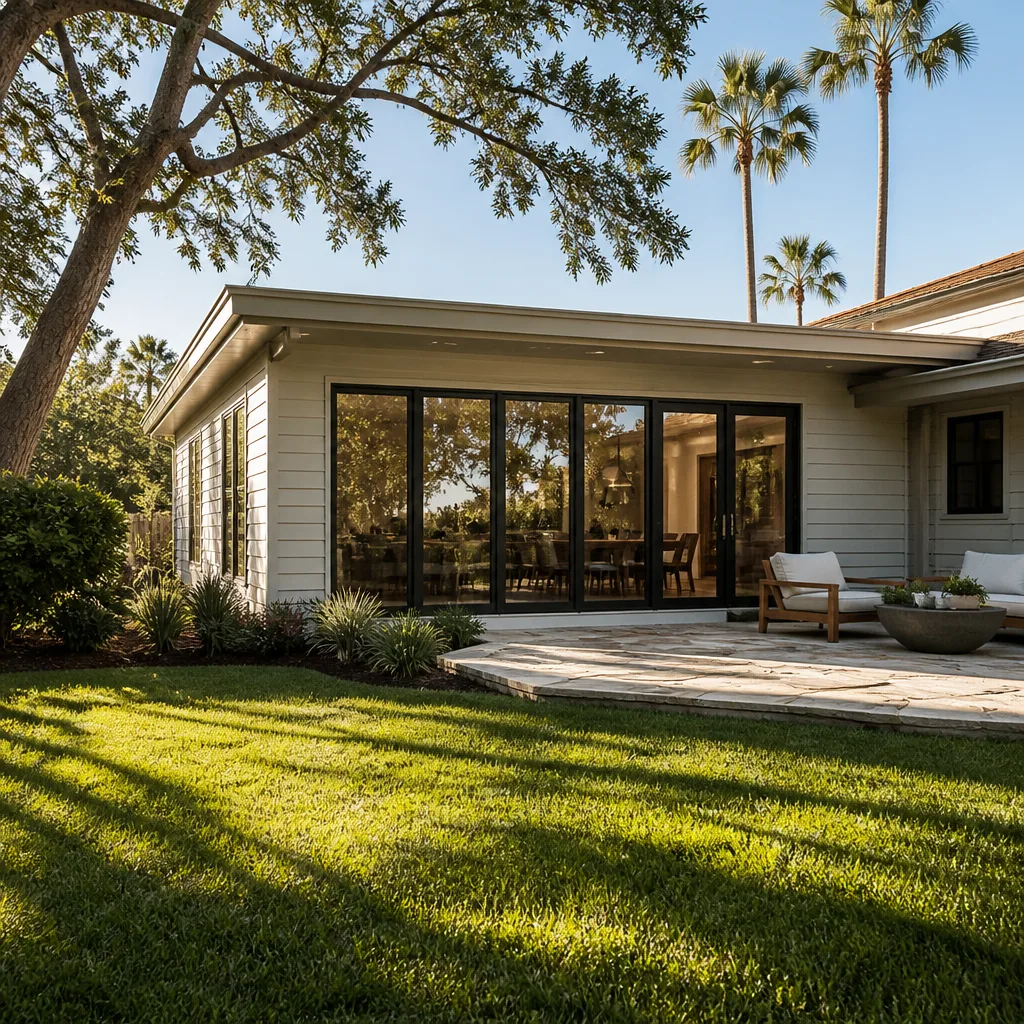
- Home additions & ADU
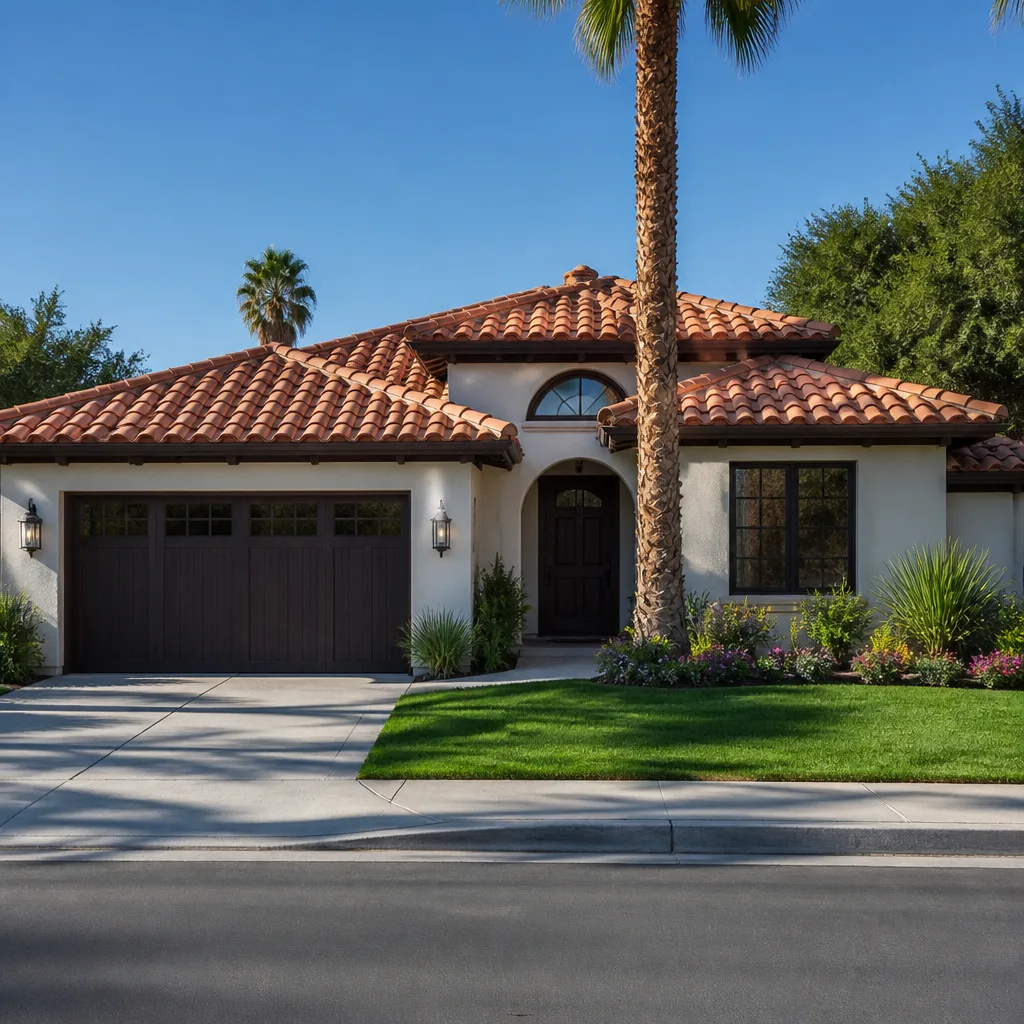
- Roofing
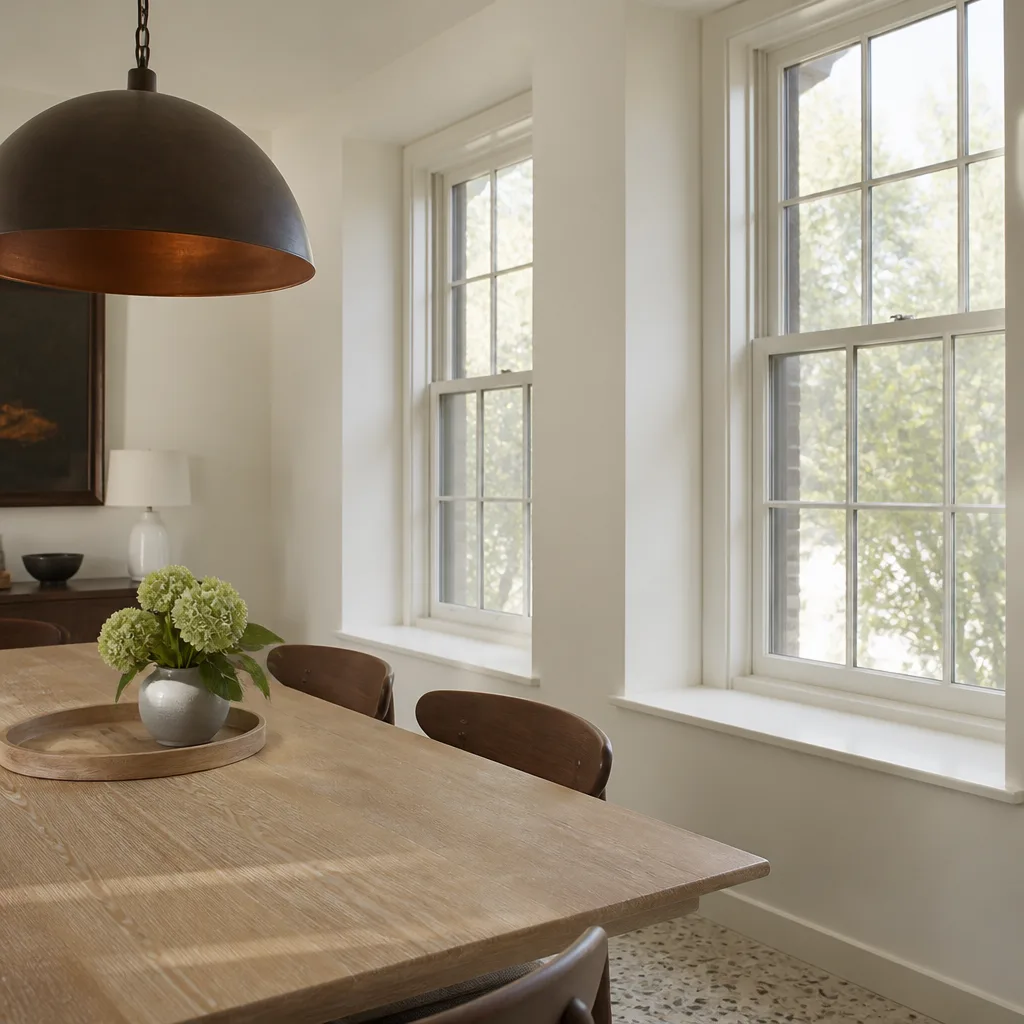
- Windows & doors
- Driveway & pavers
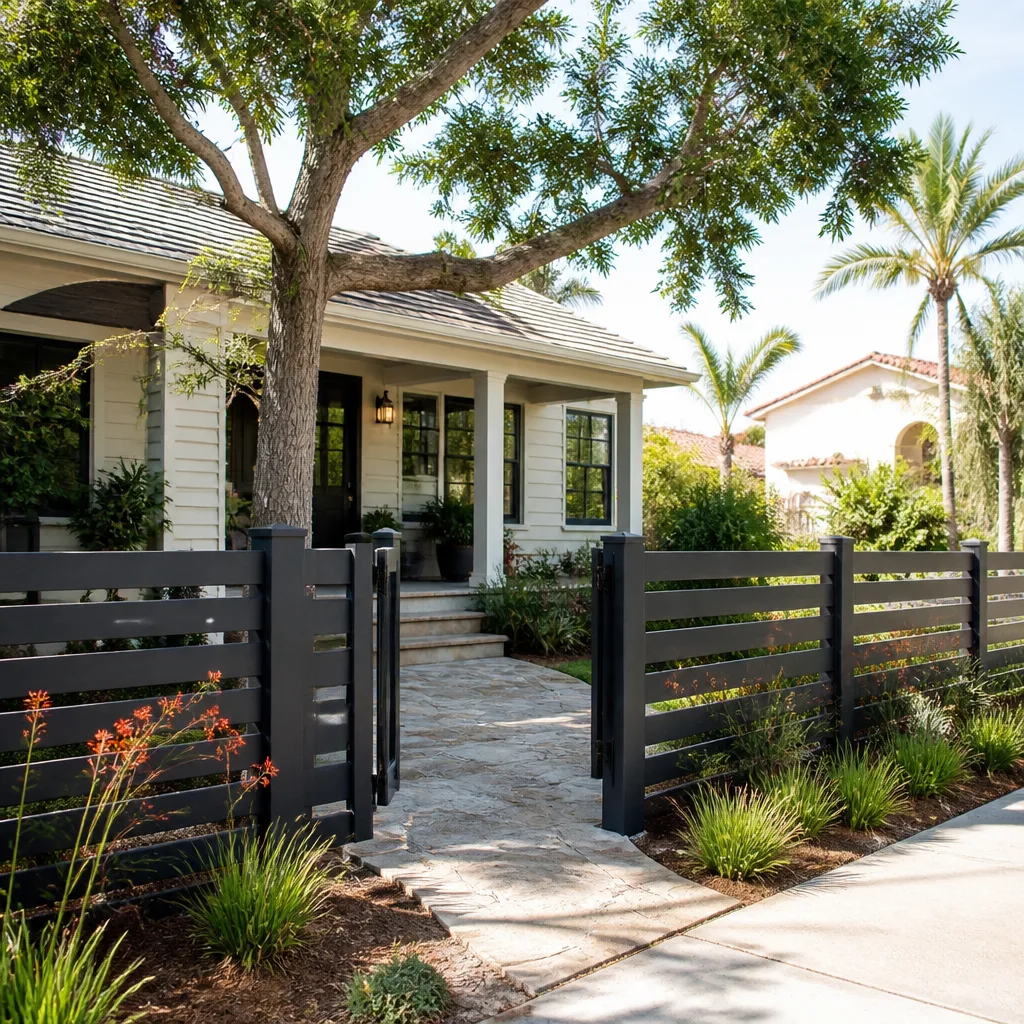
- Fence
Table of Contents
- Why Long Beach Soil Changes Everything
- Long Beach Building & Safety vs. Standard California Code
- How the Port of Long Beach Affects Your Timeline
- Where the ROI Lives: Belmont Shore, Bixby Knolls, and Signal Hill
- Matching the Project to the Trade
- The 730-Day Done Right Promise and Accountability Math
- A Realistic Long Beach Project Timeline
Why Long Beach Soil Changes Everything
Long Beach sits on a mix of expansive marine clay, sandy fill near the shoreline, and older alluvial deposits inland. That clay expands when it absorbs water and shrinks when it dries, and in a coastal climate with a wet winter and a bone-dry summer, it cycles through both every single year. We’ve watched slab foundations in the Willmore City area develop hairline cracks that had nothing to do with poor workmanship and everything to do with clay doing what clay does.
What this means for your project depends on where you’re building:
- Expansive clay zones (large parts of central and north Long Beach): foundations often need deeper footings, post-tension slabs, or pier-and-beam designs instead of a standard spread footing. A contractor who prices your addition using a Riverside template will be back asking for change orders once the soils report lands.
- Sandy shoreline fill (parts of Belmont Shore and the peninsula): compaction testing matters more than footing depth. Older homes here were built on fill that was never engineered, and any addition needs verification before you pour.
- Older pre-1950 stock: many Long Beach homes were built before modern drainage requirements. Grading that pulls water away from the foundation can matter more than any structural upgrade you make.
The practical takeaway: insist on a soils report before any foundation work, addition, or significant hardscape. It costs a fraction of the project and it’s the only way to know whether your Long Beach lot will behave like the soil the last contractor built on.
Long Beach Building & Safety vs. Standard California Code
California code is the floor, not the ceiling, and Long Beach Building & Safety adds local requirements on top of it that trip up contractors who mostly work in neighboring cities. The differences aren’t dramatic, but they cost time and money when they catch you unprepared.
Where local rules bite hardest:
- Historic districts: properties in designated Long Beach historic zones (including parts of Bluff Park and the Willmore area) often need design review before a permit is issued, not after. That adds weeks to the front end of any exterior project.
- Coastal zone: parcels within the coastal zone, especially near the shoreline, can require additional review for height, setbacks, and visibility. Additions and second-story work here need to be planned for.
- ADU rules: the state’s ADU law is generous, but Long Beach’s local implementation still requires specific plot plans, utility connections, and setbacks. A properly drawn ADU permit takes longer in Long Beach than in a non-coastal city.
- Fire and seismic: Long Beach sits in a seismic zone, and shear wall and anchor bolt requirements for structural work are enforced tightly. Plans need engineering, not a hand-drawn sketch.
- Confirm your parcel’s zoning, historic status, and coastal zone designation before you draw a single line.
- Pull a pre-application meeting with Building & Safety for anything structural. The earlier the better.
- Have a licensed engineer stamp your plans. Long Beach reviewers will reject unengineered structural submittals.
- Budget the inspection schedule realistically. Plan reviews and inspections take weeks, not days.
If you’re adding on rather than remodeling in place, the permitting path is worth understanding in detail before you commit. Our Home Additions & ADU in Long Beach guide walks through the submittal sequence step by step.
How the Port of Long Beach Affects Your Timeline
The Port of Long Beach is the second-busiest container port in the country, and its footprint reaches well beyond the waterline. Two variables matter for your project: ground vibration and material logistics.
Ground vibration. Heavy truck traffic along the port corridors and rail lines creates low-frequency vibration that travels through saturated clay. Old homes with unreinforced masonry and shallow foundations are the most sensitive, and we’ve seen vibration contribute to hairline plaster cracks in homes several blocks from the major corridors. If your property sits near the port, the Terminal Island Freeway, or the Alameda Corridor rail line, plan for closer monitoring during any demolition or heavy-equipment phase.
Material logistics. Port congestion ripples through the entire Southern California supply chain. When container throughput slows, imported windows, tile, and cabinetry all back up. That’s why we source domestic where it makes sense, pulling in brands like James Hardie siding and KraftMaid cabinetry with established distribution that doesn’t depend on a single container ship’s schedule. For long-lead items (custom windows, specialty tile, imported slabs), order them before demolition starts, not during.
- Ask your contractor where each piece of material is coming from and when it’s ordered.
- For custom windows and cabinetry, expect 6 to 14 weeks of lead time in a normal year.
- Schedule deliveries for mid-morning to avoid port-gate rush and the morning commute crawl on the 710.
Where the ROI Lives: Belmont Shore, Bixby Knolls, and Signal Hill
Long Beach real estate runs in micro-markets, and what earns back its cost in one neighborhood can leave money on the table in another. The variables are lot size, buyer profile, and the value of the surrounding homes.
Belmont Shore
Small lots, high land value, and buyers who pay a premium for walkable character. Here, the highest-return projects are usually kitchens, baths, and outdoor living areas that extend usable space onto the lot. Full additions get squeezed by setbacks. A $60,000 kitchen remodel in a well-positioned Belmont Shore property regularly outperforms a $120,000 addition two miles inland.
Bixby Knolls
Bigger lots, established tree-lined streets, and larger homes. Bixby Knolls rewards additions and ADUs because the lot can actually fit them, and the buyer pool expects square footage. If you’re weighing a full addition, the permitting and site realities make it viable here in a way it isn’t near the water. See our Groundwork Construction Co. of Long Beach home page for the full service scope.
Signal Hill
Smaller, mostly single-family, with a distinct zoning patchwork thanks to its separate municipal status. Signal Hill runs its own permitting, and the rules don’t always match the city of Long Beach. Foundation and drainage work tends to earn back well here because the hillside grading is old and the soils are uneven.
The theme across all three: match the investment to the lot, the buyer, and the neighborhood’s price ceiling. A $200,000 kitchen on a street of $600,000 homes is money you’ll never see again.
Matching the Project to the Trade
Long Beach projects usually pull from a small set of core trades, and understanding what each one demands in this city helps you evaluate bids accurately.
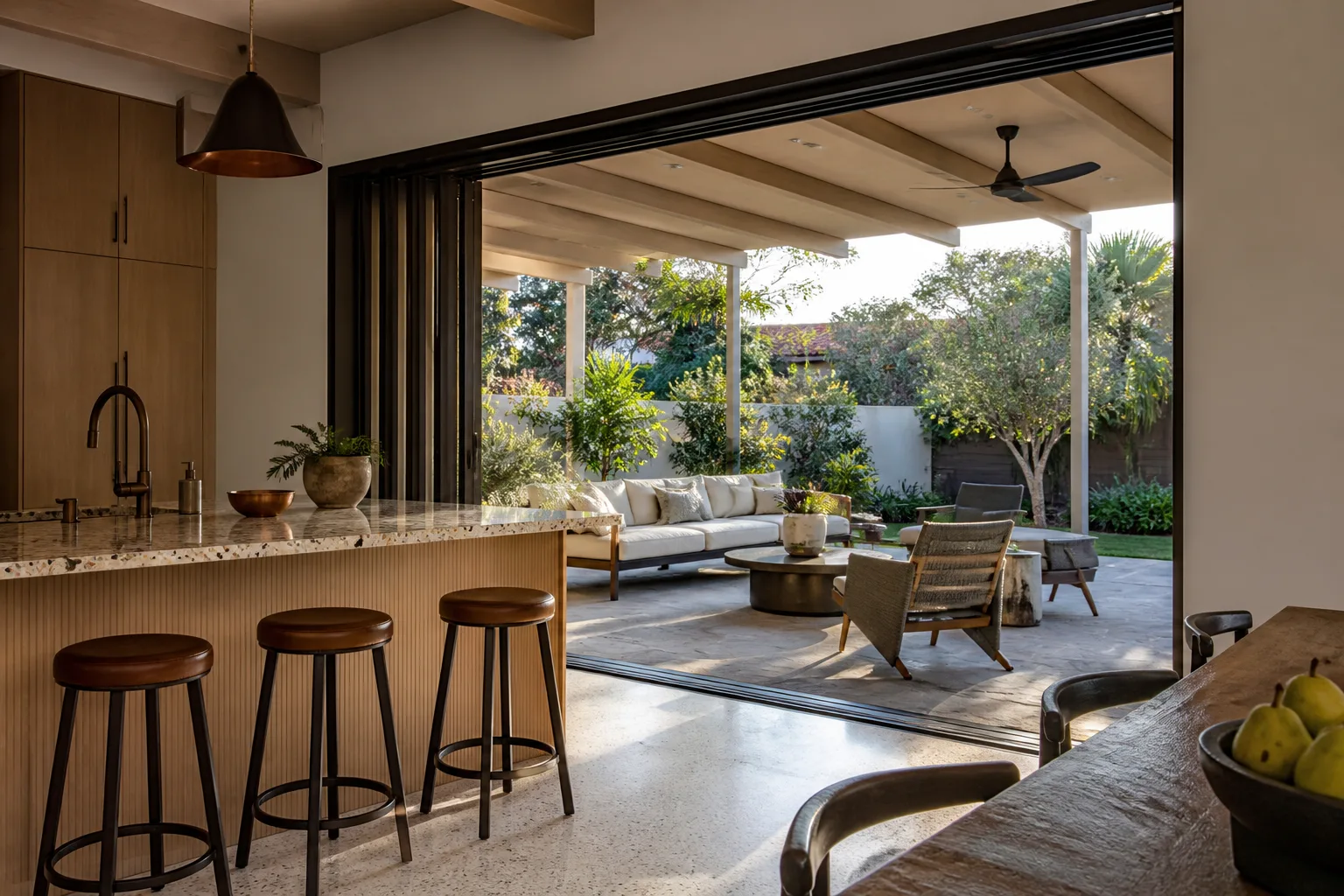
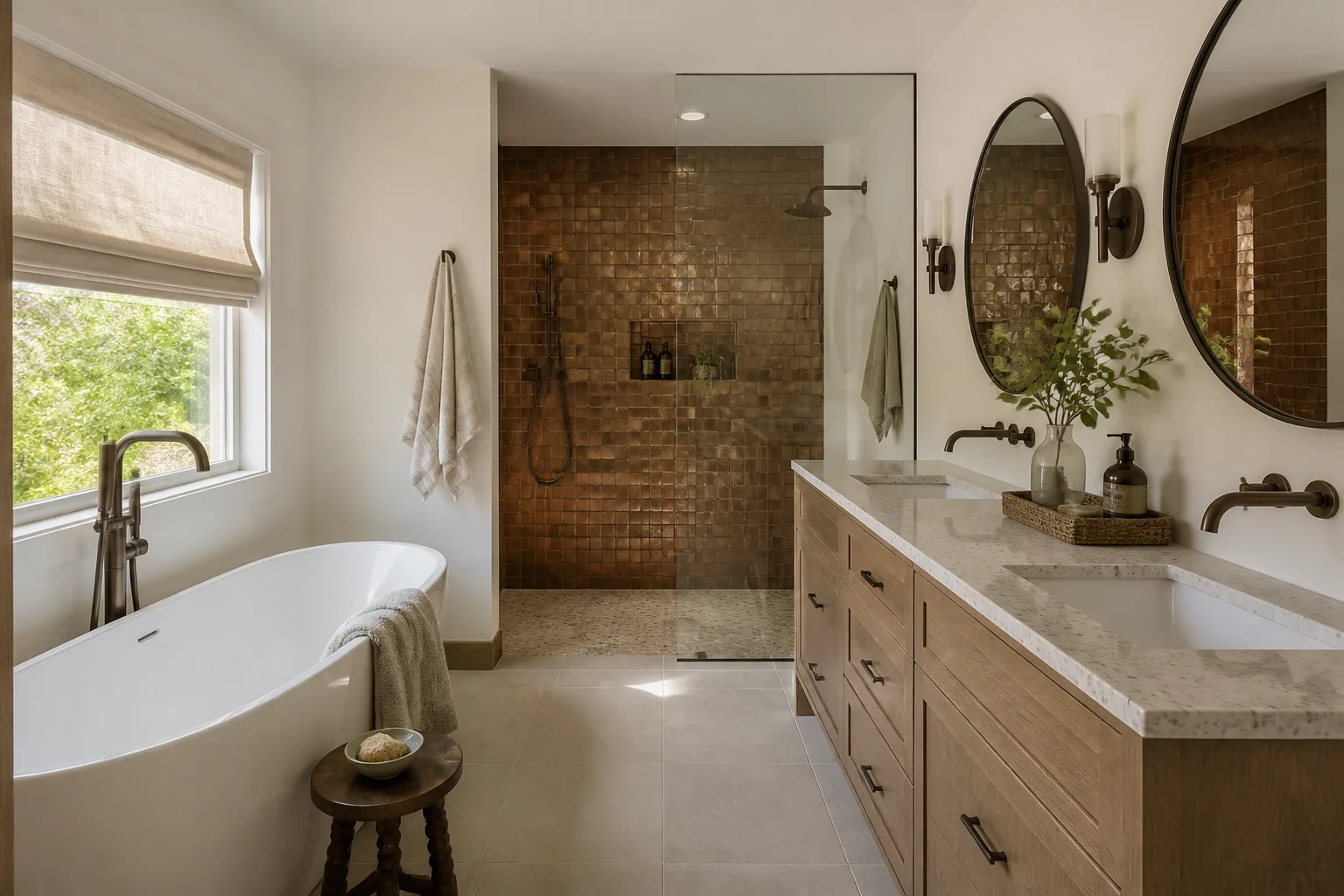
Kitchen and bath remodeling is the most common Long Beach project. The variables that matter here are moisture control (coastal humidity pushes you toward better ventilation and mold-resistant materials), cabinet lead times, and the reality that many Long Beach kitchens are in homes built before 1960. Bring in the right cabinets and fixtures and the work holds up. We rely on partners like KraftMaid for cabinetry because the finish systems handle coastal humidity well, and 730 days of warranty exposure is a good test of whether the product was the right call.
Roofing is where coastal Long Beach diverges from inland. Salt air accelerates corrosion on fasteners and flashing. In our experience, standard inland roofing details fail faster here. If you’re re-roofing, plan for marine-grade fasteners and flashing detail that survives the beach climate. Properly specified, a GAF or CertainTeed system with marine-grade components lasts decades. Improperly specified, it doesn’t.
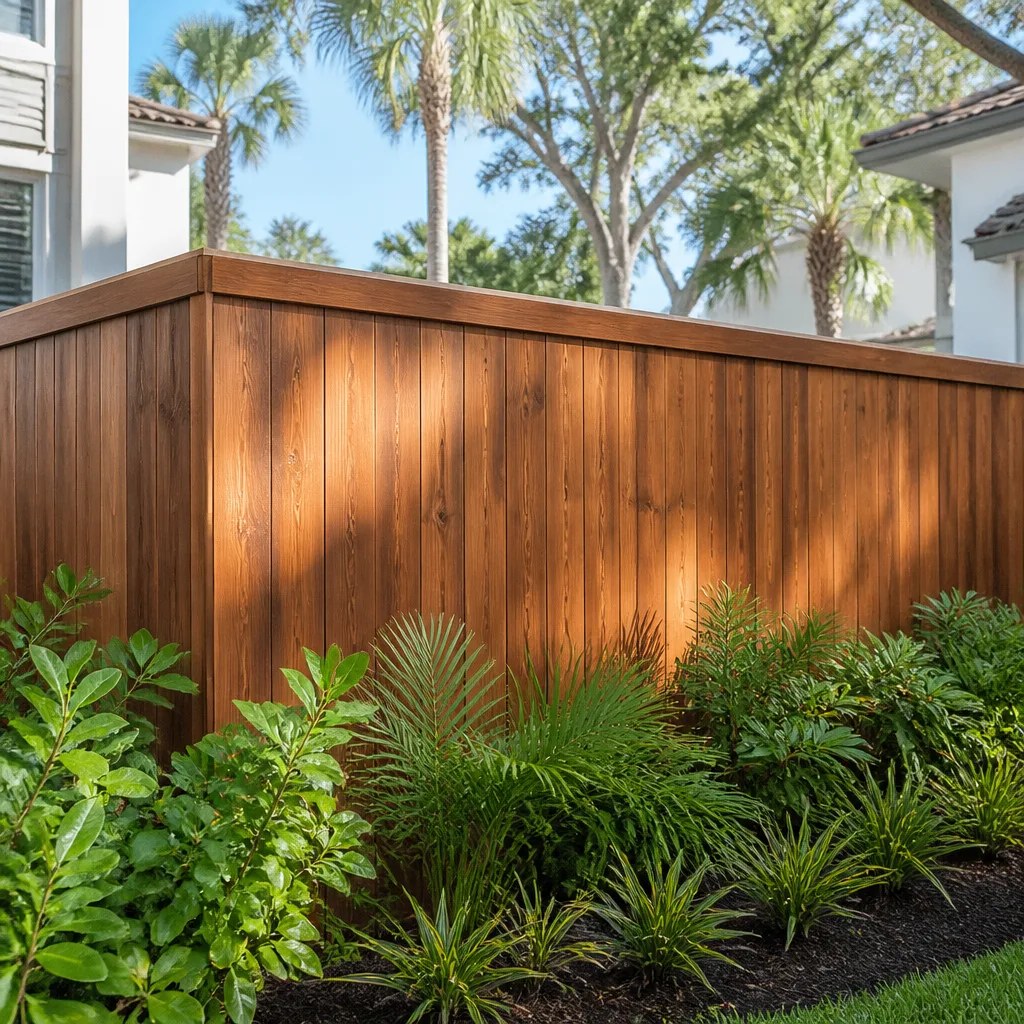
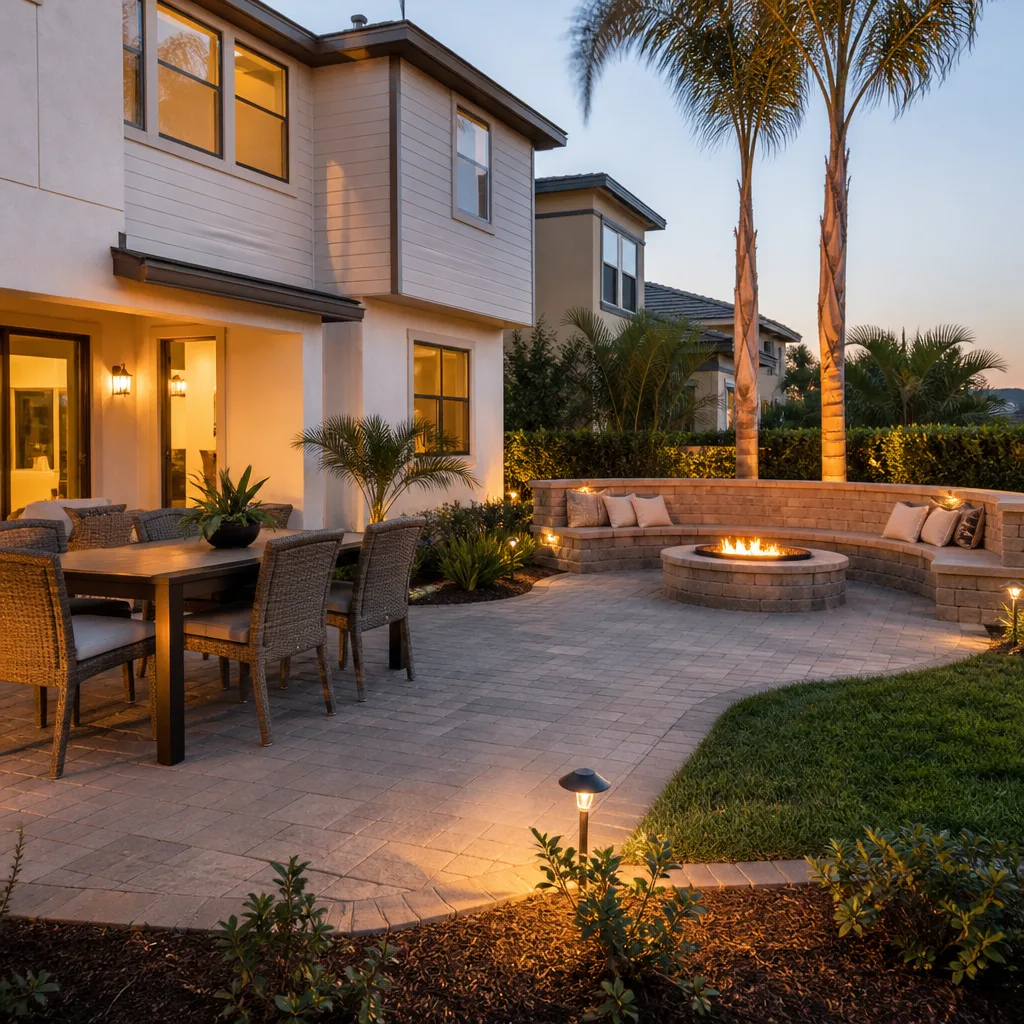
Exterior hardscape includes driveways, pavers, fences, and patios, and it’s where drainage matters most. Belmont Shore and Naples lots are tight, and water has nowhere to go if you don’t plan for it. See our Driveway & Pavers in Long Beach and Fence Installation in Long Beach pages for trade-specific detail.
Additions and ADUs combine every variable above. Foundations, permits, scheduling, and materials all have to align, and the projects that go wrong are almost always the ones where one of those was assumed rather than verified.
The 730-Day Done Right Promise and Accountability Math
Most contractors in Long Beach offer a one-year workmanship warranty. That’s the industry default, and it’s an arbitrary number. One year covers a full seasonal cycle, but only one. It doesn’t cover the second wet-dry season that shakes out foundation issues. It doesn’t cover the third summer where a poorly flashed roof finally fails.
The 730-Day Done Right Promise doubles that window. If it’s not done right, we make it right, and the clock runs for two full years from final walkthrough. For Long Beach homeowners, that’s meaningful because the failure modes here are slow. Expansive clay takes a full seasonal cycle to show problems. Salt air corrosion on coastal roofing reveals itself after 12 to 18 months. A one-year warranty expires before the evidence appears.
- One-year warranty: covers immediate workmanship failures. Misses seasonal-cycle problems entirely.
- 730-Day Done Right Promise: covers two complete seasonal cycles. Catches coastal corrosion, clay movement, and drainage issues that develop over time.
- The math that matters: the cost of a warranty claim is on the company, not on you, for 24 months instead of 12.
We back every Long Beach project with this promise because the alternative is asking you to absorb the risk of a project you didn’t build. It’s a written commitment, not a verbal handshake.
A Realistic Long Beach Project Timeline
Timelines in Long Beach are longer than most homeowners expect on a first call, and it’s better to hear that upfront than to be surprised in week eight. Here’s what a typical mid-size Long Beach remodel actually looks like.
- Consultation and design (weeks 1 to 3). Site visit, scope, design direction, materials selection. Free estimate and design consult included.
- Permit submittal and review (weeks 2 to 6). Overlaps design if you plan well. Long Beach review for a straightforward remodel runs 3 to 5 weeks. Additions, coastal zone work, or historic districts run 8 to 12.
- Material orders and lead times (weeks 4 to 10). The long pole in the tent. Windows, cabinets, and specialty items need to be ordered the day the permit is issued.
- Demolition and rough-in (weeks 1 to 3 of active construction). Fast, messy, and the phase where unexpected site conditions surface.
- Build and finish (weeks 3 to 10). The bulk of the work. Trades sequence back to back and this phase benefits most from a contractor with real trade relationships.
- Final inspection and walkthrough (week 10 to 12). Sign-off from Building & Safety, walkthrough with you, and the 730-Day Done Right Promise kicks in.
Kitchen remodels typically run 8 to 10 weeks of active construction. Bathrooms run 4 to 6. Roofs run 2 to 4. Additions run 16 to 24. Any contractor quoting a Long Beach project shorter than those numbers is either skipping something or hasn’t done one here recently.
Common Mistakes to Avoid
- Pricing the job without a soils report. On expansive clay, a contract priced without soil testing is a contract that will have change orders in it. Insist on the testing before signing.
- Treating Long Beach permitting like adjacent cities. Contractors who work mostly in Lakewood or Torrance routinely underestimate Long Beach Building & Safety. Ask specifically how many Long Beach permits the contractor has pulled in the last year.
- Ordering materials after demolition. With port-adjacent supply chain reality, ordering windows and cabinets on week one of construction adds four to eight weeks to your timeline. Order them at permit issuance.
- Ignoring the coastal zone designation. Two blocks from the water changes the permitting path. If a contractor doesn’t know whether your parcel is in the coastal zone, they haven’t looked closely enough.
- Choosing a one-year warranty on a coastal roof. Salt air and marine moisture take 14 to 20 months to expose installation weaknesses. A one-year warranty has already expired before the evidence shows up.
- Overspending in a neighborhood with a price ceiling. A luxury kitchen in a market where homes sell for less than it costs is money you never recover. Match the investment to the block.
- Skipping the vibration plan near port corridors. Heavy demolition near the port requires pre-construction photos of adjacent structures and inspection during the heavy phase. Skipping this puts you on the hook for a neighbor’s plaster cracks.
See the difference
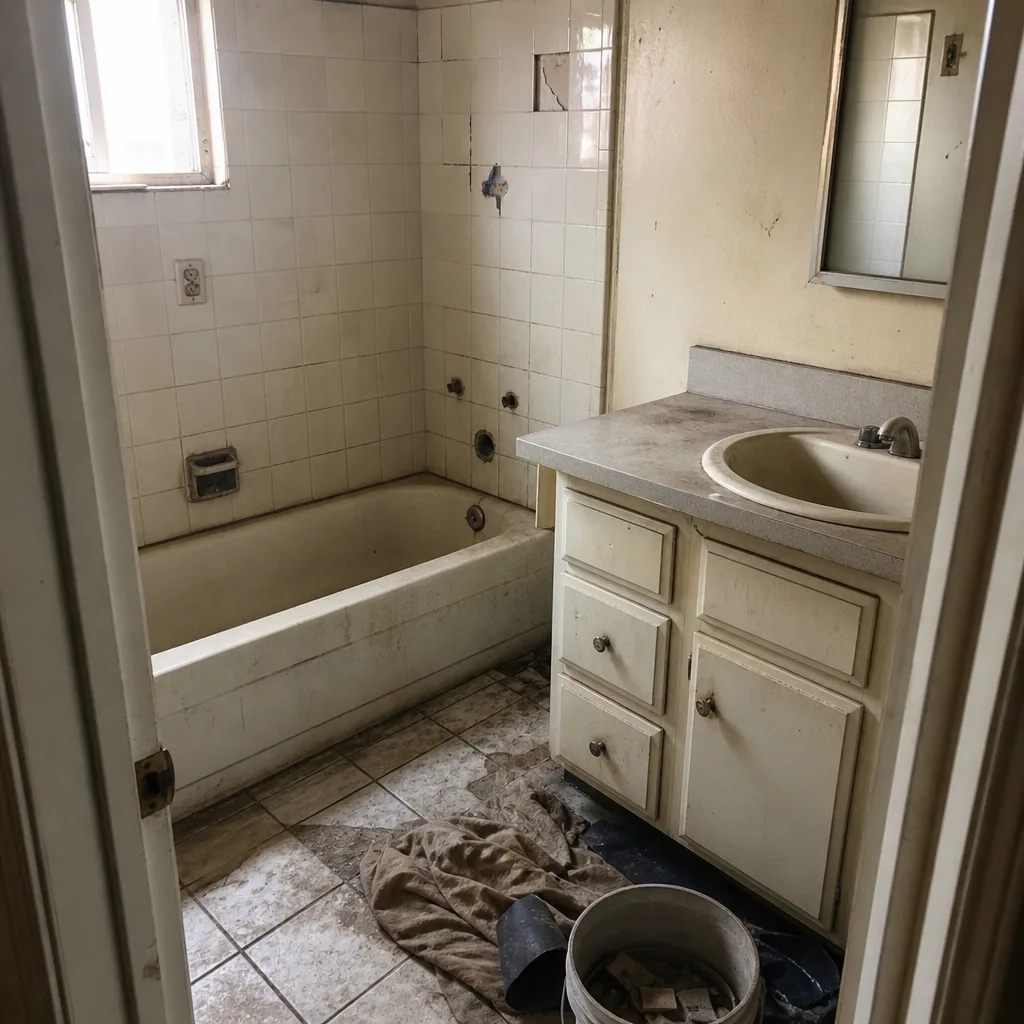 Before
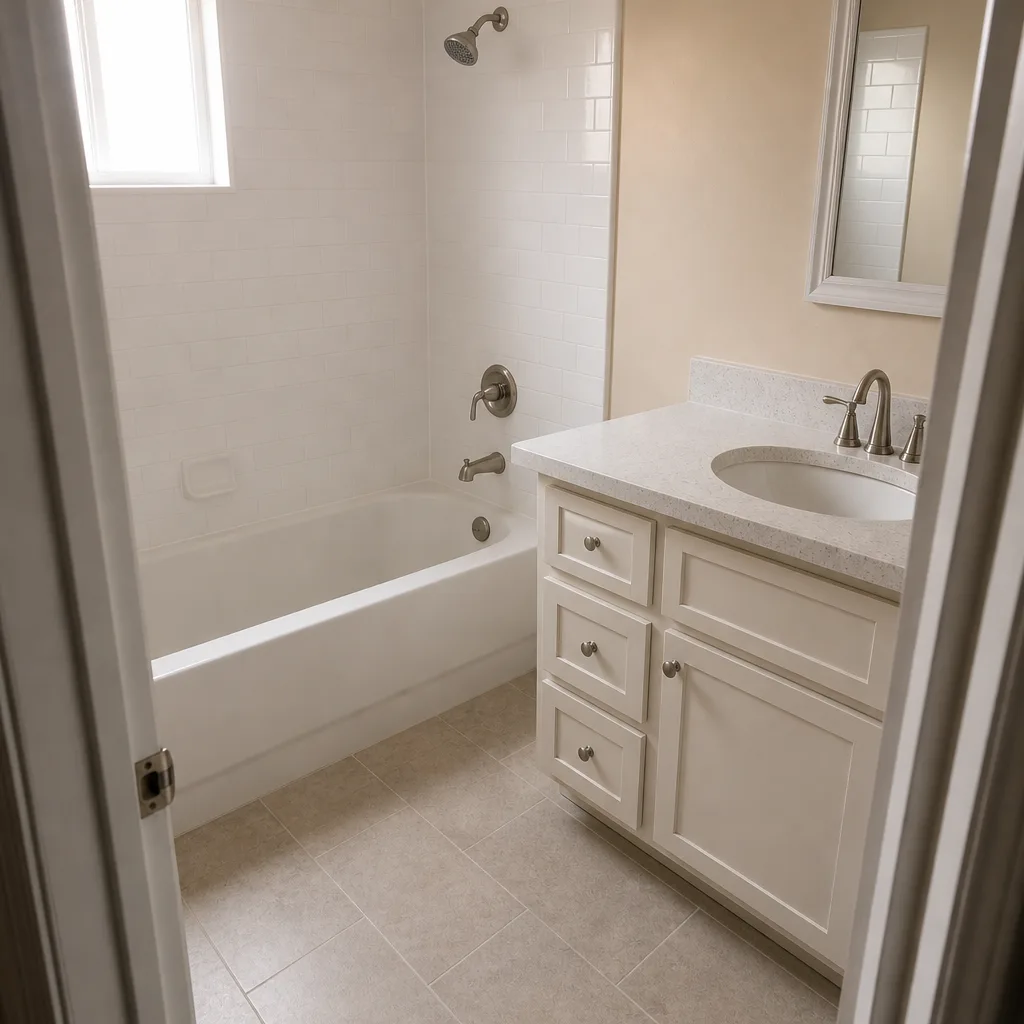 After
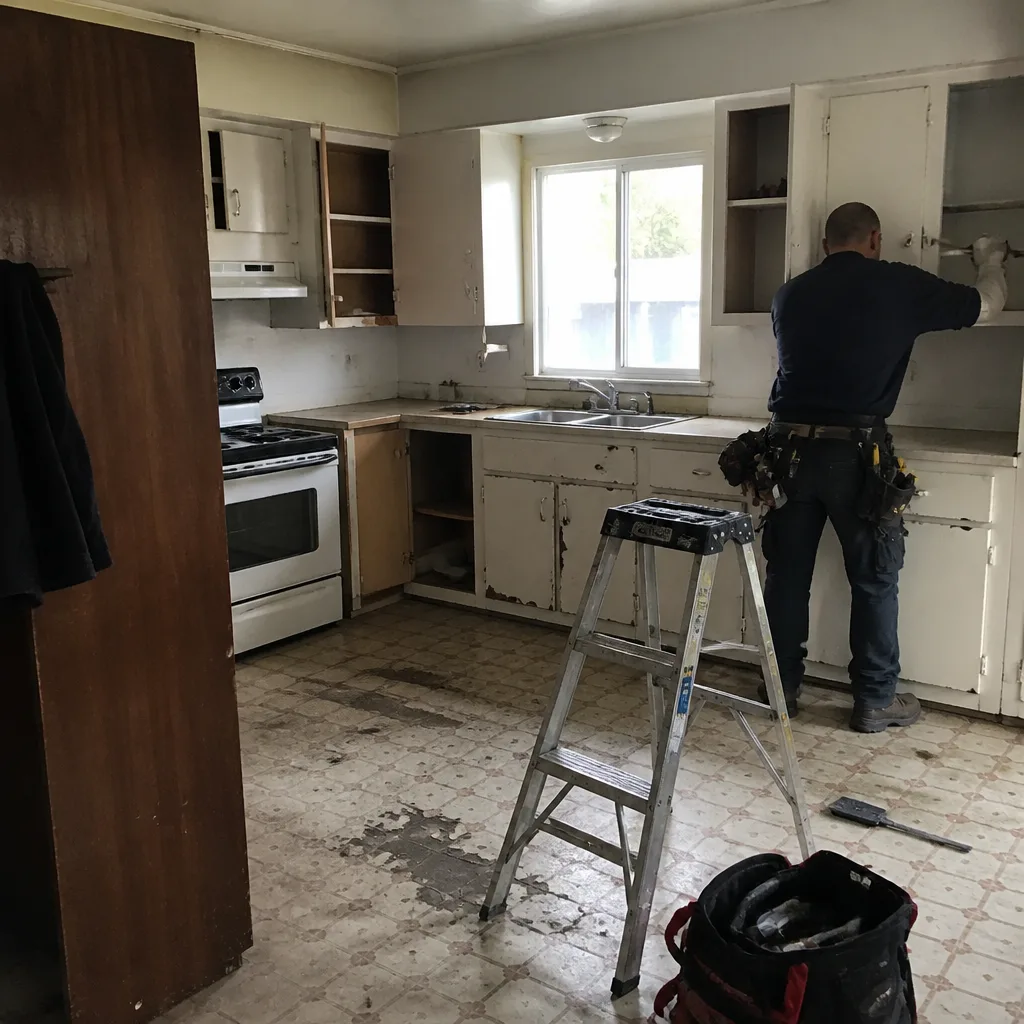 Before
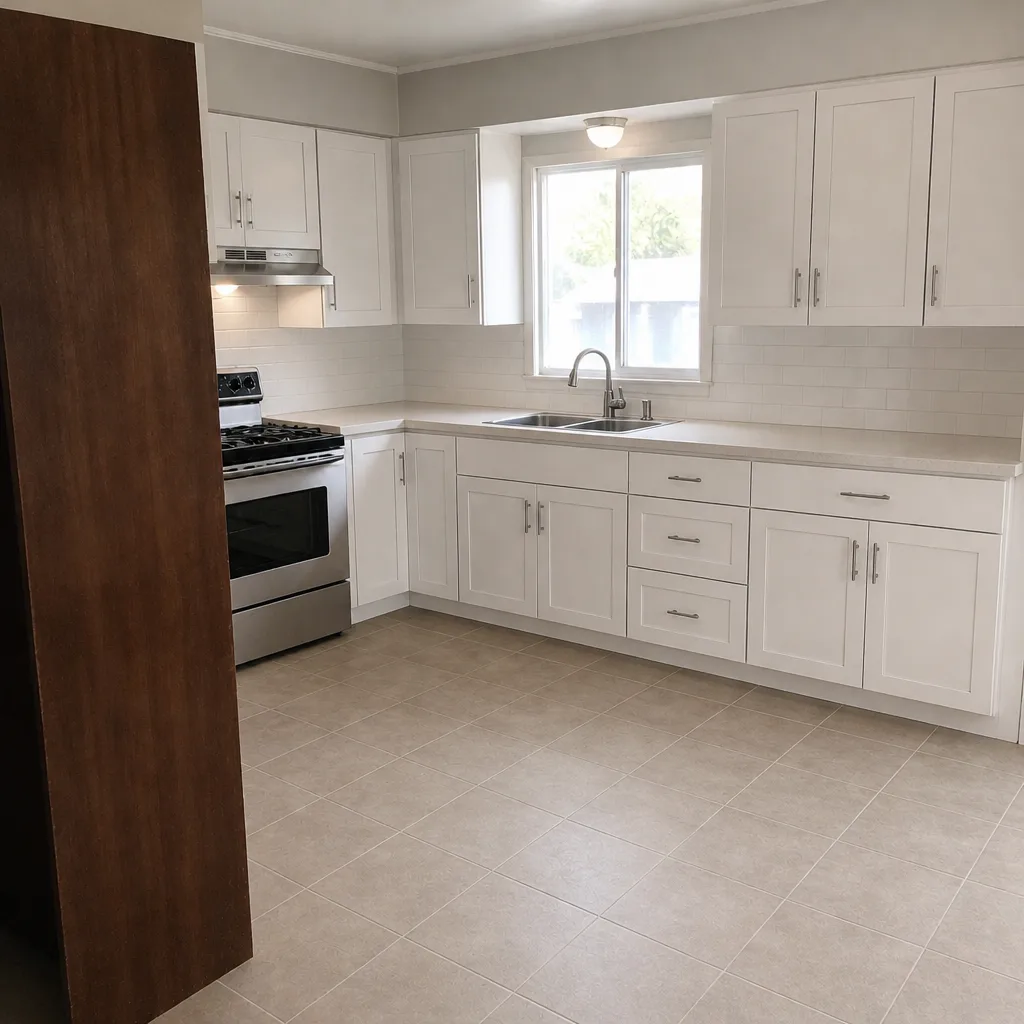 After
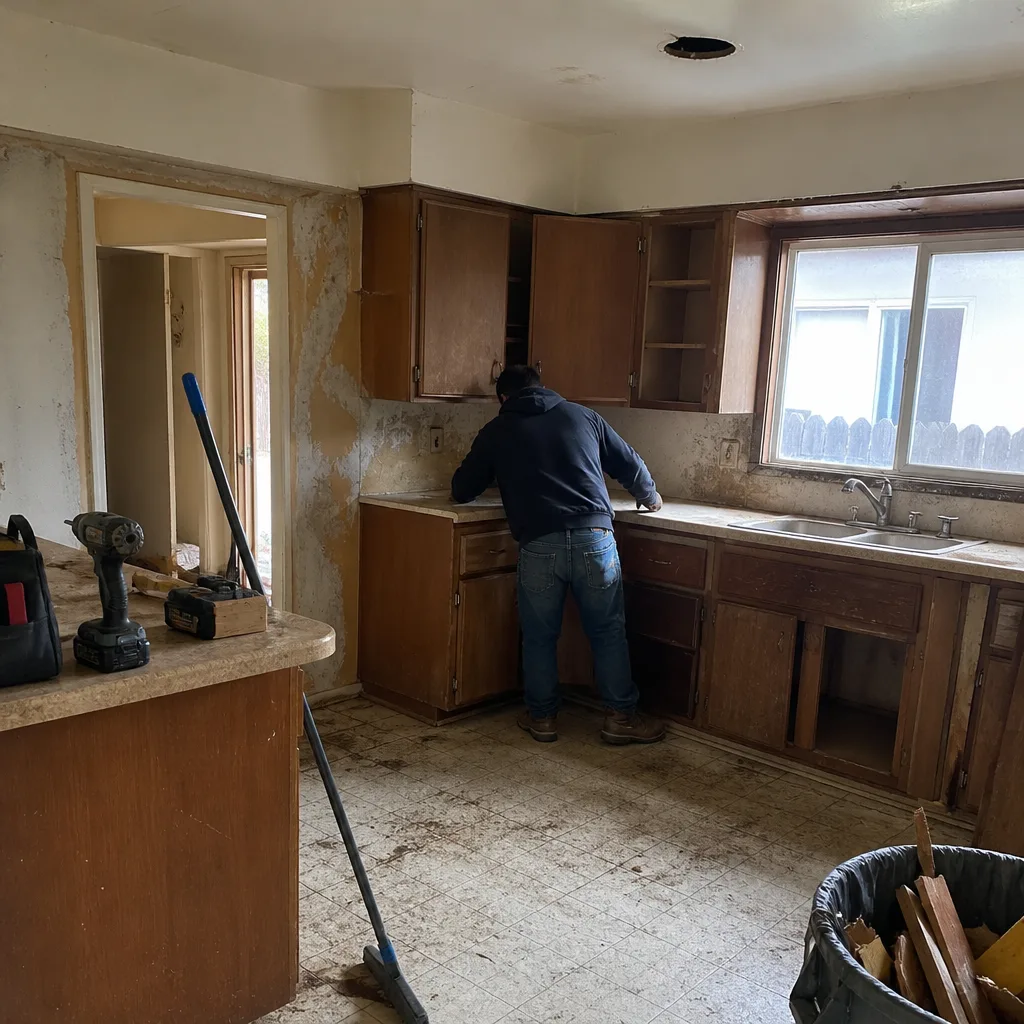 Before
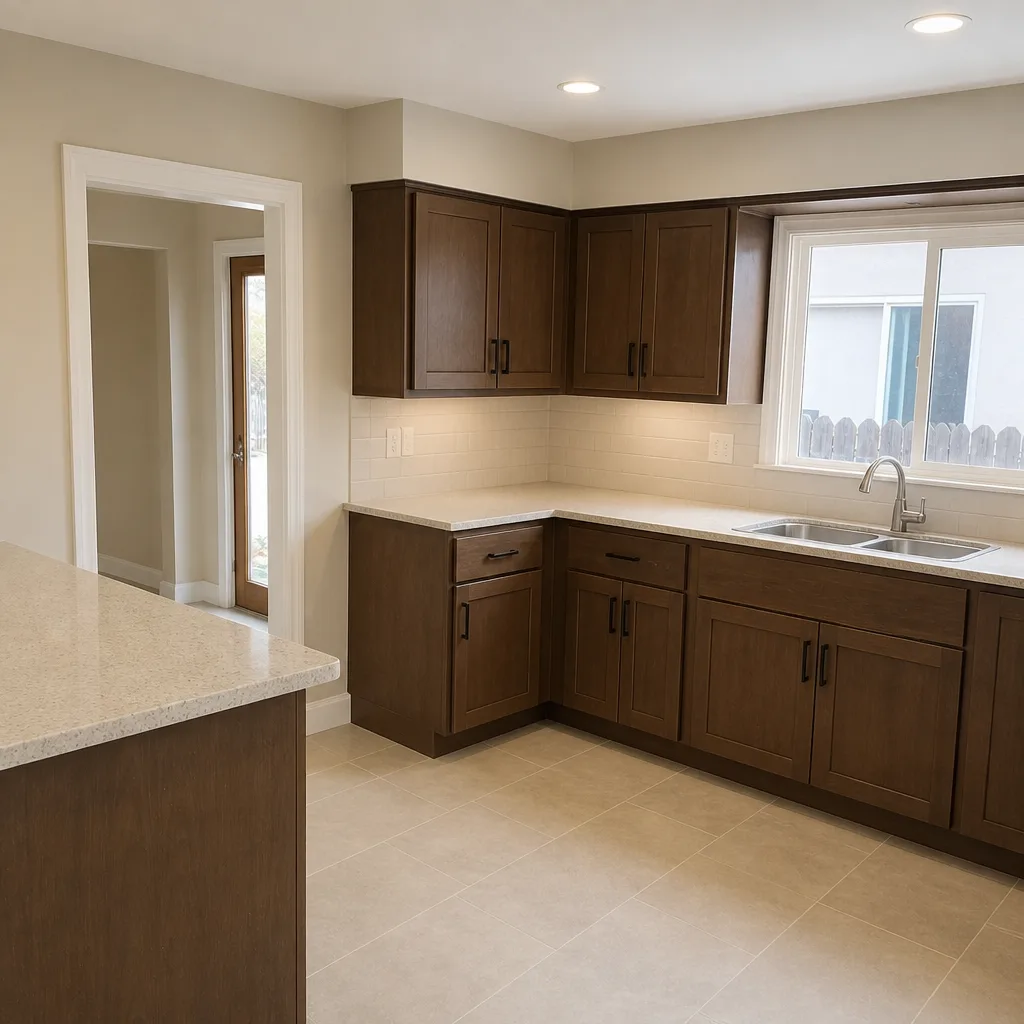 After
When to Call a Professional
Plenty of Long Beach projects are genuinely DIY-friendly. Painting, patching, minor landscaping, changing a light fixture. The line is drawn by risk, not by square footage. Call a professional when the project involves foundation work, structural changes, electrical panel work, gas lines, roofing at height, or anything that requires a Building & Safety permit. It’s also the right call when a project sits inside a historic or coastal zone, or when the scope involves coordinating multiple trades (which is most renovations lasting more than a month). Trying to bring in a drywall guy, a plumber, and a tile setter separately in a Long Beach renovation usually ends with finger-pointing when something goes wrong, and no one on the hook. Groundwork Construction Co. of Long Beach offers free estimates in Long Beach. Call (888) 345-8164 to talk through your project, get a written line-item quote, and confirm whether a permit is required before you buy a single material.
Frequently Asked Questions
Kitchen remodels in Long Beach typically run $30,000 to $85,000 depending on scope, cabinet line, and whether you’re moving plumbing or electrical. A cosmetic refresh (doors, countertops, paint) lands near the bottom of that range, while a full gut with new cabinets, island work, and moving a wall runs toward the top. Call (888) 345-8164 for a written estimate specific to your kitchen.
Yes for anything structural, electrical, plumbing, roofing, or over roughly a 120-square-foot hardscape or fence. Long Beach Building & Safety requires permits for additions, ADUs, any foundation work, and most exterior envelope work. Repainting and simple cosmetic changes generally don’t need one. Confirm with the department or ask us before you start.
Straightforward remodels typically clear Long Beach permit review in 3 to 5 weeks. Additions, coastal zone parcels, and historically designated properties run 8 to 12 weeks or longer. Submitting complete, engineered plans the first time is the single biggest time saver.
Usually not. Salt air and marine moisture mean roofing and exterior issues often surface at 14 to 20 months, past a one-year window. A two-year workmanship warranty makes more sense for coastal Long Beach because it covers two full seasonal cycles. The 730-Day Done Right Promise we offer is designed for exactly this reality.
Not with a proper upfront quote. The number you see is the number you pay, provided the scope was fully defined and the site conditions were verified before signing. Soils reports, permit research, and material selections up front eliminate the change-order pattern that plagues under-priced Long Beach bids.
Depends entirely on the neighborhood. Belmont Shore rewards kitchens and outdoor living. Bixby Knolls rewards additions and ADUs where the lot supports them. Signal Hill rewards foundation and drainage work because of the hillside grading. The consistent winner is matching scope to the micro-market, which is why we walk through that variable on every site visit.
The Bottom Line
Long Beach construction isn’t hard. It’s just specific. The expansive clay, the port-adjacent vibration, the coastal zone designations, the historic districts, and the micro-market ROI differences all sit on top of a standard California project, and they compound when one contractor doesn’t know about them. The homeowners who navigate Long Beach well do three things: they insist on a soils report, they hire a contractor with real Long Beach permit experience, and they write the warranty into the contract before work starts. Get those right and 90% of the rest takes care of itself.
Groundwork Construction Co. of Long Beach offers full-scope construction from foundation to finish line, backed by the 730-Day Done Right Promise, upfront pricing, and live-person answers 24/7. Call (888) 345-8164 for a free estimate and design consult on your Long Beach project.
Written by the team at Groundwork Construction Co. of Long Beach.