Free written scope consultation - allowances, timeline, and change-order rules on paper before a single trade is scheduled
Styles & brands we work with
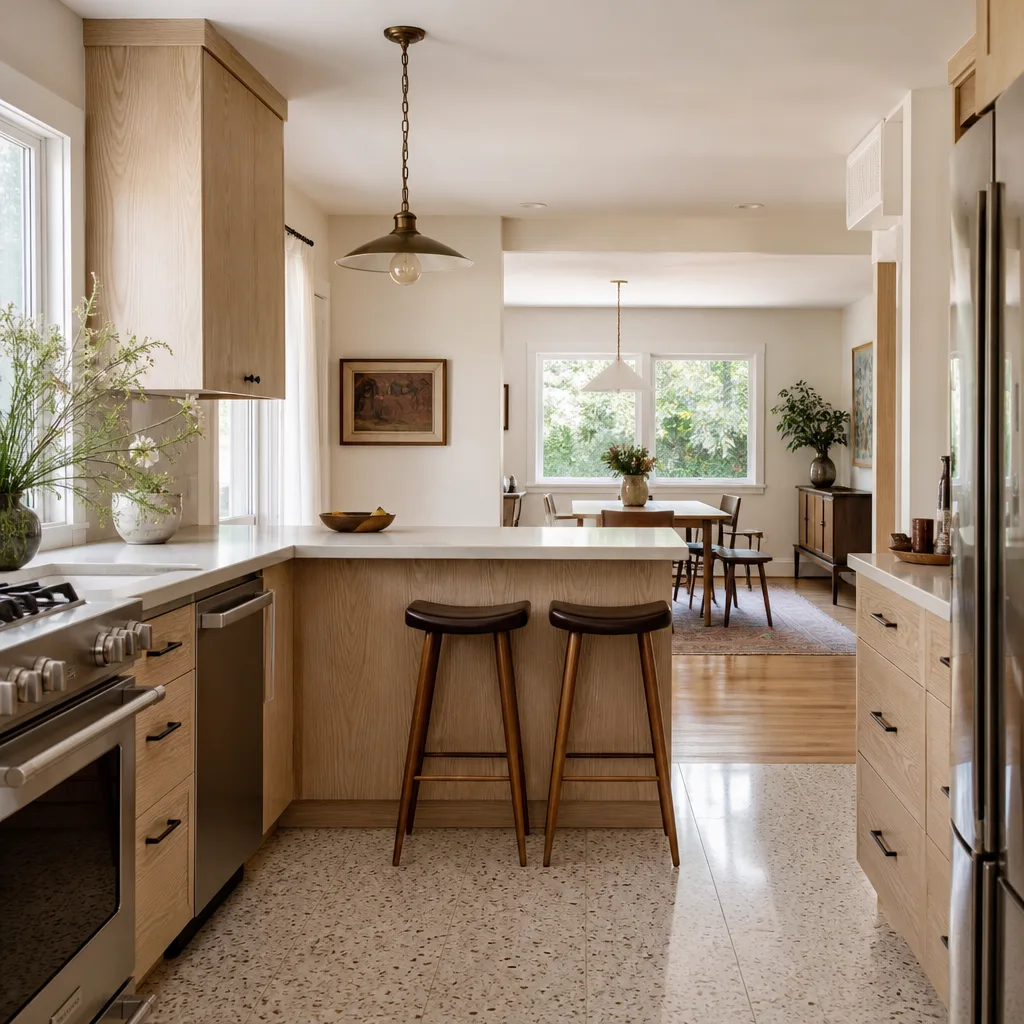
- Kitchen remodeling
- Bathroom remodeling
- Home additions & ADU
- Roofing
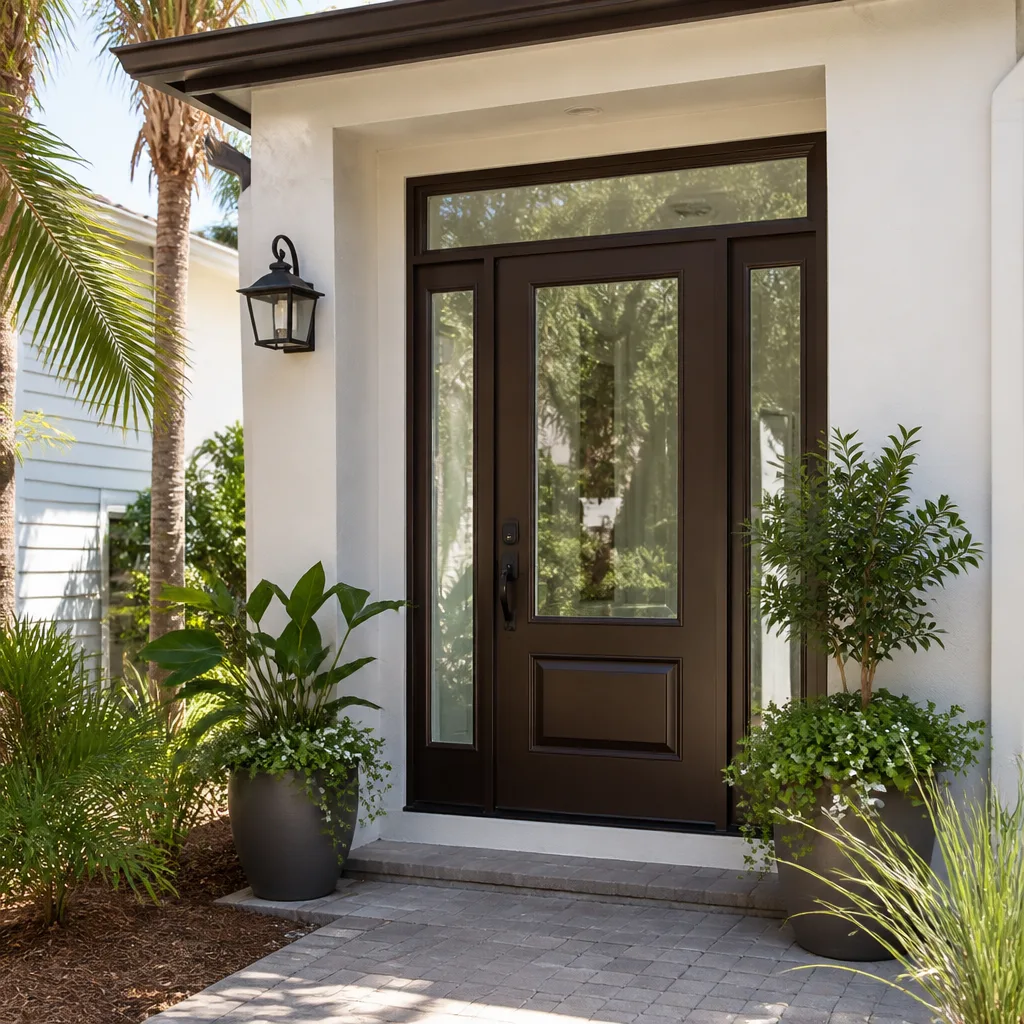
- Windows & doors
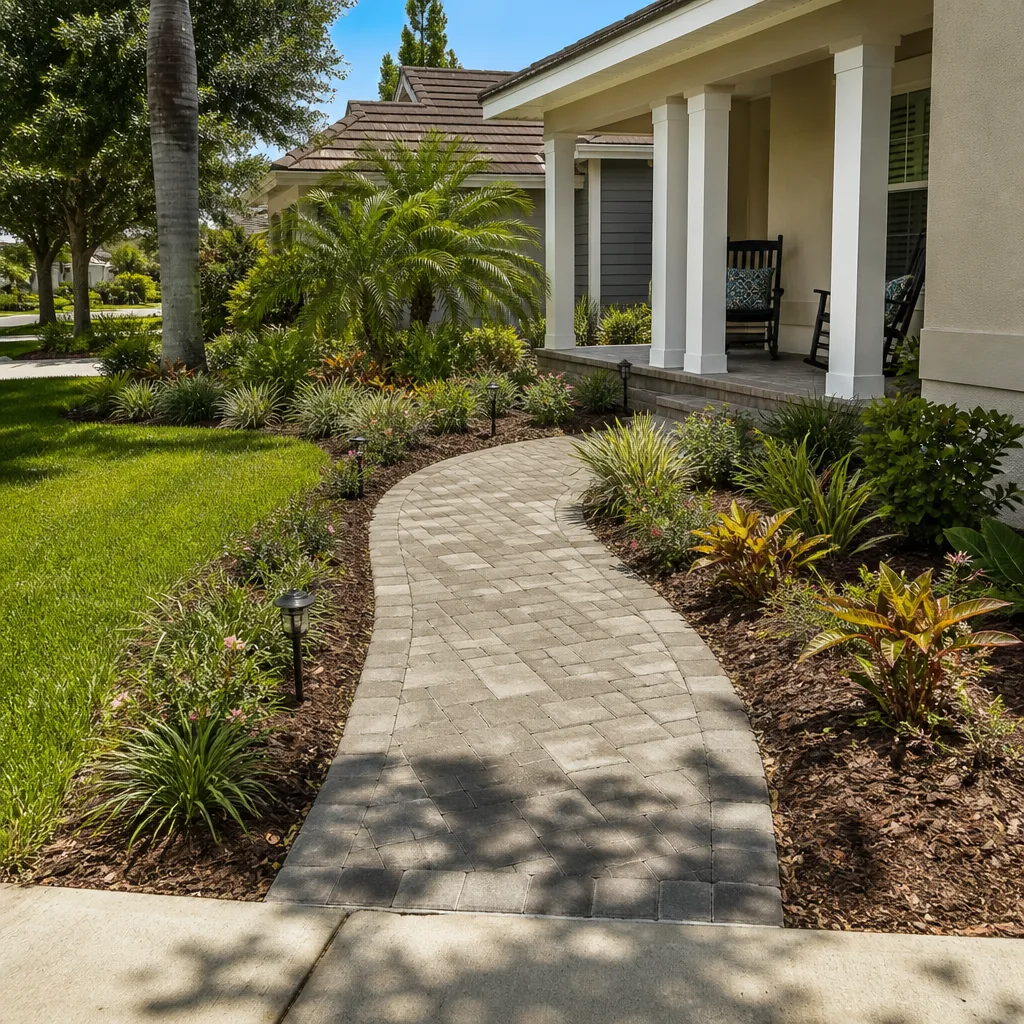
- Driveway & pavers
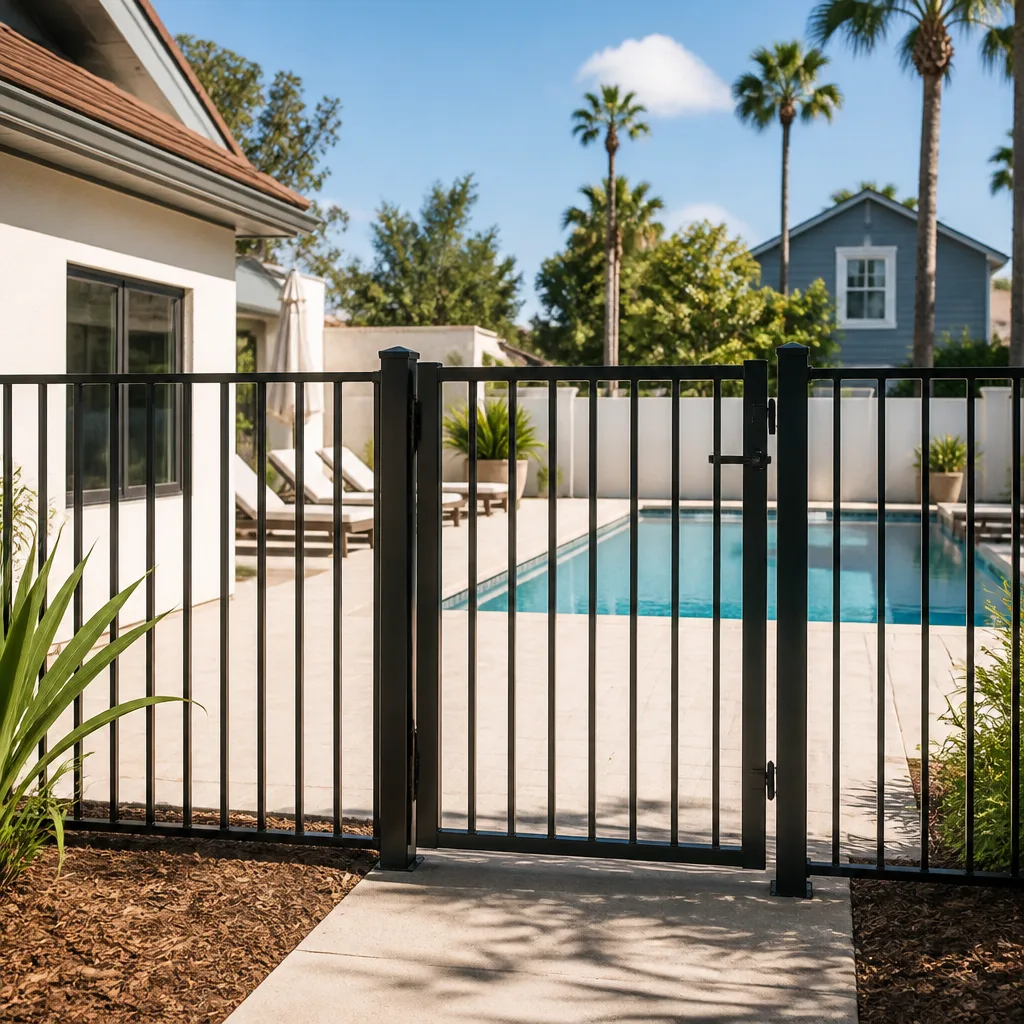
- Fence
See the difference
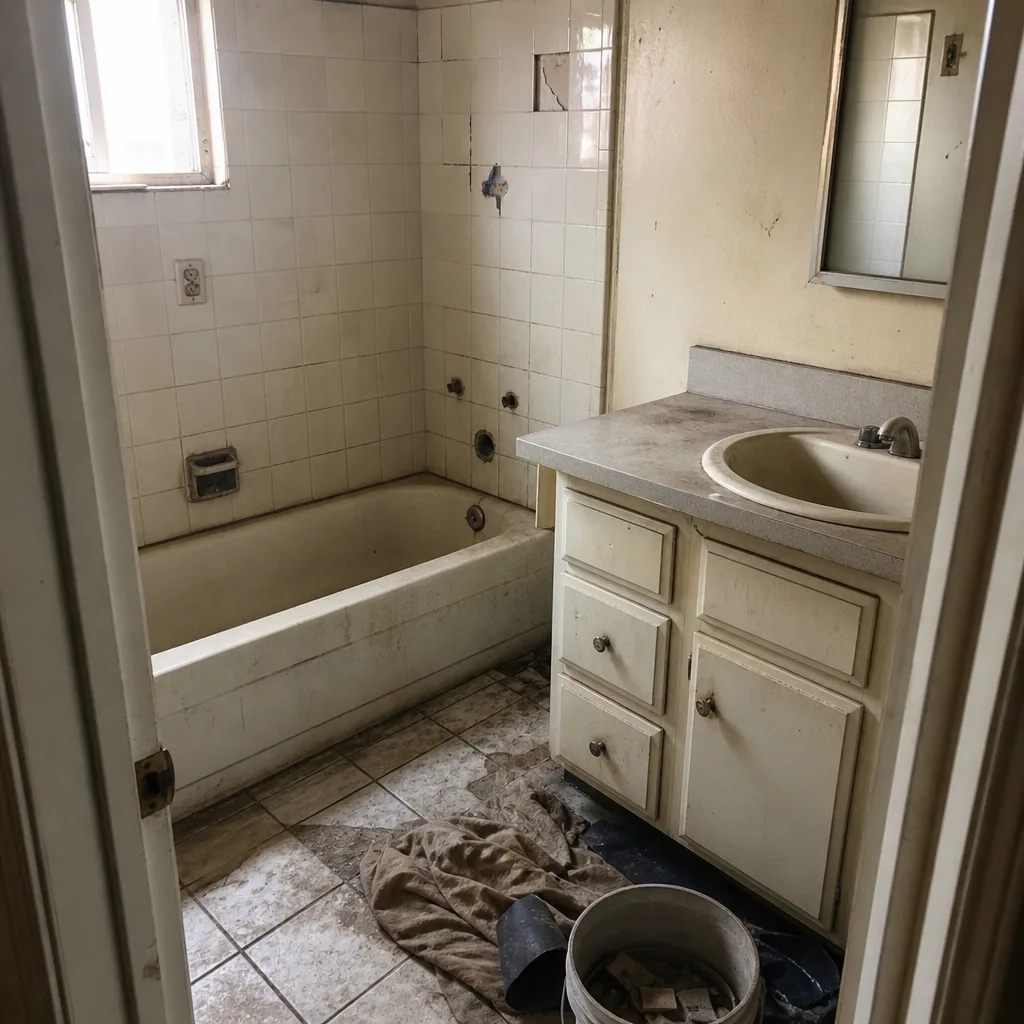 Before
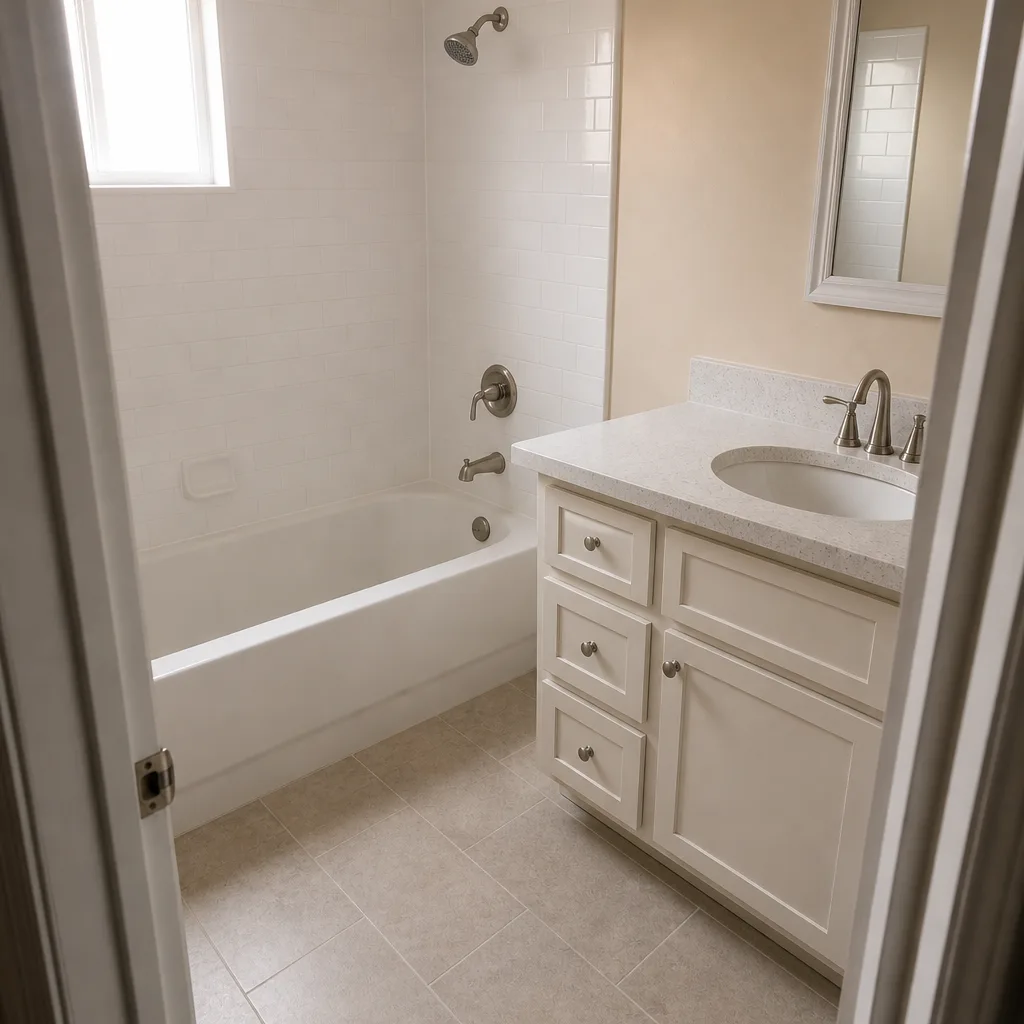 After
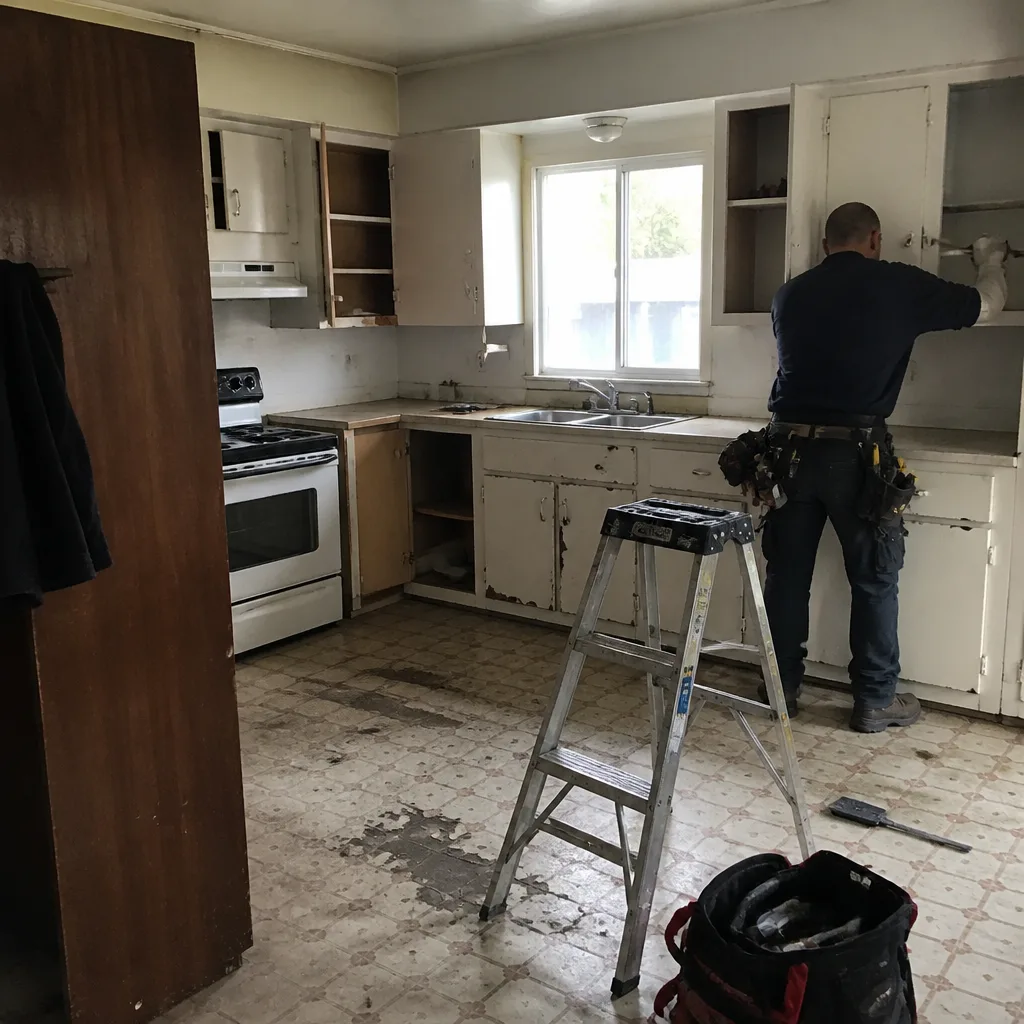 Before
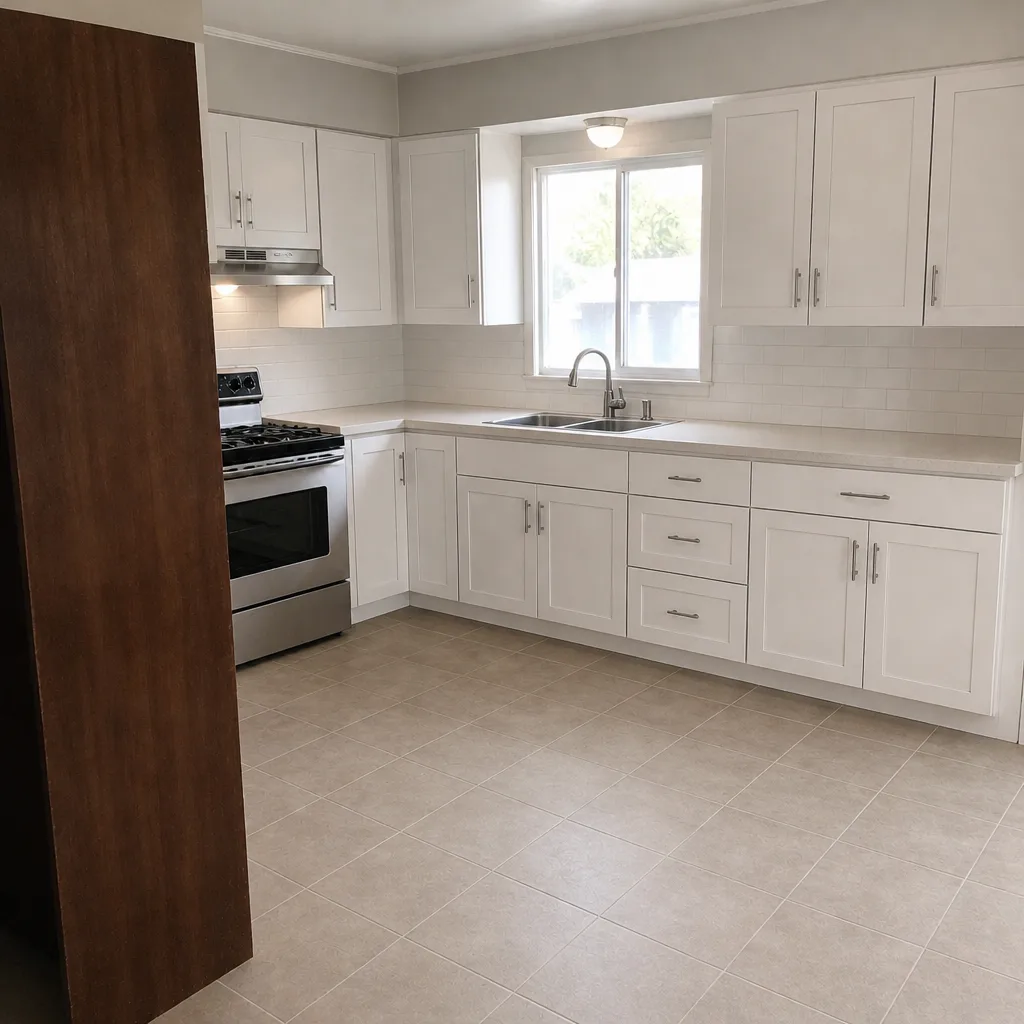 After
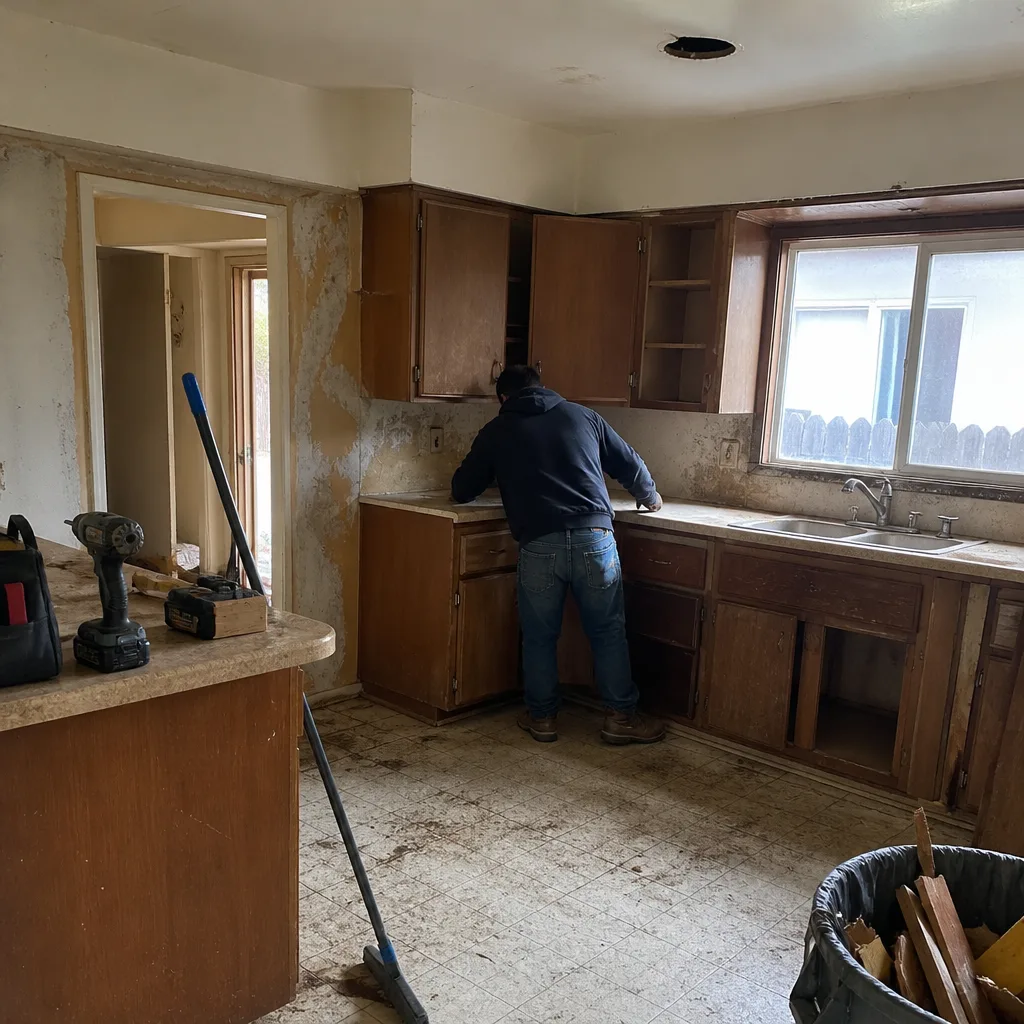 Before
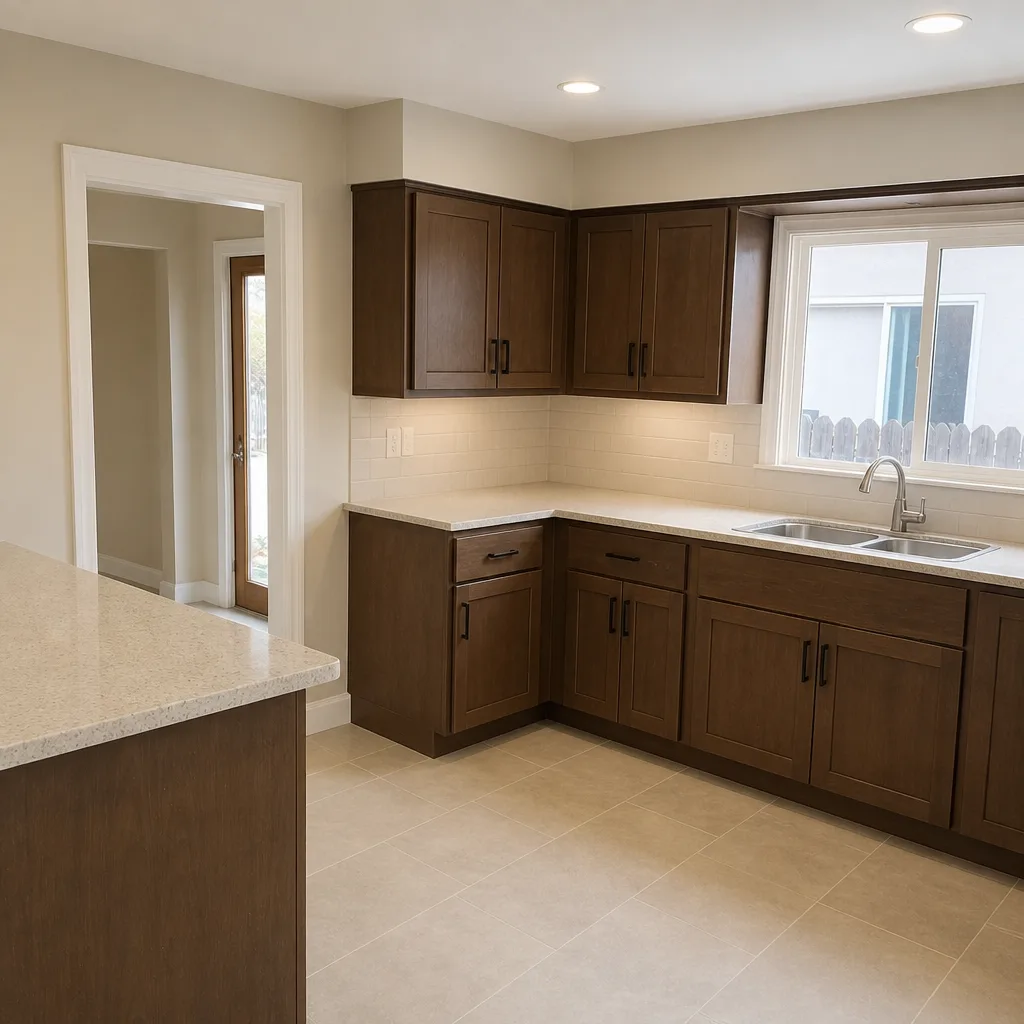 After
ADU Permit Costs in Long Beach, CA: What You’ll Actually Pay Before You Break Ground
ADU permit costs in Long Beach typically run $4,500 to $9,000+ depending on your parcel, and that’s before a single nail is driven. That figure covers city plan check, state school impact fees, coastal review where it applies, and structural or fire review surcharges. A homeowner in Lakewood might pay $3,500 in permit fees for an ADU that runs $9,000-plus on a Coastal Zone parcel in Long Beach, same square footage, a completely different regulatory world. Call Groundwork Construction Co. of Long Beach at (888) 345-8164 and we’ll walk your specific address through the fee stack over the phone, no obligation.
Key Takeaways
- Long Beach ADU permit fees are stacked, not a single line item: city plan check, school impact, coastal, and seismic review can all apply.
- Coastal Zone parcels in Belmont Shore, Naples, and areas west of PCH add $2,000 to $6,000 and several weeks of timeline.
- Pre-1978 soft-story multi-family properties trigger a separate structural review surcharge most bids ignore.
- Full ADU construction in Long Beach lands in the $90,000 to $220,000 range, with the permit stack typically 5 to 8 percent of that total.
Why the Same ADU Costs $3,500 in Lakewood and $9,000 in Long Beach
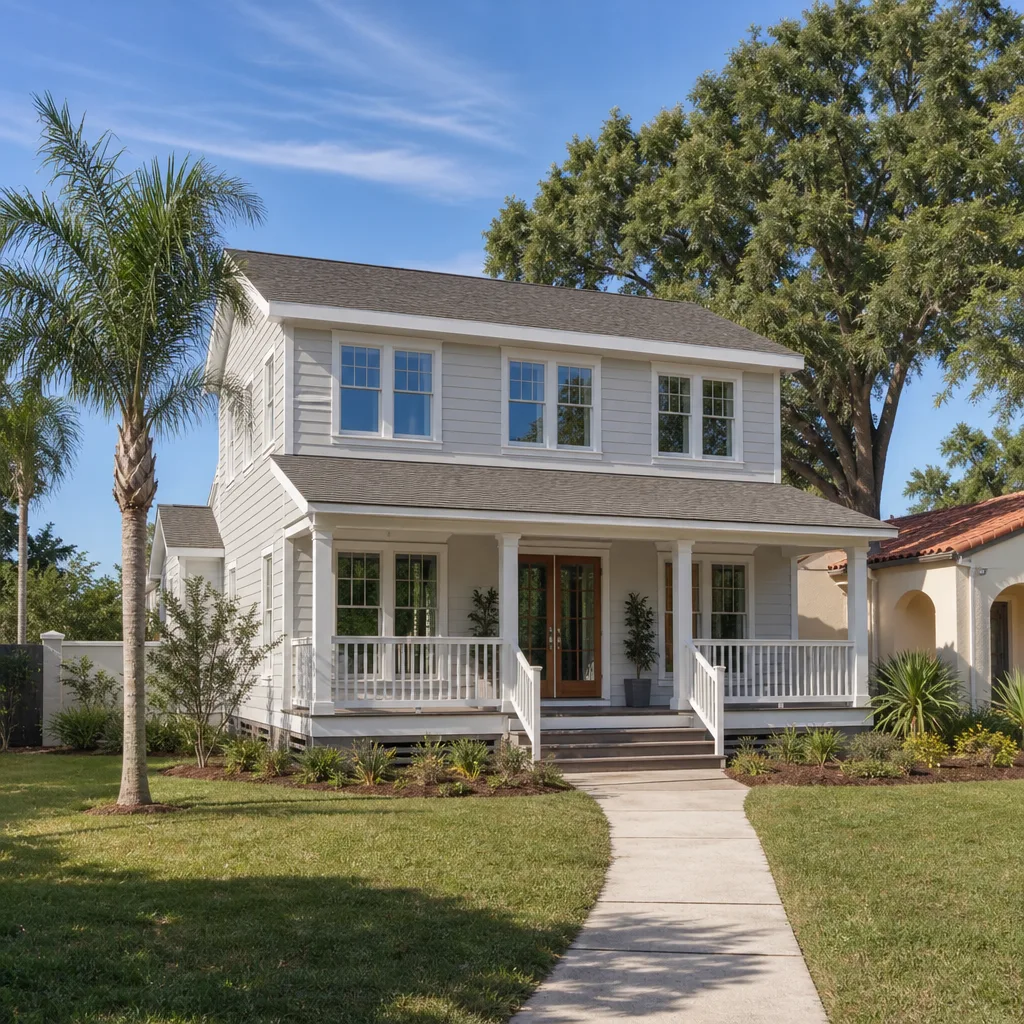
Drive ten minutes inland and the rules change. Long Beach sits in a regulatory pocket where very old housing stock meets very new law. 1920s and 1930s Craftsman bungalows and Spanish Colonial Revival homes in Rose Park and Belmont Heights sit inside a Coastal Zone and often a designated historic context, so a single infill lot can require Coastal Commission review, historic-district design review, and seismic retrofit rules all at once. That’s a permitting stack you simply don’t hit in Lakewood or Compton. The fees follow the reviews.
Long Beach is also dense with 1950s through 1970s stucco fourplexes and garden apartments, and those older multi-family buildings carry soft-story and seismic retrofit requirements that make structural review a routine, code-driven line of work rather than an elective. When you add an ADU to one of these properties, the city wants to see how the new load and the existing structure interact. That’s a separate engineering review, and it carries its own fee.
What Fees Actually Show Up on a Long Beach ADU Permit?
Most online guides list one fee and call it done. Here’s the full stack we see on Long Beach ADU permits:
- City of Long Beach ADU plan check fee. Scales with square footage and whether you’re doing a standard plan or a custom design. Plan check is where the city reviews your drawings against current code.
- State school impact fee. Currently about $4.08 per square foot for residential construction. On a 600-square-foot ADU that’s roughly $2,450, and it’s a state fee the city collects, not a local one you can negotiate.
- Coastal Development Permit fee. Applies only to parcels inside the Coastal Zone. This is the variable that changes everything, and it’s parcel-specific.
- Fire sprinkler plan review. Required when an ADU triggers sprinkler requirements. The review is separate from the installation and carries its own fee.
- Seismic or structural plan review surcharge. Applies when the ADU goes onto a pre-1978 soft-story multi-family building and the city determines structural review is needed.
Which Long Beach Neighborhoods Trigger a Coastal Development Permit?
This is the question that determines whether your ADU permit runs $4,500 or creeps past $9,000. Parcels in Belmont Shore, Naples, and areas west of Pacific Coast Highway generally sit inside the Coastal Zone and require a Coastal Development Permit as part of the ADU approval. Parcels further inland toward the east side of the city, away from the coastal boundary, typically don’t.
If your parcel does fall inside the zone, expect the fee to add $2,000 to $6,000 and the timeline to stretch by several weeks while the coastal review happens alongside city plan check. Those weeks matter. An ADU that might clear plan check in one cycle can sit an extra month if coastal review and city review don’t move in parallel.
Can You Reduce or Waive Long Beach ADU Permit Fees?
Yes, in specific circumstances. The City of Long Beach offers a fee waiver or reduction program for ADUs that are rent-restricted to affordable levels, and a separate set of state law exemptions applies to Junior ADUs, or JADUs, which are typically smaller conversions within the existing footprint. If your ADU is a JADU carved out of an existing garage or attached space, the state exemptions can reduce what you owe. If you’re building a full detached ADU and rent-restricting it, the city’s program can knock down the plan check and related fees.
These savings are real, but they come with strings: rent restrictions are recorded against the property and run for a set term. Whether that trade is worth it depends on your long-term plans for the property. We sort through that with you before you commit.
What Does an ADU Cost in Long Beach, Start to Finish?
Permit fees are one piece of the total. Here’s how the full project breaks down in the Long Beach market:
| Item | Typical Cost Range |
|---|---|
| Full ADU construction (new detached or attached) | $90,000 - $220,000 |
| Garage conversion to ADU | $30,000 - $80,000 |
| Home addition (larger than ADU scope) | $45,000 - $130,000 |
| ADU permit fees (standard inland parcel) | $4,500 - $6,500 |
| ADU permit fees (Coastal Zone parcel with coastal review) | $6,500 - $9,000+ |
| Seismic/structural review surcharge (pre-1978 soft-story) | Varies by building, quoted separately |
Full ADU construction in Long Beach runs $90,000 to $220,000. That lead range reflects design, engineering, permits, construction, and finish. The permit stack alone is typically 5 to 8 percent of the project total, which is why getting the fees right before you sign anything matters. Finishes matter too. Cambria quartz counters, Kohler fixtures, and similar upgrades in the ADU push you toward the top of that range, while standard finishes keep you in the middle. Our Home Additions & ADU service handles the full project, foundation to finish line, under one contract.
Why We Quote Permit Fees Line by Line Before You Sign
Most contractors hand you a construction number and let the permit fees sort themselves out later. That’s how budgets blow up. Our no-surprise upfront pricing model presents every permit fee as its own line before contract signing: city plan check, school impact, coastal review where it applies, structural review where it applies. You see the full regulatory cost stack, not a rounded number that hides it.
Groundwork Construction Co. of Long Beach was built around that idea. Every project is covered by our 730-Day Done Right Promise: if it’s not done right, we make it right. Calls are answered by a live person, 24/7, no voicemail black holes. Technicians are background-checked and arrive in uniform. Our technicians have up to 12 years of experience on ADU and addition projects, and that experience is what catches the coastal review your neighbor didn’t get flagged for. New to Groundwork? Start at our home page and see how we work.
Frequently Asked Questions About ADU Permit Costs in Long Beach
ADU permit fees in Long Beach typically run $4,500 to $9,000+ depending on your parcel, with standard inland properties landing toward the low end and Coastal Zone properties carrying the higher total. The biggest variables are school impact fees (about $4.08 per square foot), whether a Coastal Development Permit is required, and whether structural review is triggered. Call (888) 345-8164 for an exact quote on your address; estimates are free.
It depends on whether your parcel sits inside the Coastal Zone. Properties in Belmont Shore, Naples, and areas west of Pacific Coast Highway generally require a Coastal Development Permit as part of ADU approval; parcels further inland typically don’t. That distinction adds $2,000 to $6,000 in fees and several weeks to your timeline. Call (888) 345-8164 and we’ll confirm your parcel’s status before you commit to a budget.
Generally no, unless your project falls under a specific exemption. The state school impact fee (currently about $4.08 per square foot for residential) applies to most new ADU square footage, and it’s collected by the city on the state’s behalf. Certain JADU conversions within an existing footprint can qualify for exemptions. Call (888) 345-8164 for a free estimate that shows the school fee as its own line.
Standard inland parcels typically clear plan check in a few weeks to a couple of months, depending on design complexity and city workload. Coastal Zone parcels add several weeks for coastal review. Pre-1978 soft-story properties add time for structural review on top of that. Call us at (888) 345-8164 and we’ll give you a realistic timeline for your specific address.
Ready to Know What Your ADU Will Actually Cost?
The permit stack is the part most homeowners get wrong, and it’s the part we get right before you spend a dollar. Call Groundwork Construction Co. of Long Beach at (888) 345-8164 for a free estimate and design consult. We’ll break out every fee line by line, apply your $1,000 off on projects over $10,000, and walk you through 0% financing for 18 months. Live person, 24/7. Built to last, backed in writing.
Written by the team at Groundwork Construction Co. of Long Beach, serving Long Beach, CA.
What Our Customers Say
"Found unpermitted work by the previous owner once he opened the wall. He stopped, explained the options and what each would cost, and let me decide rather than making it my emergency."
- Marco Castillo"He pulled the permits himself, scheduled every sub and ran the inspections. I made one decision a week and otherwise stayed out of it, which is exactly what I was paying for."
- Robert Sullivan"The finished work is exactly what we wanted. It did run about three weeks over, mostly waiting on a cabinet delivery that was out of his hands, though I would have liked more updates during that stretch."
- Dev Sharma