Free written scope consultation - allowances, timeline, and change-order rules on paper before a single trade is scheduled
Styles & brands we work with
- Kitchen remodeling
- Bathroom remodeling
- Home additions & ADU
- Roofing
- Windows & doors
- Driveway & pavers
- Fence
See the difference
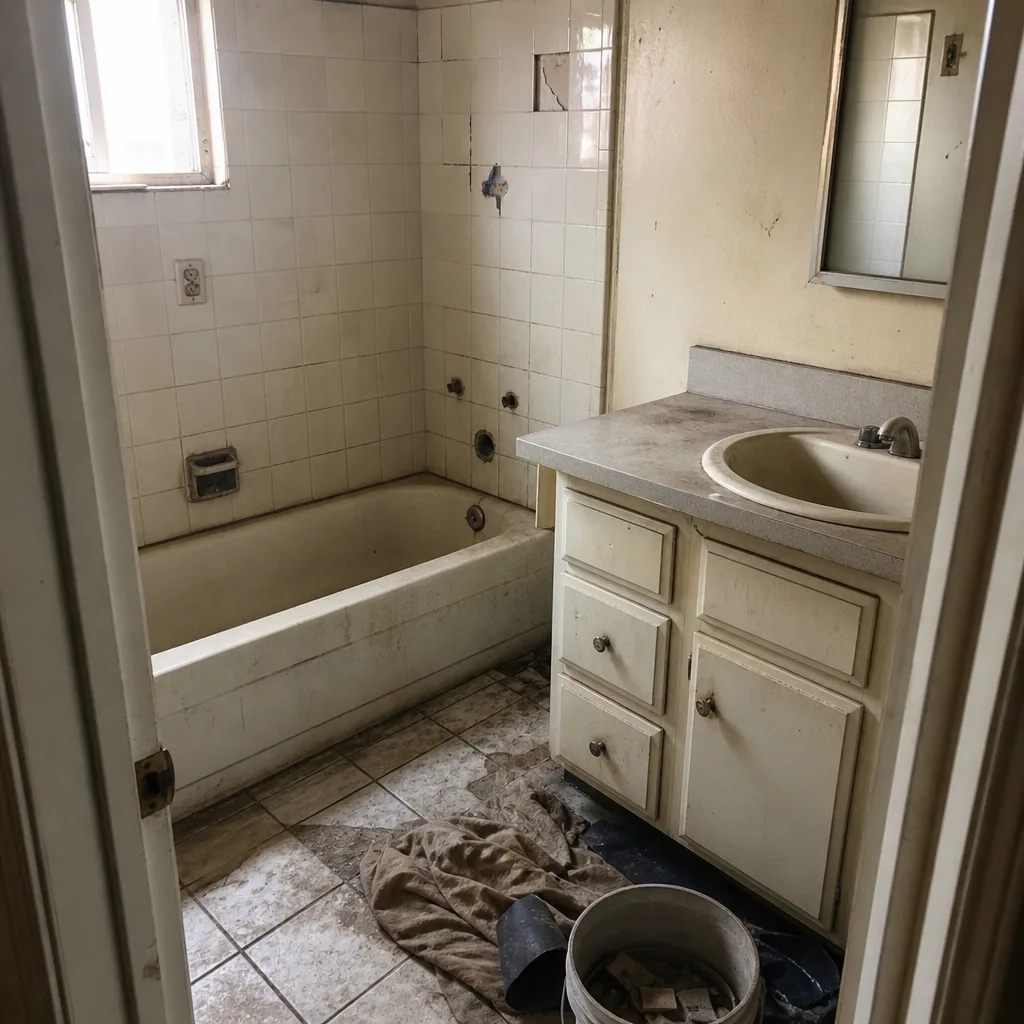 Before
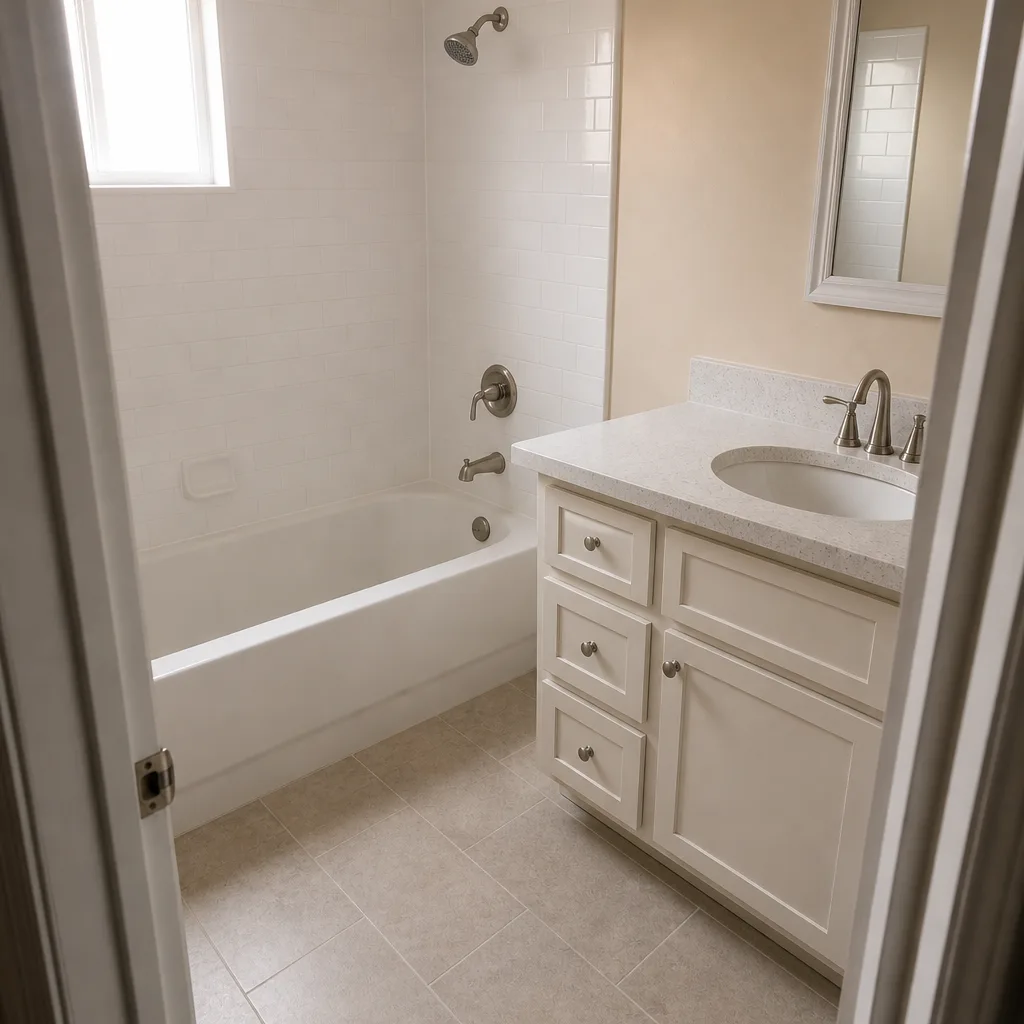 After
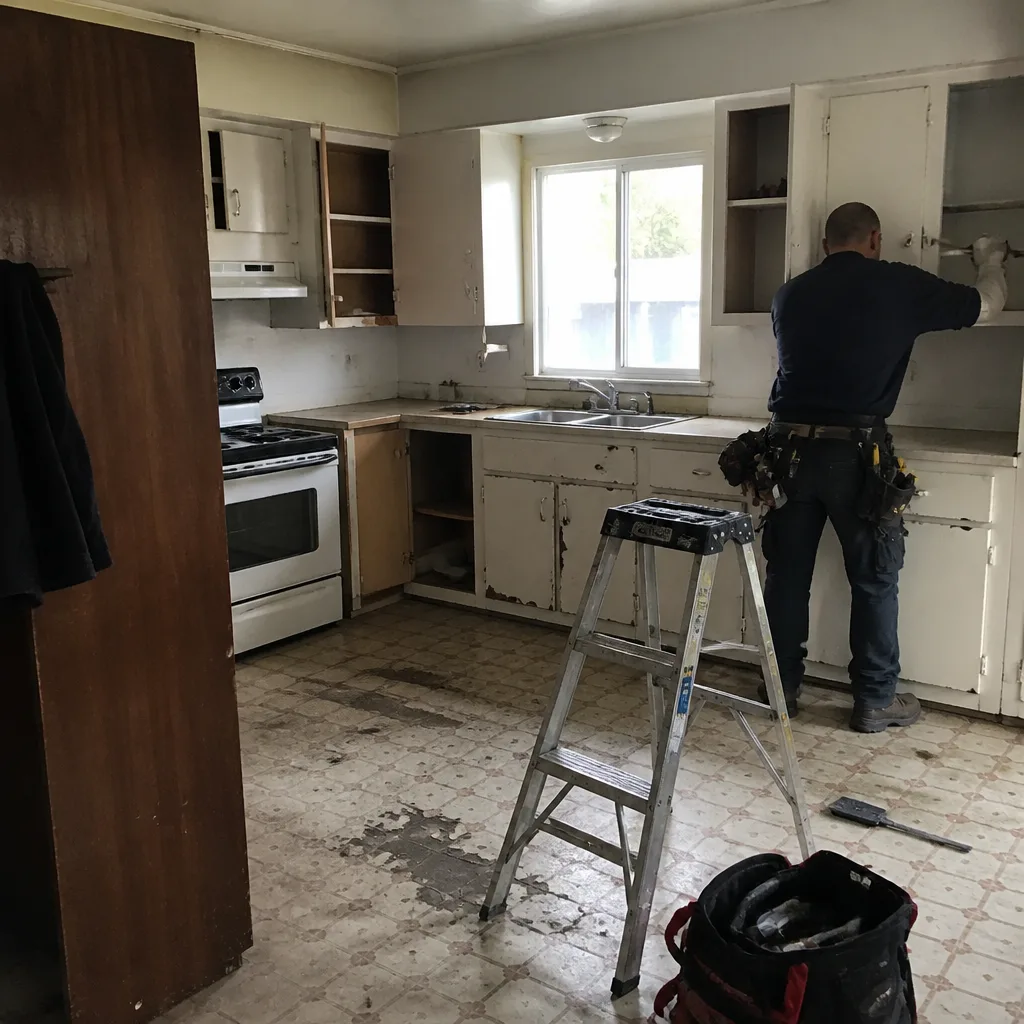 Before
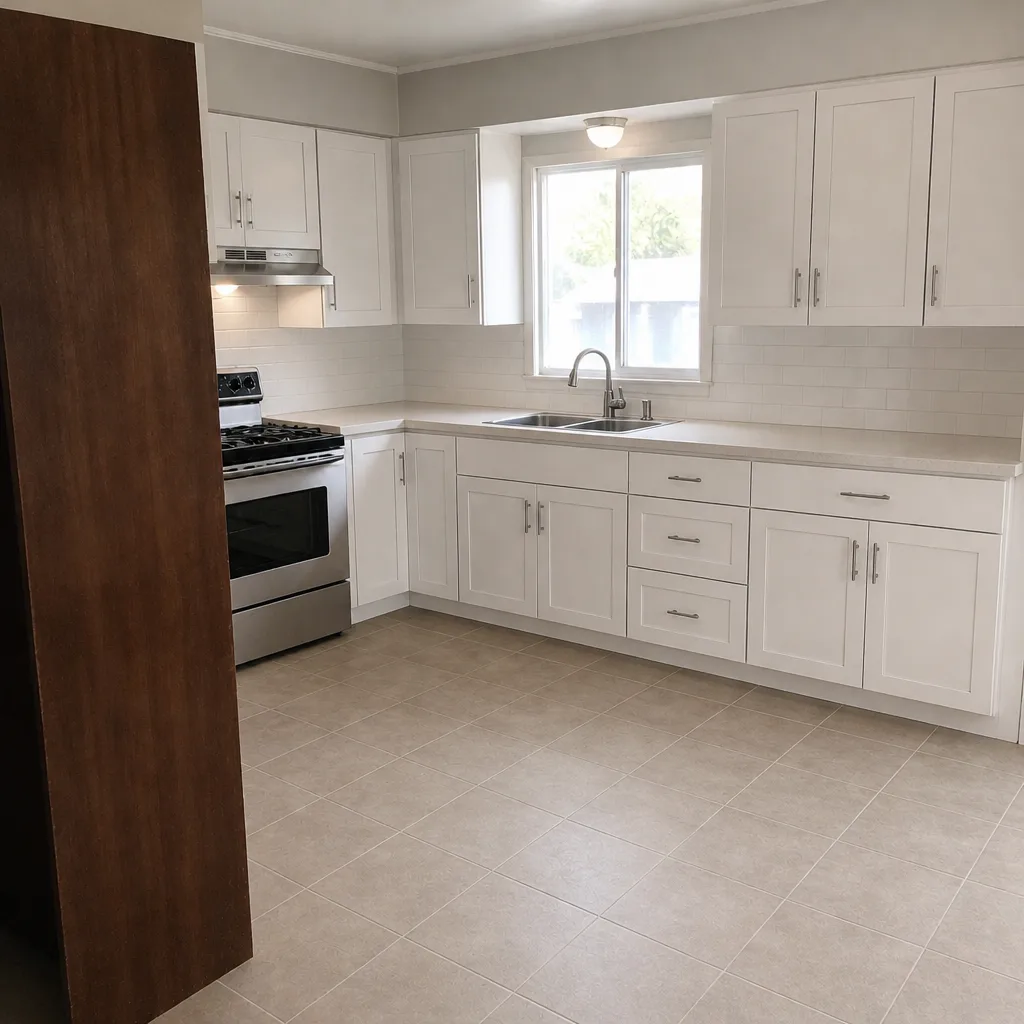 After
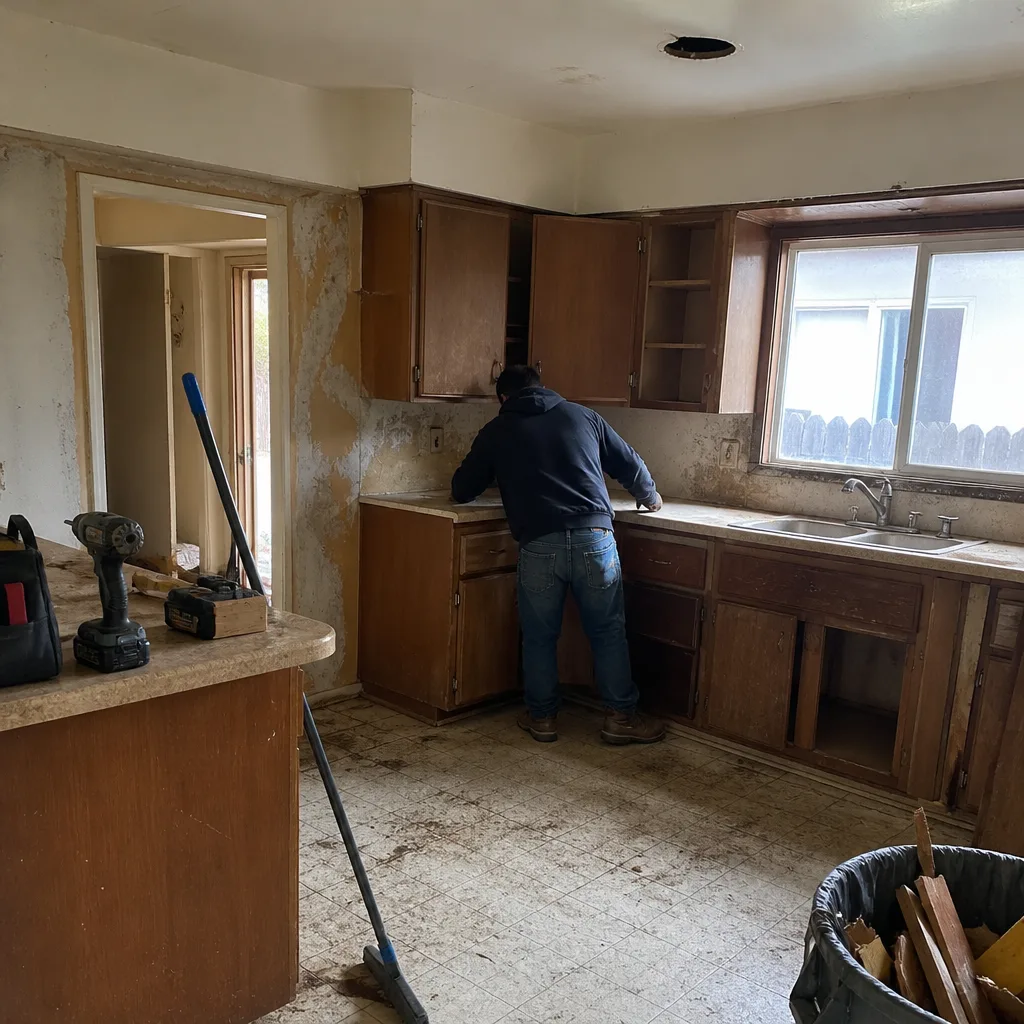 Before
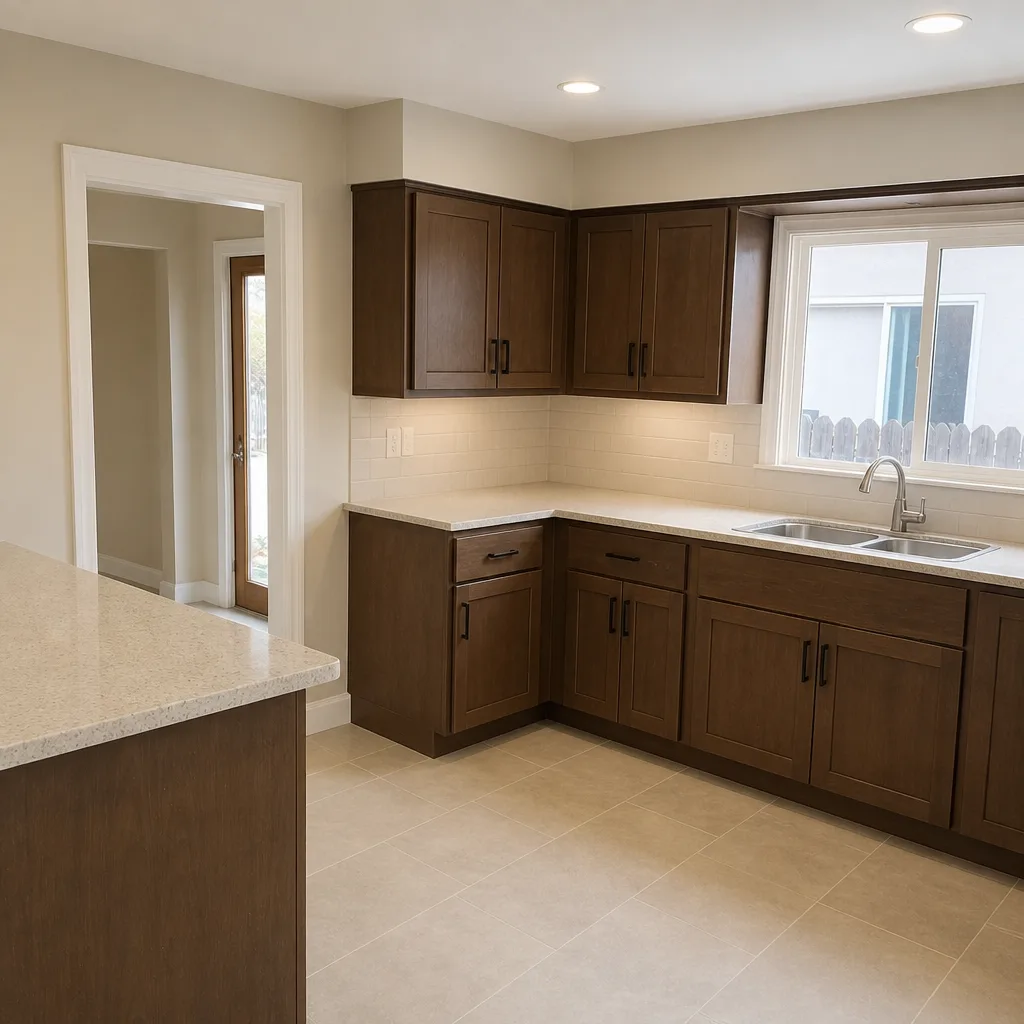 After
ADU Rules and Requirements in Long Beach: Which Set Actually Governs Your Address
Three regulators can shape a Long Beach ADU permit: City of Long Beach zoning (which implements state law like AB 68, SB 9 and AB 2221), the California Coastal Commission if your parcel sits in the Coastal Zone, and historic-district design review if your property is inside an overlay like the one covering parts of Rose Park. Some parcels fall under all three at once, and that’s why generic ADU guides get Long Beach owners into trouble. A Coastal Zone lot on the west side plays by different rules than a fourplex off Bellflower Boulevard, and your address, not your property type, decides which stack applies. Call (888) 345-8164 for a free estimate and we’ll tell you which regulators your project answers to.
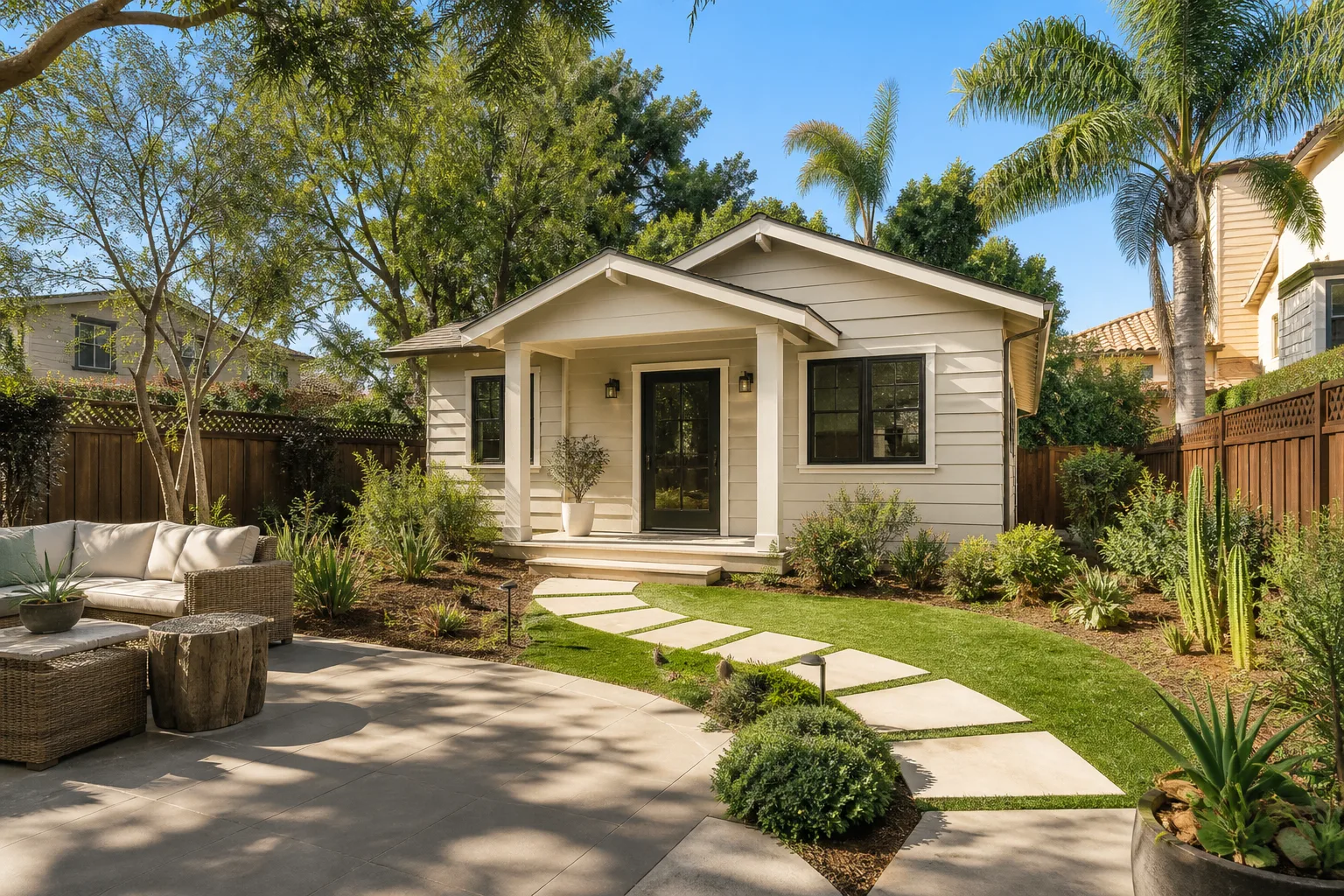
The three regulatory environments, and how to know which one is yours
State law made ADUs broadly allowed. Long Beach is where that promise meets local zoning, coastal review and historic design review at the same time. Here’s the practical map.
- Standard City zoning. This applies to inland parcels outside any overlay. You’re dealing with Long Beach Development Services for building and zoning review, plus state minimums on size, setback and permitting timelines. This is the most predictable path.
- Coastal Zone overlay. Large sections of the west side, the shoreline and areas near the Port sit inside the Coastal Zone. Projects here can require Coastal Commission review layered on top of City approval, and that review is not automatic or fast. State ADU reforms don’t simply override it.
- Historic district overlay. Rose Park and Belmont Heights carry historic context that can trigger design review for visible exterior work. An ADU’s massing, materials and placement can all draw comment.
Plenty of lots in Long Beach sit under two of these, and a few under all three. Our team has walked these parcels for years, but the honest answer is that regulatory geography here is parcel-specific. The only reliable first step is pulling your address against the City’s zoning and coastal maps before you sketch anything. Skipping that step is how homeowners end up with a design that can’t get approved where it needs to go.
The fourplex opportunity most ADU guides skip
Long Beach has an unusual density of 1950s through 1970s stucco fourplexes and garden apartments, especially on the east side. State law now allows converting non-livable space in multifamily buildings, including garages and storage rooms, into ADUs. That’s a real opportunity for owners of older fourplexes, and it’s largely absent from the mainstream ADU content circulating online.
Two things complicate it. First, older wood-frame buildings in this city frequently carry original knob-and-tube wiring and un-permitted additions built decades ago. Any conversion has to account for what’s actually behind the drywall, and city inspectors will want it corrected as part of the permit. Second, adding a unit to an older multi-family building can trigger a mandatory soft-story retrofit review as a condition of approval. That’s a structural engineering cost and a timeline factor you won’t find in most ADU guides, but it’s routine, code-driven work for us.
Salt air off the Port of Long Beach also accelerates corrosion on fasteners and exterior wood, so we spec hardware and cladding for the marine layer rather than treating it as an afterthought. It matters more on a garage conversion, where you’re turning a semi-exposed structure into living space. Our Home Additions & ADU work covers that full range, from a garage conversion to a detached unit, with materials chosen for the coastal environment rather than the catalog page.
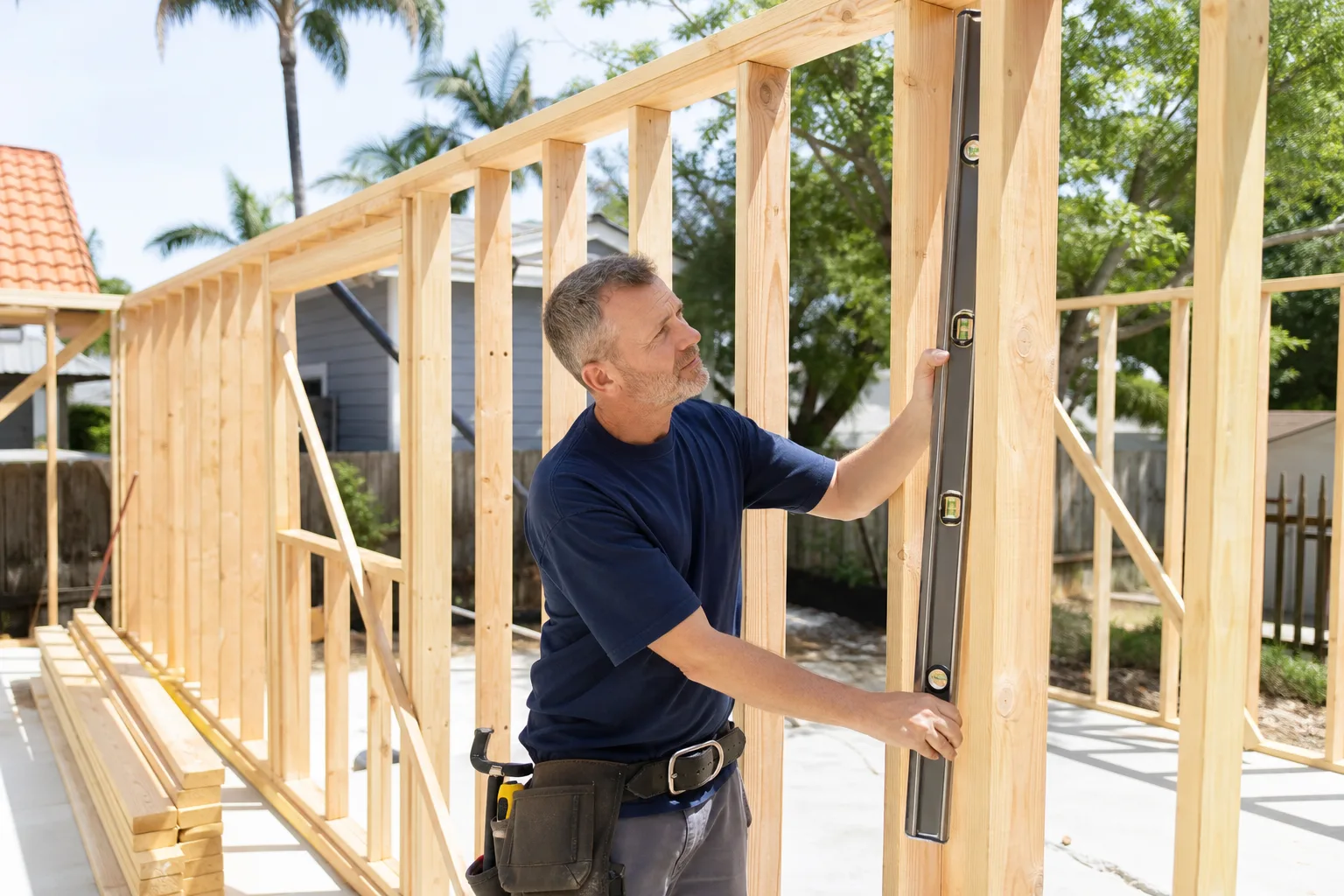
What an ADU actually costs in Long Beach, and how the permit stack affects it
Most Long Beach ADU projects land between $90,000 and $220,000 depending on type and site conditions. A garage conversion runs lower, roughly $30,000 to $80,000, because you start with an existing shell. Detached new construction sits at the top of the range. Here’s how the line items typically break down.
| Project type | Typical Long Beach range |
|---|---|
| Garage conversion (existing shell) | $30,000-$80,000 |
| Attached or detached ADU, full build | $90,000-$220,000 |
| Larger home addition with ADU scope | $45,000-$130,000 |
The permit stack is where budgets quietly move. Coastal Commission pre-application, historic design review and structural engineering each add cost and calendar time, and coordinating between three separate firms is where projects stall. Groundwork Construction Co. of Long Beach handles the entire permit package under one contract, so you’re not the person stuck relaying comments between a coastal consultant, a structural engineer and a contractor. Every project is covered by our 730-Day Done Right Promise: if it’s not done right, we make it right.
Budget is the reason many owners pause. Most Long Beach ADUs clear the $10,000 threshold before framing begins, which means two standing promotions apply: $1,000 off projects over $10,000, plus 0% financing for 18 months. That financing turns a six-figure project into a monthly number you can actually plan around, and our pricing is upfront, so the number you see is the number you pay.
Common local scenarios we see
A fourplex owner on the east side wants to convert a ground-floor garage into a rentable studio. The permit comes back with a soft-story review condition, because the building is old enough to qualify. We fold the structural work into the same contract and sequence the retrofit so it doesn’t double the construction timeline.
A west-side homeowner inside the Coastal Zone assumed state law made their detached unit a sure thing. It didn’t, because the Coastal Commission has its own review layer. We start the pre-application early so the coastal review runs alongside City review rather than after it.
A Belmont Heights property with historic context wants visible exterior changes. Design review will weigh in on massing and materials. We bring premium cladding like James Hardie into the plan from the start, so the design conversation is about what gets approved, not what gets reworked.
Frequently asked questions about Long Beach ADU rules
Only if your parcel is inside the Coastal Zone, but plenty of Long Beach properties are, including large parts of the west side and areas near the Port of Long Beach. Check your address against the City’s coastal maps before you assume state law alone covers you. If it falls inside, the Coastal Commission has a review layer the state doesn’t override. Call (888) 345-8164 for a free estimate and we’ll confirm which regulators your lot answers to.
In most cases, yes. State law now allows converting non-livable space like garages and storage in multifamily buildings, which fits Long Beach’s dense 1950s-70s fourplex stock well. Expect a structural review, and possibly a soft-story retrofit condition, as part of the permit. Our technicians bring up to 12 years of experience on exactly this kind of older building.
A full ADU build typically runs $90,000-$220,000 in Long Beach, while a garage conversion runs $30,000-$80,000. Coastal Zone or historic-district review can add cost through engineering and extended timelines, so the range depends on your parcel. With 0% financing for 18 months and $1,000 off projects over $10,000, the monthly number is often more workable than owners expect. Call (888) 345-8164 for an exact quote, free.
Turning a permit around takes longest when a Coastal Zone pre-application or historic design review is in the mix, because those run on their own schedules. A standard zoning parcel moves faster. The single biggest time-saver is starting your address check and coastal-map review before design begins. We manage the full permit stack so those threads move together instead of in sequence.
If you’d rather have your address checked against the actual rules before you commit to a design, Groundwork Construction Co. of Long Beach offers a no-pressure assessment across Long Beach. Calls are answered by a live person, 24/7. Reach us at (888) 345-8164 for a free estimate, and we’ll tell you exactly which rules your project answers to.
Written by the team at Groundwork Construction Co. of Long Beach, serving Long Beach, CA.