



Free written scope consultation - allowances, timeline, and change-order rules on paper before a single trade is scheduled
Styles & brands we work with
- Kitchen remodeling
- Bathroom remodeling
- Home additions & ADU
- Roofing
- Windows & doors
- Driveway & pavers
- Fence
See the difference
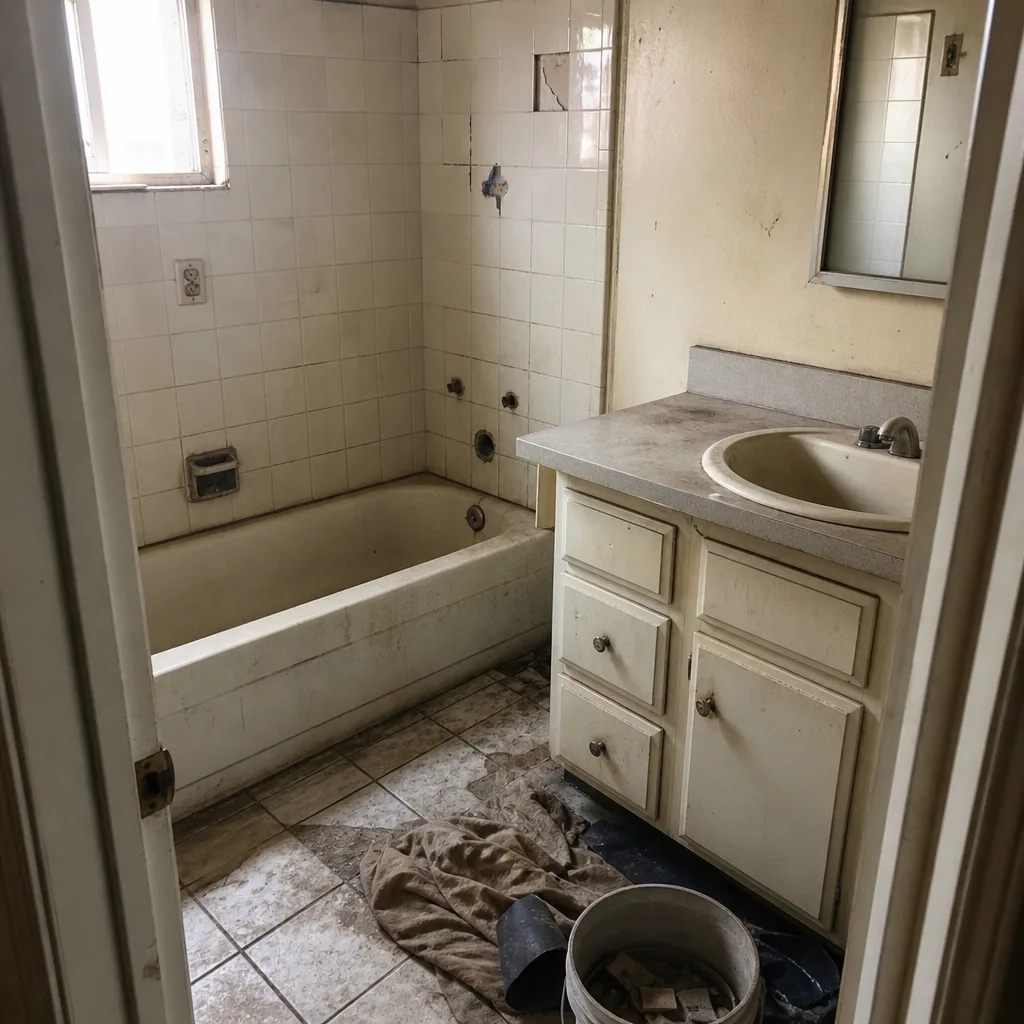 Before
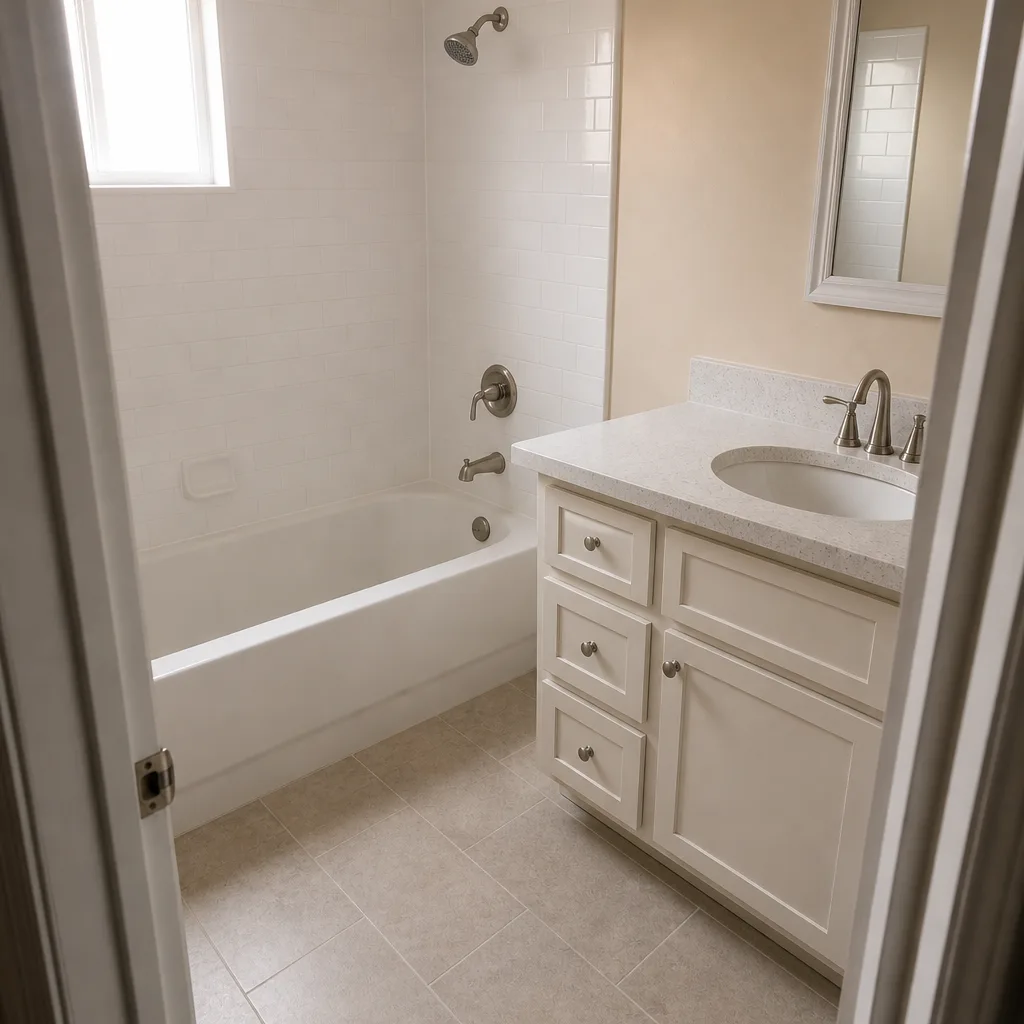 After
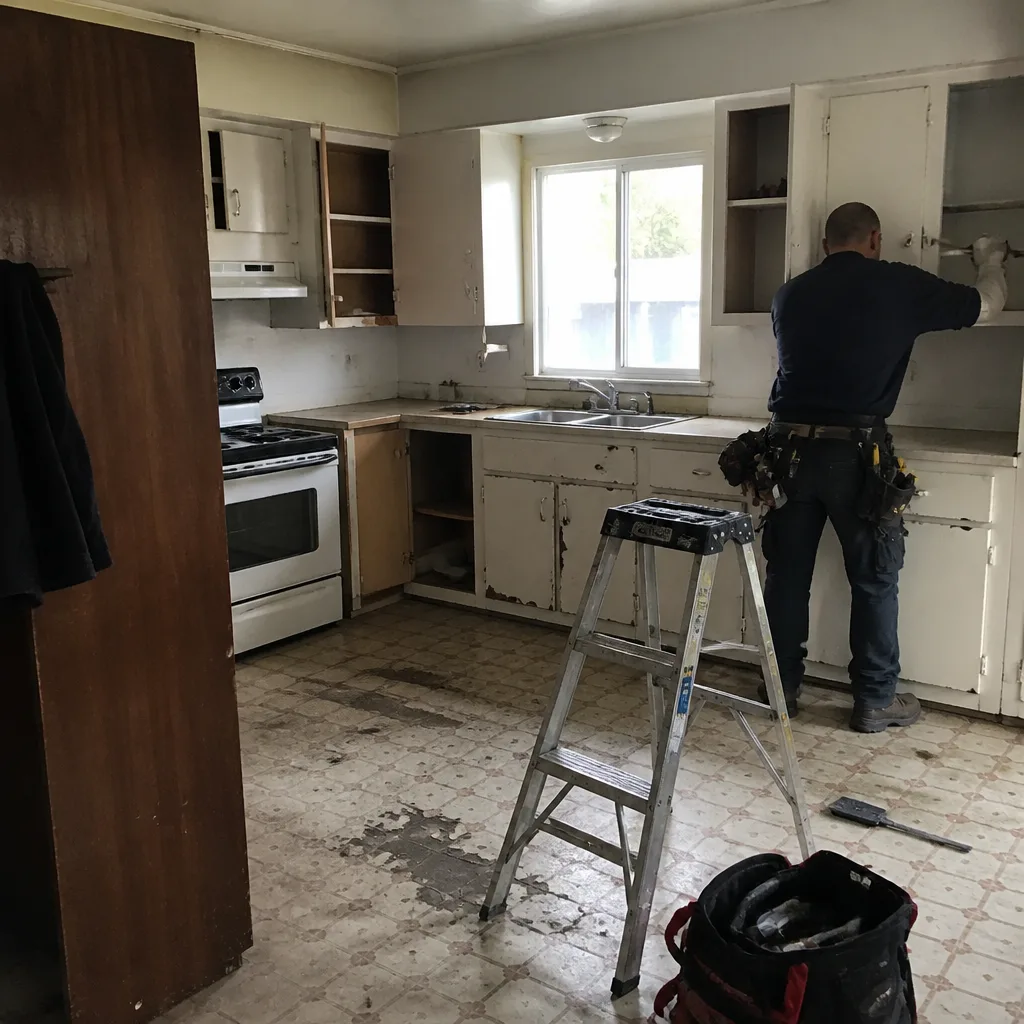 Before
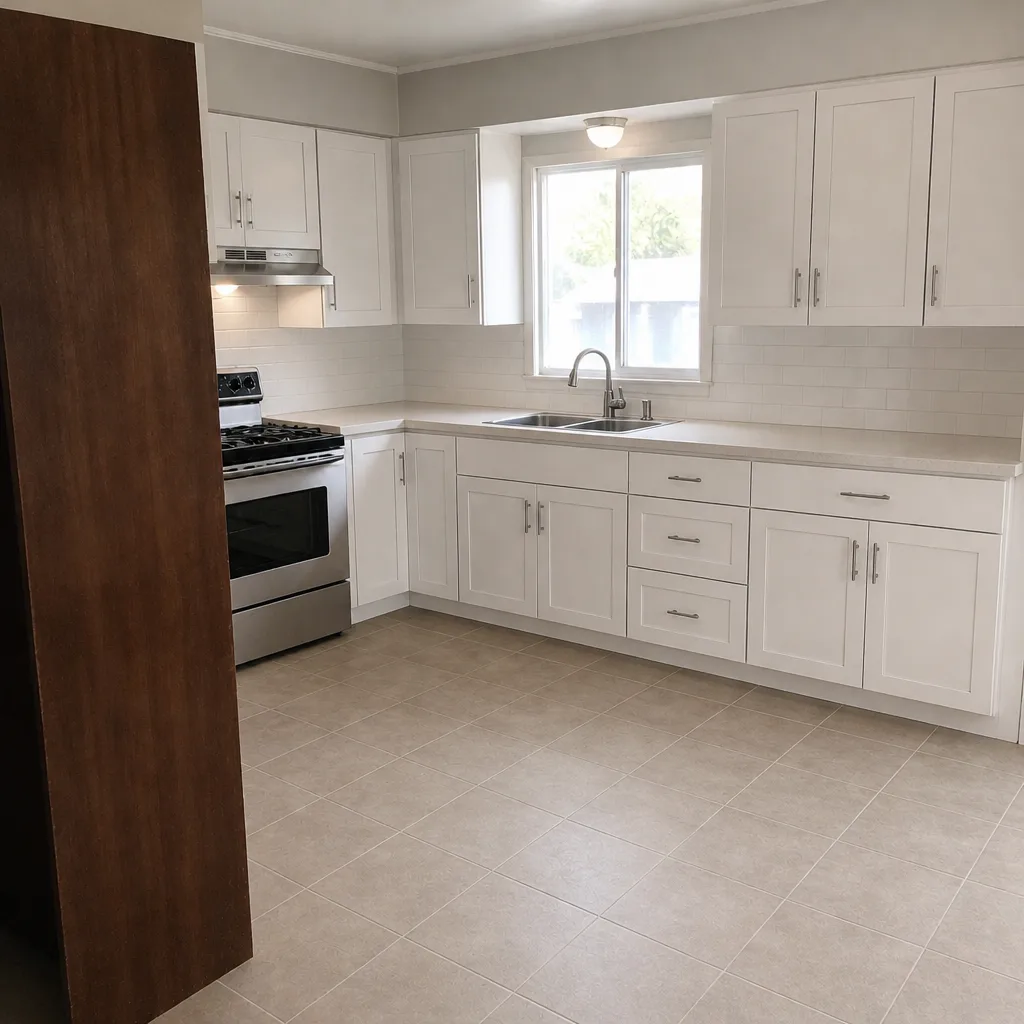 After
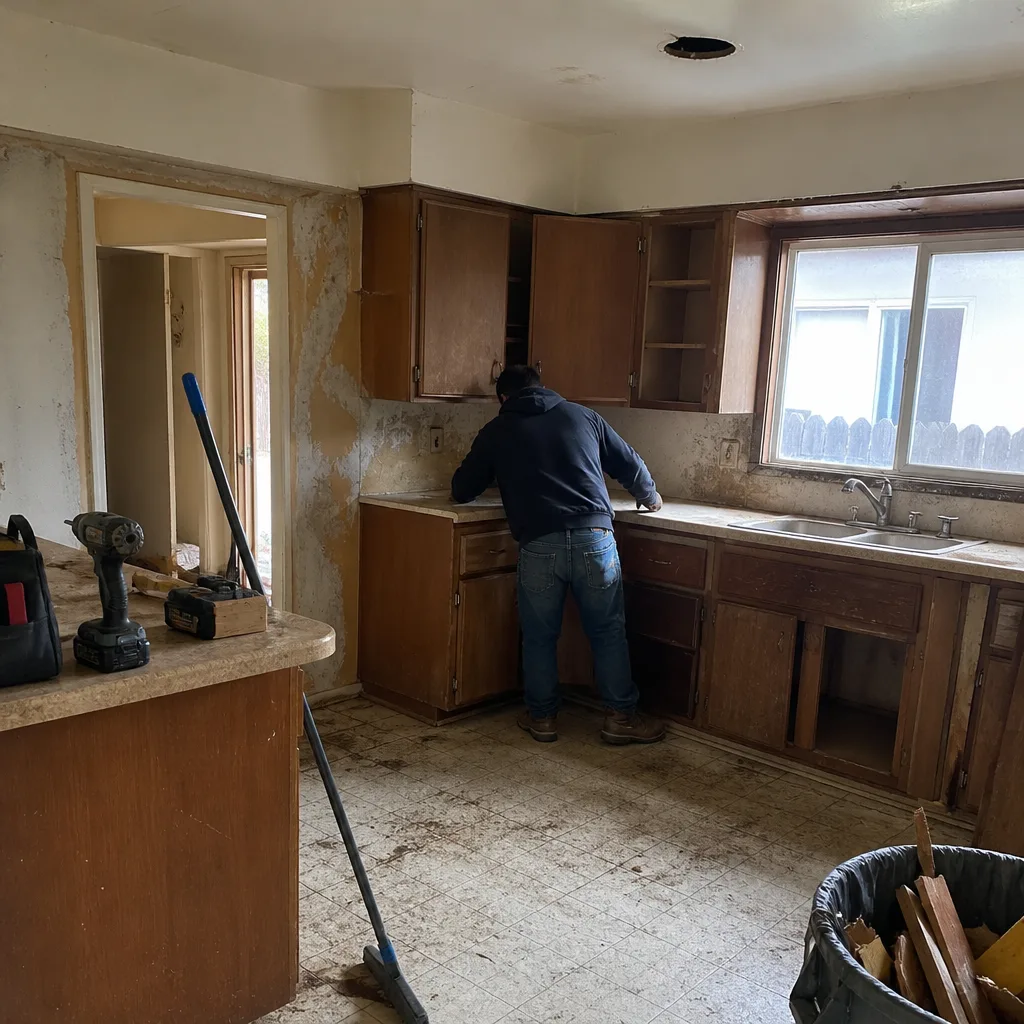 Before
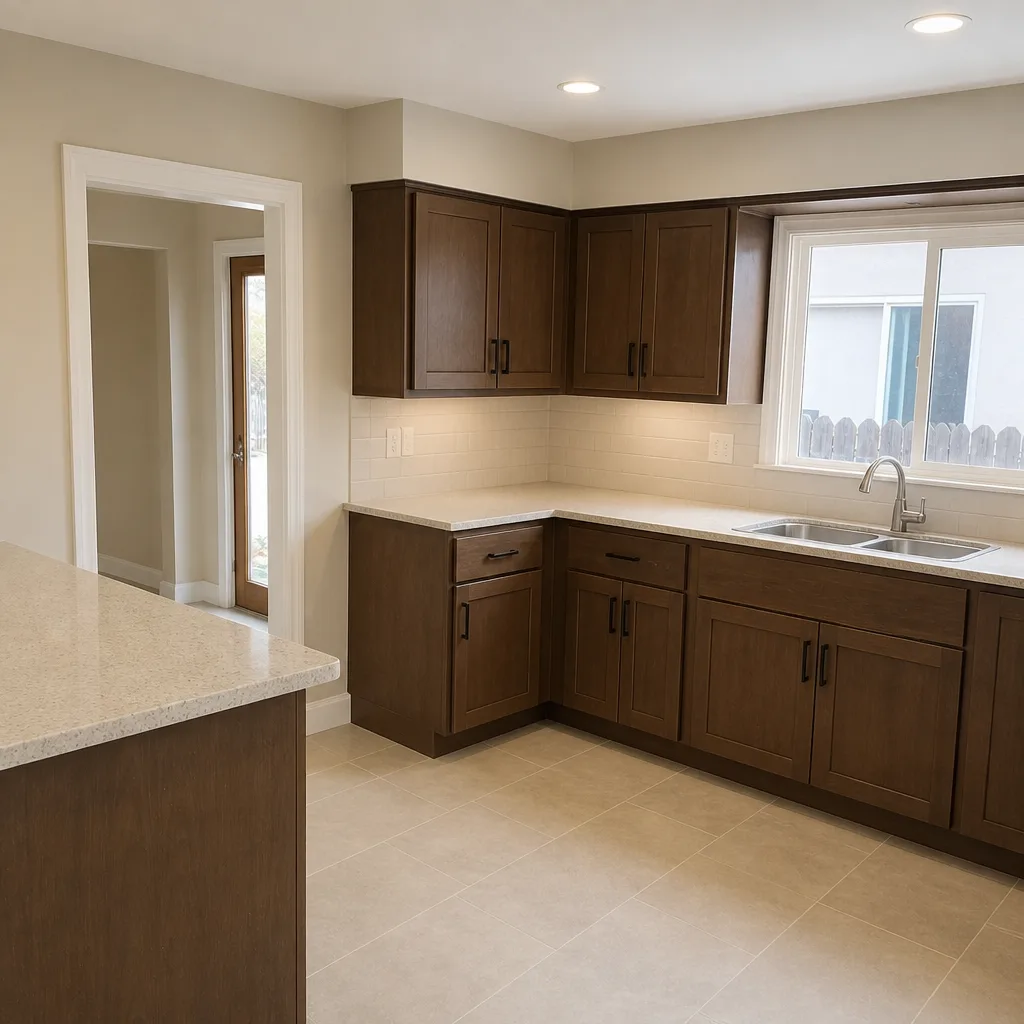 After
Seven days is the standard answer for driving a car on new concrete, and it’s a sound one because the slab hits roughly 70% of its design strength by then. In Long Beach, though, that seven-day clock is only half the story: the marine layer and a mid-cure Santa Ana wind event can each change what those seven days actually mean for your driveway.
Here’s the part most homeowners never hear. Concrete doesn’t dry to strength. It cures, which is a chemical reaction between cement and water that keeps going long after the surface looks finished. At 7 days a residential slab is around 70% of design strength, which is why a passenger car is fine. Full design strength doesn’t arrive until about 28 days. That gap is where most premature-loading damage happens, and it’s why we tell every Long Beach homeowner the same thing: the clock starts at the pour, not at the moment it looks gray and hard.
## Why the seven-day number works for cars but not for a dumpster
A car is a point load that moves. It rolls on and rolls off, so the slab never carries sustained pressure in one spot. That’s the whole reason 7 days is acceptable for a sedan or an SUV.
Heavy loads are a different calculation. A loaded dumpster truck, an RV, a delivery box truck, or a stack of pallets left sitting for a week puts sustained or concentrated weight on a slab that’s still building strength. For those, wait the full 28 days. We’ve seen a homeowner park a fully loaded trailer on a 9-day-old apron and pop a corner. The concrete didn’t fail because it was bad. It failed because it was loaded before it was ready.
| Load type | Safe to drive on |
| - | - |
| Passenger car or SUV | 7 days |
| Pickup, light trailer | 10 to 14 days |
| RV, dumpster truck, box truck | 28 days |
| Heavy planters or stacked material | Keep off entirely during cure |
## The marine layer is helping you more than you think
Long Beach sits under that coastal marine layer most mornings, and high ambient humidity slows surface evaporation. For curing concrete, that’s good news. Concrete wants to lose moisture slowly. Fast drying steals the water the cement needs to keep reacting, and that’s how you get a weak, dusty, crumbly surface.
The catch is what it does to your eyes. A slab under the marine layer can look bone dry on top while it’s still green underneath. Homeowners and, frankly, impatient contractors read “looks dry” as “ready” and load it early. It isn’t ready. The surface appearance means almost nothing during the first week.
There’s a Long Beach-specific wrinkle here. The salt air coming off the Port doesn’t just attack exterior wood and fasteners on old bungalows, it also means we pay close attention to how a fresh pour sheds water. A slab that cures unevenly near the coast can develop a surface that traps moisture instead of draining it, and on a driveway that becomes a puddling problem within a season or two. Getting the grading and the cure right together is what prevents it.
## Santa Ana winds can undo a cure in the first 48 hours
This is the risk that surprises people. A dry, hot Santa Ana event in the first 48 to 72 hours pulls moisture out of the surface faster than the concrete can build tensile strength. The result is plastic-shrinkage cracking: fine spiderweb cracks across the surface before the slab ever carries a load.
The correct response from your contractor is curing compound or curing blankets applied right after finishing, not a shrug and “it’ll be fine.” If a Santa Ana is in the forecast when we’re pouring a driveway in Long Beach, we plan for it before the truck shows up. That’s a scheduling and materials decision, and it’s made at the bid, not the morning of.
## What you should actually do during the seven-day wait
– Keep vehicles, heavy planters, and loaded equipment off the slab entirely.
– Don’t let irrigation runoff cross the new pour. Standing water on a green slab can erode the surface.
– Watch for cracking in the first 48 hours and report it right away so the contractor can assess whether it’s cosmetic or something that needs attention.
– Don’t seal or coat it. New concrete needs to finish curing before any sealer goes on.
– Give it the full 28 days before anything heavy rolls across.
That’s the whole list. It isn’t complicated, but the first 48 hours are where the mistakes happen.
## What a driveway pour runs in Long Beach
Cost depends on square footage, demolition of the old slab, grading, and whether you’re going concrete or pavers. Here’s what we quote in the Long Beach market:
– Concrete driveway installation: $4,500-$12,000
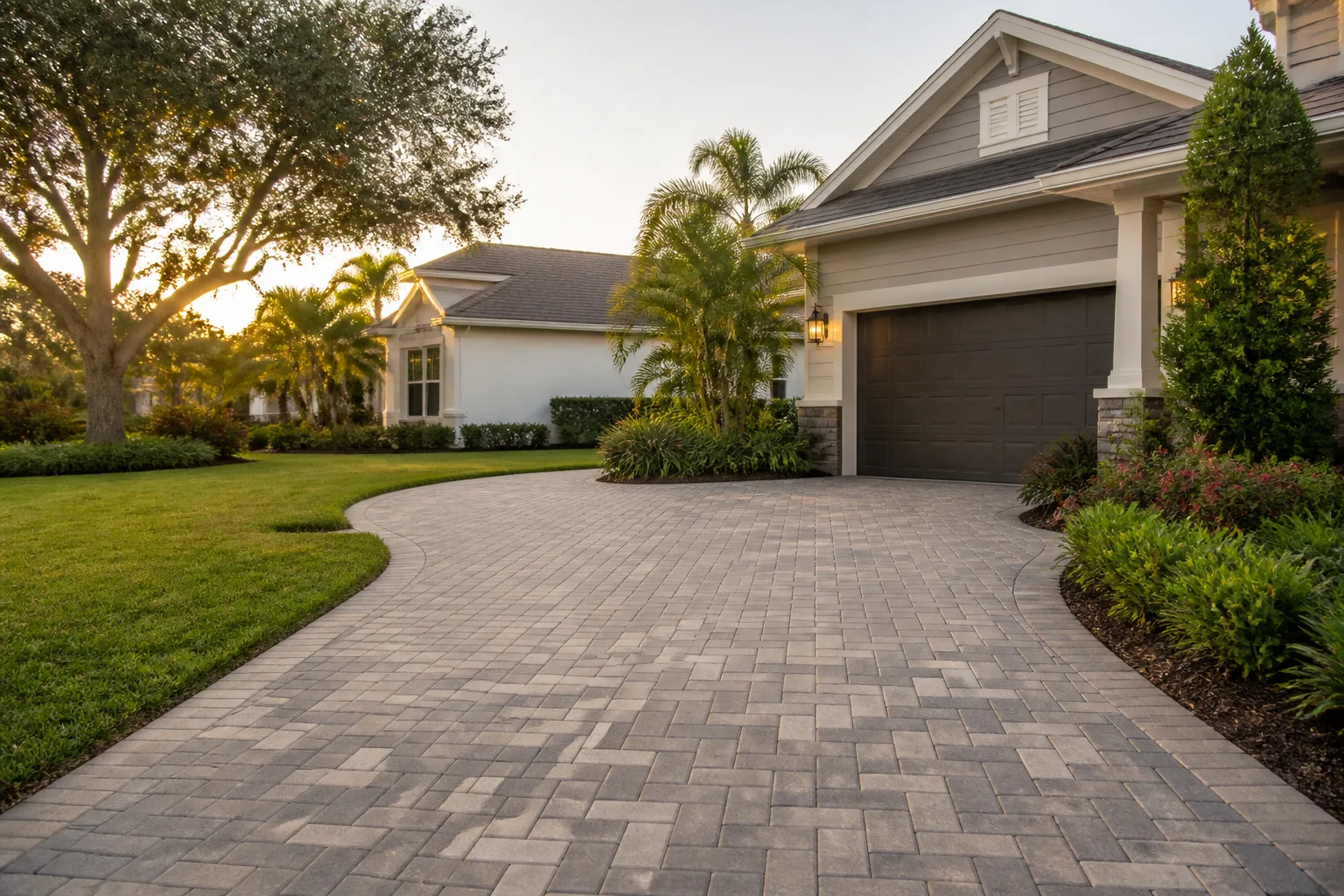
– Paver driveway installation: $7,000-$18,000
– Driveway replacement: $5,000-$14,000
– Driveway sealing (after cure): $250-$700
If you’re weighing concrete against pavers, our Driveway & Pavers page breaks down the tradeoffs, and the Driveway & Pavers in Long Beach page covers local conditions in more detail. For the bigger picture on how we approach a full property, start at our home page.
## Why the cure is the foundation of the 730-Day Done Right Promise
Groundwork Construction Co. of Long Beach backs every pour with the 730-Day Done Right Promise: if surface cracking, edge spalling, or structural cracking shows up within two years, we investigate and we make it right. That promise only holds up because the slab gets cured correctly in the first place.
Our technicians have up to 12 years of experience, and they’re background-checked and uniformed on every job. Pricing is upfront, so the number you see is the number you pay. Projects over $10,000 get $1,000 off, and 0% financing for 18 months is available. Every quote starts with a free estimate and design consult.
One more local note worth knowing: much of the concrete work in Long Beach happens on tight infill lots next to 1920s-era bungalows, and on the east side fourplexes where decades of un-permitted additions mean we’re often pouring a new driveway against a property line that isn’t where the county thinks it is. We sort that out before we order concrete, not after.
## FAQs
How long before you can drive on new concrete?
Seven days is the standard wait for a passenger car or SUV, because the slab reaches about 70% of design strength by then. Heavy vehicles, RVs, and dumpster trucks should wait the full 28 days. Call (888) 345-8164 if you’re unsure where your slab sits in the timeline.
Can I walk on new concrete the next day?
Yes, foot traffic is usually fine within 24 to 48 hours. Keep it light and don’t drag anything across the surface. The seven-day rule applies to vehicles, not people.
Why did my new concrete crack in the first two days?
Surface cracking that early is almost always plastic-shrinkage cracking from fast moisture loss, not a structural failure. In Long Beach it’s most often triggered by a Santa Ana wind event in the first 48 to 72 hours. Report it to your contractor right away so they can assess it.
Does the marine layer slow down curing in Long Beach?
It slows surface evaporation, which is actually good for curing strength, but it means the slab can look dry on top while it’s still green underneath. Don’t let appearance talk you into loading a slab early.
## Get a straight answer on your pour
If you’d rather have it looked at, Groundwork Construction Co. of Long Beach offers a no-pressure assessment in Long Beach - call (888) 345-8164. We’ll tell you where your slab stands and what the cure timeline looks like for your property.
Written by the team at Groundwork Construction Co. of Long Beach, serving Long Beach, CA.