Free written scope consultation - allowances, timeline, and change-order rules on paper before a single trade is scheduled
Styles & brands we work with
- Kitchen remodeling
- Bathroom remodeling
- Home additions & ADU
- Roofing
- Windows & doors
- Driveway & pavers
- Fence
See the difference
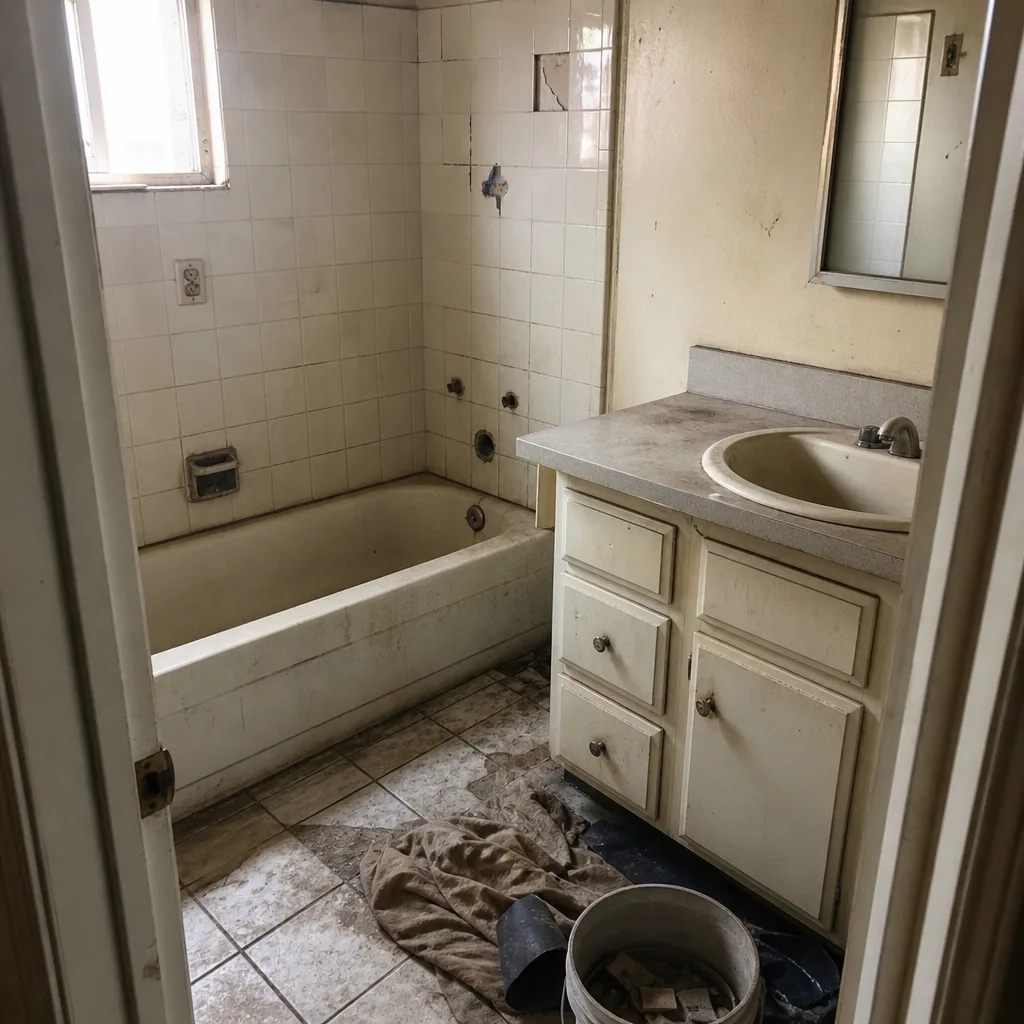 Before
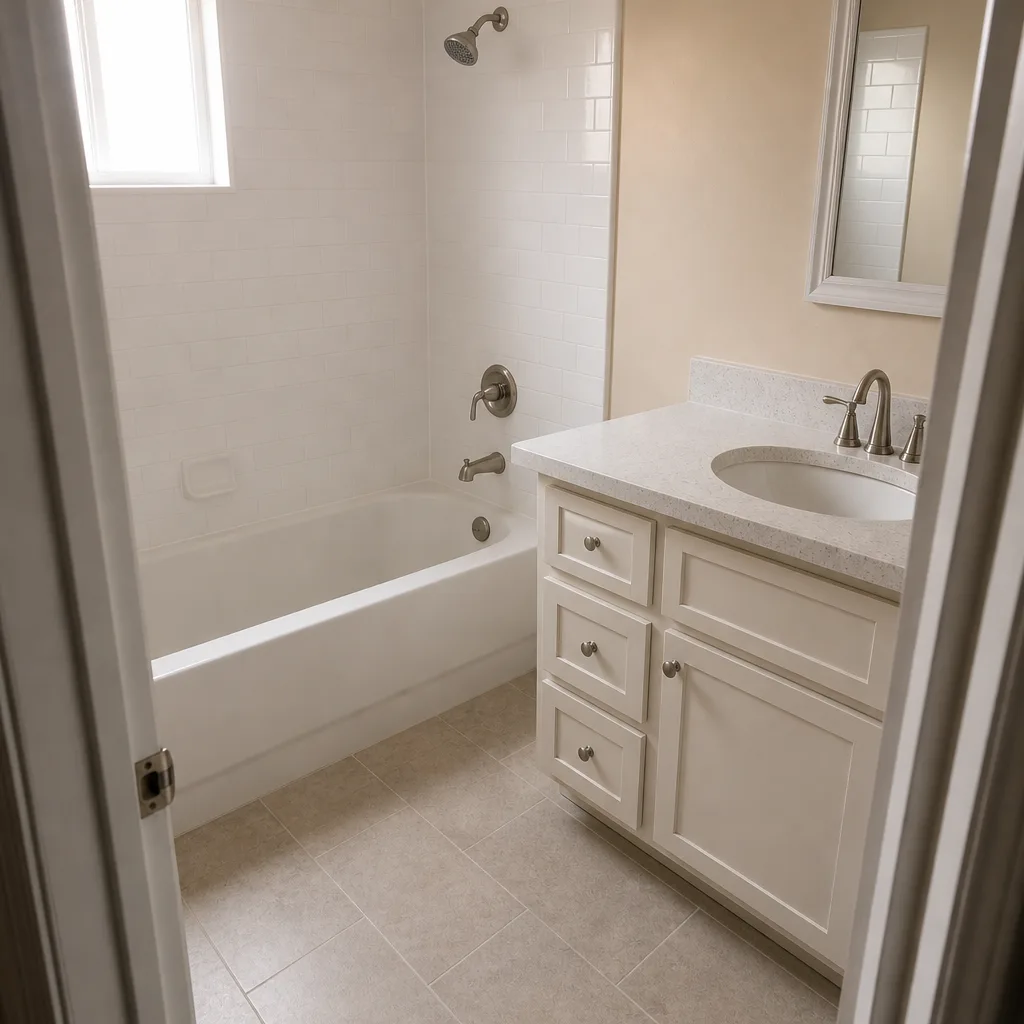 After
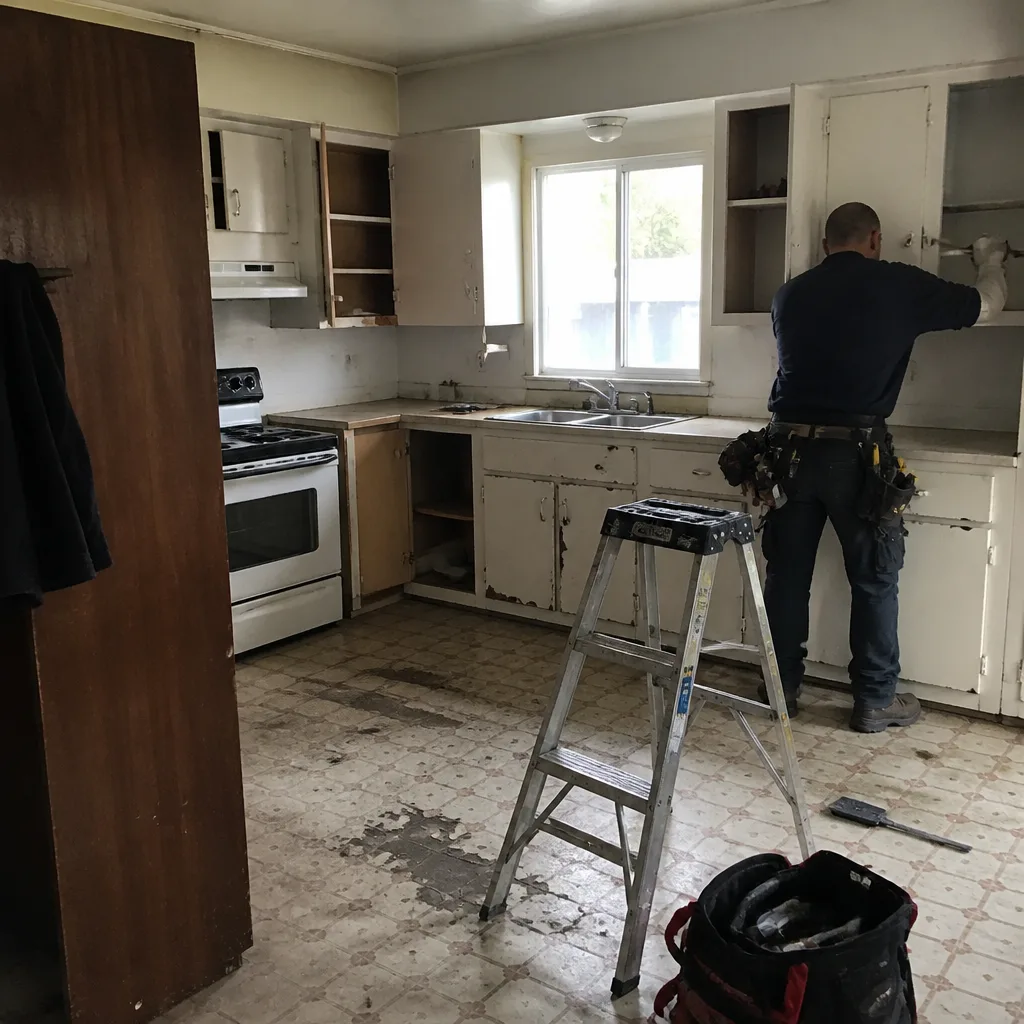 Before
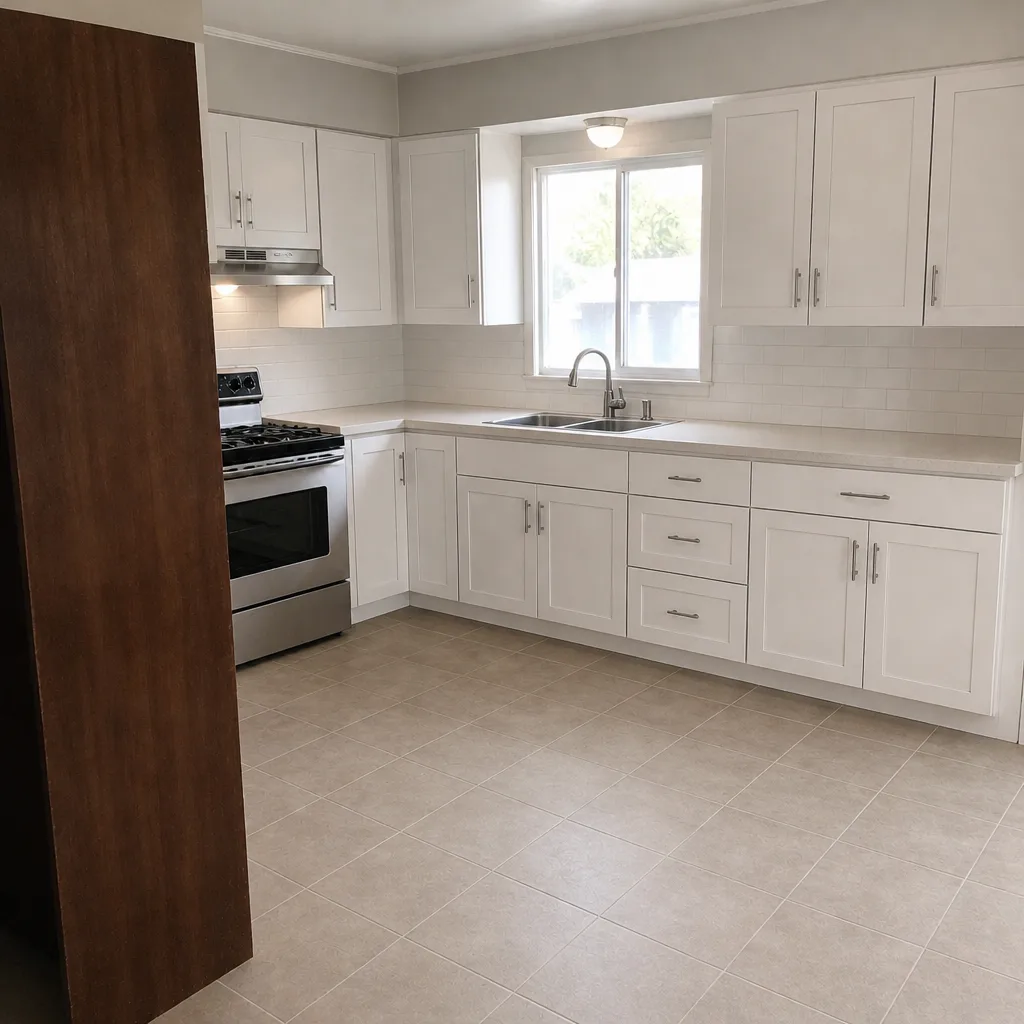 After
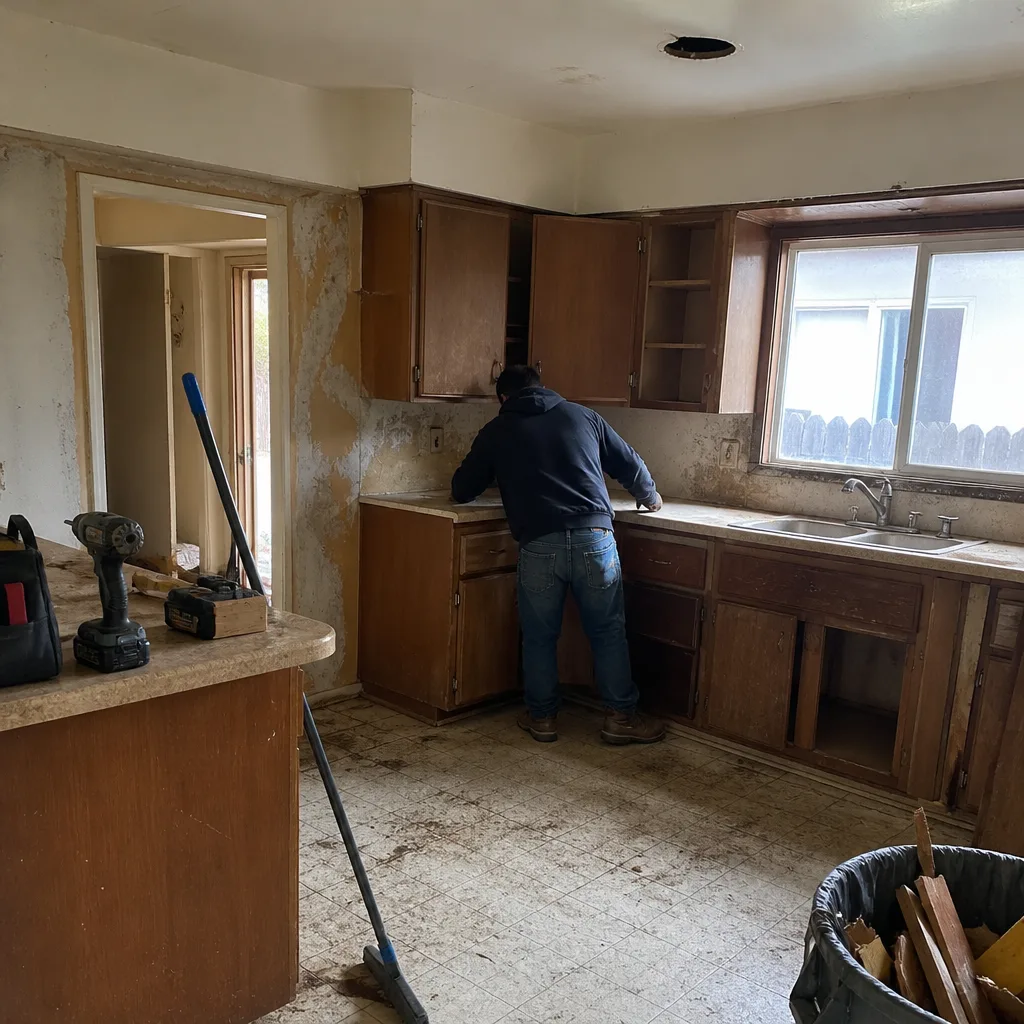 Before
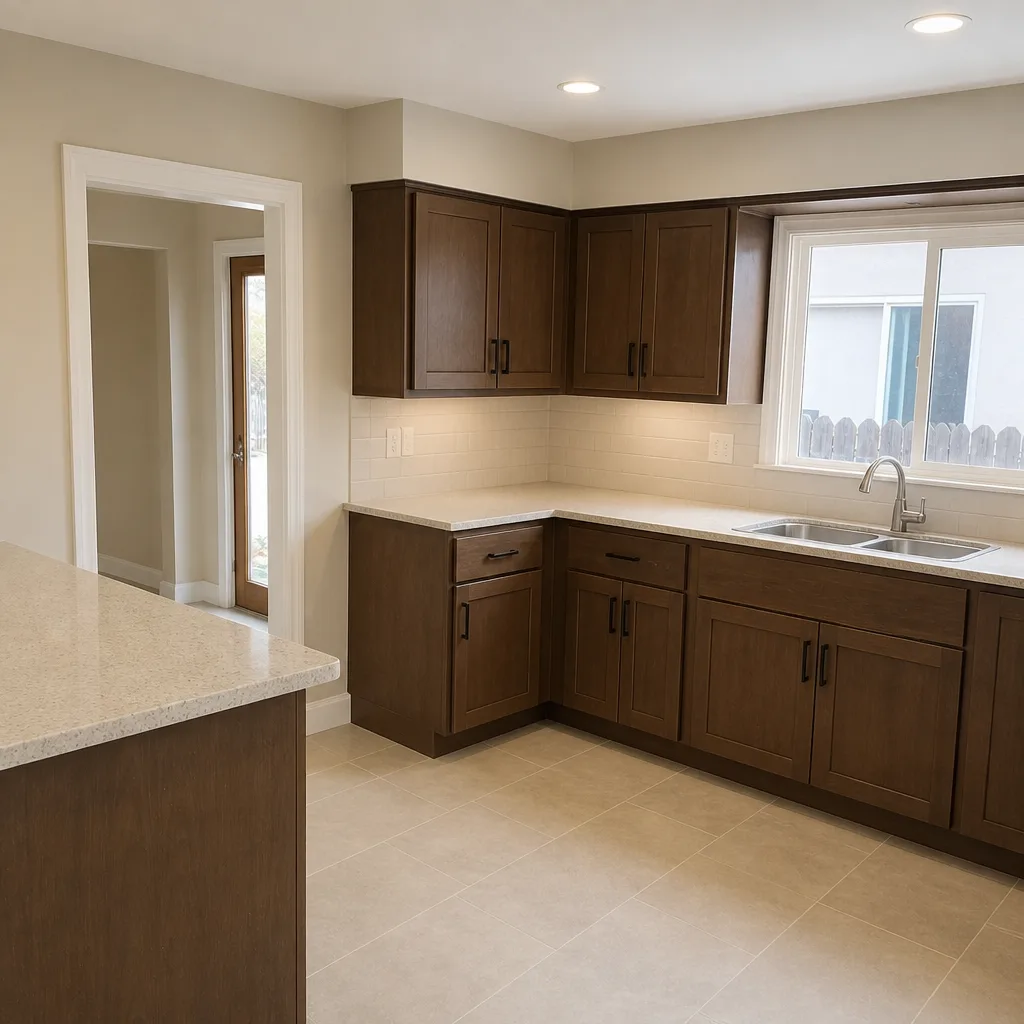 After
How to Fix a Sinking Driveway in Long Beach, CA
A sinking driveway in Long Beach is almost always a sub-base failure, not a surface problem. The slab drops because the soil underneath has compacted unevenly, typically after cycles of swelling in rare heavy rain and shrinking through long dry spells. Fresh concrete poured over that same failing base will sink again. The fix that lasts starts with diagnosing the soil and the water source, then choosing mudjacking, polyurethane foam injection, or a full base replacement based on what the ground is actually doing. Call (888) 345-8164 if you want that diagnosis done before anyone quotes a repair.
Long Beach gets about 12 inches of rain a year, but it arrives in short, intense bursts. That feast-or-famine pattern is what’s eating your driveway from underneath.
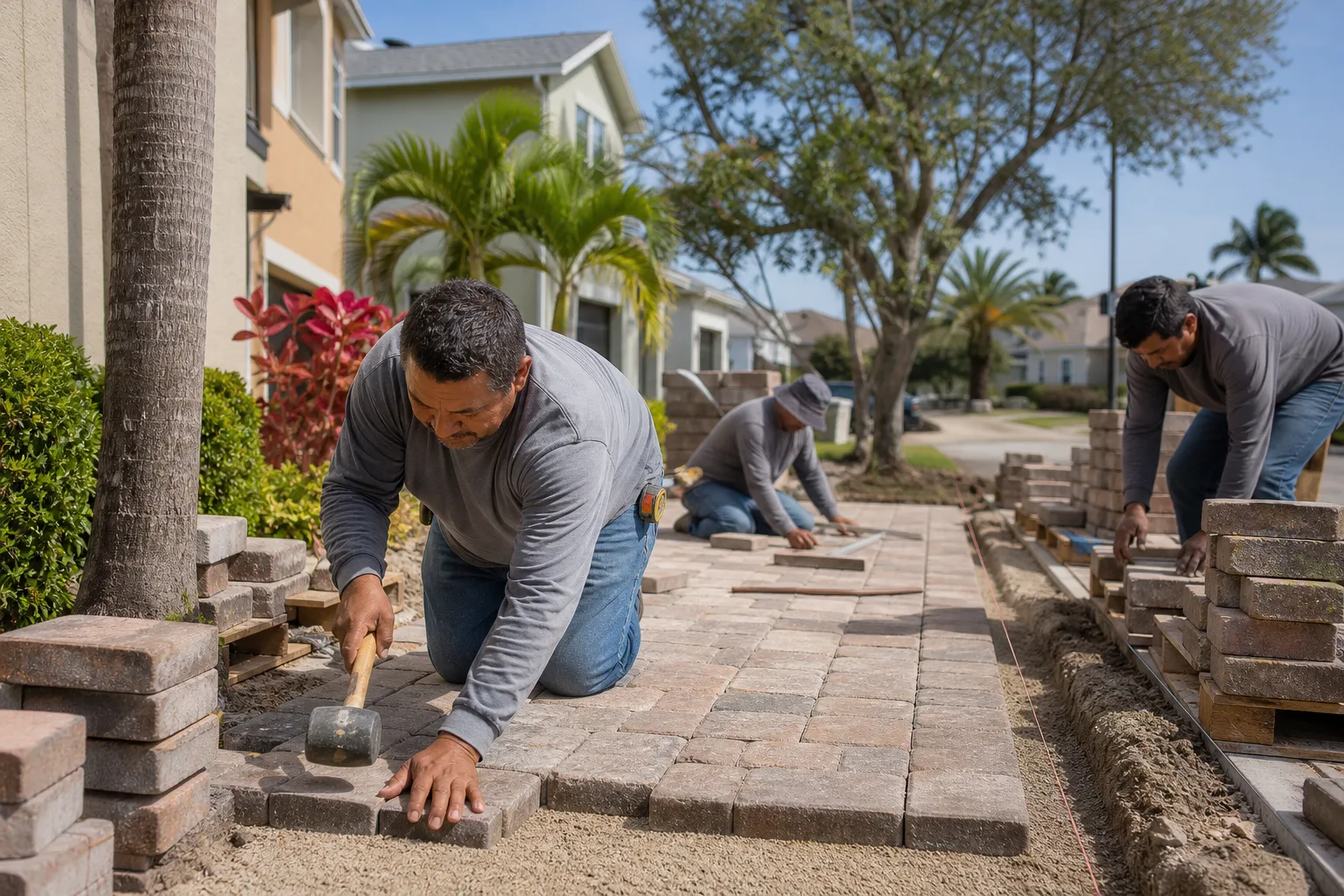
Why Long Beach Driveways Sink (It’s the Clay, Not the Concrete)
Coastal Los Angeles County sits on clay-heavy soil. When one of those rare winter storms dumps two inches in a day, the clay swells. Through the long dry season that follows, it shrinks back and pulls away from the slab, leaving voids underneath. Your 4-inch concrete slab is stiff and brittle. It can bridge a small void fine. It cannot bridge a void that grows across a 15-foot span, so it cracks at the weakest point and drops at the corner nearest the void.
Salt air off the Port of Long Beach adds a second problem on older properties. It accelerates corrosion on fasteners, flashing, and the wood framing around garage aprons, so what looks like a simple settling issue sometimes has rot feeding it. And on the pre-1933 bungalows and 1930s Craftsman fourplexes in Rose Park and Belmont Heights, the driveway often sits on fill that was never compacted to anything close to modern standards – which is why those slabs tend to move more than the post-war tract housing on the east side.
Diagnose Before You Repair: Three Checks That Decide the Fix
This is the step generic mudjacking advice skips, and it’s the reason so many driveway repairs sink again within 18 months. Before anyone quotes you, someone should walk the site and answer three questions.
- Where does your roof water go? Find every downspout and watch where it discharges during a storm. If any of them empty onto or near the driveway, you’re dumping hundreds of gallons into the exact soil you’re trying to stabilize. Redirecting them is cheap; redoing the base isn’t.
- Are tree roots involved? The large street trees common in Rose Park and Belmont Heights push roots under slabs and pull moisture out of the clay as they go, which creates voids faster than rainfall alone. A root-driven lift or drop won’t stay put without dealing with the root.
- Where are the soft spots? Walking the slab and probing low corners tells you whether the base has washed out in one pocket or settled across the whole footprint. One pocket is a repair. The whole footprint is a replacement.
There’s a fourth check that catches homeowners by surprise: older Long Beach properties often have aging clay drain lines running near the driveway. A collapsed or root-invaded sewer lateral leaks into the sub-base for months and undermines it – which means the sinking slab is a surface symptom of a subsurface plumbing failure. No amount of resurfacing fixes that. It has to be found first. If you’re weighing a full tear-out against a repair, our Driveway & Pavers in Long Beach page covers the replacement side in detail.
Mudjacking vs. Foam Injection vs. Full Base Replacement
Three repair methods get quoted in Long Beach, and they’re not interchangeable. Here’s how they actually compare on expansive clay.
| Method | What It Does | Best For | Typical Cost |
|---|---|---|---|
| Mudjacking | Pumps a cement slurry under the slab to lift it | Small, isolated low spots on stable base | Lower cost, but heavy slurry on soft clay |
| Polyurethane foam injection | Expands a lightweight foam to fill voids and lift | Void-filling where water intrusion is the cause | Mid-range |
| Full base replacement | Removes the slab, re-compacts and rebuilds the base, repours | Broad settling, expansive clay, root or drain damage | $5,000-$14,000 |
Here’s the honest part about clay. On a driveway where the whole base has cycled through swell-and-shrink for 20 years, mudjacking is often money spent to buy a year or two. The slurry adds weight to a base that’s already moving, and nothing stops the next wet season from starting the cycle again. Foam works better when there’s a specific void to fill, but it still doesn’t fix a water source or a leaking lateral. Full base replacement is the method that addresses expansive clay head-on, because it rebuilds the support layer instead of propping up the slab above a failing one.
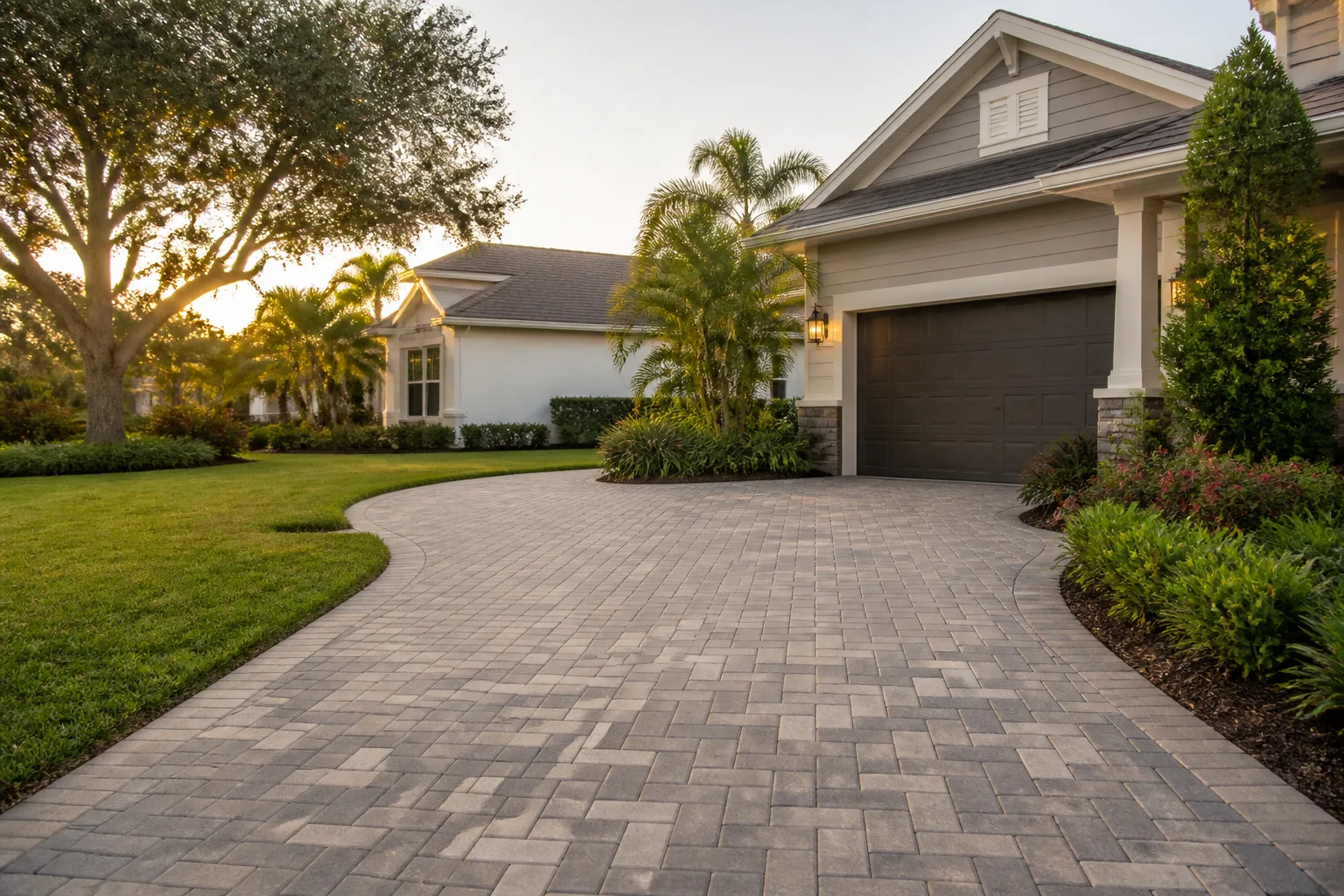
When replacement is the right call, the material choice matters for how long it lasts. We install paver driveways using brands like Tremron and Techo-Bloc, and pavers hold up better than poured concrete on clay because a flexible paver system tolerates small ground movement instead of cracking. A concrete driveway runs $4,500-$12,000 in Long Beach, a paver driveway runs $7,000-$18,000, and a straight replacement runs $5,000-$14,000. Our Driveway & Pavers page lays out the full scope if you’re leaning toward replacement.
What Sinking Driveways Look Like in Long Beach
Most of what we see falls into a handful of recognizable scenarios.
The corner drop by the garage apron. Water off the roof and the garage slope pools at the apron corner, softens the base, and the slab drops an inch or two over a couple of seasons. The fix usually combines redirecting the downspout with lifting or repouring that section.
The root-lifted slab in an old bungalow neighborhood. A mature street tree has pushed roots under the slab, lifting one side and creating a void on the other. Repair without addressing the root is a cycle.
The drain-line sink on a clay-lateral property. The driveway sags in a line above an old sewer lateral. We catch this before quoting a resurfacing job, because a leaking lateral leaks straight into the base – and the slab sinking again after a patch is all but guaranteed.
The broad settle across the footprint. The entire base has compacted. This is where full replacement typically wins.
Get the Root Cause in Writing Before Anyone Touches the Slab
Groundwork Construction Co. of Long Beach scopes the diagnostic assessment clearly before any work starts. You get a written explanation of what’s causing the sinking, not just a repair quote – the water source, the soil condition, any root or drain issue we find. Upfront pricing means the number you see is the number you pay, and the whole job is covered by our 730-Day Done Right Promise. Our technicians have up to 12 years of experience, and calls are answered by a live person, 24/7. If you’d rather have it looked at, we offer a no-pressure assessment in Long Beach, and the free estimate and design consult is a standing offer – call (888) 345-8164.
FAQs
Most sinking driveway repairs in Long Beach run from a few hundred dollars for a targeted lift up to $14,000 for a full base replacement, with concrete replacement typically $4,500-$12,000 and paver replacement $7,000-$18,000. The number depends entirely on what’s causing the sink – a redirected downspout is cheap, a collapsed drain lateral next to a full rebuild is not. Call (888) 345-8164 for an exact quote – estimates are free.
No, and a skim coat or resurfacing over a sinking slab will crack again within a season or two in Long Beach. The slab is following a void in the base, and new concrete adds weight without filling the void. On expansive clay the base has to be addressed first. Call (888) 345-8164 and we’ll tell you honestly whether a repair or a replacement is the right call.
Foam inj
ection is often the better choice for void-filling in Long Beach, while mudjacking is the cheaper option for small, isolated low spots on otherwise stable base. On broad settling across expansive clay, both can fail because neither fixes the moving base. A full base replacement is the durable fix there. Call (888) 345-8164 to find out which one fits your slab.
Watch for a sag that follows a straight line – that’s the tell. A line-shaped sink often traces directly above an old clay sewer lateral, which can leak into the sub-base on older Long Beach properties. A camera inspection or a simple water test confirms it before any paving work. Call (888) 345-8164 and we’ll check the lateral before we quote the slab.
Written by the team at Groundwork Construction Co. of Long Beach, serving Long Beach, CA.