
Free written scope consultation - allowances, timeline, and change-order rules on paper before a single trade is scheduled
Styles & brands we work with
- Kitchen remodeling
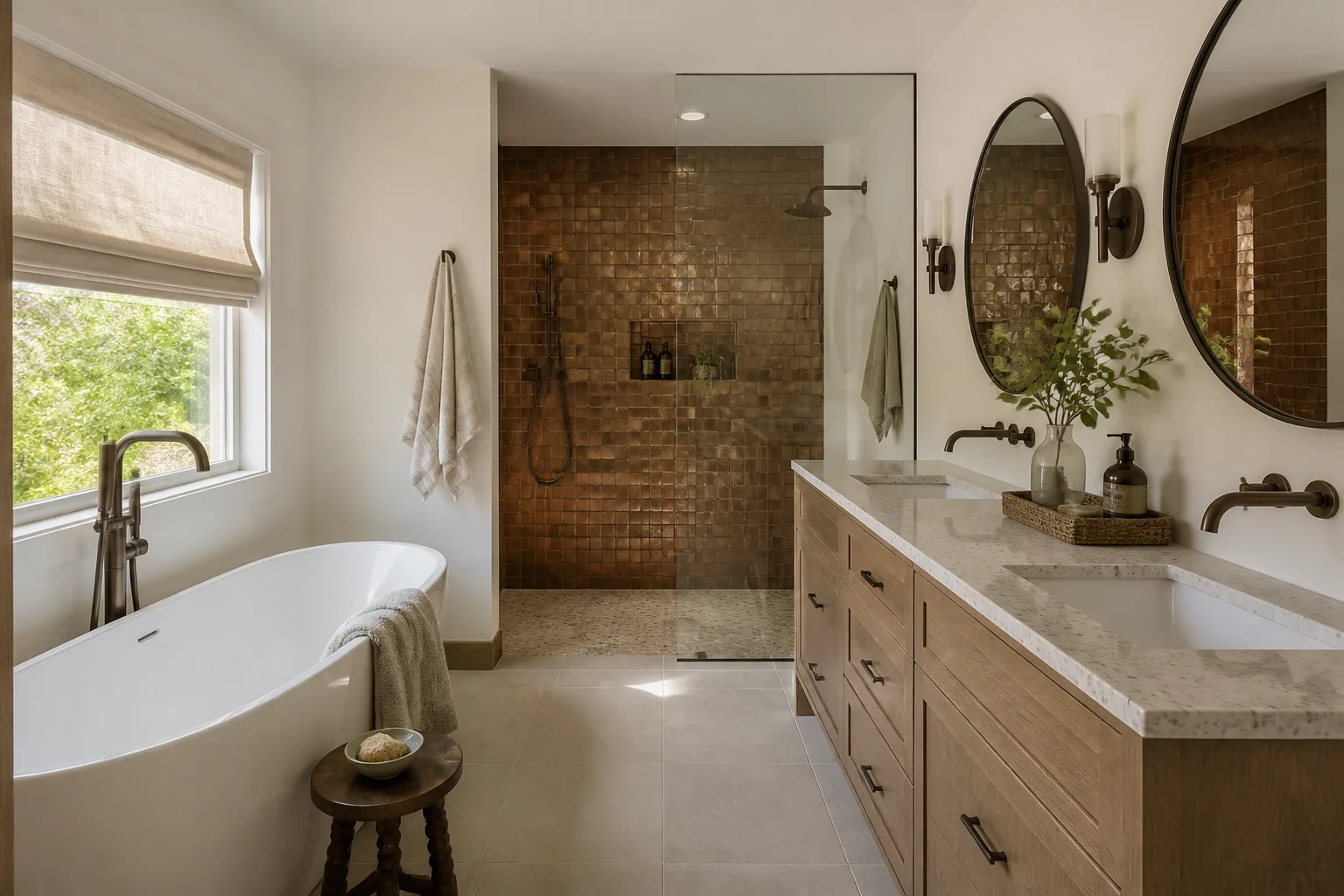
- Bathroom remodeling
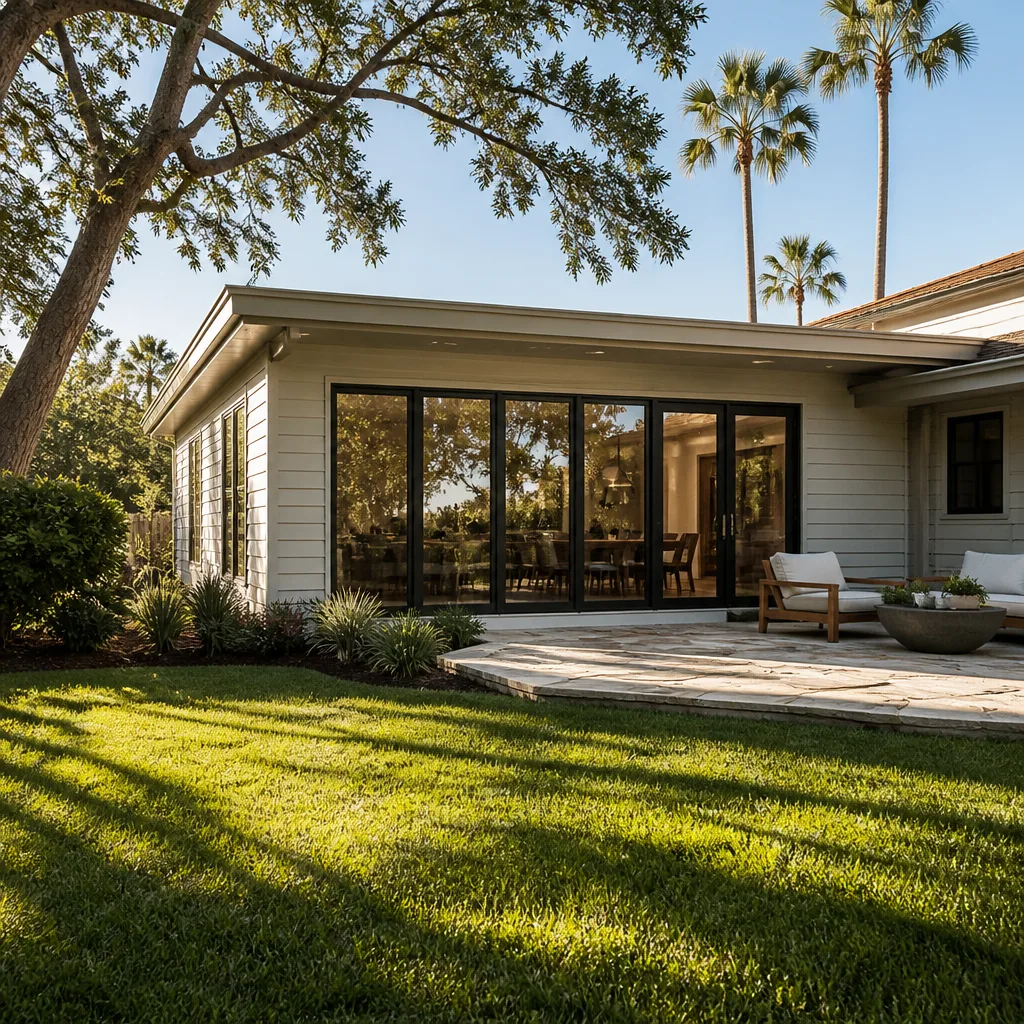
- Home additions & ADU
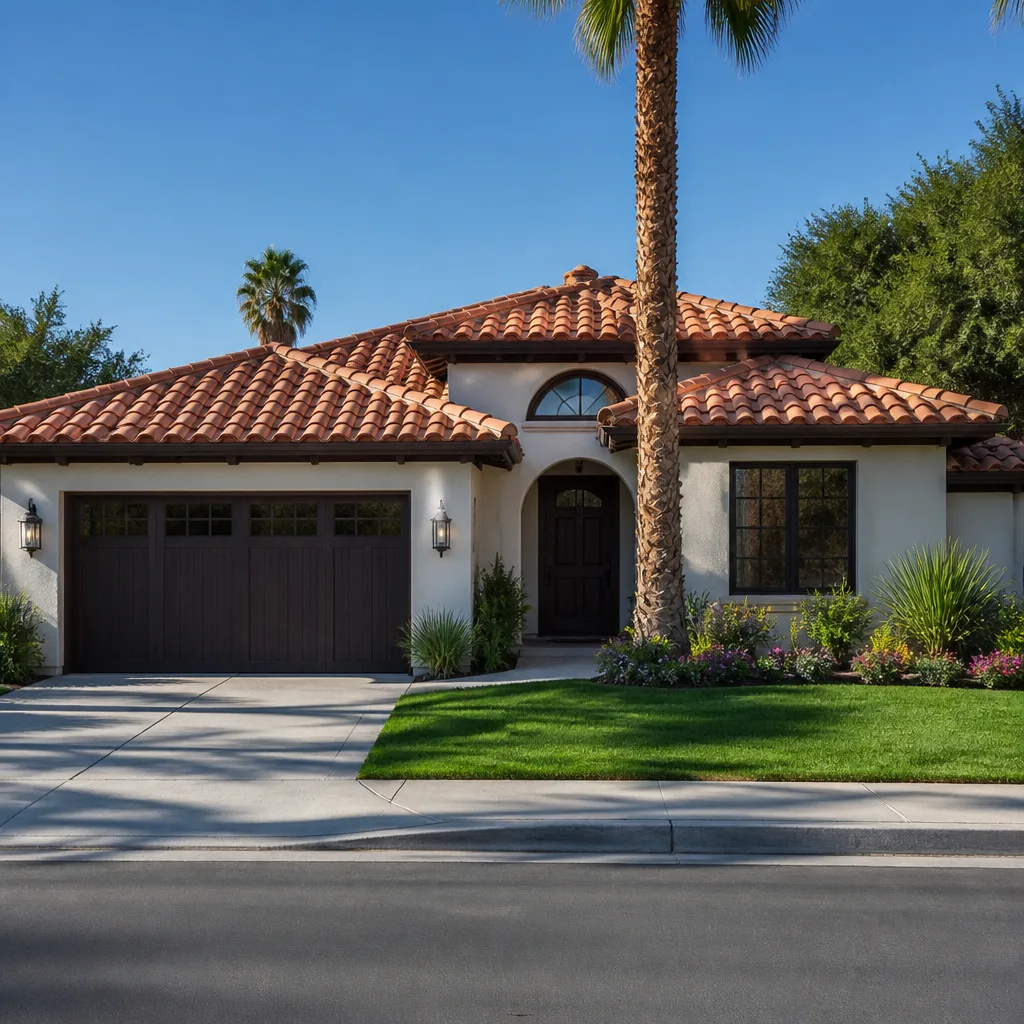
- Roofing
- Windows & doors
- Driveway & pavers
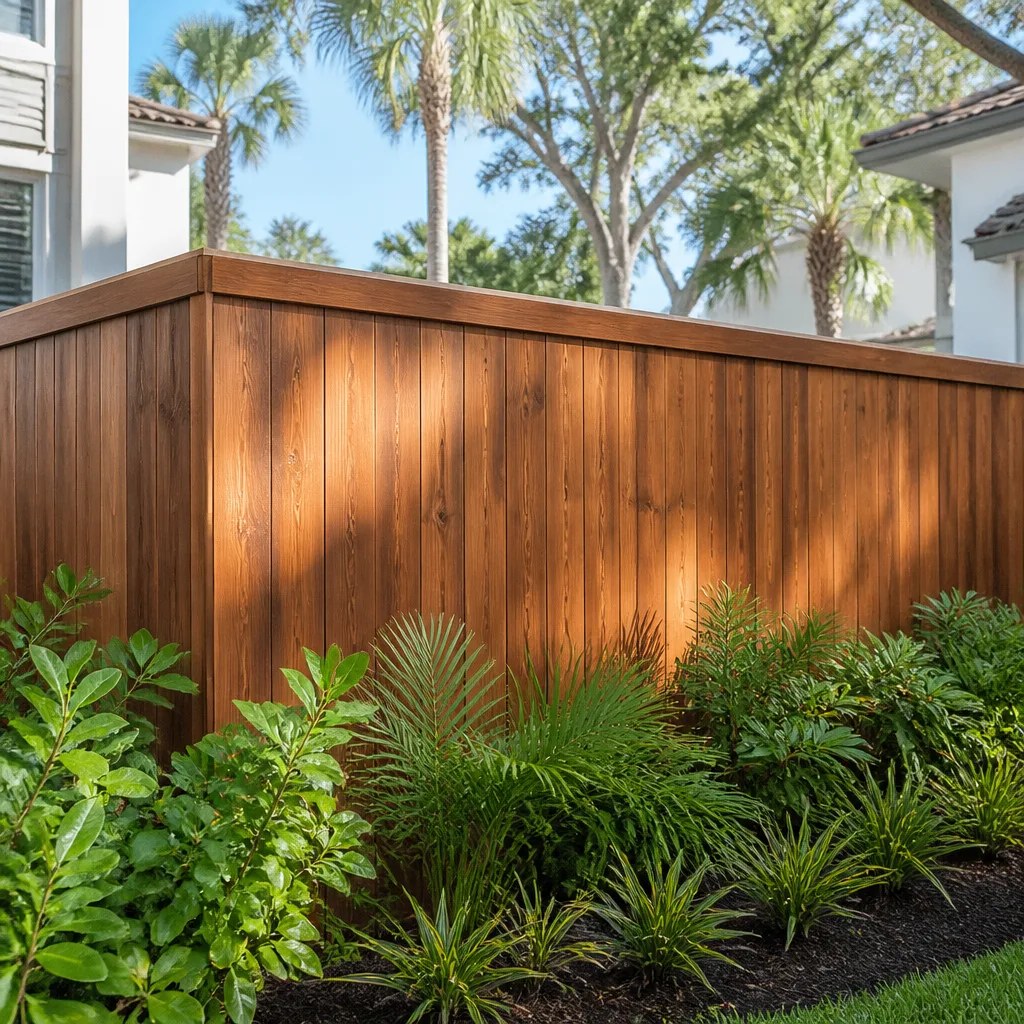
- Fence
See the difference
 Before
 After
 Before
 After
 Before
 After
How Long Does a Paver Driveway Last in Long Beach, CA?
A paver driveway in Long Beach should last 30-50 years if the base was compacted correctly and the joints stay sealed - but in this city, the pavers themselves are rarely what fails first. What fails is the clay soil underneath them and the polymeric sand between them. Miss those two, and a driveway that should look great in 30 years can start rocking, cracking, and growing weeds in 7. Here’s what actually determines your lifespan, and what to watch for in the marine-layer coastal block.
If your driveway is already rocking or the joints are washing out, that’s a diagnosis question, not a guess. Groundwork Construction Co. of Long Beach works this exact failure conversation with homeowners across the city and can size a repair side-by-side with a full Driveway & Pavers install. Call (888) 345-8164 and a live person answers, any hour.
Key Takeaways
- Paver material life: 30-50 years. That’s the good news and also the misleading part.
- Base failure from Long Beach’s clay-heavy soil is the real killer - rocking and settling show up in 5-12 years, not 30.
- Polymeric joint sand in coastal air needs refreshing every 5-7 years. It’s maintenance, not a defect.
- Unsealed pavers near the port or beach show efflorescence and mottle in 3-5 years; sealed pavers on the same lot hold 10-15 years of good appearance.
- A paver driveway install in Long Beach runs $7,000-$18,000; sealing maintenance runs $250-$700.
What actually fails on a Long Beach Paver Driveway
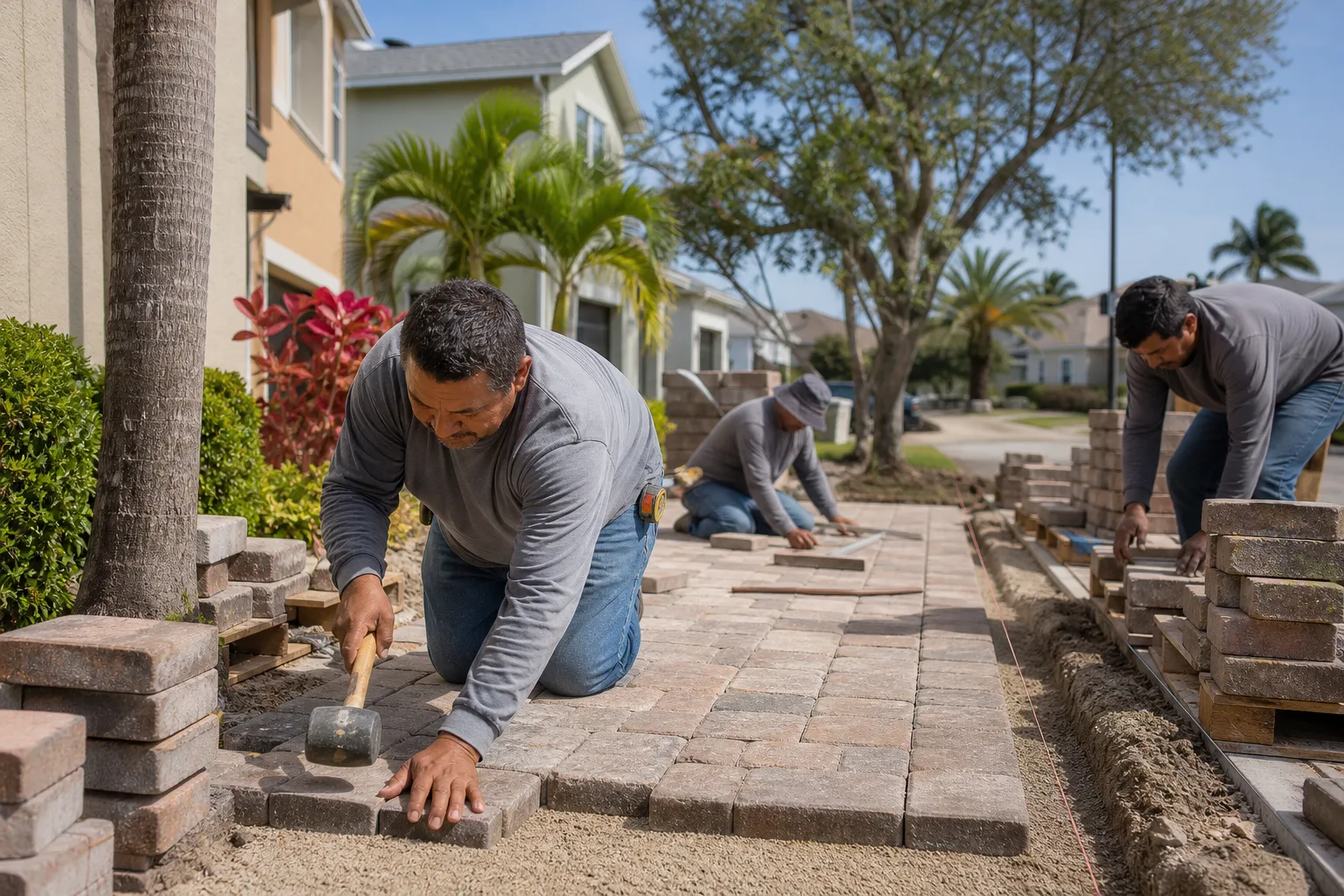
On a Long Beach lot, the subgrade is a mix of native clay and old fill, and clay moves with moisture. When the marine layer saturates the ground in May and June and the Santa Ana winds dry it in October, the soil swells and shrinks. A base that wasn’t excavated deep enough and compacted in lifts will settle unevenly. The pavers on top don’t crack because they’re weak. They crack because the ground underneath stopped supporting them.
This is the part generic “pavers last 30-50 years” articles skip. The paver is a $2-$4 piece of concrete, clay, or Belgard-style manufactured stone. It can outlast the foundation on the house. The base is the project. When a driveway here starts rocking underfoot, or you notice a low spot where water pools after rain, that’s a base symptom.
- Rocking pavers: the most common Long Beach call. Base settled; pavers teeter over a void.
- Hairline cracks running across multiple pavers: a hard base failure line, not individual paver damage.
- Low spots that hold water: a drainage or compaction problem the original installer should have caught.
- Widening joints: sand loss, then weed intrusion, then more settlement. The chain runs in that order.
- Ant colonies under the driveway: a sign the base layer has voids allowing water and insects in.
The diagnostic question every homeowner should be able to answer: are the pavers moving, or is the ground under them moving? Those are two different repairs, with two different prices.
The salt-air problem nobody factors into “lifespan”
Inside about 1-2 miles of the port or the beach, salt air settles on the paver surface and works into unsealed joints. That coastal exposure is what accelerates efflorescence - the white haze that looks like poorly mixed concrete but is actually salt migrating to the surface - and surface mottling. On a Long Beach driveway, that starts showing in 3-5 years when the pavers are unsealed.
Same lot, sealed pavers, and you’re looking at 10-15 years of original appearance before the seal needs a refresh. Sealing isn’t a decorative upsell. It’s part of the lifespan equation, full stop. Our technicians have up to 12 years of experience on coastal installs and will tell you straight: on this side of town, skip the seal and you’re planning a re-do sooner.
The joint sand decay that eats paver driveways in 5-year cycles
Polymeric sand between pavers isn’t a permanent joint. In Long Beach’s marine-layer moisture cycles, the sand softens, loosens, and erodes every 5-7 years - especially on the sun-exposed south side of a driveway. When the joints open, three things happen in sequence: weeds root in, ants tunnel down into the base, and moisture gets into the joint where it accelerates settling. What starts as a cosmetic re-sand becomes a base repair.
Replacing polymeric joint sand every 5-7 years is maintenance, not a defect. Replacing a paver is a defect. Knowing which conversation you’re in saves you thousands.
What it costs to install and maintain a paver driveway in Long Beach
Here’s the price picture for the Long Beach market, so you can compare a bid without getting surprised:
| Item | Long Beach price range |
|---|---|
| Paver driveway installation | $7,000-$18,000 |
| Paver patio installation | $3,500-$11,000 |
| Driveway sealing | $250-$700 |
| Driveway replacement (full re-do) | $5,000-$14,000 |
| Concrete driveway (for comparison) | $4,500-$12,000 |
| Asphalt paving (for comparison) | $3,500-$9,000 |
The upfront price is only half the lifespan equation. A $7,000 install with a shallow base is a $13,000 driveway when you include the reset. A properly based install at $18,000, sealed on schedule, is the cheaper driveway over 30 years. That’s the argument we make in every estimate. We back it with the 730-Day Done Right Promise: if base compaction or joint work we performed fails inside two years, we make it right. The guarantee exists because we price the base work, not just the surface.
If you’re weighing materials, comparing Belgard pavers to poured concrete or asphalt is reasonable - the 30-50 year material life is real. But the price premium for pavers only pays off if the base and seal are done right. Otherwise you’ve paid more for a driveway that fails alongside a $6,000 concrete pour. No-hassle upfront pricing means you see that line item before the crew mobilizes; the number you see is the number you pay. Projects over $10,000 get $1,000 off, and 0% financing for 18 months is available if spreading the cost makes the math work.
A 5-point maintenance checklist for Long Beach paver driveways
This is the checklist we’d give a homeowner if they were handling the driveway themselves. It’s the difference between a 30-year driveway and a 7-year re-do:
- Inspect joint sand every spring. Walk the driveway, press a screwdriver into the joints. If it sinks in more than about a quarter inch, sand needs refreshing. Re-sand before the June marine layer, not after.
- Seal every 5-7 years, coastal side of town closer to 5. The $250-$700 seal job is the cheapest line item in this list and the one that saves the most appearance.
- Check edge restraints annually. A loose edge allows pavers to spread toward the street. Once they creep, the joints widen and the sand goes. Fix the edge before the joints.
- Stop weeds and ants early. Weeds popping through joints are the first sign of a new void under the sand. Treat them as a symptom, not a nuisance.
- Watch for low spots after rain. Any pooling water on a paver driveway means a settled base. That’s a call-a-pro moment, not a wait-and-see.
Most of these are quick visual checks. If you find rocking pavers or a visible low spot, stop the checklist and get an assessment.
Common local scenarios we see on Long Beach paver driveways
Same question, three different answers, depending on the driveway.
Rose Park and Belmont Heights bungalows: many of these homes have original driveways installed decades ago on shallow, uncompacted bases. The pavers may be fine, but the base has moved through 60-plus years of soil cycles. These are the drives most likely to need a rebuild on the base with the pavers salvaged and reset. Coastal Zone and historic-context review can complicate a full re-pour, but resetting existing pavers is usually a lower-permit path.
East-side post-war tracts: 1950s-70s driveways that have been redone at least once. We see the second failure more often - the last installer skimped on base depth because the property line or garage slab made excavation harder. Cracking across a paver row is the giveaway.
Any driveway within a mile of the beach or port: salt-air haze on unsealed pavers, sand loss in joints, and weeds within 5-7 years. The seal-and-resand cycle is the entire solution. Done on schedule, these driveways hold their appearance nearly as long as an inland install. For broader comparison against a full driveway re-do, see the Driveway & Pavers in Long Beach page.
When to call a professional
Rocking pavers, pooling water, or joints you can push a finger into are base problems that re-sanding alone won’t fix. Those calls need a contractor who can diagnose settlement, not a handyman who’ll re-sand and walk away. We schedule the assessment, tell you what’s failing, and quote the repair side-by-side with the replacement option so you choose with full information. From foundation to finish line, one contractor owns the driveway.
FAQs
30-50 years for the paver material itself, but figure on 5-7 year maintenance cycles for joint sand and sealing on the coastal side of town. A correctly based, sealed install should pass 30 years with those cycles; skip the maintenance and expect the appearance and even structural performance to decline inside 10.
Yes, especially near the port or beach, where salt air accelerates efflorescence and mottling. Unsealed pavers show surface haze in 3-5 years; sealed pavers on the same lot hold appearance for 10-15. Sealing runs $250-$700 and is the cheapest line item on the maintenance list. Call (888) 345-8164 for a free estimate on the seal-and-resand cycle.
Base settlement, not paver failure. The clay-heavy Long Beach soil moves with moisture, and a base that wasn’t excavated deep enough or compacted in lifts will settle and leave voids. Rocking is the symptom; the repair is base correction, not paver replacement. If the install was recent, our 730-Day Done Right Promise may cover the base work. Call (888) 345-8164 to schedule a diagnostic visit.
Repair is usually cheaper if the pavers are salvageable - resetting and re-basing runs less than a full $7,000-$18,000 install, sometimes meaningfully less. Replacement wins when the pavers are physically damaged or the driveway has more than a few isolated failure zones. We quote both side-by-side so the comparison is real, not a sales tactic. Call (888) 345-8164 for a free estimate.
If you’d rather have it looked at, Groundwork Construction Co. of Long Beach offers a no-pressure assessment in Long Beach - call (888) 345-8164. We’ll tell you whether it’s a seal-and-resand or a base repair before you commit to anything.
Written by the team at Groundwork Construction Co. of Long Beach, serving Long Beach, CA.


