Free written scope consultation - allowances, timeline, and change-order rules on paper before a single trade is scheduled
Styles & brands we work with
- Kitchen remodeling
- Bathroom remodeling
- Home additions & ADU
- Roofing
- Windows & doors
- Driveway & pavers
- Fence
See the difference
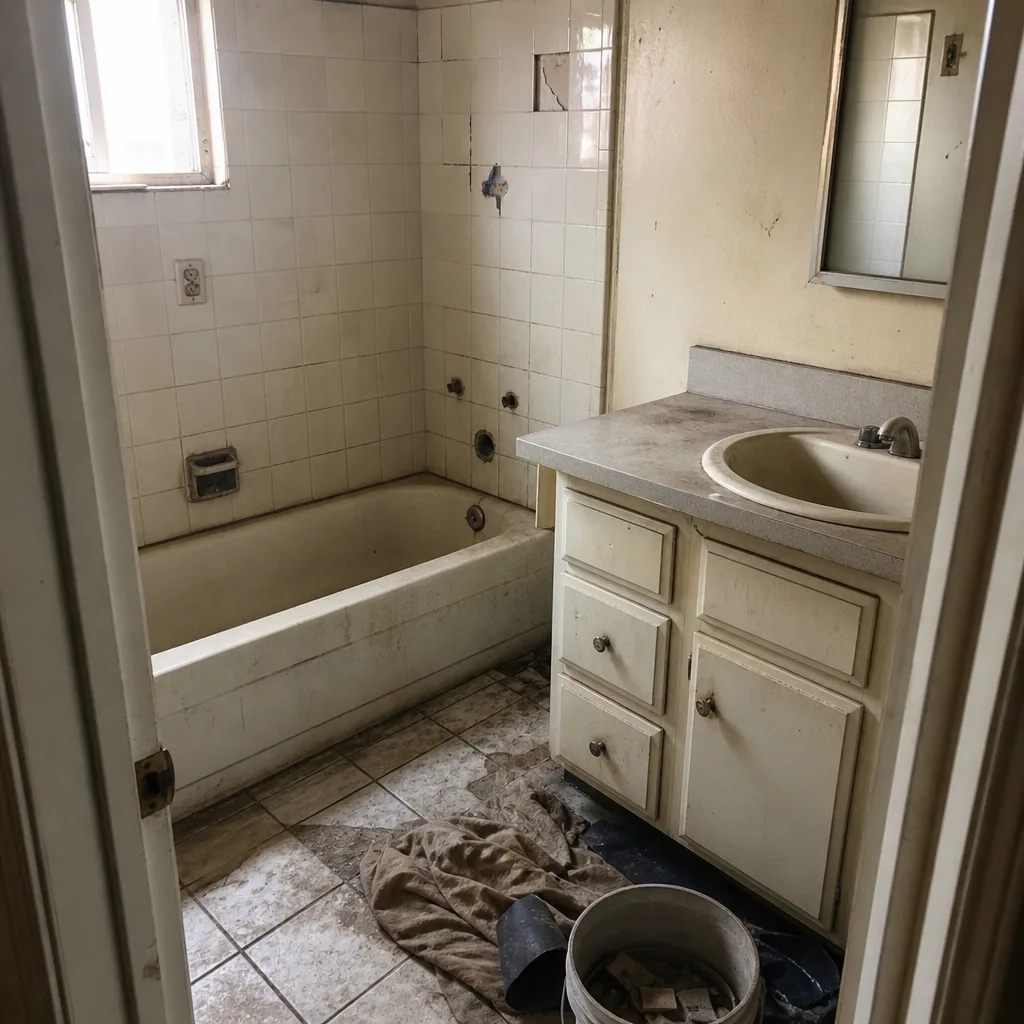 Before
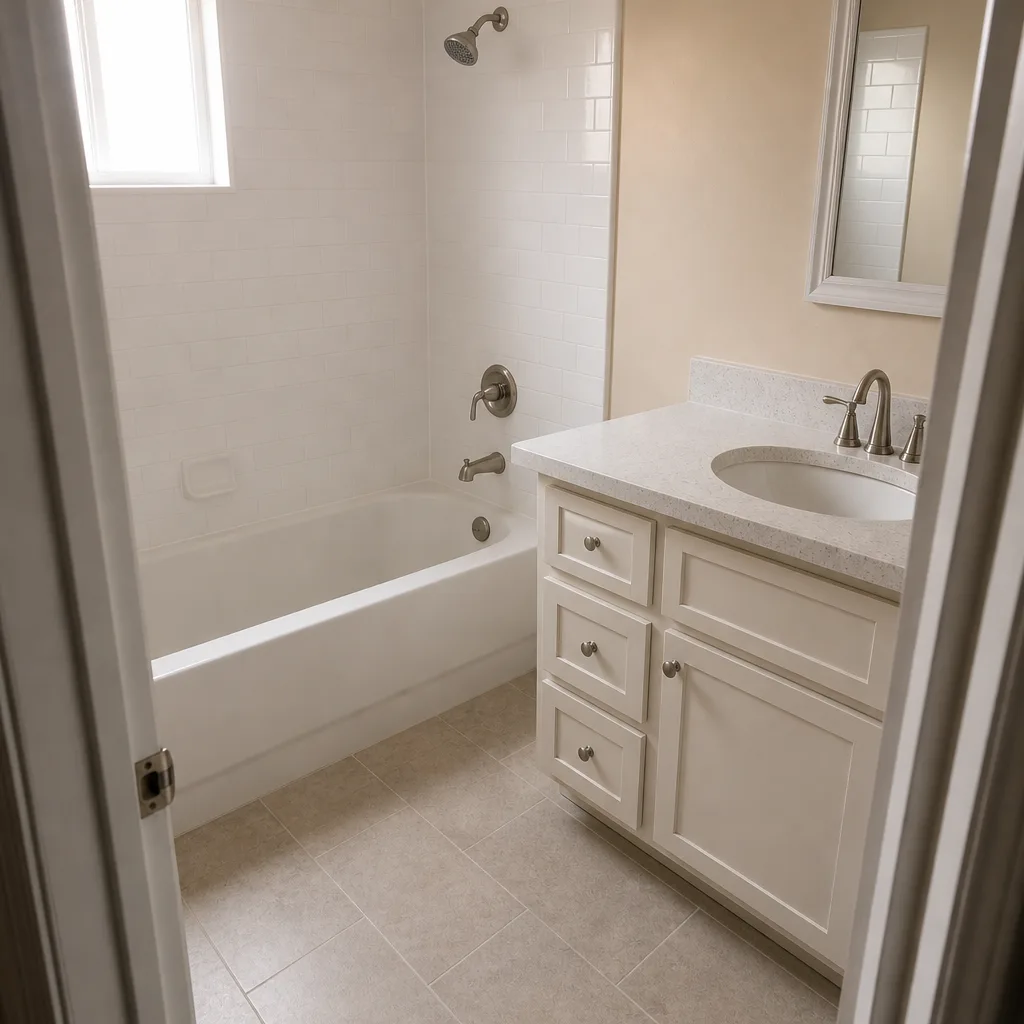 After
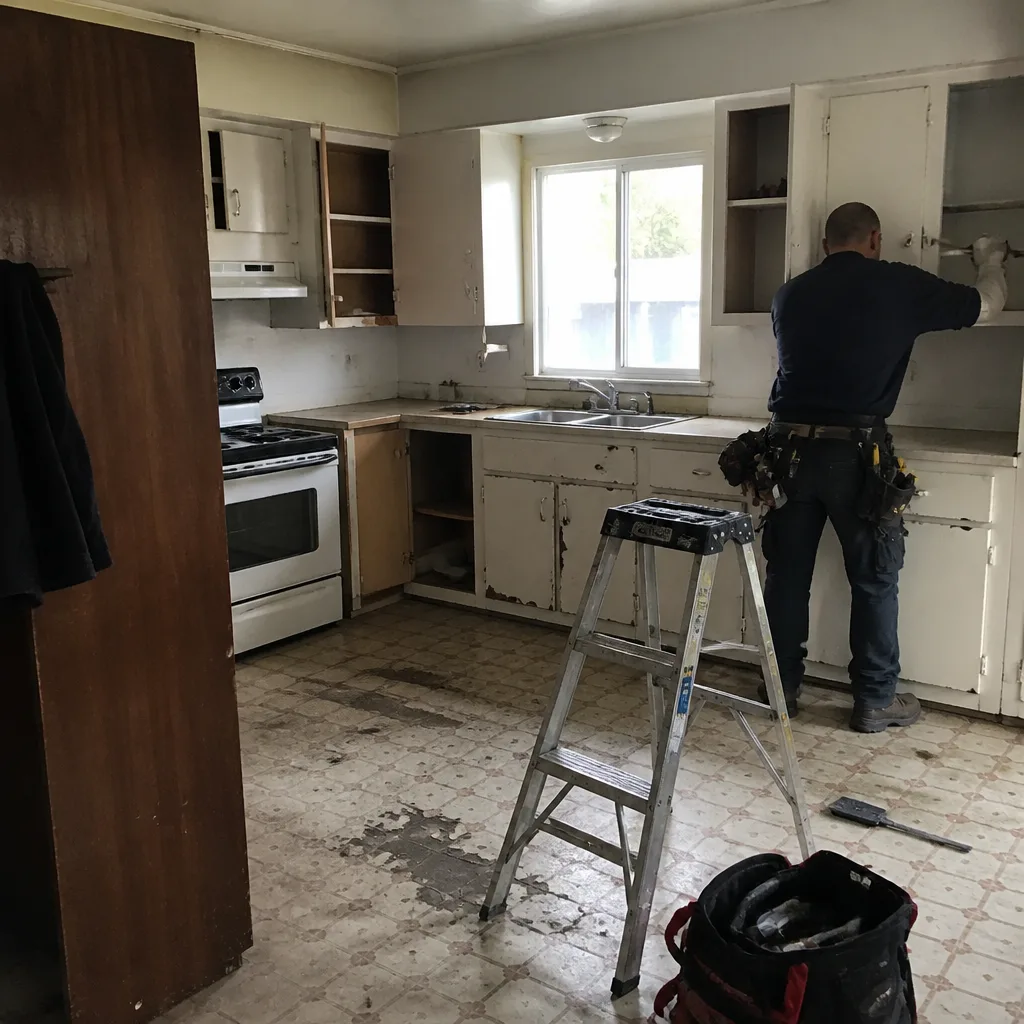 Before
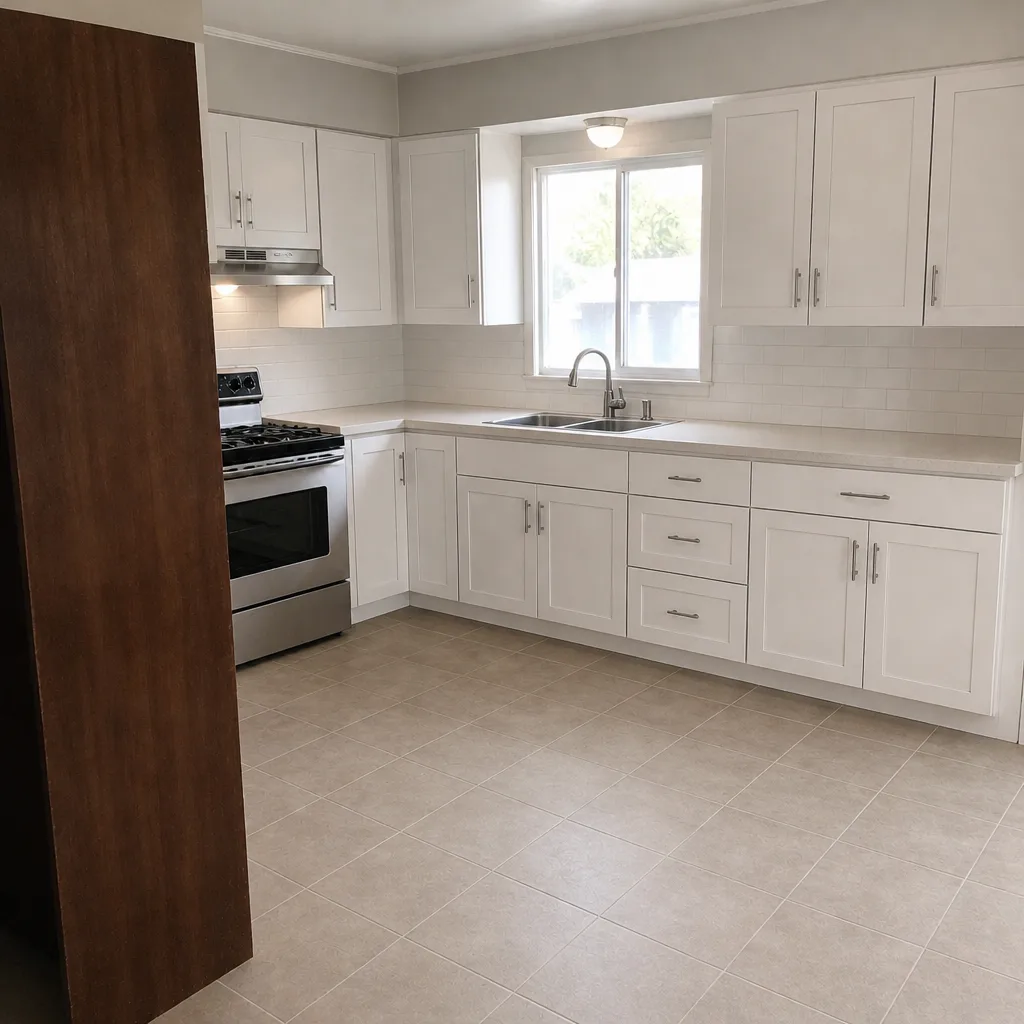 After
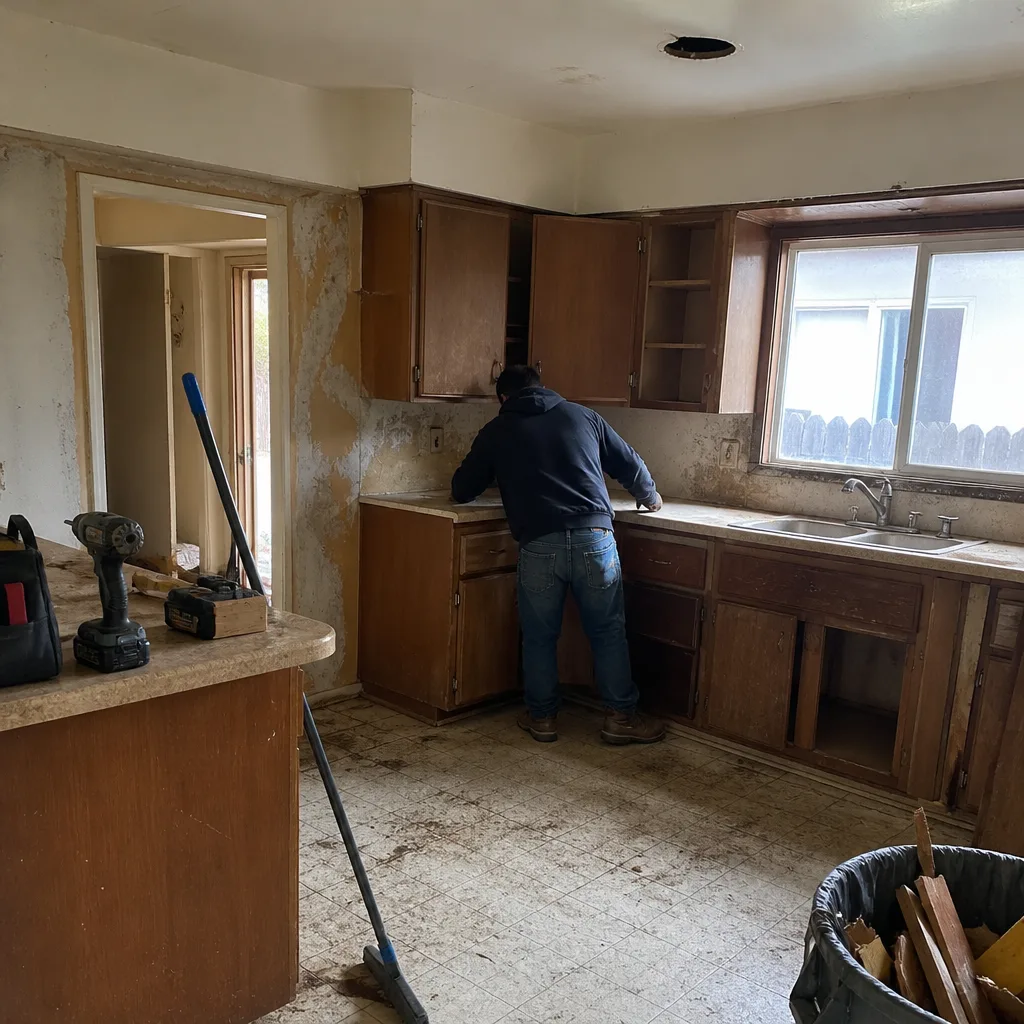 Before
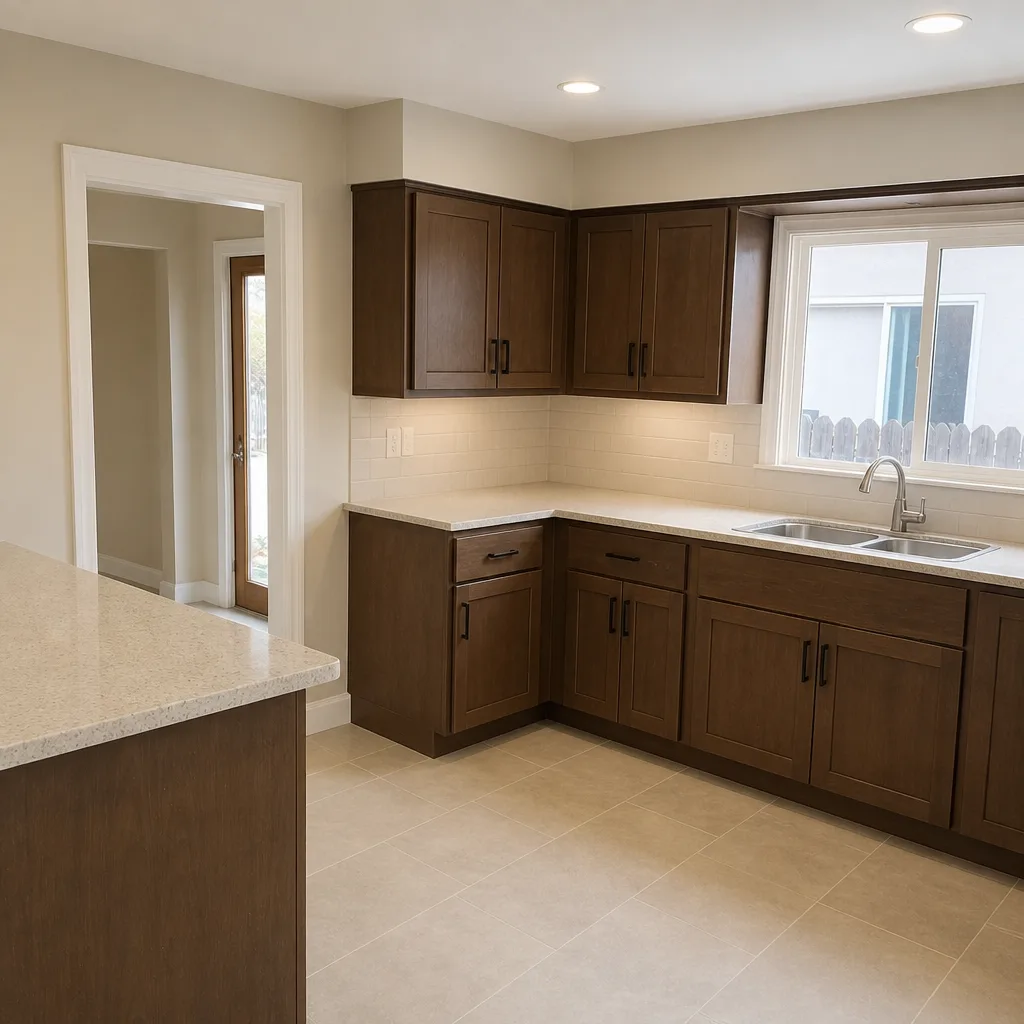 After
Vinyl vs. Fiberglass Windows in Long Beach, CA: Which One Belongs on Your House?
Choose fiberglass for most Long Beach homes, and choose vinyl only if budget is the hard ceiling or you’re outfitting a rental you don’t plan to hold long. The reason isn’t brand loyalty – it’s that vinyl’s thermal expansion runs roughly eight times that of glass, and Long Beach’s daily marine-layer swing stresses every seal and glazing tape on your windows thousands of times a year. Fiberglass moves almost in step with glass, so those seals stay put. If you want the honest walk-through before you spend a dollar, call Groundwork Construction Co. of Long Beach at (888) 345-8164 for a free estimate.
We’re Groundwork Construction Co. of Long Beach, and we install both materials. That matters here, because a contractor who only sells vinyl will tell you vinyl is fine, and a contractor who only sells fiberglass will tell you vinyl will fall apart by Tuesday. Neither is being straight with you.
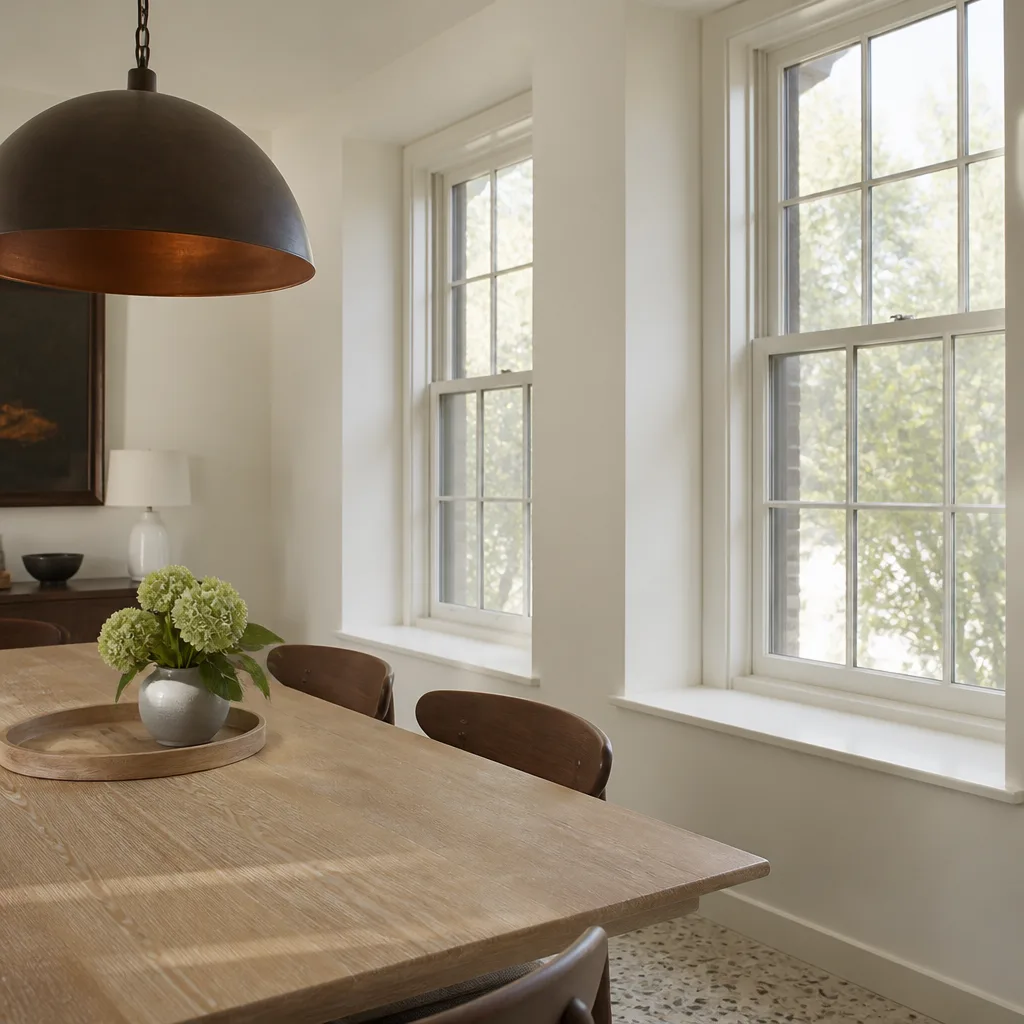
Why the Marine Layer Changes the Answer in Long Beach
Most window comparison guides are written for a generic climate – somewhere with four real seasons and dry air. Long Beach isn’t that. You get a marine layer that rolls in most mornings, burns off by midday, and drops again at night, with temperature swings of 20 to 30°F between the cool morning and the warm afternoon. That cycle repeats over and over, day after day, all year.
Here’s the operator detail you won’t find in a spec sheet: vinyl expands and contracts with temperature at roughly eight times the rate of the glass sealed inside it. Every one of those daily cycles pulls and pushes on the insulating glass unit’s glazing tape and the sealant where the sash meets the frame. In a continental market, that cycling is seasonal and slow. In Long Beach, it’s daily. Over thousands of annual cycles, the seals fail sooner than the product’s inland rating would suggest.
Fiberglass frames have an expansion coefficient that nearly matches glass. When the temperature drops, the frame and the glass move together instead of fighting each other. That single property is why we lean fiberglass on this coastline.
Salt Air and the Vinyl Surface Over Time
The Port of Long Beach sits right there, and the salt air it pushes inland does two things to a house: it corrodes exterior fasteners and hardware, and it attacks the outer skin of vinyl extrusions through UV-driven oxidation. What you see first is chalking – that powdery film that comes off on your hand when you wipe a faded vinyl frame. Later comes micro-cracking in the surface.
In a dry inland climate like Lakewood or Compton, vinyl can go its full rated life without showing much of this. On the coast, we see chalked and micro-cracked vinyl far more often. Fiberglass is chemically inert to that process, so it doesn’t chalk, crack, or fade the same way. When we quote Windows & Doors work along the coast, this is the conversation we have before anyone signs.
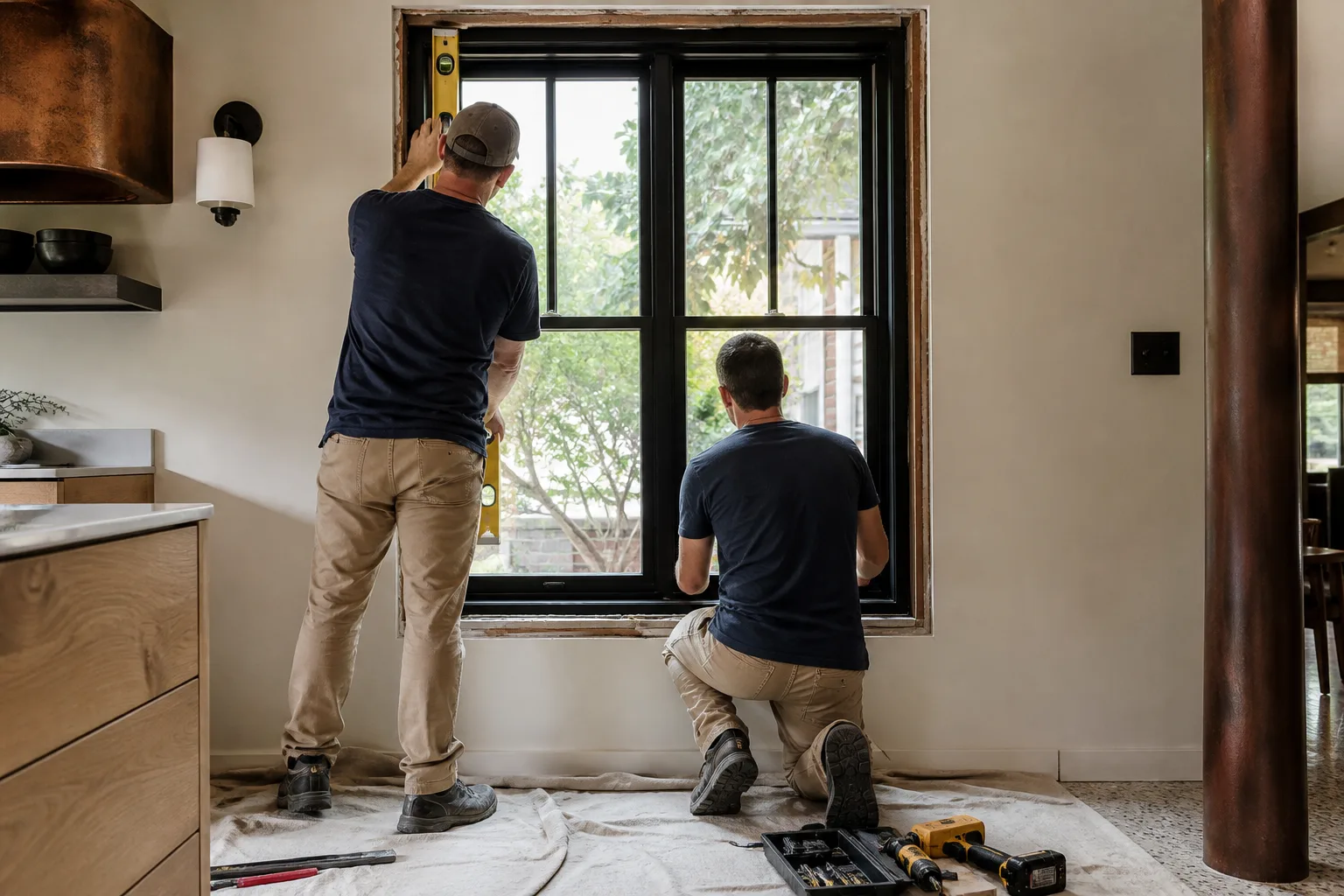
What Historic-District Design Review Actually Requires
Here’s where the local rulebook matters as much as the material science. Long Beach has real historic-context districts, and Rose Park and Belmont Heights are the ones we field the most questions about. Properties in those areas can run into design review, and the board often rejects standard vinyl windows for two reasons: the extrusion profiles are too thick, and the surface texture reads as plastic rather than painted wood.
That’s not a knock on vinyl as a product – it’s a profile and finish problem. Fiberglass windows can be factory-painted and routed to match historic profiles, which makes them the realistic option for a lot of Rose Park and Belmont Heights properties. It’s also the same permitting collision we see across older Long Beach lots: Coastal Zone review, historic-district design review, and seismic retrofit rules stacked on one small parcel. Get the window selection wrong and you’re reordering units after the board sends you back.
Vinyl vs. Fiberglass: Side-by-Side
The table below is the short version of everything above. Pella and Marvin fiberglass-composite lines are both in our catalog, and we install Andersen units as well, so we can price all three against each other on your actual house.
| Factor | Vinyl | Fiberglass |
|---|---|---|
| Expansion vs. glass | ~8x the rate of glass | Nearly matches glass |
| Reaction to salt air | Chalking and micro-cracking over 10-15 years | Chemically inert |
| Historic-district fit | Often rejected (thick profile, plastic texture) | Factory-painted and routed to profile |
| Typical lifespan on this coast | Around 15 years | Around 30 years |
| Cost per unit | Lower | 20-40% higher |
| Installed cost for a whole-house replacement | Top of the low end: often $4,500-$9,000 | Toward $9,000-$15,000 |
| Impact-rated installation (whole house) | N/A above standard | $8,000-$25,000 |
Those whole-house figures are our Long Beach market ranges, not a national average. A single-story bungalow with eight openings lands at the low end. A two-story fourplex with more than a dozen openings and impact-rated glass pushes toward the top.
The Math That Flips the Price Premium
Yes, fiberglass costs 20 to 40% more per unit than comparable vinyl. We’re not going to soften that. A homeowner comparing quotes side by side will see the fiberglass bid come in higher, and that’s real money.
But run the number per year of service. If a vinyl window in this climate delivers around 15 years before the seals and surface give out, and a comparable fiberglass unit delivers around 30, the fiberglass window’s annual cost of ownership often comes in lower than the vinyl one – even with the higher up-front price. You’re paying more once, but you’re not doing the job twice.
- Choose fiberglass if you own in Rose Park, Belmont Heights, or anywhere the marine layer sits heavy, if your property touches historic design review, or if you’re planning on the house for the long haul.
- Choose vinyl if it’s a rental you may sell within a decade, if the openings are protected by deep eaves that cut UV exposure, or if the budget simply won’t stretch.
- Choose impact-rated glass in either frame if you’re replacing a whole elevation and want the structural and insurance benefits – that runs $8,000-$25,000 for a typical Long Beach house.
How We Back the Recommendation
Groundwork Construction Co. of Long Beach carries both Andersen and Marvin fiberglass-composite lines and can walk you to local installations we’ve done that have been through 5+ years of coastal exposure. You can see how a fiberglass unit weathers Long Beach’s salt air before you commit to it. That’s a form of accountability most cost-comparison guides can’t offer, because they’ve never stood in front of the finished window.
Every install is covered by our 730-Day Done Right Promise – if it’s not done right, we make it right. Calls are answered by a live person, 24/7, so you’re never stuck in a voicemail hole when a question comes up. Our technicians, some with up to 12 years of experience, are background-checked and uniformed on every job. Pricing is upfront: the number you see is the number you pay. And with 0% financing for 18 months plus $1,000 off projects over $10,000, the fiberglass premium is easier to carry than the sticker suggests.
Common Scenarios We See on Long Beach Jobs
A 1930s bungalow in Belmont Heights. The windows are original wood, the design review board is watching, and the homeowner is deciding between fighting for vinyl approval or going fiberglass with a routed profile. Fiberglass wins on the review and on the coast.
An east-side fourplex with 1950s-70s stucco. Twelve to sixteen openings, many already replaced once with builder-grade vinyl that’s chalked. Here we usually quote fiberglass on the sun-exposed elevations and can leave newer vinyl on the shaded side to control cost.
A Rose Park property heading into seismic retrofit. Since the retrofit work is already opening walls, replacing failing window seals in the same project often makes more sense than a separate window visit later.
Frequently Asked Questions
Yes, for most Long Beach homeowners who plan to stay in the house. The premium is real – 20 to 40% per unit – but with fiberglass delivering roughly 30 years of service against vinyl’s roughly 15 in this coastal climate, the annual cost often comes out lower. Call (888) 345-8164 for an exact quote on your openings – estimates are free.
They can, yes. The salt air off the Port of Long Beach drives UV oxidation in the vinyl surface, leading to chalking and micro-cracking over 10 to 15 years, and the daily marine-layer temperature swing stresses the glazing tape and sealant. Vinyl holds up better inland where the swings are less frequent. Call us to look at your specific elevations before you decide.
Often not. Standard vinyl extrusions are too thick and the surface texture reads as plastic rather than painted wood, which is exactly what historic-context boards reject. Fiberglass windows can be factory-painted and routed to match the original profiles, which makes them the practical choice for those districts. We can tell you what a given address is likely to face.
Yes. We handle the permit path, whether you’re on a Coastal Zone property, in a historic context, or just doing a straightforward replacement. Call (888) 345-8164 and we’ll lay out the timeline and the upfront price for your Long Beach address.
If you’d rather have it looked at in person than keep comparing spec sheets, Groundwork Construction Co. of Long Beach offers a no-pressure assessment at your house – call (888) 345-8164. And if you want to see everything we install across the whole house, start with our home page or the full Long Beach service area.
Written by the team at Groundwork Construction Co. of Long Beach, serving Long Beach, CA.