Free written scope consultation - allowances, timeline, and change-order rules on paper before a single trade is scheduled
Styles & brands we work with
- Kitchen remodeling
- Bathroom remodeling
- Home additions & ADU
- Roofing
- Windows & doors
- Driveway & pavers
- Fence
See the difference
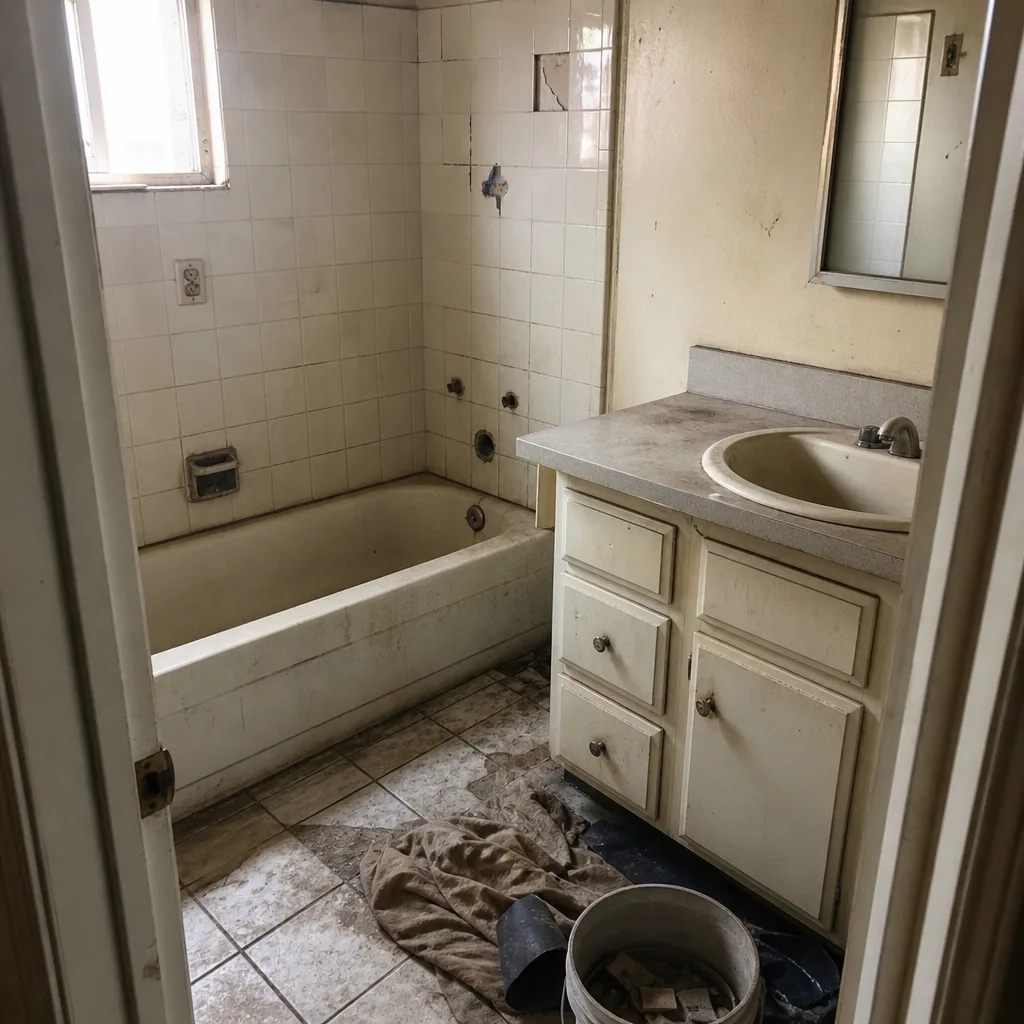 Before
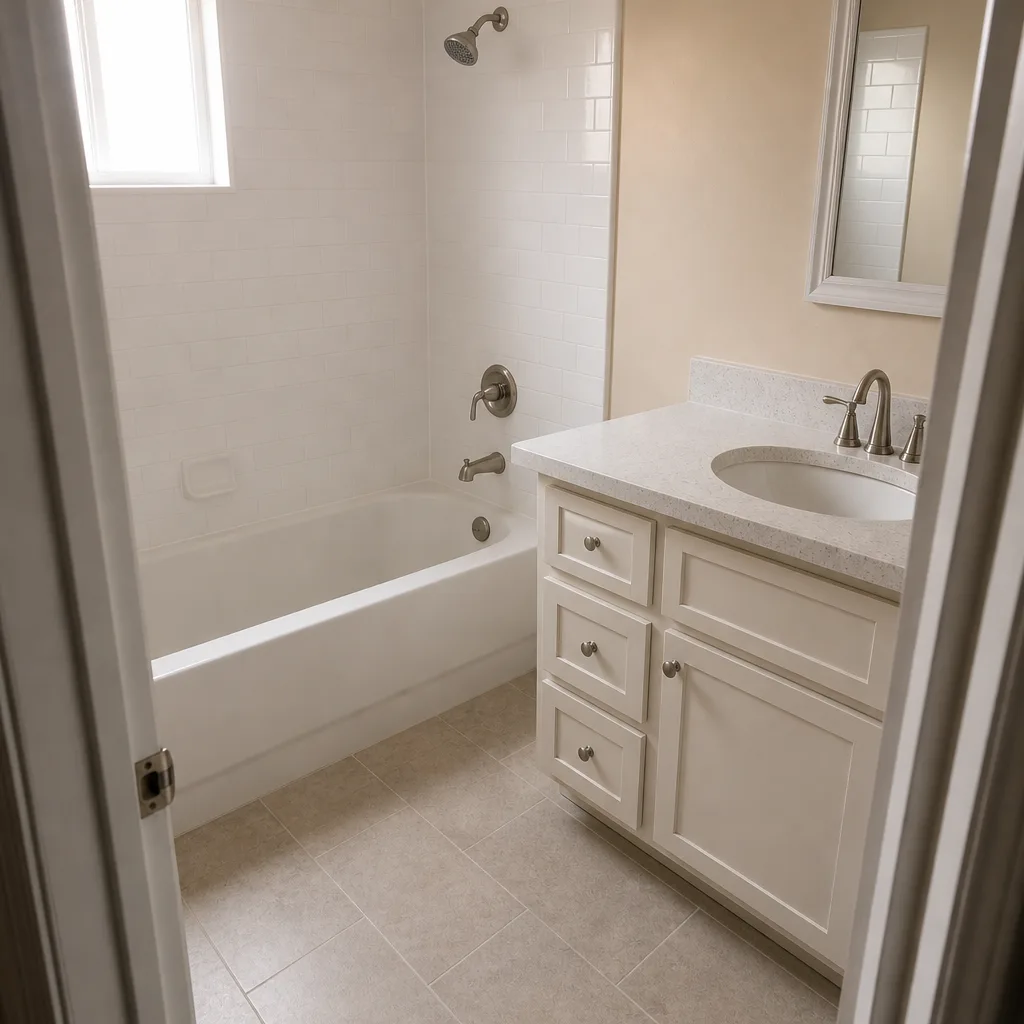 After
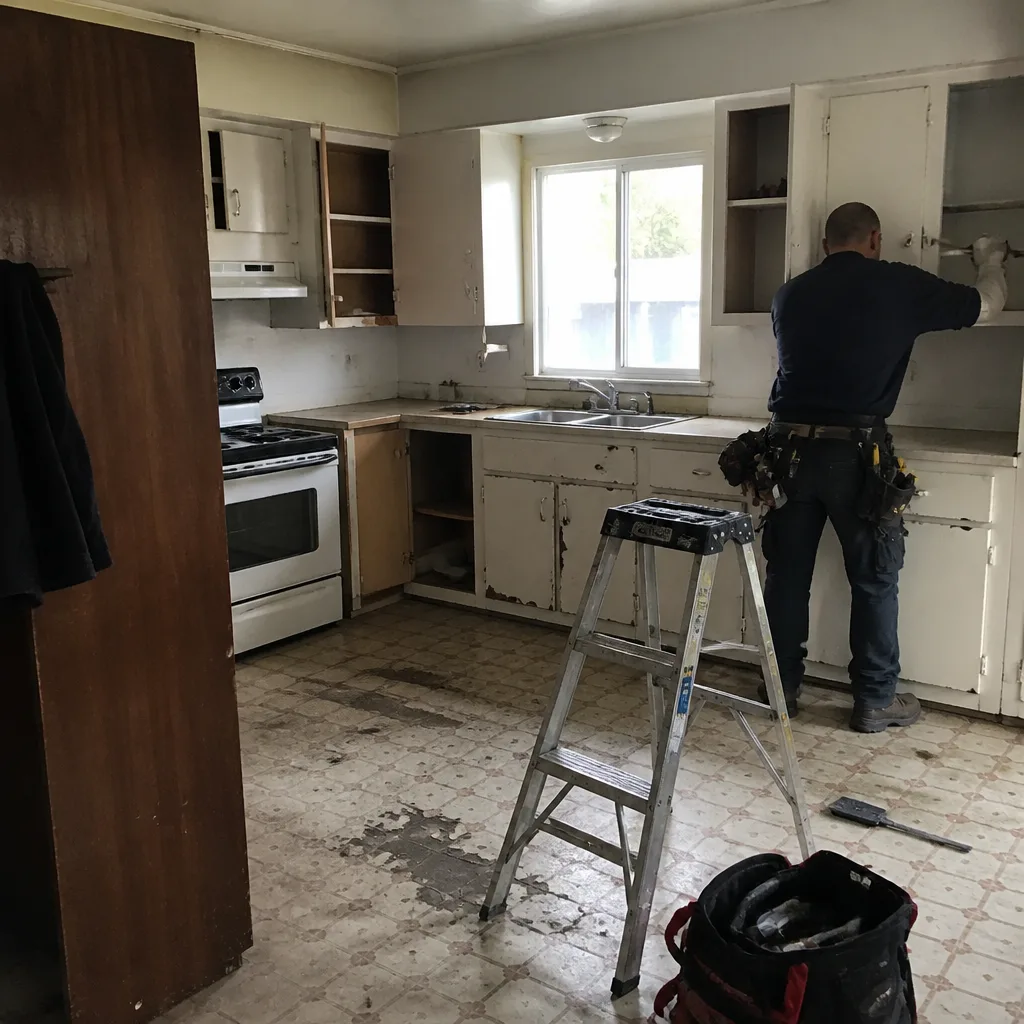 Before
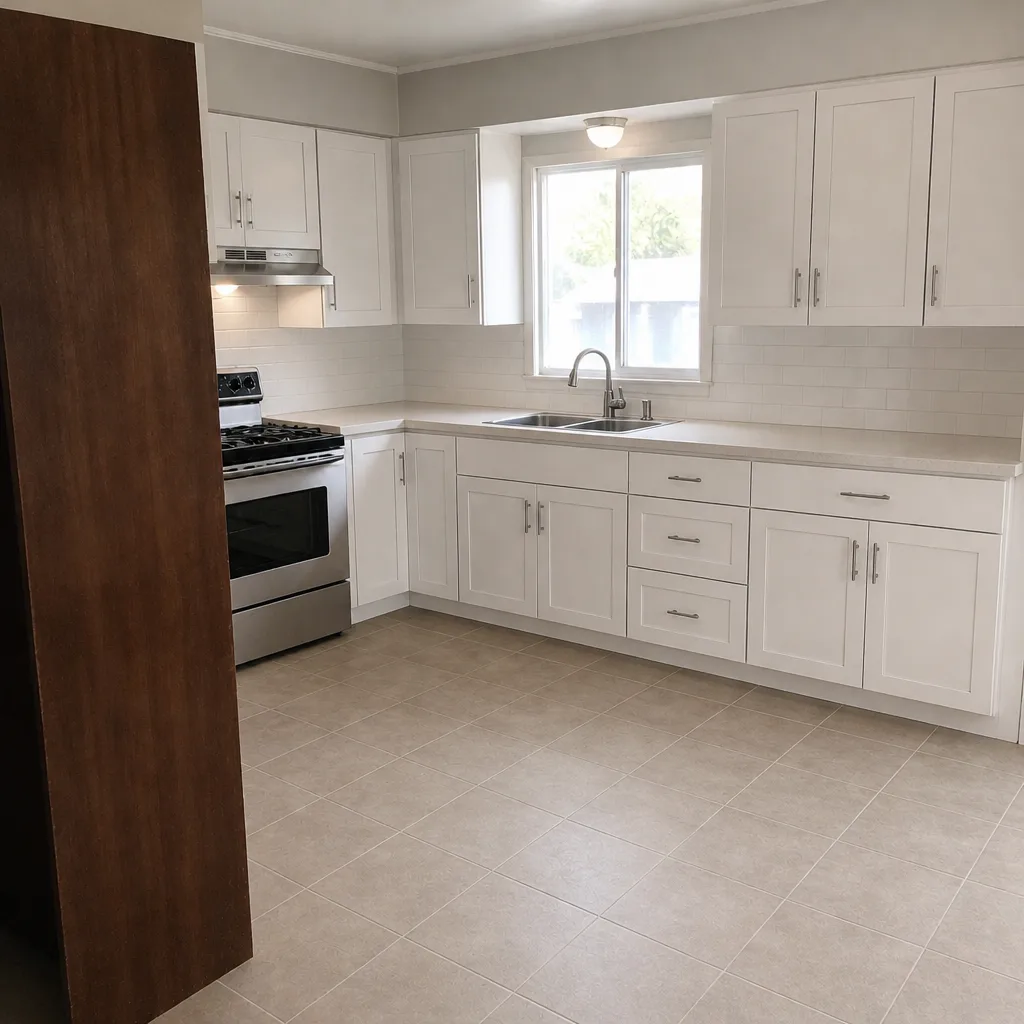 After
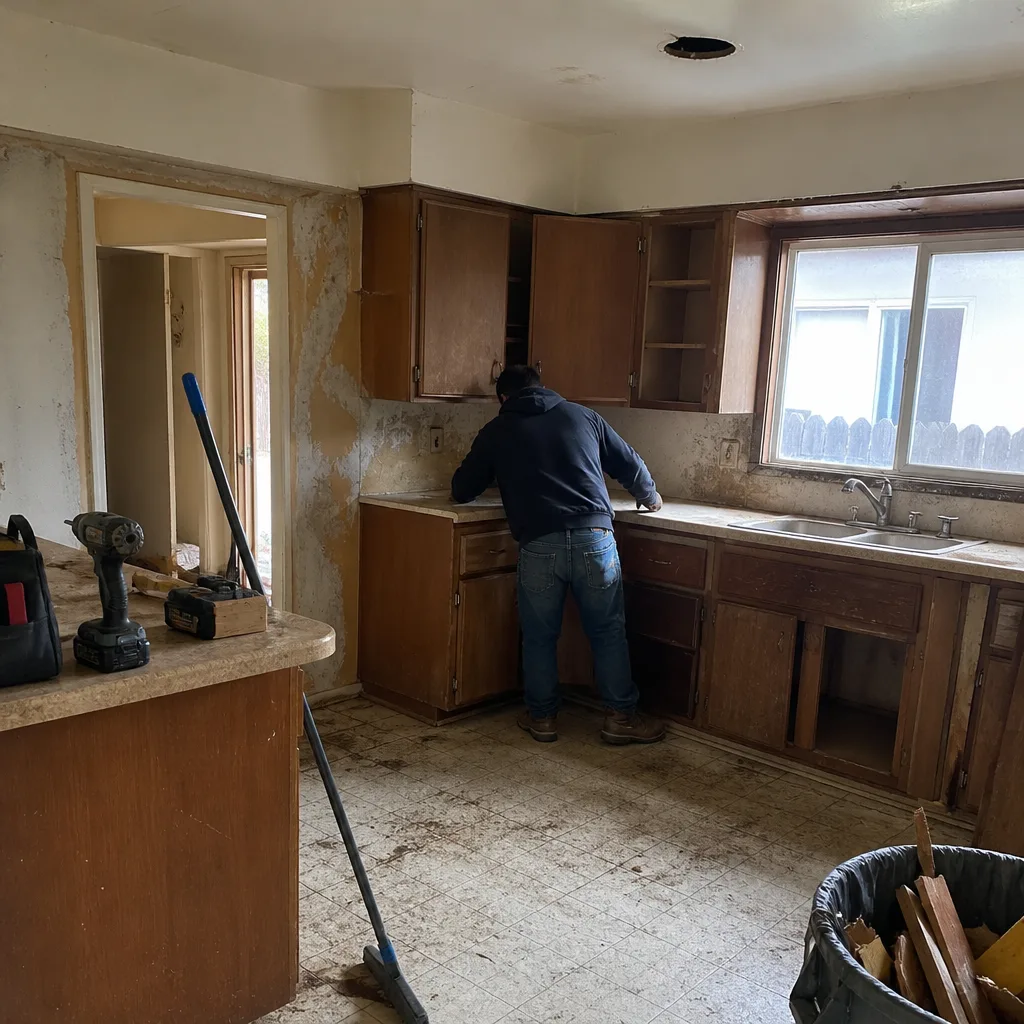 Before
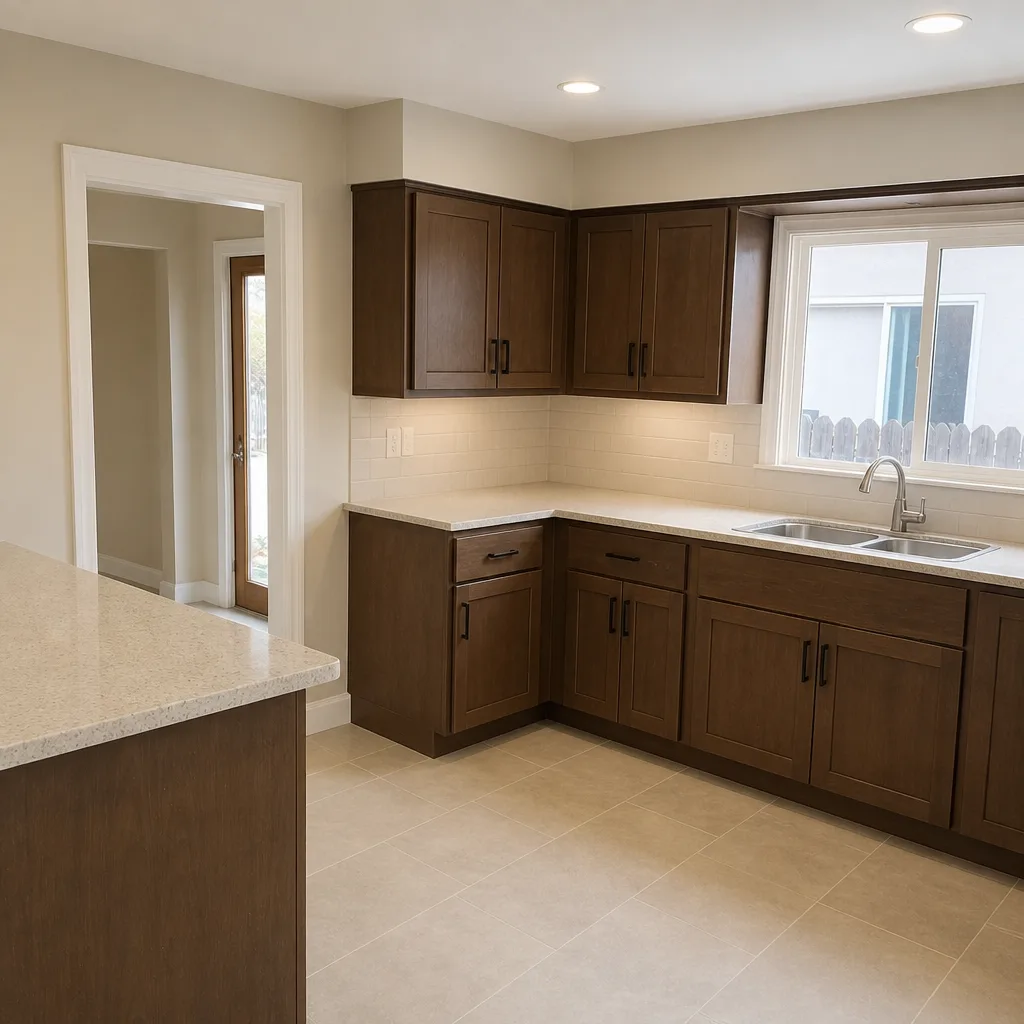 After
What Is Low-E Glass? A Long Beach Homeowner’s Guide to Getting It Right in Marine-Layer Weather
Low-E glass is window glass with an invisible metallic oxide coating that reflects radiant heat and blocks ultraviolet light while still letting daylight through. On a Long Beach home, though, the type of Low-E matters more than the label on the sticker: the wrong coating for our marine layer can leave a west-facing living room dim and cool for most of the year, while a properly matched one only helps. We’re Groundwork Construction Co. of Long Beach, and we spec Low-E glass by orientation and elevation, not by what’s on the box. If your windows are fogging, sweating, or look dull, call (888) 345-8164 for a free estimate before you invest in new glass.
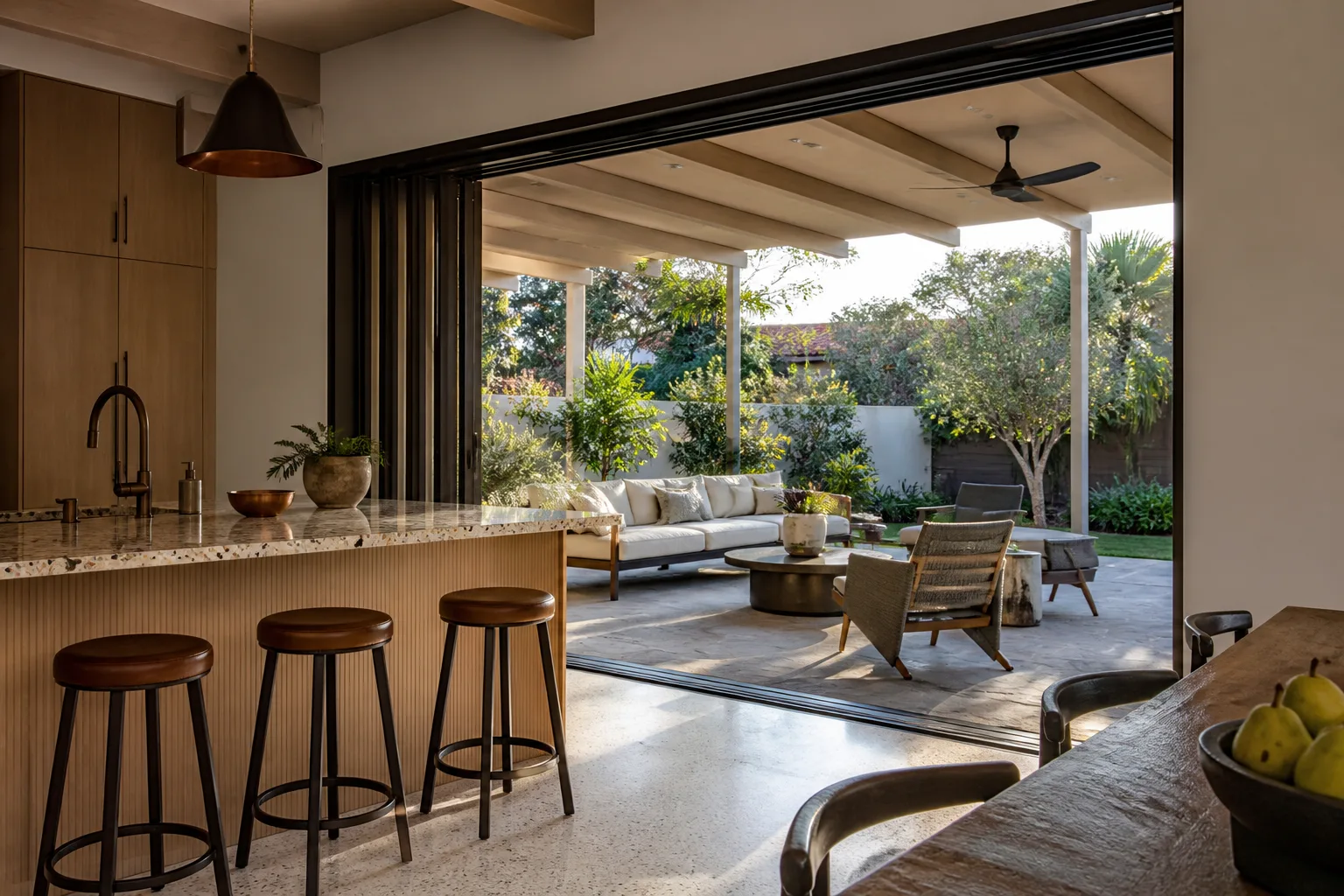
Why the Wrong Low-E Glass Can Backfire On the Ocean Side of Belmont Shore
Picture a homeowner three blocks from the water, in a 1920s bungalow on the ocean side of Belmont Shore, replacing their single-pane aluminum sashes because the rear rooms cook every August. The sales sheet says “high solar rejection,” so they buy it. Twelve months later, the same rooms feel cold and dim nine months out of twelve, and nobody can explain why.
Here’s the reason. The marine layer already blocks most of the direct summer sun Long Beach gets. Aggressive solar heat gain rejection, the kind that makes sense in Palm Springs or Bakersfield, doesn’t help here because there’s not much heat load to reject. What it does do is cut visible light transmission, and dim the interior at the exact hour you want the room warm. Meanwhile, the thing that actually matters on our coast – condensation control from the moisture that hangs in the air most mornings – goes unaddressed if the glass is the wrong spec.
Long Beach’s climate demands a different set of priorities than the inland cities everyone benchmarks against. That’s true for glass, and it’s true for most of the coastal work we do. Rose Park and Belmont Heights add another layer: pre-1933 bungalows inside the Coastal Zone often need Coastal Commission review and historic-district design review before a single pane comes out, so the glass spec has to clear approvals, not just physics.
Hard-Coat vs. Soft-Coat: The Two Low-E Variants and Why Long Beach Salt Air Changes the Pick
Low-E coatings come in two families. They behave nothing alike, and the choice matters more here than the marketing lets on.
- Hard-coat Low-E (pyrolytic) is baked into the glass during manufacturing at around 1,100°F. The coating is molecularly fused to the surface, so it’s durable, survives handling, and doesn’t degrade easily. Performance is modest – a U-factor typically between 0.30 and 0.40 in a double-pane unit – and it’s a reasonable choice for hard-to-reach or high-moisture applications where durability beats raw numbers.
- Soft-coat Low-E (sputtered) is applied in a vacuum chamber after the glass is made, one atomic layer at a time. It delivers a much lower U-factor – often 0.22 to 0.28 in a good double-pane, and lower in triple – but the coating is soft and must live inside a sealed insulated glass unit (IGU). Expose it to air and moisture and it degrades within days.
That sealed-IGU requirement is where Long Beach salt air comes in. Soft-coat is the stronger performer for moisture control, which is exactly what a foggy-morning bungalow needs. But if the IGU seal fails – and seals fail more often in salt-air environments where thermal cycling is constant – moisture sneaks between the panes and attacks the coating. You get haze, then delamination, then warranty calls. We spec soft-coat IGUs wherever the seal quality is verifiable (Andersen and Marvin units both hold up well off the Port of Long Beach) and hard-coat where a window sits in an exposed, splash-zone location or is hard to access for future service.
SHGC vs. U-Factor: The Two Levers Long Beach Rarely Needs to Pull Equally
Homeowners usually confuse the two numbers on a window label. They aren’t the same lever.
| Metric | What it measures | Long Beach setting |
|---|---|---|
| SHGC (Solar Heat Gain Coefficient) | Fraction of solar heat that passes through | Moderate – 0.25 to 0.40 is fine. No need to go aggressive. |
| U-factor | Rate of heat loss (lower = better insulation) | Low – 0.28 or below is worth the money here. |
Most of the Low-E content online treats SHGC as the headline number, because most of that content was written for hot-inland markets. Long Beach doesn’t need the aggressive solar rejection that Palm Springs does. What it does need is a low U-factor so the interior glass surface stays above the dew point on June Gloom mornings, which is what stops the condensation streaks and the window-frame rot behind the sill.
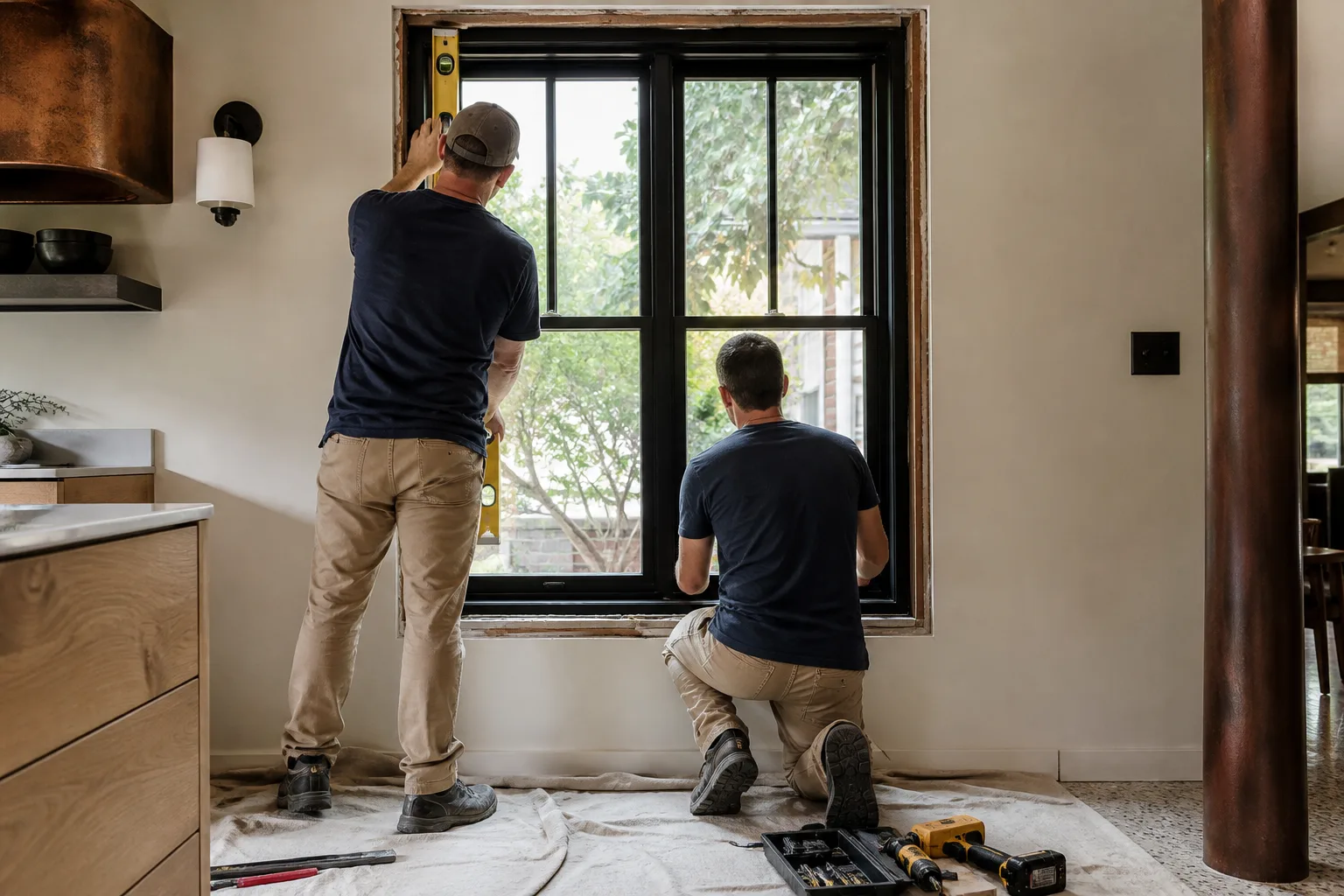
What Low-E Actually Adds to an Older Long Beach Bungalow
The single-pane aluminum windows on a 1940s Spanish Colonial Revival in Belmont Heights were state-of-the-art when they were installed. They have no coating, no thermal break, no sealed cavity, and they conduct heat straight through the frame. Upgrading to a soft-coat Low-E IGU in an Andersen or Marvin unit is a compound move – you get thermal resistance, moisture control, and UV protection in one project.
That last point is quieter than the first two but it matters in Long Beach. South-facing rooms in original Craftsman interiors take constant sun through the winter months, and sun-faded hardwood floors and salt-bleached cabinetry are a real complaint we hear on site visits around Rose Park and the older apartment blocks near Alamitos. Low-E’s UV rejection – typically blocking 84% to 99% of UV depending on the spec – directly extends the life of those finishes. It’s the benefit you don’t notice until you skip it.
The whole project is a decision worth getting right the first time. For a broader look at frame, glass, and installation together, our Windows & Doors page walks through the full selection. Every install is covered by our 730-Day Done Right Promise – if anything on the glass or the seal is wrong, we make it right.
Common Local Scenarios We See on Long Beach Window Projects
June Gloom condensation on west-facing glass
A homeowner calls because the windows sweat on the inside every morning from May through July. The cause is almost always a high-U-factor window paired with warm interior air, not a Low-E failure. A lower-U-factor IGU stops it cold.
Salt-air seal failure on the ocean side
Soft-coat IGUs fail earlier when the seal is budget-grade. We see this most often on the east-side fourplexes closer to the Port, where airborne salt and constant thermal cycling work on the seal until it gives. Upgrading to a premium IGU – Owens Corning and IKO glazing units hold up well – is the fix; the cheaper route just means a repeat in five years.
Historic-district review delaying the job
In Rose Park and Belmont Heights, the Coastal Zone and historic context can add weeks to a window replacement. Getting the glass spec right the first time means you’re not re-submitting plans after a denial.
South-facing hardwood fade in original Craftsman interiors
Fading is gradual enough that most homeowners don’t connect it to the glass. A Low-E upgrade stops the UV damage and the finish holds longer.
Across the Long Beach area we cover, including the Long Beach service area, we spec every window individually. Ocean-facing and inland-facing windows on the same house can get different glass – that’s normal, and it’s how you avoid both the dim-room problem and the seal-failure problem.
Window replacement in Long Beach typically runs $4,500 to $15,000 for a standard package, and impact-rated installation in coastal zones runs $8,000 to $25,000. Upfront pricing means the number you see is the number you pay. Our technicians have up to 12 years of experience on installs, and every crew member is background-checked and arrives in uniform.
FAQs
Low-E2 (also called double-silver Low-E) has two silver layers instead of one, which delivers a lower U-factor and better solar control at a slightly higher cost. For a Long Beach home that cares about moisture and condensation, the upgrade from Low-E to Low-E2 is usually worth it on ocean-facing windows.
Yes – Low-E coatings block 84% to 99% of UV radiation, and UV is the main driver of sun-faded hardwood and bleached cabinetry. South-facing rooms in older Craftsman interiors see the biggest benefit. Call (888) 345-8164 to discuss UV-specific specs for your home.
Standard window replacement runs $4,500 to $15,000, and impact-rated installation runs $8,000 to $25,000 depending on count and frame type. Low-E glass adds a modest premium to either bracket. Call (888) 345-8164 for an exact quote – estimates are free.
Only if the spec is wrong. Aggressive SHGC rejection dims interiors because it cuts visible light along with heat. In Long Beach’s marine layer, a moderate-SHGC, low-U-factor spec keeps rooms bright without sacrificing comfort – the opposite of what the inland-market advice tells you to buy.
If you’d rather have your windows looked at by someone who specs for this coastline, Groundwork Construction Co. of Long Beach offers a no-pressure assessment anywhere in Long Beach – call (888) 345-8164 or ask about our Live Person, 24/7 line. From foundation to finish line, we handle the full scope.
Written by the team at Groundwork Construction Co. of Long Beach, serving Long Beach, CA.