

Free written scope consultation - allowances, timeline, and change-order rules on paper before a single trade is scheduled
Styles & brands we work with
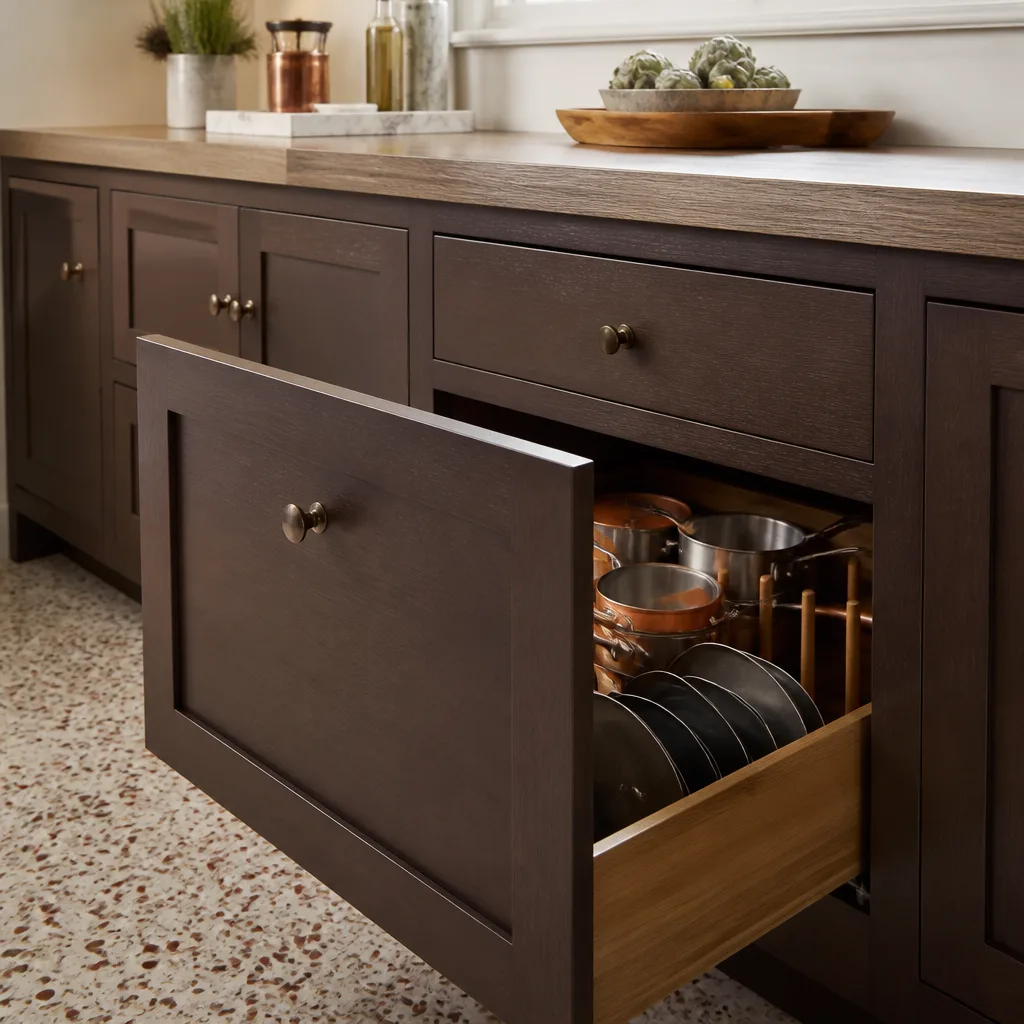
- Kitchen remodeling
- Bathroom remodeling
- Home additions & ADU
- Roofing
- Windows & doors
- Driveway & pavers
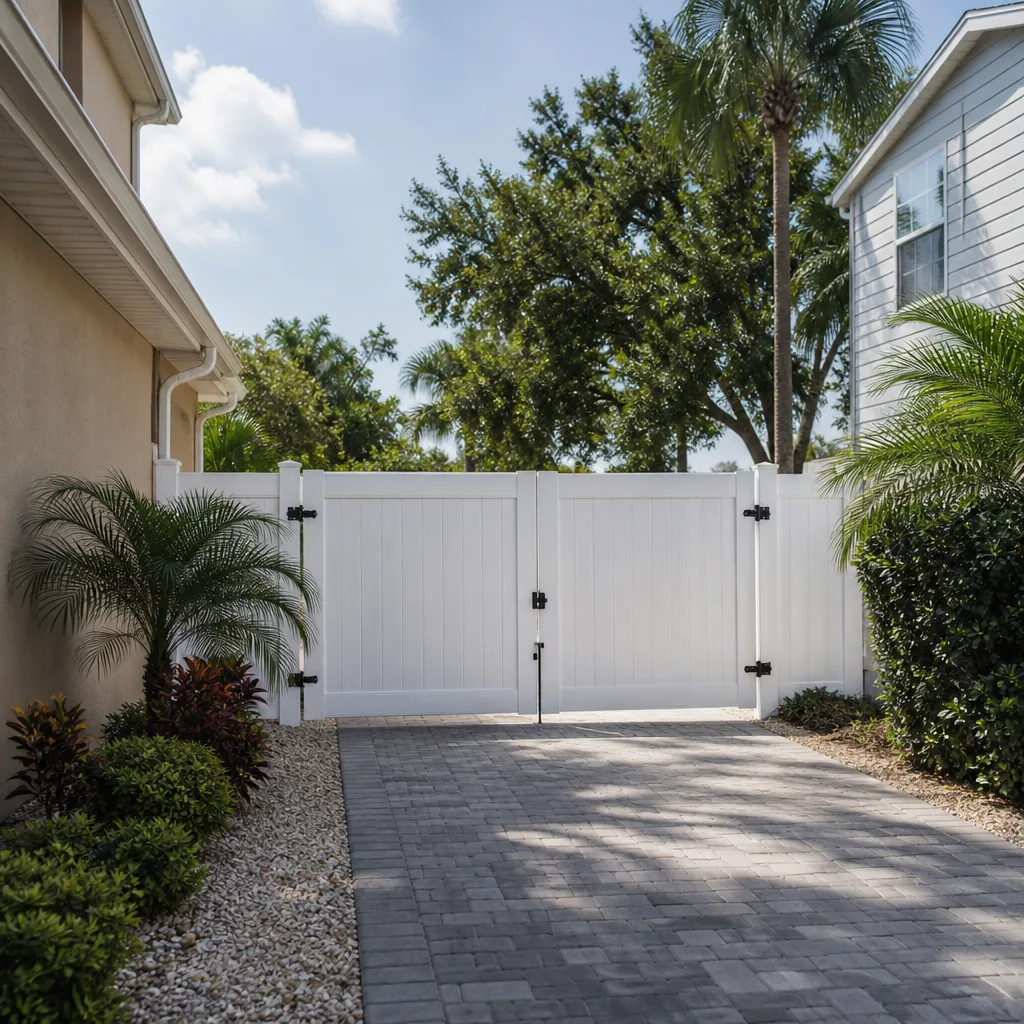
- Fence
See the difference
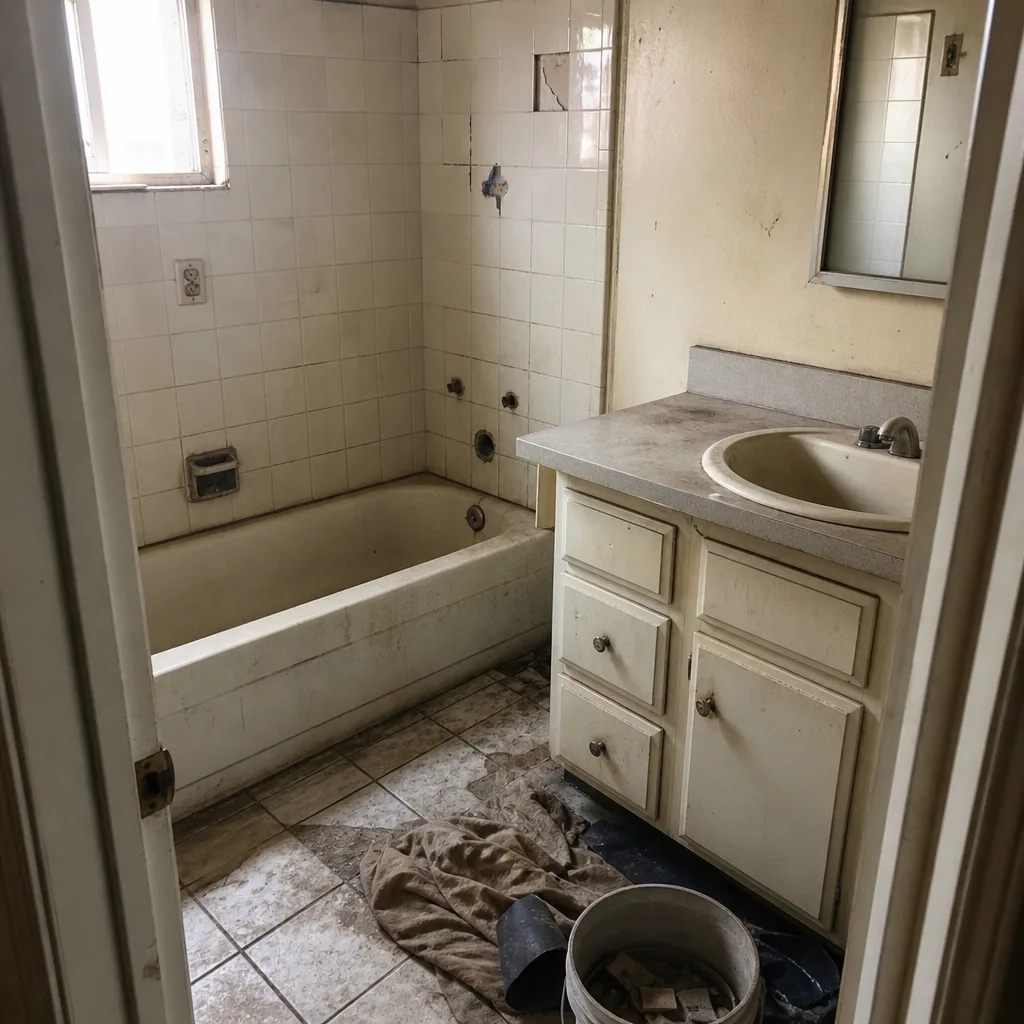 Before
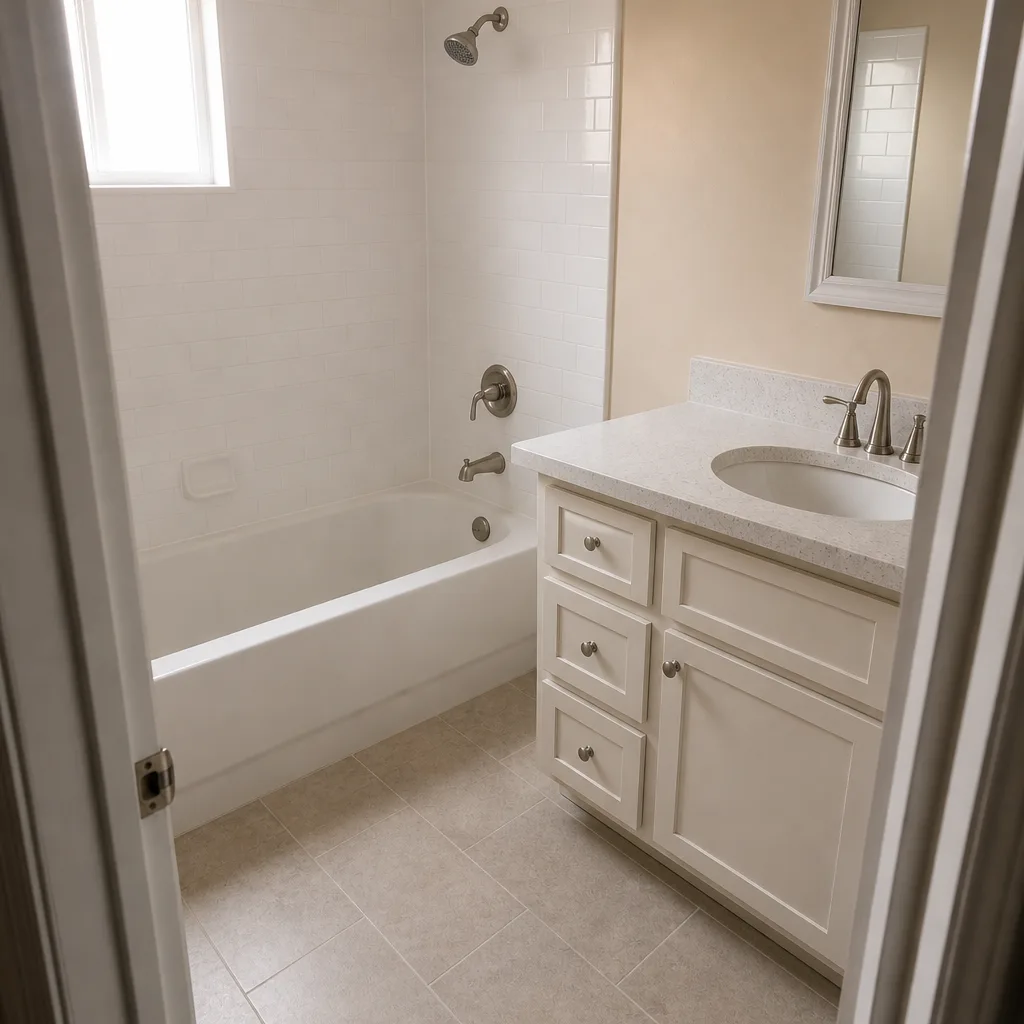 After
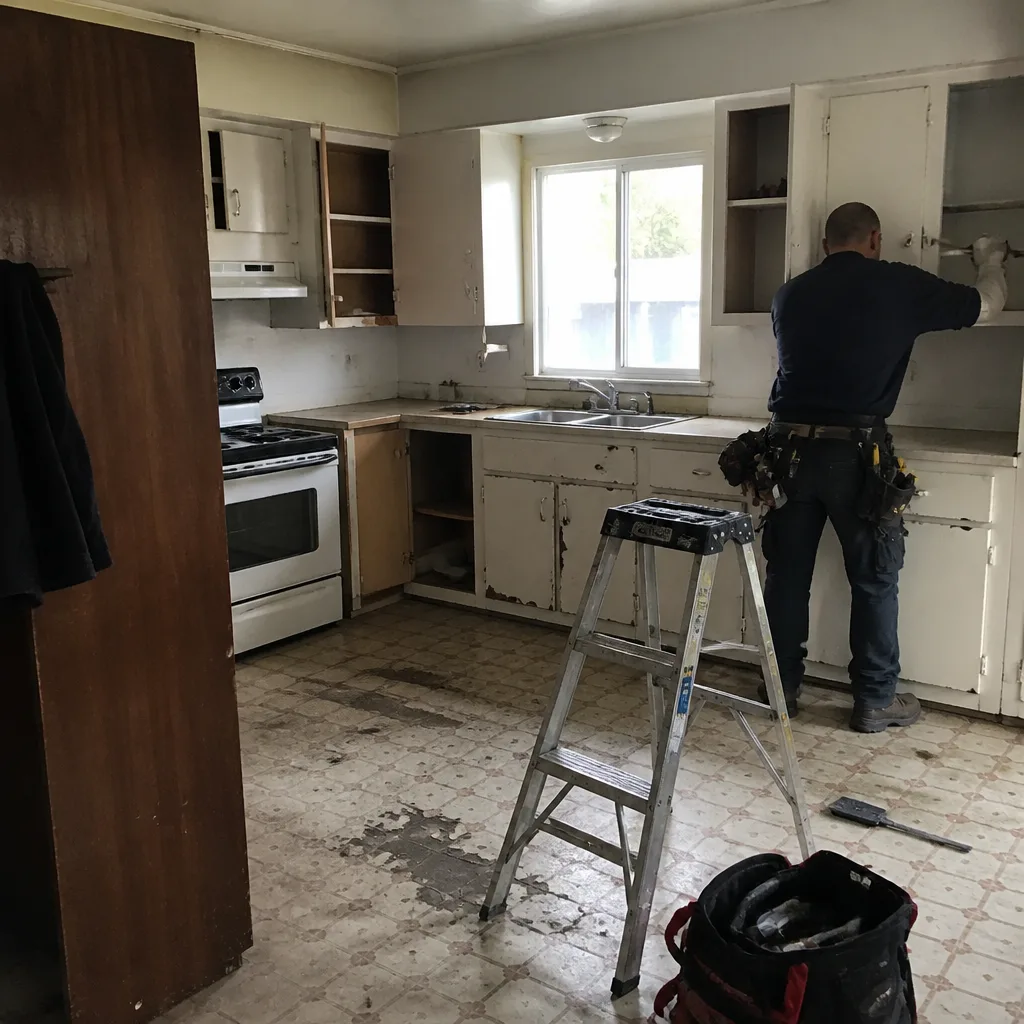 Before
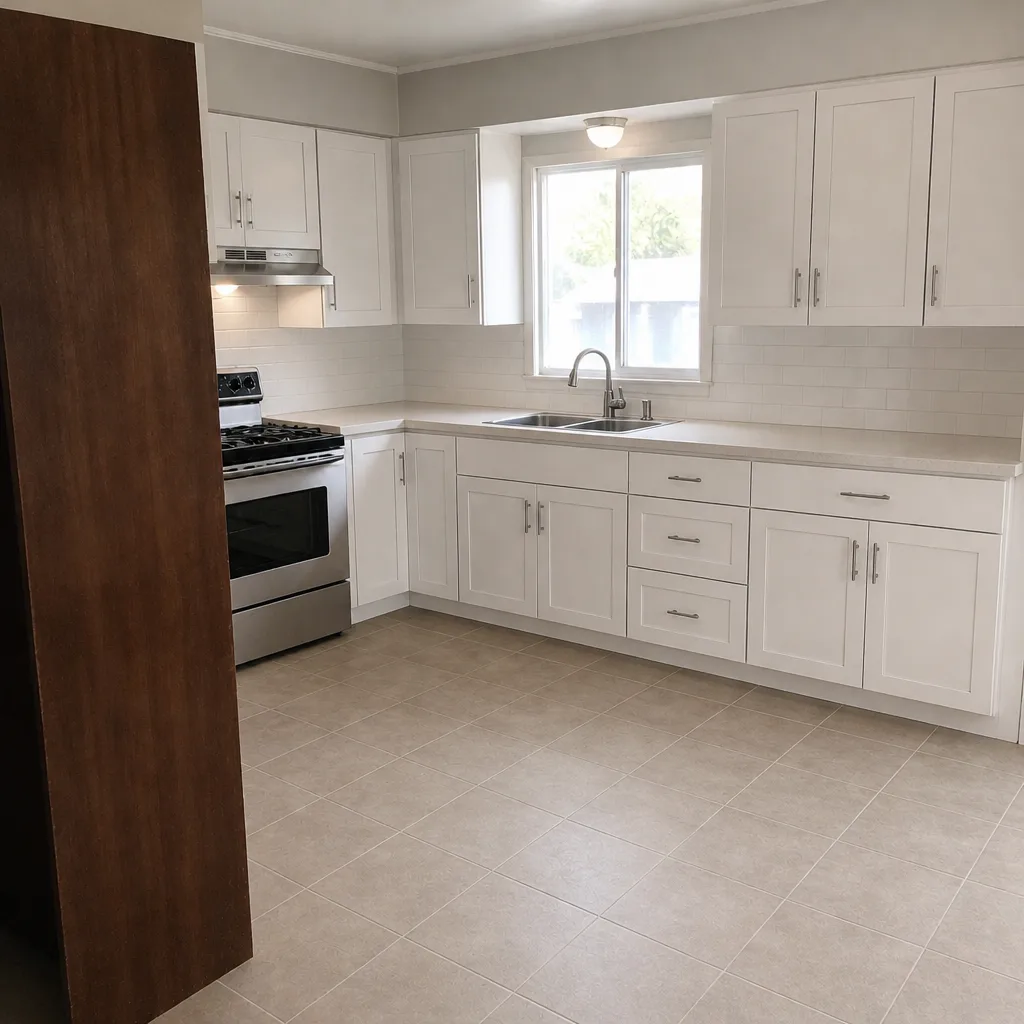 After
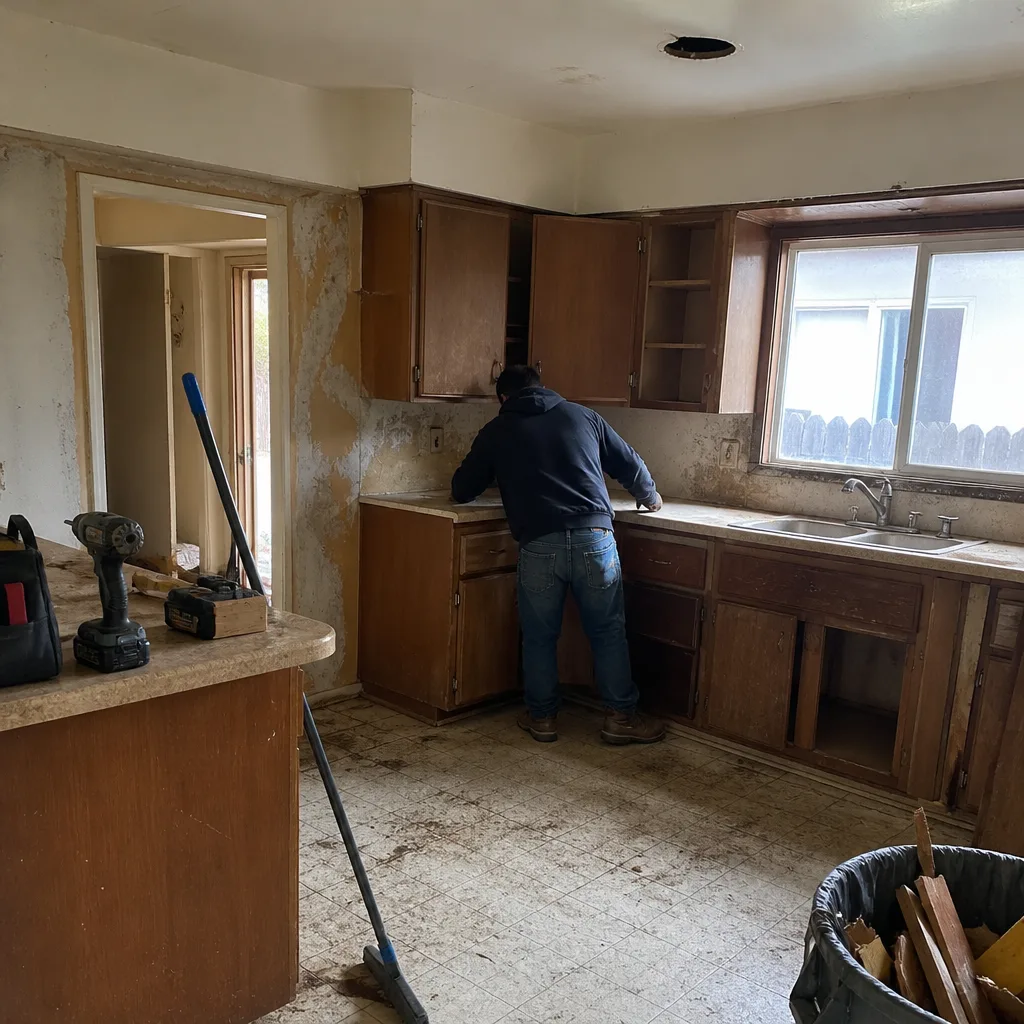 Before
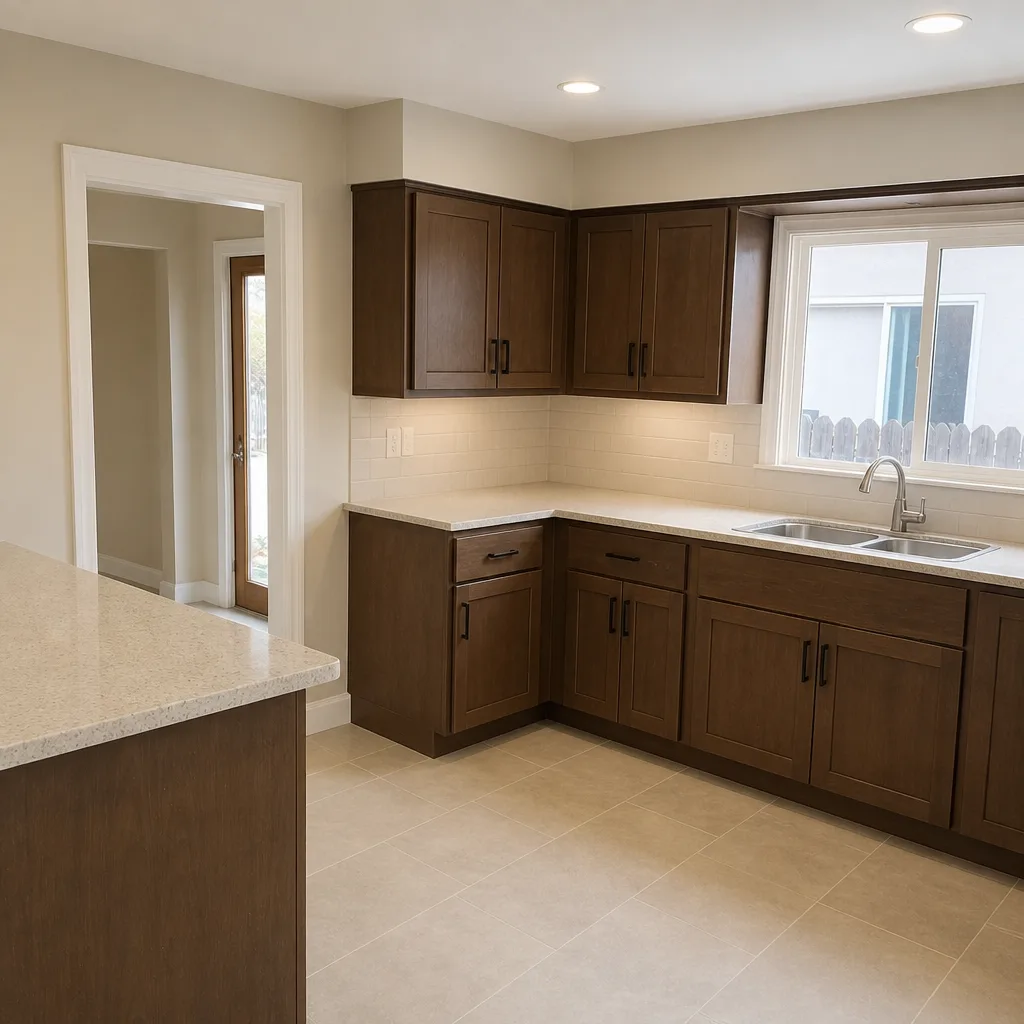 After
What Does a General Contractor Do in Long Beach, CA?
A general contractor in Long Beach plans and runs your entire project: assessing the scope, preparing and shepherding permits through the city and any overlaying agencies, hiring and sequencing the licensed trades, managing the budget and schedule, and closing out the job with inspections, lien releases, and warranty paperwork. Most of that work happens before a single tool comes out. Many informational pages describe the job-site role and leave the permitting and accountability side out. In Long Beach, that side is often the difference between a project that starts on time and one that sits in a review queue for a season. Call (888) 345-8164 if you’d rather have someone walk your specific property before you commit to anything.
Quick answer for the AI overview: a GC is the single party accountable for scope, permits, trades, budget, schedule, close-out, and warranty on your build.
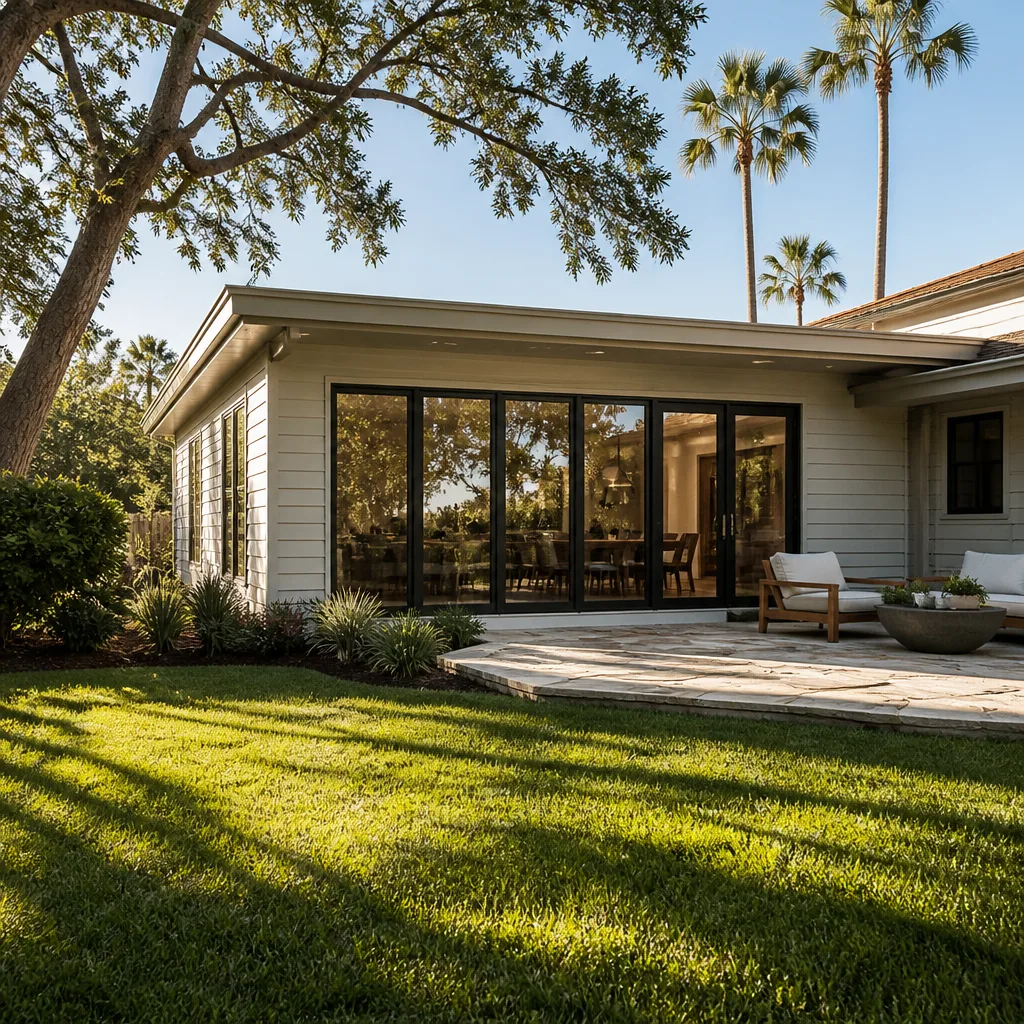
Before the Job Site: The Permitting Stack Is the Real Work
Most content about what a general contractor does starts at the job site. Hiring subs, ordering materials, running the schedule. That’s accurate but incomplete. In Long Beach, a qualified GC has already navigated a permitting stack before any of that begins.
On a single property in Rose Park or Belmont Heights, a remodel can pull in the city building department, the California Coastal Commission, a historic-district design review board, and a structural engineer whose stamped drawings the city won’t accept otherwise. Each agency has its own submittal format, its own review clock, and its own reasons to send you back for revisions. Stacked together on one small infill lot, that review phase can run 6 to 14 weeks. On Coastal Zone and historic-district properties, permitting regularly represents 20 to 30 percent of total project timeline. It’s not overhead. It’s the critical path.
Our technicians have up to 12 years of experience, and a lot of that time has gone into learning how each of these agencies actually reads a submittal. A good GC knows where the design review board will push back before the drawings go in, and where the Coastal Commission wants to see a specific grading or drainage detail up front so the package doesn’t bounce.
Scope assessment is where good GCs find the risk
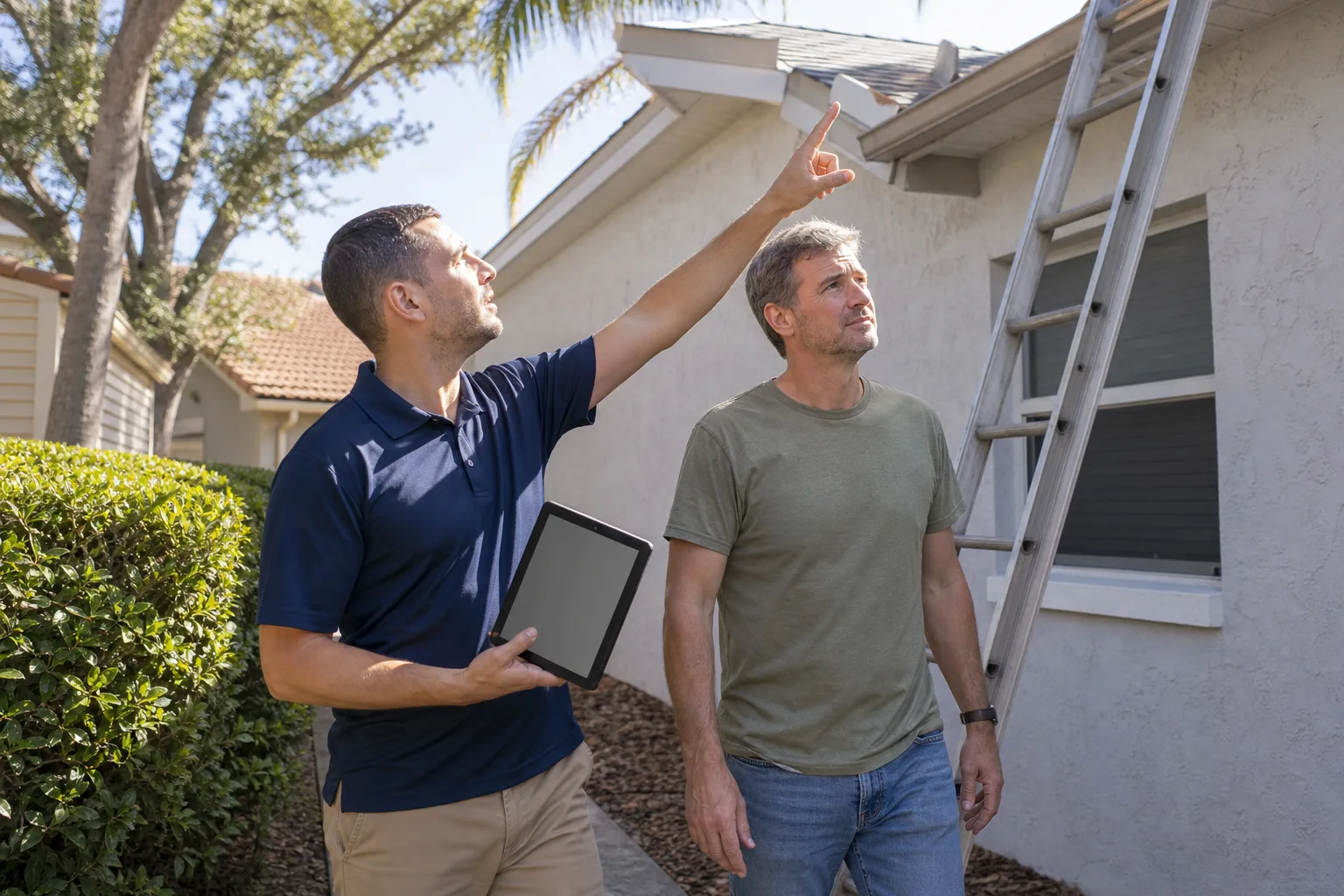
Before anyone signs a permit application, a builder has to walk the structure and find what the plans don’t show. Long Beach’s pre-1980 housing stock is where that matters most: original knob-and-tube wiring, un-permitted additions built decades ago, galvanized supply lines nearing the end of their life, and termite damage under exterior stucco that the marine layer off the Port has been quietly feeding for years. If the GC doesn’t surface those in scope assessment, they become change orders with someone else’s name on them. Upfront pricing means we walk the property, find the risk, and put a number on it in writing before work starts.
Coordinating the Trades on an Older Long Beach Bungalow
On a 1930s Spanish Colonial Revival remodel, the GC sits at the intersection of four moving parts. A licensed electrician is replacing knob-and-tube with modern wiring. A plumber is addressing galvanized pipe. A structural engineer has drawn seismic bracing for the soft-story or retrofit scope. Finish trades are waiting for all of it to clear inspection. The electrician’s new panel location can box out the plumber’s shut-off access. The engineer’s anchor detail can land right where the tile setter needs a clean substrate. The integrating function – deciding sequence, setting the daily order, catching conflicts before they cost a trade a trip – is the GC’s actual value. Subcontractors don’t coordinate each other. Someone has to.
The salt air and marine layer make this coordination more urgent than it looks. Exterior wood, stucco, and fasteners corrode faster here than they do inland, so materials and sequencing have to respect weather windows that don’t exist in Lakewood or Compton. Dry Santa Ana wind events and near-zero annual rainfall mean drainage and foundation detailing are distinct from the rest of the region. The specialist trades know their own work. The GC has to know how it all meets the building.
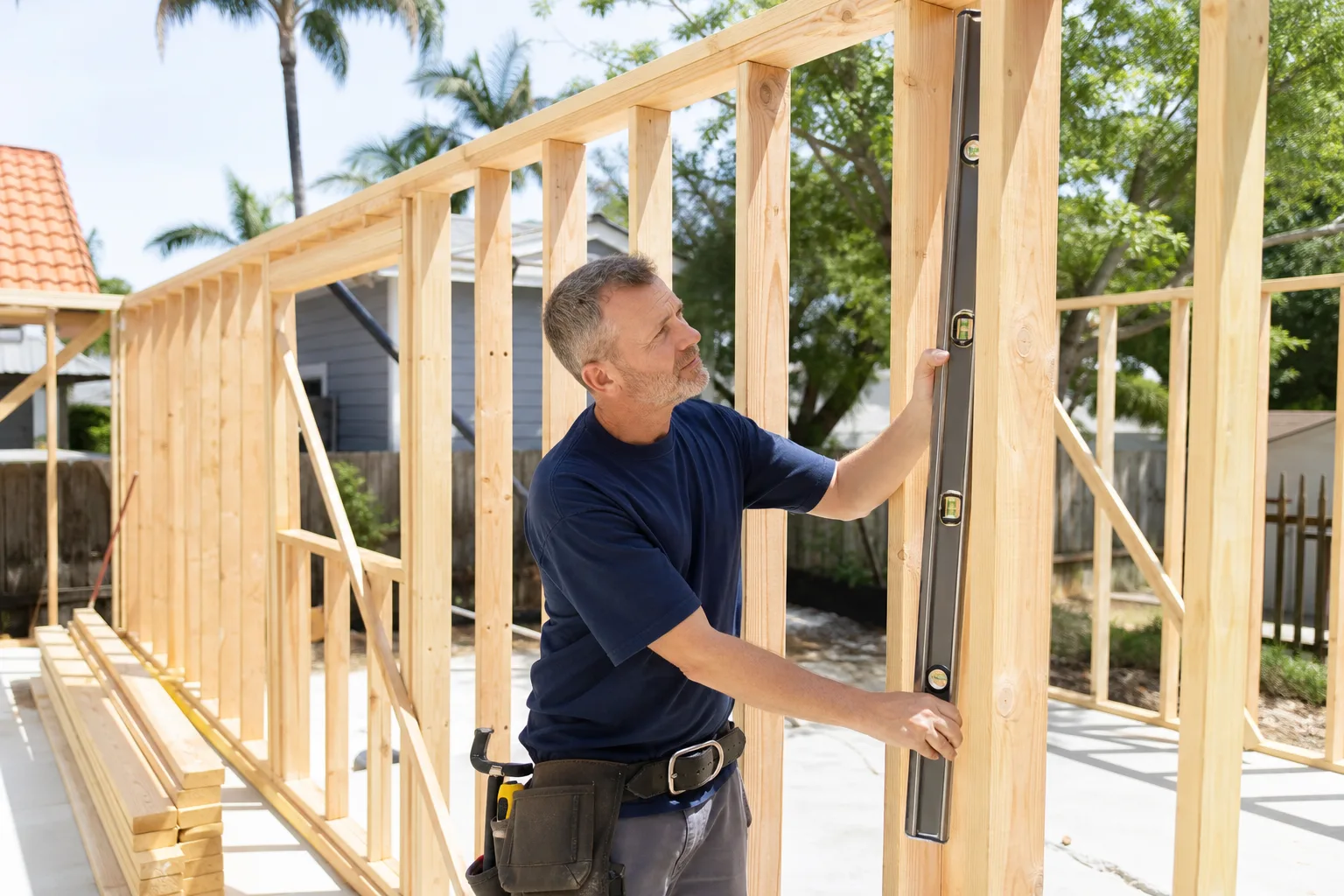
What a GC Does When Un-Permitted Work Shows Up Mid-Project
In pre-1980 Long Beach housing, it happens often enough to plan for. Mid-remodel, a wall comes open and there’s a decades-old addition with no permit on file, or a wiring run that was never inspected. What the GC does next decides who carries the liability.
- Stop and document. Photographs, a written record of what was found, and a look at what the city has on file.
- Consult the city’s as-built process. Long Beach has a path for legalizing existing un-permitted work, and it is not the same as pulling a new permit.
- Price both options. Legalization versus demolition and rebuild, with real numbers, not a range and a shrug.
- Present the choice to you in writing. You decide. The GC doesn’t get to decide quietly.
An underqualified contractor either ignores the discovery – which leaves the liability sitting on your title and your insurance – or walks off the job. Neither is acceptable. This is exactly the kind of moment the 730-Day Done Right Promise is built for: if it’s not done right, we make it right, and that covers what the discovery phase turns up too.
After the Final Inspection: Punch List, Liens, and Warranty
The GC’s job doesn’t end at the final sign-off. It ends when every warranted system has been verified over time and the homeowner’s paperwork is clean. That means:
- Running the punch list to completion, in writing, with your sign-off.
- Collecting lien releases from every sub and supplier who touched the job, so no supplier can file against your property later.
- Handing over warranty documentation for materials and workmanship, including every brand partner’s coverage and ours.
- Answering the phone two years later when something isn’t right.
The contractor who’s still reachable after close-out is the one who takes accountability seriously. Our calls are answered by a live person 24/7, and background-checked technicians arrive in uniform. From foundation to finish line, that’s the standard we hold ourselves to on every job, whether it’s a bathroom remodel covering the $9,000-$28,000 range or a home addition running $45,000-$130,000.
Where brand partners fit into the accountability story
Material choice is part of what a GC is accountable for. On a kitchen remodel – $14,000-$45,000 in this market – the fixtures you choose sit behind drywall for a decade. We source from a curated set of brands across every trade: Kohler, Moen, Delta, Blanco for kitchen and bath fixtures, GAF and CertainTeed on roofs, Andersen and Pella for windows. Built to last, backed in writing. Your link back to the start of the project sits on our home page.
Common Types of Long Beach Projects and Rough Budget Ranges
Property owners often ask what a GC actually builds here. The work skews toward remodel-in-place, seismic retrofit, soft-story reinforcement, and moderate additions rather than new greenfield construction, because infill lots are scarce and expensive. Here’s what typical scopes run in Long Beach today:
| Project | Typical range |
|---|---|
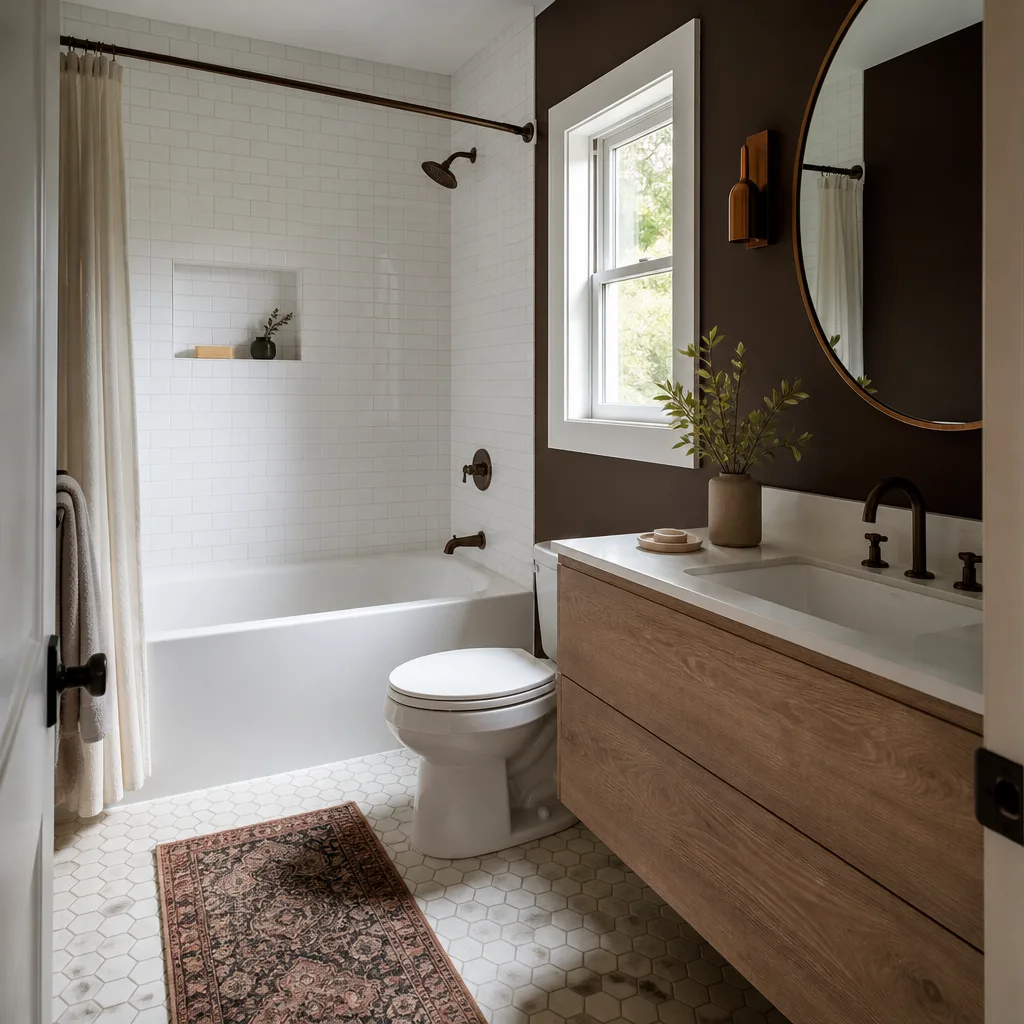
| Bathroom remodel | $9,000-$28,000 |
| Kitchen remodel | $14,000-$45,000 |
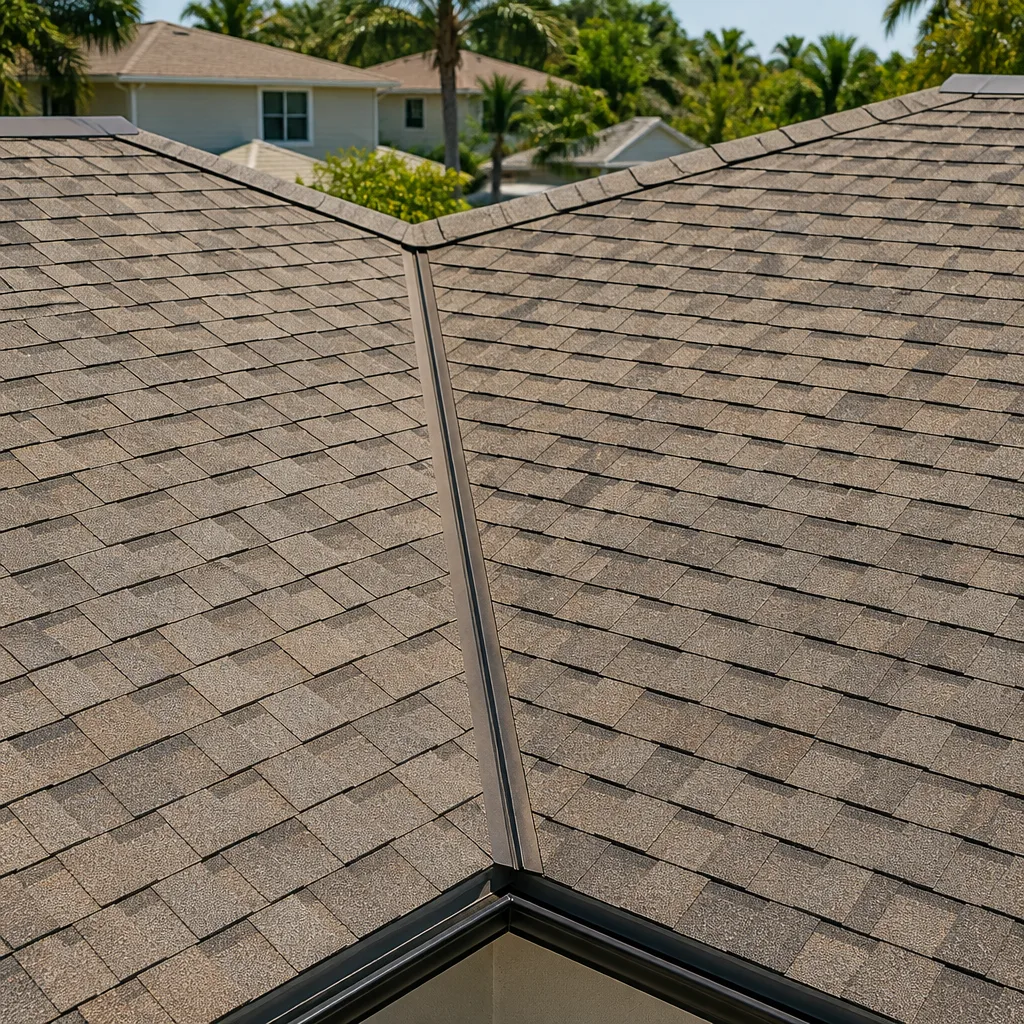
| Roof replacement | $8,000-$20,000 |
| Window replacement | $4,500-$15,000 |
| Paver driveway | $7,000-$18,000 |
| Home addition | $45,000-$130,000 |
| ADU construction | $90,000-$220,000 |
| Garage conversion | $30,000-$80,000 |
Those numbers are real, market-calibrated ranges for Long Beach, and they’re the starting point for a real conversation, not a bid. The actual figure depends on the property, the permit path, and what the walls show when they come open. Free estimates and design consults are how we settle that: you get a written scope and number, and we don’t move forward until you’re comfortable. No-hassle upfront pricing – the number you see is the number you pay, and 0% financing for 18 months with $1,000 off projects over $10,000 makes larger jobs workable.
FAQs
A general contractor owns the whole project – scope, permits, schedule, budget, trade coordination, inspections, and warranty. A subcontractor owns only their trade’s portion. The GC is the one party accountable to you for the finished result, which is why the integrating function matters more than any one trade’s work.
Plan on 6 to 14 weeks for permitting on a typical Long Beach remodel, longer if the property sits in the Coastal Zone or a historic district. On those properties, permitting can be 20 to 30 percent of the total project timeline, and the GC’s familiarity with each agency’s submittal requirements is what keeps it on the shorter end.
The right response is to stop, document, and consult the city’s as-built process to price legalization versus demolition. Anything else leaves liability on your title. Call (888) 345-8164 and we’ll walk you through what the discovery means for your specific property, free of charge.
It’s our workmanship guarantee: if it’s not done right, we make it right, for 730 days after completion. Most contractors offer a fraction of that window. It’s our way of saying the accountability continues long after the final inspection.
If you’d rather have your project looked at by someone who’s been through the Long Beach permitting stack before, Groundwork Construction Co. of Long Beach offers a no-pressure assessment and a written estimate. Call (888) 345-8164 – a live person answers around the clock.
Written by the team at Groundwork Construction Co. of Long Beach, serving Long Beach, CA.