Free written scope consultation - allowances, timeline, and change-order rules on paper before a single trade is scheduled
Styles & brands we work with
- Kitchen remodeling
- Bathroom remodeling
- Home additions & ADU
- Roofing
- Windows & doors
- Driveway & pavers
- Fence
See the difference
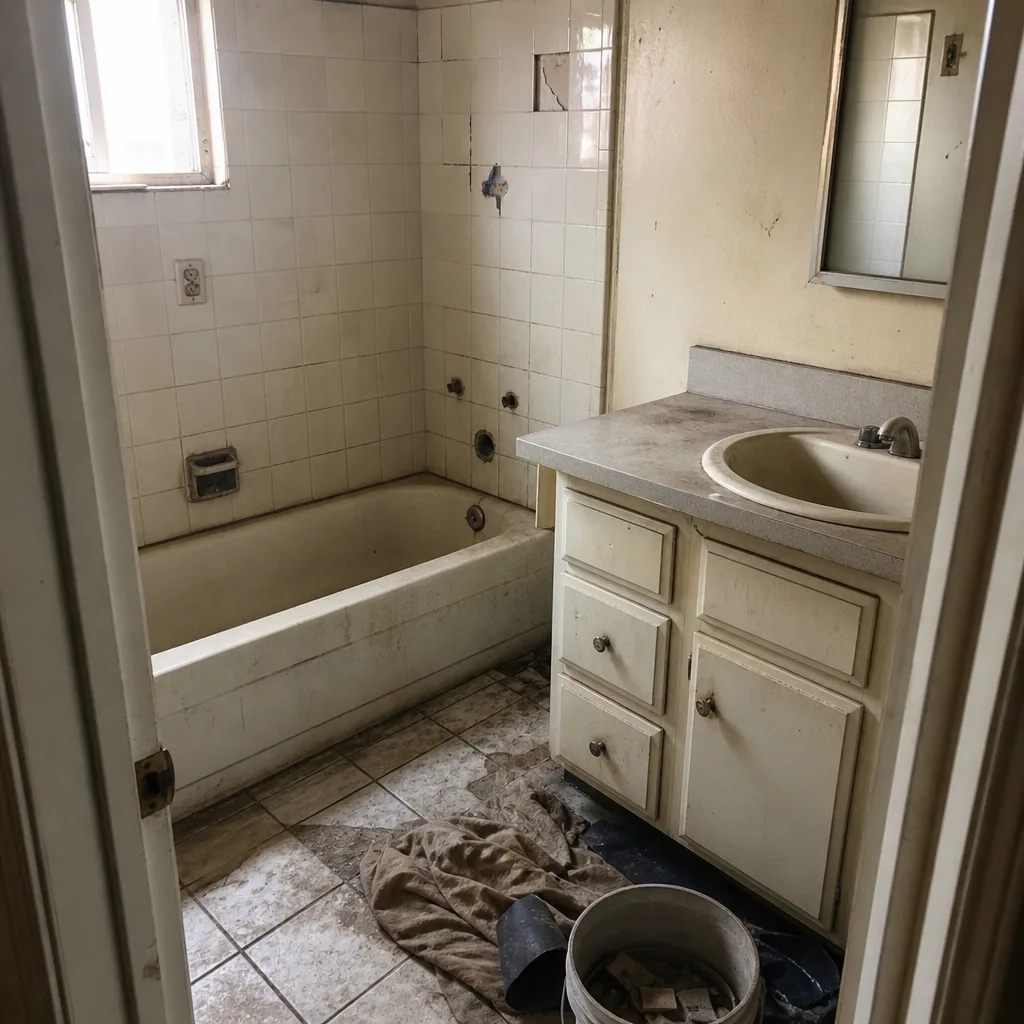 Before
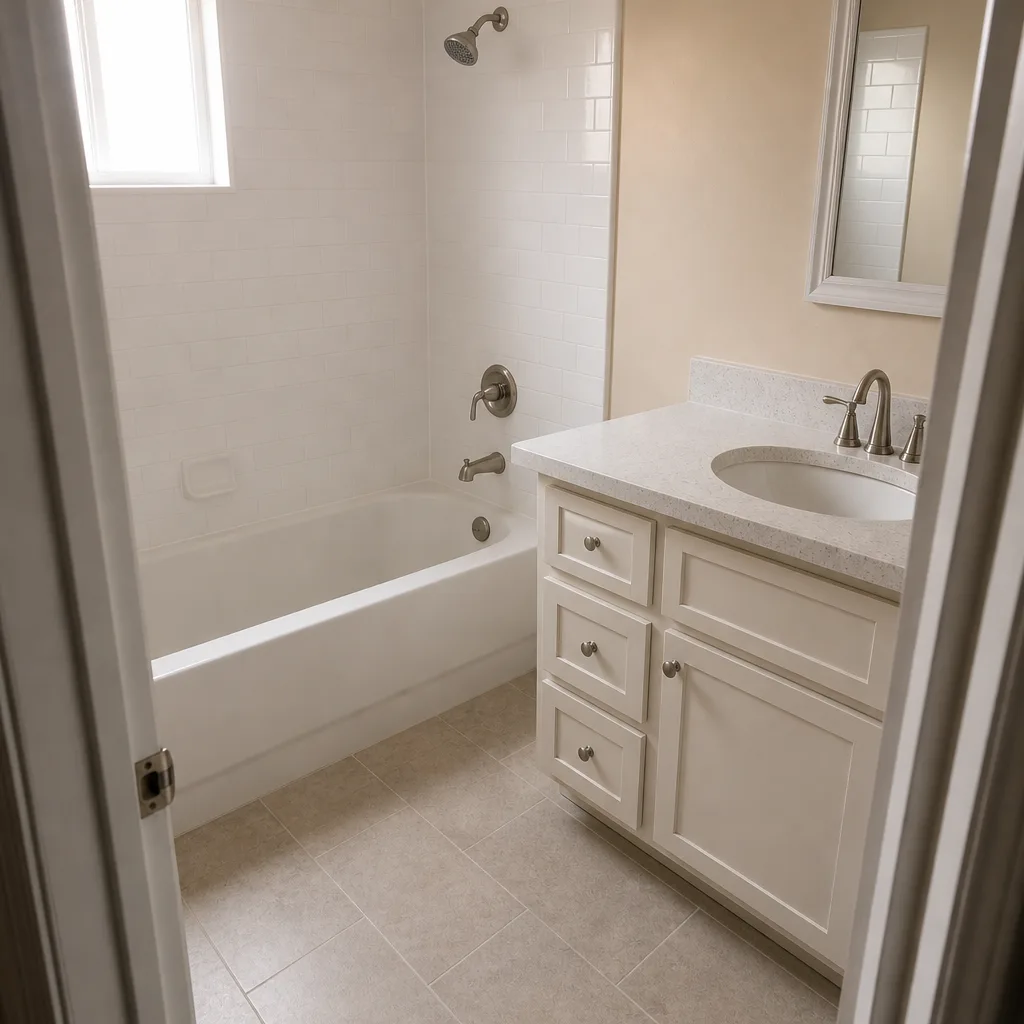 After
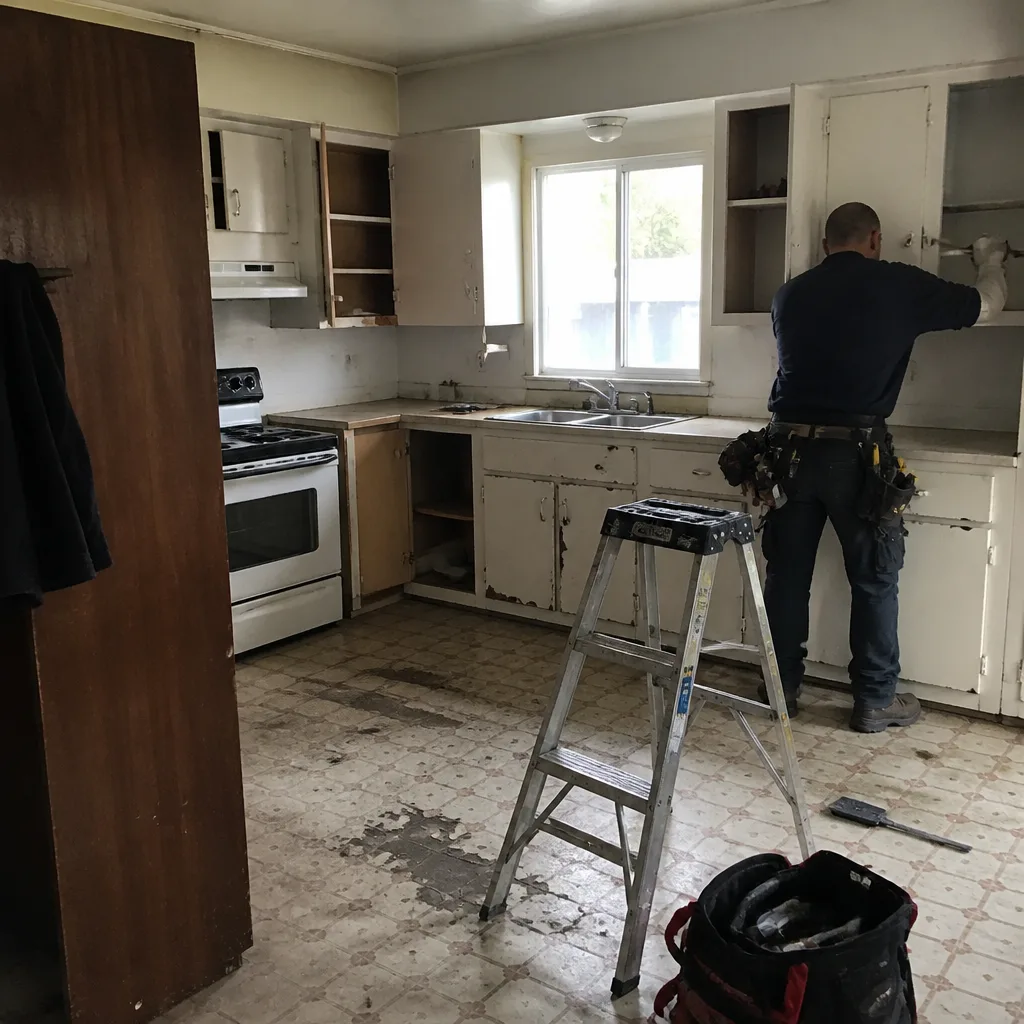 Before
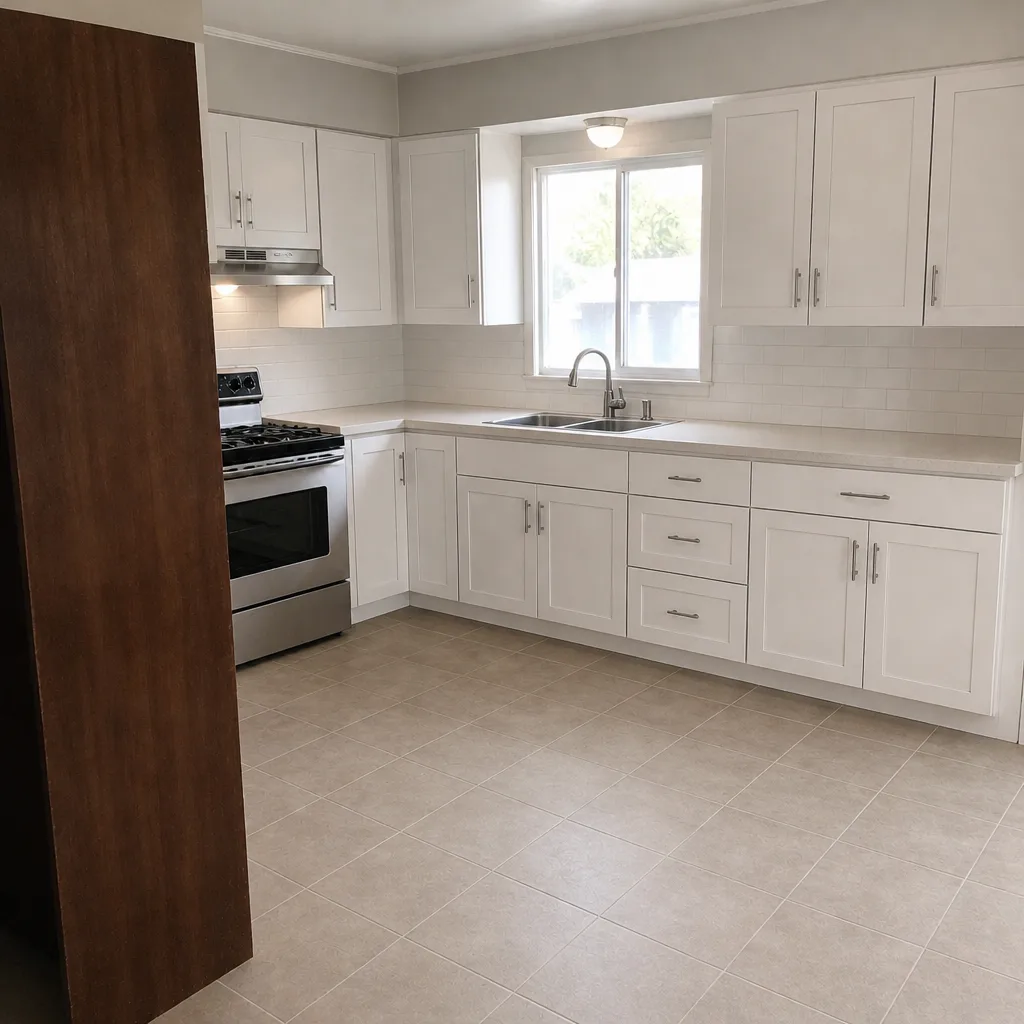 After
 Before
 After
Stamped Concrete vs Pavers in Long Beach, CA: Which One Survives Your Soil?
Choose pavers unless your project sits in a covered patio, a low-traffic side yard, or a spot where the subgrade has already proven stable. Stamped concrete is the right call when budget and speed matter more than long-term movement tolerance. For most exposed driveways and walkways in Long Beach, pavers win the argument, and it has nothing to do with looks. It’s about how each surface handles the ground under it. Call (888) 345-8164 and we’ll give you a straight read on your lot before you spend a dollar.
Why Long Beach Soil Punishes a Single Slab
Stamped concrete is one continuous pour. That’s the whole appeal and the whole weak point. When the clay-heavy soils under older Long Beach lots take on winter moisture and dry out through the Santa Ana wind season, they swell and shrink in small cycles. A monolithic slab can’t relieve that movement anywhere. It stores it until it releases as a crack, and that crack runs straight through the decorative stamp pattern. On plain gray concrete a hairline crack is a hairline crack. On a stamped surface, one crack drags the eye across the whole field and the pattern instantly reads as damaged. The visual cost is far higher than the structural one.
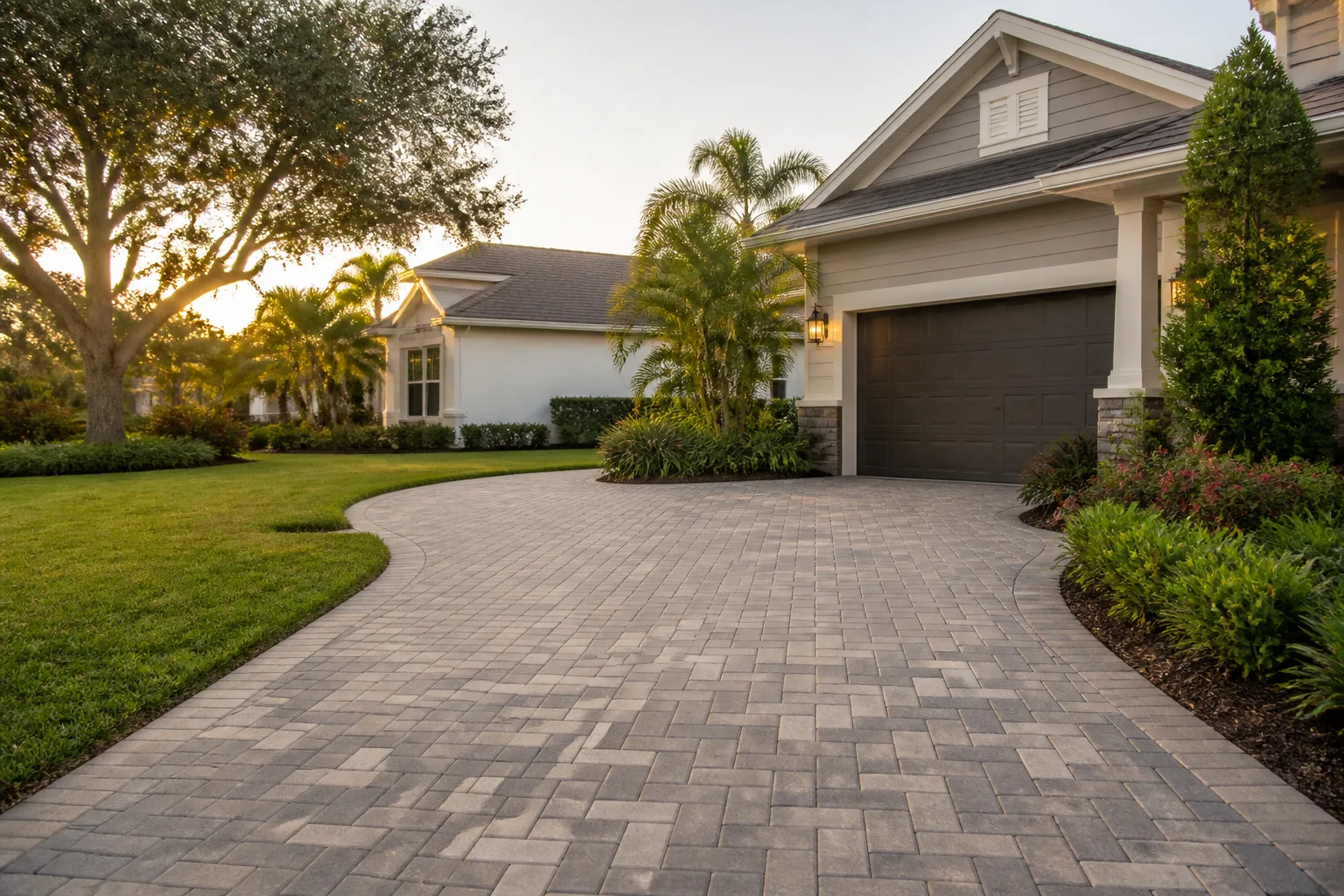
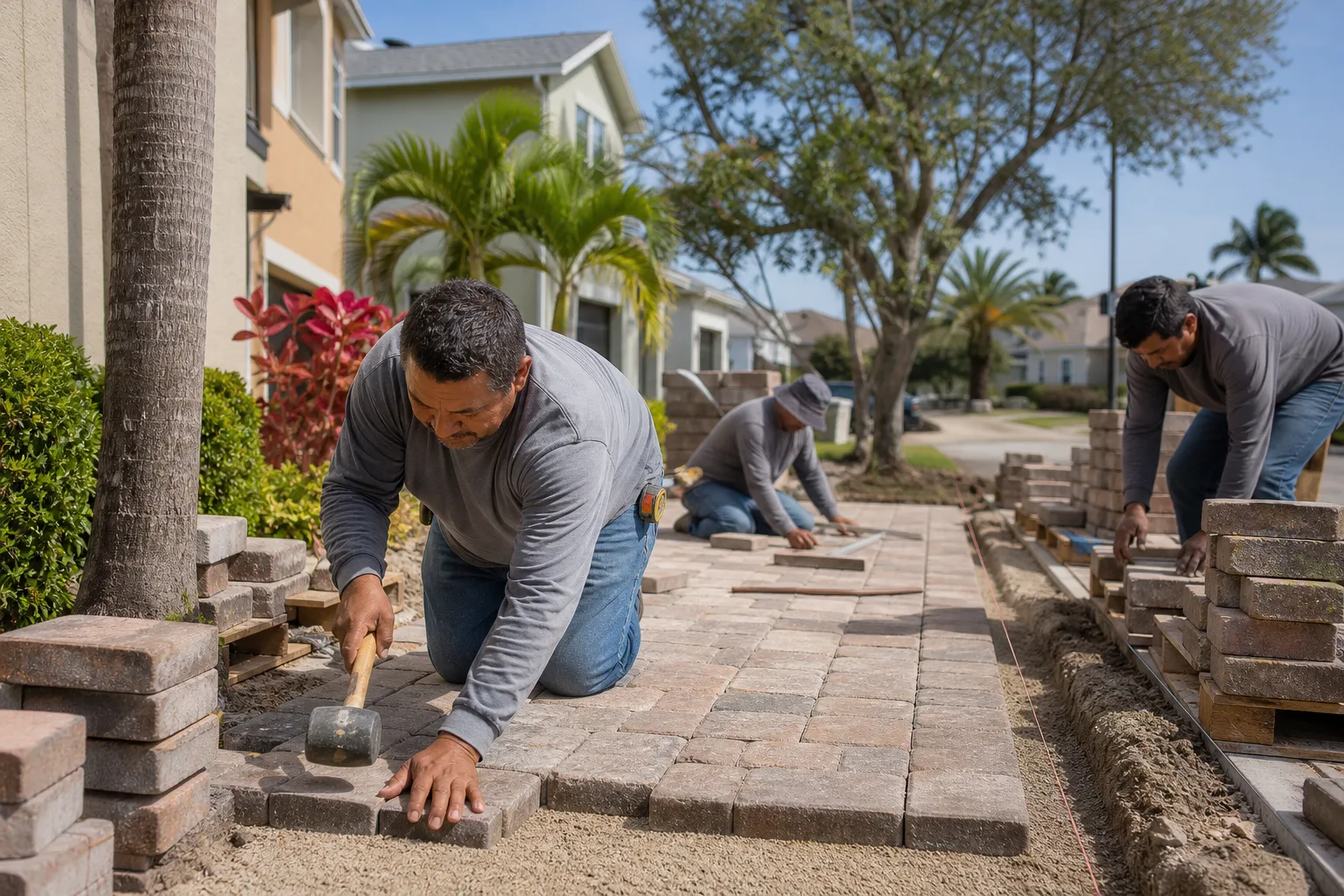
Individual pavers behave differently. Each unit moves a fraction at the joint, then settles back into the sand layer. The surface flexes with the ground instead of fighting it. When one paver does crack or settle, you pull that unit, reset the base, and drop in a replacement. In Long Beach’s historic-overlay neighborhoods, that matters more than anywhere else. We can color-match a replacement paver to the existing field so the repair never reads as a patch, which is something you can’t do with a cracked slab without grinding and resurfacing the entire section.
Our technicians have up to 12 years of experience reading exactly this kind of differential movement, and we’ve learned that the honest answer on a given lot often isn’t the one a homeowner walked in expecting. That’s fine. We’d rather tell you upfront which option carries less callback risk than sell you the wrong surface and warranty our way out of it later.
The Sealer Problem Nobody Mentions in the Showroom
Here’s the maintenance detail that rarely makes it into a comparison chart: stamped concrete has to be resealed roughly every two to three years. Skip it and the integral color fades, the surface turns porous, and the whole thing starts looking chalky and washed out. Long Beach’s UV load makes that schedule a hard requirement, not a nice-to-have. A stamped driveway near the coast gets sun beating on it all afternoon, and the marine layer’s moisture works its way into an unsealed surface overnight.
Pavers require occasional re-sanding of the joints and a fresh pass of polymeric sand every few years, but there’s no resealing clock running against the color. The units hold their tone because the color runs through the full thickness, not just the surface.
Where Stamped Concrete Genuinely Wins
We’re not here to talk you out of it. Stamped concrete has real advantages and there are Long Beach lots where it’s the smarter buy:
- Faster installation. A slab goes down in a fraction of the time a paver field takes to lay, which matters if you’re working around a tight timeline.
- Lower upfront cost. A concrete driveway in Long Beach typically runs $4,500-$12,000, while a paver driveway lands in the $7,000-$18,000 range for the same footprint.
- Covered and low-traffic zones. Under a pergola, inside a gated courtyard, on a patio that sees foot traffic instead of vehicle loads, the soil-movement risk drops and stamped concrete holds up well.
- Stable subgrade. If a geotechnical look shows your base is settled and uniform, the crack risk you’d otherwise carry shrinks.
For driveways carrying daily vehicle weight on variable clay, though, we usually steer homeowners toward pavers. If you want the full picture on that side of the decision, our Driveway & Pavers page covers materials, base prep, and what we actually build on a Long Beach lot.
Stamped Concrete vs Pavers: Side-by-Side
| Factor | Stamped Concrete | Pavers |
|---|---|---|
| Movement tolerance | None; cracks telegraph through the pattern | Absorbs movement at the joints |
| Repair | Grind and resurface a whole section | Swap a single unit, color-matched |
| Resealing | Every 2-3 years, non-negotiable in Long Beach UV | Occasional joint re-sand only |
| Upfront cost (driveway) | $4,500-$12,000 | $7,000-$18,000 |
| Install speed | Faster | Slower |
| Best use | Covered, low-traffic, stable subgrade | Exposed driveways, variable soil |
On a paver installation we work with brands like Cambridge Pavers and Oldcastle for the field, and Quikrete base materials for proper compaction, so the joint system actually does its job. The base is where pavers live or die, and it’s the part a cheap bid skips.
How Long Beach’s Housing Stock Changes the Math
The east-side fourplexes and the 1920s-to-40s bungalows throughout Long Beach share a trait that directly affects your driveway: decades of prior work under the surface. We routinely run into un-permitted additions and old utility lines the original drawings never showed. Pouring a monolithic slab over that unknown is where expensive surprises live. Pavers give you a surface you can lift, inspect, and reset if the base reveals something unexpected. It’s a flexibility that a slab doesn’t offer once the concrete is hard.
Coastal Zone and historic-district review can also shape what you’re allowed to change on the exterior, so a surface that can be reset without a full demo is often the lower-hassle path on these lots. Groundwork Construction Co. of Long Beach builds both surfaces, and when you’re comparing options on a specific property, the Driveway & Pavers in Long Beach service page lays out how we scope the work.
Whichever surface you choose, the 730-Day Done Right Promise backs the workmanship on both installations. If it’s not done right, we make it right. That guarantee is one of the longest workmanship warranties in residential construction, and it’s the reason we’ll tell you upfront which option carries less callback risk on your lot rather than just quoting what you asked for.
One more piece of the cost conversation: paver driveway installation in Long Beach runs $7,000-$18,000 depending on square footage and base conditions, while a related paver patio lands at $3,500-$11,000. Concrete driveway installation sits at $4,500-$12,000, and driveway replacement at $5,000-$14,000. Book these against the $1,000 off projects over $10,000 and the 0% financing for 18 months, and the gap between the two surfaces often shrinks to something that fits a real budget.
FAQs
Pavers are the better choice for a Long Beach driveway in most cases because they absorb the soil’s seasonal expansion and contraction at the joints, while a stamped concrete slab concentrates that movement into full-width cracks that ruin the pattern. Stamped concrete stays a solid pick for covered patios and low-traffic areas on stable subgrade. Call (888) 345-8164 for an exact quote on your lot, free of charge.
A concrete driveway in Long Beach runs $4,500-$12,000 and a paver driveway runs $7,000-$18,000 for a comparable footprint, so pavers carry a higher upfront figure but a lower long-term repair cost. Stamped concrete also adds resealing every two to three years, which is a real recurring expense, not a footnote. Call (888) 345-8164 for upfront pricing with no surprises.
Yes. In Long Beach’s strong UV environment, stamped concrete needs resealing every two to three years, or the color fades and the surface turns porous and chalky. Skip it and the decorative finish degrades far faster than the concrete itself. Our team can quote both surfaces with the true maintenance cost built in, so call (888) 345-8164.
Yes. A single cracked or settled paver can be lifted and replaced, and we color-match the new unit to the existing field so the repair blends in rather than reading as a patch. That’s the structural edge pavers hold over a monolithic slab, where a crack forces a grind-and-resurface of the entire section. Call (888) 345-8164 and we’ll inspect your surface at no cost.
If you’d rather have it looked at, Groundwork Construction Co. of Long Beach offers a no-pressure assessment in Long Beach. We’ll walk the lot, read the base, and tell you honestly which surface will hold up best on your specific ground. Calls are answered by a live person around the clock, and estimates are free. Call (888) 345-8164 today.
Written by the team at Groundwork Construction Co. of Long Beach, serving Long Beach, CA.