Free written scope consultation - allowances, timeline, and change-order rules on paper before a single trade is scheduled
Styles & brands we work with
- Kitchen remodeling
- Bathroom remodeling
- Home additions & ADU
- Roofing
- Windows & doors
- Driveway & pavers
- Fence
See the difference
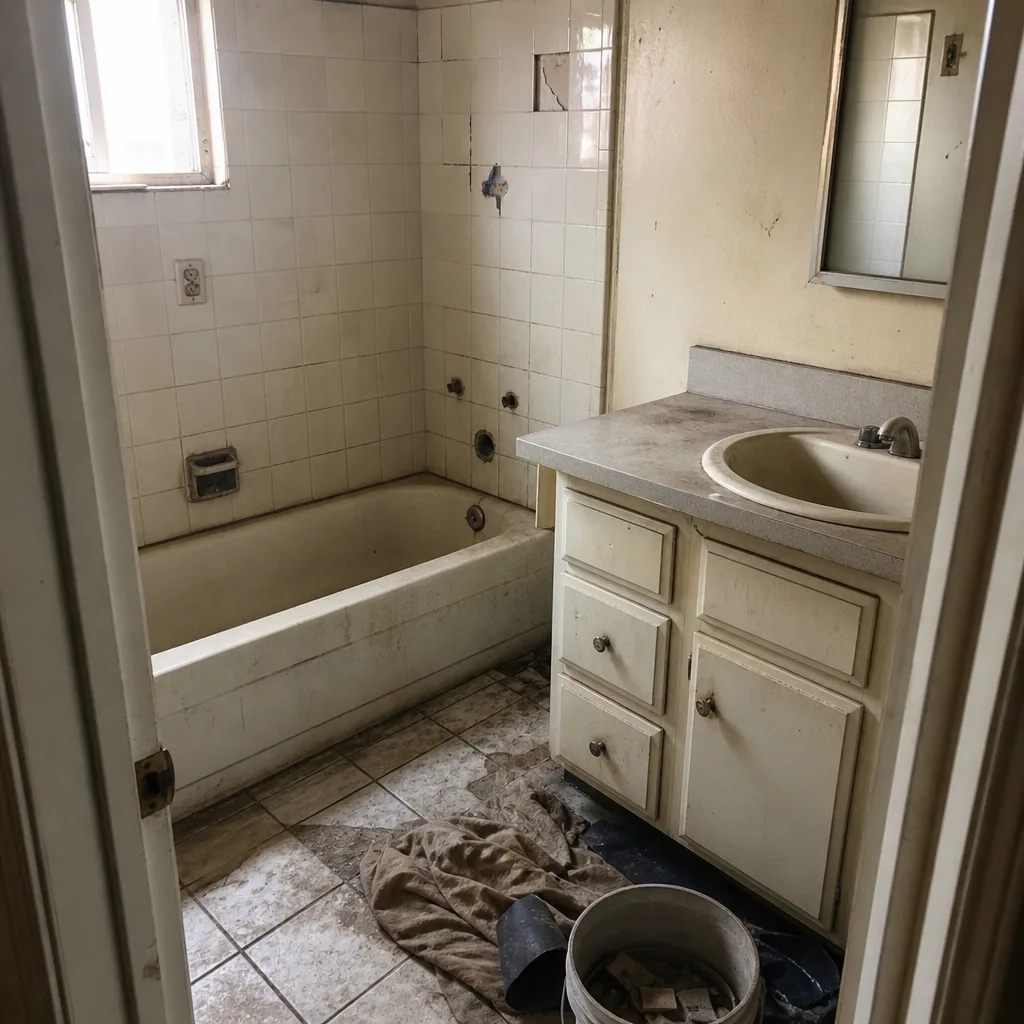 Before
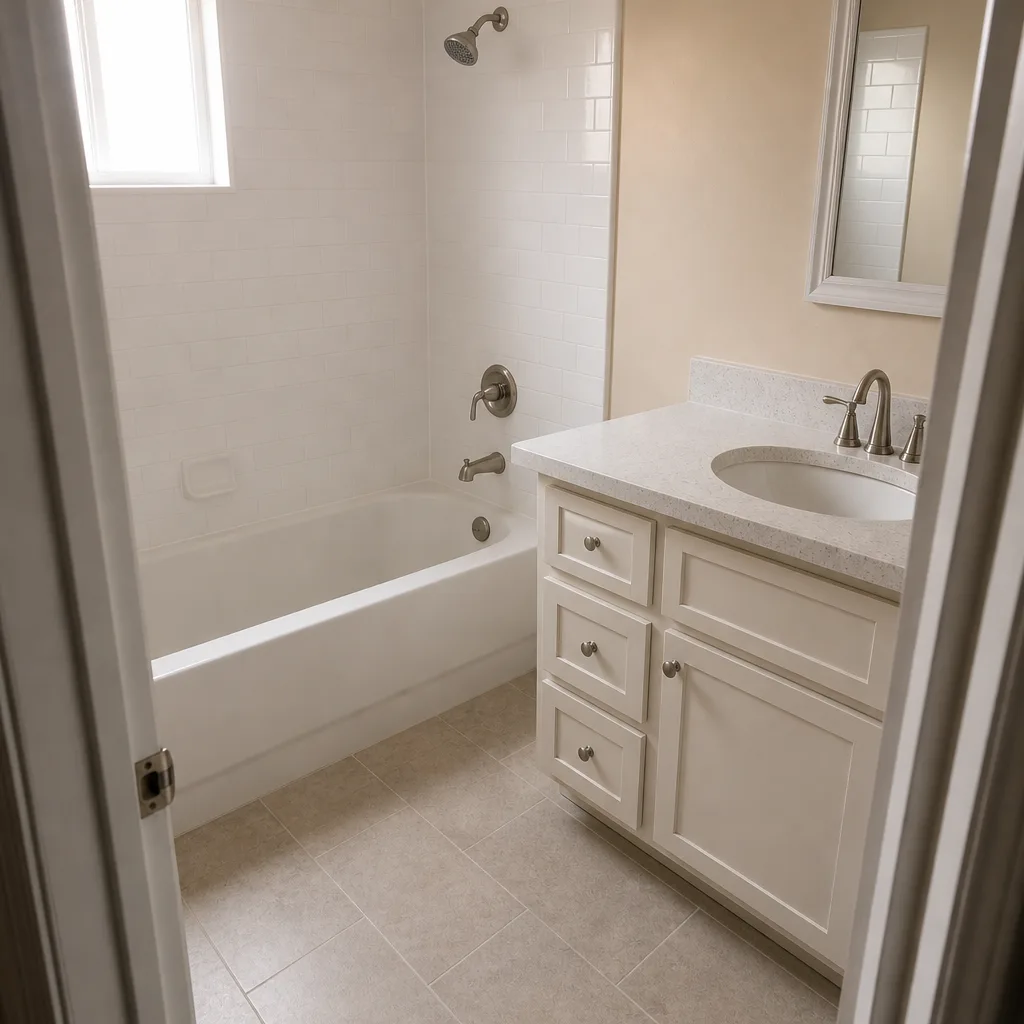 After
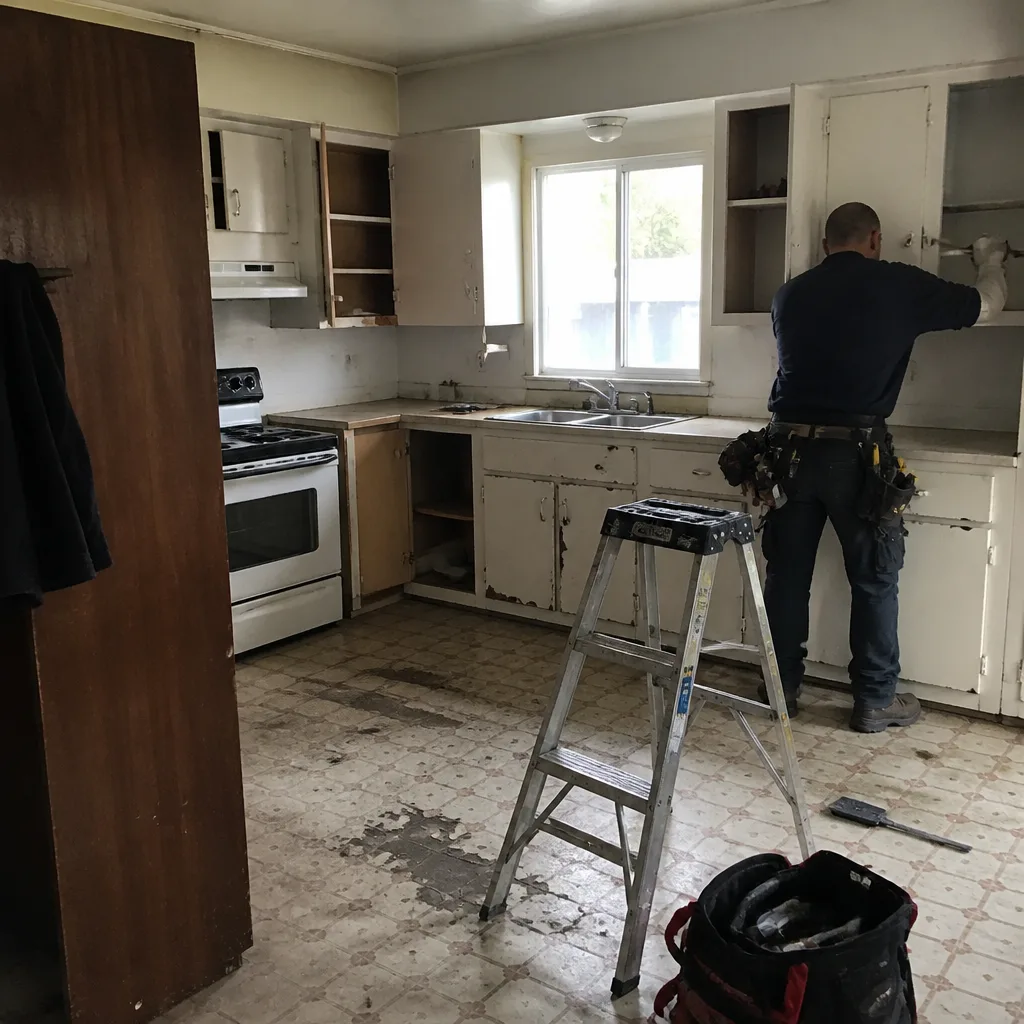 Before
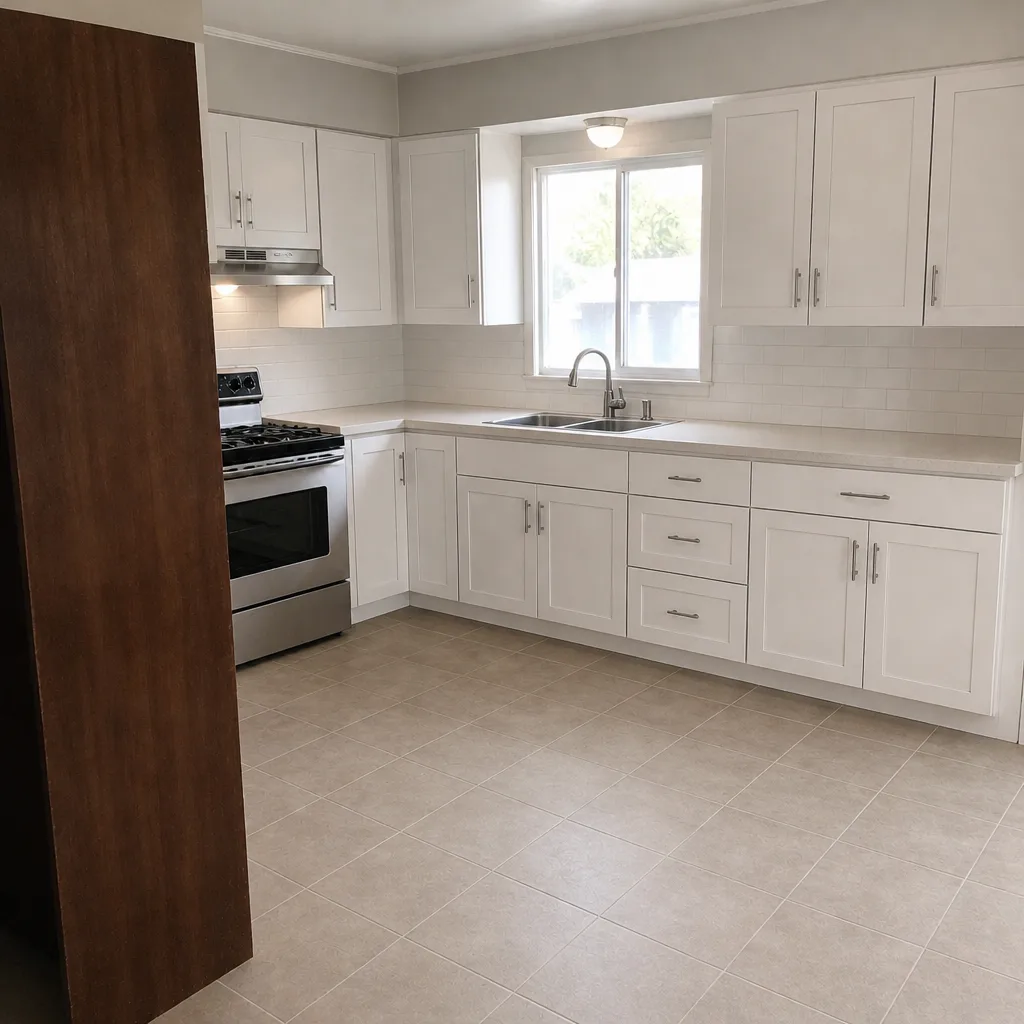 After
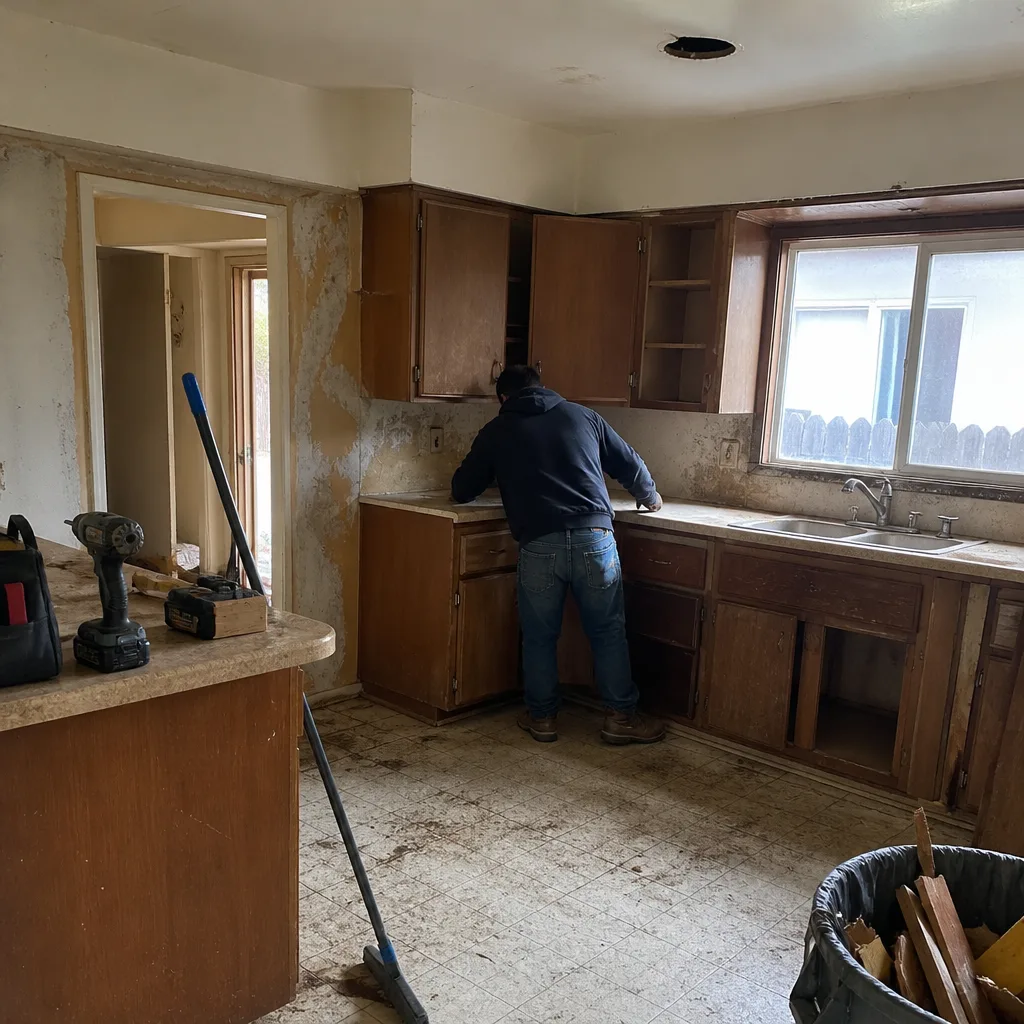 Before
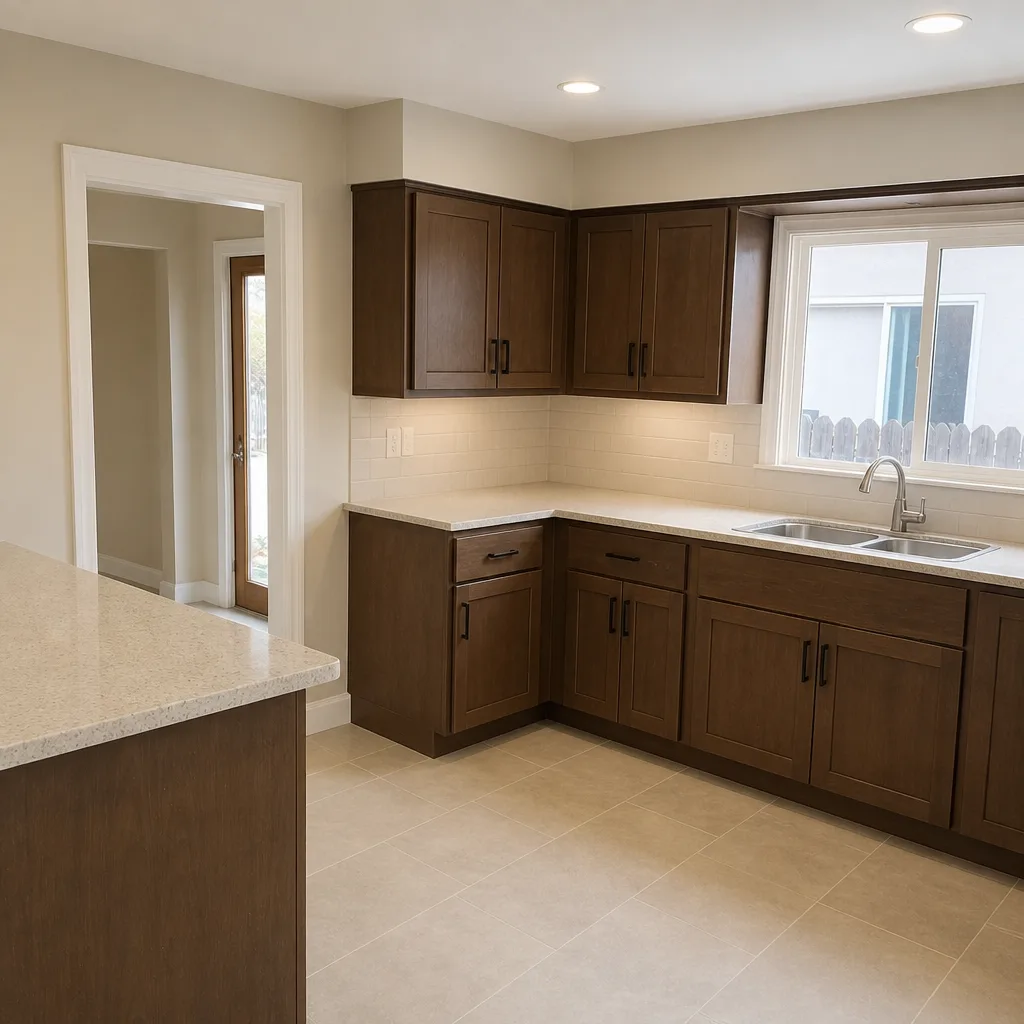 After
HVHZ Window Requirements Explained for Long Beach Homeowners
HVHZ window requirements do not apply in Long Beach, California. HVHZ stands for High-Velocity Hurricane Zone, a Florida Building Code designation limited to Miami-Dade and Broward counties that requires windows to pass the most severe large-missile impact and cyclic wind-pressure tests in the country. Long Beach windows are governed instead by California’s own stack of rules: CBC Chapter 24 for structural glazing, Title 24 Part 6 for energy performance, and Chapter 7A ember-resistance rules where wildland-interface zones apply. If you’re comparing window specifications and wondering which certifications your project actually needs, call (888) 345-8164 and we’ll walk you through it before anything gets ordered.
Why does this matter for a Long Beach homeowner? Because window spec sheets borrowed from other states cause real problems. We’ve seen homeowners bring us a quote full of Florida-grade impact ratings that don’t translate into anything a Long Beach plan checker asks for, while the actual local concerns – wind-driven rain, salt-air corrosion, seismic bracing on older walls – went unaddressed. Understanding what HVHZ is, and what California uses instead, clears up the confusion fast.

What Is HVHZ, Exactly, and Why Doesn’t It Apply Here?
HVHZ is a geographic designation inside the Florida Building Code. Within it, every exterior opening – windows, doors, skylights, shutters – must meet the strictest impact and pressure standards in the U.S. market, tested against large-missile strikes and thousands of cyclic wind-pressure loads. Miami-Dade and Broward counties are mandatory; some other coastal jurisdictions reference the standard voluntarily. Long Beach is not in Florida and never has been subject to it.
That doesn’t mean the thinking behind HVHZ is irrelevant. The logic behind those tests – impact resistance, pressure cycling, water infiltration control – maps onto real California concerns. They’re just regulated under entirely different code sections. Here’s the comparison:
| Concern | Florida HVHZ | Long Beach (California) |
|---|---|---|
| Structural glazing | Large-missile impact + cyclic pressure tests | CBC Chapter 24 |
| Energy performance | Florida Energy Code | Title 24 Part 6 |
| Wildland-interface ember resistance | Not the HVHZ driver | Chapter 7A where applicable |
| Water infiltration rating | Part of HVHZ test protocol | AAMA 500-series water infiltration ratings |
The permit packet a Long Beach homeowner actually submits runs through California code, city plan review, and – in neighborhoods like Rose Park and Belmont Heights – Coastal Zone and historic-district considerations layered on top. Those reviews want product data that speaks to California requirements, not Florida performance ratings. Specifying against the wrong standard stalls a project in re-submittal before a single window goes in.
Why Should Long Beach Homeowners Care About HVHZ Logic at All?
Because the legitimate Long Beach performance concern that HVHZ logic addresses – wind-driven water infiltration – is real here, just from a different weather pattern. We don’t get hurricanes. What we do get are Santa Ana wind events that push marine-layer moisture hard against the exterior envelope, and that moisture finds its way into poorly flashed window perimeters on older stucco homes across the city. Salt air off the Port of Long Beach adds corrosion to the mix, eating at fasteners and exterior wood over time.
The answer under California code isn’t an HVHZ label. It’s specifying windows with documented AAMA 500-series water infiltration ratings, paired with flashing details done right at the rough opening. That’s the difference between a window that sheds a Santa Ana event and one that weeps into your wall cavity. Two practical things to look at before specifying:
- Water infiltration rating. Ask for the AAMA 500-series test data, not just the impact class. It’s the number that speaks to wind-driven rain.
- Corrosion-resistant hardware and fasteners. Stainless or properly coated fasteners matter more than they sound like they should in a coastal city. Galvanized hardware pits fast near the port.
- Flashing and perimeter detailing. The best window installed with lazy flashing still leaks. This is where older stucco homes need the most attention.
- Title 24 compliance documentation. Every replacement window needs the right U-factor and SHGC numbers for this climate zone, and that paperwork goes in the permit packet.
What About Older Buildings, Seismic Work, and Window Openings?
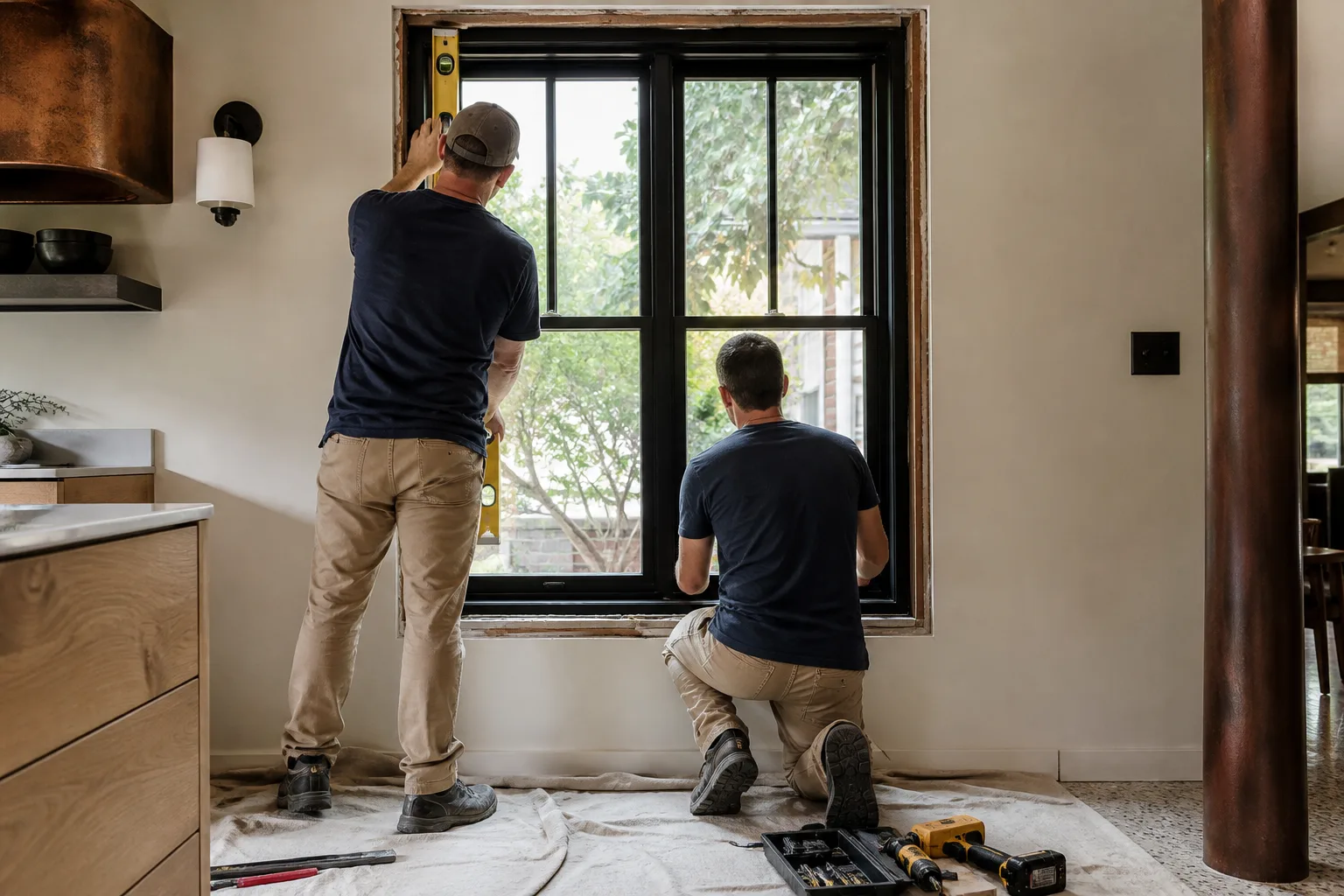
This is where Long Beach gets genuinely interesting and where HVHZ offers no guidance at all. The city’s housing stock is a collision of very old and very new regulation. Pre-1933 and 1930s bungalows and Craftsman fourplexes sit alongside dense 1950s-70s stucco apartment buildings, and much of the window work happens during seismic retrofit and soft-story reinforcement. When you change a window opening in a building getting shear walls added, the glazing and opening specs interact with the structural layout. California’s CBC governs that relationship. HVHZ doesn’t touch it.
That’s a full-scope contractor’s problem, not a window-only installer’s. A crew that only sets glass doesn’t see the shear wall; a crew that only frames the retrofit doesn’t see the window spec. We work the whole scope under one roof so the opening size, the framing, and the structural reinforcement line up before the permit gets submitted. Our technicians carry up to 12 years of experience, and the 730-Day Done Right Promise covers the installation itself from the day it’s complete – which is another reason it pays to order the right product the first time. You can explore our full Windows & Doors work for a sense of how the pieces fit together.
Window selection here is also a materials conversation. We work with a curated portfolio of brand partners – Andersen and Marvin among them – so you’re choosing quality, not just whatever’s sitting in a warehouse. That matters when the spec has to satisfy both a plan checker and a coastal environment.
What Do Window Projects Cost in Long Beach?
Long Beach window pricing depends mostly on the number of openings, the product line, and whether the project includes structural or seismic scope. Here are the ranges we work with:
| Project | Typical Range |
|---|---|
| Window Replacement | $4,500-$15,000 |
| Impact Window Installation (where specified) | $8,000-$25,000 |
| Seismic retrofit scope (paired with window work) | Quoted per structural plan |
Upfront pricing means the number you see is the number you pay. We also offer 0% financing for 18 months and $1,000 off projects over $10,000, which takes some of the sting out of a full-envelope window replacement on an older fourplex. When a permit revision is needed because the wrong certification was specified, that’s time and money most homeowners would rather not spend – which is why we confirm jurisdiction requirements with every homeowner before a window is specified.
Frequently Asked Questions
No. HVHZ ratings are a Florida Building Code requirement and carry no legal weight in Long Beach. What your permit needs is compliance with California’s CBC Chapter 24, Title 24 Part 6 energy requirements, and Chapter 7A where applicable – plus documented AAMA 500-series water infiltration ratings if wind-driven rain is a concern on your specific home. We’ll confirm the right spec for your address before ordering anything.
Impact windows can make sense in Long Beach for reasons other than hurricanes – noise reduction, security, and added protection during a seismic event. But they aren’t required by local code the way they are in HVHZ zones, so the decision comes down to your goals and budget. Call (888) 345-8164 and we’ll help you weigh the tradeoffs without a sales pitch.
Most standard window replacements are completed in a single visit, assuming the products are on hand and the permit is cleared. Larger projects involving seismic retrofit or structural changes take longer, and coastal or historic-district review in neighborhoods like Belmont Heights can add plan-check time before work begins. We’ll give you a realistic timeline up front.
Yes. We see this more often than you’d expect – a quote built around out-of-state performance standards that don’t match what Long Beach plan review actually requires. We’ll review the specification, identify the mismatch, and help you get the right product in the permit packet before re-submittal costs you weeks. That’s part of what the 730-Day Done Right Promise is about: getting it right from the start.
Let’s Sort Out Your Window Specification
If you’d rather have it looked at by someone who knows Long Beach code and Long Beach buildings, Groundwork Construction Co. of Long Beach offers a no-pressure assessment – we’ll review your project, confirm the correct California specification, and give you an upfront price. Call (888) 345-8164 for a free estimate. Calls are answered by a live person, 24/7. You can also start with our Long Beach service area page to see the neighborhoods we work in.
Written by the team at Groundwork Construction Co. of Long Beach, serving Long Beach, CA.