Free written scope consultation - allowances, timeline, and change-order rules on paper before a single trade is scheduled
Styles & brands we work with
- Kitchen remodeling
- Bathroom remodeling
- Home additions & ADU
- Roofing
- Windows & doors
- Driveway & pavers
- Fence
See the difference
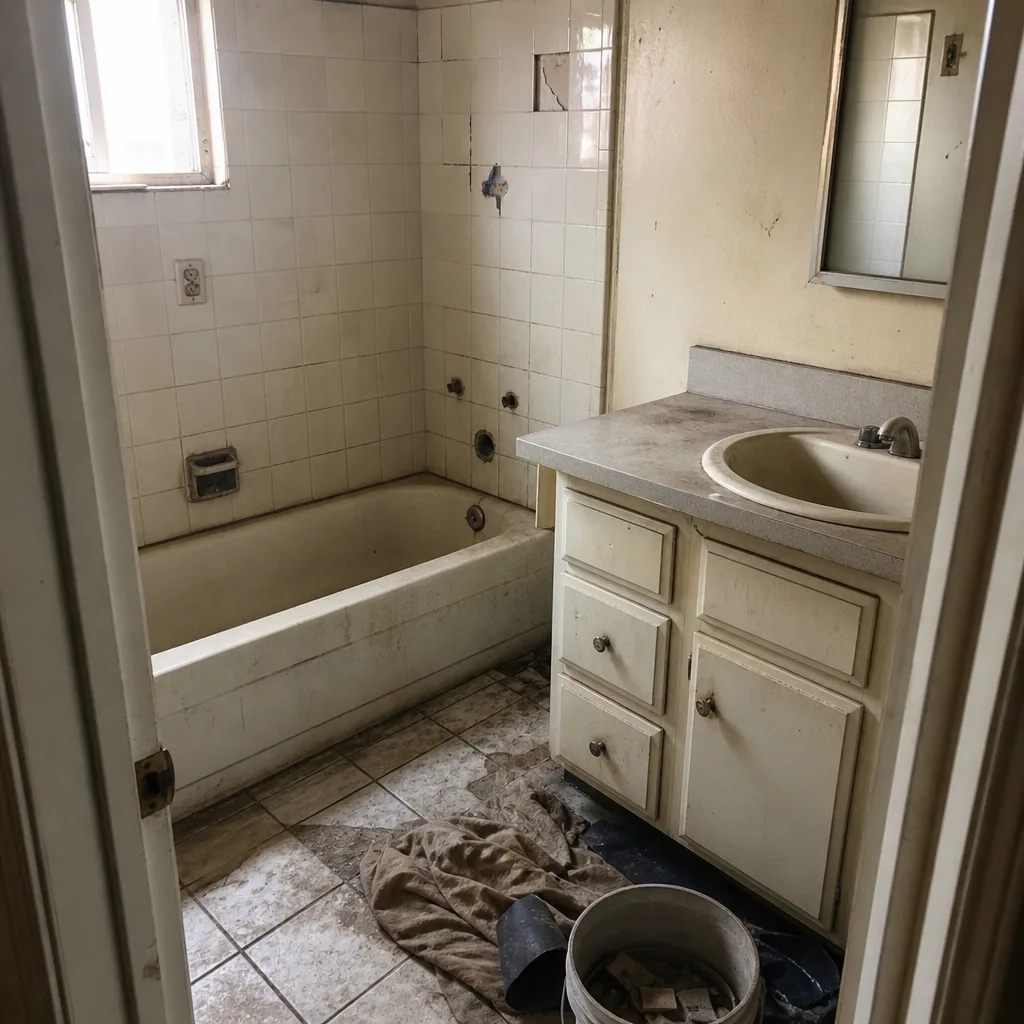 Before
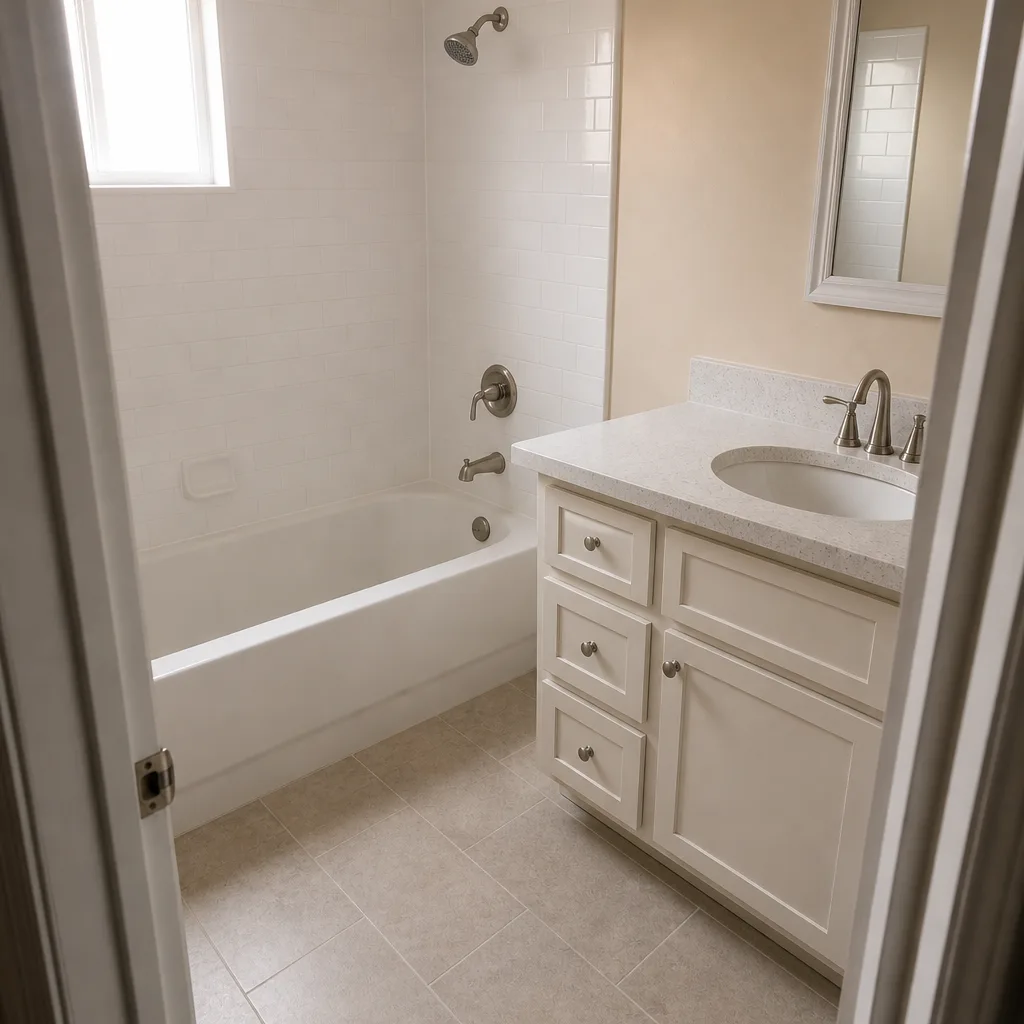 After
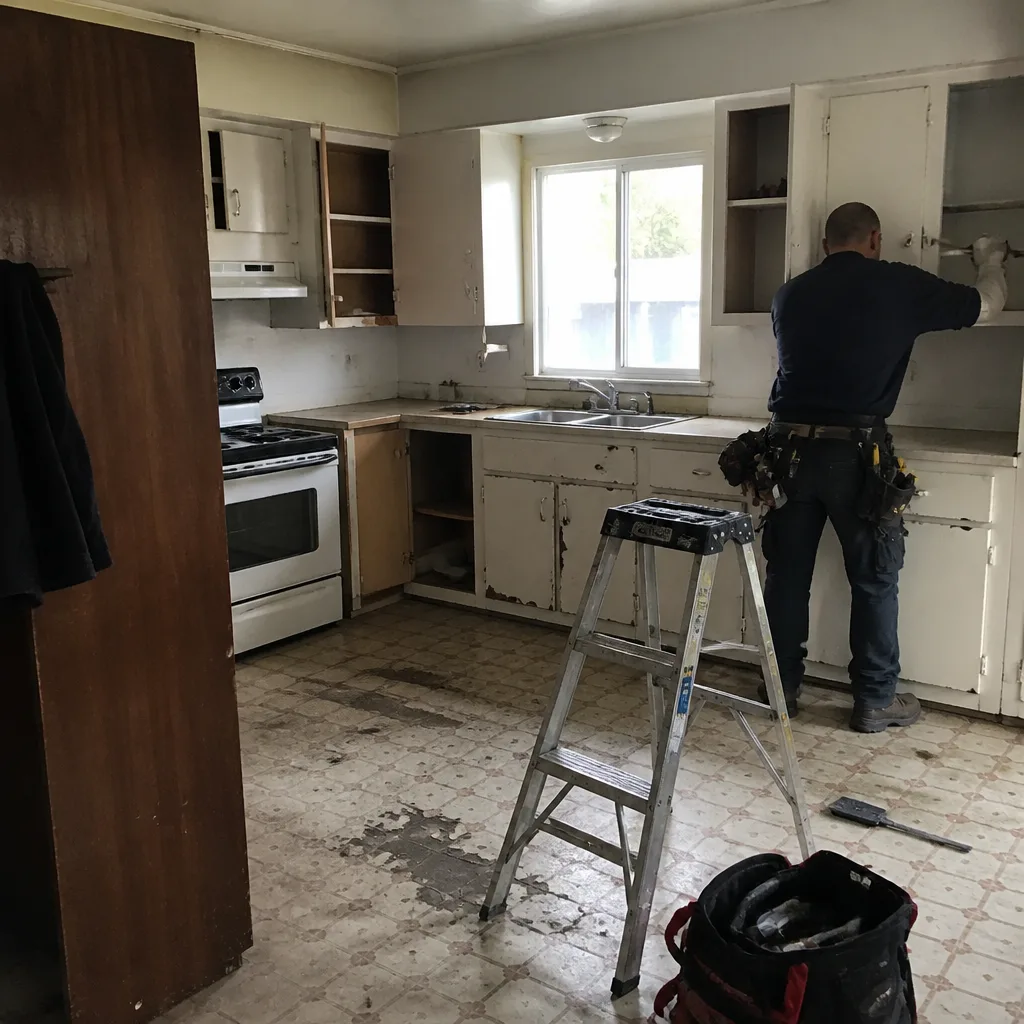 Before
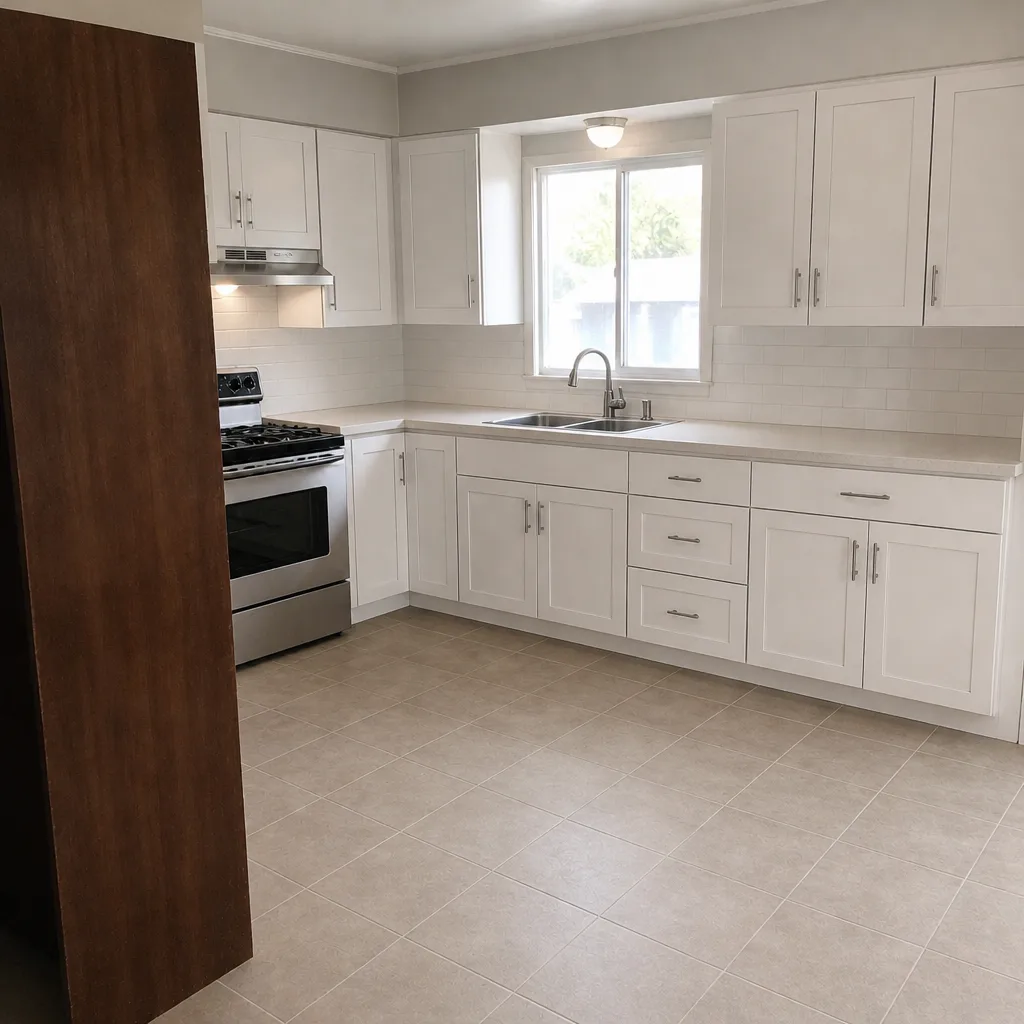 After
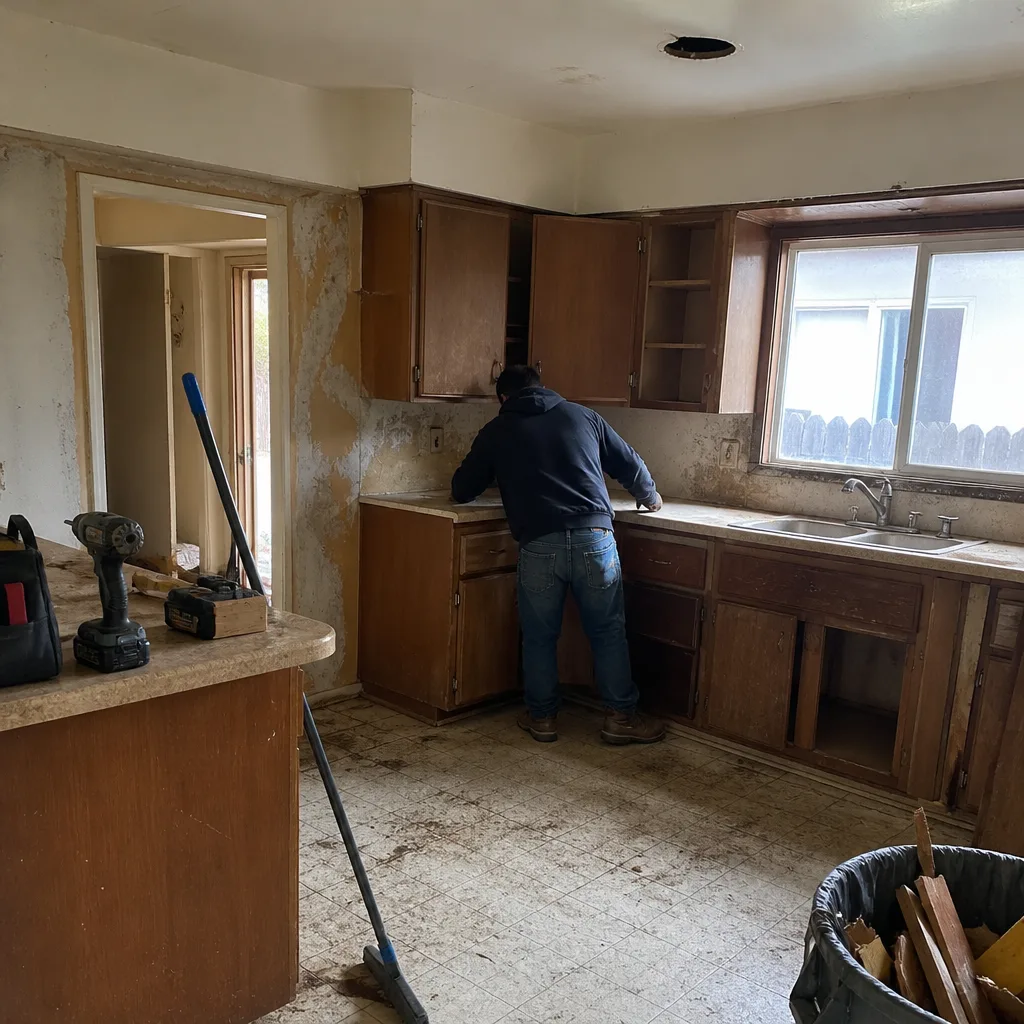 Before
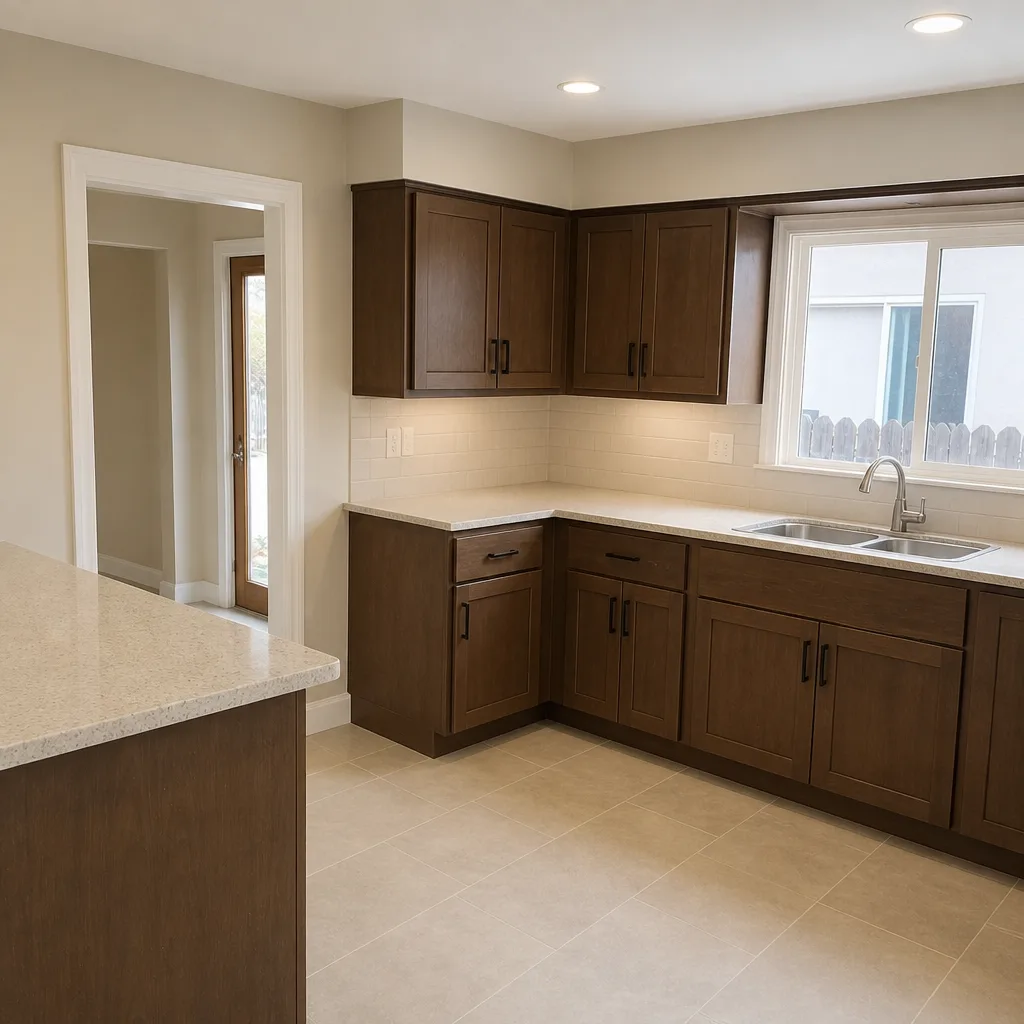 After
How Custom Windows Are Made, and What That Means for a 1928 Rose Park Spanish Colonial Revival
Custom windows are made from a field measurement taken at your actual opening, transmitted digitally to a factory, where CNC-routed cutting equipment sizes frame and sash components to that exact number rather than rounding to the nearest standard size. Glass, spacer, and profile geometry are then built to the same specification. That matters in Long Beach because a “custom window” quoted for a 1928 Spanish Colonial Revival in Rose Park can mean two very different things: a factory-custom configuration of an existing product line, or a truly bespoke fabrication. One of those will usually clear historic-context design review. The other often won’t. If you’re staring at a bid that doesn’t make the distinction, call us at (888) 345-8164 and we’ll walk through it with you.
Key takeaways
- True custom fabrication starts with a digital field measurement that feeds CNC cutting directly. The frame is built to the number you send, not to a size that’s “close enough.”
- Historic-context districts in Long Beach require specific profile dimensions – sash rail width, muntin depth, sight-line geometry – that mass-produced windows can’t replicate.
- Andersen’s Architectural Collection and Marvin’s Ultimate line offer factory-custom configurations that satisfy most design review without full bespoke fabrication cost.
- Glazing is part of the manufacturing spec, not a step added at the end. In coastal Long Beach, the low-E coating and spacer material both affect seal life in salt air.
- Lead time for a true custom window from an Andersen or Marvin factory typically runs 4 to 8 weeks, depending on configuration.
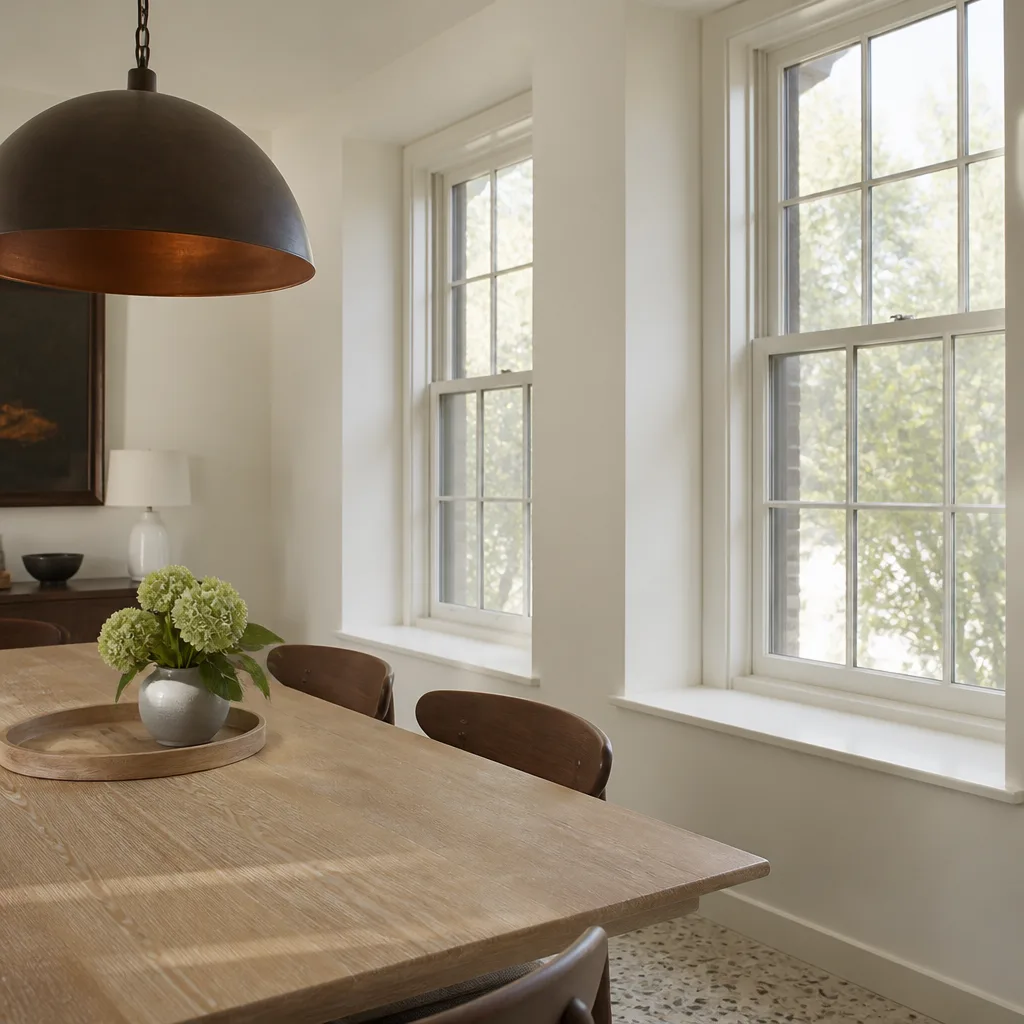
What actually happens between your wall and the factory floor
The process starts on site. Someone measures the rough opening, the depth of the jamb, the reveal, and the wall thickness, then records how far out of square the opening is in both directions. On a 1930s bungalow in Belmont Heights, that measurement often turns up a wall that’s an inch out of plumb and a sill that’s settled unevenly. Standard catalogs don’t accommodate that. Custom does.
Those numbers get digitized and sent to the manufacturer. At the factory, the order feeds a CNC router that cuts frame extrusions to the transmitted dimensions. Nothing is hand-sized at a bench. This is why field measurement precision matters so much: the frame is machined to whatever number you sent. If the measurement is off by three-eighths of an inch, the window will be too. That’s a detail most homeowners never hear until the unit arrives and doesn’t fit.
From there, the order specifies profile geometry. Sash rail width, muntin bar depth, sight-line proportions – these are set at the factory and can’t be changed later. For a true custom window, those specifications must match what your district’s design guidelines require, not what a catalog page happens to show. Our technicians have up to 12 years of experience reading those specifications against what Long Beach design review boards actually accept, and we order custom configurations through Windows & Doors with that in mind.
The Long Beach factor: historic context and pre-war openings
Long Beach has an unusual concentration of pre-1933 and 1930s-era housing stock, particularly the bungalows and Craftsman fourplexes in Rose Park and Belmont Heights. Those homes sit inside a Coastal Zone and often within a designated historic context. That means a window replacement can trigger design review, sometimes alongside a seismic retrofit requirement on the same property. You don’t encounter that same permitting stack on a postwar tract home in Lakewood or Compton.
What design review looks for in a historic-context district is match, not modernization. The sash rail needs to be the same width. The muntin bars need to sit at the same depth. The sight-line geometry – how the frame, sash, and glass line up visually from the street – needs to read the same way it did originally. Mass-produced vinyl windows can’t hit those tolerances. That’s not a knock on vinyl; it’s a geometry problem.
Where factory-custom configurations come in is the middle path. Andersen’s Architectural Collection and Marvin’s Ultimate line let you specify dimensions and profiles within a factory system, which usually clears design review at a cost below full bespoke fabrication. Knowing which path fits your opening is the conversation we have with homeowners before a single measurement is taken.
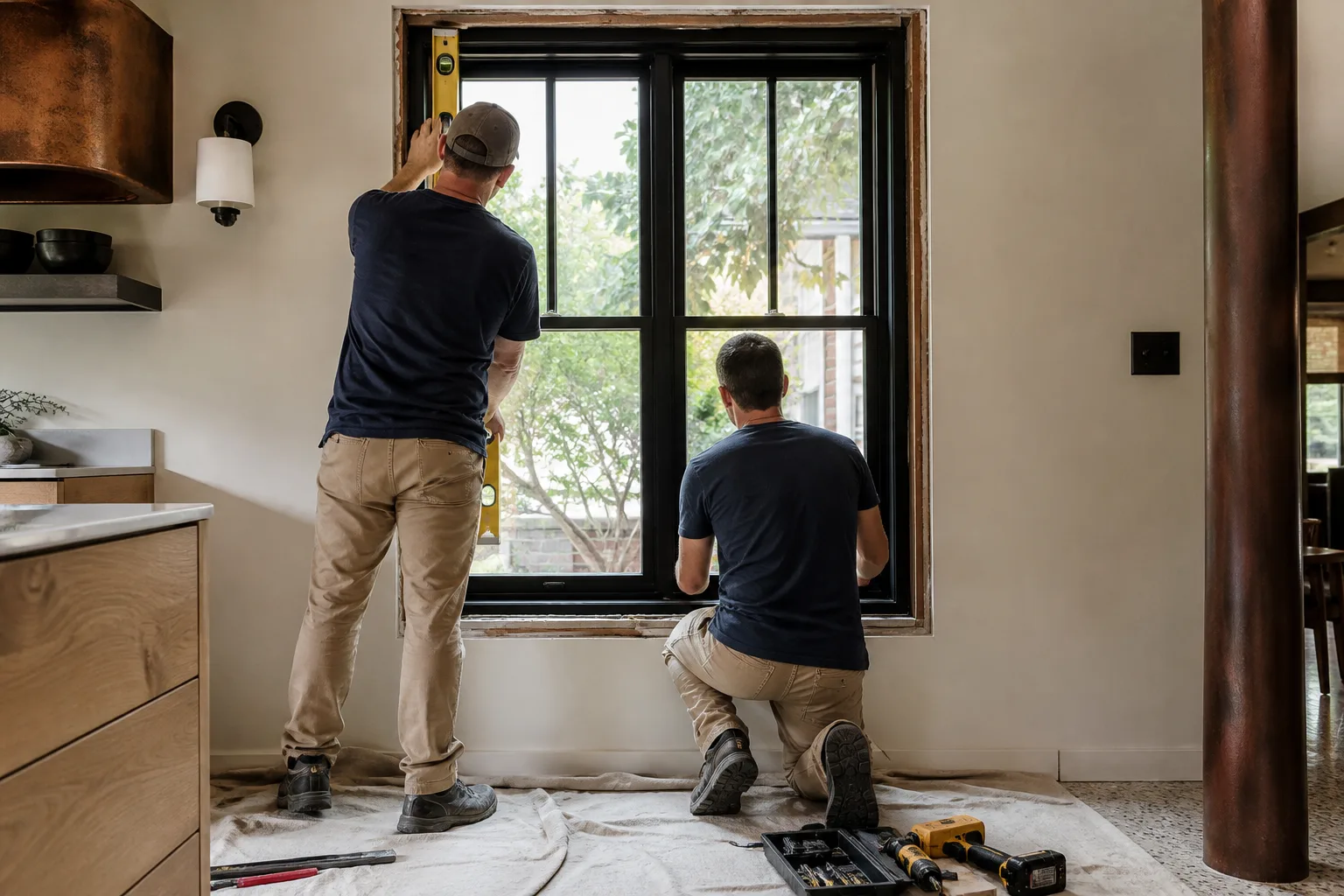
The glazing spec nobody talks about
Glass gets treated as an afterthought in most window conversations. In manufacturing, it’s a spec line just like the frame dimensions. The insulated glass unit, or IGU, is assembled to an order that specifies the low-E coating, the gas fill, and – critically for coastal Long Beach – the spacer material.
Warm-edge spacers versus aluminum spacers make a measurable difference in seal durability over time. Aluminum spacers conduct temperature more efficiently, which stresses the seal at the perimeter of the IGU. In a marine-layer environment with salt air off the Port of Long Beach, that stress compounds. Warm-edge spacers reduce the thermal bridge at the edge and typically extend the service life of the seal. On a home where the exposed wood and fasteners are already fighting corrosion, a one-line upgrade in the glazing spec is a real long-term choice, not a cosmetic one.
This is also where the coastal climate connects to the framing material. Wood frames on these older homes need consistent attention against rot; fiberglass and aluminum-clad options change the maintenance picture. None of that gets decided well at the end of a project.
Lead times and what they actually mean for your project schedule
A true custom window from an Andersen or Marvin factory typically runs 4 to 8 weeks from confirmed order to delivery. That’s not a delay – it’s the normal production window for a configuration that isn’t sitting in a warehouse. What matters is whether your contractor builds that lead time into the project schedule from day one, or discovers it at order confirmation when the framing crew is already standing on site waiting.
We account for it up front. On a project that involves window replacement alongside other work, that lead time shapes sequencing: what gets demoed first, what gets framed, when the openings are sealed and weather-tight relative to everything else. Getting that wrong is one of the most common reasons a window project stalls halfway through.
What a window project typically runs in Long Beach
| Scope | Typical range |
|---|---|
| Window replacement (standard sizes) | $4,500 – $15,000 |
| Impact window installation | $8,000 – $25,000 |
| Factory-custom configuration (per unit premium) | Varies by profile and glazing spec |
Those ranges cover the common scope across a Long Beach home. A historic-context property with unusual profile requirements will land toward the upper end, because the configuration and design review work adds to the project. We price it upfront, with no surprises, so the number you see is the number you pay. Projects over $10,000 qualify for $1,000 off, and 0% financing for 18 months is available on approved credit.
Every installation we coordinate is covered by our 730-Day Done Right Promise. If it’s not done right, we make it right, and that guarantee runs longer than most workmanship warranties in residential construction. Technicians are background-checked and arrive in uniform.
FAQs
A custom-sized standard window is a stock product line cut to your opening’s dimensions within that line’s existing profile options. A true custom window is fabricated to your exact dimensions and profile geometry – sash rail width, muntin depth, sight-line – which is what historic-context design review in Long Beach usually requires. The distinction determines whether your window clears review or comes back with corrections.
Lead time reflects factory fabrication scheduling, not local processing. When you order through Andersen’s Architectural Collection or Marvin’s Ultimate line, your configuration enters a production queue at the factory that runs 4 to 8 weeks depending on the profile, glazing spec, and finish. The time is real and predictable, which is why we build it into the schedule at the start rather than working around it later.
Yes. Salt air and the marine layer stress window seals faster than inland conditions, and the IGU spacer material matters more here. Warm-edge spacers reduce the thermal bridge at the glass perimeter and generally extend seal life compared to aluminum spacers in a humid coastal environment. It’s a manufacturing spec decision, so it needs to be made at order, not installation.
Often, yes. Factory-custom configurations from Andersen and Marvin can match the profile and sight-line requirements your district specifies, which usually satisfies design review at a lower cost than fully bespoke fabrication. The right answer depends on your specific opening and the review board’s requirements. We spec those orders against what Long Beach review boards actually accept, not against a catalog illustration.
Talk to us before you order
If you’d rather have your opening measured and the right path identified before you commit to a window order, Groundwork Construction Co. of Long Beach offers a no-pressure assessment in Long Beach – call (888) 345-8164. We’ll tell you whether factory-custom is enough or a true custom window is the right call.
You can also review the full scope of what we handle across the Long Beach service area, or start from our home page to see how windows fit into a larger renovation.
Written by the team at Groundwork Construction Co. of Long Beach, serving Long Beach, CA.