Free written scope consultation - allowances, timeline, and change-order rules on paper before a single trade is scheduled
Styles & brands we work with
- Kitchen remodeling
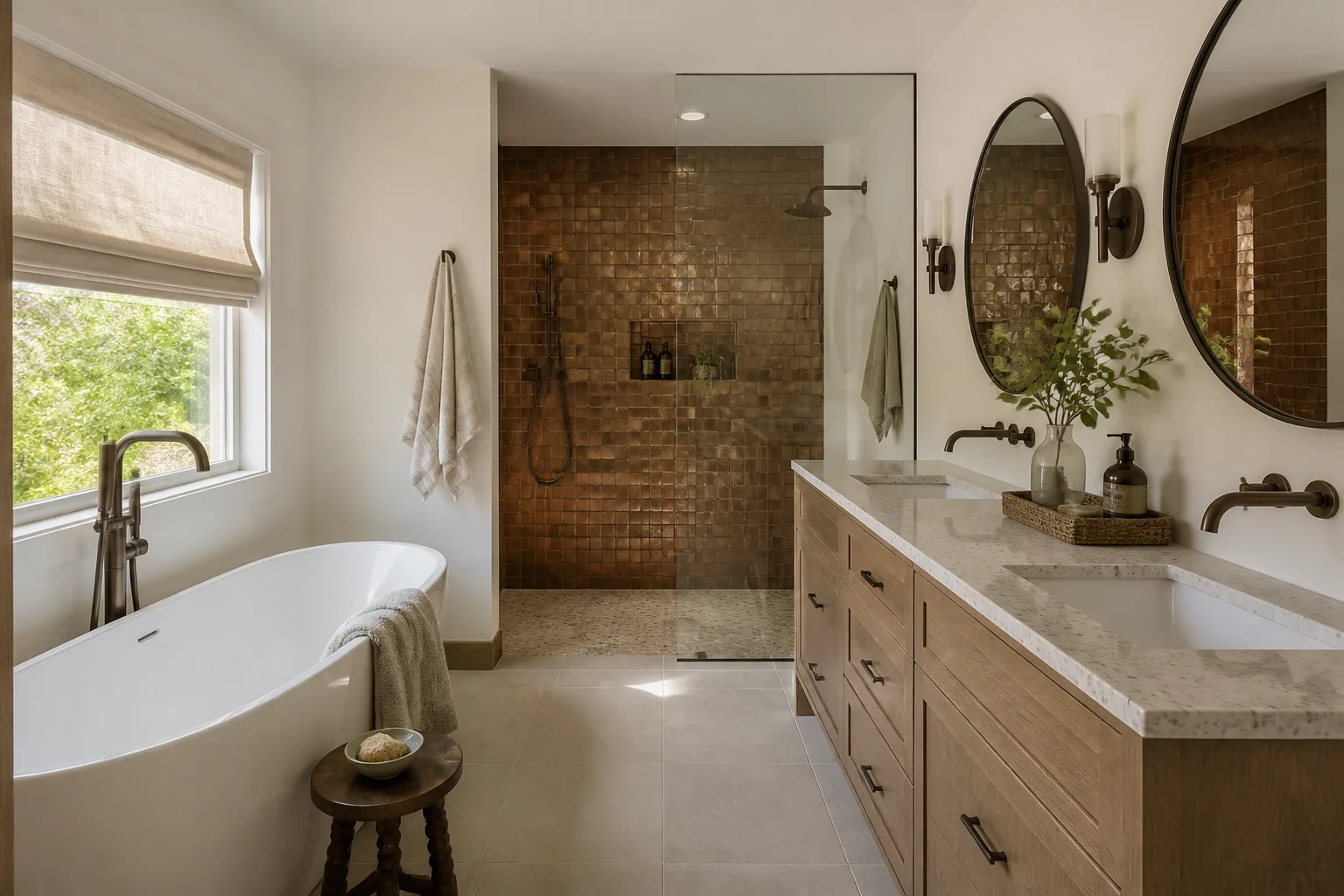
- Bathroom remodeling
- Home additions & ADU
- Roofing
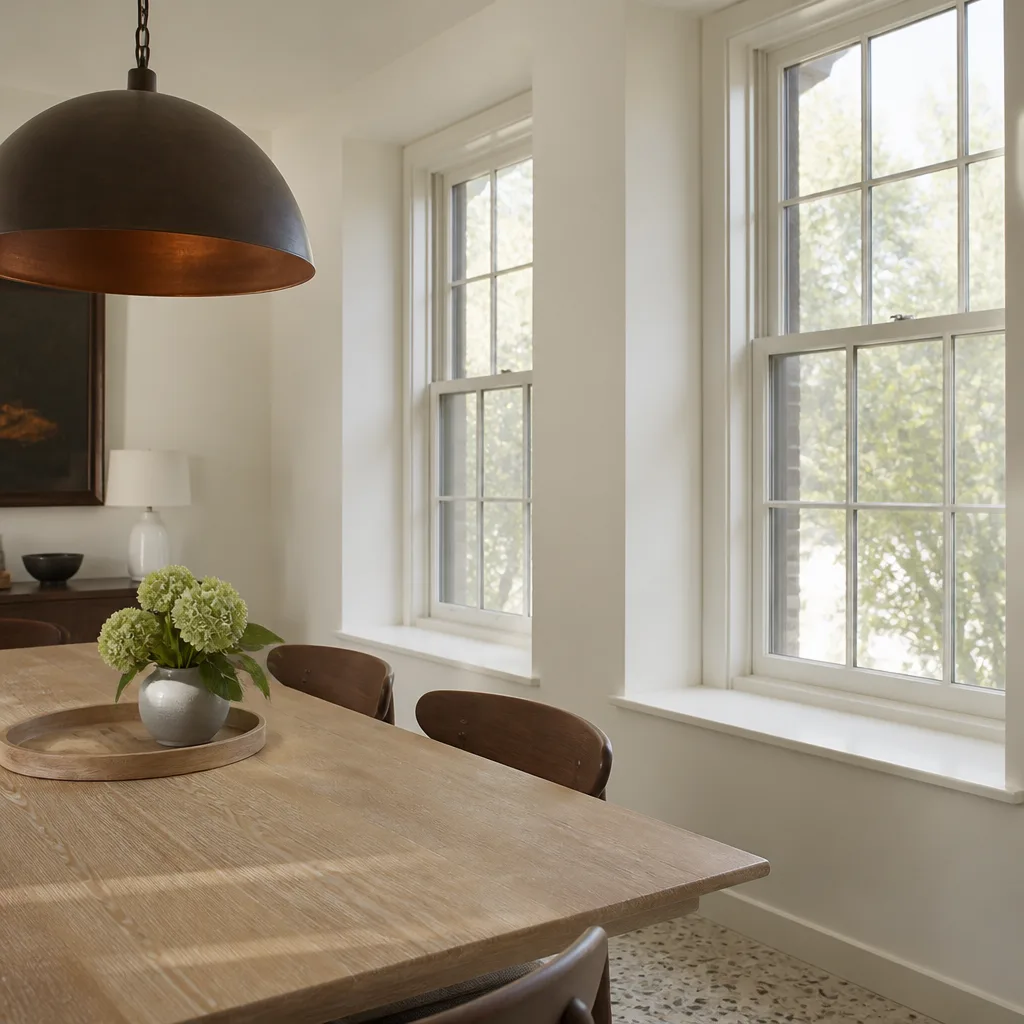
- Windows & doors
- Driveway & pavers
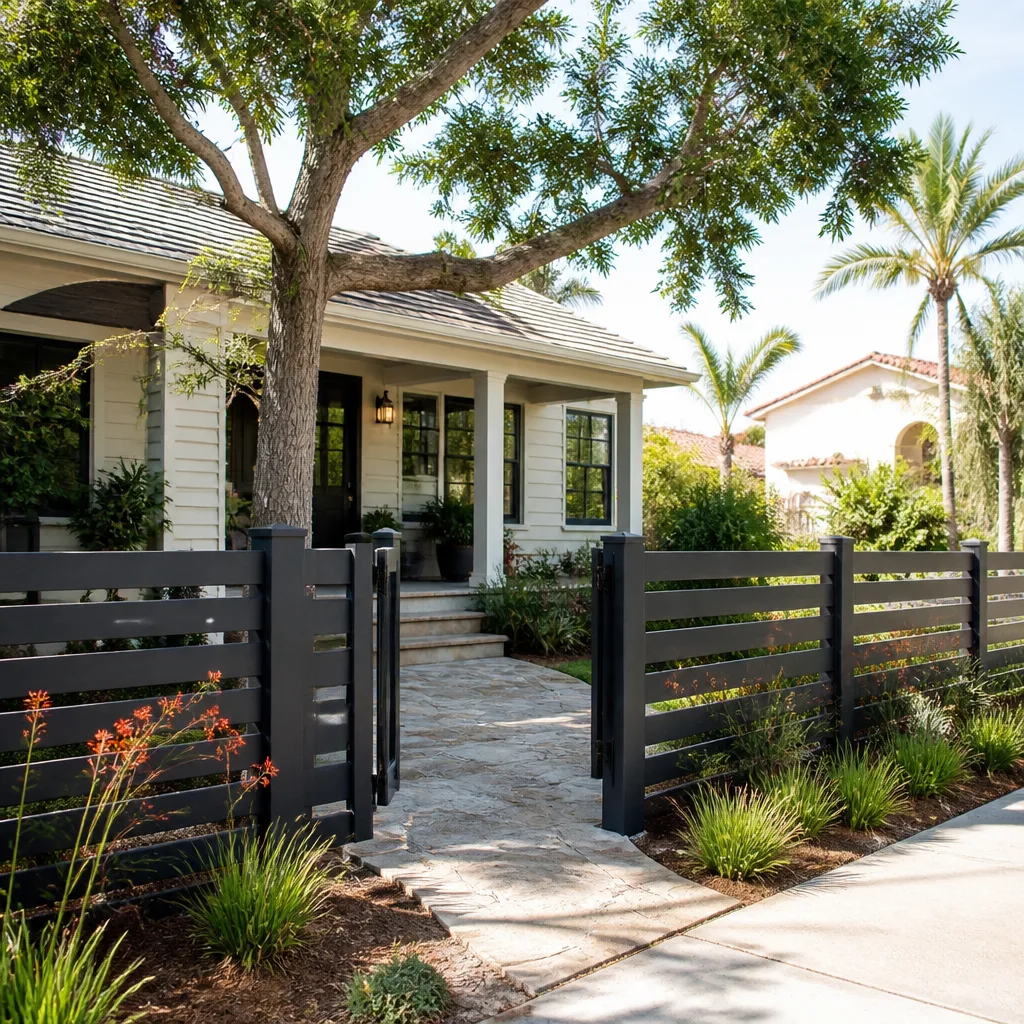
- Fence
See the difference
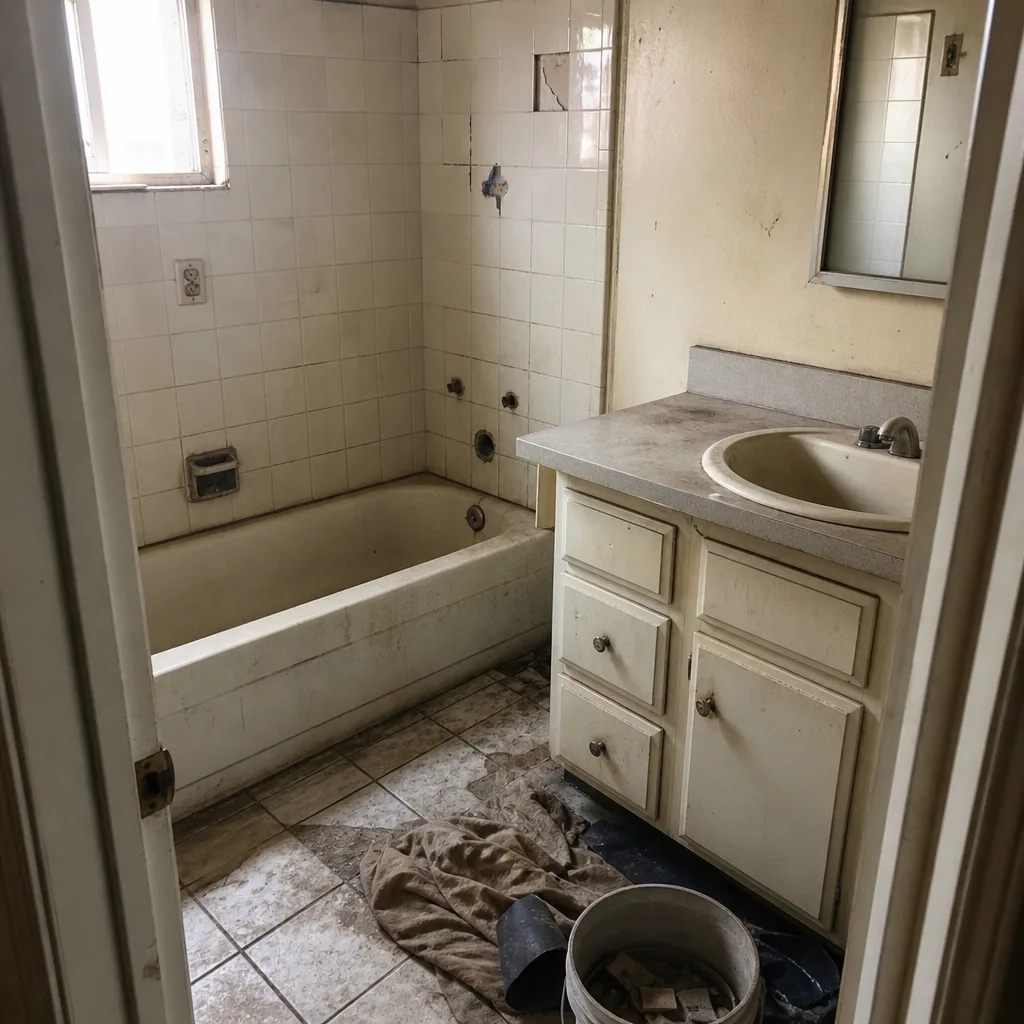 Before
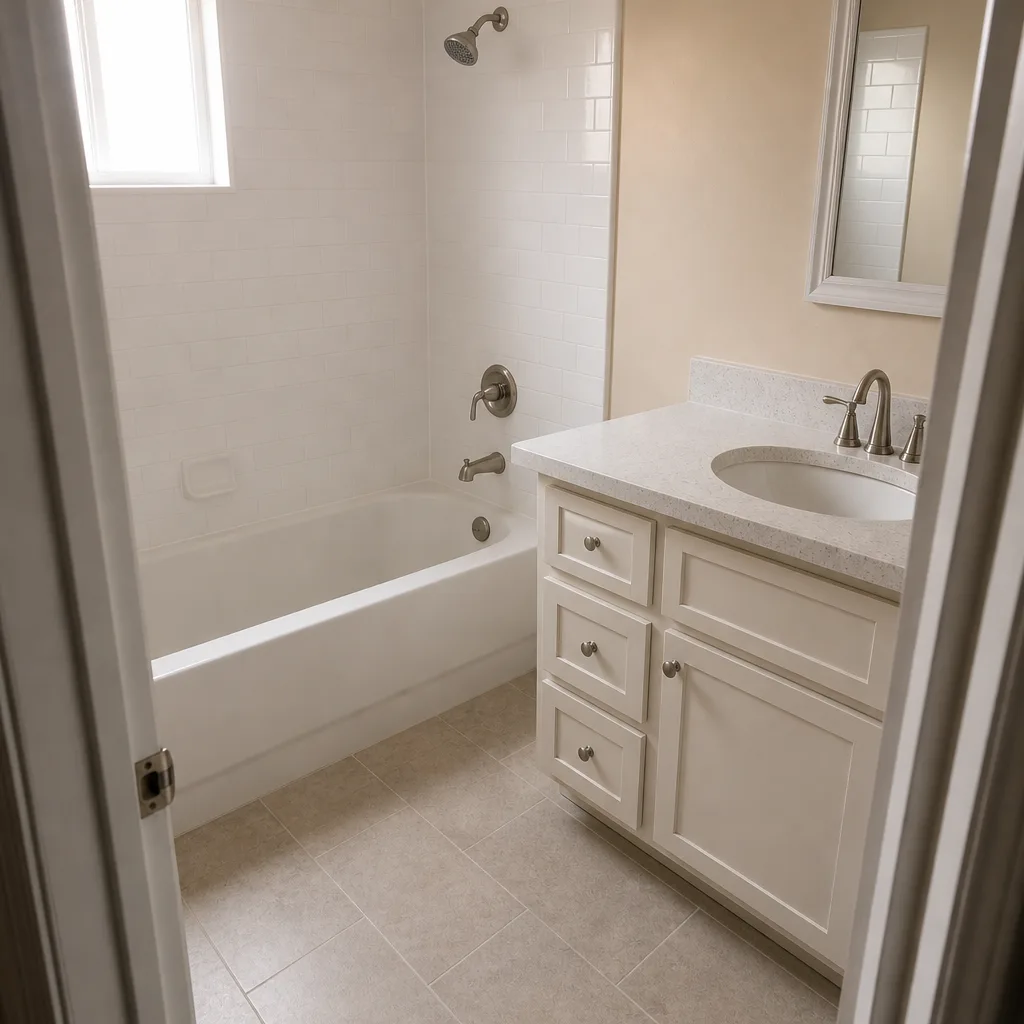 After
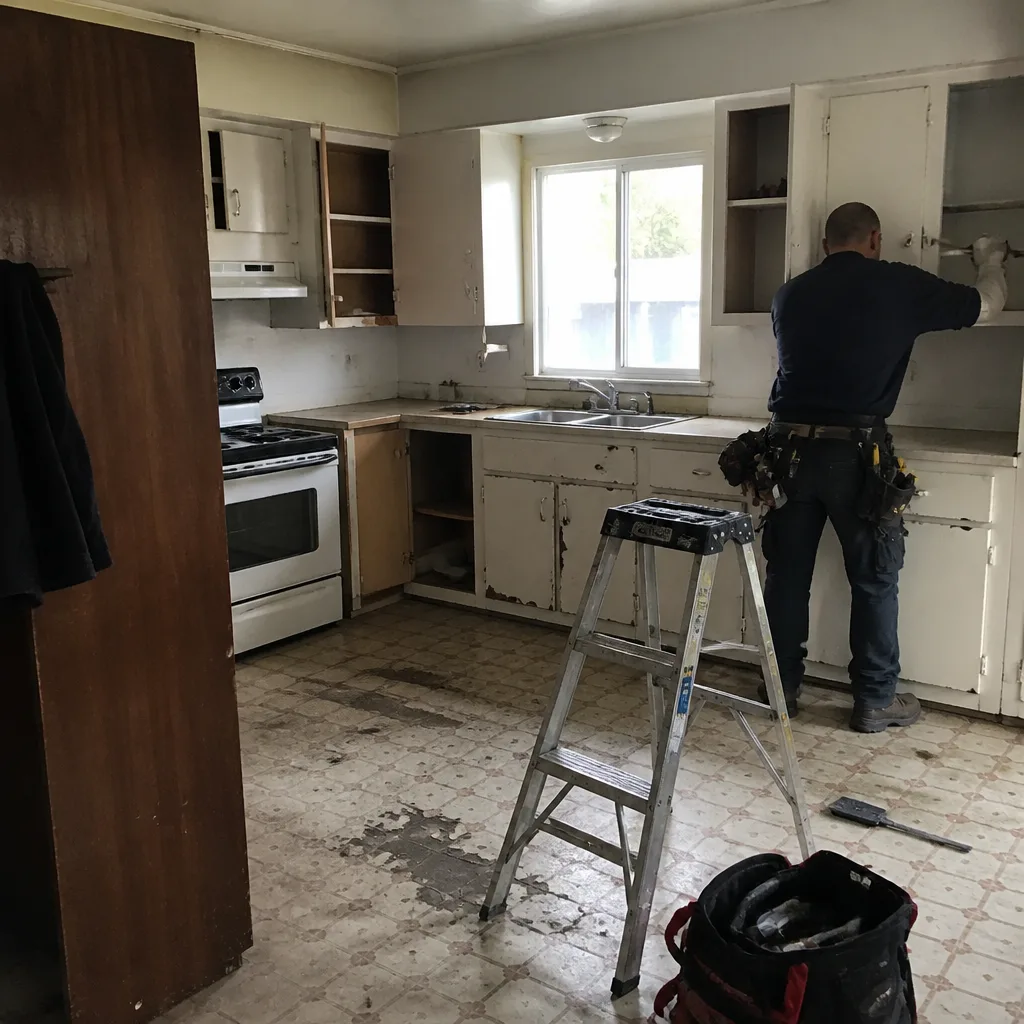 Before
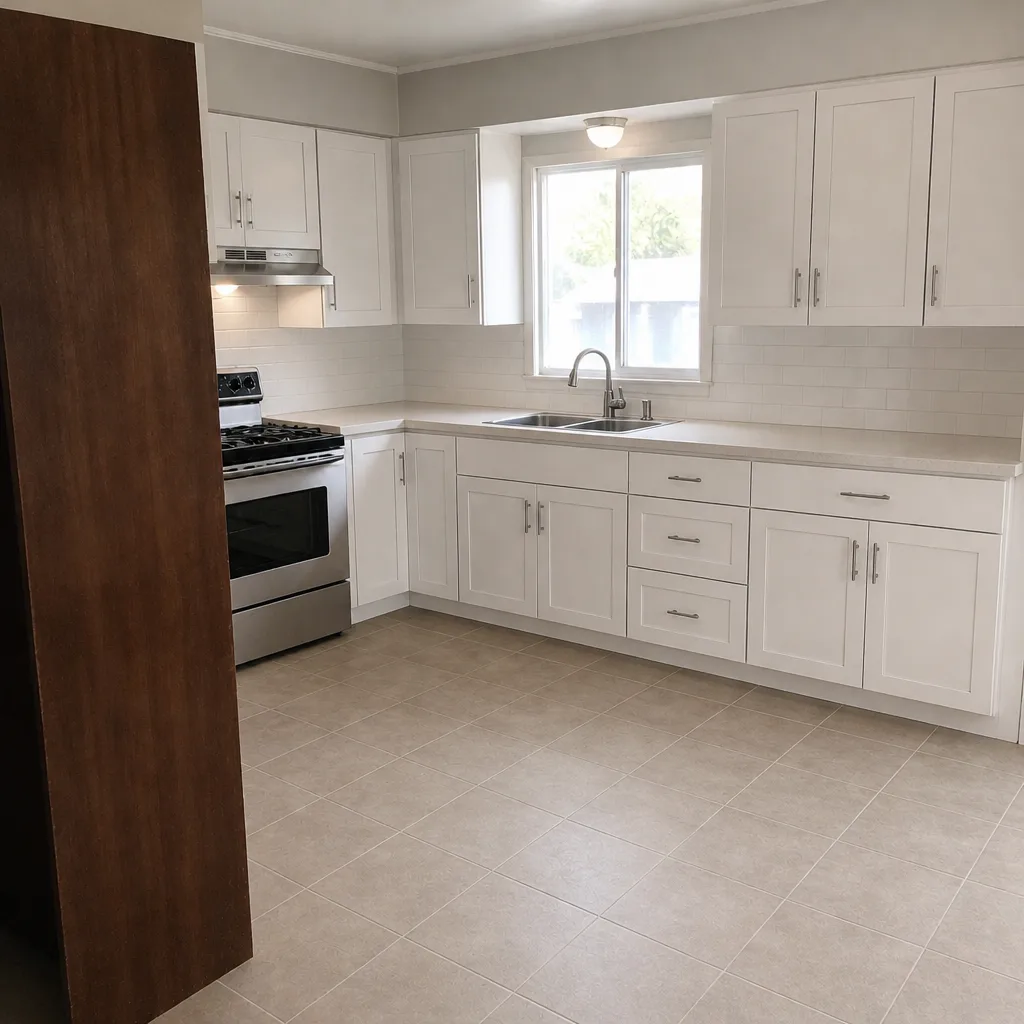 After
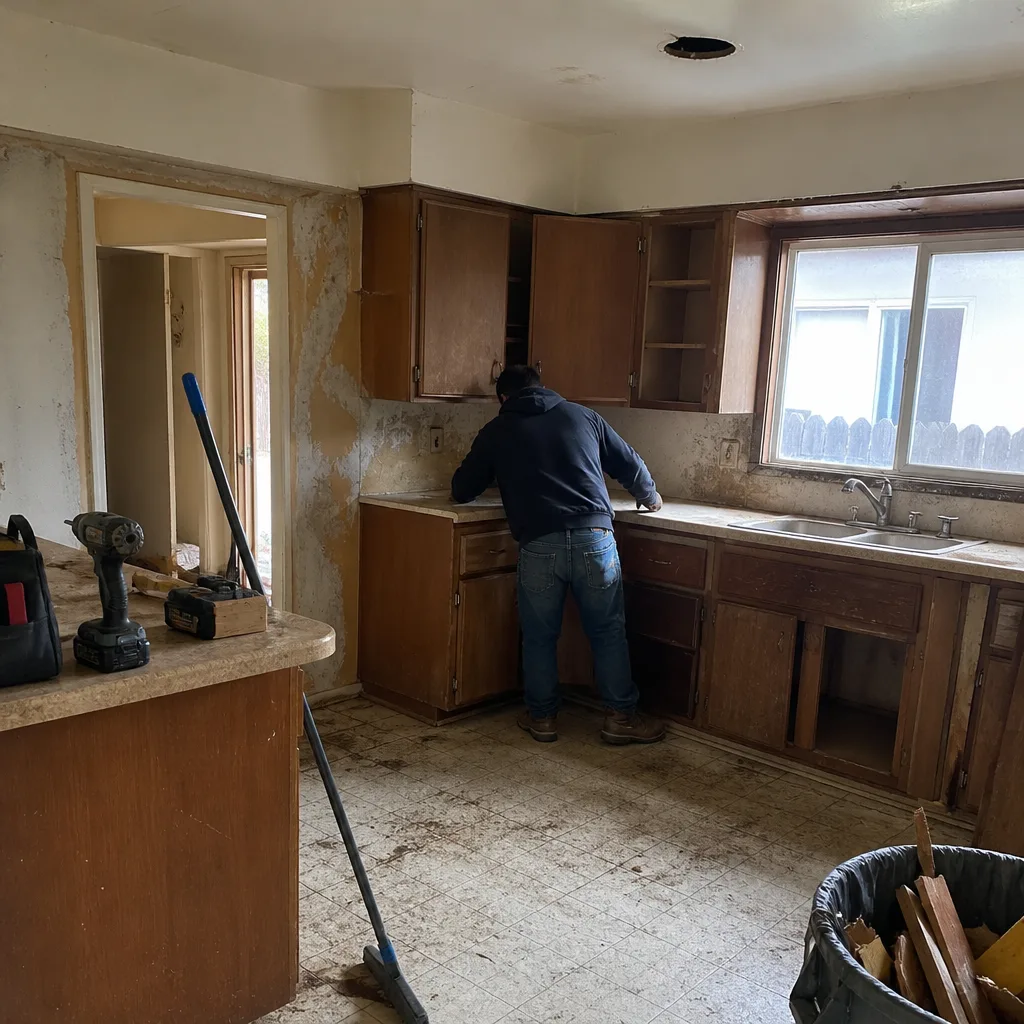 Before
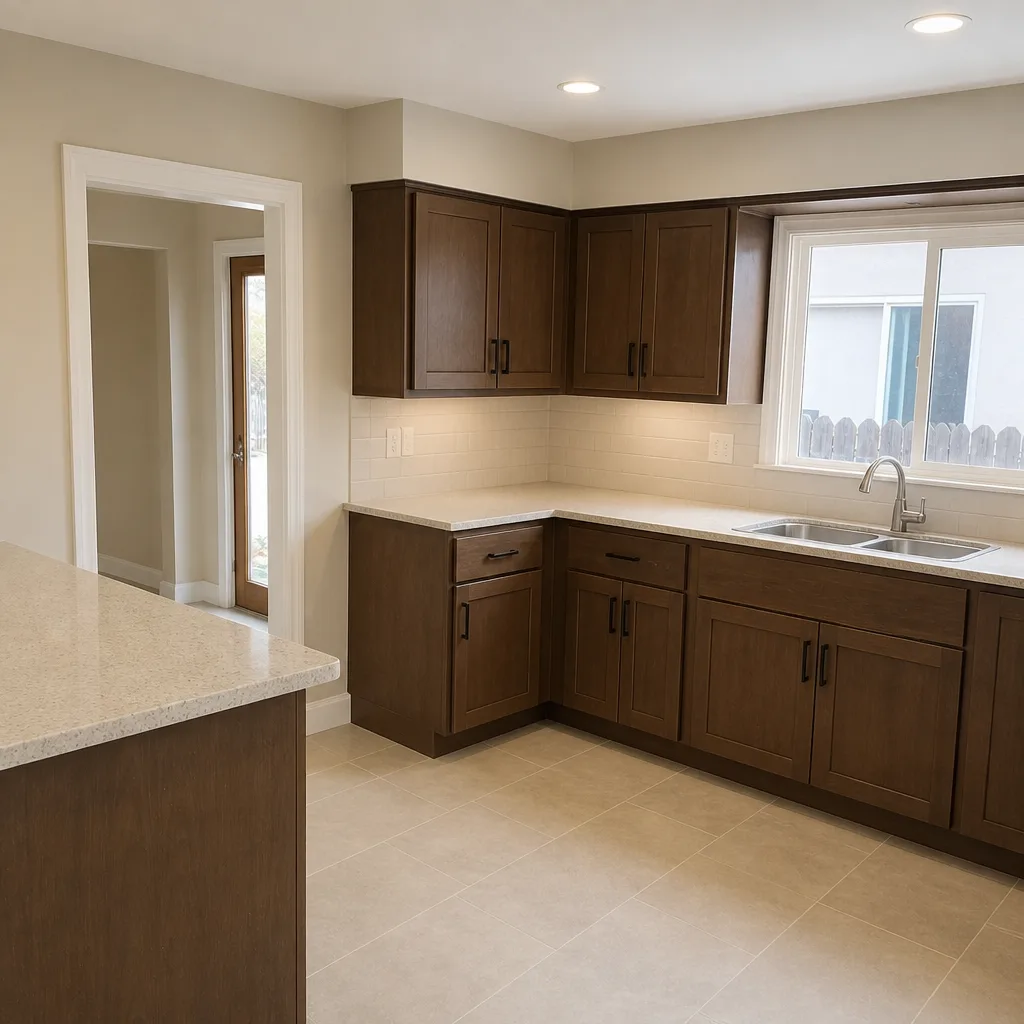 After
Home Addition Cost in Long Beach: What Drives the Real Numbers
Home additions in Long Beach typically run $45,000 to $130,000, and the per-square-foot price lands between $260 and $320 in older neighborhoods like Rose Park, well above statewide averages. The gap isn’t labor or greed. It’s the ground. Most pre-1950 bungalows here sit on shallow concrete perimeter foundations, and state seismic rules require that existing structure to be brought up to code before new square footage can legally attach to it. That foundation work alone can add $18,000 to $40,000 to a project before framing starts. Call (888) 345-8164 for a free estimate, and we’ll price the seismic upgrade, permits, and engineering as one honest number.
Key Takeaways
- Long Beach additions cost $260-$320/sq ft in older infill neighborhoods versus roughly $180/sq ft inland.
- Pre-1950 bungalows usually need cripple-wall bracing or sill-plate bolting before an addition can attach. It’s code, not an upsell.
- Dense lots push many projects vertical, which changes structural engineering entirely.
- Properties west of Alameda sit in the Coastal Zone and require a Coastal Development Permit.
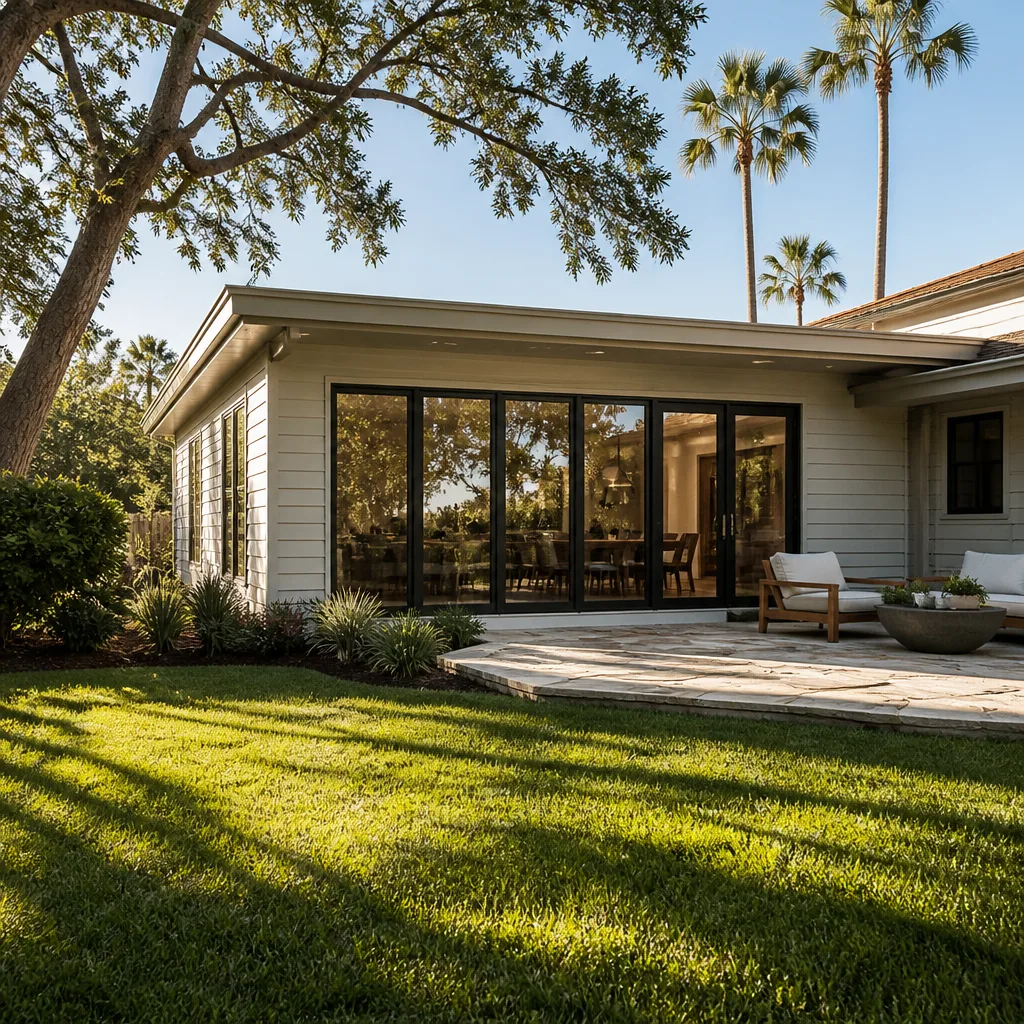
Why Long Beach Addition Costs Outrun the State Average
A 400-square-foot room addition that prices at $180 per square foot in Sacramento can run $260 to $320 per square foot in Rose Park. Same scope on paper. Different city underneath it.
Here’s what actually changes the number. The original bungalow’s foundation has to support a new structure, and coastal Long Beach’s older housing stock rarely meets current seismic standards without intervention. Cripple-wall bracing, sill-plate bolting, and foundation anchoring are code requirements before a single framed wall goes up next to the existing one. Nobody skips that step and passes inspection. When a contractor bids your addition at inland prices, they’re either planning to hand you a change order after demo or planning to skip the structural work. Neither is a deal.
We’ve seen it both ways. The homeowners who got burned before usually got burned by exactly this: a low bid that ballooned once the foundation was opened up. Upfront pricing means the seismic assessment happens before the contract, not after the demo crew leaves. That’s the difference between a budget and a guess.
Lot Lines, Setbacks, and Why So Many Additions Go Up Instead of Out
Long Beach is built out. The infill lots in Belmont Heights, the east-side tracts, and the Craftsman blocks don’t leave much room to expand sideways without running straight into setback requirements. Add a garage, a mature tree, and a property line that barely clears code, and horizontal expansion stops being an option.
So the addition goes vertical.
A second-story or partial-height addition changes the structural equation. The existing frame has to carry the new load, which means engineering drawings, load calculations, and often reinforcement of the walls below. National cost guides price a “room addition” as a simple per-square-foot figure and ignore this entirely. The engineering alone can add thousands. For the full scope of what a second-story or ground-level build involves, our Home Additions & ADU page breaks down the build types, and this page handles the cost side.
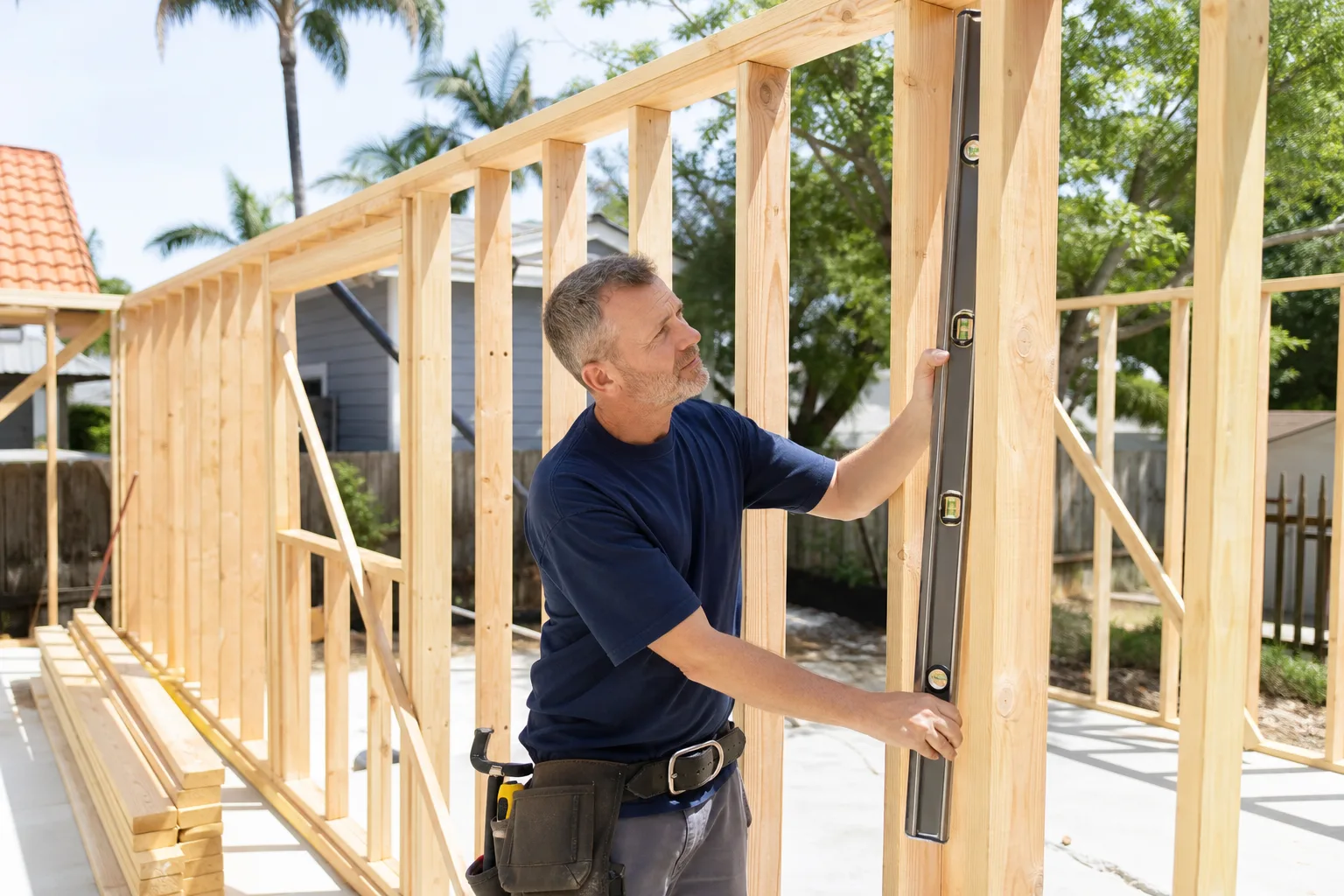
The Coastal Zone: A Cost and Schedule Variable Inland Contractors Never Touch
Properties west of Alameda sit inside the Coastal Zone. That triggers a Coastal Development Permit, which adds review time and design constraints before a shovel hits dirt. Design review, historic-district considerations in older neighborhoods, and seismic retrofit rules can all apply to the same small lot. A contractor who works mostly in Lakewood or Compton won’t have navigated that stack. The schedule slips that come from a misread permit requirement are real money.
Groundwork Construction Co. of Long Beach scopes permit procurement and engineering coordination into the signed price. No surprise timeline. No surprise invoice. What’s left is the build itself, handled by background-checked, uniformed technicians, with calls answered by a live person 24 hours a day when something comes up on site.
What Home Addition Costs Look Like in Long Beach
These are working ranges for Long Beach projects, with the structural and permitting variables already accounted for. Your exact number depends on lot conditions and finish level.
| Project Type | Typical Cost Range |
|---|---|
| Home Addition (overall) | $45,000-$130,000 |
| ADU Construction | $90,000-$220,000 |
| Garage Conversion | $30,000-$80,000 |
| Seismic Foundation Upgrade (pre-1950 stock, often required) | $18,000-$40,000 |
| Engineering Drawings & Load Calculations (vertical additions) | Quoted per project |
| Coastal Development Permit Review (west of Alameda) | Quoted per project |
Those top-line ranges reflect projects that are structurally honest from the start. A $45,000 addition in Long Beach is a modest bump-out on a foundation that’s already sound. The $130,000 end of the range is typically a full second-story build with seismic upgrades, engineering, and premium finishes. The number you see is the number you pay, and the 730-Day Done Right Promise sits behind all of it: if the workmanship isn’t right, we make it right.
The Cost Drivers Most Bids Leave Out
The marine layer and salt air off the Port accelerate corrosion on exterior wood, stucco, and fasteners. On additions, that means specifying the right hardware and flashing from the start, or you’re paying to redo it in a decade. Termites and moisture intrusion in older wood-frame bungalows are a routine repair driver, and any addition that ties into an existing wall has to account for what’s actually inside that wall. We’ve opened up plenty of them and found original knob-and-tube wiring and un-permitted additions from decades past. Those discoveries affect both the budget and the inspection.
Building envelope materials matter here too. We work with partners like James Hardie on siding, and that specification is part of what keeps an addition standing through coastal exposure. “Built to last, backed in writing” isn’t a slogan when the salt air is testing it every day.
Financing changes the math for a lot of households. 0% financing for 18 months, plus $1,000 off projects over $10,000, lets you build the scope you actually need, structural work included, instead of cutting the seismic upgrade to hit a payment. Cutting structural corners to fit a budget is how additions fail inspection or, worse, fail in an earthquake.
FAQs
A home addition in Long Beach typically costs $45,000 to $130,000, with per-square-foot pricing of $260-$320 in older neighborhoods like Rose Park versus roughly $180/sq ft inland. The difference is the seismic and foundation work required on pre-1950 homes. Call (888) 345-8164 for an exact quote. Estimates are free.
Three local drivers push Long Beach costs up: required seismic upgrades on older foundations before an addition can attach, tight lot lines that force vertical builds requiring structural engineering, and Coastal Zone permitting west of Alameda. None of these appear in national cost guides, and any bid that ignores them isn’t a real bid. Call (888) 345-8164 and we’ll walk through which apply to your property.
A garage conversion runs $30,000 to $80,000 in Long Beach, while a ground-up addition runs $45,000 to $130,000, so a conversion is usually the less expensive path when it fits your needs. But a conversion skips the foundation-upgrade costs that drive addition pricing, which is why it often pencils out cheaper. Whether it works for you depends on the garage’s condition and your setback situation. Call (888) 345-8164 for a free assessment.
Yes, if your property sits west of Alameda, additions require a Coastal Development Permit, which adds review time and design constraints to the schedule. That’s a permit layer inland contractors in Lakewood or Compton never deal with. We scope permit procurement and engineering coordination upfront so the timeline doesn’t surprise you mid-build.
Get an Honest Number Before You Commit
An addition in Long Beach needs a price that accounts for the foundation, the setbacks, and the permits before anyone signs. Groundwork Construction Co. of Long Beach prices the structural work into the contract, backs it with the 730-Day Done Right Promise, and answers the phone around the clock. Call (888) 345-8164 for your free estimate and design consult, and see what your project actually costs.
Written by the team at Groundwork Construction Co. of Long Beach, serving Long Beach, CA.
What Our Customers Say
"Found unpermitted work by the previous owner once he opened the wall. He stopped, explained the options and what each would cost, and let me decide rather than making it my emergency."
- Marco Castillo"He pulled the permits himself, scheduled every sub and ran the inspections. I made one decision a week and otherwise stayed out of it, which is exactly what I was paying for."
- Robert Sullivan"The finished work is exactly what we wanted. It did run about three weeks over, mostly waiting on a cabinet delivery that was out of his hands, though I would have liked more updates during that stretch."
- Dev Sharma