




Free written scope consultation - allowances, timeline, and change-order rules on paper before a single trade is scheduled
Styles & brands we work with
- Kitchen remodeling
- Bathroom remodeling
- Home additions & ADU
- Roofing
- Windows & doors
- Driveway & pavers
- Fence
See the difference
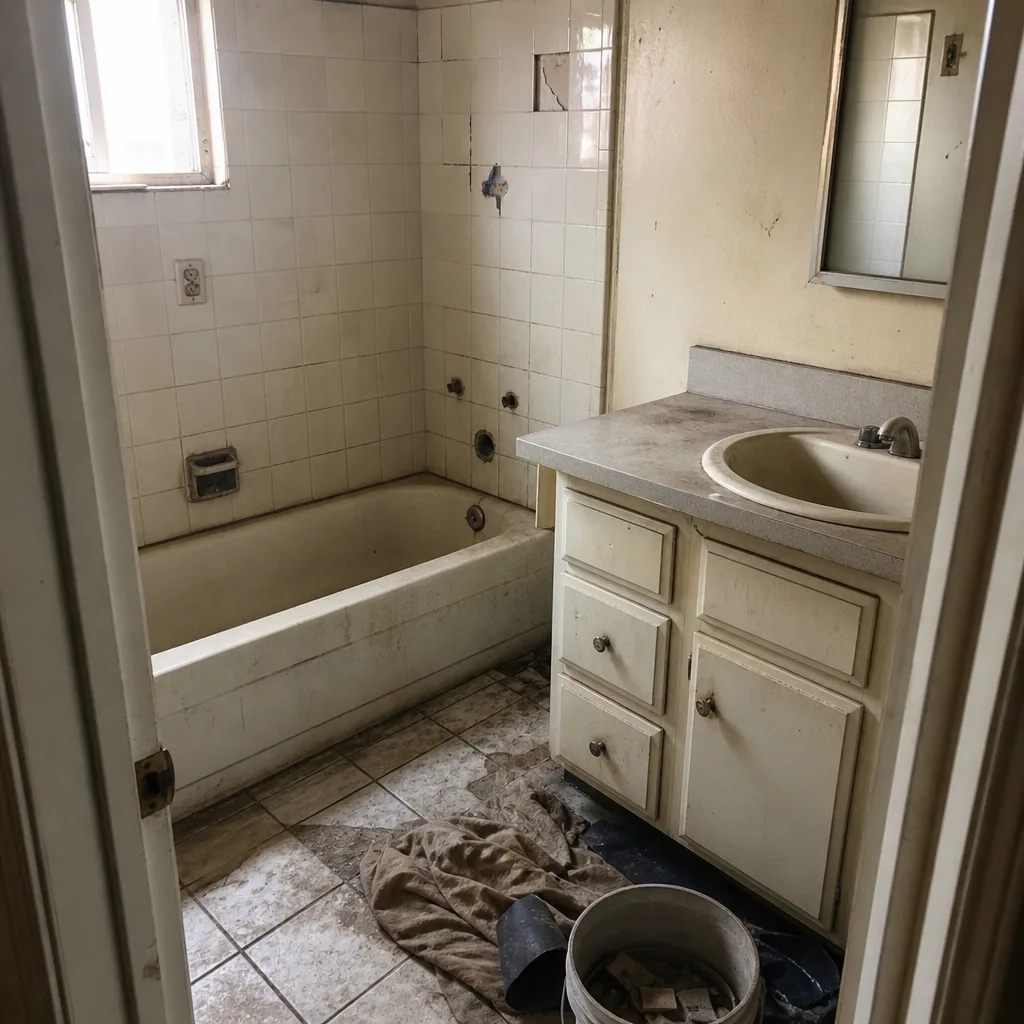 Before
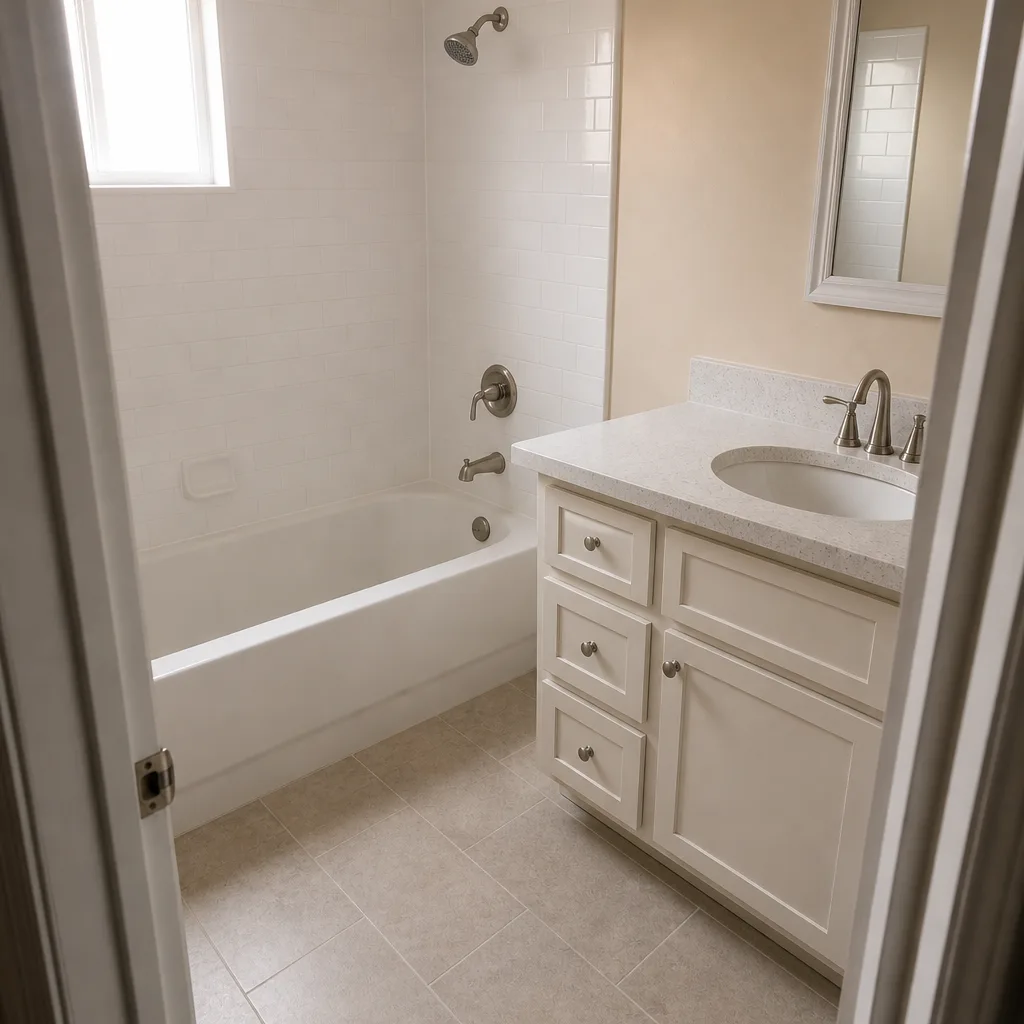 After
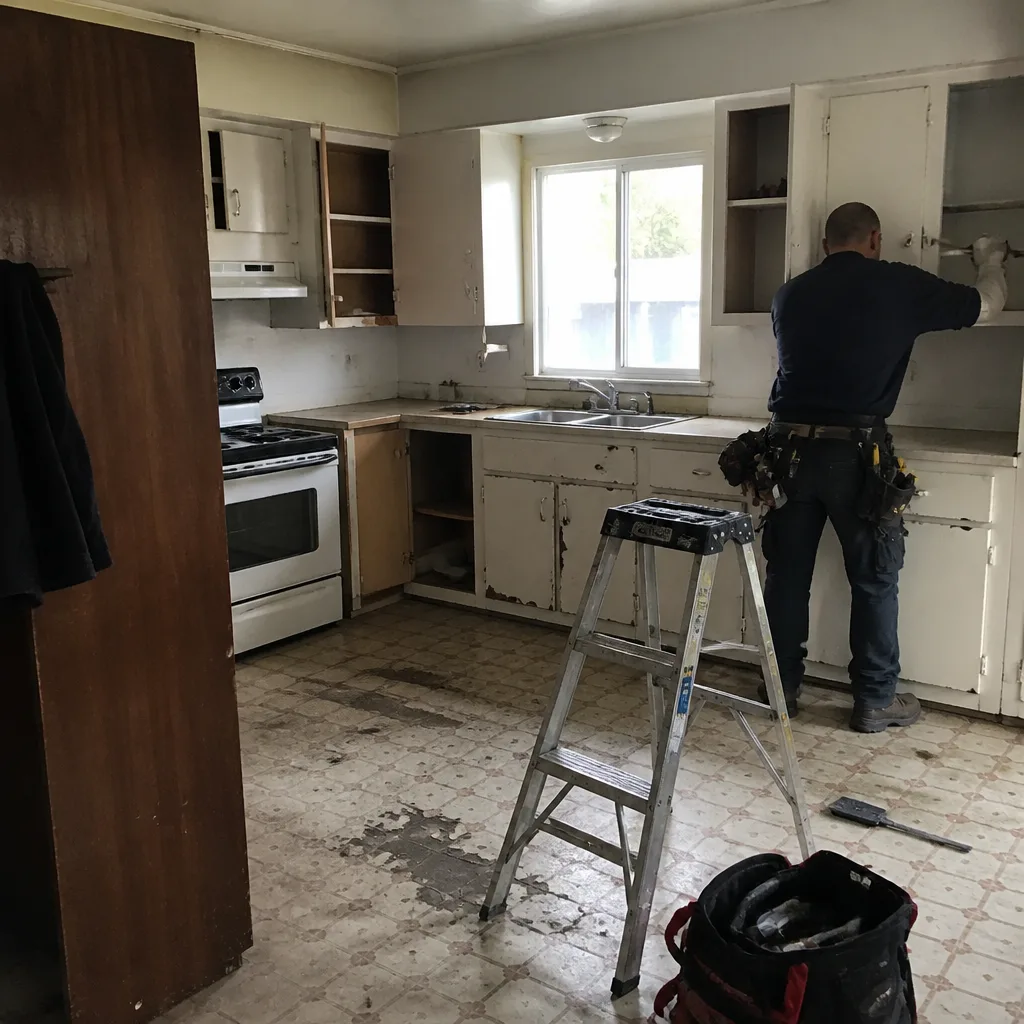 Before
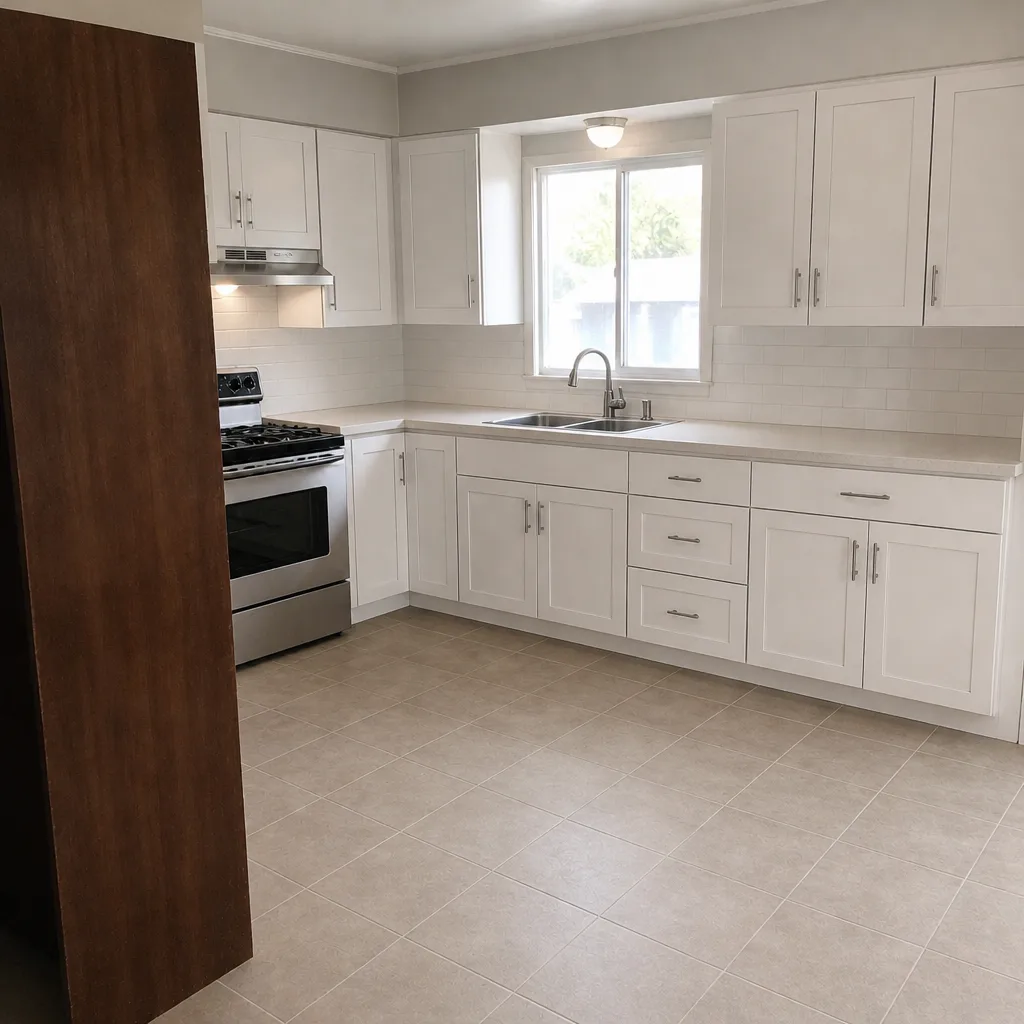 After
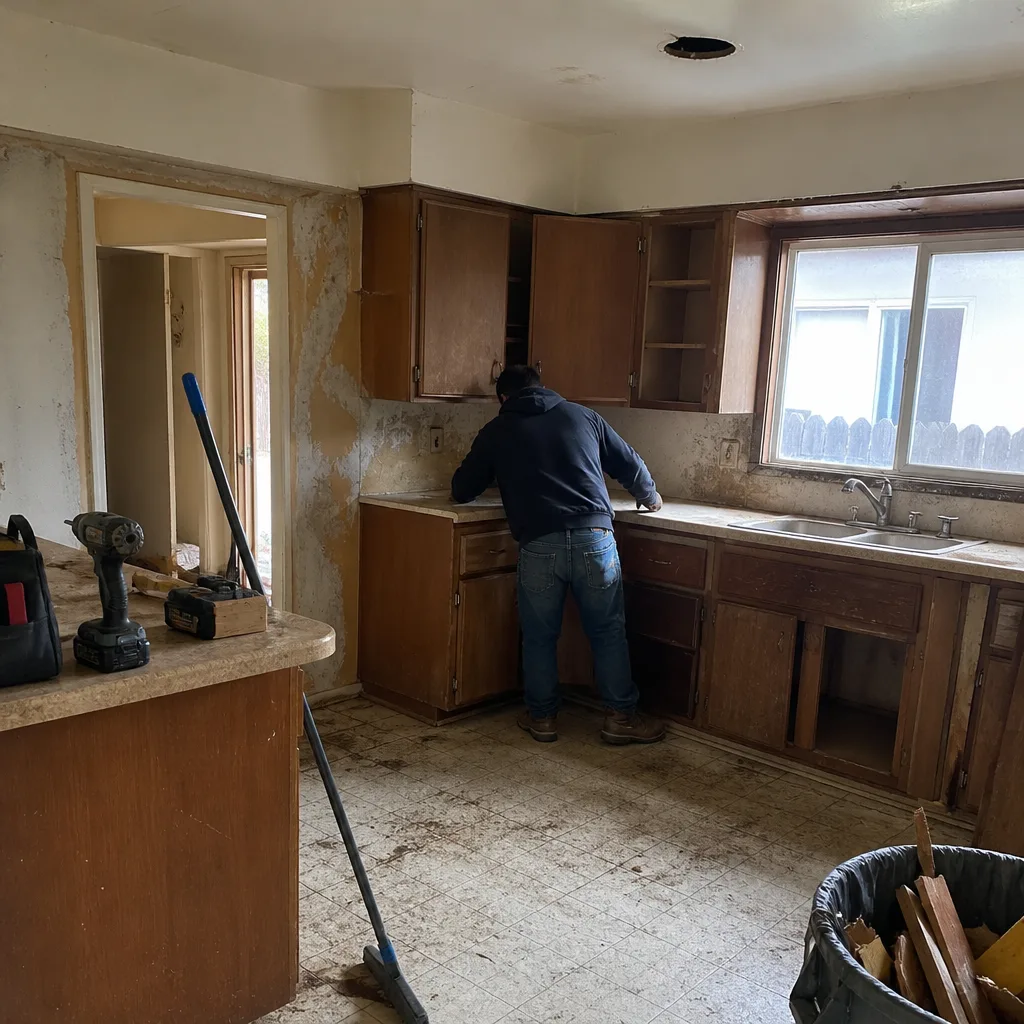 Before
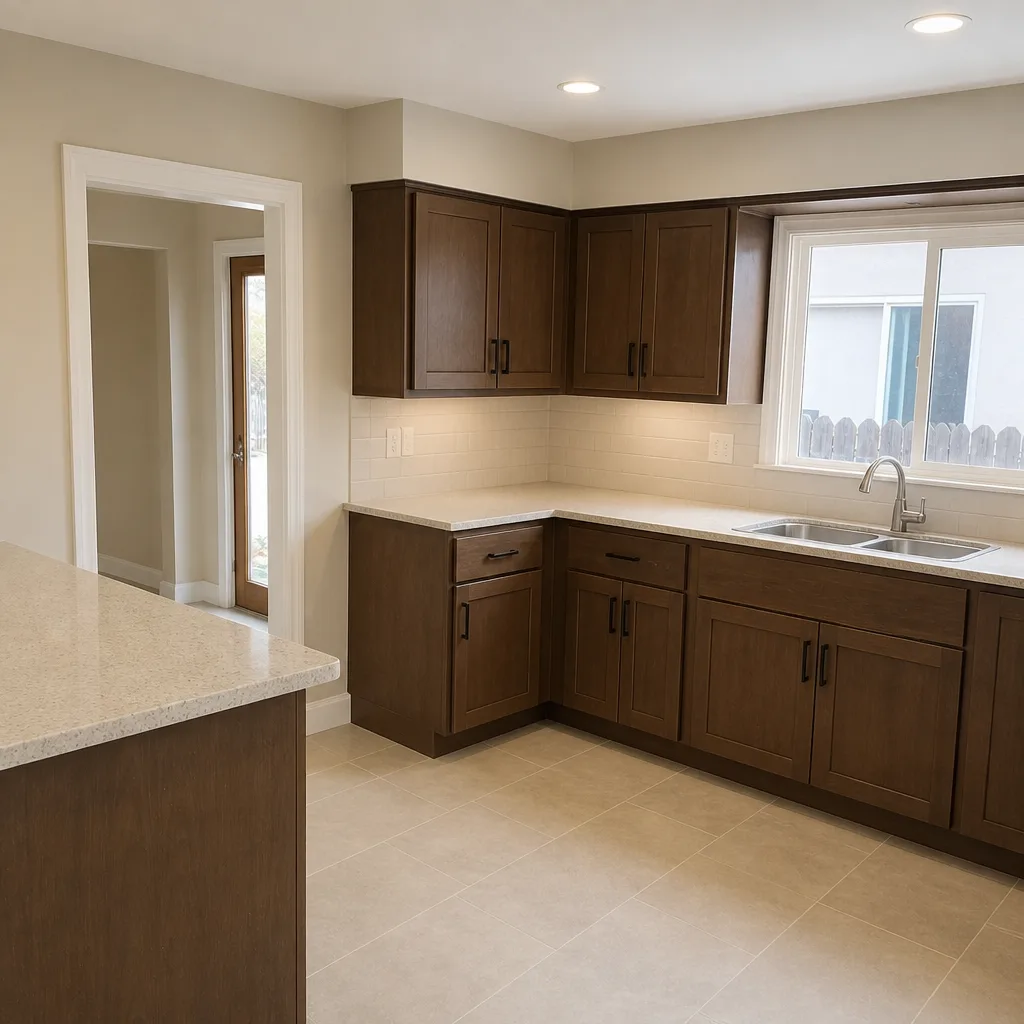 After
General Contractor vs Handyman in Long Beach: Where the Legal Line Actually Falls
Choose a licensed general contractor the moment a job touches load-bearing structure, electrical, plumbing, gas, or anything that requires a permit - and choose a handyman only for surface work like painting, trim, patching, or assembling. The dividing line in Long Beach isn’t project size or budget. It’s legal exposure. A handyman can repaint your porch, but if they open a wall in your 1940s bungalow and find original knob-and-tube wiring, they legally cannot touch it, cannot pull the permit to replace it, and cannot be held accountable if the work gets done anyway and fails inspection. That’s not a capability gap. It’s a liability gap that lands on you. Call (888) 345-8164 and we’ll tell you straight which side of that line your job falls on.

Why Long Beach Homes Make the Handyman Question Riskier Than It Looks
Rose Park and Belmont Heights are dense with 1920s Spanish Colonial Revival and Craftsman bungalows, and the east-side fourplexes date to the 1950s through ’70s. Open almost any wall in these buildings during a gut remodel and you’ll find knob-and-tube wiring still in service, asbestos-bearing stucco on the exterior, or an addition somebody framed in decades ago without a permit. None of those conditions can be disturbed legally without a licensed contractor and an open permit. A handyman who agrees to “just take a look” is agreeing to work they’re not authorized to perform.
Layer on the marine layer and salt air rolling in off the Port of Long Beach, and older wood-frame bungalows here rot and corrode faster than inland housing stock. Termite damage and moisture intrusion are constant repair drivers. That matters because the fix usually runs deeper than the surface symptom. What looks like a fascia board replacement turns into structural framing once the rot is exposed. What looks like a light-switch repair turns into a panel upgrade once the wiring behind it is opened up.
The $500 Rule: What California Actually Requires
California’s Contractors State License Board draws the line at $500. Any job where labor and materials combined run $500 or more requires a licensed contractor. That threshold is the single most misunderstood fact in this comparison, and it cuts both ways.
A handyman pricing a job at $480 to stay under the threshold is often incentivized to under-scope the work. That means code-required items get quietly left out - the seismic strap on your cripple wall, the updated electrical panel, the properly flashed window opening. You save a few hundred dollars on the invoice and inherit the deficiency. On older Long Beach multi-family buildings, soft-story and seismic retrofit requirements make structural upgrades a routine, code-driven line of work rather than an elective one. Those upgrades don’t fit under a handyman’s threshold.
- Under $500 combined labor and materials: a handyman can legally perform the work.
- $500 or more: a licensed contractor is required, and the work needs a permit.
- Any load-bearing change, electrical panel work, gas line, plumbing rough-in, or structural repair: licensed general contractor, no exceptions, regardless of price.
- Coastal Zone and historic-context properties in Rose Park and Belmont Heights: expect Coastal Commission review, historic-district design review, and seismic retrofit rules stacked on the same small lot - a permitting pile you don’t hit inland in Lakewood or Compton.

Who Is Accountable When Something Goes Wrong?
In Long Beach, permit accountability belongs to whoever pulls the permit. That sentence deserves to be read twice.
If you pull your own homeowner permit and a handyman does the work, you are legally responsible for every code deficiency on that job. Not the handyman. You. If a buyer’s inspector finds un-permitted work during escrow, the liability, the correction costs, and the negotiated price reduction are yours. This is the part of the handyman decision nobody explains until it’s expensive.
A licensed general contractor pulls the permit in their name, carries the bond and insurance, and stands behind the inspection sheet. That’s the structural difference between the two options. It’s also why un-permitted additions built decades ago still haunt owners during a sale today - the paperwork trail, or the lack of one, outlives whoever did the work.
Side-by-Side: General Contractor vs Handyman in Long Beach
| Factor | Licensed General Contractor | Handyman |
|---|---|---|
| Can pull permits | Yes, in their own name | No |
| Legal scope | Any job, including structural and code-required work | Under $500 combined labor and materials, surface work only |
| Liability if something fails | Contractor is accountable | Homeowner is accountable |
| Can handle knob-and-tube or panel replacement | Yes, under permit | No |
| Workmanship warranty | Contractual, and with us it’s the 730-Day Done Right Promise | Varies, often verbal |
| Best fit for | Kitchens, baths, roofing, windows, additions, ADUs, structural repair | Painting, trim, patching, assembly, small surface repairs |
Our recommendation is simple. Surface work on a newer inland home in Lakewood? A handyman is a reasonable call. Anything inside the walls of a pre-1970s Long Beach property, anything that needs a permit, and anything that touches structure, electrical, or gas? Use a licensed general contractor. The cost of getting it wrong is measured in escrow findings, not invoices.
When we assess a job, we quote it the way the home construction work actually needs to be scoped - permit included, code-required items named upfront. Kitchen remodels in Long Beach typically run $14,000 to $45,000, bathroom remodels $9,000 to $28,000, roof replacements $8,000 to $20,000. Those ranges assume the permit and the code upgrades are in the number, because leaving them out is how bids become surprises. We install GAF and Owens Corning roofing systems, and Boral and IKO products where the spec calls for them, so the material line on your estimate is a named product, not a placeholder.
What to Look For Before You Hire Anyone
A verifiable professional has a license number, a bond, insurance, and a warranty that’s written down. The “guy with a truck” model has none of those, and often no physical address you can verify. Our technicians arrive background-checked and in uniform, so the person at your door is the person on the paperwork. Our crews have up to 12 years of experience per technician, and every line of work we do is covered by the 730-Day Done Right Promise - if it’s not done right, we make it right, in writing.
Calls are answered by a live person 24 hours a day, 7 days a week. That’s genuinely useful during a decision like this one. You can call at 9 p.m. with a photo of an open wall and get a straight answer about whether your specific job requires a licensed GC before you hire anyone. No guesswork, no Monday-morning callback, no waiting to find out whether the person you already paid can legally do the work.
Pricing is upfront. The number you see is the number you pay, and there are three standing offers that apply to most projects: $1,000 off projects over $10,000, a free project estimate and design consult, and 0% financing for 18 months. For larger scopes, our kitchen remodeling and bathroom remodeling teams handle the permit and inspection sequence; for structure, our roofing and windows and doors lines carry the same warranty. If your job sits in the gray zone, the home addition walkthrough is worth reading before you commit to a scope.
FAQs
You need a licensed general contractor for any bathroom remodel that involves moving plumbing, electrical, or wall framing, which describes most full remodels in Long Beach’s older housing stock. A handyman can handle a vanity swap or a paint job, but a tub-to-shower conversion that relocates the drain and opens a wall behind it falls squarely on the contractor side. Call (888) 345-8164 and we’ll walk through your specific scope - estimates are free.
Yes. California requires a licensed contractor for any job where labor and materials combined total $500 or more, and an unlicensed person performing that work is breaking the law. The penalty doesn’t stop with them - if the work is un-permitted and something fails, you carry the correction cost. That’s why we quote permit-inclusive numbers upfront. Call (888) 345-8164 for an exact scope and price on your job.
Both conditions require a licensed contractor working under an open permit before any walls, ceilings, or exterior surfaces can be disturbed. Knob-and-tube wiring must be replaced, not worked around, and un-permitted additions often need to be brought into compliance or removed as part of the project. We see this routinely in Rose Park and Belmont Heights. Call (888) 345-8164 and we’ll tell you what the permit trail looks like before you sign anything.
Yes, and that’s the fastest way to settle the contractor-versus-handyman question for your specific project. Our line is answered by a live person 24/7, so you can describe the job and get a direct answer on permit requirements, scope, and pricing without a sales visit. Call (888) 345-8164 - the estimate and design consult are free.
If you’d rather have it looked at, Groundwork Construction Co. of Long Beach offers a no-pressure assessment in Long Beach - call (888) 345-8164. We’ll tell you whether the job needs a permit and a licensed contractor, or whether a handyman is genuinely the right call.
Written by the team at Groundwork Construction Co. of Long Beach, serving Long Beach, CA.