Free written scope consultation - allowances, timeline, and change-order rules on paper before a single trade is scheduled
Emergency & Storm Damage in Long Beach: What It Costs and How Fast It Gets Fixed
Emergency & storm damage work in Long Beach runs $400 – $1,800 for typical wind and water repairs and climbs toward $8,000 – $20,000 when a storm has torn off shingles, cracked panels, or opened a wall to the marine air. A real inspection and temporary weatherproofing can usually happen within a day or two of your call, and permanent repairs follow once the scope is settled. Call (888) 345-8164 and a live person answers, day or night.
Most Long Beach storm calls we take aren’t hurricane stories. They’re a 90-year-old bungalow in Rose Park that lost ridge caps in a Santa Ana gust, or an east-side fourplex where a wind-driven rain event pushed water past a failed flashing and into a ceiling.
How the Work Actually Sequences, From the First Call to the Final Walkthrough
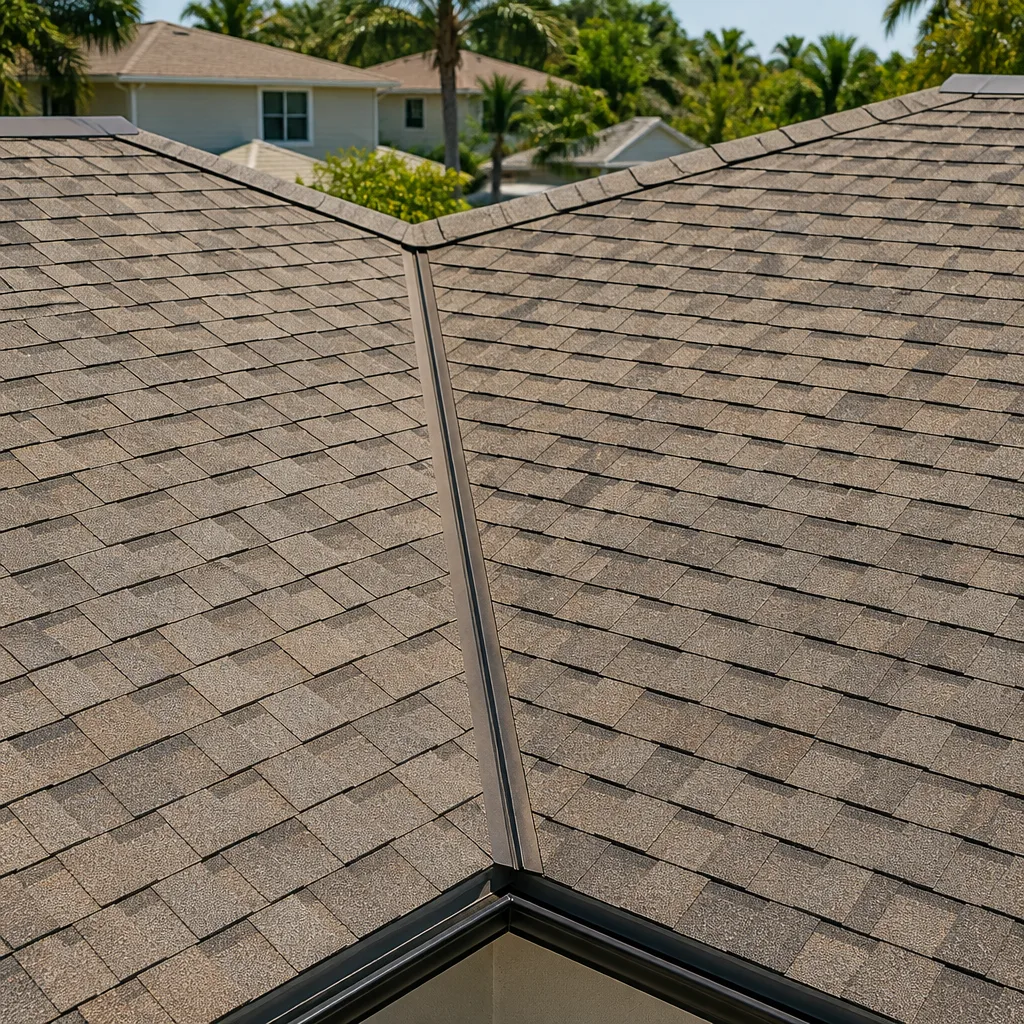
Storm damage has a rhythm, and knowing it takes the panic out of the first 48 hours. Here’s the real order of operations.
Stage 1: Phone triage and a same-week inspection (day 1 – 2)
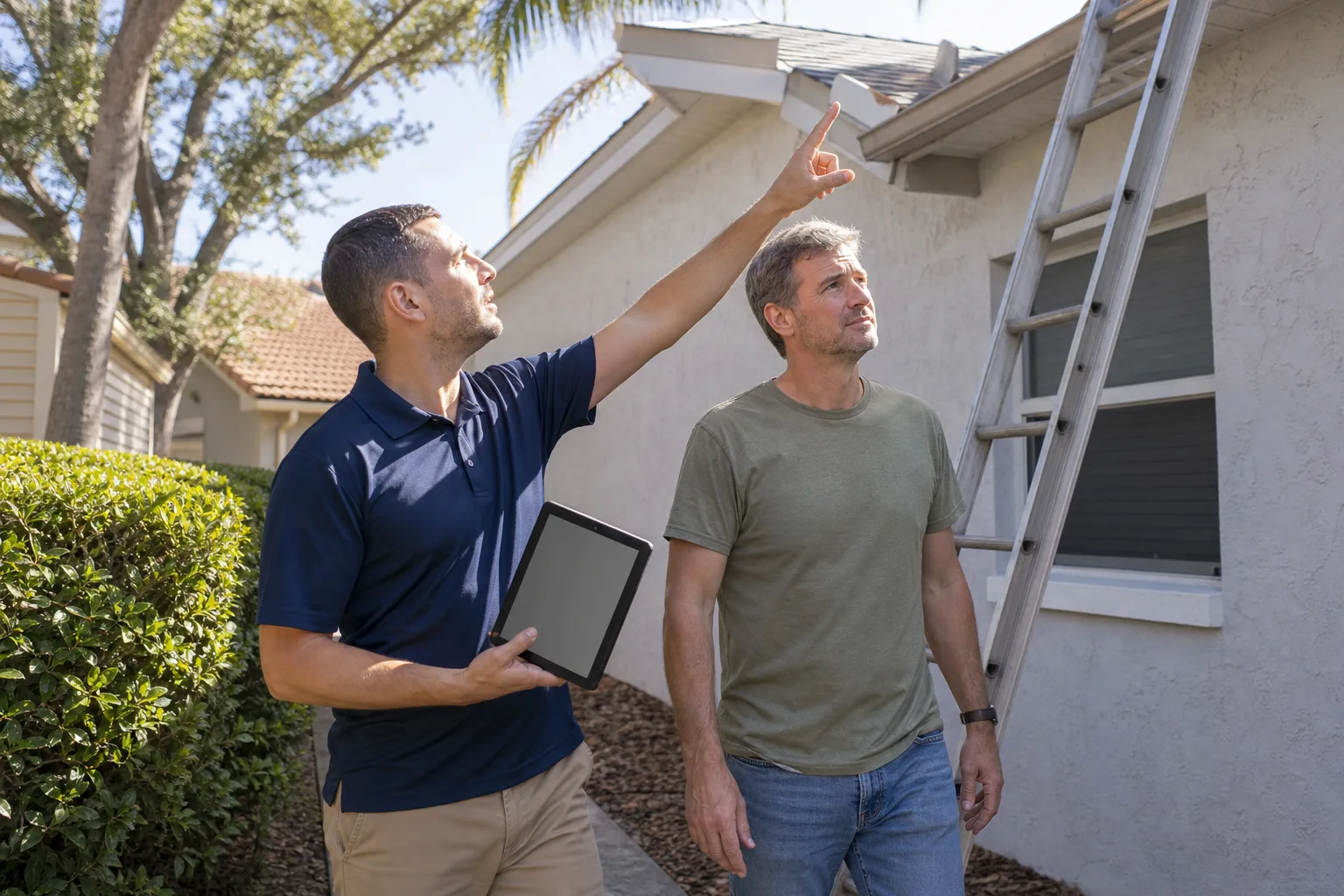
On the call, we ask what you’re seeing: missing shingles, a ceiling stain, water running down a wall, a door that won’t latch. That determines whether this is a true emergency (active leak into living space) or a repair that can wait a few days under a tarp. A technician comes out, photographs everything, and gives you a written scope. You decide then whether to authorize temporary weatherproofing while you weigh the full repair.
Stage 2: Temporary stabilization and documentation (day 1 – 2)
If water is getting in, we tarp, seal, or otherwise stop the intrusion before anything else. This stage also produces the photo record most insurance adjusters want: close-ups of the damaged area, a wider shot for context, and a note on when the damage likely occurred. You’ll want that file whether or not you end up filing a claim.
Stage 3: Full inspection of what the storm exposed (day 2 – 5)
Wind and water rarely stop where the visible damage does. We check the decking under lifted shingles, the flashing at valleys and chimneys, the fascia and soffit, and the condition of any garage door or window the storm stressed. This is where a “small” repair sometimes becomes a bigger conversation, and we’d rather show you the photos than surprise you later.
Stage 4: The repair itself (typically 1 – 3 days for damage work)
Once the scope is signed, most storm damage repairs run a day or two; larger tear-off and rebuild work runs longer. Materials are ordered against the written scope, and any wind-rated assemblies get matched to what’s already on the house so the repair doesn’t create a weak point.
Stage 5: Final inspection and warranty handoff (day of completion)
We walk the work with you, confirm the repair sheds water the way it should, and hand over the written coverage. Every project we touch is backed by our 730-Day Done Right Promise – if it’s not done right, we make it right.
Styles & brands we work with
- Kitchen remodeling
- Bathroom remodeling
- Home additions & ADU
- Roofing
- Windows & doors
- Driveway & pavers
- Fence
The Choices That Actually Matter on a Storm Repair
Most of the decisions on a storm job come down to how you want the assembly to behave in the next big wind. Here’s what you’ll weigh:
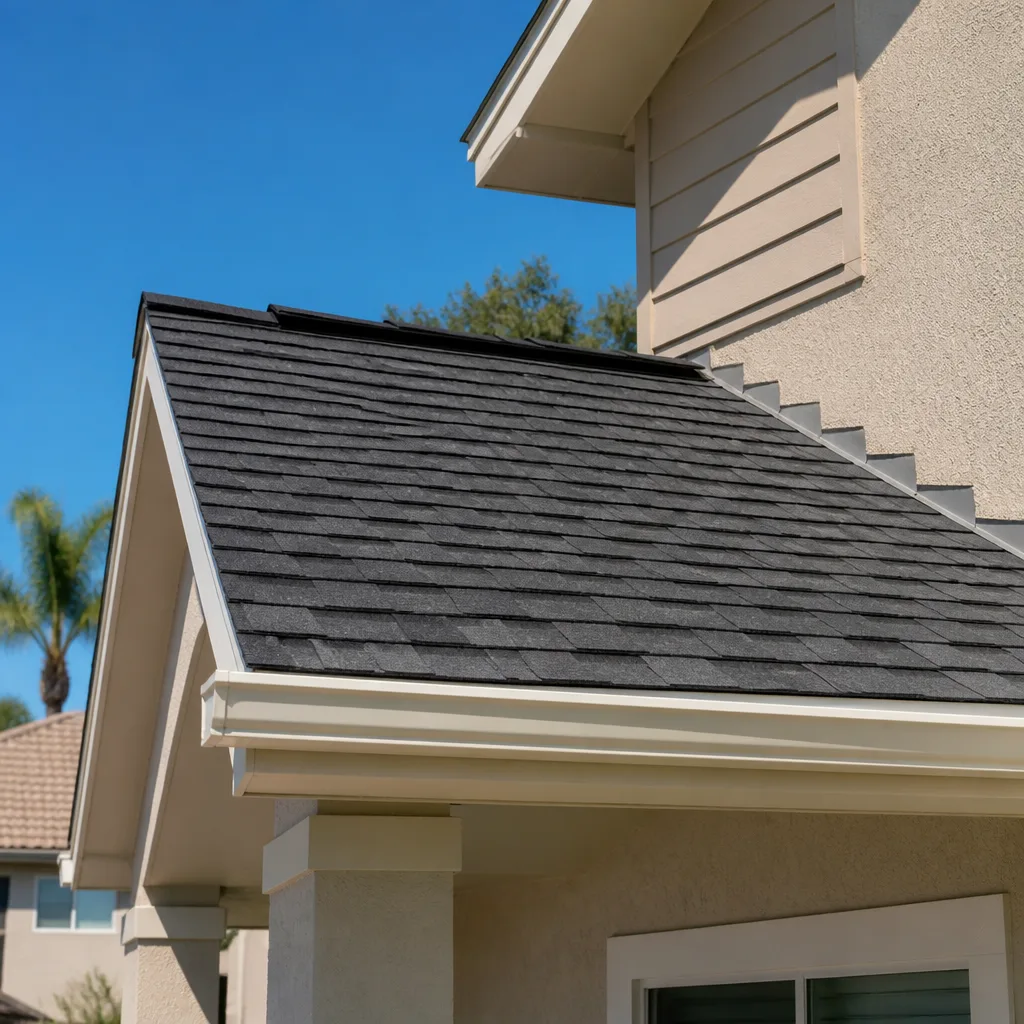
- Wind-rated vs. standard shingles: Standard three-tab costs less per square but lifts at lower wind speeds. A wind-rated architectural shingle from a line like Atlas or Tamko holds up better in the Santa Ana gusts that funnel through the east side, at a modest premium per square. If your roof is already due, this is the moment to upgrade.
- Impact-rated garage doors and windows: If a storm stressed your garage door, that’s a structural weak point on the whole house. Impact-rated doors and reinforced tracks are the upgrade most Long Beach homeowners ask about after a wind event.
- Flashing and sealant grade: Cheaper sealants crack in the salt air within a couple of seasons. Better-grade flashing and fasteners cost more up front and are the difference between a leak that stays fixed and one that comes back next winter.
- Repair-in-place vs. replace the assembly: Patching a storm-damaged section is cheaper and faster. Replacing the full slope or roof section costs more but resets the clock on the whole assembly, which usually wins if the roof is already past middle age.
What Emergency & Storm Damage Costs in Long Beach, CA
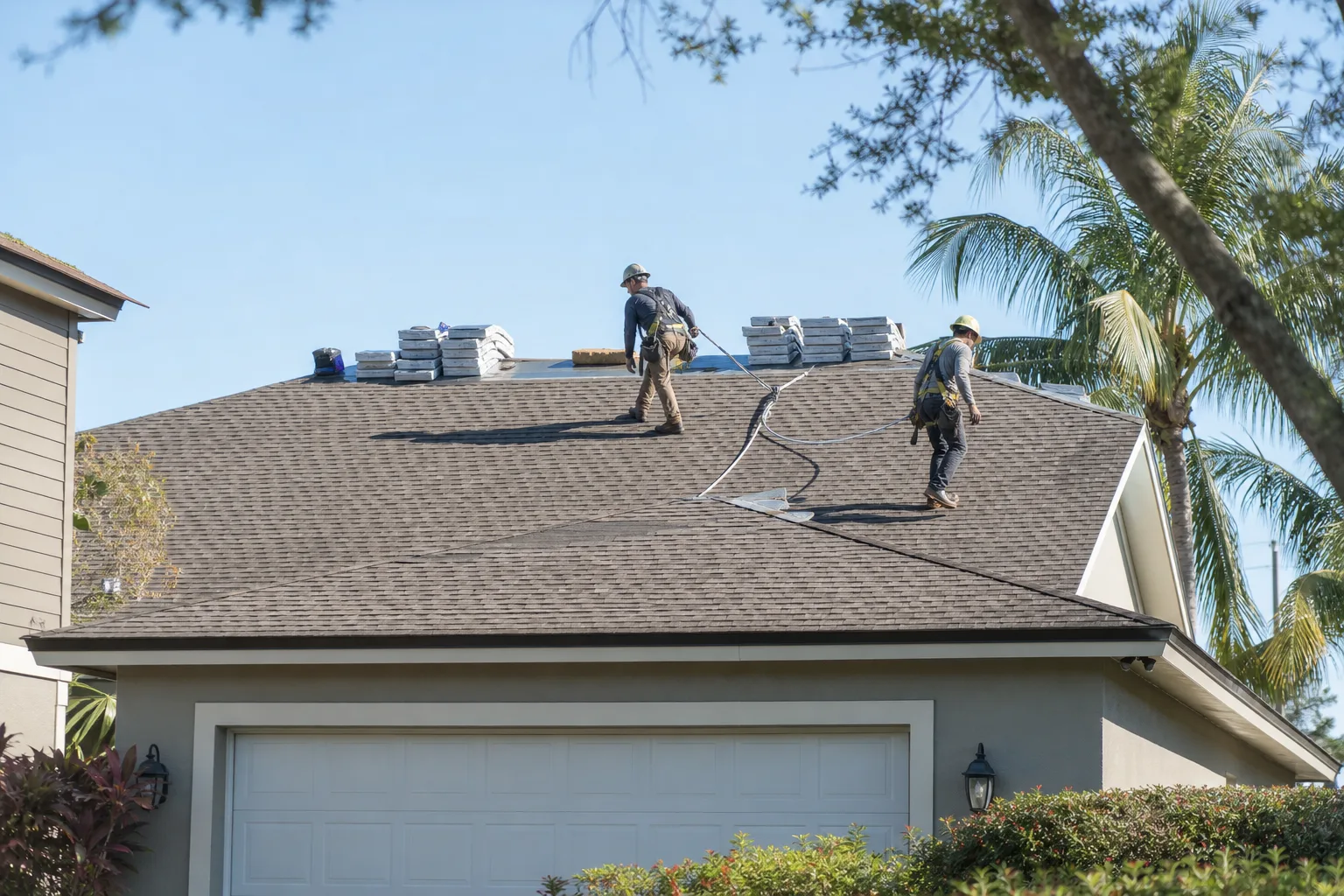
Storm repair pricing in Long Beach breaks into a few recognizable bands. Minor wind damage and leak repairs land at $400 – $1,800. Larger storm damage that involves partial tear-off and rebuild runs into the $8,000 – $20,000 range on a full roof replacement, and repair-specific line items (tile, flashing, fascia) fall between $600 and $2,500 depending on scope.
What pushes a job toward the high end:
- How much is actually damaged: A single lifted ridge cap is a quick fix. A wind event that peels a whole slope and drives water into the attic is a different project entirely.
- Hidden damage found once we open it up: Rotted decking, termite-damaged framing, or a flashing failure that’s been quietly leaking for a season.
- Material grade: Matching existing shingles vs. upgrading to wind-rated architectural, and whether impact-rated doors or windows come into the repair.
- Access and height: Second-story work, tight lots, and steep pitches all add labor.
- Permit scope: Structural repairs and full replacements require permits and inspections; a cosmetic patch usually doesn’t.
A written estimate from us itemizes the repair line by line and locks the price – upfront pricing, no surprises. What typically isn’t included: matching discontinued shingle colors (we’ll tell you honestly if a perfect match isn’t possible), and interior drywall or paint repair if water got inside, which we quote separately.
See the difference
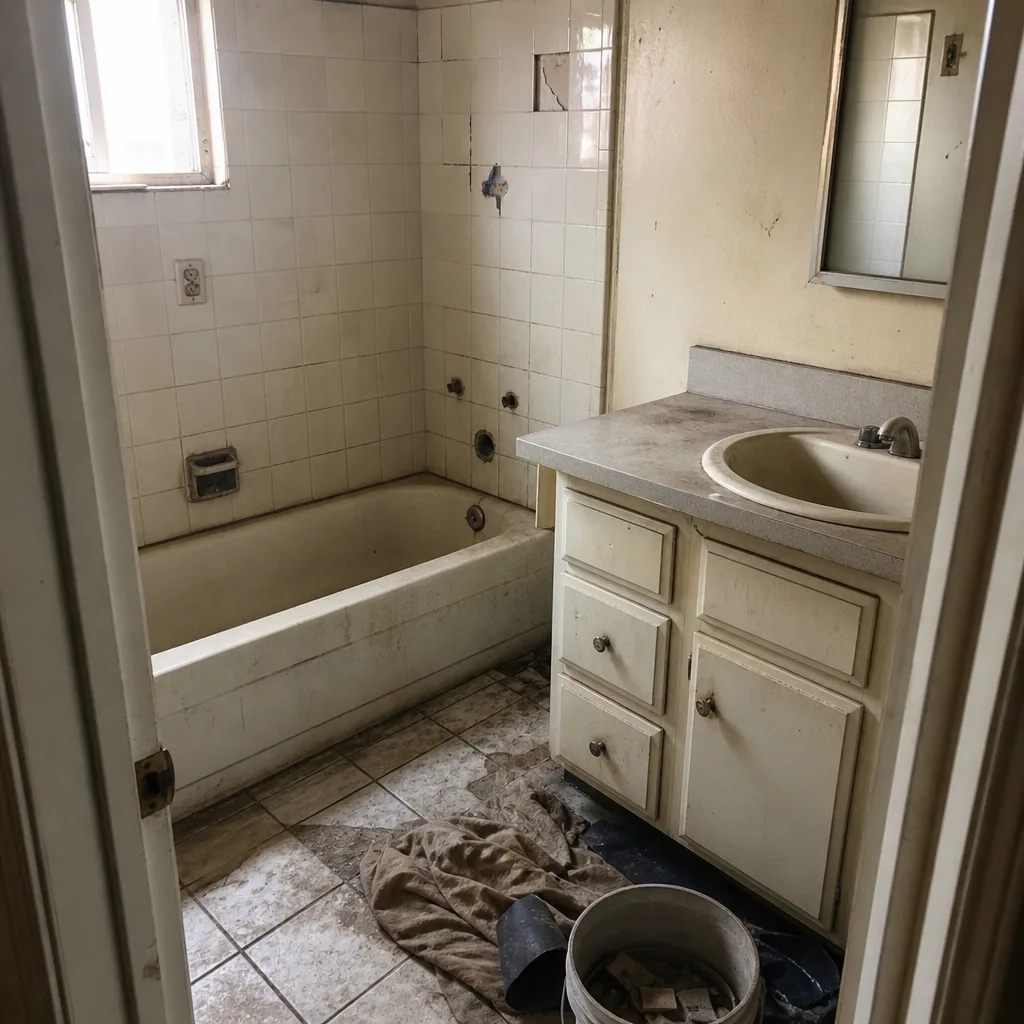 Before
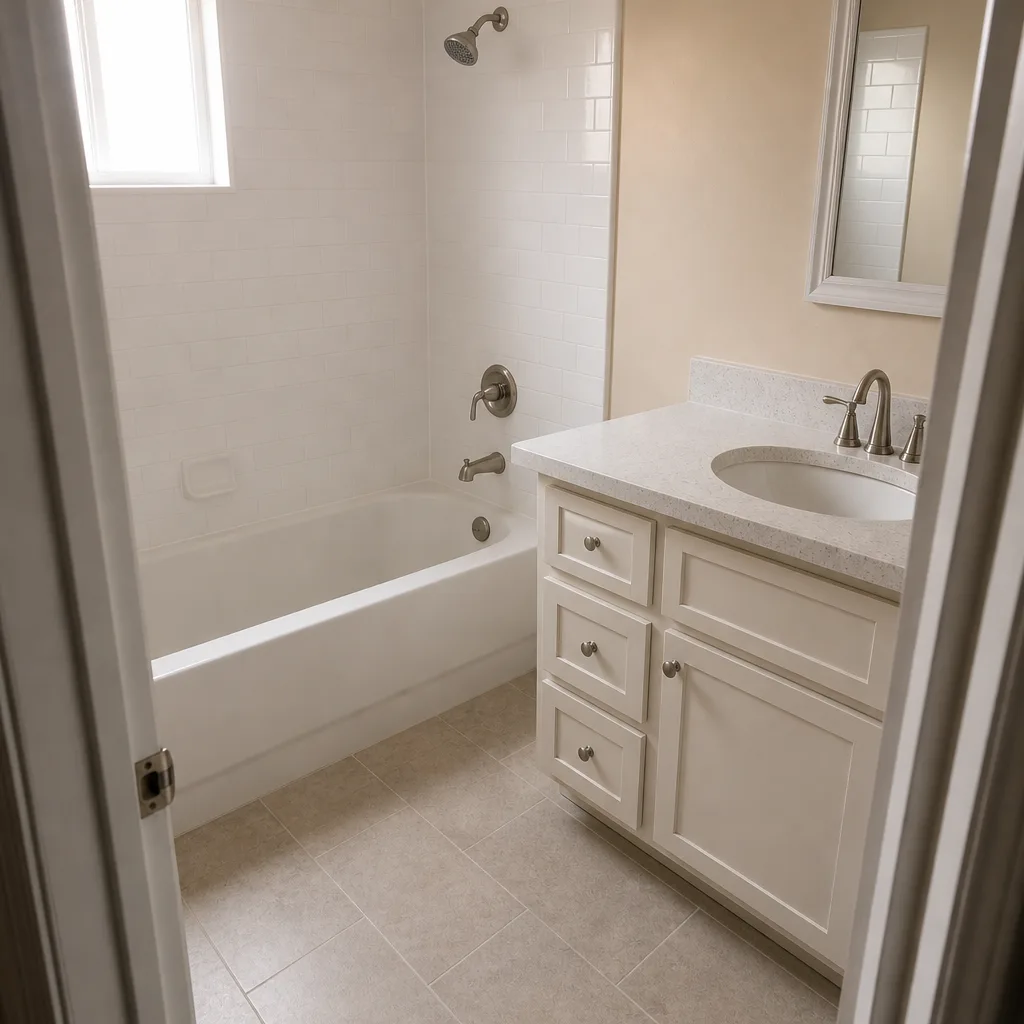 After
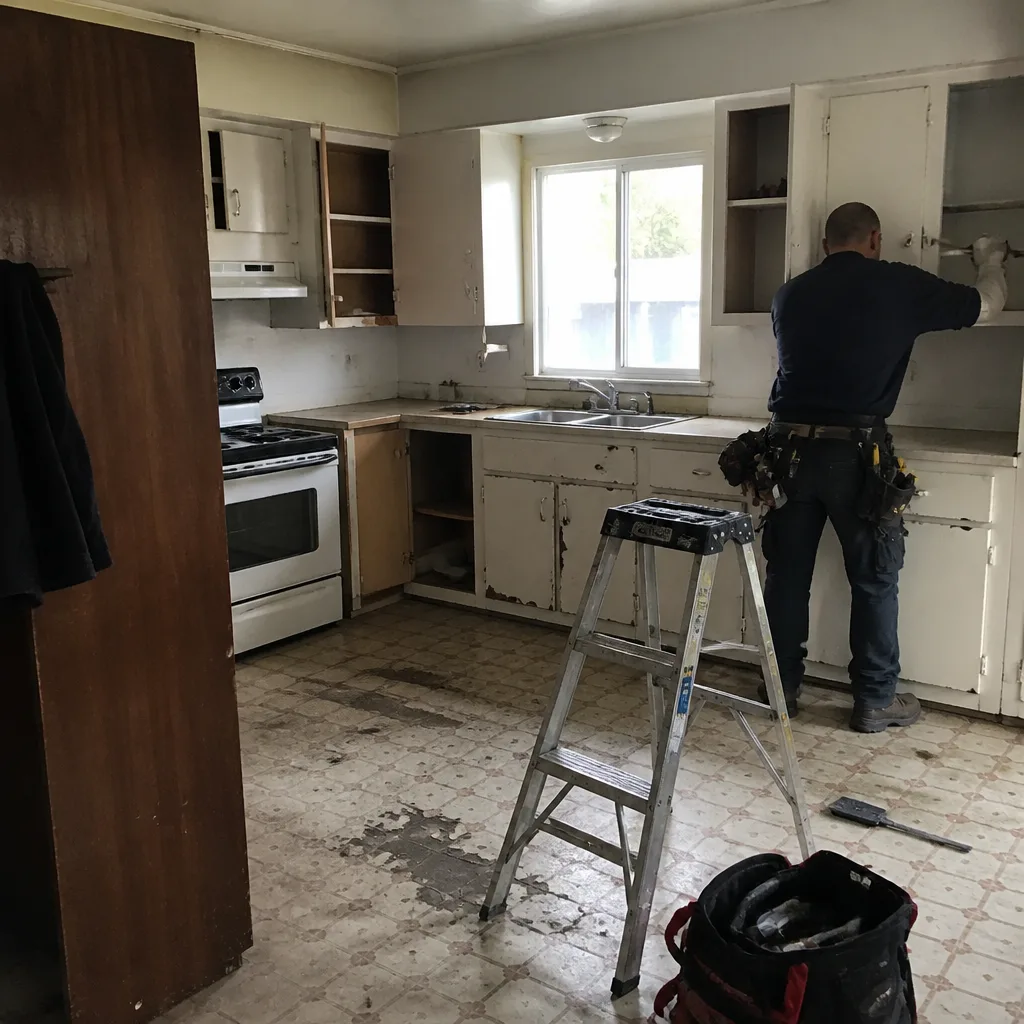 Before
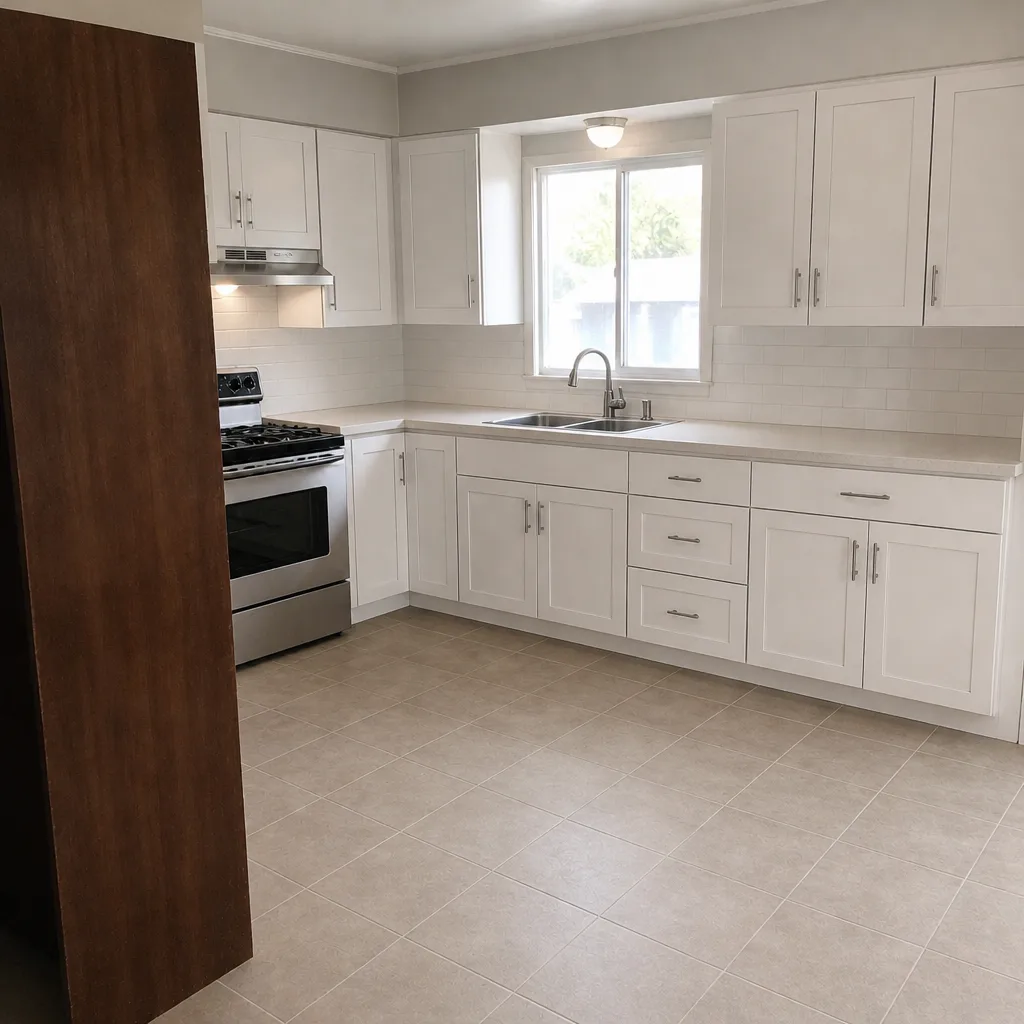 After
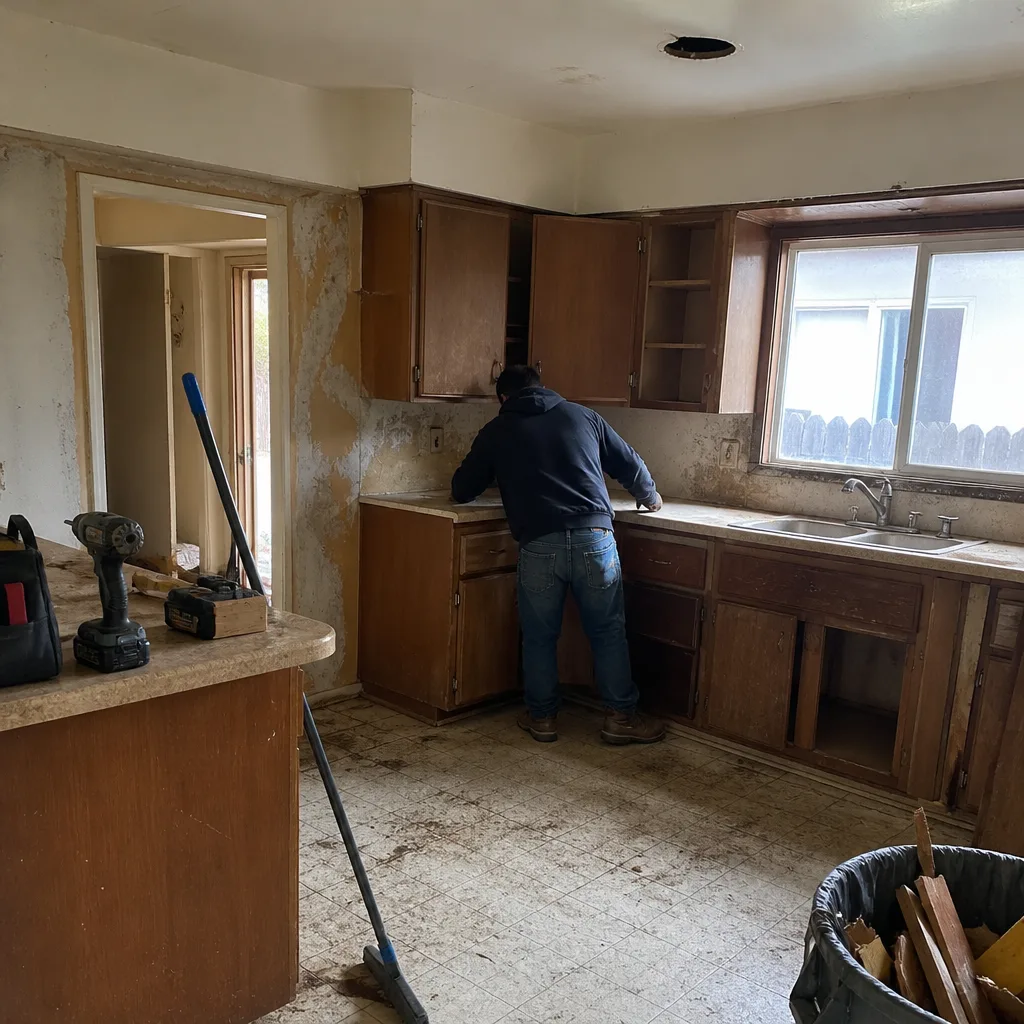 Before
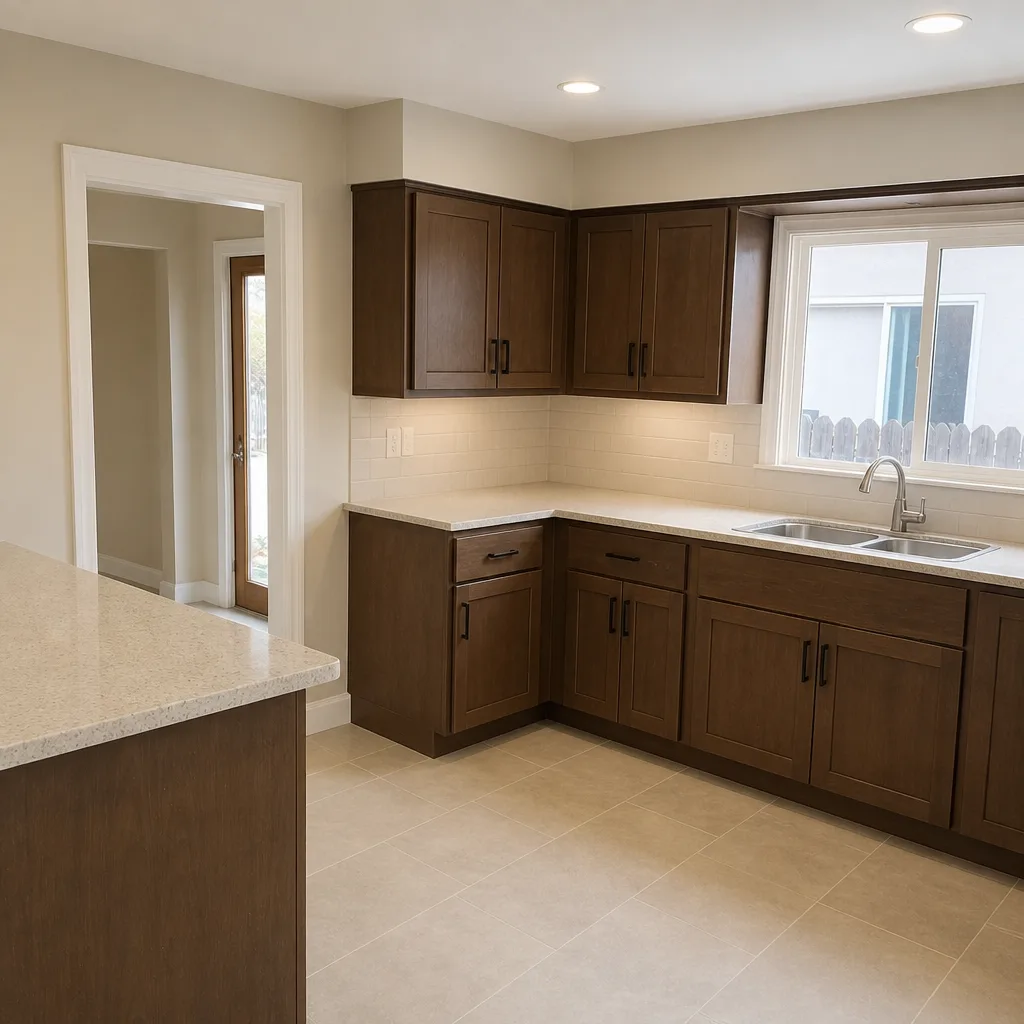 After
What Long Beach Homes Specifically Do to This Job
Long Beach has a permitting stack you don’t hit inland. Rose Park and Belmont Heights sit inside a Coastal Zone and a designated historic context, so a storm repair that touches visible exterior features can pull in Coastal Commission review, historic-district design review, or both – on top of the seismic retrofit and soft-story rules that already apply to the older multi-family buildings here. Compton and Lakewood don’t carry that same review load. That’s why we build permit time into the schedule up front rather than discovering it mid-job.
The housing stock is the other reason storm work here looks different. The 1920s – 40s Spanish Colonial Revival and Craftsman bungalows in Belmont Heights and the dense 1950s – 70s stucco fourplexes on the east side carry decades of exposure to the marine layer and salt air off the Port of Long Beach. That salt air corrodes fasteners and rots exterior wood faster than inland; the near-zero annual rainfall means when a real storm does land, the ground and the older flashing systems aren’t conditioned for the volume. Termites and moisture intrusion in the older wood-frame bungalows are constant companions to any repair we open up. We cover all of Long Beach and the surrounding neighborhoods, and we frequently find the storm repair connects to a wider scope – sometimes part of a full Roofing in Long Beach project, sometimes a reinforcement job a homeowner pairs with secure Impact Garage Doors in Long Beach or with Custom & Geometric Windows in Long Beach that hold up better to wind-driven rain. If the storm turned into a bigger structural conversation, our Roofing service handles the full scope.
Serving Long Beach, CA – Our Local Coverage Area
We serve Long Beach and nearby communities. Use the map below to see the area we cover. If you’re nearby, we can almost certainly help.
Frequently Asked – Emergency & Storm Damage in Long Beach

Most storm repairs run one to three days from signed scope to completion; a full roof replacement following storm damage typically takes longer. The inspection and temporary weatherproofing usually happen within a day or two of your call. Call (888) 345-8164 for a free on-site estimate so we can give you a real schedule for your specific repair.
It depends on scope. Cosmetic patching and minor flashing repairs typically don’t require permits; structural repairs, full roof replacements, and anything touching the historic context or Coastal Zone usually do. We pull the permits and schedule the inspections as part of the job, and we’ll tell you up front which category your repair falls into.
Sometimes, yes. A lifted ridge cap, a single damaged tile, or a flashing failure can often be fixed without opening the structure. But water travels, and we won’t promise a surface fix if the decking underneath is compromised. The inspection tells us which way it goes, and we show you the photos before we recommend the bigger scope.
Minor repairs run $400 – $1,800; larger repairs that involve partial tear-off and rebuild run higher, up to the $8,000 – $20,000 band for a full replacement. The estimate is itemized and locked. Call (888) 345-8164 for an exact quote – estimates are free.
Every project we complete is covered by our 730-Day Done Right Promise. If something we repaired fails within that window, we come back and make it right. We put the coverage in writing before work starts so there’s no fine print to argue about later.
Get a Free Storm Damage Estimate in Long Beach
If a storm has left you with a leak, lifted shingles, or a garage door that won’t track right, the first step is a free on-site estimate. Call (888) 345-8164 – a live person answers around the clock, and we’ll set a time to inspect the damage, document it with photos, and give you a written, itemized scope with a locked price. No pressure to authorize anything on the call. Financing at 0% for 18 months is available if the repair turns out bigger than expected, and projects over $10,000 take $1,000 off.
Written by the team at Groundwork Construction Co.