Free written scope consultation - allowances, timeline, and change-order rules on paper before a single trade is scheduled
Styles & brands we work with
- Kitchen remodeling
- Bathroom remodeling
- Home additions & ADU
- Roofing
- Windows & doors
- Driveway & pavers
- Fence
See the difference
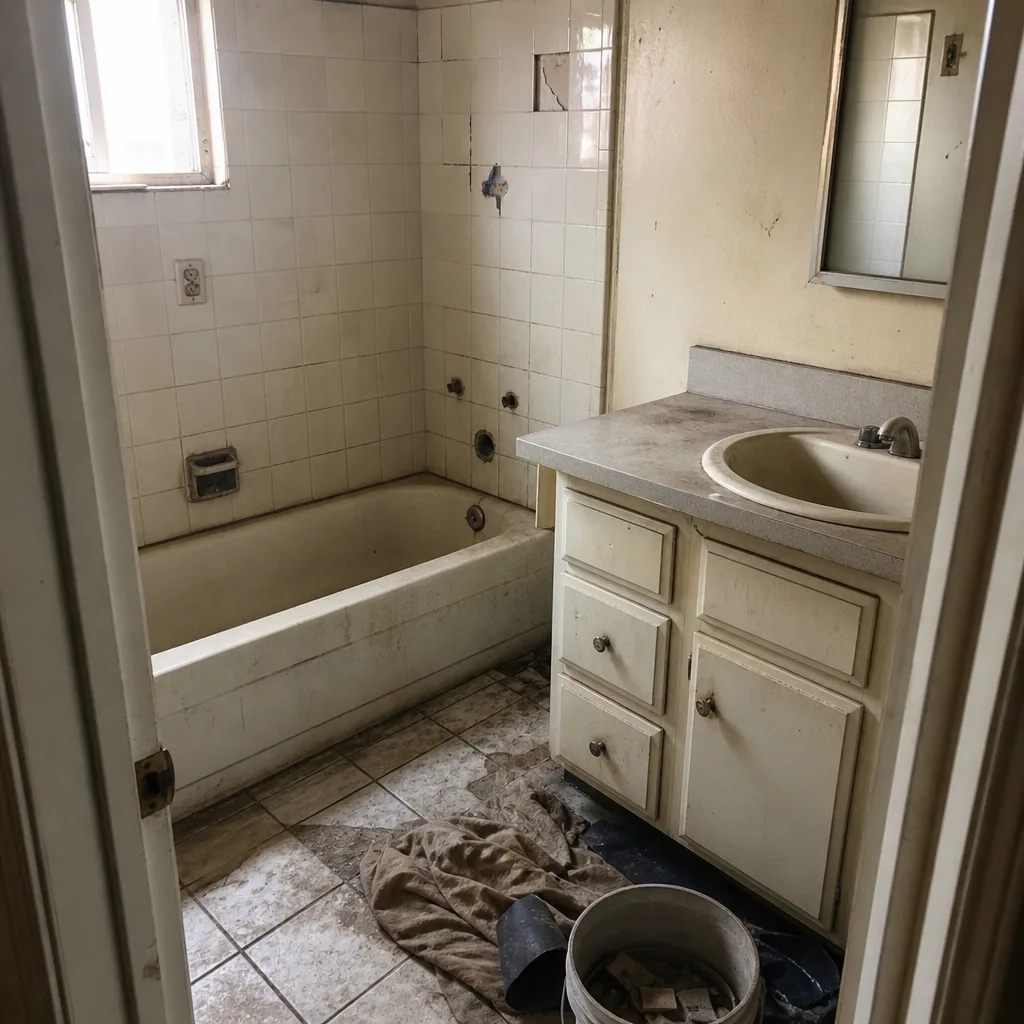 Before
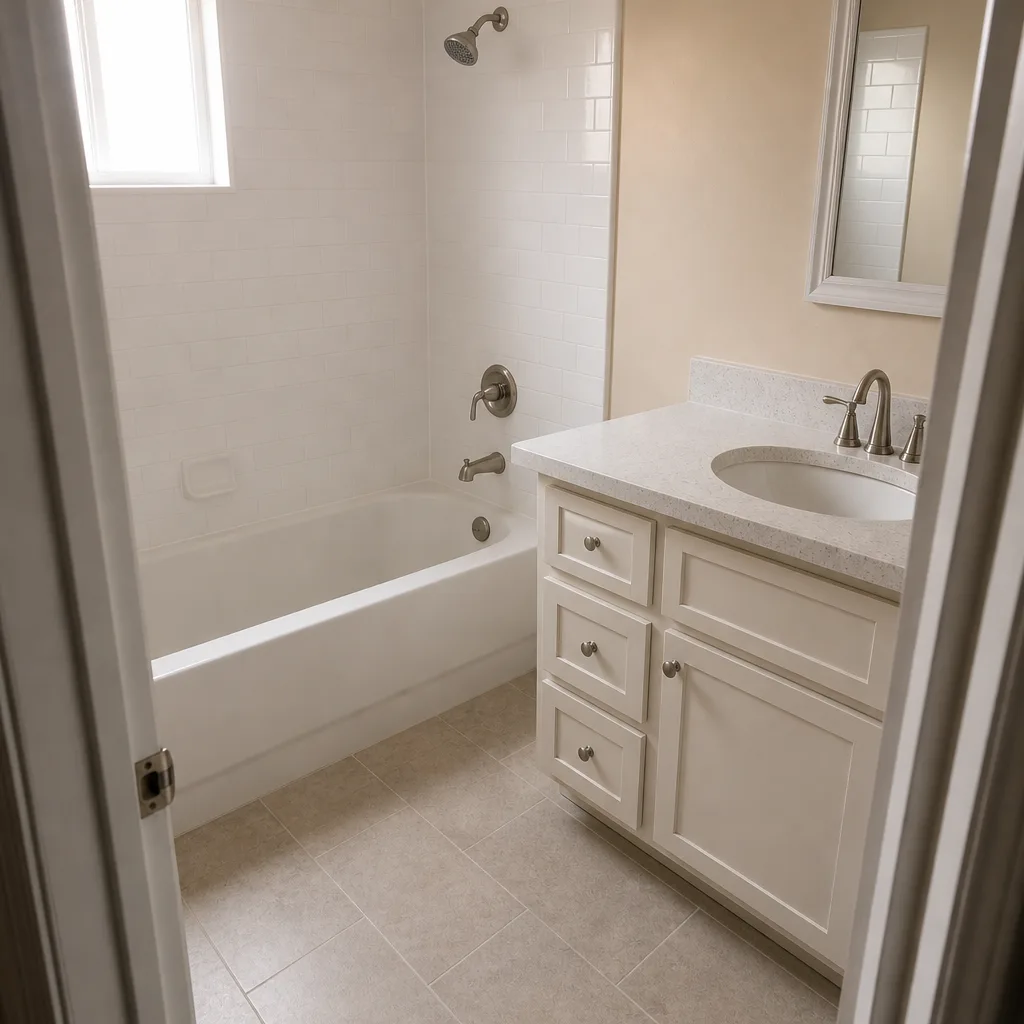 After
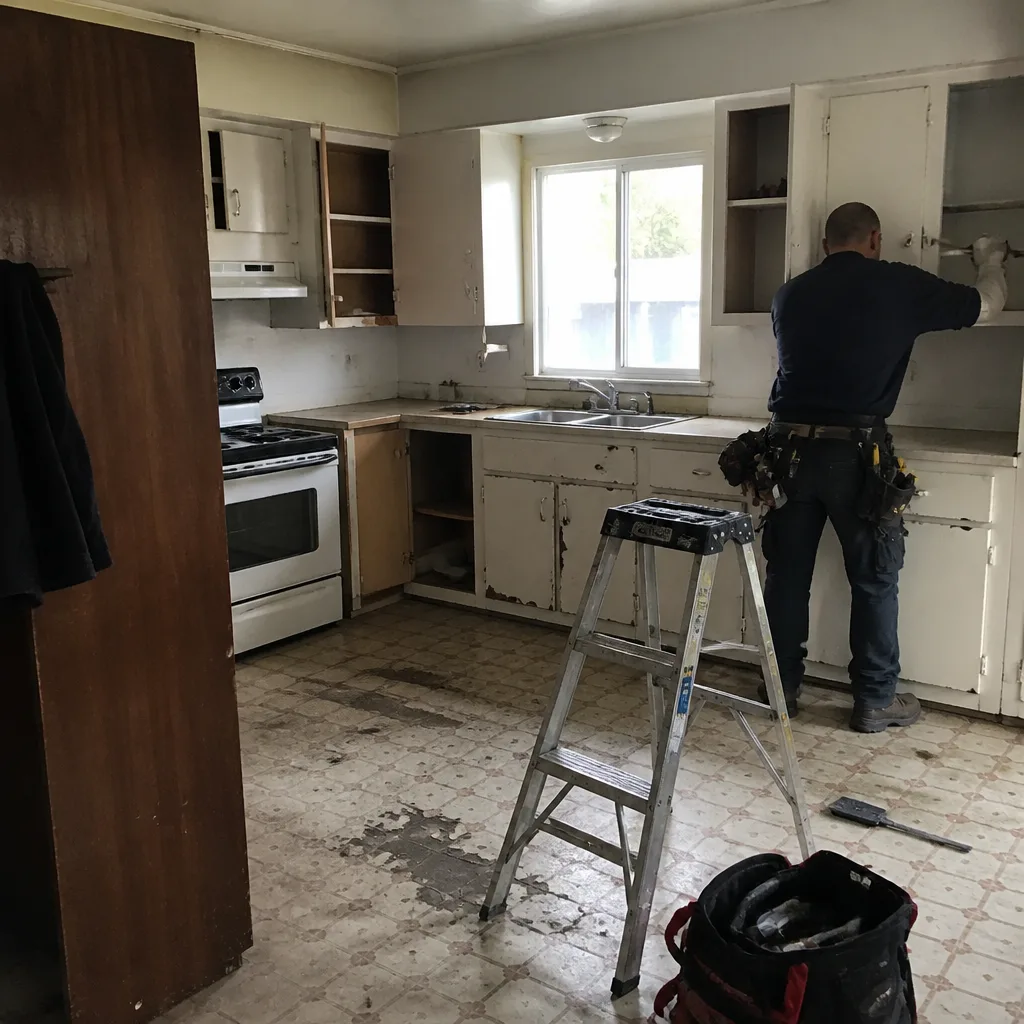 Before
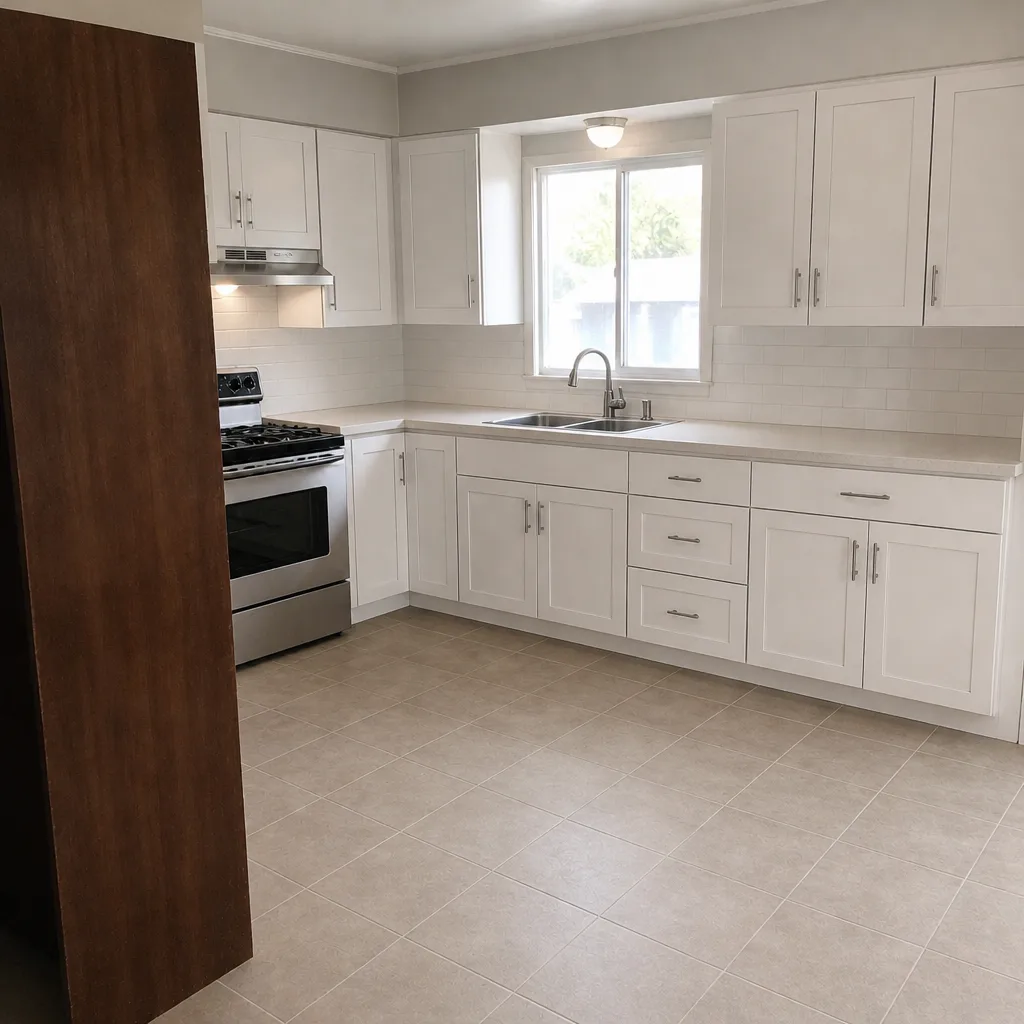 After
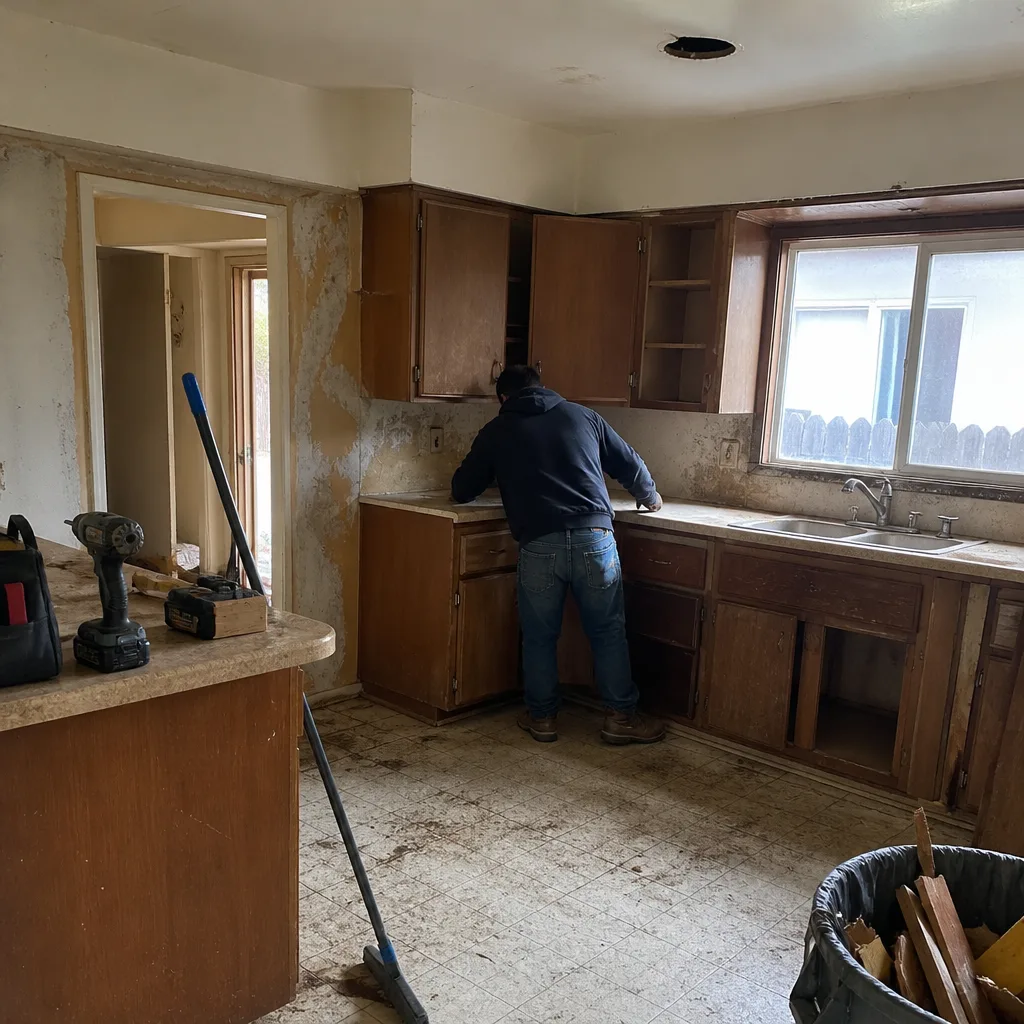 Before
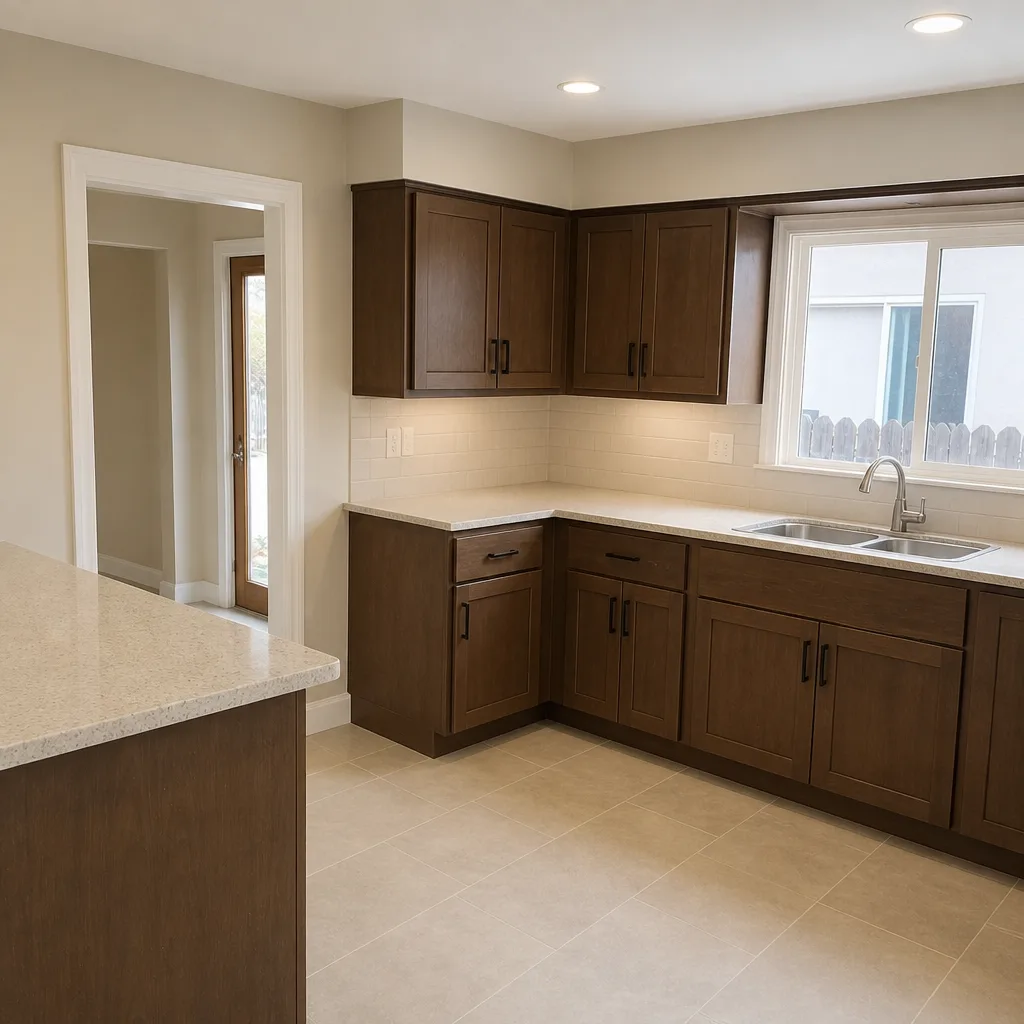 After
Double Hung vs Casement Windows in Long Beach, CA: Which One Actually Works Here?
Choose casement windows if your walls face the afternoon southwest breeze or the noise from the 710 Freeway corridor, and choose double-hung windows if your house is a contributing structure in a Long Beach historic district or you want to vent two rooms through interior walls. For most Long Beach homes, the honest answer is a mix: casements on the windward coastal face, double-hungs everywhere else. If you’d rather have it sorted by someone who does this every week, call Groundwork Construction Co. of Long Beach at (888) 345-8164 for a free estimate.
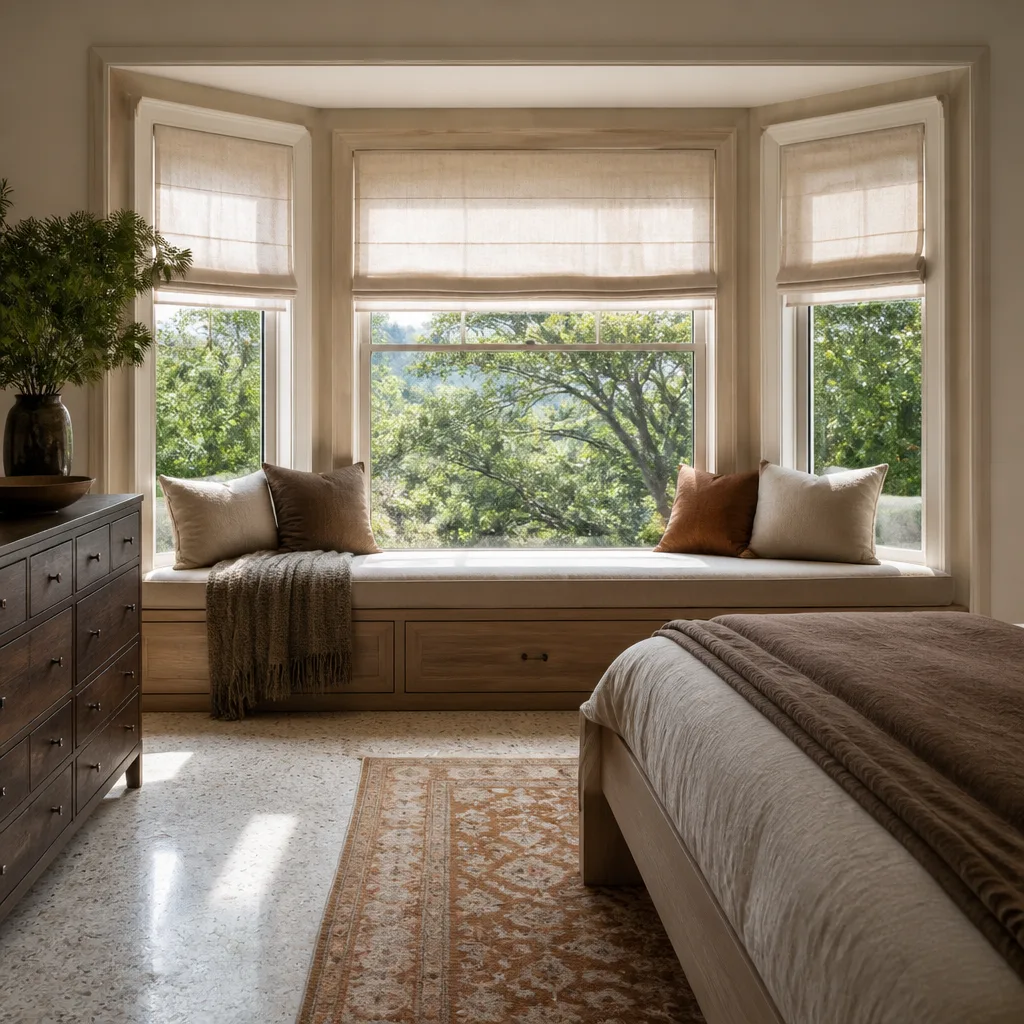
Why Long Beach Makes This Decision Harder Than a Catalog Suggests
Long Beach has a marine layer that sits on the city most mornings from May through July, then burns off and leaves an onshore breeze running southwest to northeast through the afternoon. That pattern changes the entire ventilating argument. A casement cranked open perpendicular to that afternoon flow acts like a wind scoop; a double-hung on the same wall lets half the opening do the work. On a socked-in June morning, that gap is the difference between a stuffy bedroom and one you can actually sleep in.
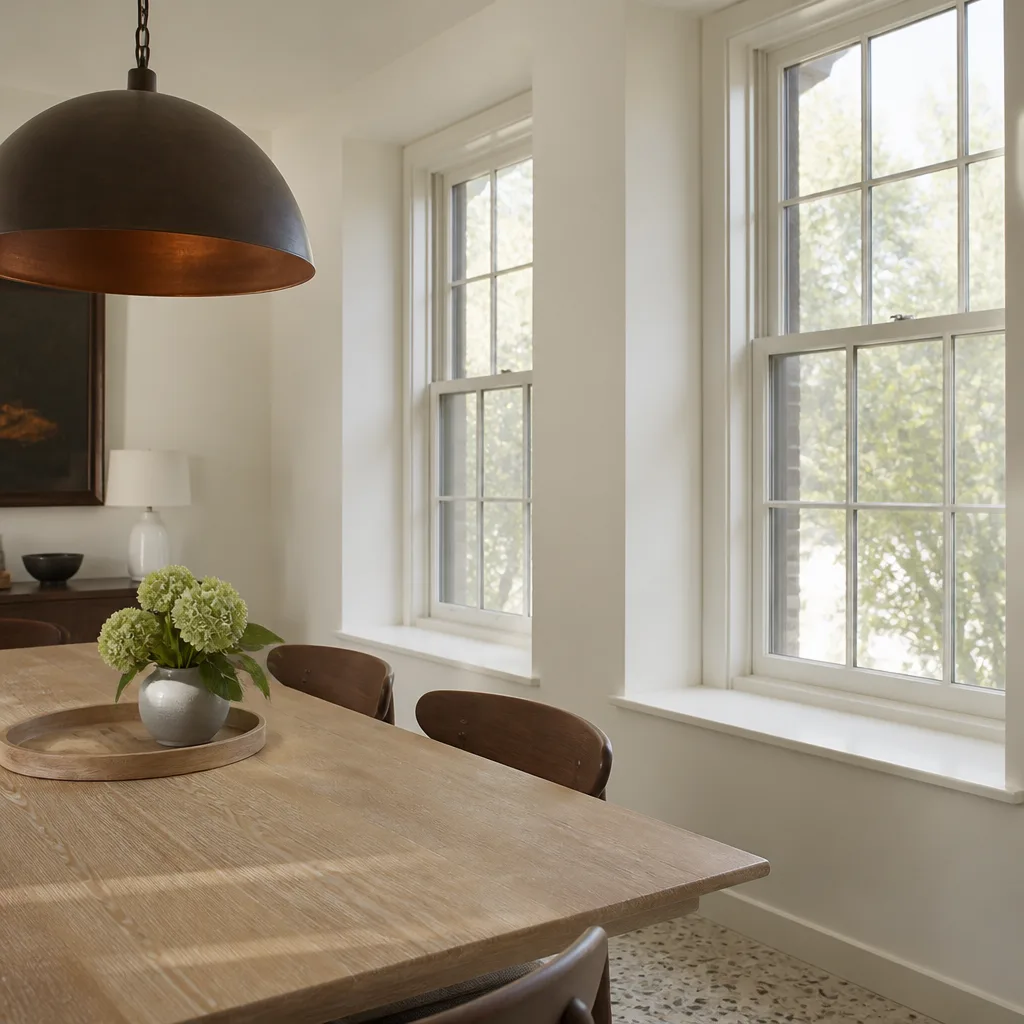
Then there’s the housing stock. Rose Park and Belmont Heights are full of 1920s Craftsman bungalows and Spanish Colonial Revival homes, most of them originally fitted with double-hung wood sash windows. Much of that territory sits inside a Coastal Zone and a designated historic context, which means replacing original wood sash with casements on a historically contributing structure can trigger design-review denial. The choice is sometimes made for you by the city before you ever get to the hardware.
Salt air plays a role too. Living this close to the Port of Long Beach, exposed metal takes a beating. Casement cranks and hinges are out in the weather every day; double-hung balance systems are mostly tucked inside the jamb. In a coastal-rated configuration, that difference gets settled by hardware spec: stainless steel versus zinc. Both Andersen and Marvin publish coastal ratings, and the material choice inside the operator matters far more here than the label on the sash.
Double Hung vs Casement: The Side-by-Side Comparison
| Factor | Double-Hung | Casement |
|---|---|---|
| Ventilation geometry | Opens top and bottom for stack-effect exhaust; best on interior walls | Opens fully and can angle into onshore flow; best on the windward coastal face |
| Historic-district fit | Original profile in most Long Beach bungalows; design review rarely objects | Needs a sympathetic profile to clear review on contributing structures |
| Salt-air exposure | Balance systems sit inside the jamb; less exposed hardware | Crank and hinge face constant coastal air; stainless specs are worth the upcharge |
| Air seal | Generally looser perimeter seal | Tighter seal thanks to the compression crank |
| Best use here | Interior walls, back bedrooms, historic front elevations | West- and south-facing walls; bedrooms fighting freeway noise |
The air-seal difference surprises people. Casements seal tighter than double-hungs, but in Long Beach’s mild climate that barely moves a heating bill. Where it counts is noise attenuation. Homes along the 710 Freeway corridor get a real benefit from the tighter compression seal on casements, because sound travels through gaps the same way air does. If your bedroom backs up to the freeway, that’s a stronger argument for casement than any efficiency rating.
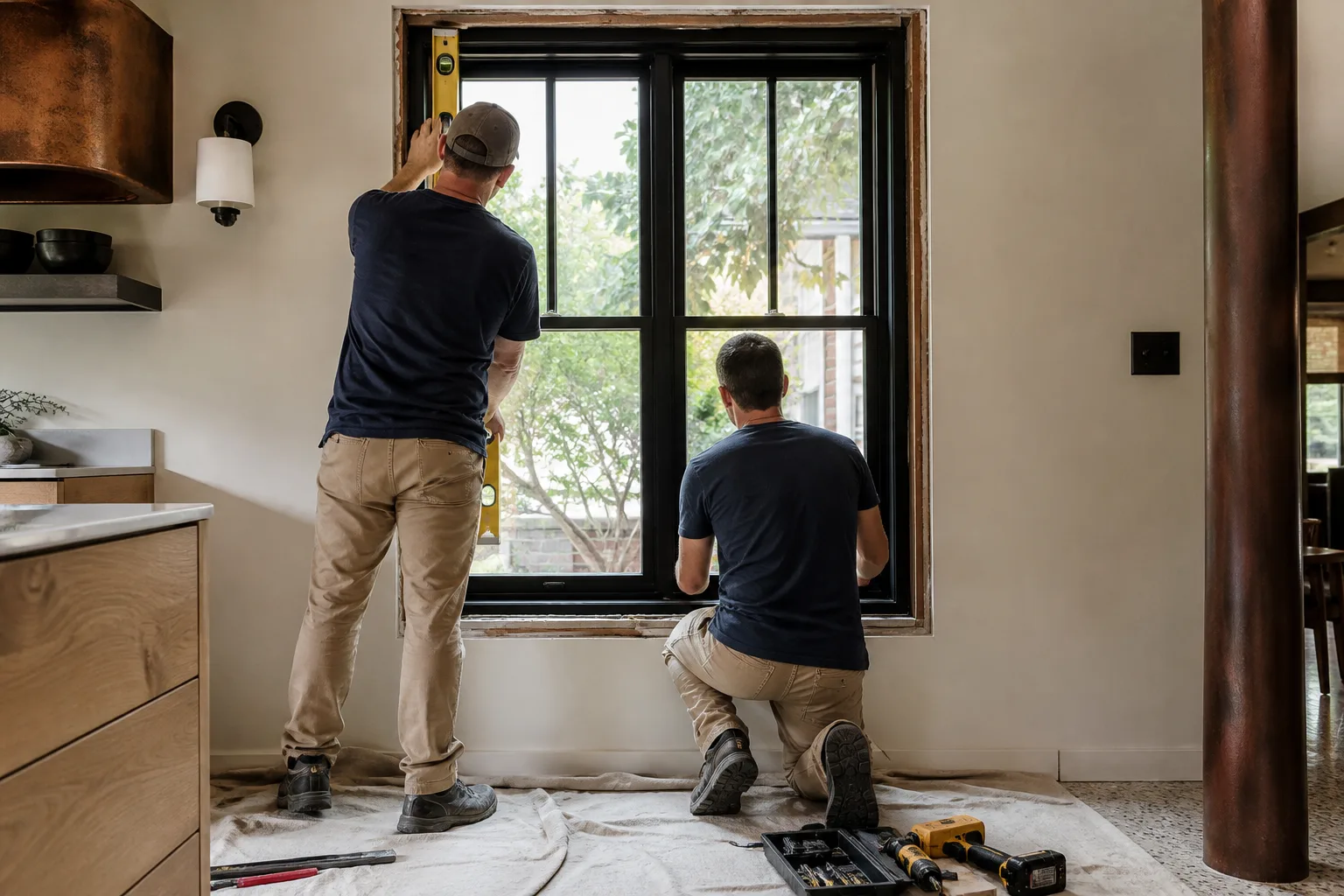
What to Look For When You’re Weighing the Two
Walk your house with two questions: which walls take the afternoon breeze, and which room is bothering you most. That usually resolves the debate block by block.
- West- and south-facing walls: casement, so you can angle the sash into the onshore flow.
- Interior walls and back bedrooms: double-hung, so stacked opening vents heat out the top and pulls cool air in at the bottom.
- Historic front elevations: match the original profile first; the window type follows the design review outcome.
- Hardware: ask for stainless operators and hinges on any casement near the coast. Zinc will pit in a few seasons.
- Rooms facing the freeway: favor the tighter-sealed casement even if the aesthetics favor double-hung.
One thing worth saying plainly: if your home is in a contributing historic district or Coastal Zone overlay, get the design review question answered before you sign a window order. We see homeowners order casements and then discover the design-review denial lands after delivery. That’s an avoidable cost. Because we carry both the Andersen and Marvin lines through our Windows & Doors service, we can source a casement in a historically sympathetic profile that clears Long Beach review, instead of being stuck with whatever a box store stocks.
What Window Replacement Costs in Long Beach
Window replacement in Long Beach runs $4,500 to $15,000 for a typical whole-home project, and impact window installation runs $8,000 to $25,000. The casement-versus-double-hung line item itself rarely moves the total much; the hardware and historic-profile work does.
| Scope | Long Beach Price Range |
|---|---|
| Standard window replacement (whole home) | $4,500 – $15,000 |
| Impact-rated window installation | $8,000 – $25,000 |
| Historic-profile sash replacement (per window) | Runs higher than standard; quoted per opening |
Every estimate we hand over is an upfront price, and that’s the number you pay. No surprise change orders mid-project. Projects over $10,000 get $1,000 off, and 0% financing for 18 months is available if spreading the cost helps. All window work is covered by our 730-Day Done Right Promise: if it’s not done right, we make it right.
Frequently Asked Questions
Casements are better on west- and south-facing walls near the coast, where you want to catch the afternoon onshore breeze and block freeway noise. Double-hungs are better on interior walls and historic front elevations. The tighter casement seal gives a real noise benefit for homes along the 710 corridor, while the double-hung stack effect works better for venting interior rooms.
Yes, if your home sits in a contributing historic district or a Coastal Zone overlay. Replacing original wood sash with casements on a historically contributing structure can trigger design-review denial, while a double-hung in the original profile usually passes. Get that answered before you order any window. Call (888) 345-8164 and we’ll help you sort out which review applies to your address.
For a whole-home window replacement, Long Beach pricing runs $4,500 to $15,000, and the casement-versus-double-hung line item typically doesn’t shift the total much. The bigger cost driver is coastal-grade hardware (stainless over zinc) and historic-profile sourcing. Impact window packages run $8,000 to $25,000. Call (888) 345-8164 for an exact quote, and we’ll spell out the hardware spec line by line.
Exposed casement cranks and hinges corrode faster near the Port than inland, so specify stainless steel over zinc and expect coastal-rated configurations. Double-hungs have an edge here simply because their balance systems stay tucked inside the jamb, away from the weather. Our technicians have up to 12 years of experience and can flag the right coastal spec for your address.
Ready to Settle It for Your Home?
If you’d rather have it looked at, Groundwork Construction Co. of Long Beach offers a no-pressure assessment in Long Beach. We’ll walk the walls, look at the design-review question, and tell you honestly which window type belongs where. Built to last, backed in writing. Call (888) 345-8164 for a free estimate.
Written by the team at Groundwork Construction Co. of Long Beach, serving Long Beach, CA.