Last updated November 17, 2026



Free written scope consultation - allowances, timeline, and change-order rules on paper before a single trade is scheduled
Fence Installation Maintenance Schedule: What to Do and When
The single most destructive thing Long Beach homeowners do to their wood fences isn’t neglect. It’s power washing without re-sealing. That high-pressure blast strips away the mill glaze and forces water deep into open grain, and the fence starts rotting faster than if you’d left it alone. We’ve seen it happen all over the city, especially on older cedar and redwood fences in neighborhoods like Belmont Shore and Bixby Knolls where the marine air keeps wood damp for months. This guide gives you a plain, material-specific maintenance calendar for wood, vinyl, aluminum, and chain-link fences. You’ll learn what to inspect and when, how to check post bases for soft spots, how Long Beach’s wet-winter, dry-summer pattern sets your maintenance window, and how to document fence condition each year so you’re covered in neighbor disputes, insurance claims, and warranty conversations.
Quick Answer
A wood fence needs a three-hour annual treatment: inspect post bases and rails in early spring, clean with a low-pressure wash or brush, and apply a fresh coat of stain or sealer in late spring once the rainy season has passed. Vinyl needs a rinse and hardware check twice a year. Aluminum needs spot-cleaning and a gate-hinge tune-up once a year. Chain-link needs a spring tension and coating check. Long Beach’s wet winters and dry summers mean late spring, roughly April through May, is the best window for staining and sealing because the wood has dried out but the summer sun hasn’t baked it yet.
Styles & brands we work with
- Kitchen remodeling
- Bathroom remodeling
- Home additions & ADU
- Roofing
- Windows & doors
- Driveway & pavers
- Fence
Table of Contents
- Quick Answer
- Why Fence Maintenance Differs by Material
- The Annual Fence Maintenance Calendar
- The Post-at-Grade Inspection Protocol
- Gate Hardware: The Two Bolts and One Hinge Adjustment Everyone Skips
- Long Beach’s Climate and Your Maintenance Window
- How to Document Fence Condition Annually
- When Maintenance Stops Working and Replacement Makes More Sense
- Common Mistakes to Avoid
- When to Call a Professional
- Frequently Asked Questions
- The Bottom Line
Why Fence Maintenance Differs by Material
Most fence maintenance guides treat every fence like a wood fence. That’s a mistake. A vinyl privacy fence in Long Beach and a redwood fence two blocks away have almost nothing in common when it comes to upkeep. Wood is a living, breathing material that swells and shrinks with moisture. Vinyl is inert but not indestructible; it fades, chalks, and cracks under UV over time. Aluminum is essentially maintenance-free, but its hinges, latches, and fasteners are not. Chain-link is the toughest of the bunch and the easiest to ignore, which is exactly how small coating failures turn into rust rings that spread into the fence fabric.
Treat each fence material on its own timeline and you’ll get the full service life out of it. Treat them all the same and you’ll either over-maintain the metal fences (wasting weekends) or under-maintain the wood ones (paying for a new fence years early).
Wood fences
Wood is the most common fence material in Long Beach, and it’s the one that needs the most attention. A treated pine or cedar fence generally lasts 15 to 20 years with annual sealer or stain, and 8 to 12 years without. The single biggest wood killer in this city is moisture trapped in wood that has lost its protective finish. Once stain wears down to the grain, water sits in the surface during the wet season and never fully dries out under the marine layer. Rot starts at the joints, the post bases, and anywhere a rail meets a stile.
Vinyl fences
Vinyl doesn’t rot, doesn’t need staining, and doesn’t attract termites. That doesn’t mean it needs no maintenance. UV exposure causes vinyl to chalk and eventually lose color. Long Beach’s summer sun is mild compared to the inland valleys, but a south- or west-facing vinyl fence will still fade over years. Rinse off dust and salt air, check that panels aren’t rattling against posts, and verify the post caps are secure. Most vinyl problems are hardware and installation problems, not material problems.
Aluminum and ornamental steel
Powder-coated aluminum fences (common around swimming pools and modern home fronts in Long Beach) need spot-cleaning and hinge checks. The finish itself will hold up for many years. What fails is the gate hinge, the latch, and the anchor bolts where the posts meet concrete. Rust can start on cut edges, scratches, and weld points where the coating has been breached. Touch those up when you see them.
Chain-link
Chain-link is the workhorse fence, and its failure point is the bottom rail and tension wire. Salt air speeds up corrosion anywhere the galvanized coating has cracked or been cut. Check the bottom rail and the wire ties for rust on an annual basis, and re-stretch loose fabric with a tension bar if it starts sagging. A chain-link fence that gets a quick touch-up on rust spots can easily last 20+ years.
The Annual Fence Maintenance Calendar
Here’s the schedule we recommend for Long Beach homes, broken down by month. Weather in coastal Southern California is forgiving, but the seasonal pattern matters more than most homeowners realize. If you service wood in the wrong month, work fails early. If you service vinyl or aluminum in the wrong month, you just work harder than you need to.
- January to March (wet season): Inspect the fence line after heavy rain. Look for standing water at post bases, sagging gates, and any new separation at the panel seams. Note problems now; don’t try to stain or seal. Wood is too wet to hold finish properly.
- April to May (late spring, the golden window): This is the best three-week stretch of the year for wood stain and sealer in Long Beach. The winter rain has stopped, the wood has dried out, and the strong summer sun hasn’t yet started baking the surface. Clean with a low-pressure wash or a stiff brush and mild wood cleaner, let it dry 48 to 72 hours, then apply a high-quality exterior stain or penetrating sealer.
- June to August (dry season): Do your inspection rounds now. Check post bases for soft spots, tighten all gate hardware, look at vinyl panels for rattling and dry-season cracking, and touch up any rust spots on aluminum or chain-link. The dry season is when structural problems show up most visibly.
- September to October (pre-winter prep): Clear vegetation and debris away from the fence line. Trim any shrubs or vines that touch the fence. Re-check the base of every post for soil contact and drainage issues before the first storm.
- November to December (storm watch): After the first really wet storm of the season, walk the fence line. Spot any sags, leaning posts, or newly rotten sections while the damage is still small. Log what you see.
The three-hour annual treatment for a typical wood fence in Long Beach, done in late spring, is what separates a 20-year fence from a 12-year fence. That’s the whole thesis of this schedule. You’re not doing an enormous amount of work; you’re doing the right small amount at the right time.
The Post-at-Grade Inspection Protocol
Wood fence posts fail at the ground line first. That’s where moisture hangs longest, where soil contact creates constant wetting and drying cycles, and where the wood has the fewest options to dry out. The post-at-grade inspection is the single most valuable thing you can do once a year, and almost nobody does it. It takes about 15 minutes for a standard residential fence line in Long Beach.
Here’s the protocol, step by step:
- Walk the entire fence line, both sides if accessible. Bring a flat-head screwdriver or a pocket knife. You’re going to be probing wood, so keep the tip intact and short.
- At each post, push the tip into the wood about 6 inches above the soil line. Do this on all four sides of the post. Good wood resists; soft wood yields easily.
- Grade the result:
- Firm and dry: nothing to do. Note it in your log.
- Slight softness at the surface with dry wood underneath: early-stage rot. Treat with a wood hardener made for exterior use, then apply a fresh coat of sealer to the post base.
- Softness more than 1/4 inch deep on any side, or visible rot starting: structural compromise. The post is losing load capacity and needs replacement, not repair. A fence post that’s structurally compromised can fail in the next windstorm and take adjacent panels with it.
- Check the post for lean and wobble. Grab the post at about waist height and push gently in four directions. Any movement means the post base has lost grip with the soil or concrete footing, and the ground line is compromised.
- Check for soil contact above the concrete collar (if the post is set in concrete) or above the original burial line (if it’s a soil-set post). Soil piled up against the post traps moisture and accelerates rot.
- Write the result down. Date, post location, condition. More on that in the documentation section below.
The distinction between early-stage rot and structural compromise matters. Early rot can be slowed with a hardener and sealer, and you get years more out of the post. Structural compromise means the post is done, and you’re better off replacing it now than waiting for it to fail dramatically and take panels, rails, and your relationship with your neighbor along with it. If you find several compromised posts on the same fence line, the smarter call is a full replacement rather than a piecemeal repair. Our Fence Installation in Long Beach team sees plenty of fences where patchwork has kept the fence standing for years past its real life, at a total cost well above what a clean replacement would have run.
Gate Hardware: The Two Bolts and One Hinge Adjustment Everyone Skips
About 80% of the sagging-gate calls we get in Long Beach come down to three things a homeowner can check in five minutes. Most gates don’t sag because the wood is bad. They sag because two lag bolts have worked loose and the top hinge has torqued out of alignment. By the time the gate is dragging on the ground, the problem has usually been developing for a year or more.
Here’s the gate hardware routine. Do it every six months.
- Check the two lag bolts that anchor the hinges to the gate stile and the fence post. Watch the bolts while you open and close the gate. If either bolt rotates, or if you see movement between the hinge plate and the wood, it’s loose. Tighten it gently with a socket wrench. If the wood around the bolt is stripped, don’t just crank a bigger bolt in; pack the hole with a wood filler designed for exterior structural use, let it cure, then re-drill and re-bolt.
- Check the top hinge attachment on the fixed post. On a wood gate, this is where the top hinge bolt pulls out first because the top of the gate carries the most leverage. Look for hinge plate rotation: does the top hinge plate sit flush with the post, or has it tipped? A tipped plate is a sign that the top hinge is under too much load. Tighten the top hinge bolts and consider whether the hinge itself needs to be replaced with a heavier model.
- Adjust the hinge gap if the gate is dragging. Most residential gate hinges have a small amount of slotted adjustment at the mounting plate. Loosen the bolts on the upper hinge just enough to slide the gate up 1/8 to 1/4 inch, then re-tighten. That small adjustment is often all it takes to get a gate off the ground.
- Check the latch strike plate. A gate that’s sagging halfway through the year usually has a latch that’s already failing to catch. Fix the hinge before you touch the latch. Adjusting the latch to compensate for a sag is how gates get permanently out of square.
- Lubricate the moving parts. A few drops of exterior-grade lubricant on each hinge pivot point a couple times a year will extend hinge life substantially, especially near the coast where salt air accelerates corrosion.
If the gate has a diagonal brace on the frame, check that the brace isn’t split. Diagonal brace failure is what turns a small sag into a full gate collapse. If the gate has no diagonal brace and it’s a wide gate (more than 36 inches), that’s the underlying problem, and no amount of bolt tightening will fix it permanently. Adding a brace is a small job that pays back for the life of the fence.
Long Beach’s Climate and Your Maintenance Window
Long Beach has a specific seasonal pattern that drives the maintenance schedule. The wet season runs roughly November to March, when Pacific storms move through and the wood soaks up moisture for weeks at a time. The dry season runs May to October, with lows in the 60s, highs in the 70s, and very low rainfall. The two seasons meet in April and early May, and that’s your window.
Why does the window matter so much for stain and sealer? Exterior stain and penetrating sealer need wood to be dry to bond properly. If you apply them in winter, the wood is still holding moisture from the last storm and the finish fails early, sometimes within a single season. If you apply them in mid-summer, the wood is sun-baked, the surface temperature can be well over 100°F even on a moderate day, and a solvent-based finish flashes off before it can penetrate. Late spring hits the sweet spot: the wood has dried out for two or three weeks after the last rain, and the ambient temperature is still moderate.
The marine layer plays a role too. Long Beach sits in the coastal influence zone, so mornings stay cool and damp for more of the year than inland neighborhoods like Lakewood or Cerritos. That damp morning air keeps wood surfaces moist and extends drying times. If you’re doing your own staining, don’t apply until the fence has had a clear three-day dry stretch, and don’t apply early in the morning when dew is still on the surface. Mid-morning to early afternoon is usually the safest window.
The other local factor is salt air. Properties within a mile or two of the water, in areas like Belmont Shore, Naples, and the Peninsula, see faster corrosion on any metal hardware, faster surface weathering on wood finishes, and faster rusting on gate hinges and chain-link. If you’re in one of these neighborhoods, add one inspection round to your annual schedule. The extra hour per year is cheap compared to replacing hardware prematurely.
How to Document Fence Condition Annually
A fence shared with a neighbor, or one that might come up in an insurance claim or a contractor warranty conversation, is much easier to defend with documentation. Most homeowners don’t think about this until there’s a dispute. By then, the fence has been through a couple years of damage and nobody remembers exactly when the issues started.
Here’s a documentation routine that takes about 15 minutes once a year:
- Take dated photos of every fence line, both sides if accessible. Wide shots showing the whole line and close-ups at each post base, gate hinge, and any observed damage. Date stamp them either in the camera app or by emailing them to yourself the day you take them. The email date is your proof.
- Keep a written log for post-base inspections. A simple spreadsheet with columns for date, post location (e.g., “northwest corner,” “gate-side post”), condition (firm / early-rot / replacement-needed), and notes is enough. Log the results from the post-at-grade protocol above each year.
- Record maintenance dates. Log the date of any cleaning, staining, sealing, or hardware work. This is what tells you when the last sealer coat went on, and it’s what you’ll need if a warranty question ever comes up.
- Note the condition of any shared fence components, and share the record with your neighbor. If the fence is on a property line, a polite email with the annual photo log establishes a paper trail. If the fence is clearly your neighbor’s responsibility and it’s degrading, having documented years of condition is much better than starting the conversation cold.
- Keep the records together. One photo album and one spreadsheet, backed up somewhere off your phone. Insurance claims and contractor warranty conversations go much faster when you can produce a clear annual record.
If your fence was recently installed, ask the installer for a written maintenance schedule and keep it with the record. Groundwork Construction Co. of Long Beach provides one with every fence we install, and if a workmanship question ever comes up, the record makes the conversation quick and specific.
When Maintenance Stops Working and Replacement Makes More Sense
There’s a point where annual maintenance stops being a good investment. It’s usually around year 12 to 15 for a fence that’s been reasonably maintained, and year 8 to 10 for one that hasn’t. If you’re spending more on repairs than the fence cost per year, it’s time to think about replacement.
Here are the signals that a fence has passed the maintenance threshold:
- Three or more posts need replacement within a single fence line. At that point, panels, rails, and pickets are usually close behind. Piecemeal repair costs more than a clean install.
- The fence line has leaned more than 15 degrees at multiple posts. Leaning is a footing problem, not a wood problem, and it’s very hard to fix without pulling posts.
- Wood has gone soft at more than 25% of the post bases. You’re not maintaining the fence at this point; you’re managing its decline.
- The gate frame itself has warped or split. A split gate frame is a structural failure and won’t respond to hardware adjustments.
- You’re staining every year instead of every two to three. That’s a sign the wood surface has degraded past the point where finish can protect it.
When replacement is the right call, we recommend considering the material shift that makes sense for your property. A vinyl fence near the coast holds up well with almost no maintenance and is a smart choice for homeowners who travel or don’t want a yearly routine. Aluminum is excellent for front-yard fences and pool enclosures. A newer wood fence, properly set and with correct post footings, will give you another 15 to 20 years if you follow this schedule. Groundwork Construction Co. of Long Beach installs all four material types and can walk through the tradeoffs specific to your property. If your fence is part of a larger exterior project, our Driveway & Pavers in Long Beach team often coordinates with the fence crew so the fence line and hardscape are built together.
Common Mistakes to Avoid
- Power washing without re-sealing. We see this constantly in Long Beach. A pressure washer strips the mill glaze off wood and forces moisture into the grain, and the fence starts rotting faster than if you’d left it alone. If you power wash, plan to seal within two weeks.
- Staining wet wood. Wood applied with stain while it’s still holding winter moisture will fail within one season. Wait until the fence has had a clear three-day dry stretch in late spring, and check the moisture with a $15 meter before you commit.
- Using the wrong product for the material. Solvent-based stains are for wood. Vinyl needs a vinyl-safe cleaner, aluminum needs no stain at all, and chain-link needs a rust converter before any topcoat. Applying wood stain to a vinyl fence is a mistake we see homeowners make when they assume all fences are alike.
- Ignoring the post bases until the fence leans. The post base is where a wood fence fails first. Inspect it once a year with a nail, not once per decade when the fence is already visibly leaning.
- Skipping the six-month hinge check. Almost all sagging gates in Long Beach could have been prevented with two bolts tightened twice a year. Catch the problem while it’s still a bolt turn, not a full hinge and gate frame replacement.
- Stacking soil or mulch against the post. Soil contact traps moisture and speeds rot. Keep the base of every wood post exposed and free of debris. In dense neighborhoods like Belmont Heights, homeowners often fill in landscaping right against the fence line; leave a 4- to 6-inch clear zone.
- Doing the maintenance but not documenting it. A fence shared with a neighbor, or one covered by a contractor warranty, is much easier to defend if you can produce a dated annual record. The 15 minutes a year it takes to log photos and inspection results pays off the first time there’s a dispute.
When to Call a Professional
Some fence work is genuinely a homeowner task: cleaning vinyl, tightening hinge bolts, and taking dated photos don’t need a crew. Other jobs deserve a call.
Call a professional if you find multiple compromised posts along the same fence line, if the gate frame is split or significantly warped, if you’re considering stain or sealer on a large fence (proper prep work makes or breaks the lifespan of the finish), or if the fence is leaning at multiple post locations. If the fence is on a property line and you’re not sure who’s responsible for which sections, a professional assessment gives you a neutral read. If you’re planning a new fence and want the post footings, panels, and gate hardware done right the first time, that’s a scheduled install, not a repair. Groundwork Construction Co. of Long Beach offers free estimates in Long Beach, backed by our 730-Day Done Right Promise and a written quote with no surprises. Call (888) 345-8164.
Frequently Asked Questions
Once every two to three years for a fence in good condition, applied in late spring once the wet season has passed. If you’re seeing annual stain failure or the wood surface has begun to grey and check, you’re either applying at the wrong time of year or the surface needs prep work before finish. Good stain on dry wood in the right season lasts two to three Long Beach summers reliably. Call (888) 345-8164 for an exact quote on professional prep and finishing; estimates are free.
April or early May. That’s the window after the last substantial rain and before the strong summer sun, which is when wood dries out fastest and stain or sealer bonds best. Staining in winter fails because the wood holds moisture. Staining in mid-summer is harder on the finish because the sun bakes solvent-based stain off the surface before it can soak in. If your only window is later in the season, wait for a cool, dry stretch rather than applying during a heat wave.
Push the tip of a pocket knife or flat-head screwdriver into the wood about six inches above the soil line. If it resists and the wood underneath is dry and firm, the post is fine and it’s weathered. If the tip sinks more than 1/4 inch in on any side, or if the wood is soft enough that you can pick pieces off, you have rot. Shallow surface softness that doesn’t extend past 1/4 inch is early-stage rot and can be slowed with a wood hardener and sealer. Call (888) 345-8164 if you’re unsure; a professional inspection settles the question in about 15 minutes.
No. Pressure washing strips away the wood’s mill glaze and opens the grain, which actually speeds up water intrusion and accelerates the rot you were trying to prevent. If you pressure wash, you need to follow with a coat of stain or sealer within two weeks, and even then the pressure itself has shortened the fence’s life. A low-pressure wash or a stiff brush with a mild wood cleaner is the right pre-treatment for staining in Long Beach.
A standard wood privacy fence in Long Beach typically runs $35 to $65 per linear foot installed, with vinyl at $45 to $75 and aluminum at $55 to $85 depending on height, post spacing, and gate count. Repair is the better call when you have one or two problem posts and the rest of the line is sound. Replacement is the better call when three or more posts need work, when the fence is leaning at multiple points, or when the gate frame is split. Call (888) 345-8164 for a written line-item estimate; our pricing is upfront with no change-order surprises.
It depends on the source of damage and your policy, but most standard homeowners policies in California cover fence damage from wind, falling tree limbs, and other sudden events. Damage from slow rot or lack of maintenance is usually not covered. That’s exactly why the annual photo record matters: proving the fence was in good condition before the storm is the difference between a covered claim and a denial. If you need documentation of current fence condition, or if a damaged fence needs replacement, call (888) 345-8164 and we’ll walk through the estimate with you.
The Bottom Line
Fence maintenance is not a big project. It’s a specific three-hour job done at the right time of year, plus a twice-a-year hinge check and a 15-minute annual inspection of the post bases. If you own a wood fence in Long Beach, that schedule adds eight to twelve years of service life over doing it wrong or doing nothing. Treat vinyl, aluminum, and chain-link on their own timelines instead of applying a one-size schedule. Document the fence annually, share it with any neighbor who shares the fence, and keep the record. Follow the schedule and you’ll never be surprised by a fence failure. The rest is quiet.
Get a Free Fence Inspection or Replacement Estimate
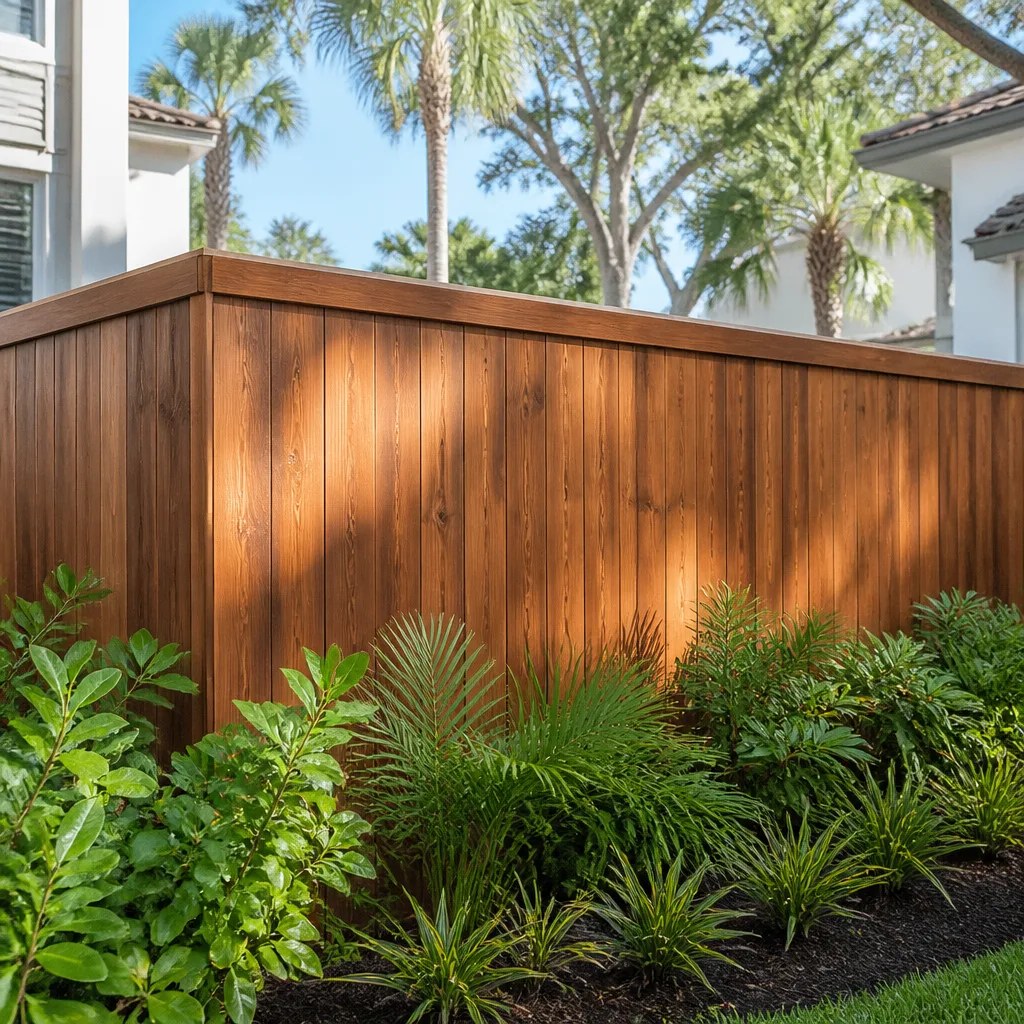
If your annual inspection turned up a problem this year, or if the fence is at the point where replacement makes more sense than another round of repairs, our team is ready to take a look. Groundwork Construction Co. of Long Beach offers free estimates throughout Long Beach, with a written line-item quote you can read at your kitchen table without guessing what the final bill will be. Every project is covered by our 730-Day Done Right Promise: if it’s not done right, we make it right. Calls are answered by a live person 24/7, and our technicians are background-checked and arrive in uniform. Our brand partners across every trade include the top-tier names in residential construction, and 0% financing for 18 months is available, along with $1,000 off projects over $10,000. Whether you’re comparing a fresh install with the rest of your exterior work on our Home Additions & ADU in Long Beach page, or just want an honest read on whether your current fence has another three years or three months, start with a call. Reach out to our team at Groundwork Construction Co. of Long Beach home and let’s take a look. Call (888) 345-8164 to schedule your free estimate.
Written by the team at Groundwork Construction Co. of Long Beach.
See the difference
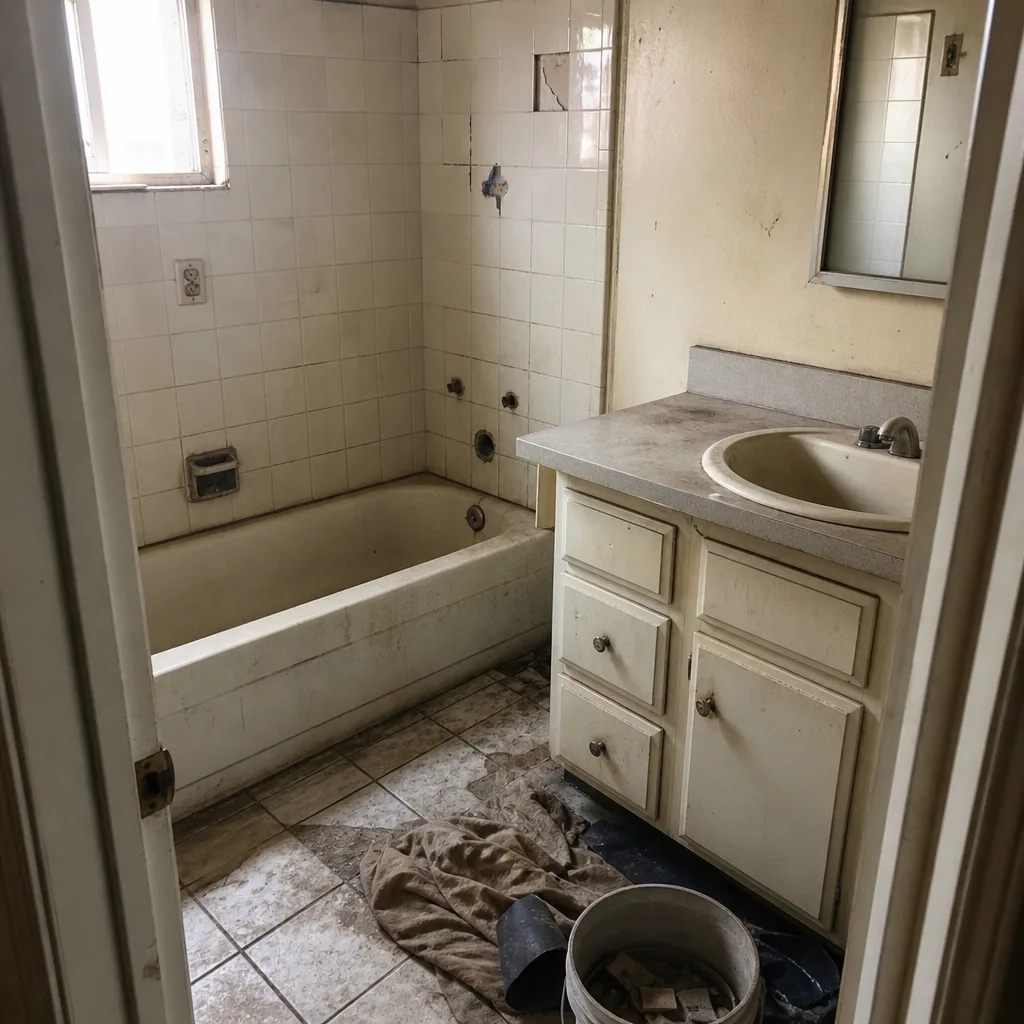 Before
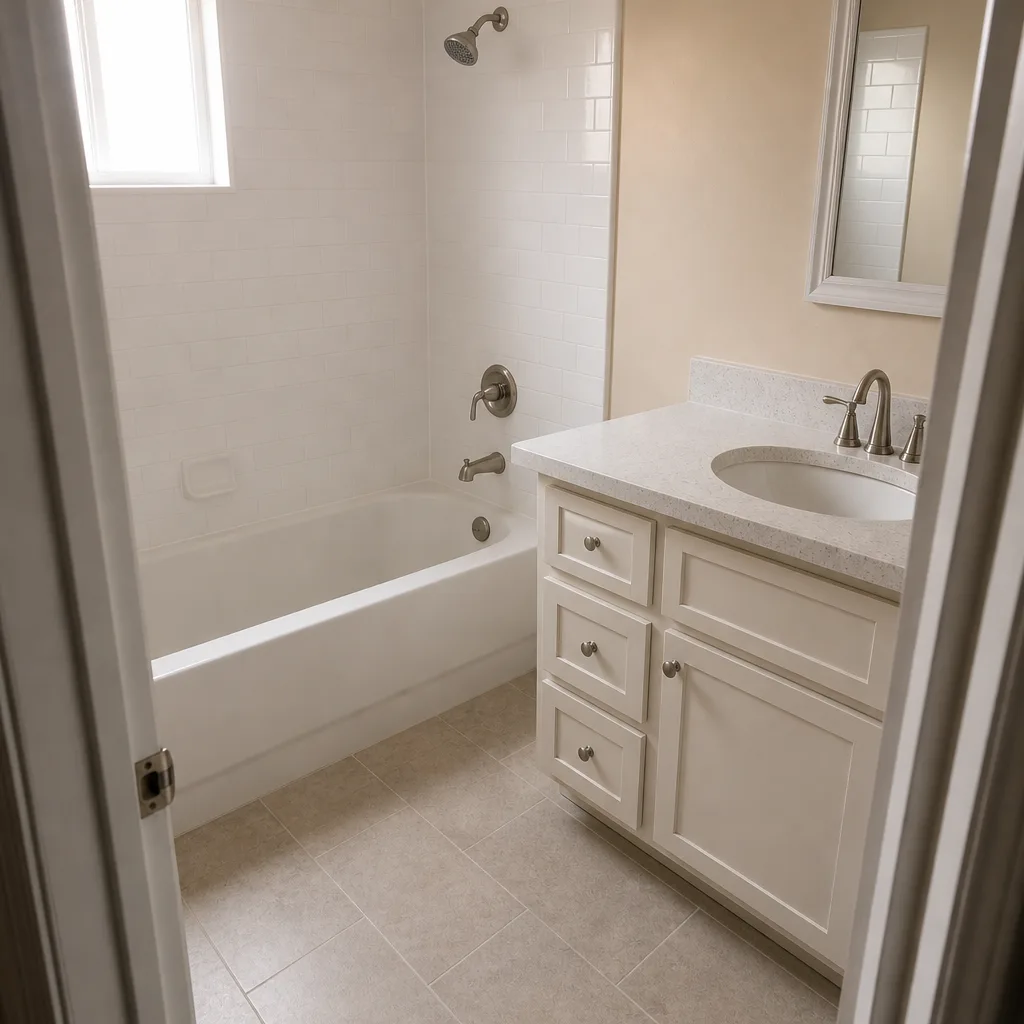 After
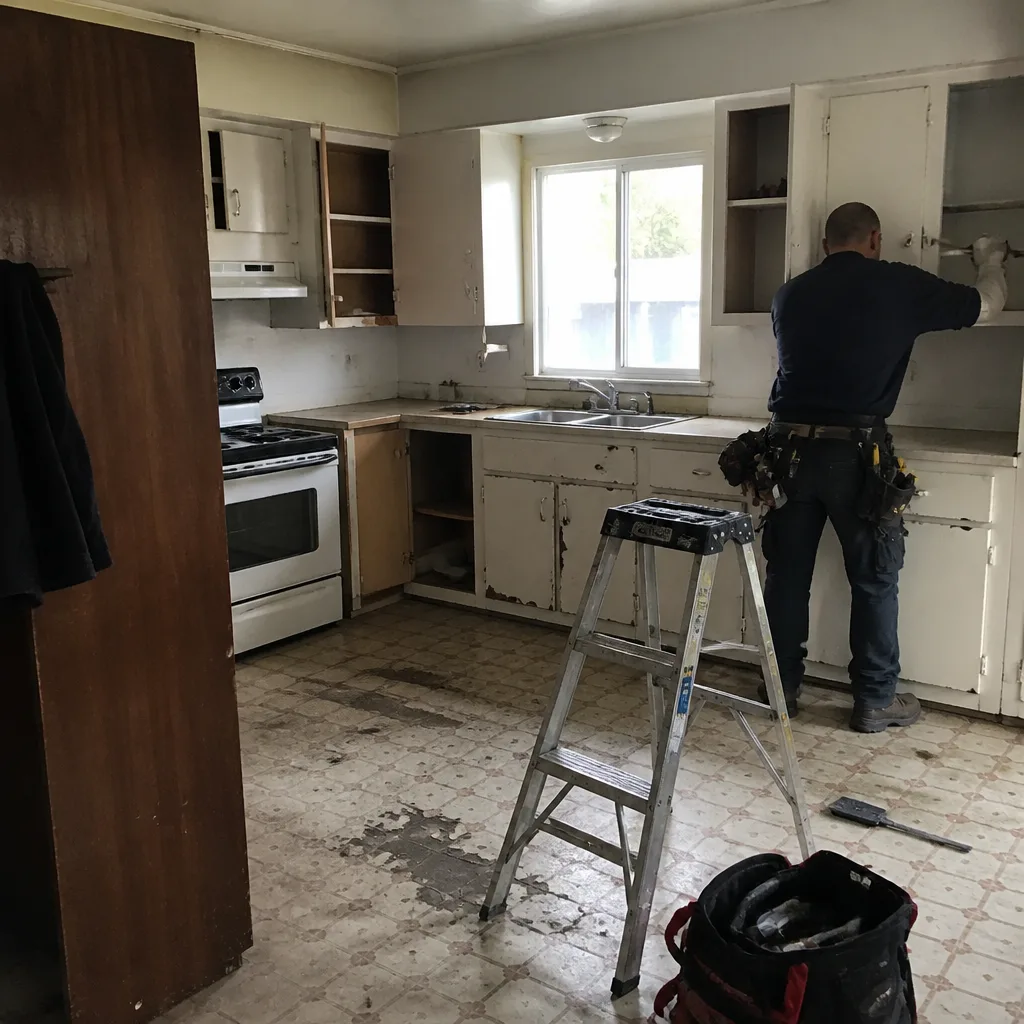 Before
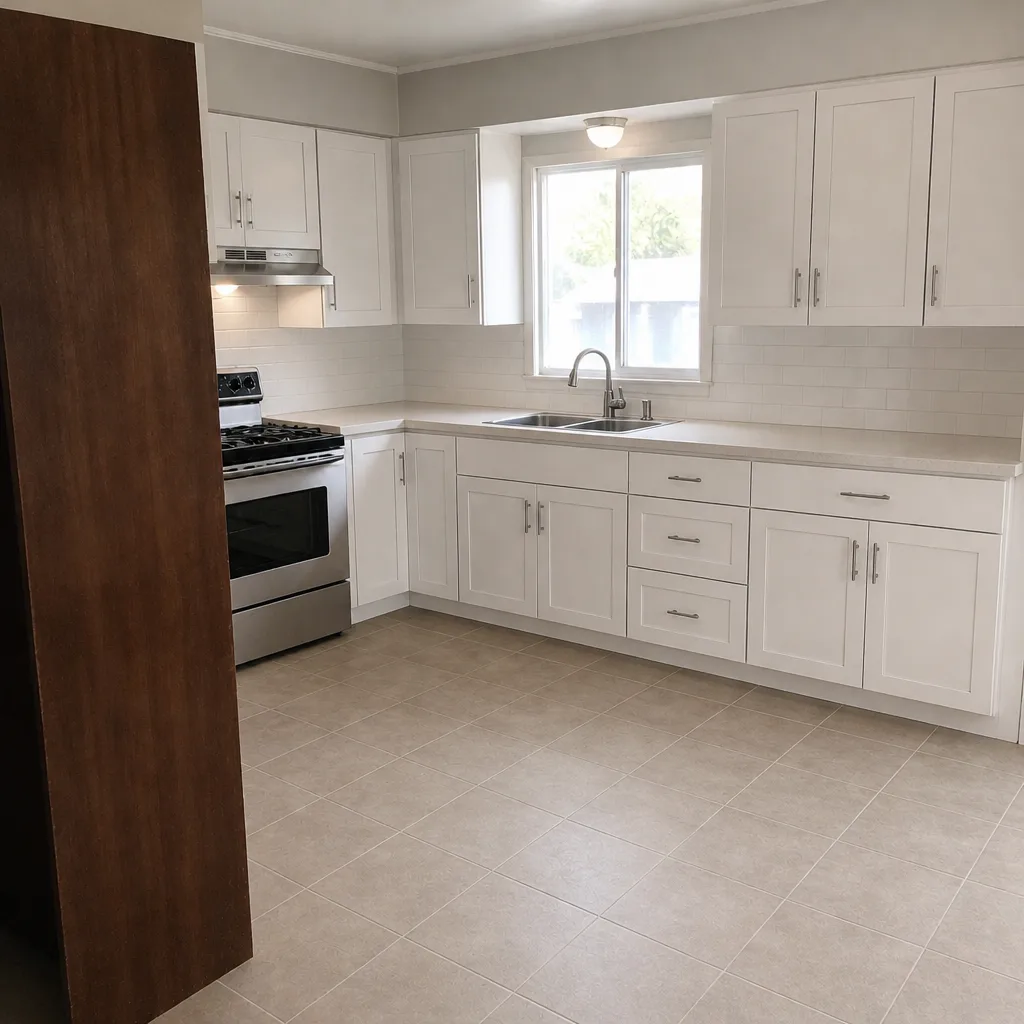 After
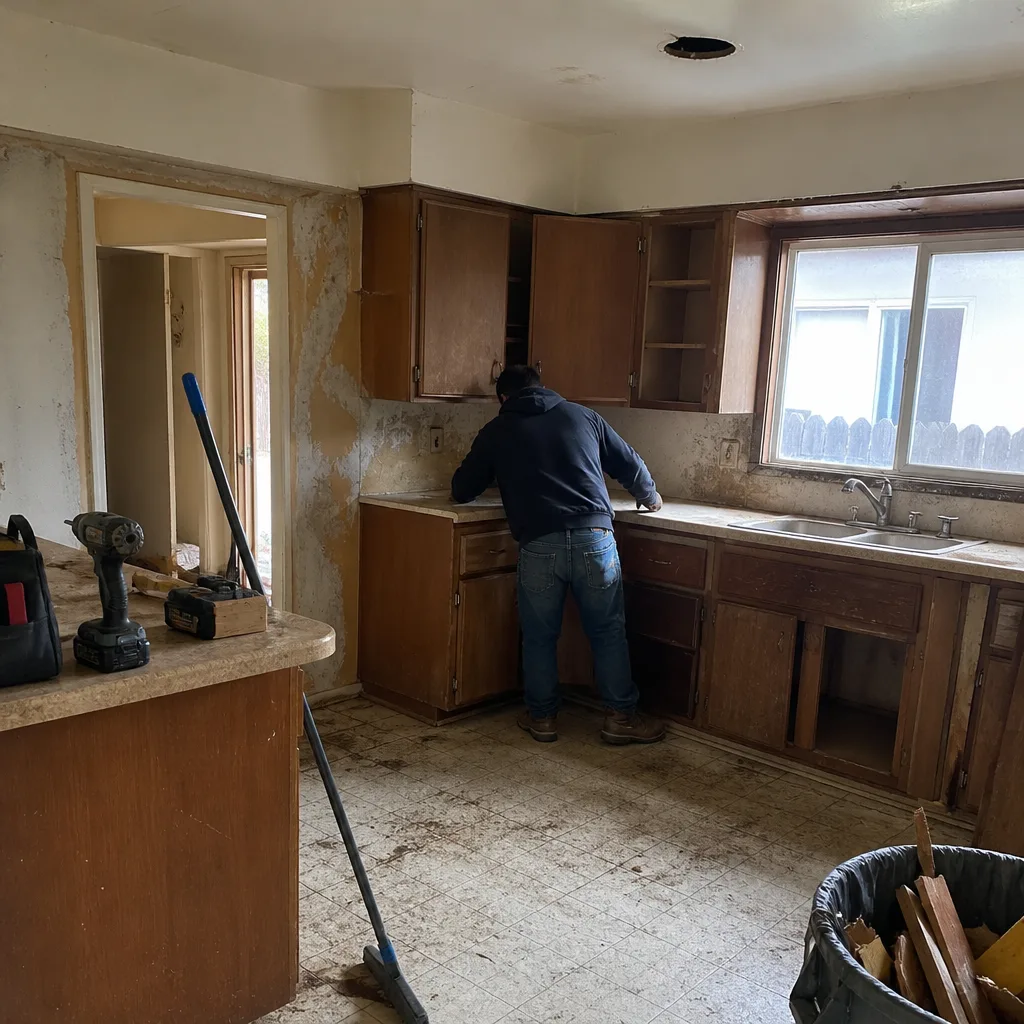 Before
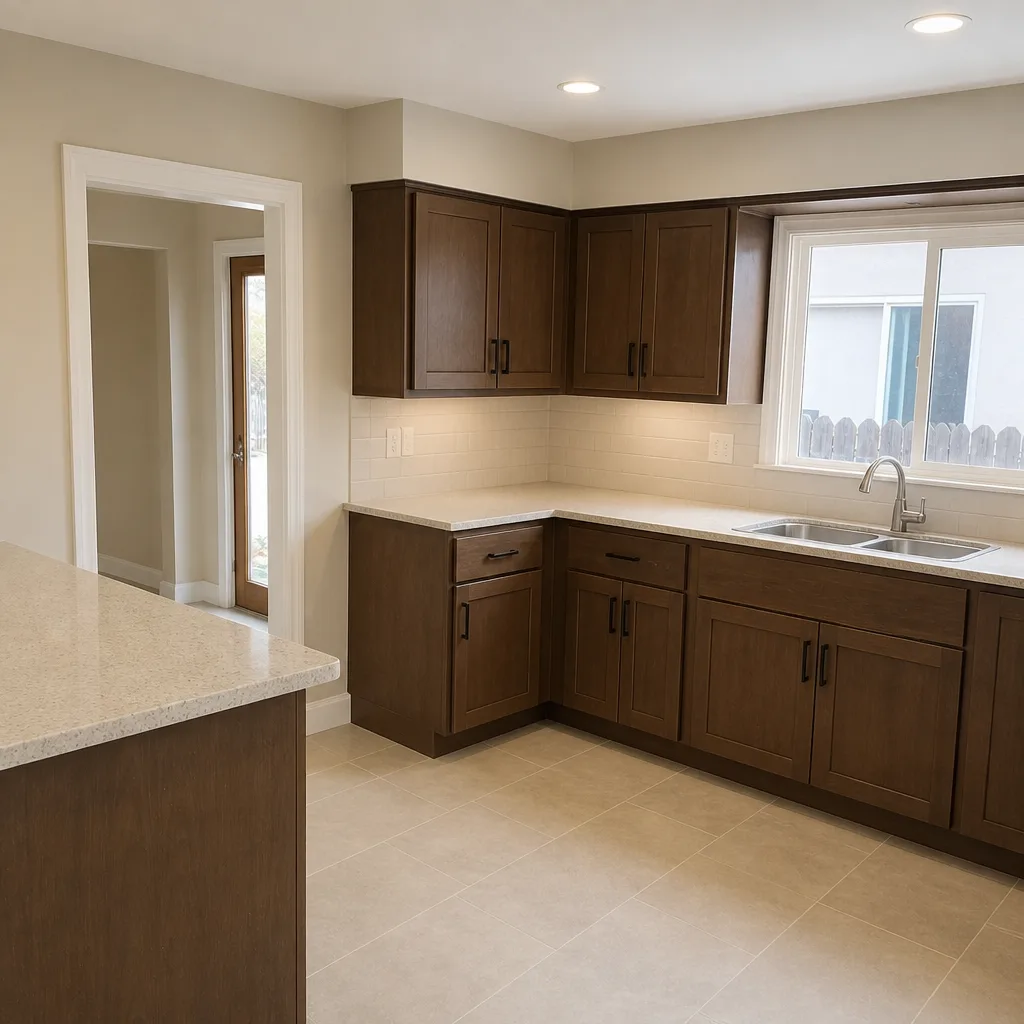 After