
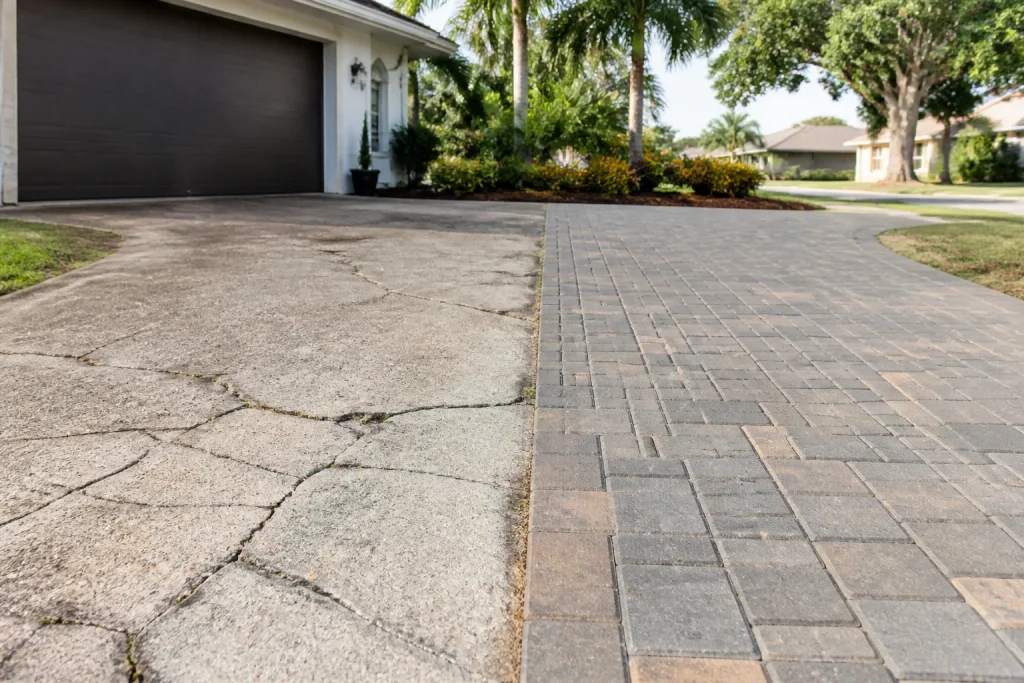
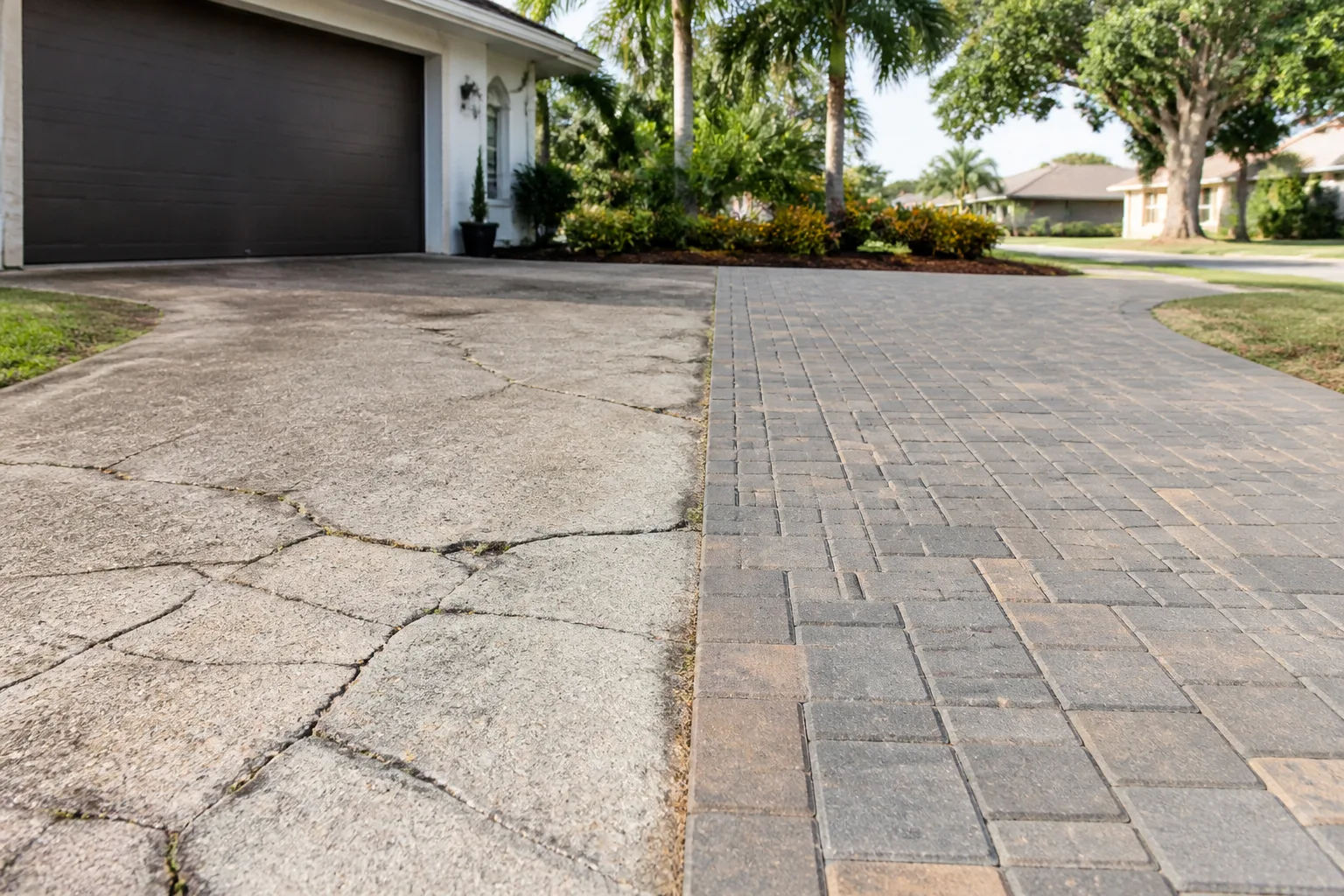
Driveway & Pavers: Repair or Replace? How Long Beach Homeowners Decide
Patching a paver driveway over a failing base is the construction equivalent of painting over a water stain: it looks fine for about one rainy season. Here’s the short answer Long Beach homeowners actually need. If the pavers themselves are sound and the base beneath them is stable, repair is the right call. If the sub-base has shifted, settled, or drained poorly, replacement is usually cheaper over ten years, not just better looking. That’s because in Long Beach, the ground under your driveway moves, and the surface only tells you what the base already decided. If you’d rather not run these tests yourself, call (888) 345-8164 and we’ll take a look.
Why Long Beach Driveways Fail Differently Than Anywhere Inland
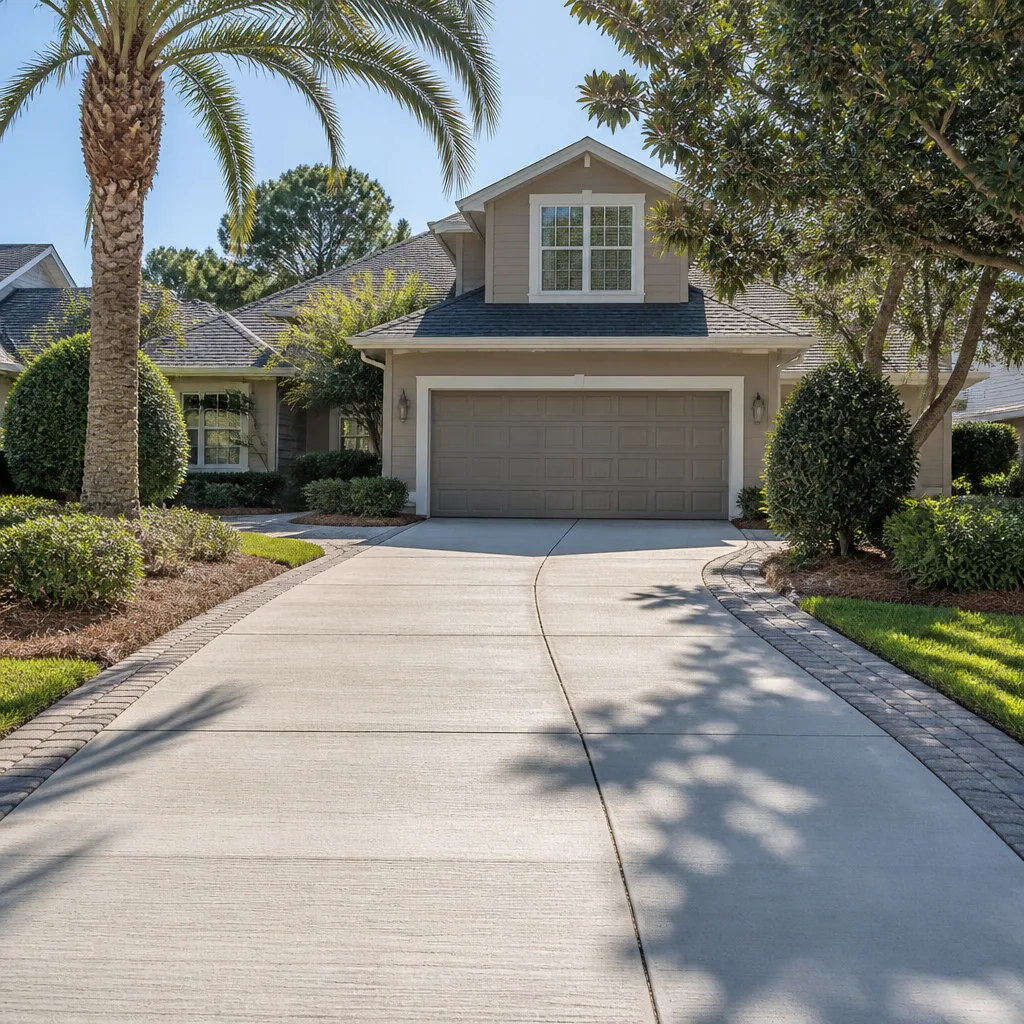
Long Beach sits on a mix of older alluvial soils, former marshland near the ports and Alamitos Bay, and expansive clay that swells when it’s wet and shrinks hard in summer. That shrink-swell cycle is the engine behind most driveway failures here. A driveway in Bixby Knolls on 1940s clay behaves nothing like a newer pour out in East Long Beach near El Dorado Park, where drainage and grading tend to matter more than soil chemistry. The marine layer keeps moisture in the ground longer than homeowners expect, so water that gets under a driveway in Belmont Shore often stays there for weeks after the rain stops.
What that means practically: visible cracks, rocking pavers, or settled corners are symptoms. The condition of the sub-base is the diagnosis. And the sub-base is exactly what a surface-only inspection skips. In our experience the driveways that come back two years after a cheap patch job are almost always the ones where nobody checked what the ground was doing underneath.
How To Check The Sub-Base Without Digging Up Your Driveway
You can learn a lot before anyone lifts a paver. These are the tests we run on a first visit, and most homeowners can do the first four themselves.
- The water test. Pour a bucket of water on the surface. If it puddles and sits for more than a few minutes instead of draining, the base or the joints are trapping water, and that’s a sign of a bigger problem.
- The walk-and-listen test. Walk the full driveway slowly. A hollow or “clacky” sound underfoot means the paver has lost contact with the sand and base beneath it. Rocking pavers are the early warning.
- The straightedge test. Lay a level or a long straight board across several pavers. Depressions deeper than about a quarter inch over a few feet point to settling in the base, not just worn joints.
- The joint check. Look at the sand in the joints. If it’s washing out fast after rain, water is moving under the pavers and taking base material with it.
- The edge inspection. Look at the border and the transition to the street or garage slab. Gaps or heaving at the edges usually mean the base has shifted at its weakest point.
- The history check. Ask yourself when the driveway was last sealed, how it drains during a heavy storm, and whether the problem has grown in one spot or spread. A single failing zone is a different story than a pattern across the whole slab.
If the water test fails and the pavers sound hollow across more than one zone, you’re looking at a base problem. That’s the moment a repair estimate and a replacement estimate need to be on the same page.
Surface Problem Or Soil Problem? Reading The Damage
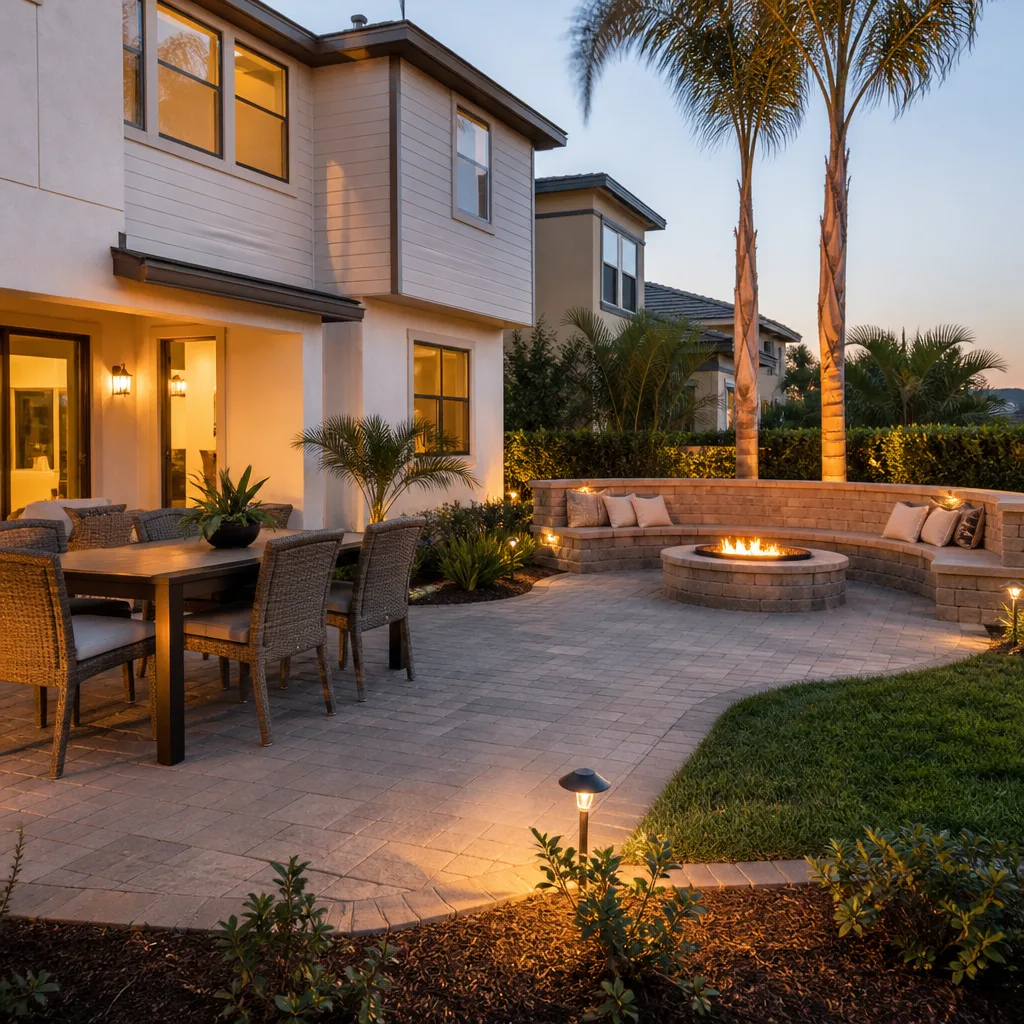
Not all damage in Long Beach comes from the ground. Some is genuinely surface-level and easy to fix. Here’s how to tell them apart.
- Surface-only damage: faded color, sand loss in joints, a few loose pavers near the garage from foot traffic, or staining from the marine air. These are cosmetic or single-paver fixes. Repointing joints and re-sanding often solves them.
- Soil-driven damage: cracks that keep opening in the same line, a low spot that reappears after every repair, pavers that rock in clusters, or water pooling near the foundation. These come from a base that’s settled, washed out, or wasn’t compacted correctly to begin with.
- The tell: step back and look at the pattern. A single bad paver is a paver. A line of bad pavers that runs toward the street or the house is a drainage or settlement issue.
In neighborhoods with expansive clay, we regularly see spring failures where a driveway looked fine in October and heaves by February. That’s soil movement, not a defective paver. Replacing the surface without addressing it just resets the clock. Belgard pavers are what we typically recommend for Long Beach replacements because they hold up well to coastal moisture and salt air, but the material is only as good as the base it sits on. Built to last, backed in writing, starts from the ground up.
The Cost Crossover: When Repair Adds Up To Replacement
There’s a point where repair spending quietly reaches replacement money, and most homeowners cross it without noticing. Instead of a rule of thumb, do the math for your own driveway. Add up what you’ve spent on repairs in the last five years, then add the estimate for the current fix, then figure out how often that repair is likely to recur. If you’re looking at repeated repairs every two to three years on the same zones, multiply the cost by the number of cycles you’d realistically face before the base fails completely.
As a rough framing for Long Beach: a targeted repair to re-set and re-sand a failing zone is usually a fraction of a full replacement, and worth it when the base is otherwise sound. A full replacement resets everything at once. The crossover usually arrives when repair costs start landing on the same zones a second or third time. Run the numbers honestly rather than trusting a general rule, because a driveway in Naples with good drainage can outlast one in a low spot near the Los Cerritos Channel by years.
Zone-By-Zone Replacement: Middle Option Or Delaying Tactic?
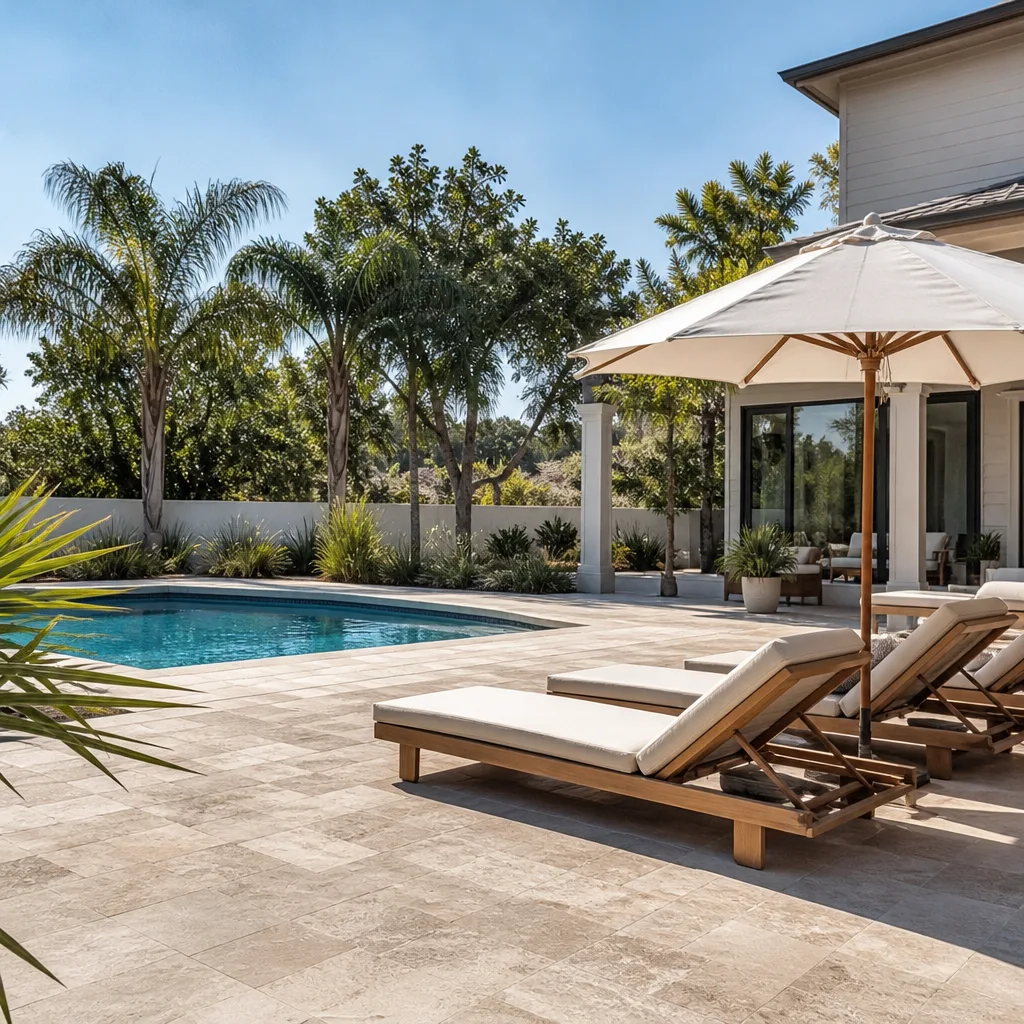
Partial replacement can be the correct, honest middle option. It’s legitimate when the failure is genuinely localized, like an apron or approach that takes the most traffic and water while the rest of the base is solid. In those cases you fix the failing zone and keep the good one, and the budget reflects it.
Partial replacement becomes a delaying tactic when the failure pattern is spread across the whole driveway. If three zones are failing and the base was installed at the same time across all of them, fixing one zone buys a couple of years and little else. We’ve seen homeowners pay for two rounds of piecemeal work that added up to more than a full replacement would have cost. The honest test is simple: if the same conditions that failed one zone are present under the others, they’ll fail too. When the problem is truly local, we’ll tell you so and quote the smaller job.
Age, Matching, And Curb Appeal When You Replace
Here’s something most quotes skip: if you replace only part of the driveway, the new pavers won’t match the old ones. Sun, salt air, and the marine layer fade pavers over time, and even the exact same Belgard product from a new production run can read as a different shade against weathered material. That color break might not bother you now, but it’s the first thing a buyer’s eye catches at resale, and it changes how a Long Beach driveway reads from the street.
The original installation quality matters too. If the existing base was never compacted properly or the drainage was an afterthought, trying to tie new work into old work is asking new pavers to sit on a weak foundation. If the old pavers are sound and correctly installed, a careful partial replacement can integrate well enough to look intentional. If they were the problem to begin with, a clean full replacement protects curb appeal and resale value in a way no patch job will. For homeowners weighing a driveway against other projects, our team at Groundwork Construction Co. of Long Beach home can walk through the whole property and prioritize honestly.
When To Call A Pro
If your water test fails, pavers rock in more than one spot, or a repaired crack keeps reopening, it’s time to bring someone out before you spend another dollar on patchwork. These aren’t weekend-fix problems, and a wrong repair can do more harm than waiting. Our technicians have up to 12 years of experience, arrive background-checked and in uniform, and give you upfront pricing with no surprises. Calls are answered by a live person, 24/7. Projects over $10,000 qualify for $1,000 off, and we offer 0% financing for 18 months to make a full replacement workable.
Related services in Long Beach: if you’re rethinking the driveway, most homeowners are also planning the edges around it. See our Driveway & Pavers in Long Beach service page for the full scope, and our Fence Installation in Long Beach and Home Additions & ADU in Long Beach pages if you’re tying the driveway into a bigger project, from foundation to finish line.
The Bottom Line
The repair-or-replace call comes down to what’s under the surface, not how the driveway looks from the curb. If the base is sound and the damage is local and cosmetic, repair makes sense. If the soil has moved, water isn’t draining, or the same zones keep failing, replacement is the cheaper decision over the long haul. Run the tests, add up what repeated repairs really cost, and let the numbers decide instead of a rule of thumb.
- Test the sub-base before you accept any repair quote.
- Surface damage is fixable. Soil-driven damage usually isn’t, not for long.
- Match the fix to the failure pattern, not to the lowest bid.
- On partial replacements, factor in matching and resale, not just the invoice.
If you’re in Long Beach and need help deciding, Groundwork Construction Co. of Long Beach offers free estimates. Call (888) 345-8164 to schedule yours, and everything we install is covered by our 730-Day Done Right Promise: if it’s not done right, we make it right.
Frequently Asked Questions
How much does driveway paver replacement cost in Long Beach? It depends on square footage, how much base repair is needed, and whether you’re replacing one zone or the whole driveway. Because Long Beach soil and drainage vary block to block, the only reliable number comes from an on-site look. Call (888) 345-8164 for an exact quote, and estimates are free.
Can a paver driveway be repaired instead of replaced? Yes, when the pavers are sound and the base is stable. Loose pavers, washed-out joints, and single-zone settling are all repairable. If water is moving under the pavers across multiple zones, repair is usually temporary and replacement is the better long-term value.
How do I know if my driveway problem is surface or soil-related? Use the water, walk-and-listen, and straightedge tests. Water that pools, hollow sounds underfoot, and repeated low spots in the same place point to soil and base movement. Faded color or a few loose pavers near the garage are surface-level.
Will part of a replaced driveway match the old pavers? Not perfectly. Sun and salt air in Long Beach fade pavers over time, so even the same product from a new run can read as a different shade. If matching matters for curb appeal and resale, a full replacement is the cleaner choice.
Written by the team at Groundwork Construction Co. of Long Beach.
Need Construction Help?
Call Groundwork Construction Co. of Long Beach - licensed & insured, here with fast after-hours help in Long Beach.
(888) 345-8164