Free written scope consultation - allowances, timeline, and change-order rules on paper before a single trade is scheduled
Styles & brands we work with
- Kitchen remodeling
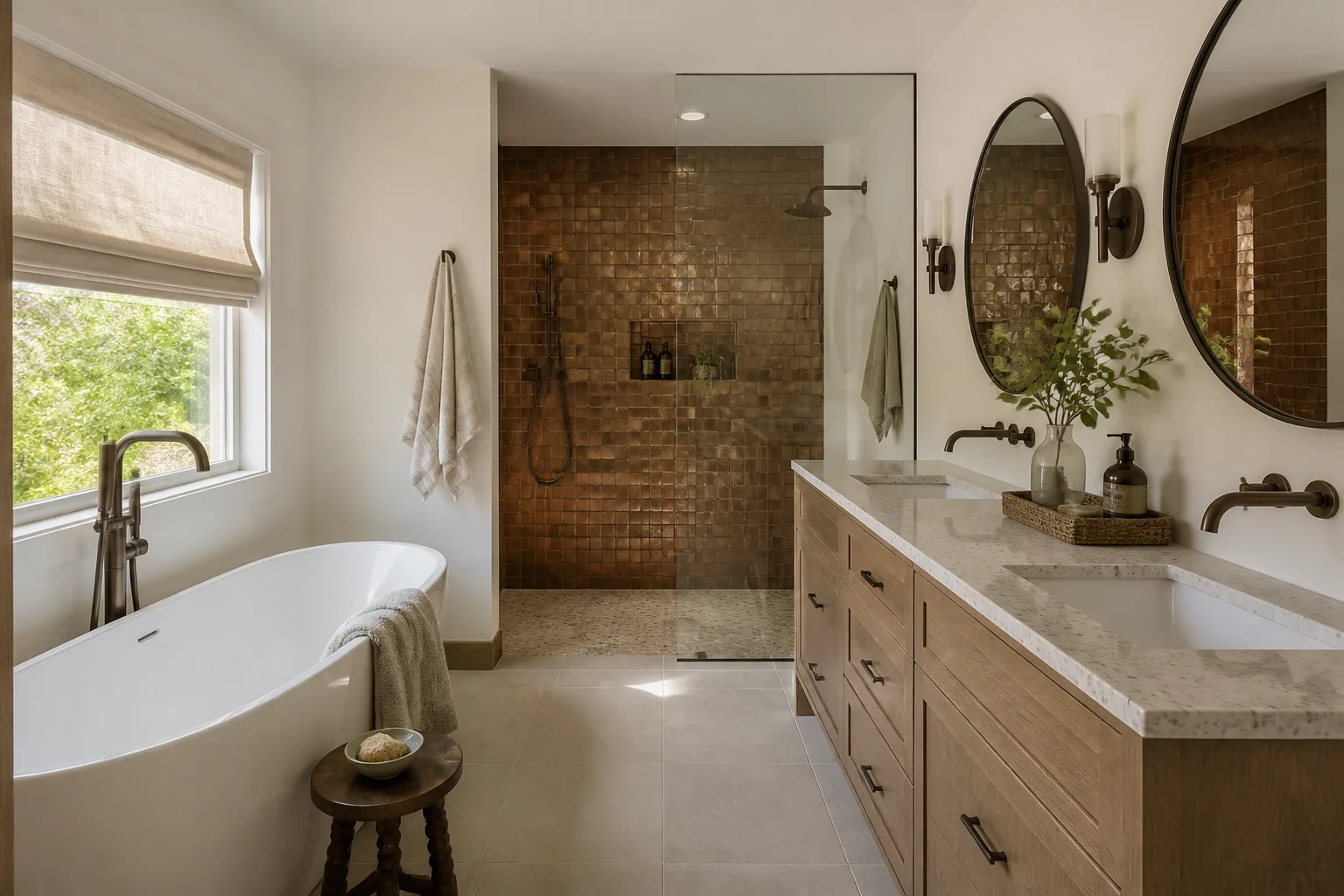
- Bathroom remodeling
- Home additions & ADU
- Roofing
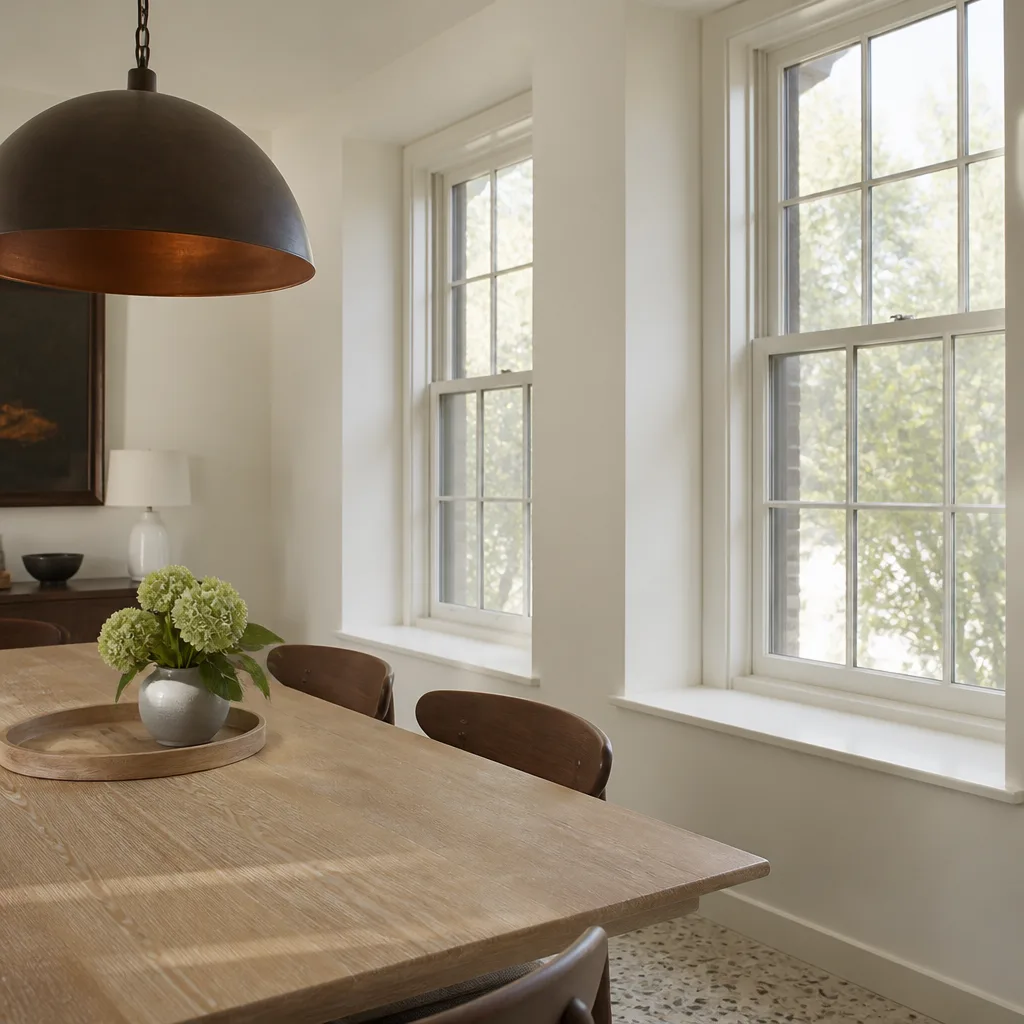
- Windows & doors
- Driveway & pavers
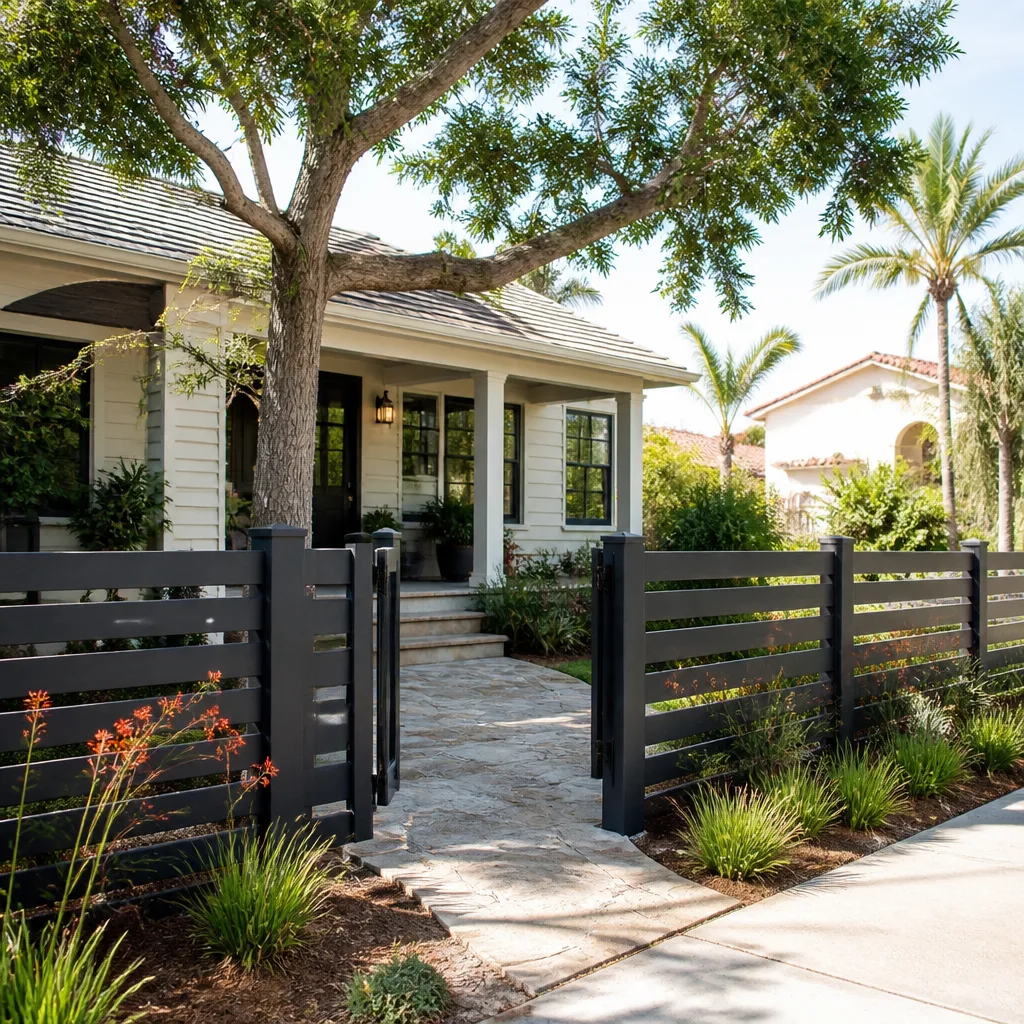
- Fence
See the difference
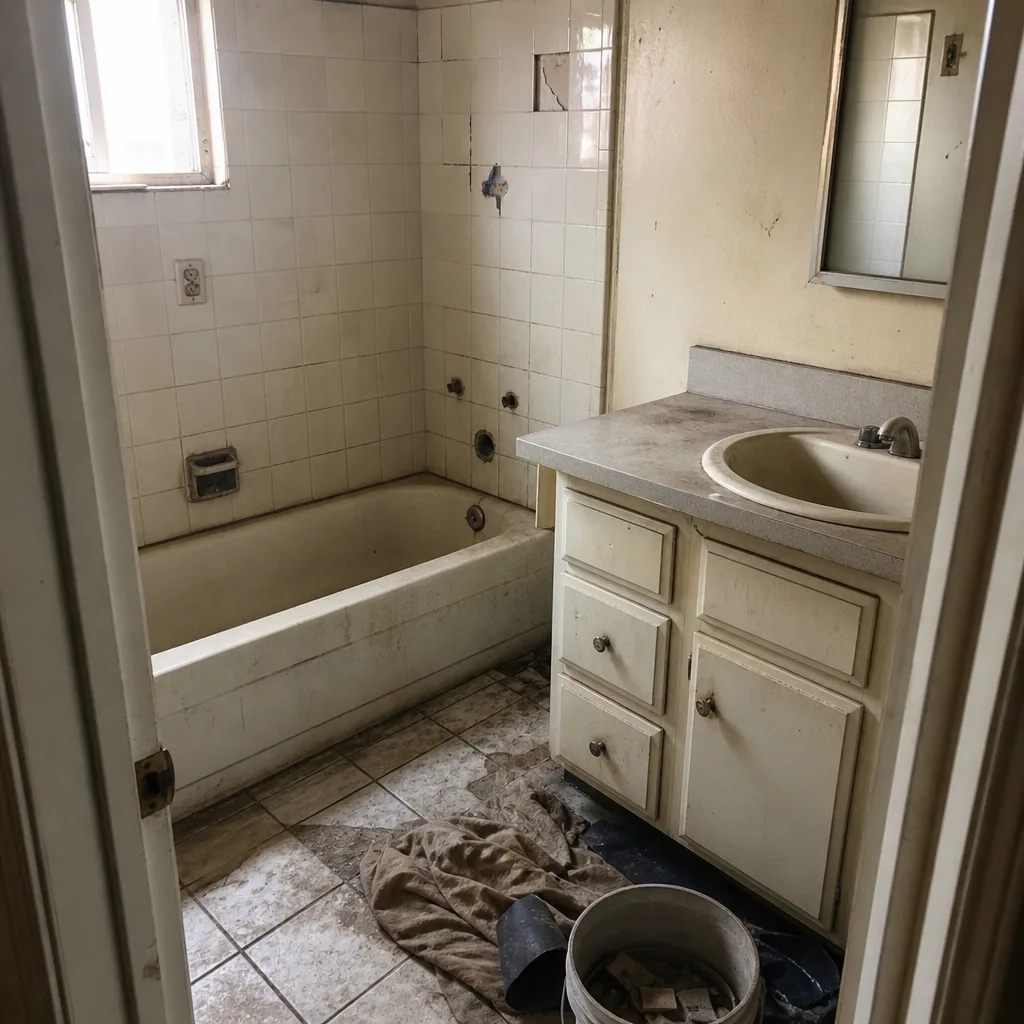 Before
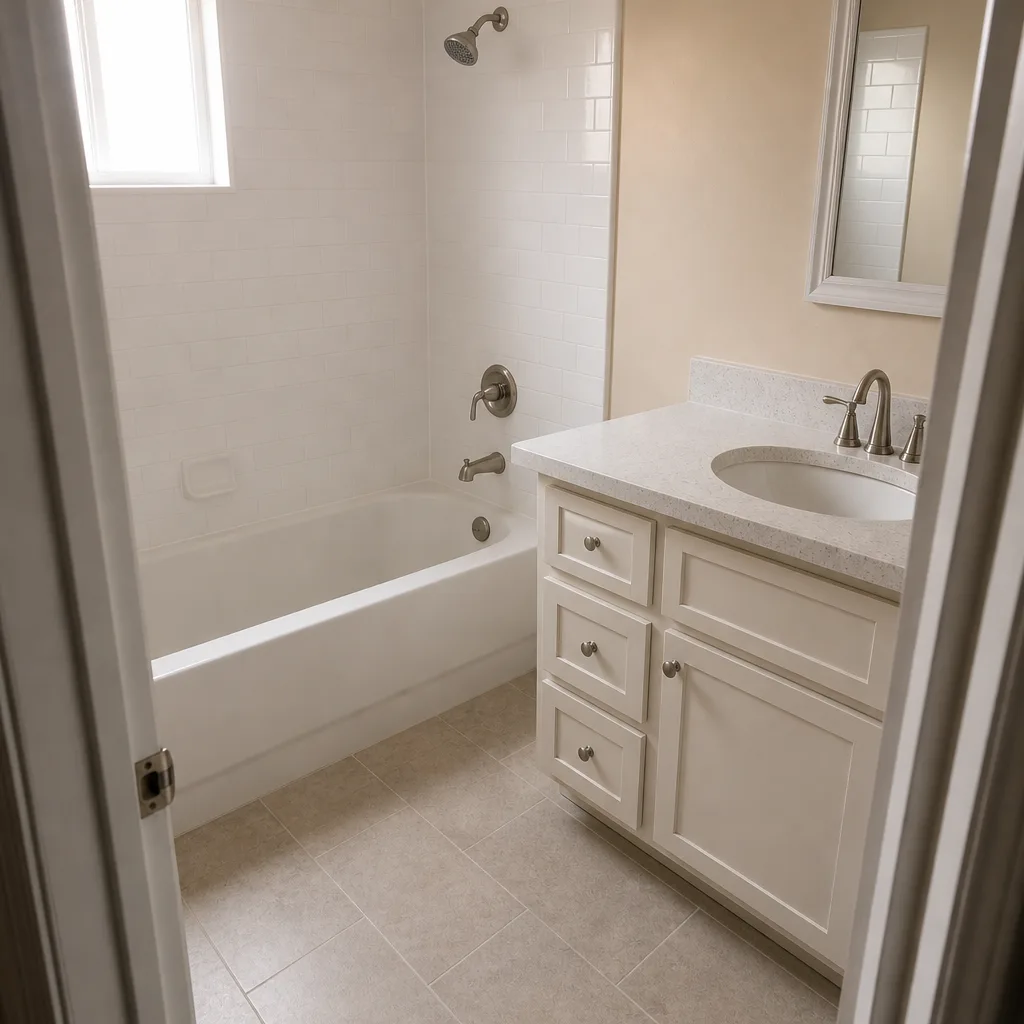 After
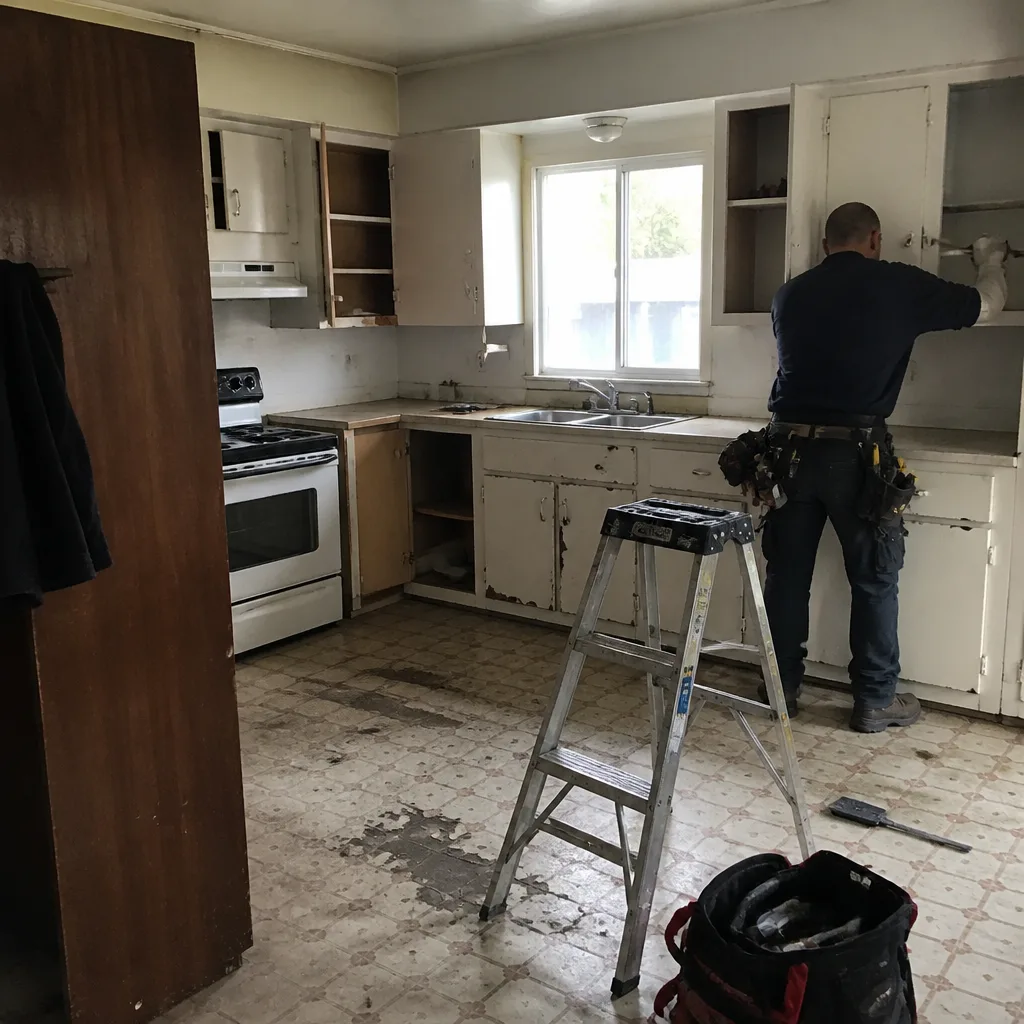 Before
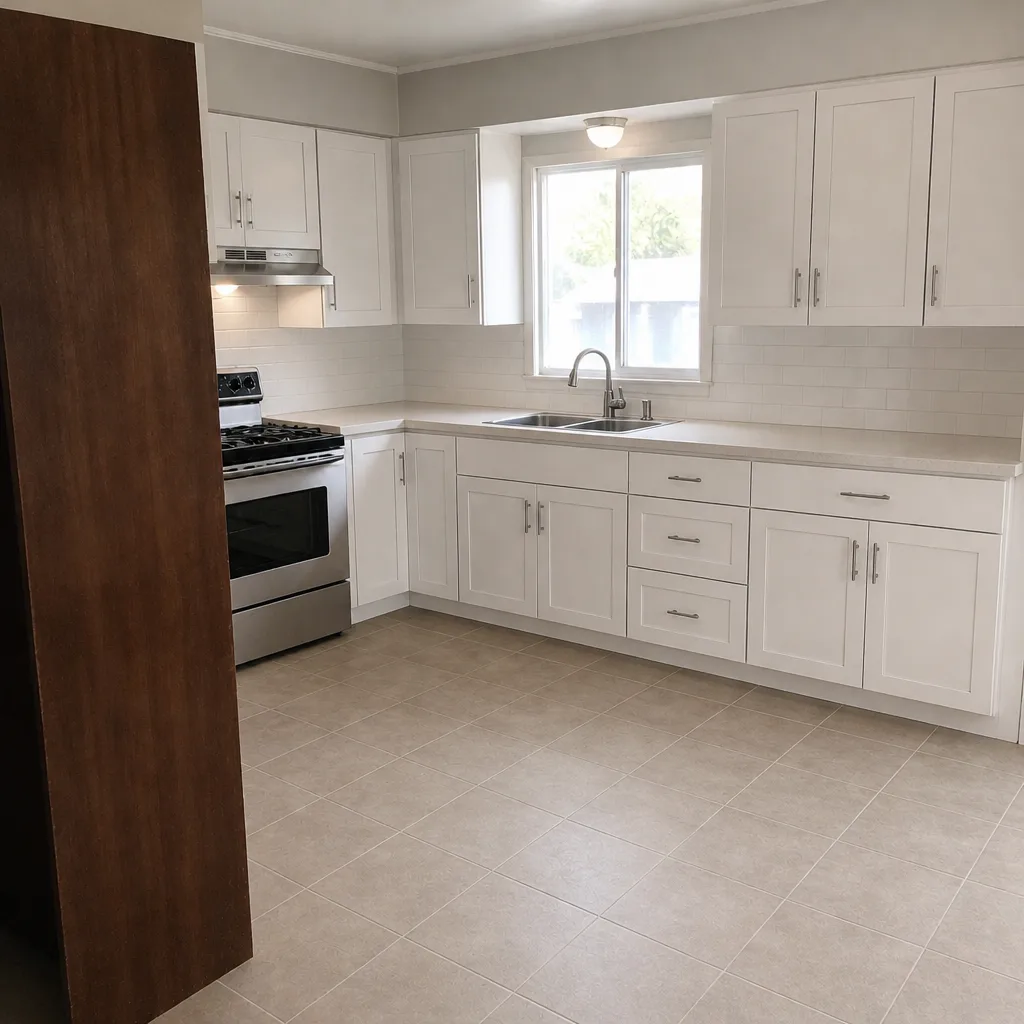 After
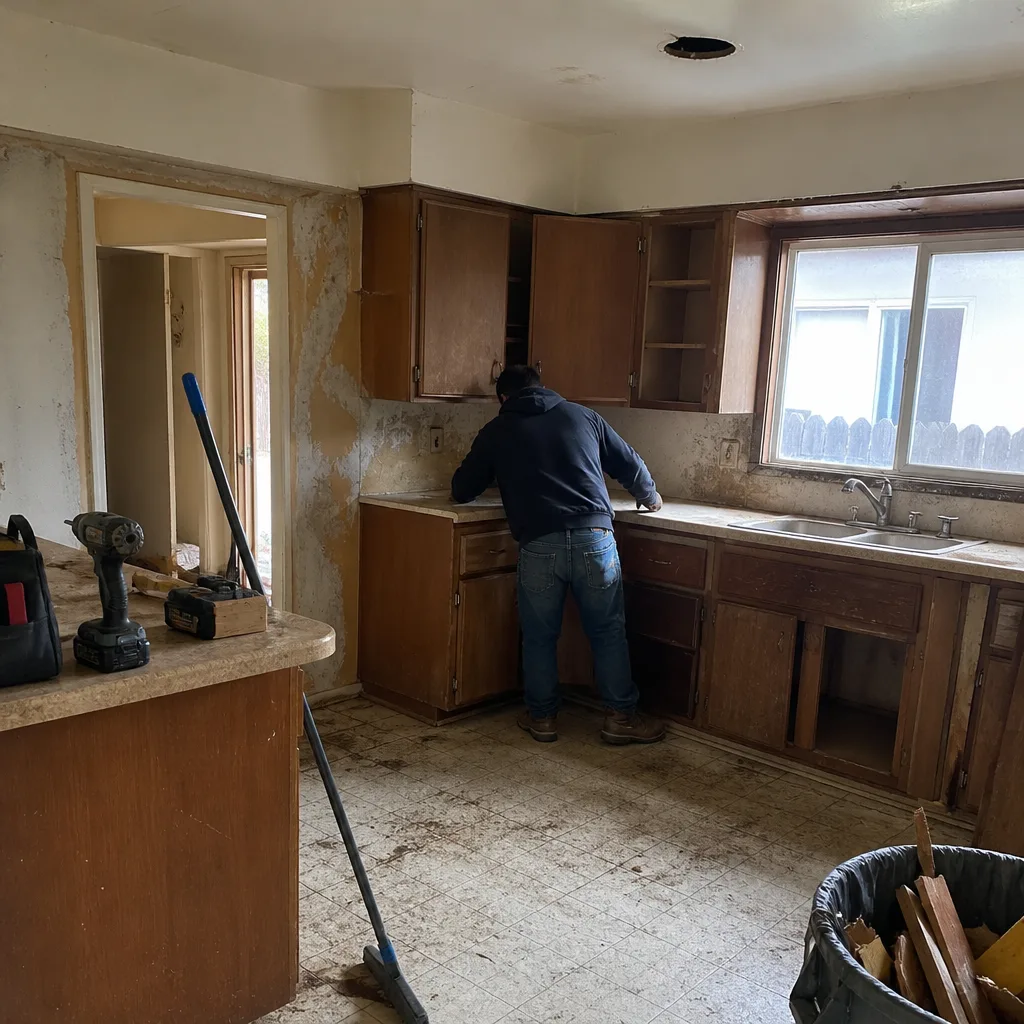 Before
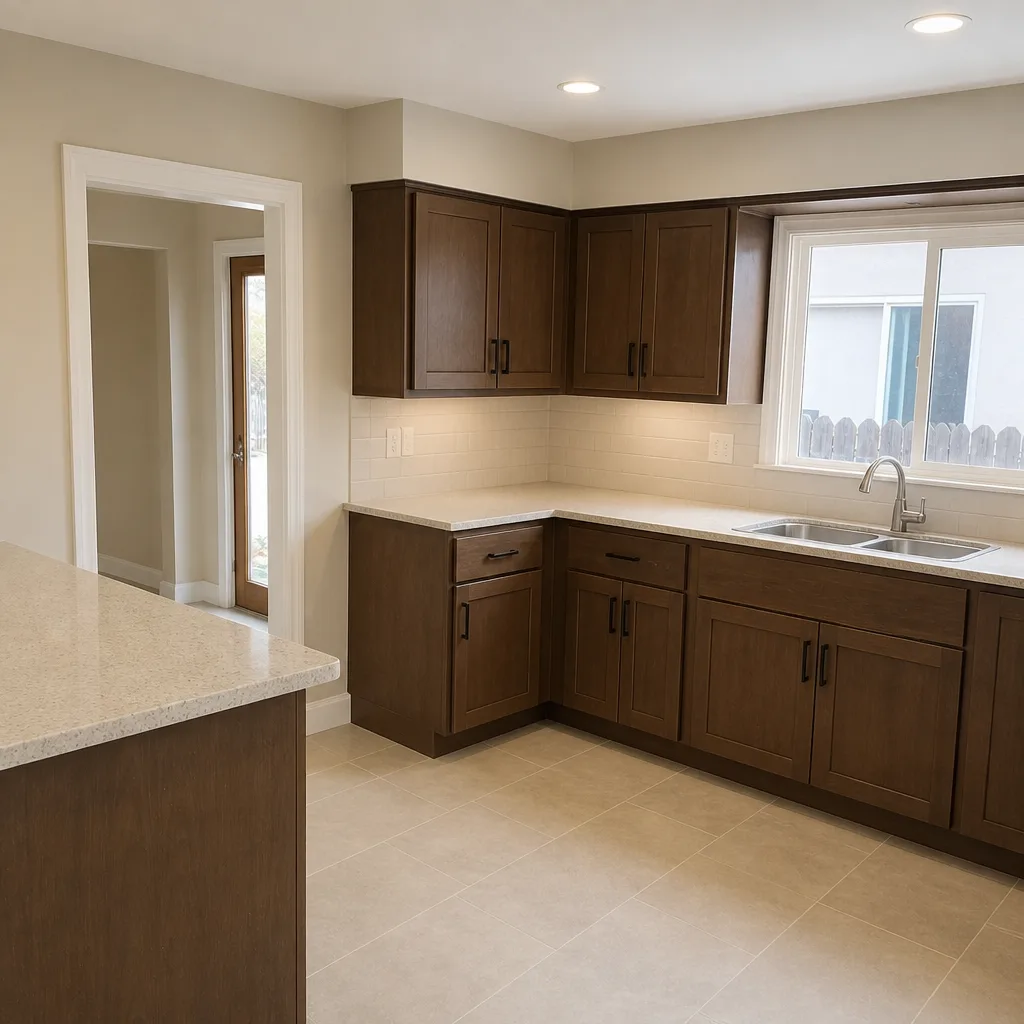 After
Attached vs Detached ADU in Long Beach, CA: Choose Detached Only If Your Lot Has the Uncovered Room – Otherwise, Attached Wins
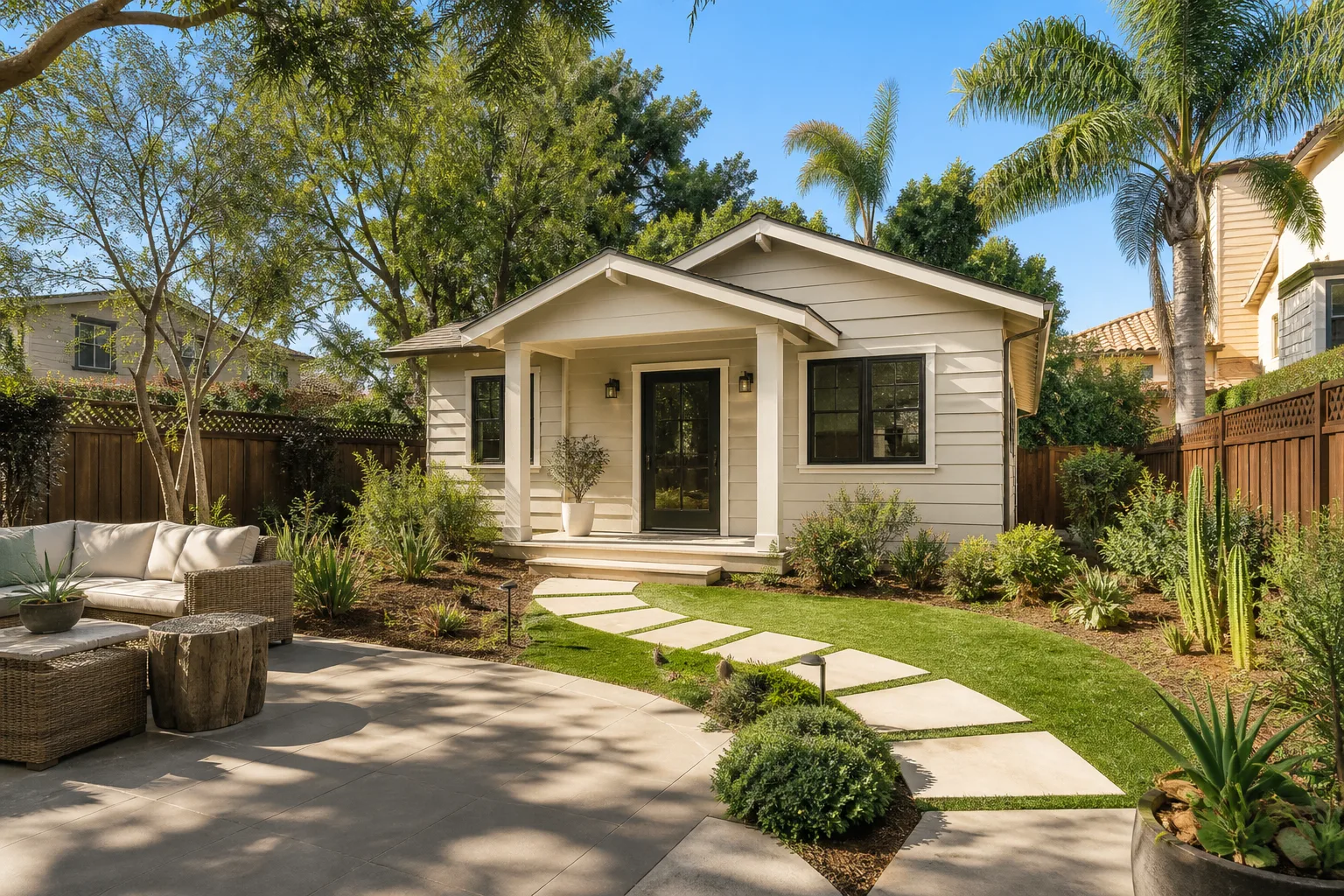
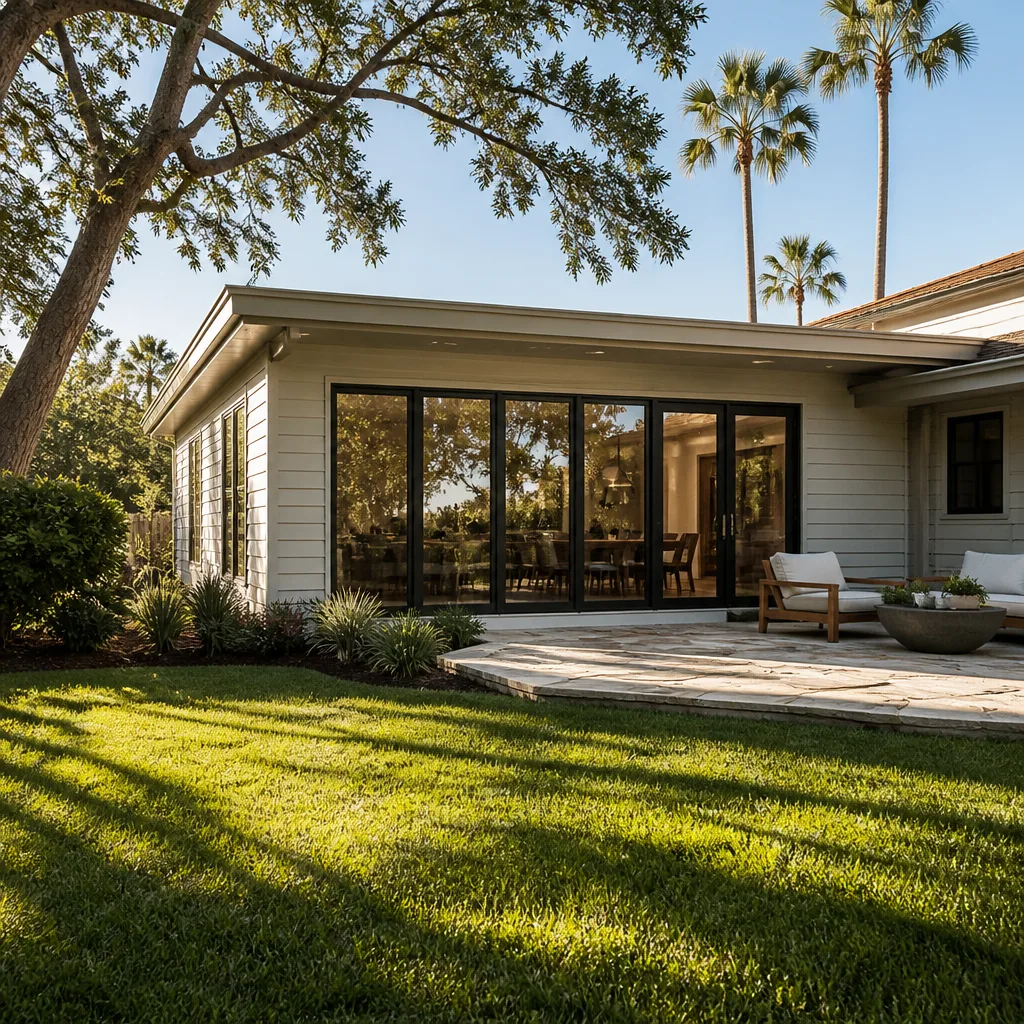
Choose a detached ADU in Long Beach only if your parcel has enough open ground left over after the rear setback and lot-coverage limits to hold a full footprint, which is rare on the small 1950s-70s lots where most of this city’s buildable parcels sit. On a typical narrow Rose Park or Belmont Heights lot, an attached ADU or an alley-garage conversion is usually the only compliant path. That means your lot geometry has probably already made the decision for you. Call (888) 345-8164 and we’ll run the coverage math on your address before you commit to either.
Key Takeaways
- Attached ADUs win on tight Long Beach lots because they avoid pushing total lot coverage past city limits.
- Detached ADUs win on larger parcels and on alley-facing garages that already sit at the rear setback line.
- Attaching to a 1930s or 1940s bungalow often triggers a shear upgrade on the shared wall, which changes the budget comparison.
- Multi-family parcels can force a separate utility meter for a detached unit, a cost an attached conversion avoids.
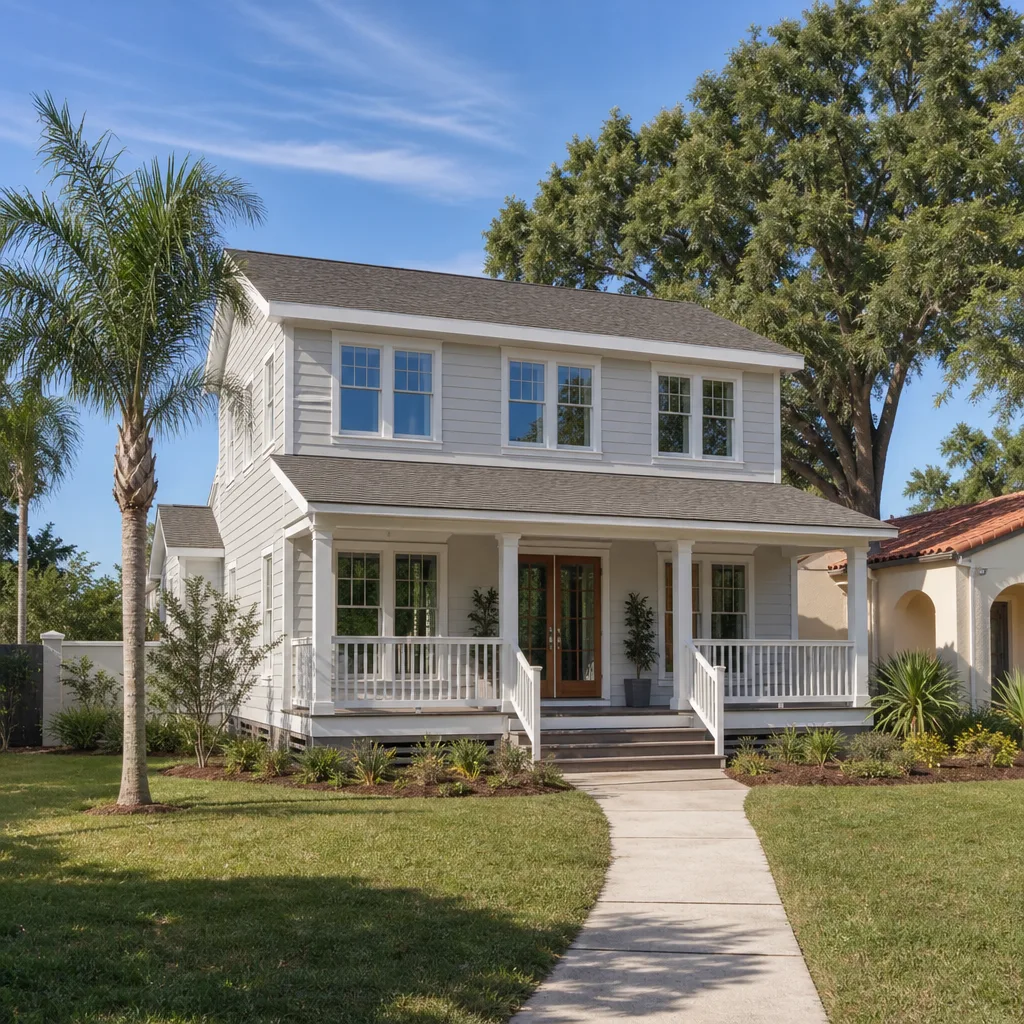
Why Long Beach Lot Geometry Decides This Before You Do
Start with the numbers on the ground. A standard 25-by-110-foot lot gives you 2,750 square feet of total parcel. Long Beach’s lot-coverage limits for single-family R1 and most R2 parcels cap how much of that ground can sit under a roof, counting the house, the garage, and any new structure. On a lot that size, with a 1950s bungalow occupying most of the front and a detached garage at the alley, the uncovered square footage between them is often too thin to hold a detached ADU footprint and still stay inside the limit.
That’s the collision this page is really about. Most ADU advice online reads like a preference survey – do you want privacy, do you want rental separation, do you want a backyard studio. In Long Beach, the parcel answers those questions for you. So the honest decision framework starts with the lot, not with taste.
Our technicians have up to 12 years of experience reading exactly this kind of lot geometry, and the pattern repeats across the older neighborhoods: the narrower the parcel and the deeper the original house, the more likely a detached unit is off the table before a single line is drawn.
Attached vs Detached: A Side-by-Side for Long Beach Parcels
| Factor | Attached ADU | Detached ADU |
|---|---|---|
| Lot coverage impact | Lower – ties into the existing footprint | Higher – adds a new footprint on open ground |
| Best fit | Tight R1/R2 lots, deep bungalows, no buildable rear yard | Larger parcels with open rear or side yard |
| Structural cost driver | Shared wall with 1930s-40s framing often needs a shear upgrade | New structure built to current shear code from scratch |
| Utility cost driver | Usually ties into the existing meter and service | Multi-family parcels may require a separate meter and service connection |
| Typical Long Beach build range | $45,000-$130,000 | $90,000-$220,000 |
Read that table as a decision tree, not a menu. If your lot is already at or near the coverage cap, attached is the answer. If your parcel has room to spare and the rear yard is genuinely open, detached gives you flexibility an attached unit can’t. The ranges above are the market bands we work in across Long Beach, and they’re the numbers you should hold any bid against.
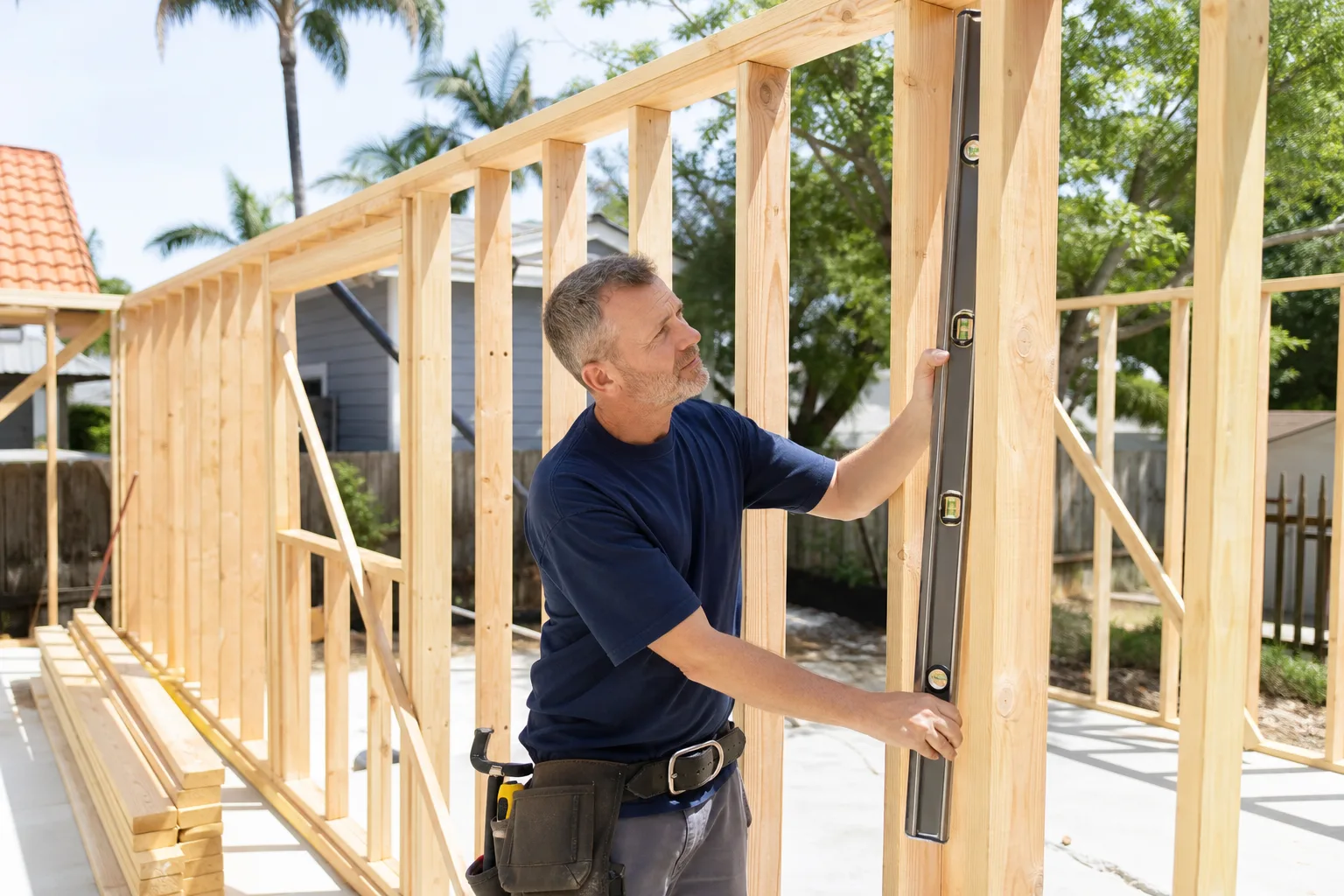
The Alley-Garage Opportunity Most ADU Advice Misses
Here’s the part that changes the math in the older bungalow neighborhoods. Alley-facing detached garages are everywhere in Long Beach’s pre-war stock, and they’re the best ADU candidates on the property for one reason: they already sit at the rear setback line. You’re not adding a new footprint out into open ground – you’re converting existing square footage, which keeps your lot-coverage calculation far friendlier than a ground-up detached build.
Those garages also tend to have utility access already run to them, which shortens the plumbing and electrical work compared with building from a blank slab. In practice, a garage conversion in Long Beach runs $30,000-$80,000 versus $90,000-$220,000 for a detached unit, and a good chunk of that gap is footprint, utility, and foundation work you simply don’t have to do.
One caution specific to the coastal air off the Port of Long Beach: salt and marine-layer moisture eat exterior wood, stucco, and fasteners faster than inland, so a garage conversion on a 1940s structure needs a real inspection of the existing shell before anyone promises you a number. We’d rather find the rot on the front end than in month two of the build.
The Structural Catch With Attached ADUs in Older Long Beach Homes
Attached looks cheaper on paper. It isn’t always cheaper in the ground once the shared wall gets opened up.
When you attach a new living space to a 1930s or 1940s bungalow, the wall between the old house and the new unit becomes a structural element carrying load on both sides. Original framing from that era was never built to current shear requirements. Attachment triggers a shear upgrade on that shared wall, which means new hold-downs, sheathing, and engineering – real money that a detached unit spends instead on its own new foundation. Neither option is free of structural cost; they just spend it in different places.
We also routinely find original knob-and-tube wiring and un-permitted additions built decades ago in these homes. Either one turns a simple attachment into a code-compliance scope before the finishes even start. That’s why a full-scope approach matters here: structural, electrical, plumbing, and finish all need to be priced together against the same lot, not bid out piecemeal by three different trades who never saw each other’s work.
The permitting stack adds its own layer. Rose Park and Belmont Heights sit in a Coastal Zone and a designated historic context, so a single small lot can trigger Coastal Commission review, historic-district design review, and seismic retrofit rules at the same time – a stack you don’t hit on a Lakewood or Compton parcel. Budget review time into the schedule, not just construction.
How We Price Both Paths in Long Beach
Every project starts with an honest lot-coverage read on your parcel, then a single transparent, upfront price covering structural, electrical, plumbing, and finish under one contract. No assembling separate bids to compare the two options. The numbers below reflect the market bands in Long Beach:
- Attached ADU: $45,000-$130,000
- Detached ADU: $90,000-$220,000
- Garage conversion (alley-facing): $30,000-$80,000
Your final number depends on the shared-wall condition, utility tie-in, and finish level, but the point is that you see it in writing before work starts. The number you see is the number you pay. Every project is covered by our 730-Day Done Right Promise, and we offer 0% financing for 18 months plus $1,000 off projects over $10,000 to make a large ADU investment easier to plan around. Windows and doors for either build can be specced with partners like CGI or CWS so the finish matches the frame.
If you want the full picture of what a new unit on your property looks like, our Home Additions & ADU page covers the build process and our Home Additions & ADU in Long Beach page covers the local scope – start there, then call us to run the numbers on your exact lot.
FAQs
Attached is usually cheaper in Long Beach, but not always. An attached ADU typically lands in the $45,000-$130,000 range, while a detached unit runs $90,000-$220,000, largely because of the new foundation, utility runs, and separate meter a multi-family parcel may require. The catch is that attaching to a 1930s or 1940s home can trigger a shear upgrade on the shared wall that eats into the savings. Call (888) 345-8164 for a free estimate so you’re comparing real numbers, not guesses.
Often no – lot-coverage limits on small R1 and R2 parcels make a detached footprint non-compliant, which is why garage conversions and attached additions are so common in older neighborhoods. A 25-by-110-foot lot frequently leaves too little uncovered square footage once the house and garage are counted. The fastest way to know is a coverage check on your address. Call (888) 345-8164 and we’ll run it before you plan further.
On older multi-family parcels like fourplexes and garden apartments, a detached ADU may require its own meter and service connection, which adds cost an attached conversion avoids by tying into the existing service. On a single-family lot, the requirement depends on how the unit will be used and metered. We price utility tie-ins into both paths upfront so nothing gets added mid-build. Call (888) 345-8164 for a no-hassle quote on your address.
Yes – alley garages are the strongest ADU candidates on most older Long Beach lots because they already sit at the rear setback line and often have utility access run to them, which keeps your lot-coverage math friendly and cuts construction cost. A conversion typically runs $30,000-$80,000. Salt air and termites in older wood-frame structures mean we inspect the shell first. Call (888) 345-8164 for a free assessment.
Get a Straight Answer on Your Lot
If you’d rather have it looked at, Groundwork Construction Co. of Long Beach offers a no-pressure assessment in Long Beach. We’ll check the coverage math, the shared-wall condition, and the utility picture, then put a transparent, upfront price in writing – one price, one contract, from foundation to finish line. Call (888) 345-8164 to schedule your free estimate.
Written by the team at Groundwork Construction Co. of Long Beach, serving Long Beach, CA.