
Free written scope consultation - allowances, timeline, and change-order rules on paper before a single trade is scheduled
Styles & brands we work with
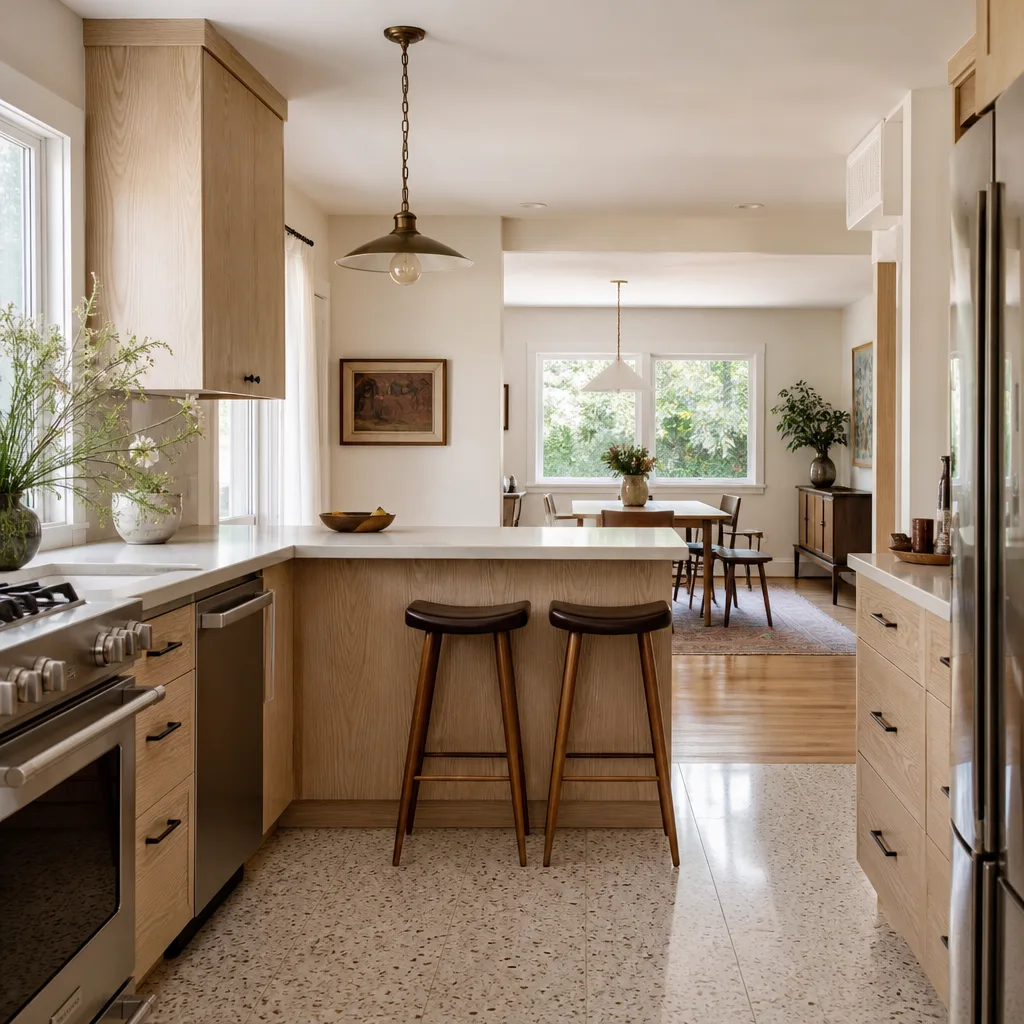
- Kitchen remodeling
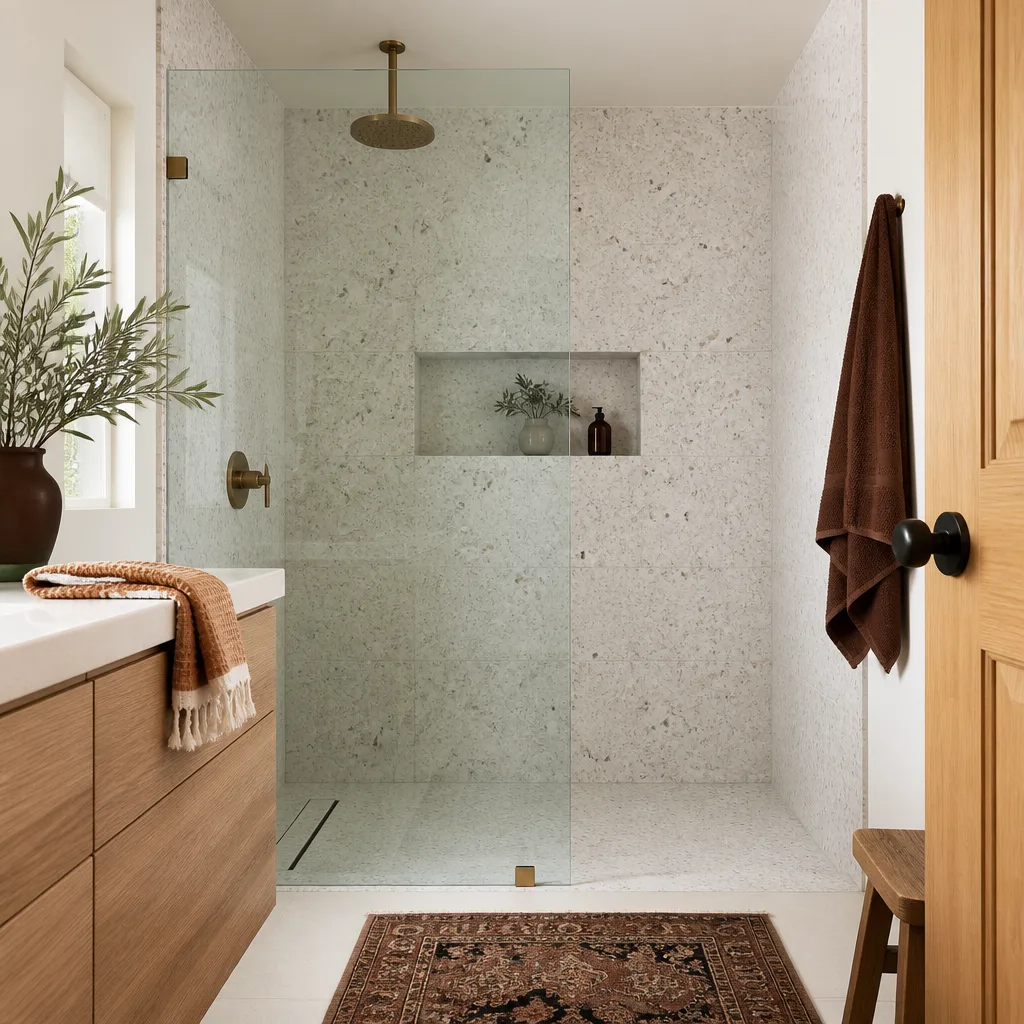
- Bathroom remodeling
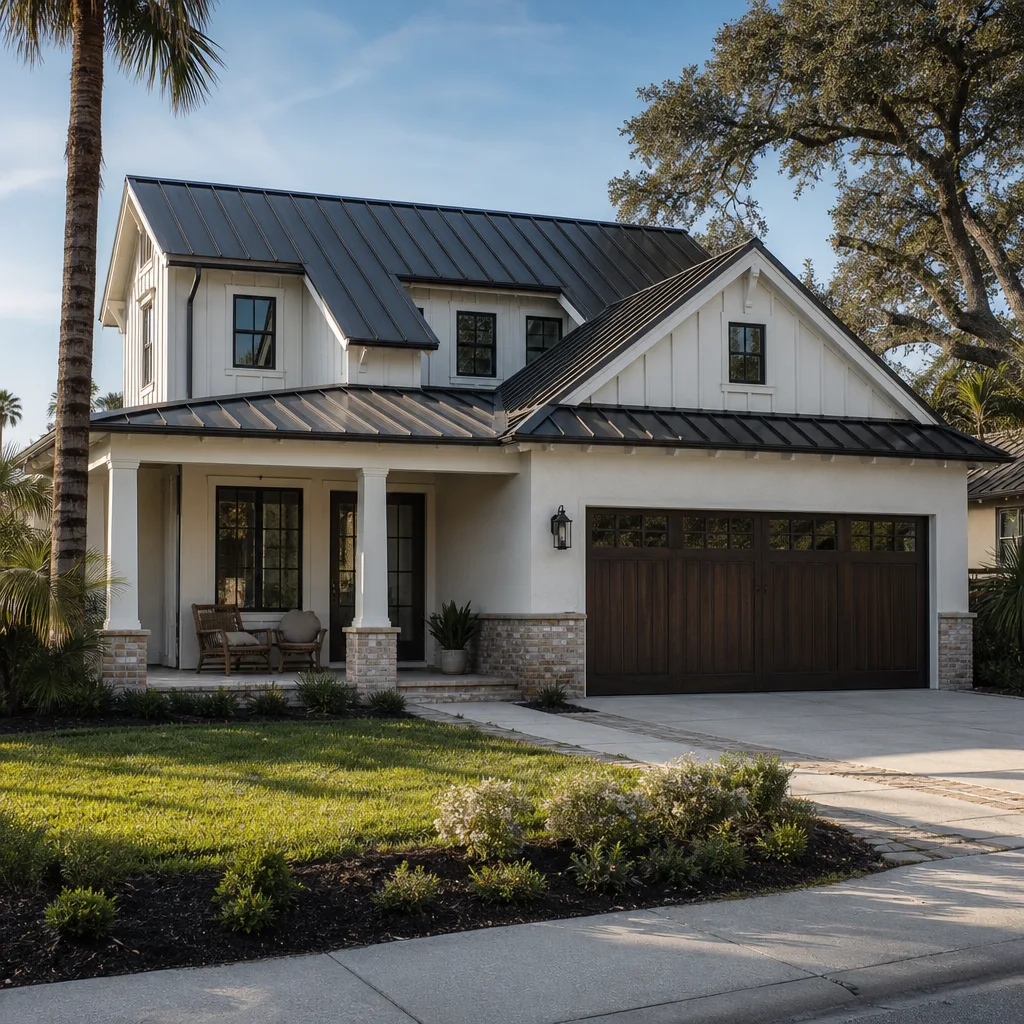
- Home additions & ADU
- Roofing
- Windows & doors
- Driveway & pavers
- Fence
See the difference
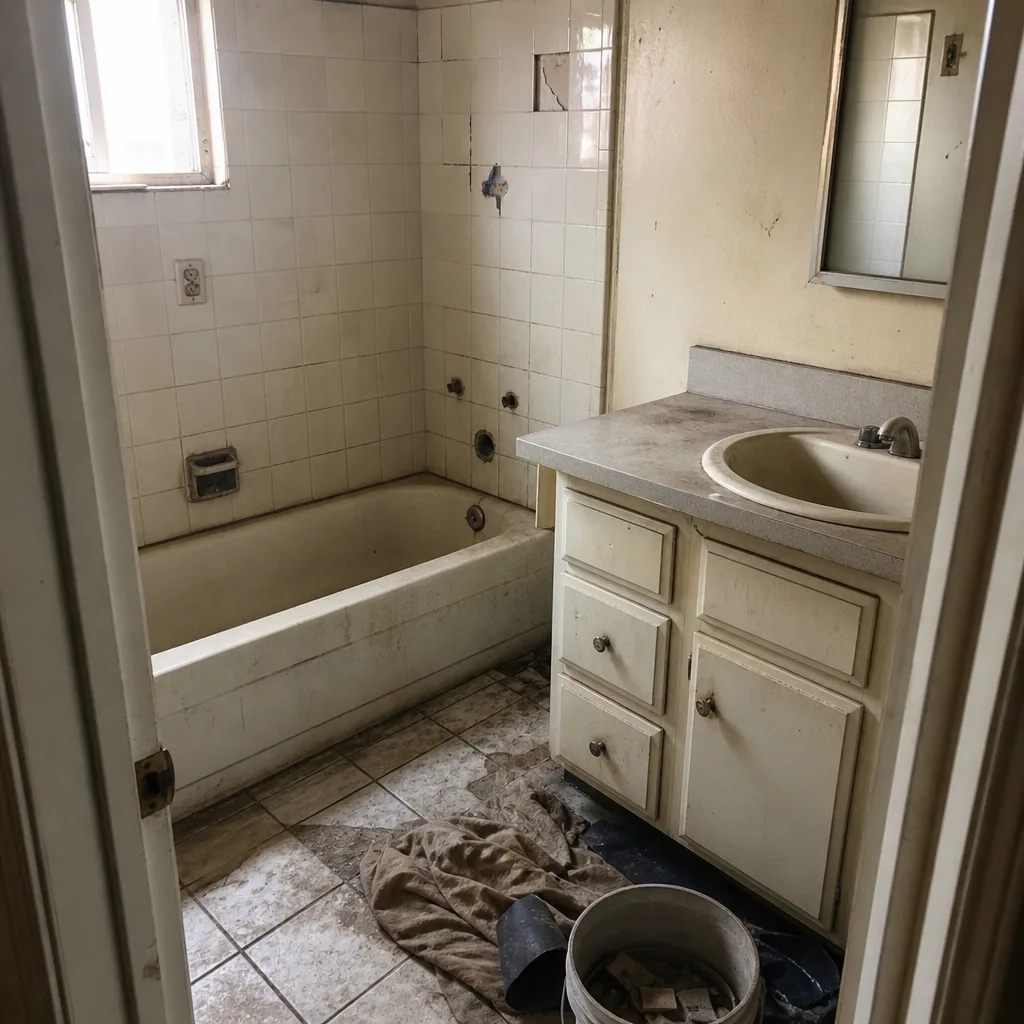 Before
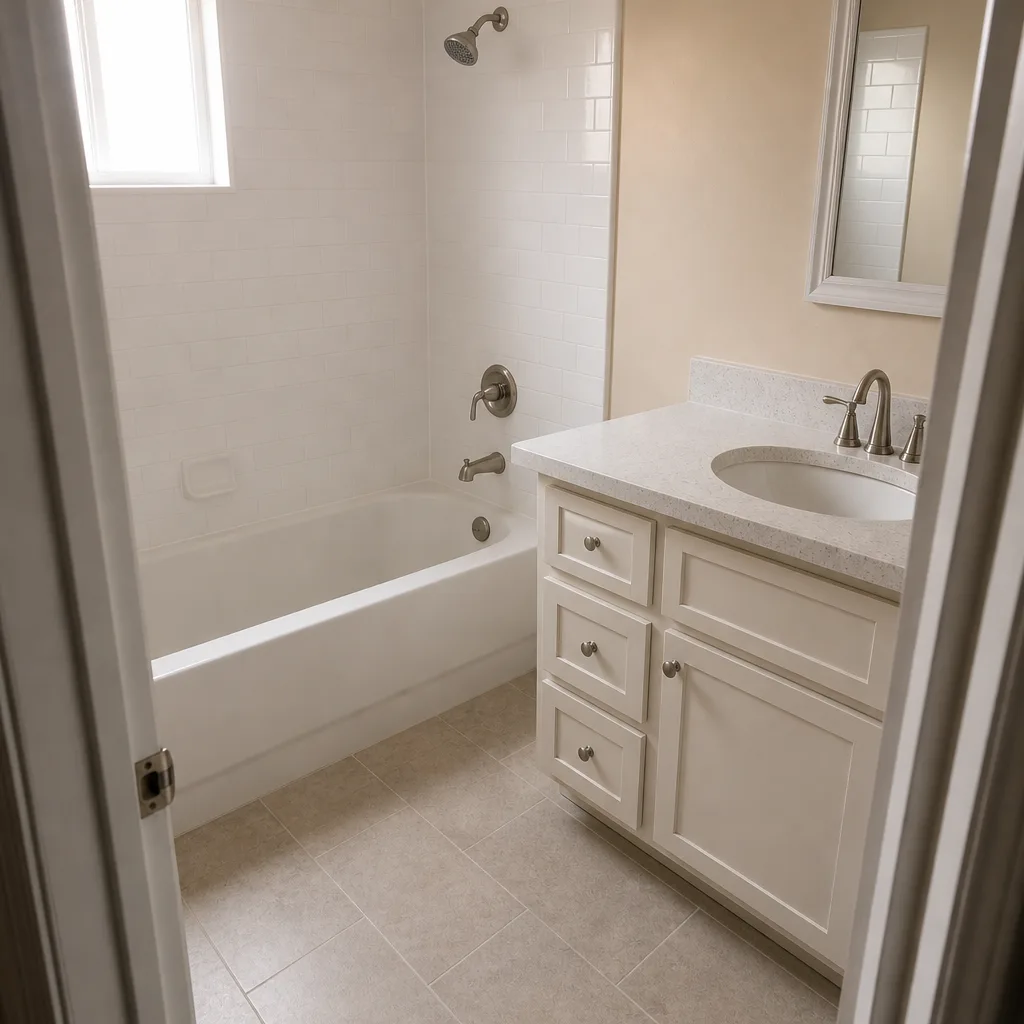 After
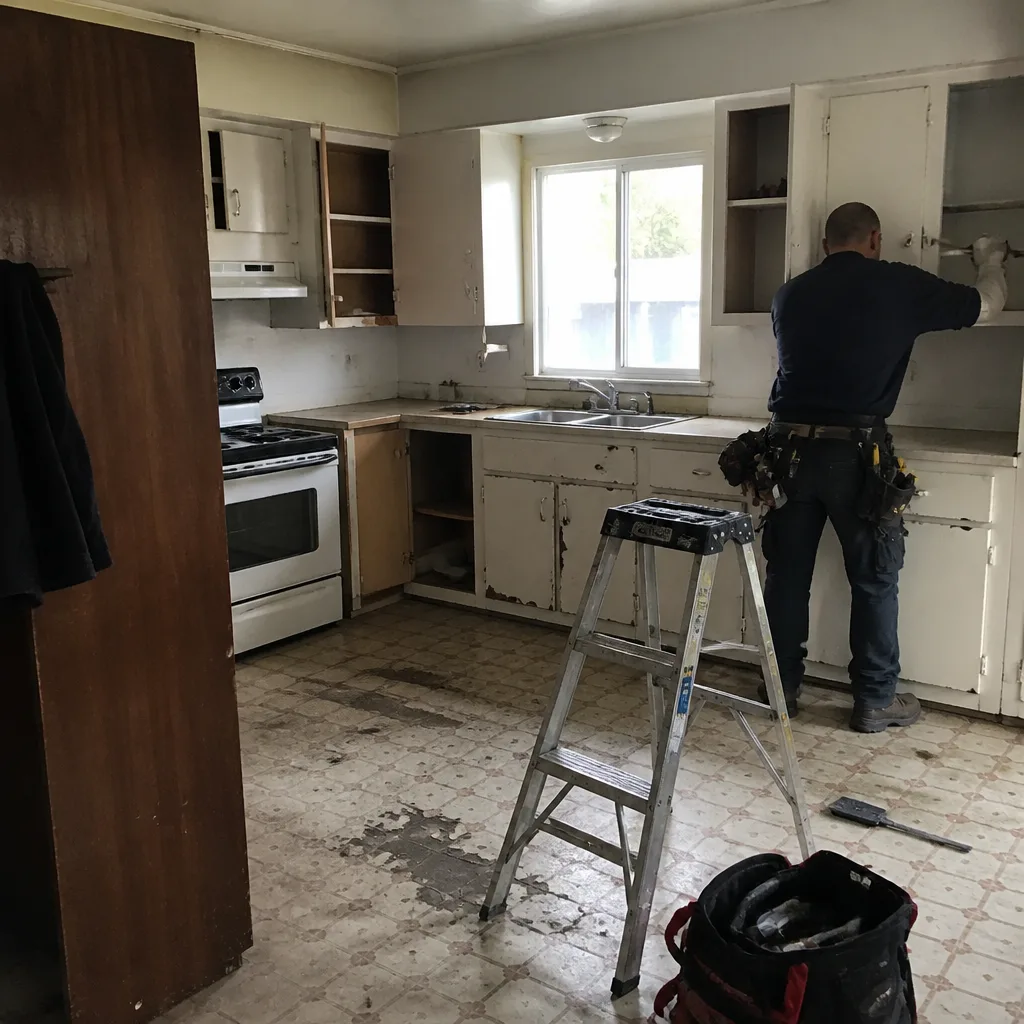 Before
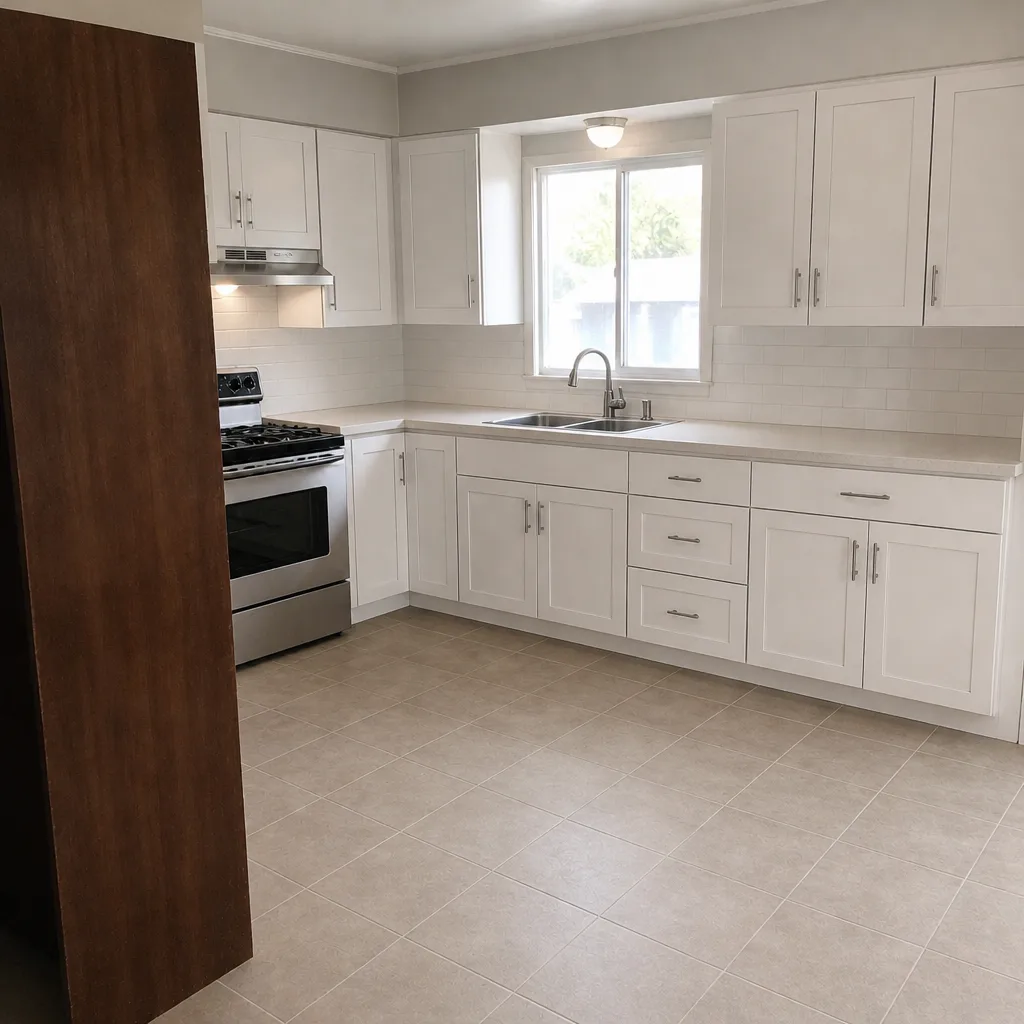 After
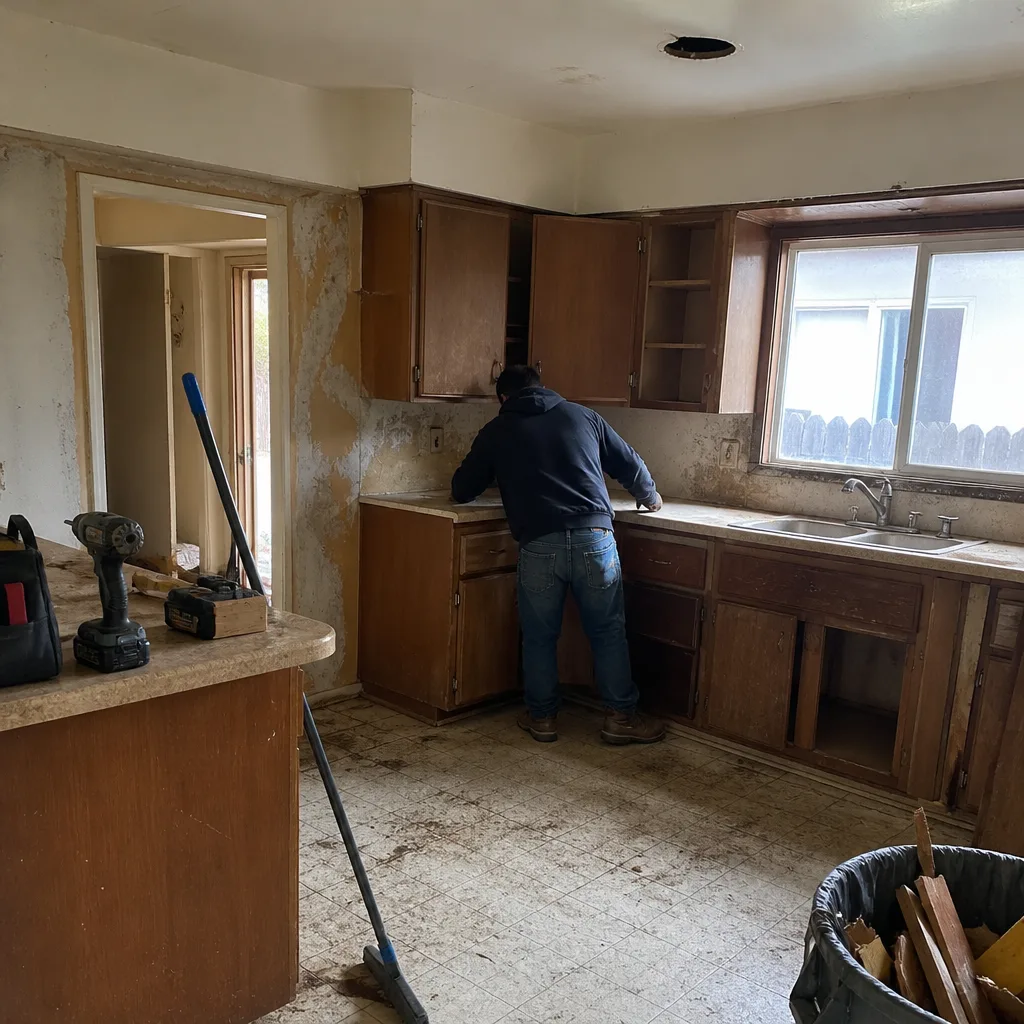 Before
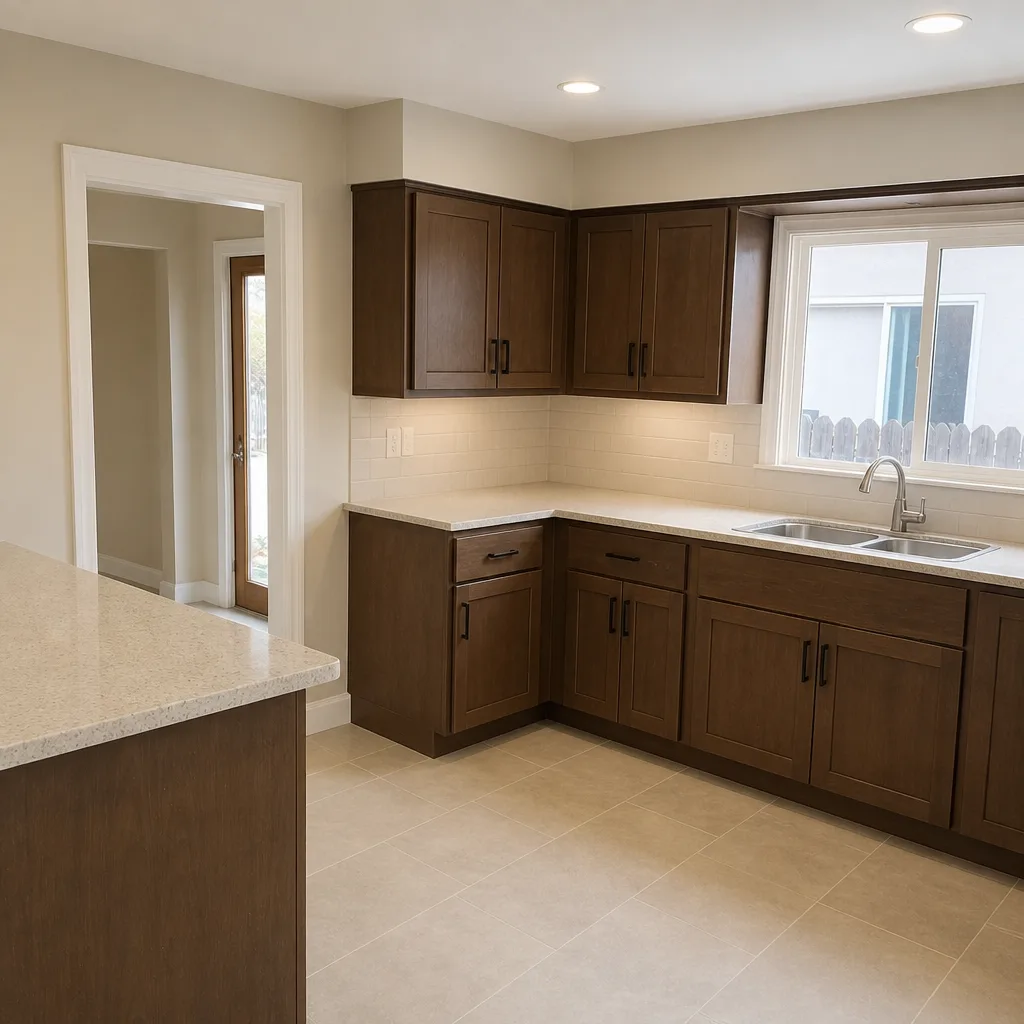 After
Do You Need a Permit for a Home Addition in Long Beach, CA?
Yes. Every home addition in Long Beach needs a building permit from the City of Long Beach Development Services department, and most projects need more than that. If your property sits in the Coastal Zone or a historic context district, you may also face California Coastal Commission review and Historic Design Review before a single permit is issued. Budget $45,000-$130,000 for the addition itself, and plan on permit fees, plan-check rounds, and inspection holds on top of that. Call (888) 345-8164 and a live person can help you sort out which jurisdictions apply to your address.
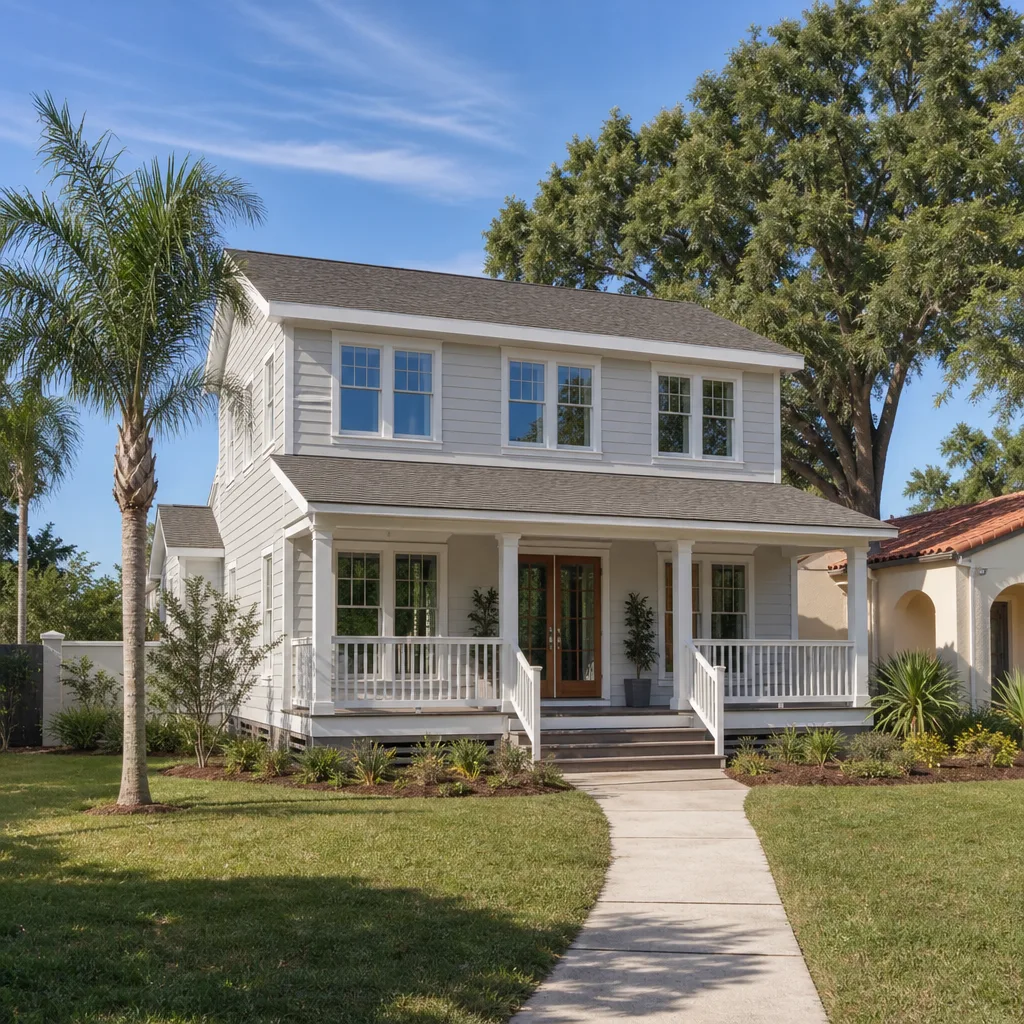
The permitting stack: it’s rarely just one approval
Here’s what catches Long Beach homeowners off guard. A generic article tells you to pull a building permit and calls it done. In this city, the building permit is often the last thing you get, not the first. Three separate layers can stack up on the same lot:
- City building permit - the baseline. Plans stamped by a licensed architect or engineer, submitted to Development Services, plan-check comments, then inspections at framing, rough-in, and final.
- Coastal Commission review - properties within the Coastal Zone need a coastal development permit or a local coastal plan consistency check. The closer you are to the water, the more scrutiny applies to setbacks, height, and visual impact.
- Historic District design review - in neighborhoods like Rose Park and Belmont Heights, exterior changes to contributing structures go through design review. That means materials, rooflines, window proportions, and massing all get evaluated against the historic context, not just the building code.
We’ve seen a straightforward 400-square-foot addition sit in review for months because the homeowner’s first contractor never mentioned the historic overlay. That’s not a construction problem. It’s a planning problem, and it costs real money in delays. This overlap of very old housing stock with very new regulation is the defining feature of building in Long Beach, and it’s why we ask for your address and parcel number before anything else.
What the un-permitted addition problem does to your budget
Older Long Beach bungalows and Craftsman fourplexes routinely hide un-permitted work built decades ago. A converted garage here, a bumped-out rear room there, a bonus space with no record at the city. When you apply for a new addition, the plan reviewer sees the whole structure, not just your new square footage.
That often triggers a requirement to bring the entire building into current-code compliance before the new permit is issued. Fire separation, egress, structural connections, electrical. We regularly find original knob-and-tube wiring inside walls that were opened for what the homeowner thought was a simple addition. The honest version of the conversation sounds like this: the addition is $45,000-$130,000, but the code-correction line item can add significantly to that if the existing structure was never legal. Getting your plans reviewed early, before demolition, is how you avoid discovering a five-figure surprise mid-project. Our Home Additions & ADU work starts with a records check for exactly this reason.
The seismic retrofit trigger nobody warns you about
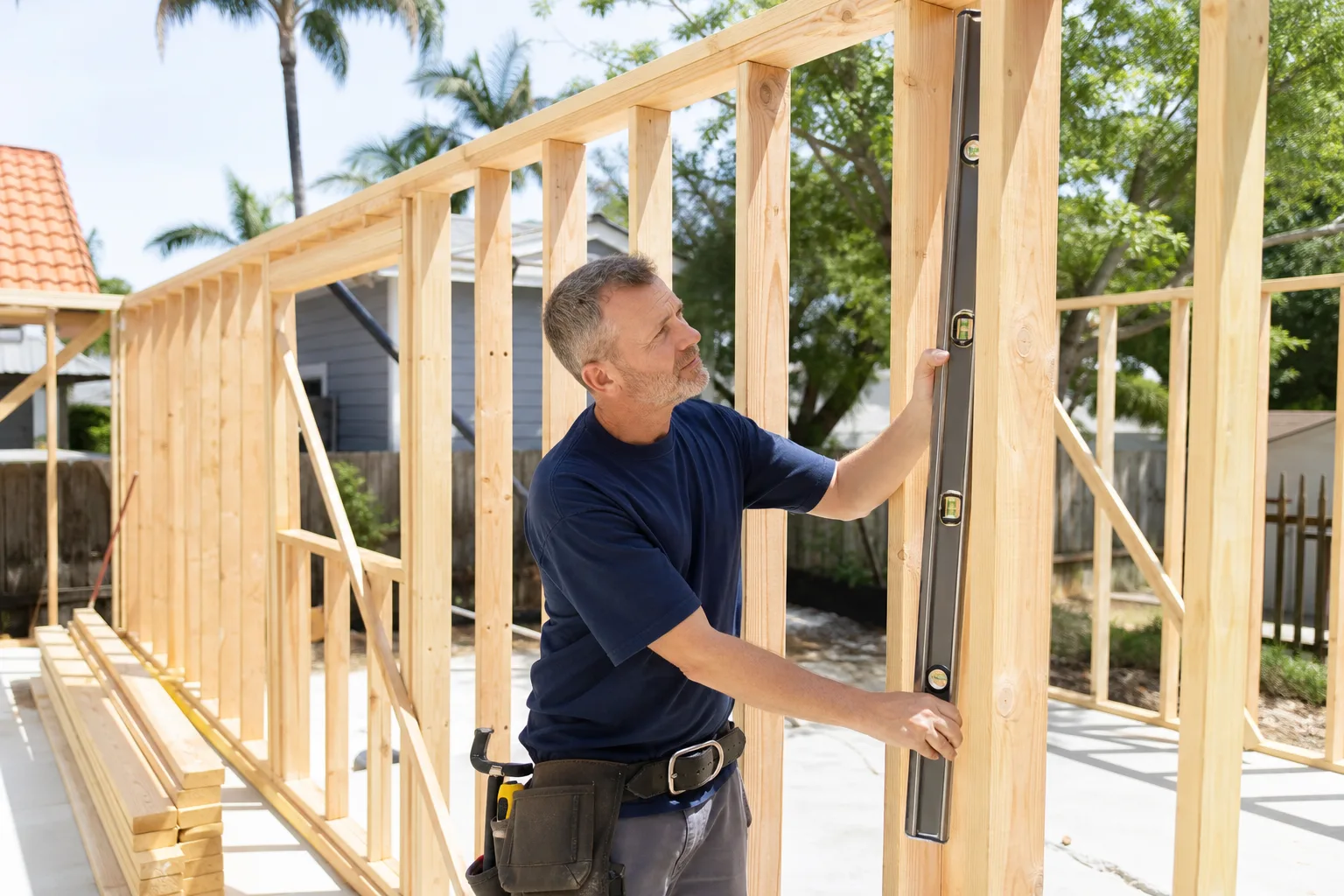
California law ties structural upgrades to the scope of your project. In practical terms, an addition that pushes past a certain share of the structure’s value can legally require you to bring the whole building up to current seismic standards at the same time. On a 1930s bungalow, that can turn a modest $60,000 addition into a much larger project once the foundation, cripple walls, and wall-to-floor connections are addressed. On the dense 1950s-70s stucco fourplexes common on the east side, soft-story and retrofit requirements make structural upgrades routine and code-driven rather than optional.
This is the single biggest reason to understand your scope before you sign anything. The marine layer and salt air off the Port of Long Beach also accelerate corrosion and rot on exterior wood, stucco, and fasteners, so any addition that touches the envelope gets inspected with an eye on moisture and termite damage too. Better to price that in than find it at framing inspection.
Who actually handles the permits, and what it costs
We handle plan submission and inspection coordination as part of the project. Upfront pricing means permit fees and inspection timelines are built into the estimate you sign, not tacked on after the permit office responds. What you see is what you pay. Here’s how the numbers typically break down in Long Beach:
| Item | Typical Long Beach range |
|---|---|
| Home addition (construction) | $45,000-$130,000 |
| ADU construction | $90,000-$220,000 |
| Garage conversion | $30,000-$80,000 |
| Kitchen remodel (if you’re updating mid-project) | $14,000-$45,000 |
| Bathroom remodel | $9,000-$28,000 |
Plan on permit fees and design-review costs landing on top of the construction range, along with the reality that multi-layer review takes time. Calls get answered by a live person 24/7, so if a permit question comes up on a Sunday, you’re not waiting until Monday morning to get it resolved. Our technicians have up to 12 years of experience, they’re background-checked and arrive in uniform, and every project is backed by our 730-Day Done Right Promise. If it’s not done right, we make it right. From foundation to finish line, we keep the scope honest.
Common local scenarios we walk through with homeowners
Rose Park bungalow. Contributing structure in a historic context district plus a rear addition. Expect design review on materials and massing before the building permit clears. Budget for the addition plus code corrections if the rear room was never permitted.
Belmont Heights fourplex conversion. Older multi-family stock, likely soft-story exposure. Scope the seismic review early, because it changes the whole budget.
Coastal Zone property near the water. Add a coastal development permit to the stack. Setbacks and height get more attention, and the review timeline stretches.
East-side tract home with a converted garage. The un-permitted conversion may surface during plan check. Get it reviewed before you add on, not after. If you’re converting rather than adding, see our home services overview to compare scope.
Frequently Asked Questions
Yes. Any addition that adds square footage or changes the structure requires a City of Long Beach building permit, and Coastal Zone or historic-district properties need additional approvals. Call (888) 345-8164 with your address and a live person can tell you which layers apply. Estimates are free.
Plan review timelines vary with the number of jurisdictions involved, and historic or coastal properties take longer because they require sequential approvals rather than a single review. We build the realistic timeline into the estimate so the schedule isn’t a surprise. Call (888) 345-8164 to talk through your specific address.
The city can require the entire structure to meet current code before approving the new permit, which means code corrections can join the budget. That’s why we check city records at the start. Call for a no-pressure assessment before you spend money on plans.
A garage conversion ($30,000-$80,000) is usually cheaper than a full addition ($45,000-$130,000), but only if the existing garage is legal and the conversion clears its own permits. We’ll give you both numbers so you can decide. Call (888) 345-8164 for exact figures.
If you’d rather have it looked at, Groundwork Construction Co. of Long Beach offers a no-pressure assessment in Long Beach. We map the full permitting stack for your address, give you upfront pricing, and tell you plainly what the city will ask for. Call (888) 345-8164 for a free estimate and design consult.
Written by the team at Groundwork Construction Co. of Long Beach, serving Long Beach, CA.