


Free written scope consultation - allowances, timeline, and change-order rules on paper before a single trade is scheduled
Styles & brands we work with
- Kitchen remodeling
- Bathroom remodeling
- Home additions & ADU
- Roofing
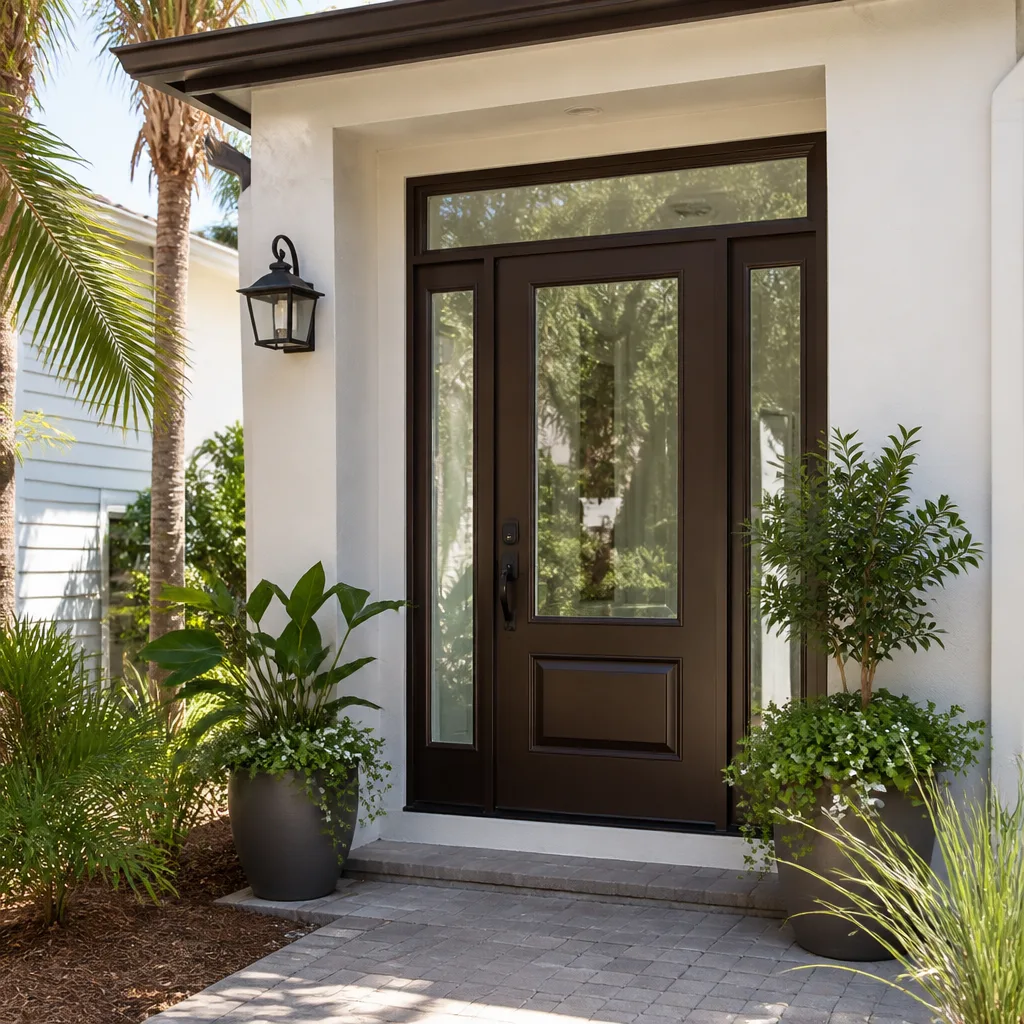
- Windows & doors
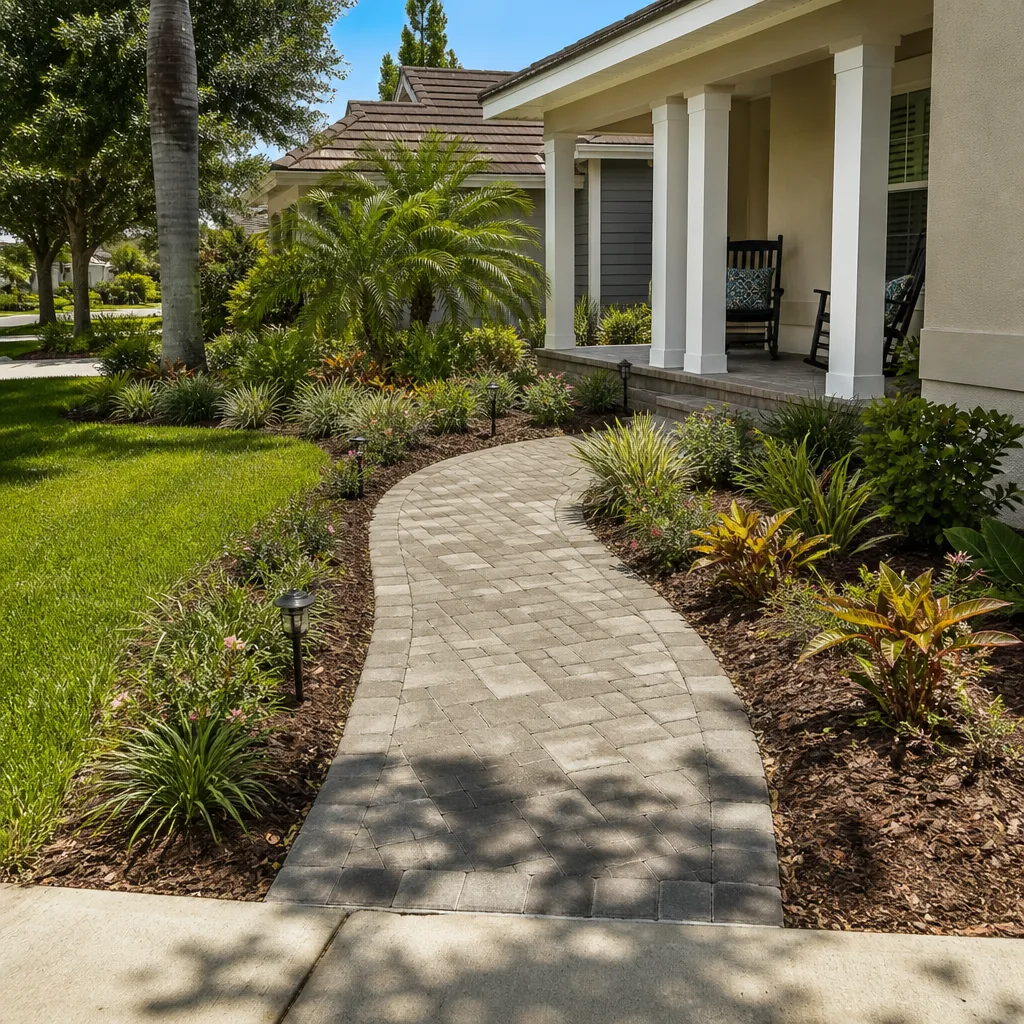
- Driveway & pavers
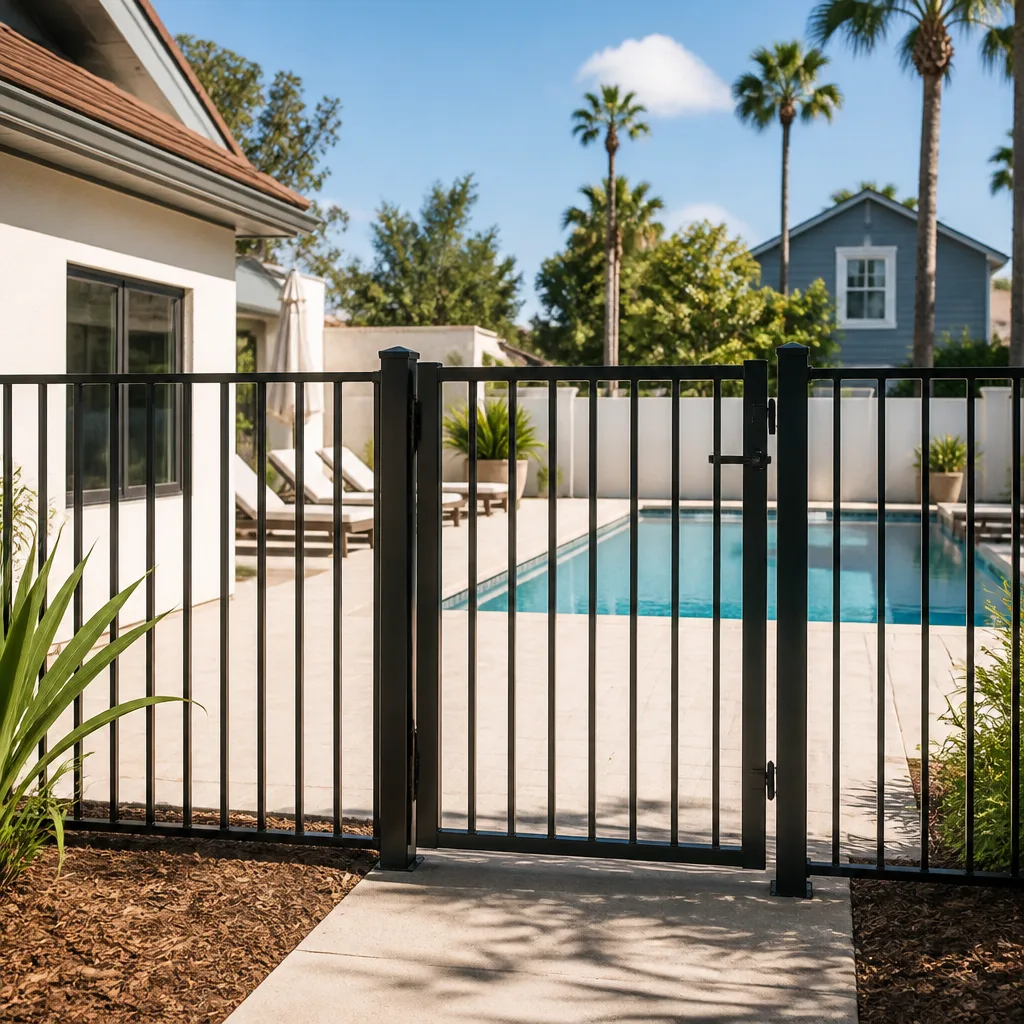
- Fence
See the difference
 Before
 After
 Before
 After
 Before
 After
How to Choose a General Contractor in Long Beach, CA: The Permit-First Vetting Checklist
Ask any Long Beach contractor you interview one question before you discuss price: “Have you pulled a permit in the Coastal Zone here in the last 24 months?” The answer, or the hesitation, tells you more than three bids ever will. Most standard advice (check the license, check the insurance, get three quotes) is table stakes anywhere in California. In Long Beach, the contractors who protect your project are the ones who already know the permitting stack, the historic design review, and the seismic retrofit rules that come with a lot inside this city. Groundwork Construction Co. of Long Beach has walked that process across Rose Park, Belmont Heights, and the east-side fourplexes, and we’ll show you exactly what to ask. Call (888) 345-8164 for a free estimate and design consult.
Key takeaways:
- Verify the CSLB license and the classification (B for general building, or the specialty that matches your scope) before anything else.
- Ask for proof of active general liability and workers’ comp, not a certificate dated for the day of the bid.
- Ask how they handle discovery of un-permitted work, because Long Beach’s older bungalows and fourplexes hide plenty of it.
- Get the workmanship warranty in writing and ask what it specifically covers.
- Test whether a live person answers the phone on a Friday afternoon before a holiday weekend.
Why Long Beach Is a Different Vetting Problem
Long Beach construction is defined by very old housing meeting very new regulation. Pre-1933 and 1930s-era bungalows and Craftsman fourplexes in neighborhoods like Rose Park and Belmont Heights sit inside a Coastal Zone and a designated historic context, so the same small lot can require Coastal Commission review, historic-district design review, and seismic retrofit compliance all at once. That is a permitting stack you simply don’t hit inland in Lakewood or Compton, and a contractor who learned the trade inland may be learning your project’s paperwork on your dime.
Add the conditions that touch the work itself. The marine layer and salt air off the Port of Long Beach speed up corrosion and rot on exterior wood, stucco, and fasteners. Santa Ana wind events and near-zero annual rainfall make foundation and drainage issues here behave differently than the rest of the region. Termites and moisture intrusion in older wood-frame bungalows drive a constant stream of repair work, and on the older multi-family buildings, soft-story and seismic retrofit requirements make structural upgrades a routine code-driven line of work rather than an elective. A general contractor who understands all of this before the first site visit is a different kind of hire.
What Should You Verify Before You Sign a Contract?
Vetting a general contractor in Long Beach comes down to three written checks, and the order matters. Here’s what to demand, in plain terms, and what each one actually protects you from.
The license and the classification
Pull the contractor’s license on the CSLB website yourself; don’t take a photo of a card as proof. Confirm it’s active, and confirm the classification matches your scope. A B (general building) license covers most whole-home remodels and additions, while specialty classifications apply to narrower work. If the license is suspended or the classification doesn’t fit the job, you have your answer already.
Insurance that’s active, not just on file
A certificate of insurance proves someone had coverage on the day it printed. Ask for a current certificate and call the insurer to confirm the general liability and workers’ comp policies are active, not lapsed. Workers’ comp matters most: if an uninsured crew member is hurt on your property, that exposure can land on you. Any contractor who hedges on this is telling you something.
Documented Long Beach permitting experience
This is the one most homeowners skip, and it’s where the expensive problems live. Ask for the address or permit number of a project they’ve permitted inside the Coastal Zone, and ask how they handled historic-district design review. A general contractor with real Long Beach experience will answer specifically and without flinching. One who changes the subject has probably never done it.
The Un-Permitted Addition Question You Have to Ask
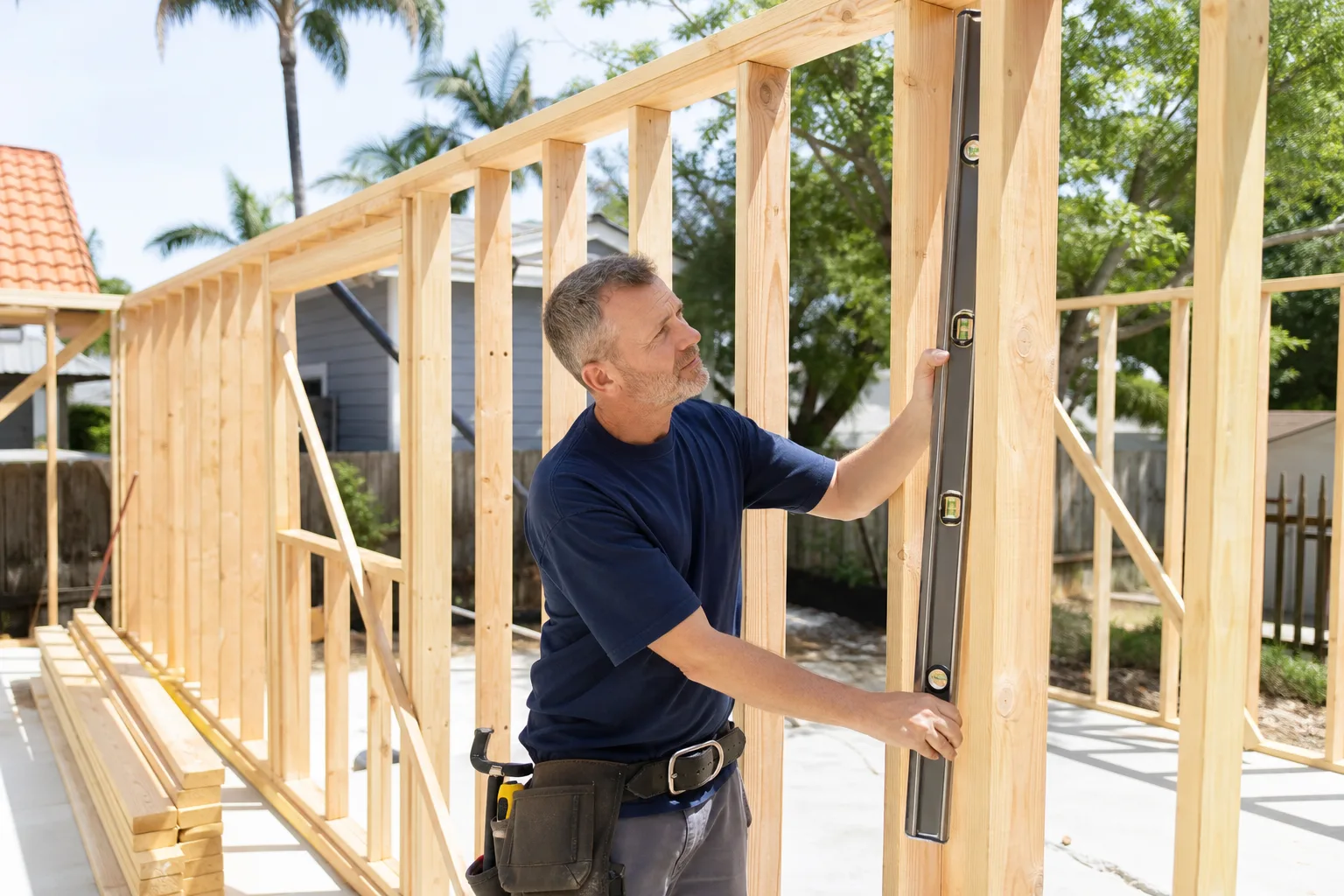
On the east-side fourplexes and older bungalows, contractors regularly find original knob-and-tube wiring and un-permitted additions built decades ago. If your general contractor doesn’t proactively assess for existing un-permitted work before submitting the permit application, that discovery can surface mid-project as a stop-work order or a required legalization, and your timeline and budget absorb the hit. Ask every contractor you interview exactly how they handle discovery of un-permitted conditions before you sign. The right answer includes a pre-application assessment and a clear plan for legalizing what’s there, mapped out before the first wall opens.
Crew Accountability and the Warranty in Writing
Two more questions separate the contractors worth hiring from the rest.
- Who’s actually on site? Ask whether on-site crew members have passed background checks and whether they’re employees or day-labor subs with no accountability to the company. Background-checked, uniformed technicians are a verifiable standard, not a slogan. At Groundwork Construction Co. of Long Beach, every technician is background-checked and arrives in uniform, and our techs bring up to 12 years of experience to the work.
- What’s the warranty, and what does it cover? Most residential general contractors default to a one-year workmanship warranty. Ask for it in writing and ask precisely what’s covered, because a warranty that excludes the things that actually fail is paperwork, not protection. Our 730-Day Done Right Promise covers workmanship for two full years: if it isn’t done right, we make it right.
Test the phone before you sign
When an issue surfaces on a job site on a Friday afternoon before a holiday weekend, the contractor who answers the phone and dispatches a response protects your project. The one who routes you to voicemail doesn’t. Call any contractor you’re considering on a Saturday morning or a holiday weekend before you sign. Groundwork answers with a live person 24/7, so you can test that promise for yourself.
What Do the Numbers Look Like in Long Beach?
Upfront pricing, no surprises, means you should see real ranges before you commit. Here’s what a handful of common Long Beach projects run, using market-calibrated figures. We put the number in writing and stand behind the number we quote.
| Project | Typical Long Beach range |
|---|---|
| Bathroom remodel | $9,000 - $28,000 |
| Kitchen remodel | $14,000 - $45,000 |
| Roof replacement | $8,000 - $20,000 |
| Window replacement | $4,500 - $15,000 |
| ADU construction | $90,000 - $220,000 |
| Home addition | $45,000 - $130,000 |
Ask every contractor how they price scope changes and what a change order looks like, because the bid number is only half the story. Our standing promotions help level the field: $1,000 off projects over $10,000, 0% financing for 18 months, and a free project estimate and design consult. We use verified brand partners across trades, including Mr-Glass and Therma-Tru on windows and doors, so quality isn’t left to whatever’s in stock. Start with the home page to see the full scope of what we handle from foundation to finish line.
FAQs
Ask for the CSLB license number and classification, current proof of active general liability and workers’ comp, the address of a project they’ve permitted inside the Coastal Zone in the last two years, how they handle discovery of un-permitted work, and their workmanship warranty in writing with a specific list of what it covers. Those five answers will tell you more than any three bids. If you want a straight read on your own project, call (888) 345-8164 and we’ll walk through it with you, free.
Look up the license number on the Contractors State License Board (CSLB) website and confirm the status is active and the classification matches your project scope. Don’t rely on a photo of a card; verify it yourself in the CSLB database. Any contractor who’s vague about license status should be dropped from your list. If you’d rather have us confirm ours for your project, call (888) 345-8164 and we’ll send the details.
Because the Coastal Zone, historic-district design review, and seismic retrofit rules create a permitting stack that’s different from most of the region, and a contractor who hasn’t handled it will learn on your project. A pre-application assessment that catches un-permitted additions and original knob-and-tube wiring before submission can spare you a stop-work order mid-build. If you’re unsure whether your lot triggers extra review, call (888) 345-8164 for a free estimate and design consult.
Most residential general contractors offer a one-year workmanship warranty by default, so anything shorter is a red flag and anything longer is worth serious weight. Ours is the 730-Day Done Right Promise, covering workmanship for two full years. Ask for the warranty in writing and have them spell out what it covers before you sign. For a quote and a look at the warranty language, call (888) 345-8164 - estimates are free.
If you’d rather have it looked at than figure it out alone, Groundwork Construction Co. of Long Beach offers a no-pressure assessment in Long Beach. We’ll walk your site, confirm the permitting layers your lot actually touches, and put the scope and price in writing. Call (888) 345-8164 to get started.
Written by the team at Groundwork Construction Co. of Long Beach, serving Long Beach, CA.


