Free written scope consultation - allowances, timeline, and change-order rules on paper before a single trade is scheduled
Styles & brands we work with
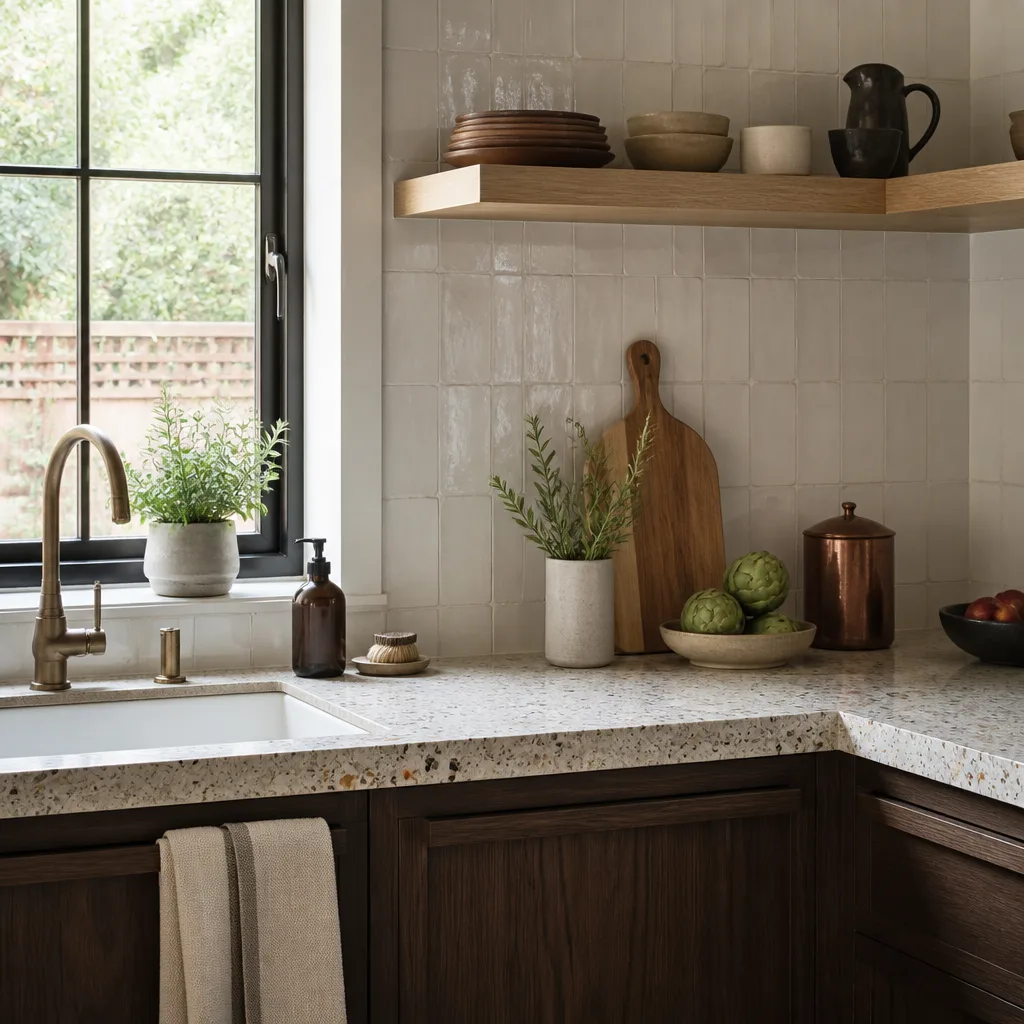
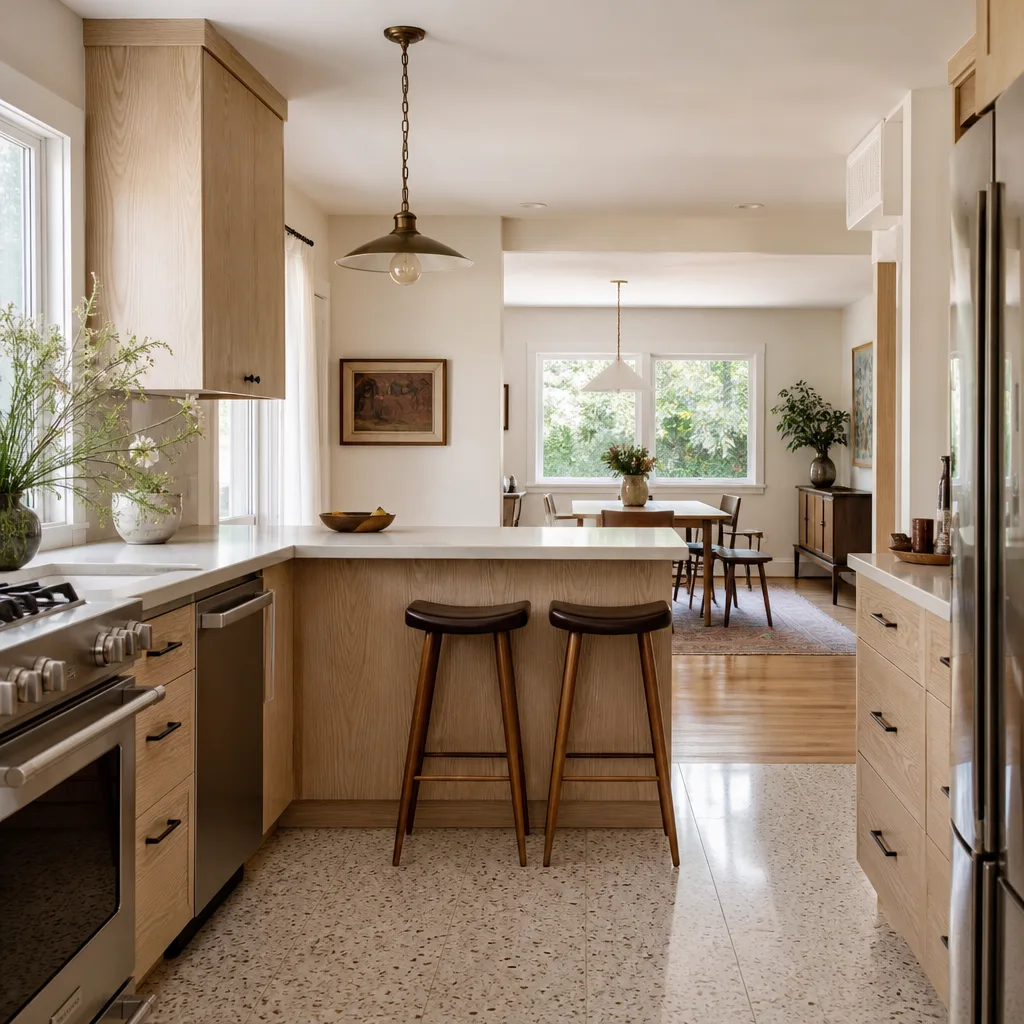
- Kitchen remodeling
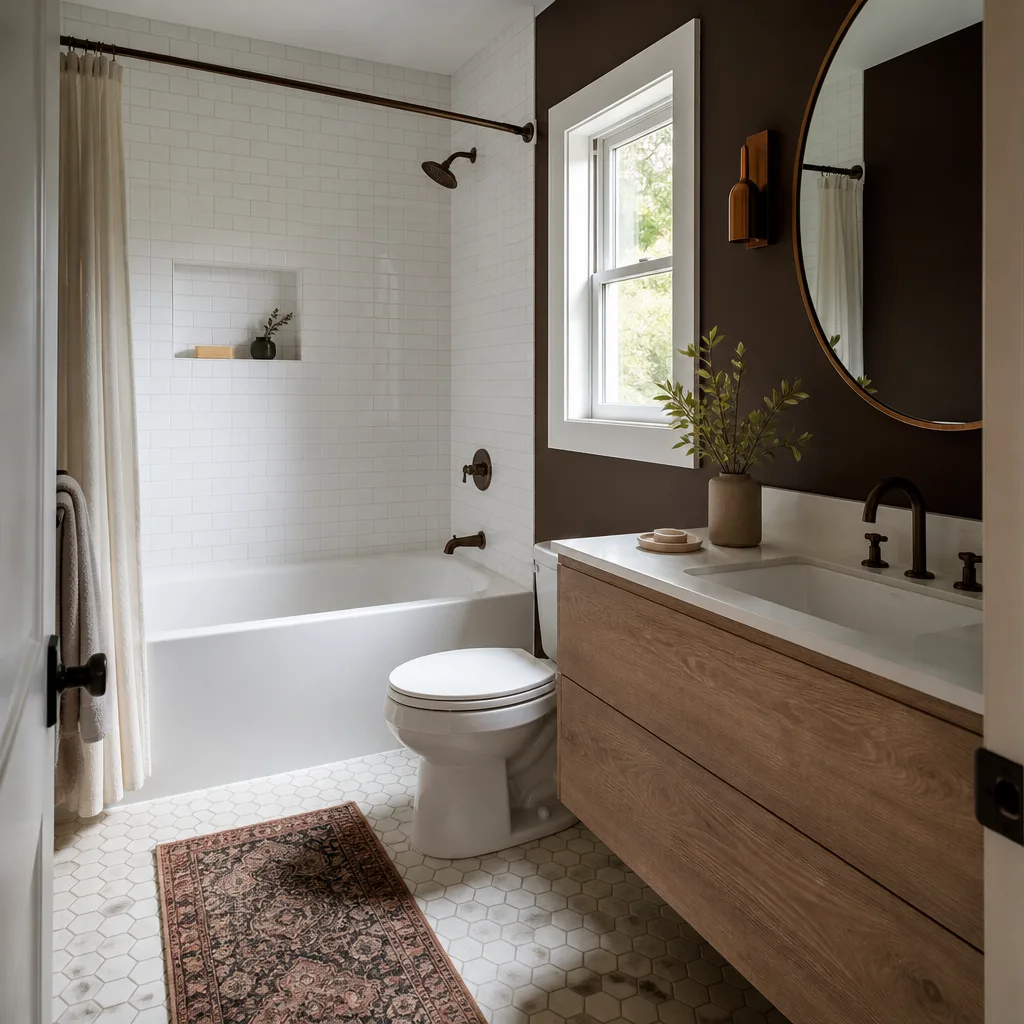
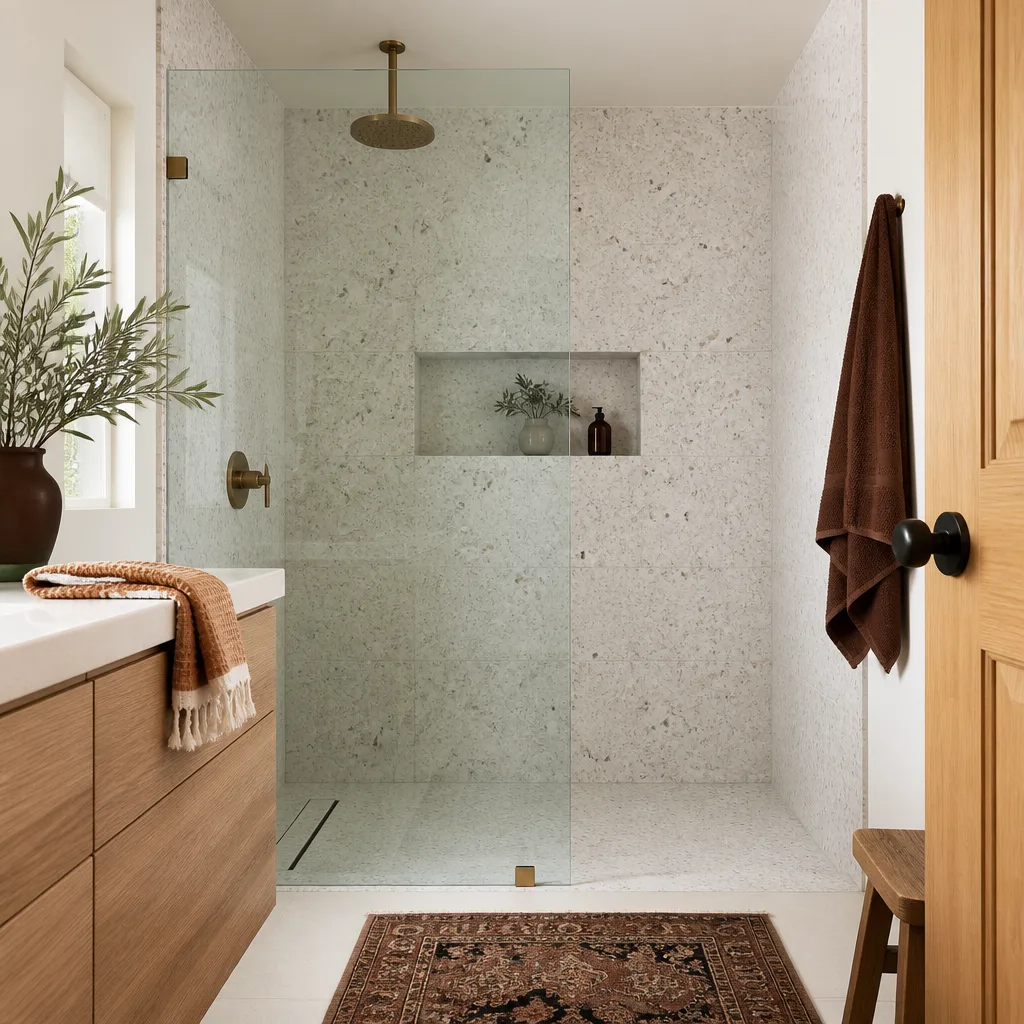
- Bathroom remodeling
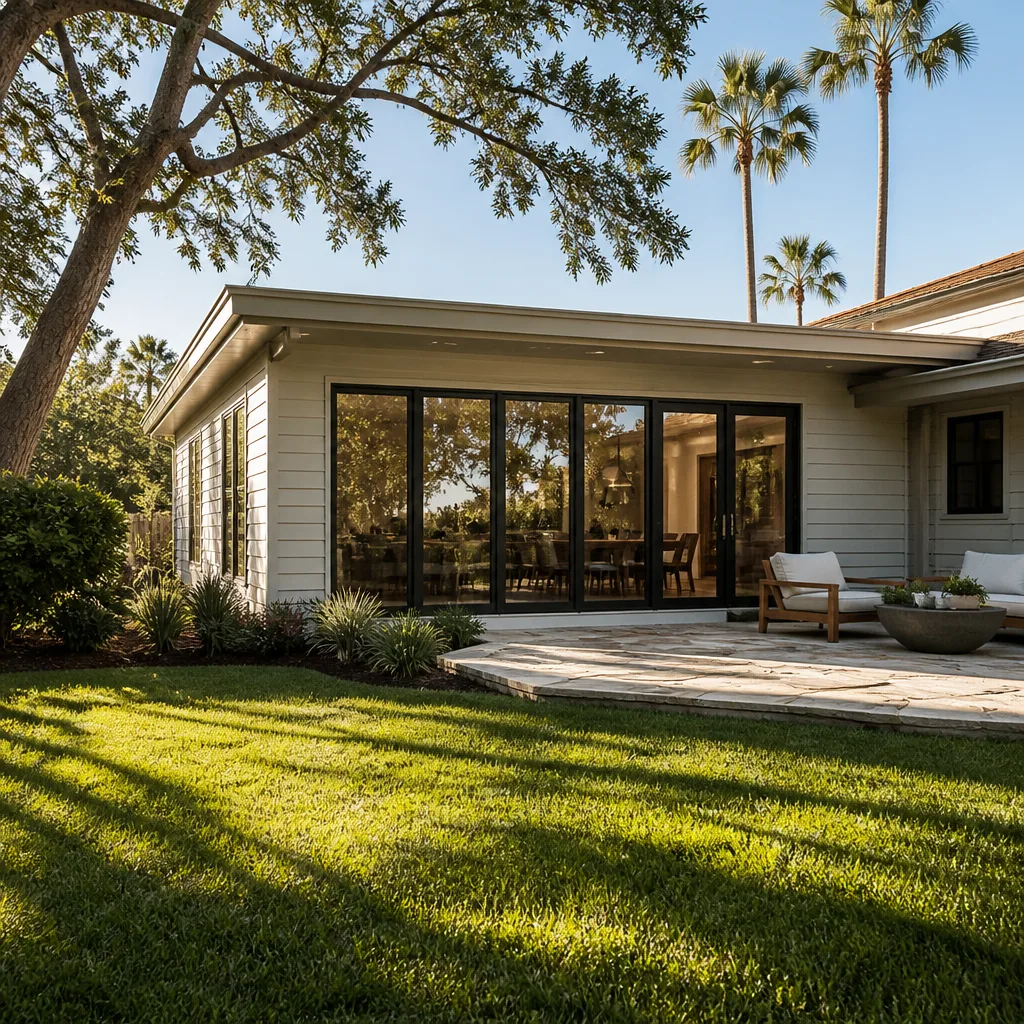
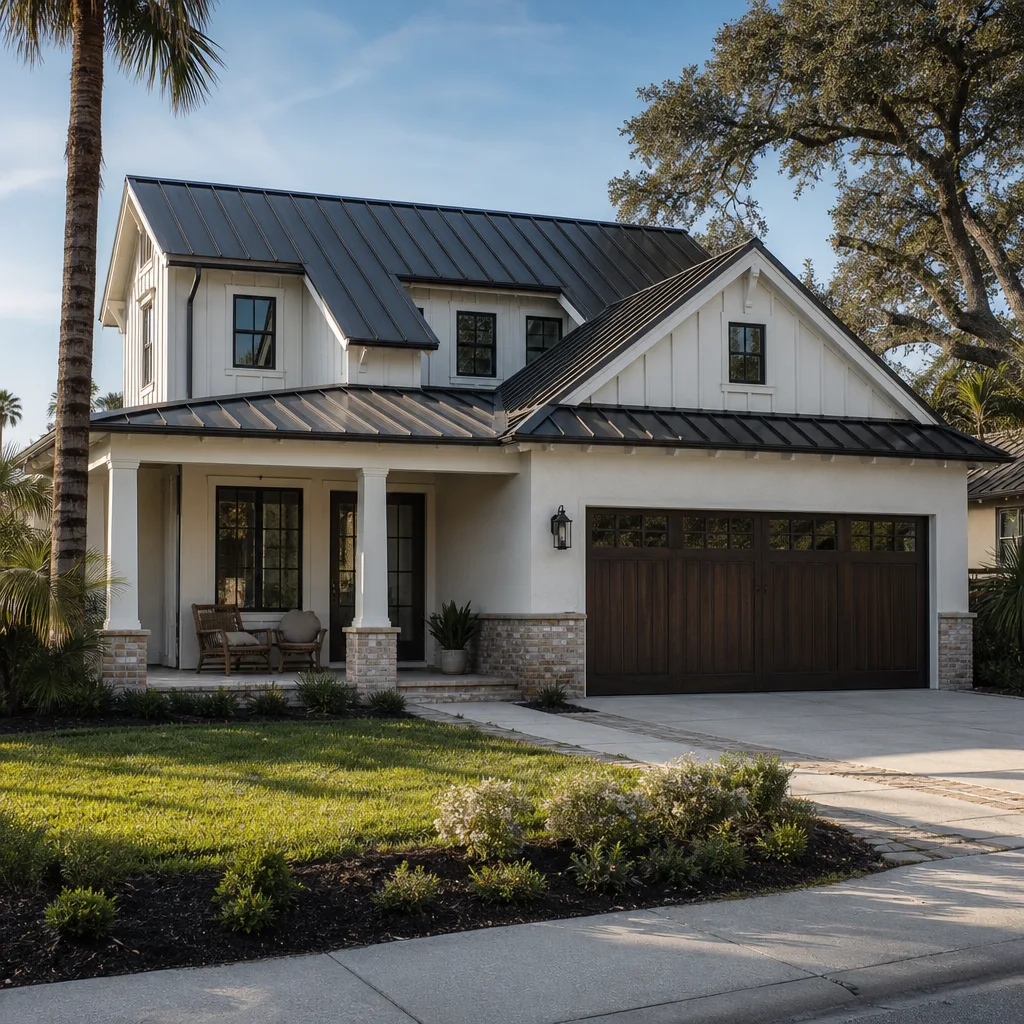
- Home additions & ADU
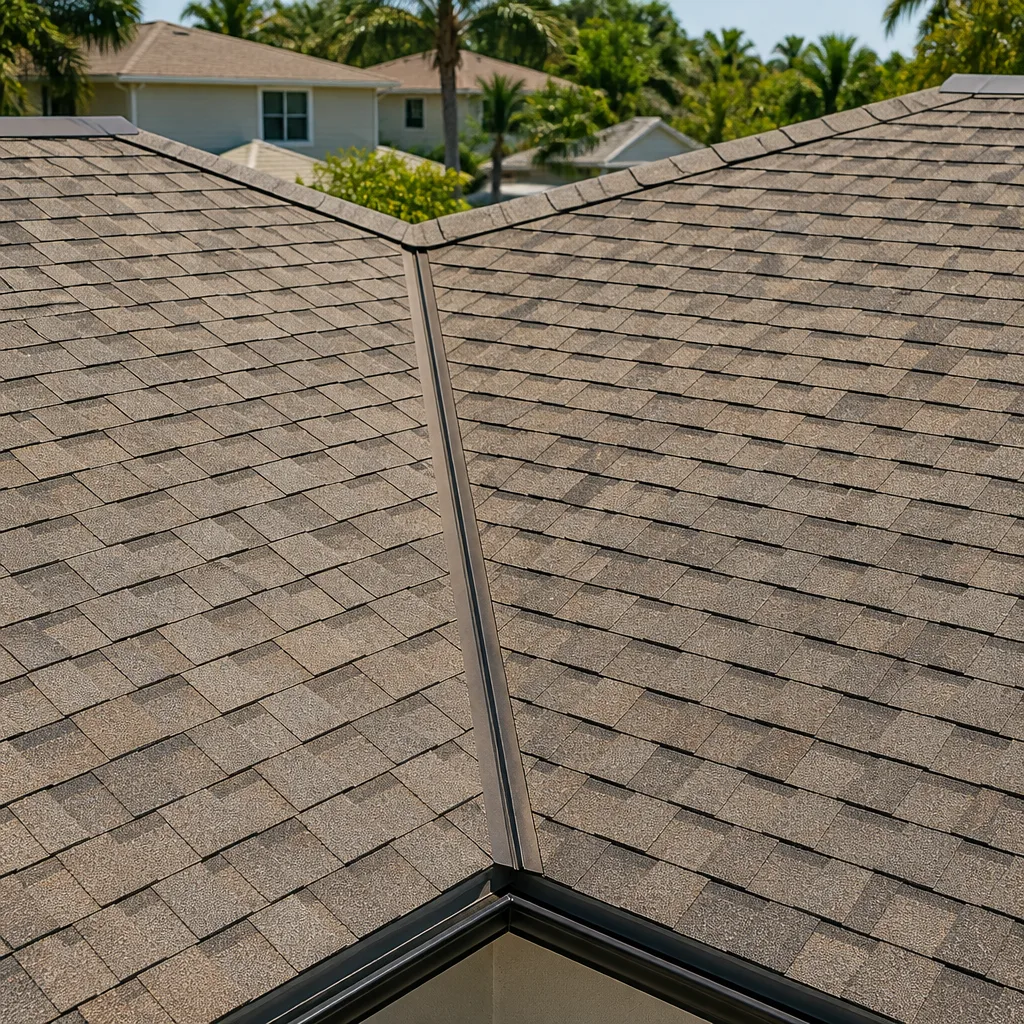
- Roofing
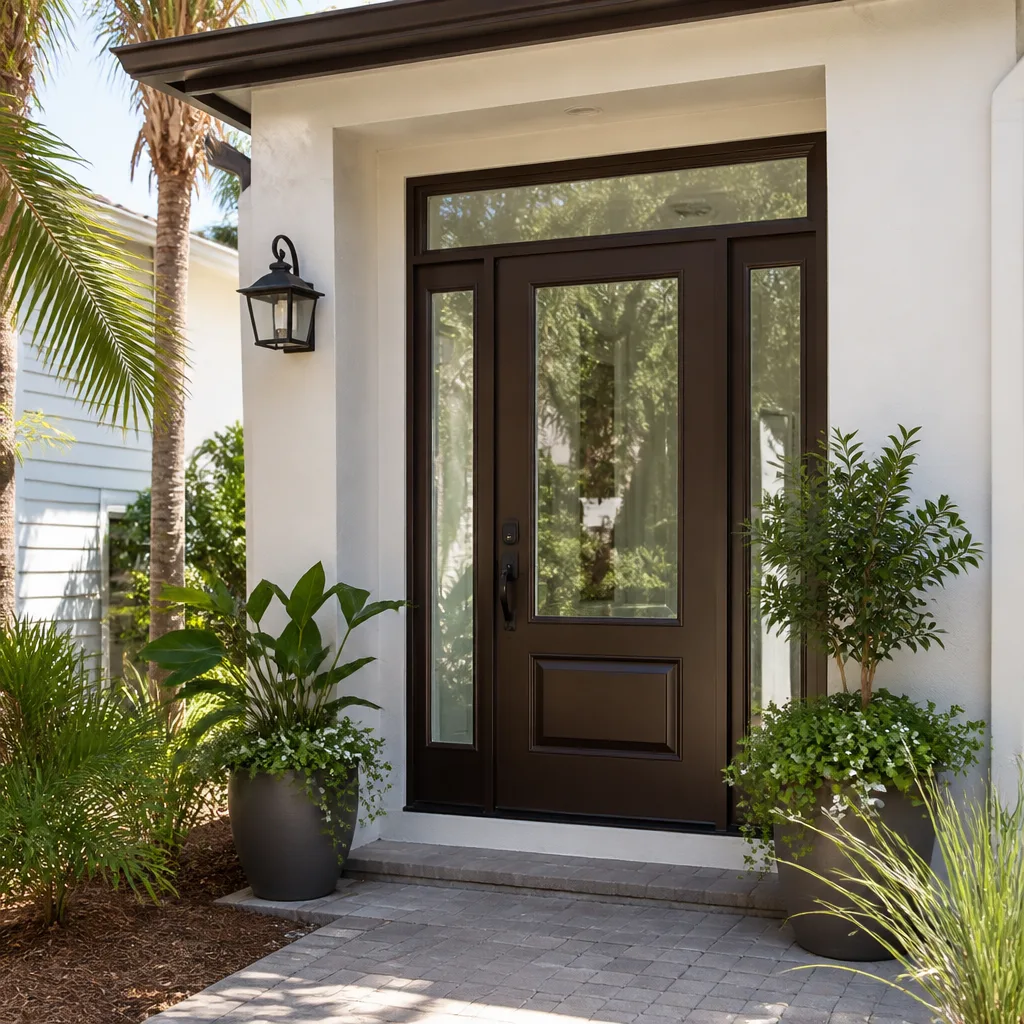
- Windows & doors
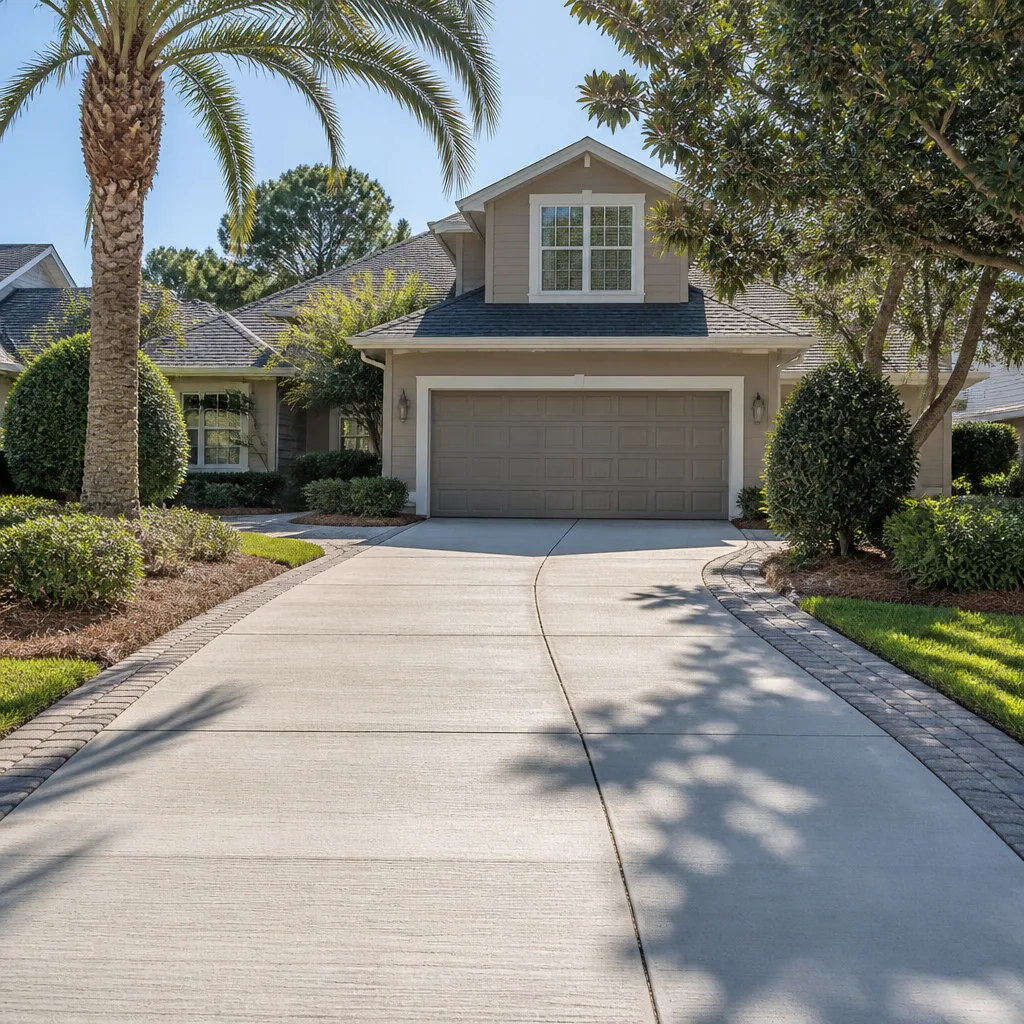
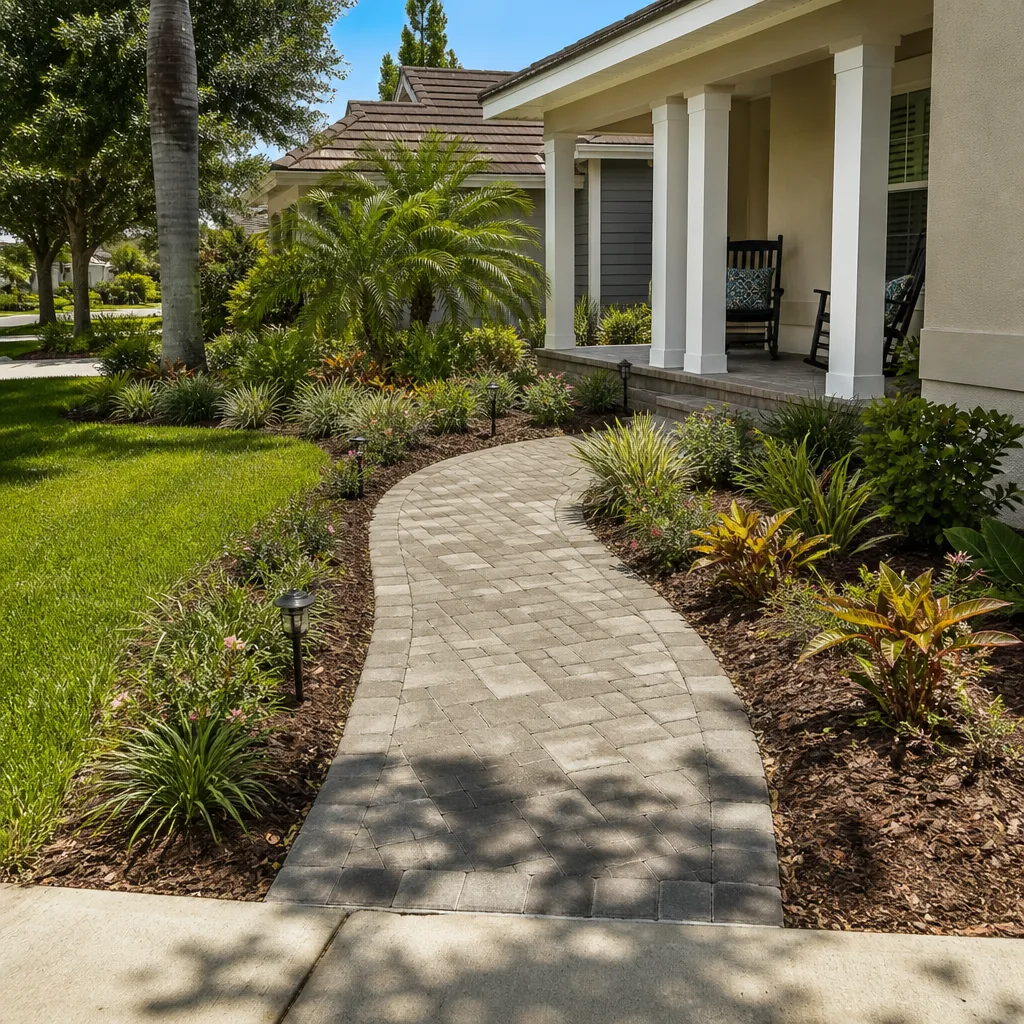
- Driveway & pavers
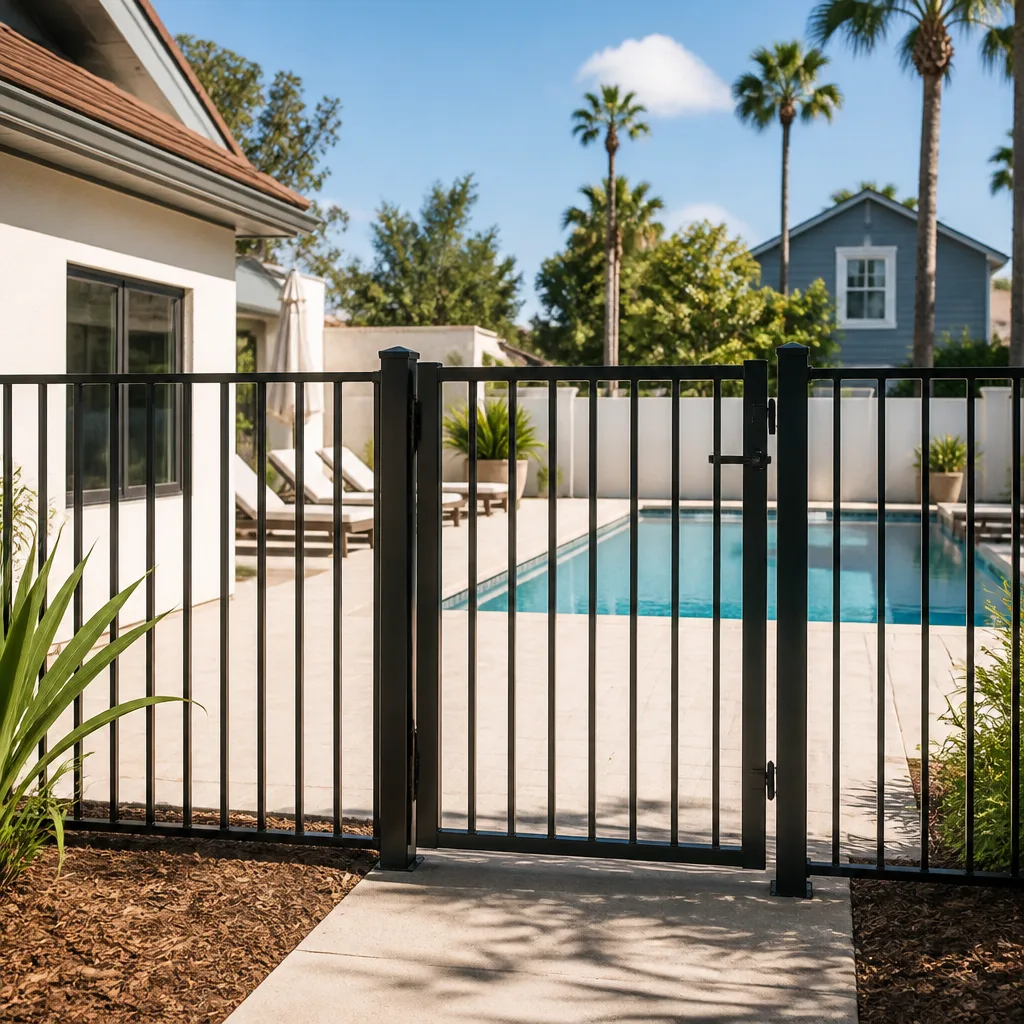
- Fence
See the difference
 Before
 After
 Before
 After
 Before
 After
What an ADU Really Costs in Long Beach, CA: The Line Items Nobody Quotes You
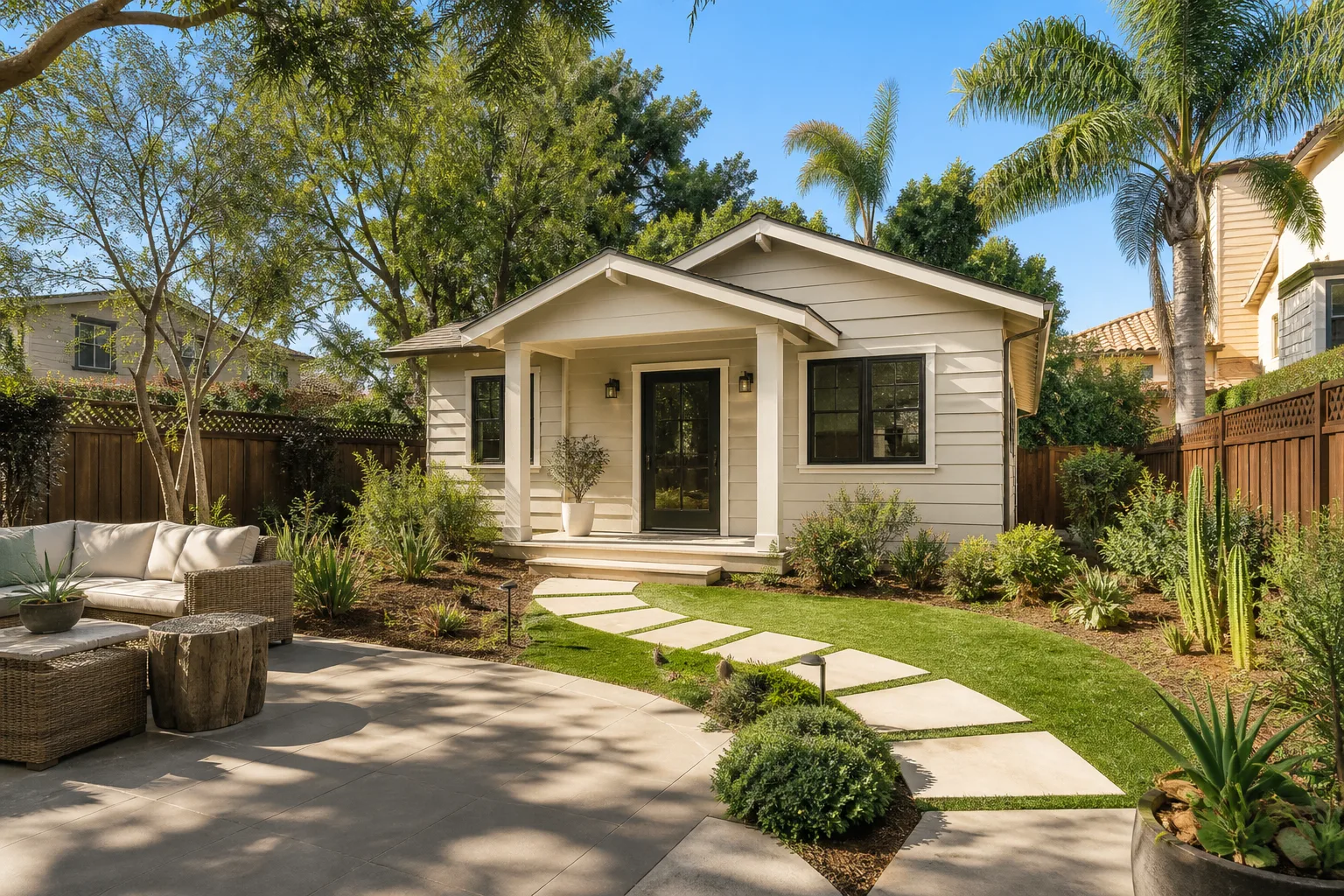
An ADU in Long Beach runs $90,000 to $220,000 for a detached new-construction unit, $30,000 to $80,000 for a garage conversion, and less for a junior ADU carved out of existing space. That’s the build. The part that stalls projects here in Long Beach is everything under and around the build: the panel upgrade, the sewer lateral, and whatever’s already sitting on the lot without a permit. Call (888) 345-8164 and a live person answers, day or night, to walk through what your specific parcel will actually cost.
Long Beach approved ADU permits at a clip most California cities haven’t matched since SB 9 passed. The ones that die in plan check tend to die the same way. A new permit application opens the door for the city to look at the whole property, and what’s back there doesn’t always match the record.
Why ADU Permits Stall on Long Beach Lots
Take a walk through Rose Park or Belmont Heights and you’ll see the pattern. A 1920s Craftsman bungalow out front, a detached garage that got converted to living space sometime in the 1970s with no permit, and a 100-amp panel feeding a house that’s grown by two rooms since Eisenhower. The homeowner files for an ADU. Inspectors pull the file and find the garage listed as a garage.
Now the project has two jobs instead of one: legalize or demolish the unpermitted structure, then build the ADU. That first line item is the one generic ADU cost calculators never include, and in Long Beach it regularly adds $8,000 to $35,000 depending on whether the structure can be brought to code or has to come down.
The wiring problem is just as common. Original knob-and-tube is still buried in the walls of a lot of older bungalows on the east side. You can’t tie a full dwelling unit into that system and expect it to pass. Neither can you ignore it, because the ADU permit triggers the review.
- Panel upgrade, 100A to 200A: frequently required once you add a full kitchen, water heater, and HVAC load. Budget $2,500 to $6,000.
- Sewer lateral inspection and upsizing: the city wants documented capacity for a second unit. Older clay laterals often fail the camera test. Allow $3,000 to $12,000 if the line needs replacing.
- Legalizing an unpermitted garage conversion: plans, permits, corrections. $8,000 to $35,000, occasionally more if framing or foundation is compromised.
- Soft-story or seismic retrofit on the primary structure: if the front building is a pre-1980 multi-family property, Long Beach’s retrofit ordinance can make compliance a condition of moving forward.
That last one catches fourplex owners off guard. The retrofit was mandatory anyway. What surprises them is that the ADU application is the moment it comes due, and it’s a structural cost line that lives on the front building, not the new unit. We’ve watched owners budget $140,000 for a garage conversion and discover another $25,000 of primary-structure work before a single ADU foundation gets poured.
One more layer for the coastal side of town: properties in the Coastal Zone or a designated historic context can face Coastal Commission review or historic-district design review on the same small lot. That’s a permitting stack you don’t hit twenty minutes inland in Lakewood.
Detached ADU vs. Garage Conversion vs. Junior ADU: What Each Path Costs
Three paths, three very different budgets and timelines, and the right answer depends on your lot as much as your bank account.
Detached new-construction ADU
The full build. Foundation, framing, roof, plumbing, electrical, finishes, separate utility connections. $90,000 to $220,000 in Long Beach, with the spread driven mostly by size, site access, and how much utility work your lot needs. Plan check and permitting typically take four to seven months on infill lots in this city, and construction runs another five to eight. This is the path that produces the most rental income and the most equity, and the one where a stalled permit hurts most.
Garage conversion ADU
You already have a slab, walls, and a roof. $30,000 to $80,000 covers the conversion itself, but only if the garage is permitted and the structure is sound. Converted garages need insulated exterior walls, a real foundation check, and a heating source. Permitting usually moves faster than new construction, often three to five months, because the footprint already exists. When there’s an unpermitted conversion in the way, add the legalization line first.
Junior ADU
A JADU is carved out of space inside the existing house, up to 500 square feet, with a small kitchenette. It’s the least expensive path and the fastest through the city, but it requires the primary residence to be owner-occupied. Costs land well below the detached range, and the work is interior: framing, plumbing, electrical, finishes. If your house already has a spare suite or an oversized primary bedroom, this is often the smartest square footage you’ll ever add.
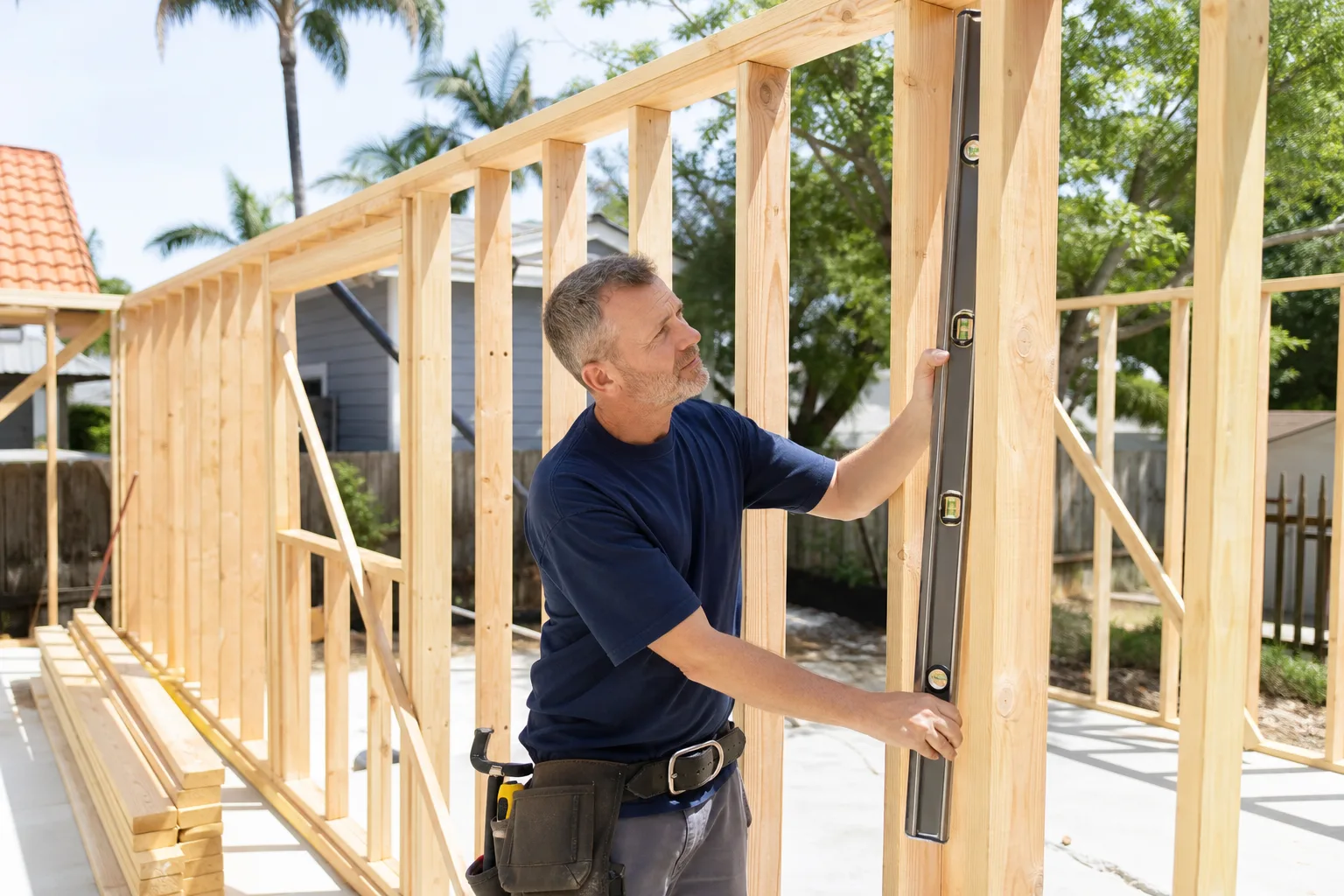
Long Beach ADU Cost Breakdown
Here’s what a full-scope ADU project looks like line by line in this market. The ranges below are what we see on real Long Beach bids, not national averages pulled from a calculator.
| Cost component | Typical Long Beach range |
|---|---|
| ADU construction, detached (full unit) | $90,000 - $220,000 |
| Garage conversion ADU | $30,000 - $80,000 |
| Home addition (bump-out, not a full ADU) | $45,000 - $130,000 |
| Electrical panel upgrade, 100A to 200A | $2,500 - $6,000 |
| Sewer lateral inspection and upsizing | $3,000 - $12,000 |
| Legalizing an unpermitted existing structure | $8,000 - $35,000 |
| Soft-story or seismic retrofit on the primary building | Structural scope, quoted separately |
| Coastal Zone or historic design review | Case by case, per the reviewing body |
One thing we tell every Long Beach homeowner at the first walkthrough: the city doesn’t care how nice the ADU is if the panel and the lateral can’t support it. We quote those items upfront rather than discovering them mid-build. That’s what Home Additions & ADU looks like when it’s done without surprises.
Why Timeline Risk Matters More on an ADU Than Any Other Project
An ADU is an income asset. Every month it sits unfinished is a month of rent you don’t collect, and in Long Beach that’s real money. Which is why the response time on a mid-build surprise matters more than the sales pitch.
Inspectors flag things. A foundation detail needs a correction. A shear wall spec doesn’t match what’s in the field. On an ADU, that’s not a small inconvenience, it’s a stalled project. Groundwork Construction Co. of Long Beach runs background-checked, uniformed crews on every job, and someone answers the phone live at any hour. When something comes up on a Tuesday afternoon, you’re not leaving a voicemail and hoping for a callback next week.
Every ADU we build is covered by the 730-Day Done Right Promise. Two full years on the workmanship, including the plumbing, electrical, and roofing systems a tenant will stress-test daily. Most ADU contractors hand you a one-year warranty and hope you don’t read it closely. On an income property, that gap is the difference between a repaired shower valve and a $3,000 plumbing call you eat yourself.
You’ll also get upfront pricing, no surprises, and access to real financing: 0% financing for 18 months, plus $1,000 off projects over $10,000. Quotes are free, and the design consultation comes with them.
If your project touches more than an ADU, we’re a full-scope construction partner, home remodels included, so one contractor carries the job from foundation to finish line instead of you coordinating three.
FAQs
Expect $90,000 to $220,000 for a detached new-construction ADU in Long Beach, and $30,000 to $80,000 for a garage conversion. The build range is only half the story here, because panel upgrades, sewer lateral work, and legalizing an unpermitted structure on the lot regularly add $10,000 to $50,000 more. Call (888) 345-8164 for a free estimate built around your specific parcel.
Long Beach’s older housing stock slows permits down: original knob-and-tube wiring, undersized sewer laterals, and decades-old unpermitted garage conversions all surface the moment a new application opens the file. Coastal Zone and historic-district review can add weeks for properties near Belmont Heights or the coastal edge. Detached ADUs typically run four to seven months in plan check; garage conversions usually move faster. Call us for a realistic timeline on your property before you commit to a budget.
Garage conversion is almost always cheaper on paper, but only if the garage is permitted and the structure is sound. In older Long Beach neighborhoods, an unpermitted conversion can wipe out the savings once legalization costs land. Detached ADUs cost more upfront but typically rent for more and add more equity. We quote both paths side by side so you can see the real numbers. Call (888) 345-8164 and we’ll walk your lot.
It can. If the primary building on your lot is a pre-1980 multi-family structure, Long Beach’s retrofit ordinance may make seismic compliance a condition of ADU permitting, and that’s a structural cost that calculators never include. The requirement lives on the front building, not the new unit, but the city can tie the two together during review. Call us for a free assessment before you sign with anyone.
Get Your Long Beach ADU Number Before You Commit
Bring us your lot and your plans. We’ll walk the property, check the panel, camera the sewer lateral, and pull the record on any structure that doesn’t look permitted. You’ll get a line-item estimate with the real numbers on it, a free design consultation, and a live person on the phone at (888) 345-8164 whenever you need one. Call today.
Written by the team at Groundwork Construction Co. of Long Beach, serving Long Beach, CA.
What Our Customers Say
"Found unpermitted work by the previous owner once he opened the wall. He stopped, explained the options and what each would cost, and let me decide rather than making it my emergency."
- Marco Castillo"He pulled the permits himself, scheduled every sub and ran the inspections. I made one decision a week and otherwise stayed out of it, which is exactly what I was paying for."
- Robert Sullivan"The finished work is exactly what we wanted. It did run about three weeks over, mostly waiting on a cabinet delivery that was out of his hands, though I would have liked more updates during that stretch."
- Dev Sharma