Free written scope consultation - allowances, timeline, and change-order rules on paper before a single trade is scheduled
Styles & brands we work with
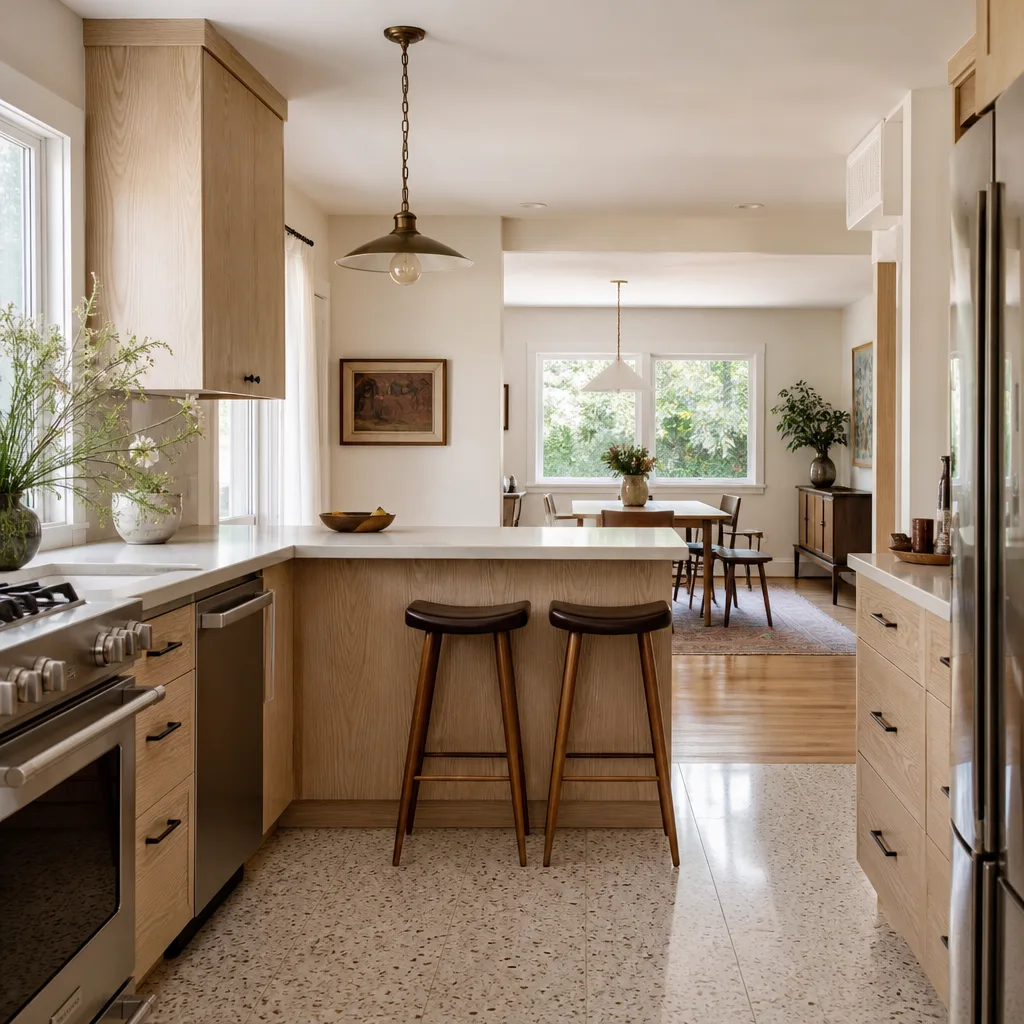
- Kitchen remodeling
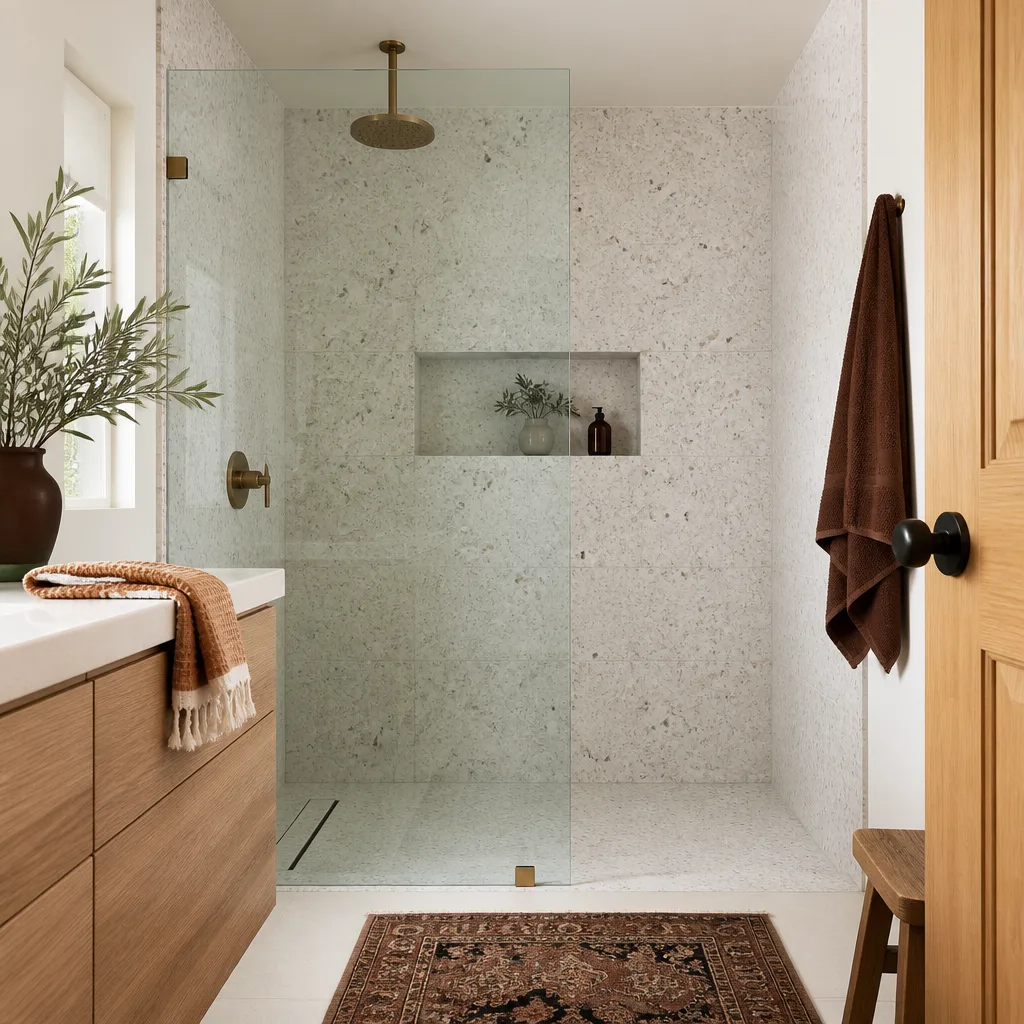
- Bathroom remodeling
- Home additions & ADU
- Roofing
- Windows & doors
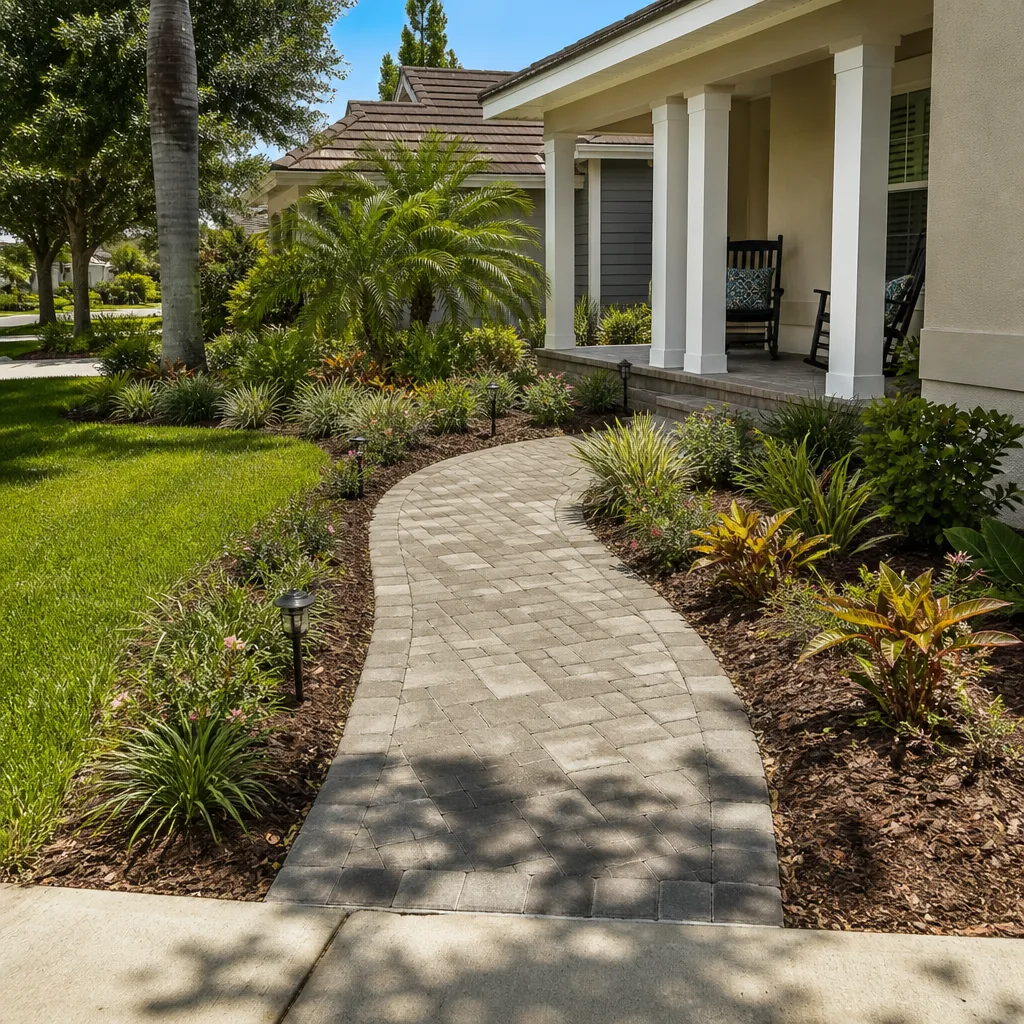
- Driveway & pavers
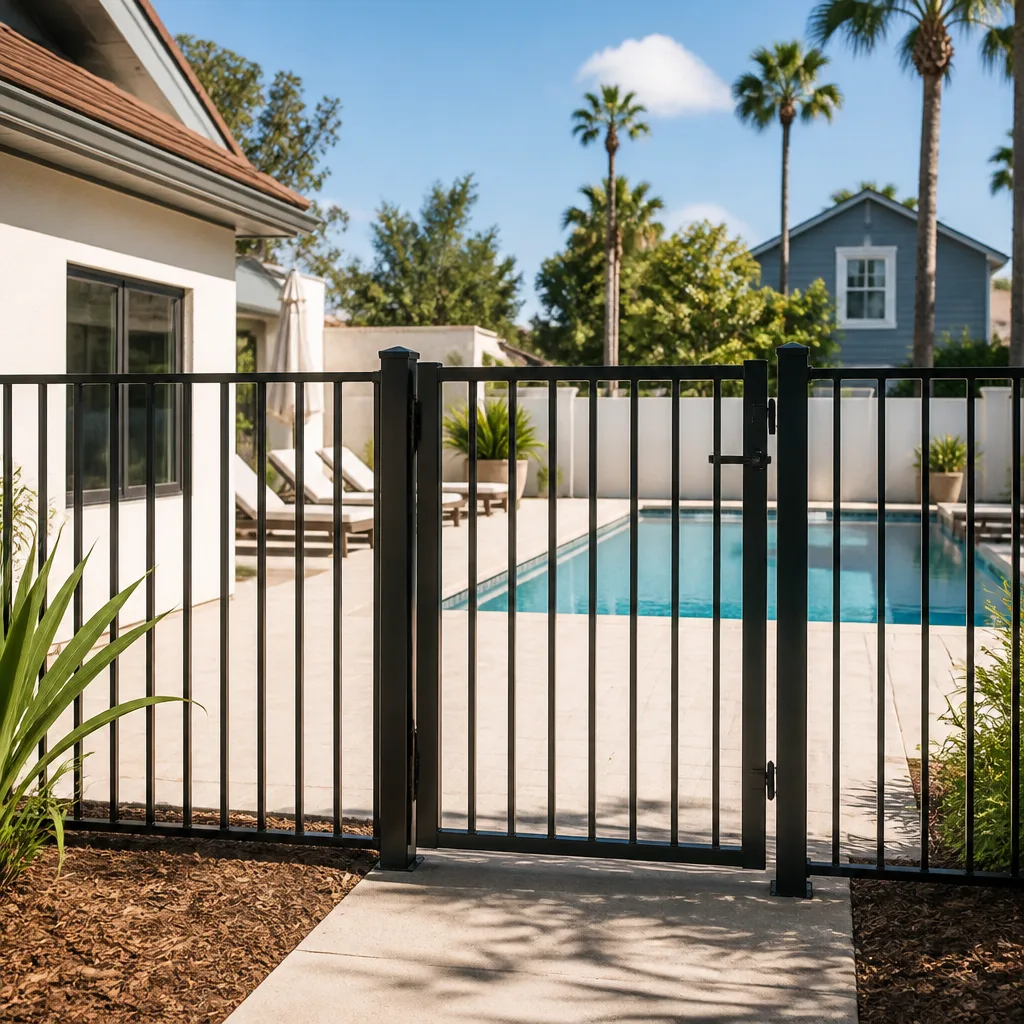
- Fence
See the difference
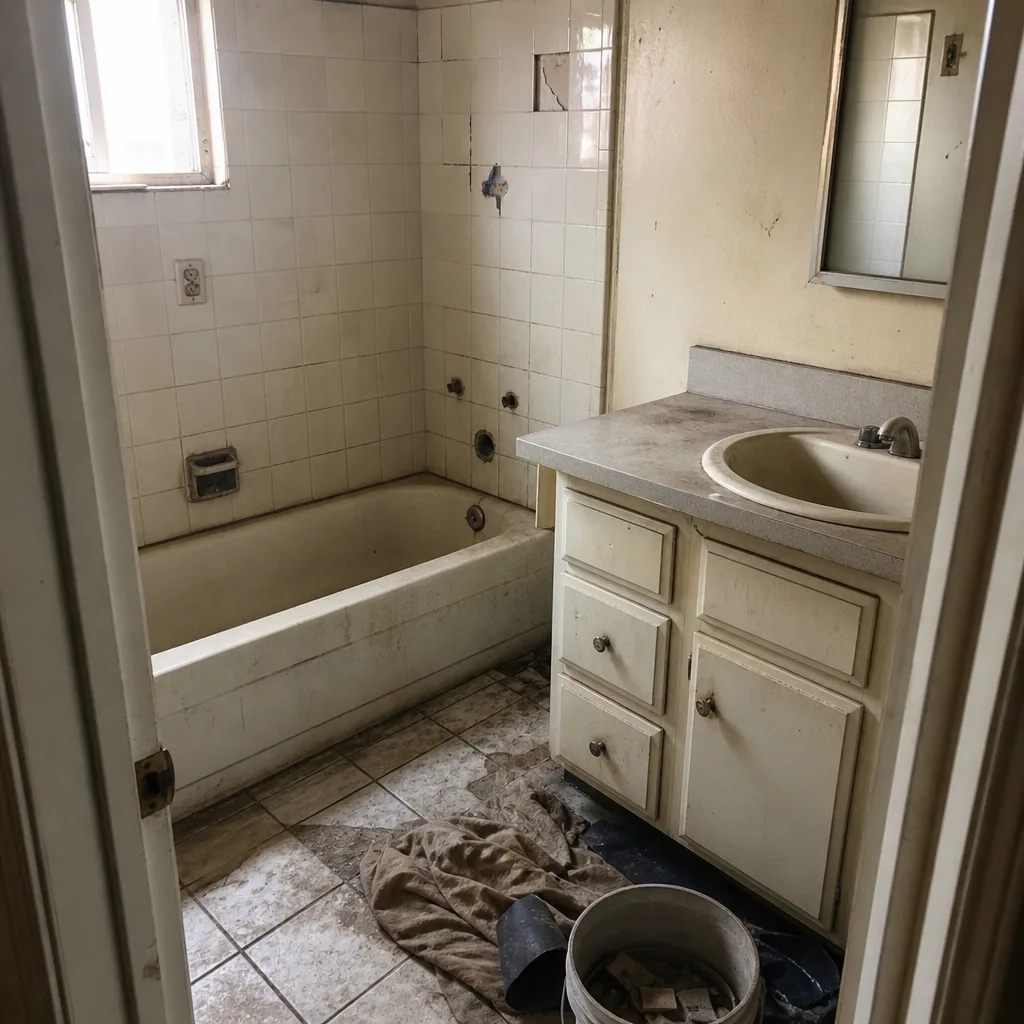 Before
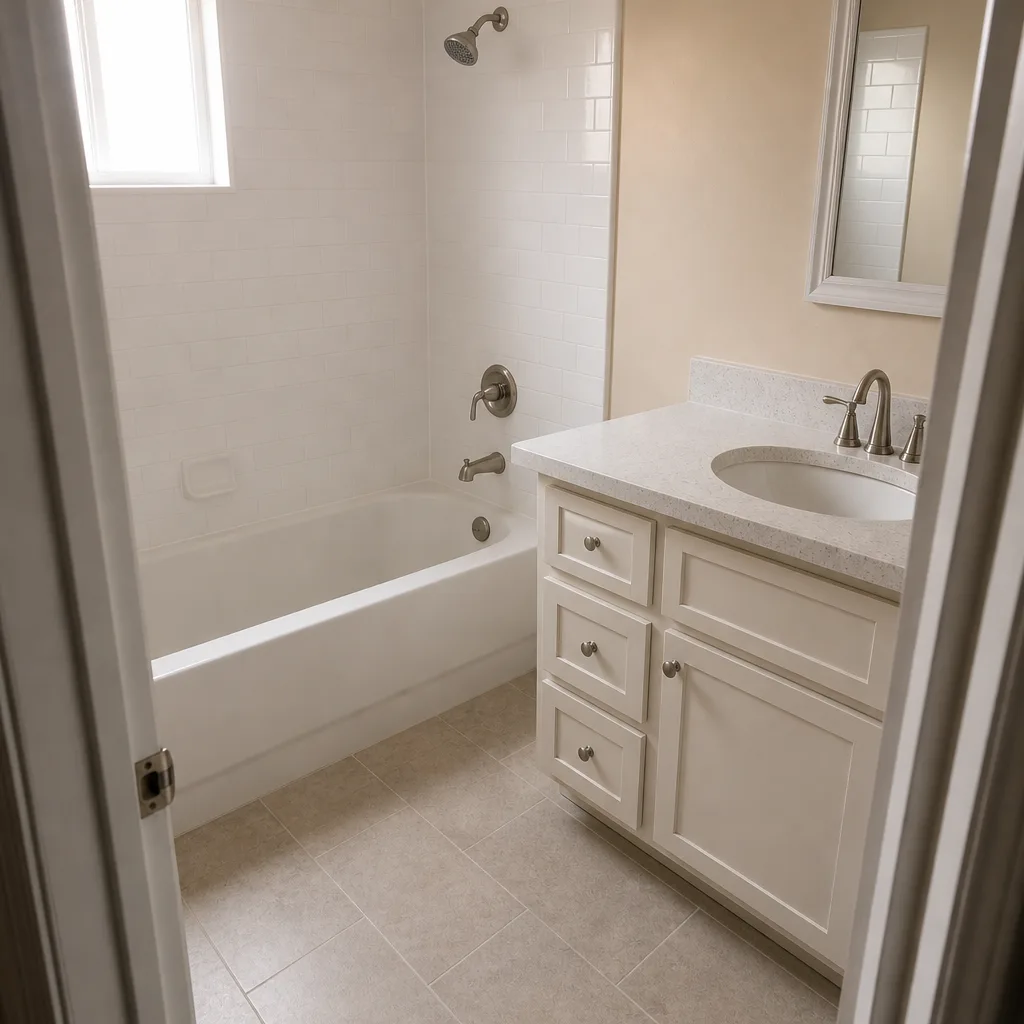 After
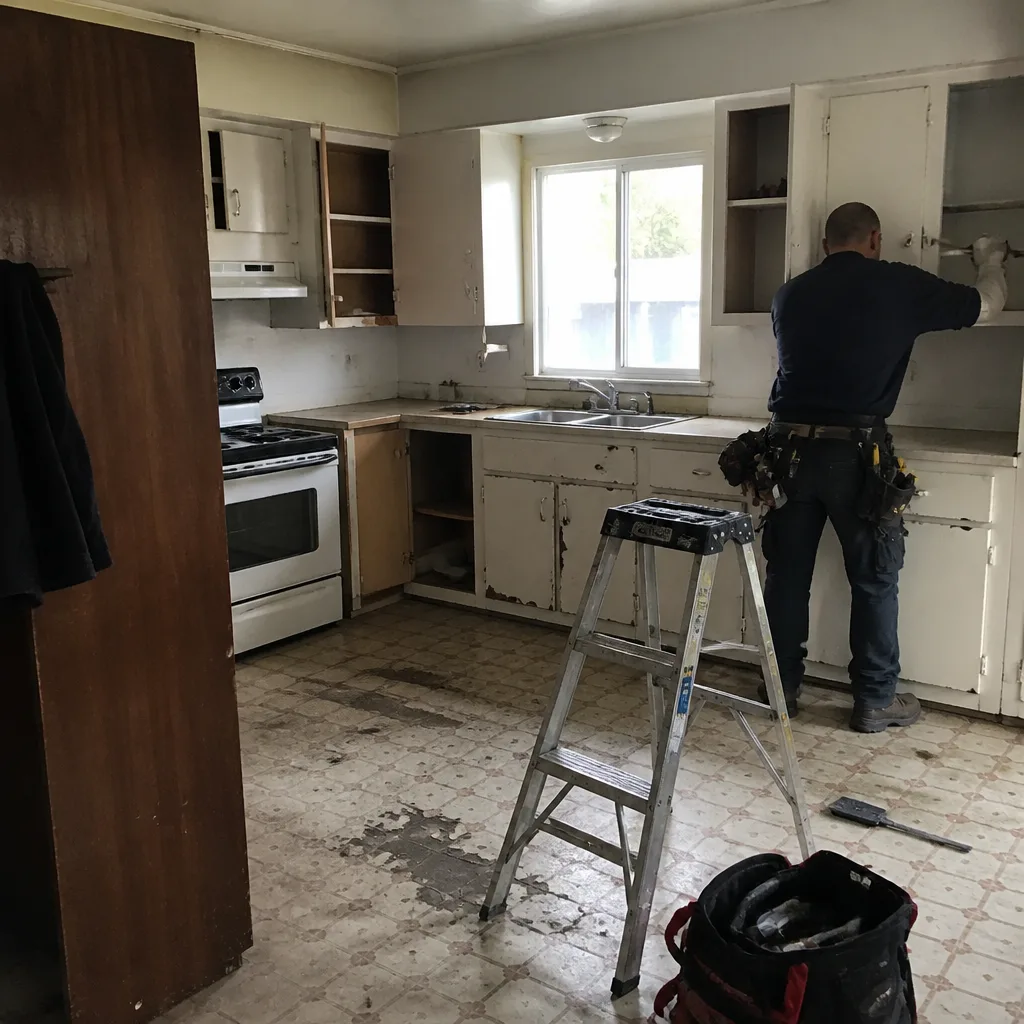 Before
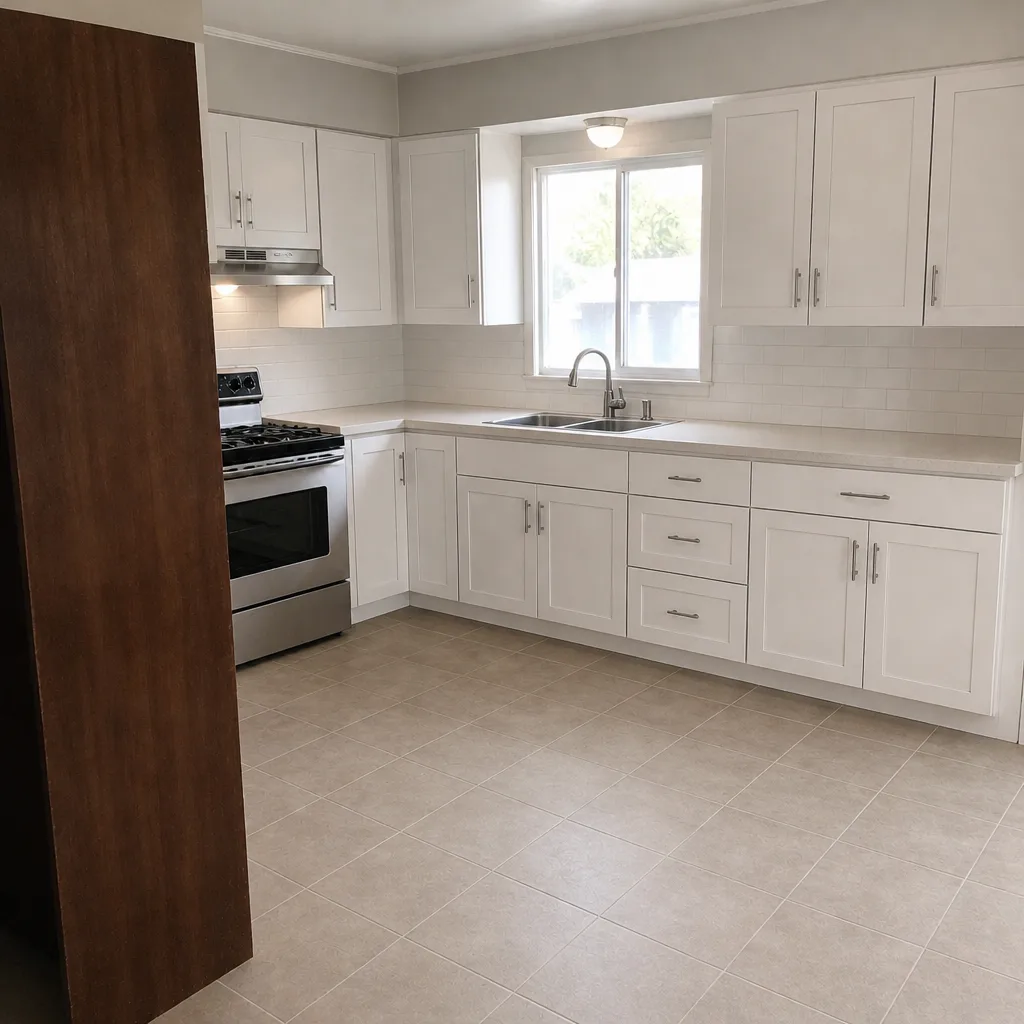 After
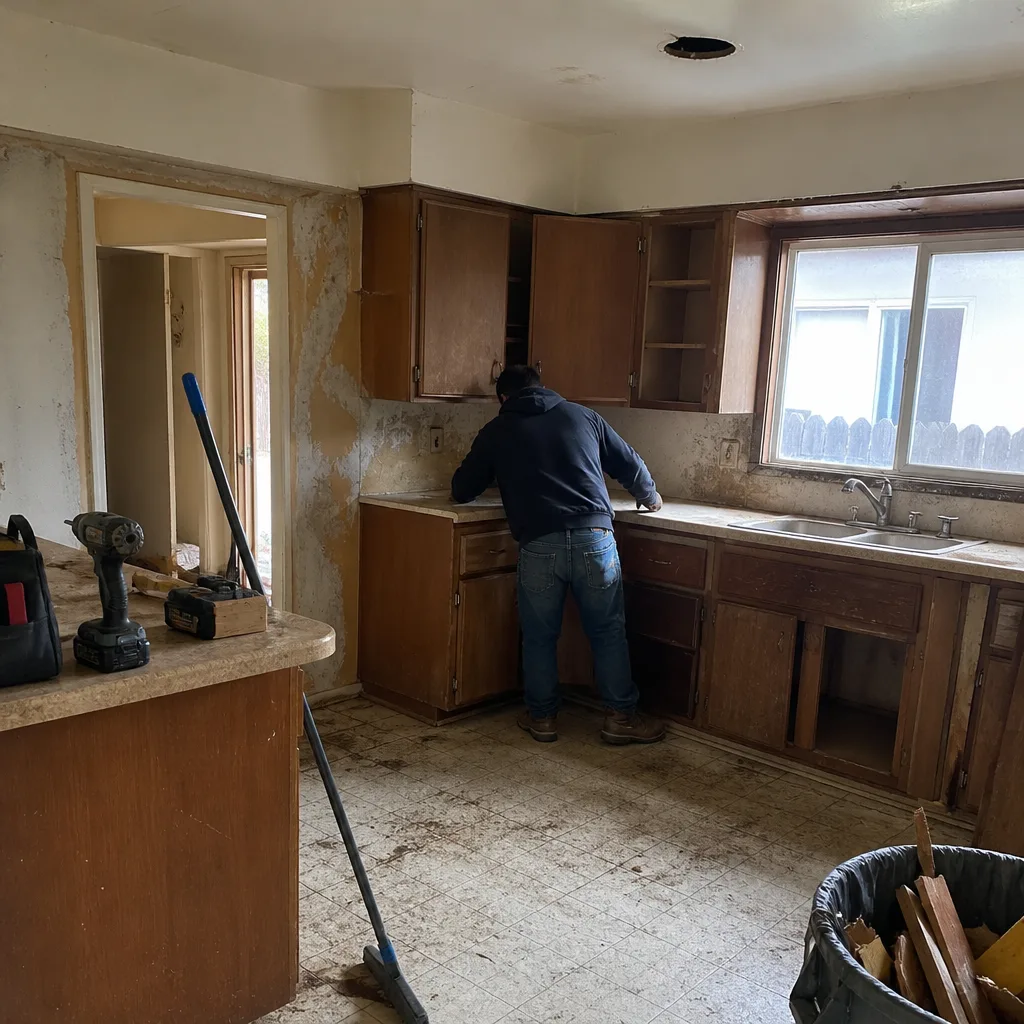 Before
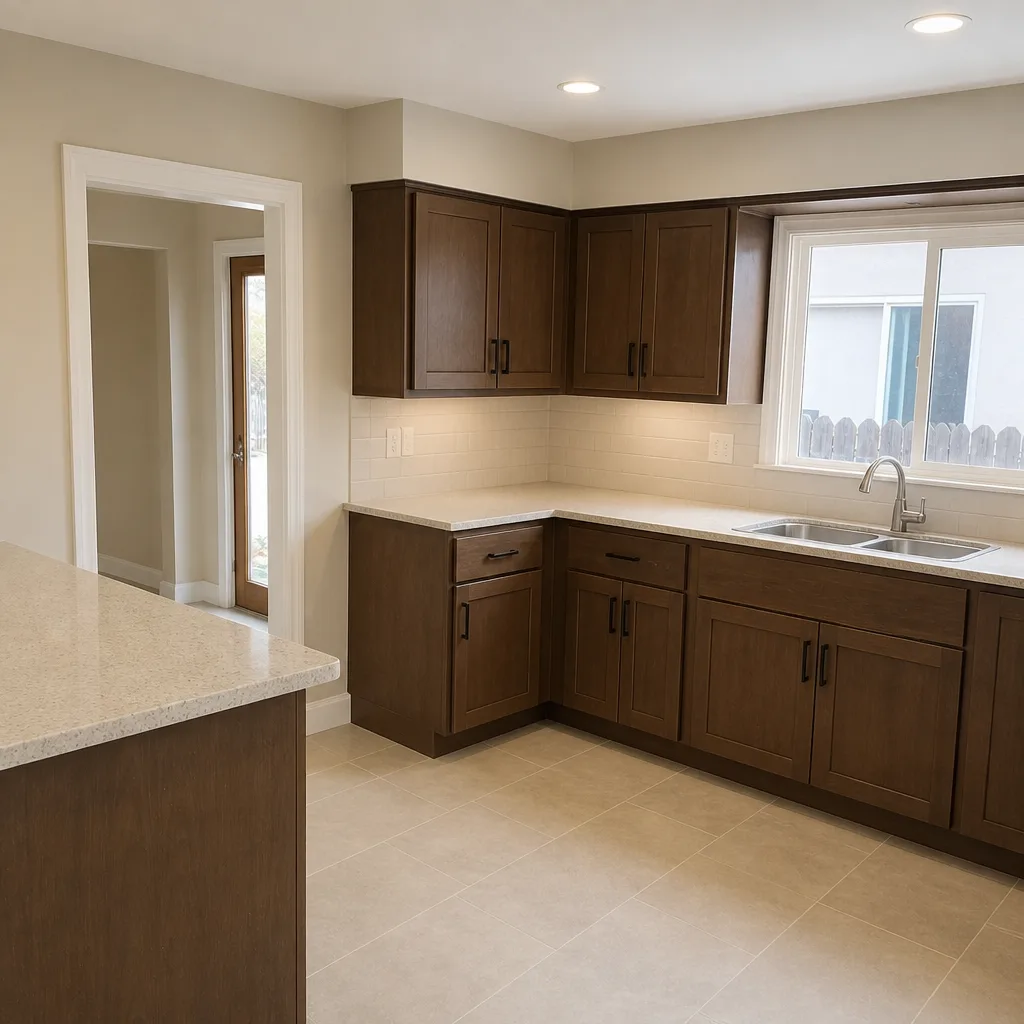 After
How Much Does ADU Construction Cost in Long Beach?
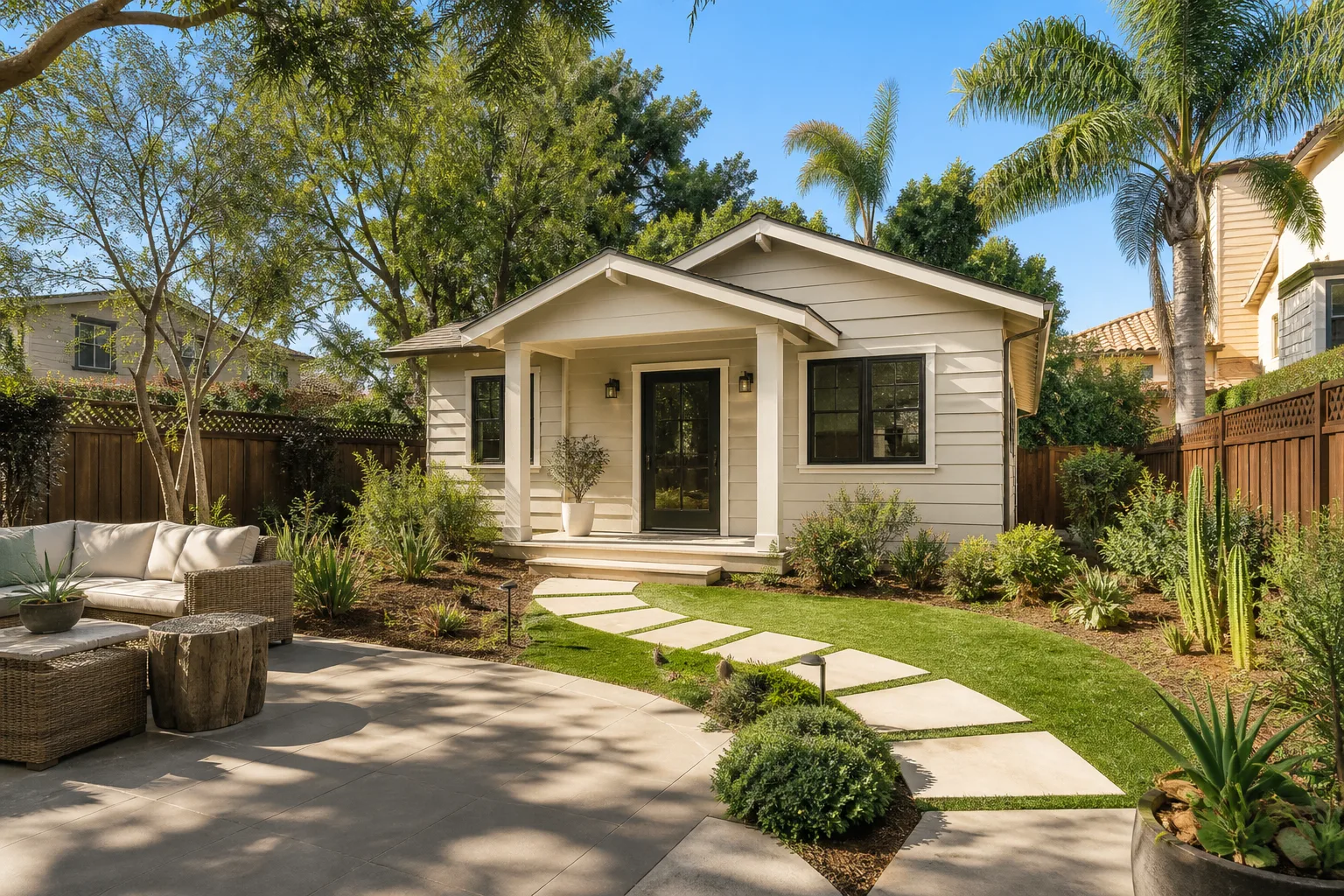
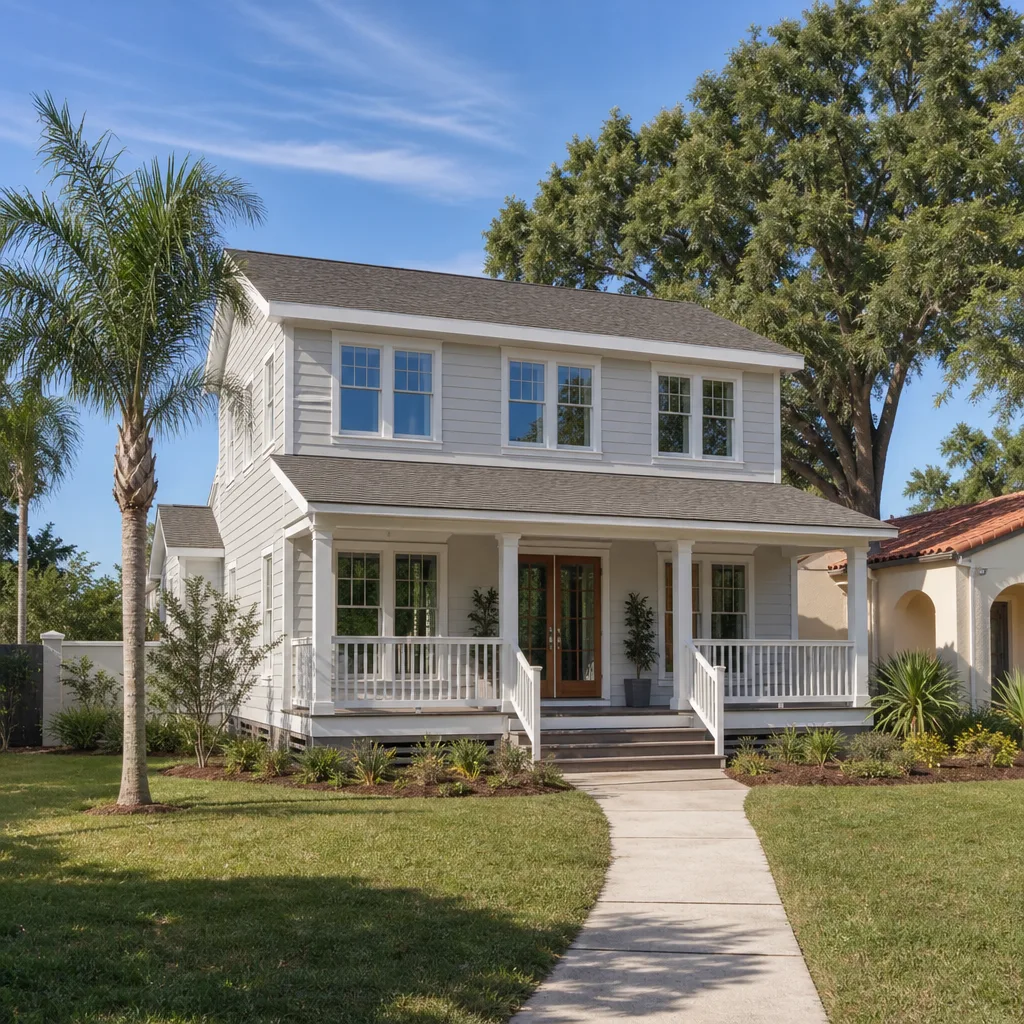
ADU construction in Long Beach runs $90,000 to $220,000 for most projects, with the average detached one-bedroom landing near $140,000 and larger two-bedroom units pushing toward the top of that range. The number you land on depends on size, whether you’re building detached or converting existing space, and how much site work your lot requires. We give you that range in writing before anything is ordered or poured, so there’s no drift later.
Long Beach is one of the most ADU-friendly cities in Southern California right now. State law has cleared away most of the old barriers, and the city’s own rules have opened up detached units in single-family zones that would have been impossible a few years back. That’s good news if you’ve been thinking about rental income, a place for aging parents, or a home office that isn’t the dining table. It also means the market is busy, prices have real spread, and the difference between a $95,000 build and a $200,000 build usually comes down to four or five decisions you make before the first permit is filed.
Below is what things actually cost in Long Beach this year, what moves the number up or down, and how to plan a build that holds its value. If you’d rather talk it through, our line is answered by a live person 24/7: (888) 345-8164.
Key Takeaways
- Typical ADU construction cost in Long Beach: $90,000 – $220,000, depending on size and type.
- A detached new-build ADU costs more than a garage conversion, but adds more usable square footage and rental value.
- Garage conversions in Long Beach run $30,000 – $80,000 and are the fastest path to a rentable unit.
- Site work, utility trenching, and foundation type are the three biggest wildcards on Long Beach lots.
- Every project we build is backed by the 730-Day Done Right Promise and priced upfront with no surprises.
ADU Construction Cost Breakdown (2026)
Here’s how the money breaks down on a typical Long Beach ADU project. These are line-item ranges, not a package price. Every lot is different, and we’d rather show you the moving parts than hand you a single number you can’t audit.
| Line Item | Typical Long Beach Range |
|---|---|
| Full ADU construction (detached, all-in) | $90,000 – $220,000 |
| Garage conversion ADU | $30,000 – $80,000 |
| Attached addition treated as ADU (tied to home addition scope) | $45,000 – $130,000 |
| Design, engineering, and permit package | $6,000 – $18,000 |
| Site prep, grading, and demolition | $4,000 – $15,000 |
| Foundation (slab, raised, or pier-and-beam) | $8,000 – $25,000 |
| Utility trenching and connections (water, sewer, electrical, gas) | $6,000 – $20,000 |
| Framing, roofing, and exterior shell | $22,000 – $55,000 |
| Windows and doors (impact-rated where required) | $4,000 – $12,000 |
| Interior finishes (kitchenette, bath, flooring, paint) | $15,000 – $45,000 |
| Mechanical, electrical, and plumbing rough-in | $12,000 – $30,000 |
| Landscape, hardscape, and site restoration | $3,000 – $12,000 |
The spread on the total comes from a handful of levers. Size matters most: a 400-square-foot studio and a 1,000-square-foot two-bedroom are different projects entirely, and the cost per square foot drops as the unit gets larger because fixed costs like the foundation, roof, and utility trench get spread across more floor area. Detached versus attached matters, because detached units need their own utility runs and their own roof and exterior envelope. Finish level matters more than most homeowners expect: standard finishes versus custom cabinetry and tile can swing a unit by $20,000 to $40,000 on its own. And the site itself, which we’ll get into next, is the part nobody can quote accurately until they’ve walked the lot.
If your project overlaps with a larger addition, our home additions service covers the full scope from foundation to finish line so you’re dealing with one contractor instead of juggling two schedules.
What Affects ADU Construction Pricing in Long Beach
Long Beach has specific conditions that change the math compared to other Southern California cities. Here’s what we look at when we’re scoping a project on a Long Beach lot.
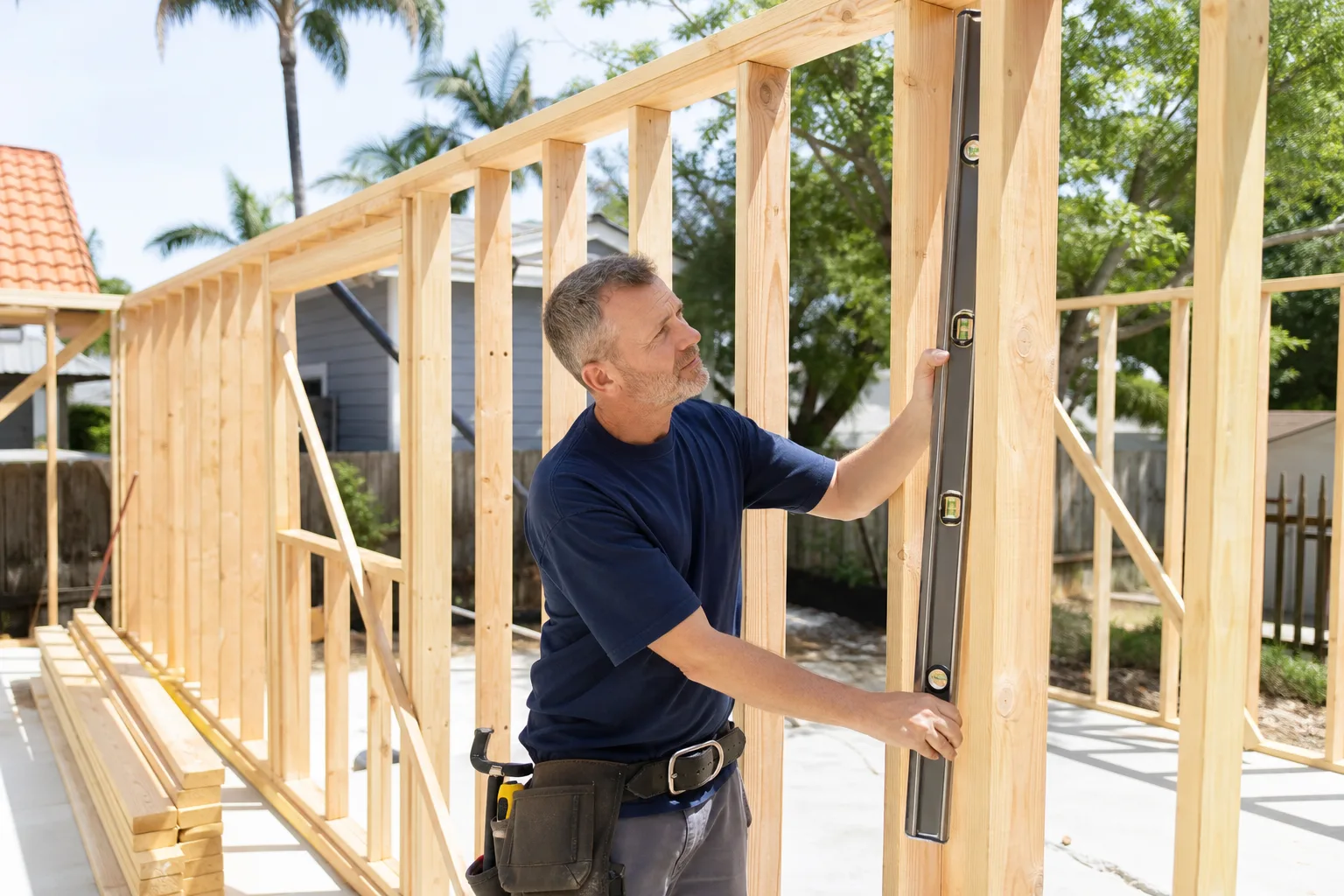
- Lot size and access. Long Beach has a wide range of lot depths, from deep lots in the older parts of town near Belmont Shore and Bluff Park to tighter parcels in the more developed areas. A lot where a concrete truck or crane can’t pull up close means materials get moved by hand or by smaller equipment, and that shows up on your invoice. We walk the alley, the driveway, and the sideyard before we quote.
- Utility runs and trenching. A detached ADU needs its own water, sewer or septic tie-in, electrical feed, and possibly gas. If the run from the main service to the new unit is over 100 feet, trenching and conduit alone can add $8,000 to $15,000 to the project. Long Beach properties near the coast sometimes have older lateral lines that need to be upgraded to current code as part of the connection, and that gets factored in.
- Foundation type and soil conditions. Parts of Long Beach sit on fill or on soils that require a deeper foundation or a raised floor system. Coastal areas with high water tables or proximity to the water may call for additional waterproofing and drainage. This one item can swing the foundation cost by $10,000 to $20,000 depending on the specific parcel.
- Coastal and impact requirements. Long Beach is in a coastal zone, and specific properties near the water may fall under special review. California’s coastal and fire-severity zones also affect material specifications. Impact-rated windows and doors, which we’ve priced in the table above, may be required in certain areas, and we verify this during the design phase rather than after you’ve ordered doors.
- Finish level and brand selections. Not every ADU is a rental-grade box, and not every ADU is a boutique guesthouse. If you’re building for a family member long-term, going with quality materials now costs more upfront but avoids the cheap-fixture replacement cycle. It’s the difference between a unit that holds up for 20 years and one that needs a $10,000 redo in eight.
- Landscape and site restoration. Whether you’re carving out a portion of an existing yard or tearing out a fence line and driveway, the site needs to go back together. Landscaping, hardscape, fencing, and drainage restoration typically run $3,000 to $12,000, and we’d rather budget it than surprise you at the end.
Is a Detached ADU or a Garage Conversion the Better Value?
Garage conversions cost less: $30,000 to $80,000 versus $90,000 to $220,000 for detached. But the value comparison isn’t purely about cost. A garage conversion is fast, borrows existing walls and roof, and doesn’t eat up your yard. It also typically produces a smaller unit. A detached ADU adds fully new square footage, which is where the long-term appreciation lives, especially in a rental market like Long Beach where a one-bedroom can fetch strong monthly rent. If you have a deep lot and the equity to build detached, the detached unit is usually the better long play. If you need a rentable unit in the near term without the larger budget, the conversion is the right starting point. Our garage conversion service handles that scope end to end, and it’s often a stepping stone to a second unit later.
One important note on garage conversions: many Long Beach homeowners who convert their garage still want parking. If you’re keeping a garage and building a separate ADU, our driveway and pavers service can handle the new parking pad and access apron as part of the same project so you’re not coordinating separate crews.
How to Save on ADU Construction
You don’t have to overpay to get a solid build. Here’s what actually works.
- Maximize existing infrastructure. Tell us where the main electrical panel, water main, and sewer cleanout are located. The closer your ADU sits to those tie-in points, the less you’ll spend on trenching and plumbing. When we do a free project estimate and design consult, we map the best site position for utility access before anything is finalized.
- Choose a proven plan and adapt it. A custom from-scratch design costs more in engineering and review. Reusing a pre-approved or adapted plan can trim $3,000 to $8,000 in design and permitting costs. It also speeds up the review timeline.
- Bundle with other work. If your roof is near the end of its life or you’re planning driveway work, combining it with the ADU project saves on setup and mobilization. We offer $1,000 off projects over $10,000, and combining scopes is one way to make that count.
- Use our 0% financing for 18 months. Large builds are paid over the course of the project anyway. Financing gives you the flexibility to start now, and the 18-month no-interest window means you’re not paying interest on top of construction costs during the build out.
- Keep the finish simple where it counts less. Spend on the foundation, the roof, the windows, and the electrical. Go standard on the paint, the interior doors, and the flooring. The stuff behind the walls needs to last; the stuff you can change later doesn’t need to be top of the line right now.
Get a free estimate and design consult before you commit anywhere: (888) 345-8164. We’ll bring the real numbers, walk the lot, and tell you what your specific property can support.
What’s Included in an ADU Build From Groundwork Construction Co.?
Full scope, from the first line on paper to the final walkthrough. Our scope covers design coordination, engineering and structural calculations, permit filing and plan check response, site preparation and grading, foundation, framing, roofing, windows and doors, MEP rough-in, insulation and drywall, finishes, and final inspection sign-off. We pull in vetted subcontractors where specialty trades are needed and hold the same standard across every trade on the job.
Materials matter as much as labor. We’re not going to put a builder-grade window on a coastal California unit or a lightweight roof over an ADU you’re planning to rent for 20 years. We partner with established manufacturers across every category, and you’ll see actual brand names on your selections sheet, not “or equal” clauses that leave the door open to whatever’s in the supply house that week.
Every technician on the job is background-checked and arrives in uniform. Our technicians have up to 12 years of experience, and the crew on your build is the same crew from day one to final walkthrough. Nobody hands your project off to a different team halfway through.
And if you’ve had a contractor go silent on you before, here’s the anti-version of that: Live person, 24/7. Our line is answered by a real person, not a voicemail, every hour of every day. Ask any working contractor how often they hear “I couldn’t get a hold of anybody for a week.” You won’t hear it from our clients.
Why the 730-Day Done Right Promise Matters on a Large Build
An ADU is a structural project. It has a foundation, a roof, and a lot of mechanical systems that need to work together. That’s why the workmanship guarantee on a project like this should be measured in years, not days. Our 730-Day Done Right Promise covers the work for two full years. If something fails because of how it was built, we make it right. That’s not a marketing line. It’s a written commitment, and it applies to your ADU the same way it applies to a kitchen or a roof.
The reason that matters on an ADU specifically is that defects in new construction often don’t show up until after the first rainy season and the first summer of thermal movement. A plumbing leak under a slab or a roofing detail that wasn’t properly flashed may not reveal itself until month 14. Two years gives you a full cycle of weather to catch anything that needs attention, and a written guarantee to lean on when you do. Built to last, backed in writing.
How Long Does an ADU Build Take in Long Beach?
Most ADU projects in Long Beach take 9 to 14 months from signed contract to move-in, with the majority of that time in design and permitting. The physical construction piece is typically 4 to 7 months. Garage conversions move faster, often 4 to 8 months total. The timeline is shaped by plan review turnaround at the city, utility company scheduling, and inspection availability, so we build in realistic schedule windows rather than promising a 90-day finish that isn’t achievable. You’ll get a written schedule with milestones before we start.
For a fuller picture of what we take on across the area, visit the Long Beach service area page, and for the full range of what we build, start at our home page.
FAQs About ADU Construction Cost
How much does an ADU cost in Long Beach in 2026?
An ADU in Long Beach costs $90,000 to $220,000 all-in, with detached units at the higher end and garage conversions at the lower end. The midpoint for a one-bedroom detached unit is around $140,000. Call (888) 345-8164 for a free estimate that’s specific to your lot and plans.
Is a garage conversion cheaper than a new detached ADU?
Yes. A garage conversion in Long Beach runs $30,000 to $80,000, while a detached ADU costs $90,000 to $220,000. The conversion is cheaper because it uses the existing foundation, walls, and roof. If you have a usable garage and a limited budget, it’s the fastest route to a rentable unit. Call (888) 345-8164 and we’ll tell you which option makes sense for your property.
Can I finance an ADU build?
Yes. We offer 0% financing for 18 months on ADU projects, along with $1,000 off projects over $10,000. For most homeowners building an ADU, financing spreads the cost across the build timeline without interest in the first year and a half. Call (888) 345-8164 to talk through the options.
What’s the largest cost driver in an ADU project?
Size and site conditions drive the number more than anything else. A 400-square-foot studio and a 1,000-square-foot two-bedroom are different projects, and the difference between a clean flat lot and one with tricky utility runs or foundation requirements can swing the total by $25,000 or more. The best way to pin it down is a walkthrough and a written estimate, which we provide free: (888) 345-8164.
How much does an ADU construction permit cost in Long Beach?
Permit fees for an ADU in Long Beach typically fall within the wider project cost of $90,000 to $220,000, since they’re paid as part of the overall build, but the permit line item itself is usually in the range of $3,000 to $10,000 depending on unit size and scope. Plan check, engineering, and design costs are tracked separately from the permit fee. Our team handles permit filing and plan-check response as part of the scope. Call (888) 345-8164 for a quote that includes permits itemized separately.
Talk to Us About Your Long Beach ADU
If you’ve been turning the numbers over, we get it. ADU construction is a real investment, and the difference between a good build and a frustrating one often comes down to picking the right partner before the first dollar is spent. We show up with real numbers, we walk the lot, we put the scope in writing, and we back it with a 730-Day Done Right Promise. Call (888) 345-8164 for a free estimate and design consult. Live person, 24/7, no voicemail, no waiting until Monday.
Pricing reflects the Long Beach market as of 2026. Groundwork Construction Co. of Long Beach offers free estimates – call (888) 345-8164.
What Our Customers Say
"Found unpermitted work by the previous owner once he opened the wall. He stopped, explained the options and what each would cost, and let me decide rather than making it my emergency."
- Marco Castillo"He pulled the permits himself, scheduled every sub and ran the inspections. I made one decision a week and otherwise stayed out of it, which is exactly what I was paying for."
- Robert Sullivan"The finished work is exactly what we wanted. It did run about three weeks over, mostly waiting on a cabinet delivery that was out of his hands, though I would have liked more updates during that stretch."
- Dev Sharma