Last updated November 17, 2026
Free written scope consultation - allowances, timeline, and change-order rules on paper before a single trade is scheduled
How Long Does Fence Installation Take? Timelines and What to Expect
The average wood fence takes 1 – 3 days to physically install. The average fence project takes 2 – 6 weeks start to finish. That gap is where most homeowners get blindsided. The crew that swings a hammer is a small slice of the story. The waiting – on a permit clerk in Long Beach, on a utility locate crew, on a vinyl panel shipment – eats the calendar while you stare at a string line in the dirt and wonder what you’re paying for. Somebody told you “a couple days,” and now it’s a month later. This guide walks through each phase of a fence project in Long Beach with honest timelines, the local soil and code quirks that stretch them, and the decisions that quietly sink schedules before work even starts. By the end, you’ll know what’s normal, what’s a stall, and what to ask before you sign.
Quick Answer
Fence installation in Long Beach typically takes 1 – 4 days of active construction for a standard residential lot, but the full project runs 2 – 6 weeks once you factor in utility marking (call 811), permit approval where required, and material lead times. Concrete post footings need 24 – 48 hours to cure before you load the fence, and clay-heavy or sandy Long Beach soil can push that cure window longer. Plan on weeks, not days, and you’ll avoid being disappointed by a date a salesperson gave you on a Tuesday afternoon.
Styles & brands we work with
- Kitchen remodeling
- Bathroom remodeling
- Home additions & ADU
- Roofing
- Windows & doors
- Driveway & pavers
- Fence
Table of Contents
- The Phase-by-Phase Fence Timeline
- Permits: What Long Beach Actually Requires
- How Long Beach Soil Affects Post Curing
- Material Lead Times by Fence Type
- The Decisions That Delay Projects Most
- What a Good Crew Does During the Waiting Phases
- How to Tell a Legitimate Delay From a Disorganized Crew
- Realistic Timelines by Material
The Phase-by-Phase Fence Timeline
Most fence projects fail on the schedule before a shovel touches dirt. In our experience installing fences across Long Beach, the work breaks into six distinct phases, and only two of them involve anybody swinging a hammer. Here’s the honest picture.
- Design and material selection (1 – 7 days). Picking the fence, height, material, gate style, and color. This is where homeowners lose the most time if they haven’t decided before signing. More on that below.
- Site survey and measurements (1 day). Confirming property lines, fence height limits, and where the fence attaches at the corners and gates. On tight lots in neighborhoods like Belmont Heights or Rose Park, the survey often reveals a fence that isn’t actually on the line – that needs to be resolved before permits go in.
- Utility marking via 811 (2 – 3 business days minimum). California law requires calling 811 at least two working days before digging. Utilities have until that window closes to mark lines. No exceptions. If they’re slow, everything downstream pushes back.
- Permit application and approval (0 – 4 weeks, depending on scope and jurisdiction). Over-the-counter permits for a simple repair can turn around in a few days. A new fence on a corner lot or in a historic overlay zone can take longer. Long Beach details below.
- Material ordering and delivery (3 days to 6 weeks by material). Vinyl and wrought iron have the longest lead times. Chain link and standard cedar are usually the fastest.
- Active installation (1 – 4 days) plus footing cure (24 – 48 hours). Posts go in, concrete goes around the base, and the crew waits before hanging panels. On a standard Long Beach lot, that’s often a two-visit process – posts one day, panels and gates the next.
Stack those up and a five-day fence becomes a four-week project without a single day of lazy crew behavior. That’s not a sales tactic; it’s the actual chain of events. Anyone promising “done by Friday” on a brand-new fence has either skipped steps or hasn’t scheduled the permits.
Permits: What Long Beach Actually Requires
Whether your fence needs a Long Beach permit depends on height, location, and material – not on what a neighbor told you at the block party. The rules most people miss:
- Height matters. Fences in front yards (between the sidewalk and the house) face tighter height limits than backyard fences. Long Beach generally caps front-yard fences at lower heights than rear or side, and corner lots have sight-triangle rules at intersections. Measure twice and confirm with the city before you build.
- Materials matter. Masonry walls and some solid vinyl configurations trigger stricter review than a standard wood picket or chain link.
- Historic overlay zones take longer. If you’re in a designated historic district, add design review into the calendar. Neighborhoods like Bluff Park and parts of Willmore City have design standards that affect fence style, height, and material.
- Property line disputes stop permits cold. If the fence sits on or near the line and a neighbor objects, the city can’t move forward. Resolve the line before you apply.
Applications typically go through the Long Beach Department of Public Works and Development Services. If a permit is needed, plan on at least 1 – 2 weeks for a clean over-the-counter approval and longer for anything that requires plan review. Long Beach pulls permits and passes inspections as a matter of course – not because they love paperwork, but because a fence that fails a setback violation is a fence the city can make you tear down. Permit fees on residential fences are usually a few hundred dollars. If a contractor says “no permit needed, don’t worry about it,” ask them to put that in writing and show you the code citation. They won’t.
How Long Beach Soil Affects Post Curing
This is the detail almost no one talks about. Concrete footings around fence posts need time to cure before the panels load them, and what’s under your grass in Long Beach determines how long that is. Long Beach soil is a patchwork:
- Clay-heavy lots – common inland and up toward Bixby Knolls – retain moisture and expand and contract with the seasons. Posts set in clay need the full 48 hours before hanging panels, sometimes longer in a wet season. Rushing here cracks the concrete and leaves you with leaning posts within a year.
- Sandy, coastal soil – near the water in Belmont Shore and along the Peninsula – drains fast but offers less lateral grip. Posts need a wider, deeper footing, and mixing the concrete correctly matters more, not less. Fast drainage means the mix has to hit its target strength, not just feel hard to the touch.
- Mixed fill soil – older neighborhoods where lots were graded decades ago – can require deeper footings and, in some cases, post anchors rather than a standard concrete pour.
The practical result: a small job that in some markets goes in “one long day” becomes a two-day job in Long Beach because the crew correctly waits out the cure. A contractor who rushes that window is charging you for the same job twice, eventually. Add 24 – 48 hours to any installation estimate as a default and you’ll be planning on reality, not wishful thinking. If you’re combining a fence with other hardscape – a new driveway or patio – sequencing matters. The Driveway & Pavers in Long Beach team we work with routinely coordinates footing and pour schedules for that reason.
Material Lead Times by Fence Type
Not every fence material arrives on the same truck on the same week. Lead times vary wildly by product, and the variance is where most “we didn’t get to your project” stories come from. Realistic lead times, in our experience:
- Chain link: 3 – 7 days. Widely available. The fastest material to schedule.
- Wood (cedar, pine, dog-ear, etc.): 5 – 14 days. Supply is usually reliable, but stains and custom picket styles add a week.
- Vinyl/PVC: 2 – 4 weeks. Panel colors, post caps, and gate kits aren’t always in stock, and premium lines can go 4 – 6 weeks on custom orders.
- Wrought iron (steel): 3 – 6 weeks. Custom fabrication, powder coating, and shipping all add time. This is the material most likely to stretch a project past the month mark.
- Composite wood: 2 – 4 weeks depending on brand and color. Similar story to vinyl.
- Estate-style aluminum: 2 – 4 weeks, sometimes longer for custom heights and gate configurations.
The takeaway: if a homeowner is set on a specific vinyl or wrought-iron style, the calendar has to accommodate the delivery. That’s not a contractor stalling. It’s a supply-chain reality. A good crew orders the material the same day the contract is signed and locks in the delivery window before scheduling labor. If you’re weighing fence versus another exterior project – like windows, which often run parallel to fence weeks – options across products include lines from brands such as Therma-Tru and ViewLux that we specify on other exterior work, and their scheduling considerations are similar: order early, confirm the ship date, and don’t schedule labor before the product lands.
The Decisions That Delay Projects Most
Ask any crew what blows up a fence schedule and the answer is never “we ran out of nails.” It’s decisions the homeowner makes slowly. The three big ones:
Homeowner indecision on material and style
This is the number one cause. The homeowner wants to see samples. Then they want to see them in sunlight. Then they change their mind from wood to vinyl after the deposit’s already in. Every switch resets the material lead time. The fix is simple: finalize material, height, style, and color before signing, and put the selection in writing. Our Fence Installation in Long Beach process includes a design consult specifically to lock these in before the money moves.
Shared fence disputes with neighbors
In Long Beach, a lot of fences sit right on the property line between two homes. If the fence needs replacing and the neighbor objects – to the style, the height, the cost split, or the exact position – the project stalls. Sometimes it goes to mediation. Sometimes it goes to a surveyor. Either way, weeks. The fix: talk to the neighbor before you sign, and get any cost-share agreement in writing.
HOA approval processes
If you’re in a community with an HOA – common in newer Long Beach developments and certain condo and townhome associations – approval can add 2 – 6 weeks. HOA architectural review boards often meet monthly. Miss the meeting and you wait a month. Every HOA packet is different, but they nearly all require material type, colors, height, and a site plan. Submit early and follow up.
Homeowner decisions aren’t alone in delaying projects, but they’re the most avoidable. The second most avoidable is skip-tracing the permit. Do them both early and you save a month.
What a Good Crew Does During the Waiting Phases
Between the 811 call and the first post, there’s a stretch of calendar where a professional crew should be doing real work – just not on your fence. If you’re not sure what your contractor is doing during that time, here’s what a well-run operation looks like:
- Confirms the 811 ticket window in writing. You get the ticket number and the expected completion date. Not “we called, they’ll be out.”
- Submits the permit the same week the contract is signed if a permit is required. Not two weeks later after the material’s arrived.
- Orders material immediately and confirms the ship date. Not “we’ll order once the schedule clears.”
- Pulls a site survey and resolves property line ambiguities before the crew ever cuts a post.
- Schedules the two-visit installation (posts and concrete first, panels and gates after cure) rather than trying to cram both into one day and rushing the concrete.
- Communicates any slip in the schedule within 24 hours, with a specific new date and a reason.
A crew that does those six things will finish on a realistic timeline nearly every time. A crew that “will get back to you” about the permit and “should hear something from the utility company” probably hasn’t called. In Long Beach, where 811 tickets are enforced and inspection matters, that sloppiness costs you weeks. If you’re weighing a fence alongside a larger exterior build and want a full picture of how phases stack for a bigger project, our Home Additions & ADU in Long Beach team uses the same document-every-phase approach.
How to Tell a Legitimate Delay From a Disorganized Crew
Not every delay is the contractor’s fault. 811 can be slow. The city can sit on a permit. Materials can miss a ship date. The difference between a legitimate delay and a mess is documentation and communication. Here’s how to tell them apart:
- Legitimate: “The 811 ticket is scheduled to clear Thursday. We have your install moving to Friday and Saturday.” Not: “Utilities haven’t shown up yet, we’ll let you know.”
- Legitimate: “The permit came back with a question about fence height at the front setback. We’re responding tomorrow.” Not: “Permit stuff takes a while.”
- Legitimate: “The vinyl panels we ordered shipped from the factory but the supplier says they’ll land the 14th.” Not: “The material’s stuck somewhere.”
- Legitimate: Written change order, updated date, phone call. Not: silence, no call back, “we’ll know more next week.”
- Legitimate delay: the crew shows up when promised after the delay clears. Not: the crew reschedules twice more with no explanation.
If you’re getting the second column in every line, you’re not dealing with a supply issue. You’re dealing with a scheduling system that doesn’t exist. That’s the difference. Groundwork Construction Co. of Long Beach offers live-person phone coverage 24/7 and upfront pricing with no change orders – which is as much about avoiding this kind of stall as it is about accurate estimates. See how our full range of services fits around a fence project on the Groundwork Construction Co. of Long Beach home page.
Realistic Timelines by Material
Here’s the fastest-read chart in the guide. These are the windows we see on residential Long Beach lots, with the caveat that every lot is different and older properties with buried surprises always take a little longer.
- Chain link: 1 – 2 installation days, 3 – 7 day material lead, projects land in about 2 weeks if no permit is needed.
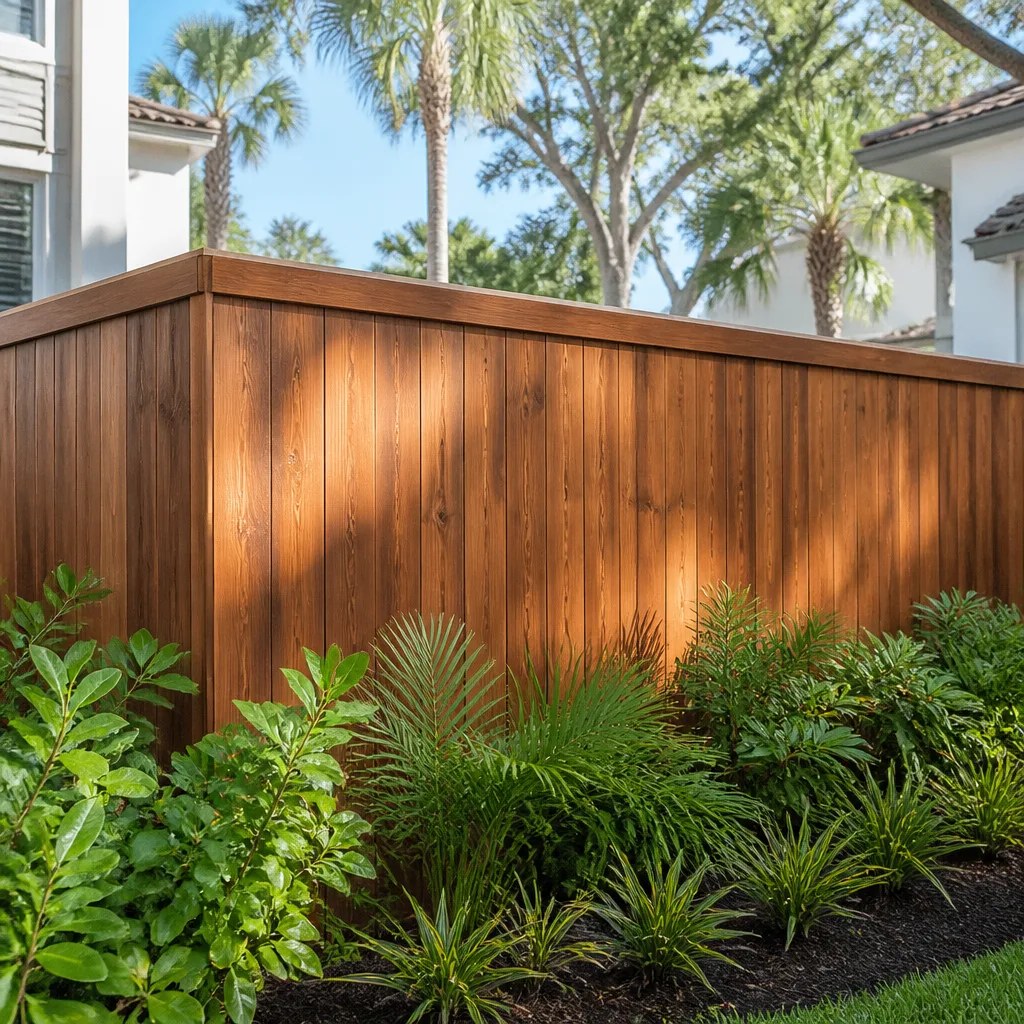
- Wood (cedar, pine): 1 – 3 installation days, 5 – 14 day material lead, projects land in about 3 weeks if no permit is needed.
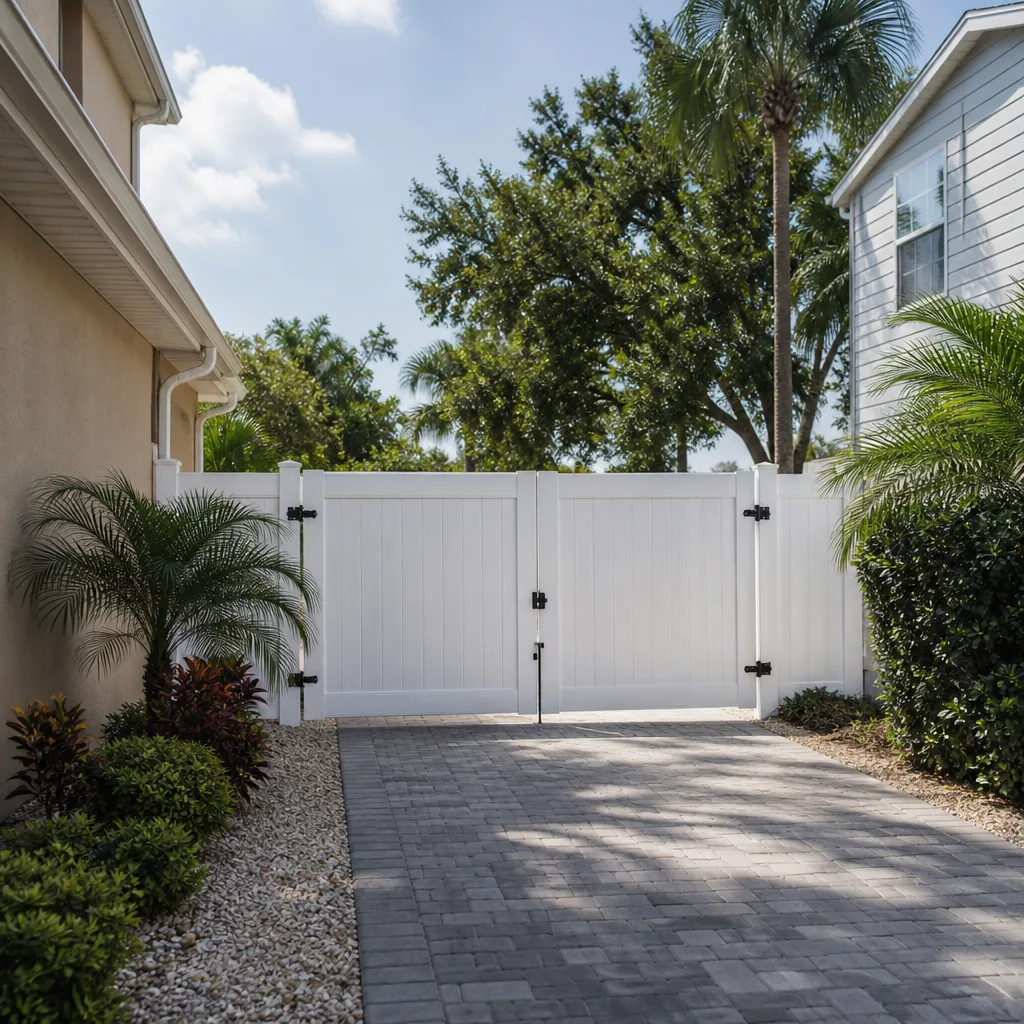
- Vinyl/PVC: 2 – 4 installation days, 2 – 4 week material lead, projects land in 4 – 6 weeks.
- Wrought iron (custom steel): 2 – 4 installation days (not counting fabrication), 3 – 6 week material lead, projects land in 5 – 8 weeks depending on custom work.
- Composite wood: 2 – 3 installation days, 2 – 4 week material lead, projects land in 4 – 6 weeks.
Every material shares the same hidden adders: 811 (about 2 – 3 business days), permit approval (0 – 4 weeks depending on scope and location), and post cure (24 – 48 hours). If you’re in a historic overlay or an HOA community, add another 2 – 6 weeks. None of this is a sales problem. It’s just the honest math, and the sooner you plan around it the calmer your project will feel. If your fence is part of a bigger exterior refresh, plan the fence to start after the roof and windows so crews aren’t tripping over each other – our Fence Installation in Long Beach team coordinates that sequencing routinely.
Common Mistakes to Avoid
- Skipping 811 because “it’s just a fence.” California law requires the call, and cutting a gas or fiber line because you “were pretty sure” of where it ran is an expensive mistake. Call 811 and let the process work.
- Believing a two-day quote. A two-day install can be real for the labor. A two-day project is not. If a salesperson quotes “project done in two days” without mentioning 811, permits, or cure time, that’s a warning sign, not a deal.
- Finalizing materials after signing the contract. Changing from wood to vinyl two weeks into the schedule resets the order and the timeline. Lock the selection in writing before the deposit.
- Ignoring the neighbor. In Long Beach, shared-line fences are the norm on older lots. A quick conversation with the neighbor before the permit goes in saves weeks of mediation later.
- Rushing the post cure. Concrete needs 24 – 48 hours in Long Beach soil to set properly. A crew that hangs panels the same afternoon is a crew that will be replacing them next spring.
- Forgetting the HOA. If you’re in an HOA community, submit the architectural package before ordering any material. Miss the monthly review meeting and you’re a month behind.
- Not checking fence height rules at the front or corner. Long Beach enforces front-yard and sight-triangle height limits. A fence that violates them is a fence you’re paying to shorten.
See the difference
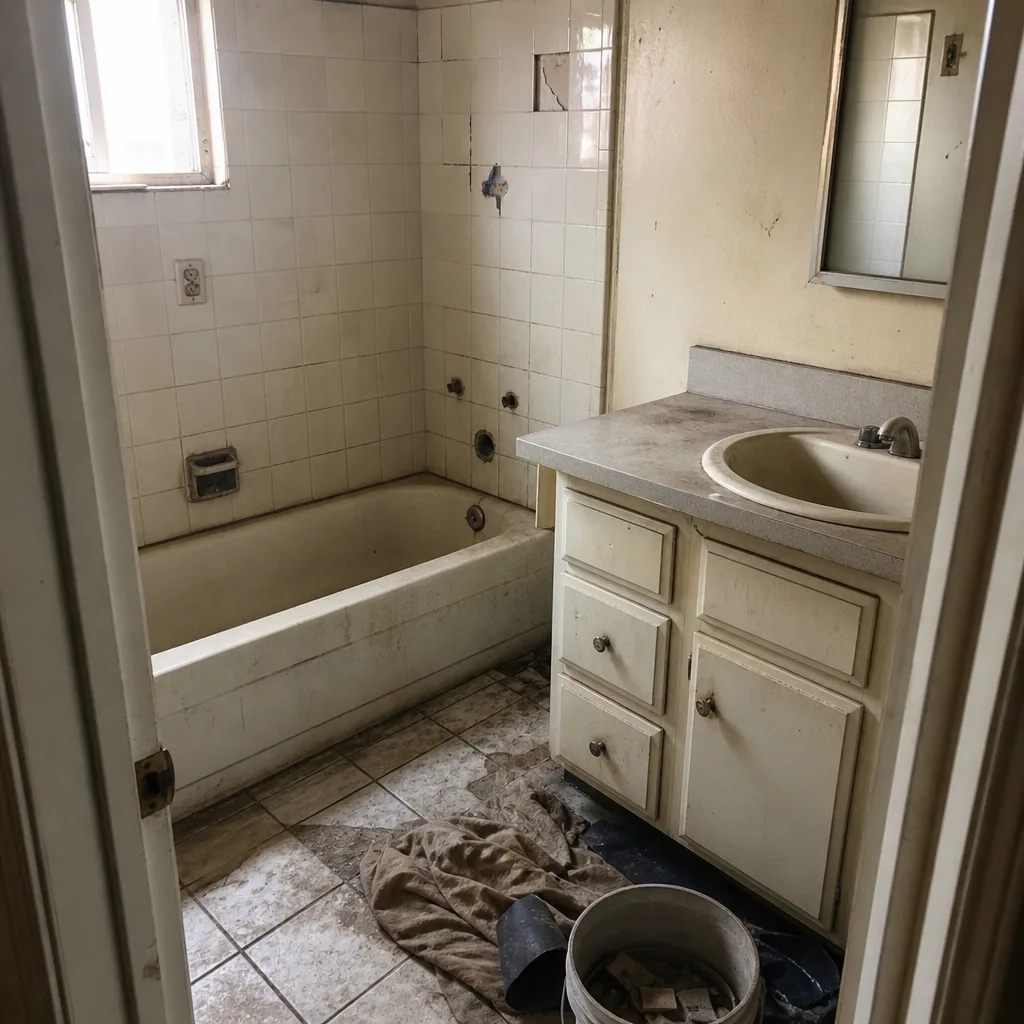 Before
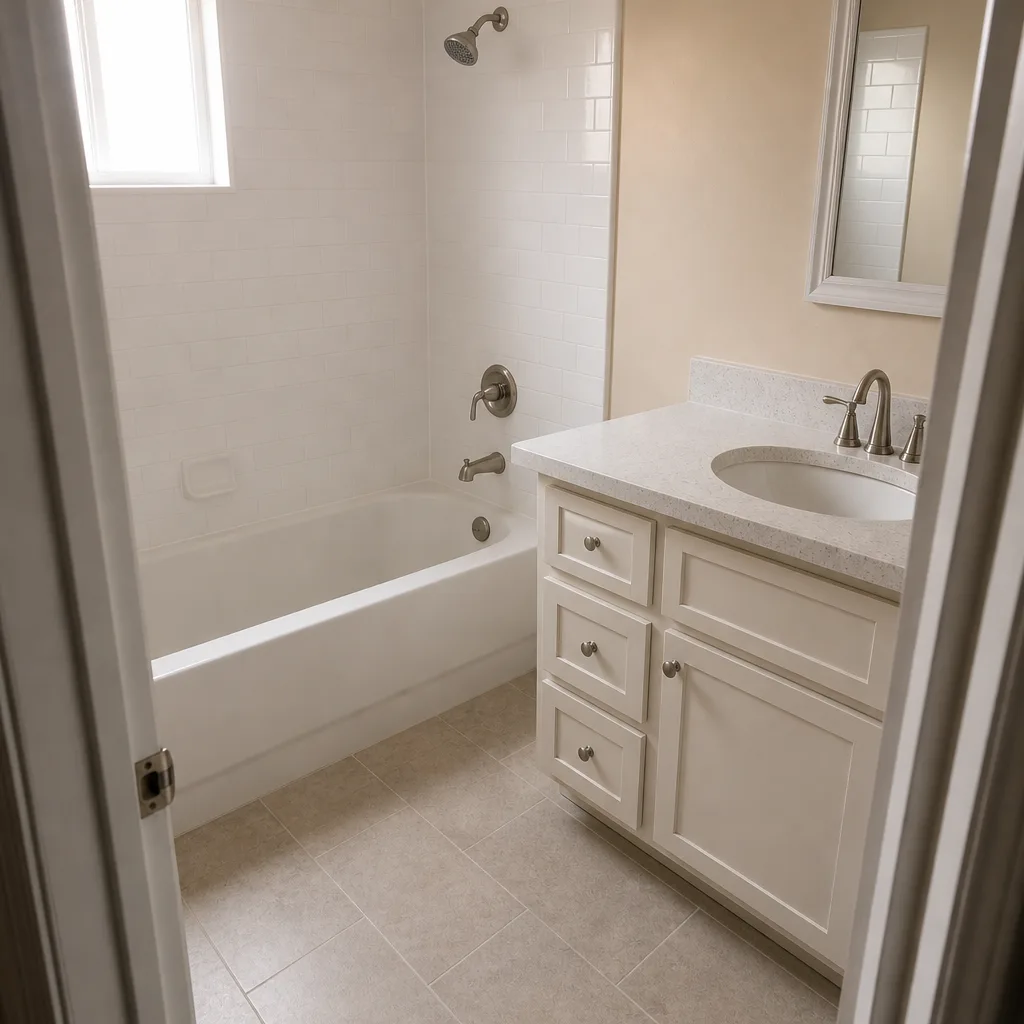 After
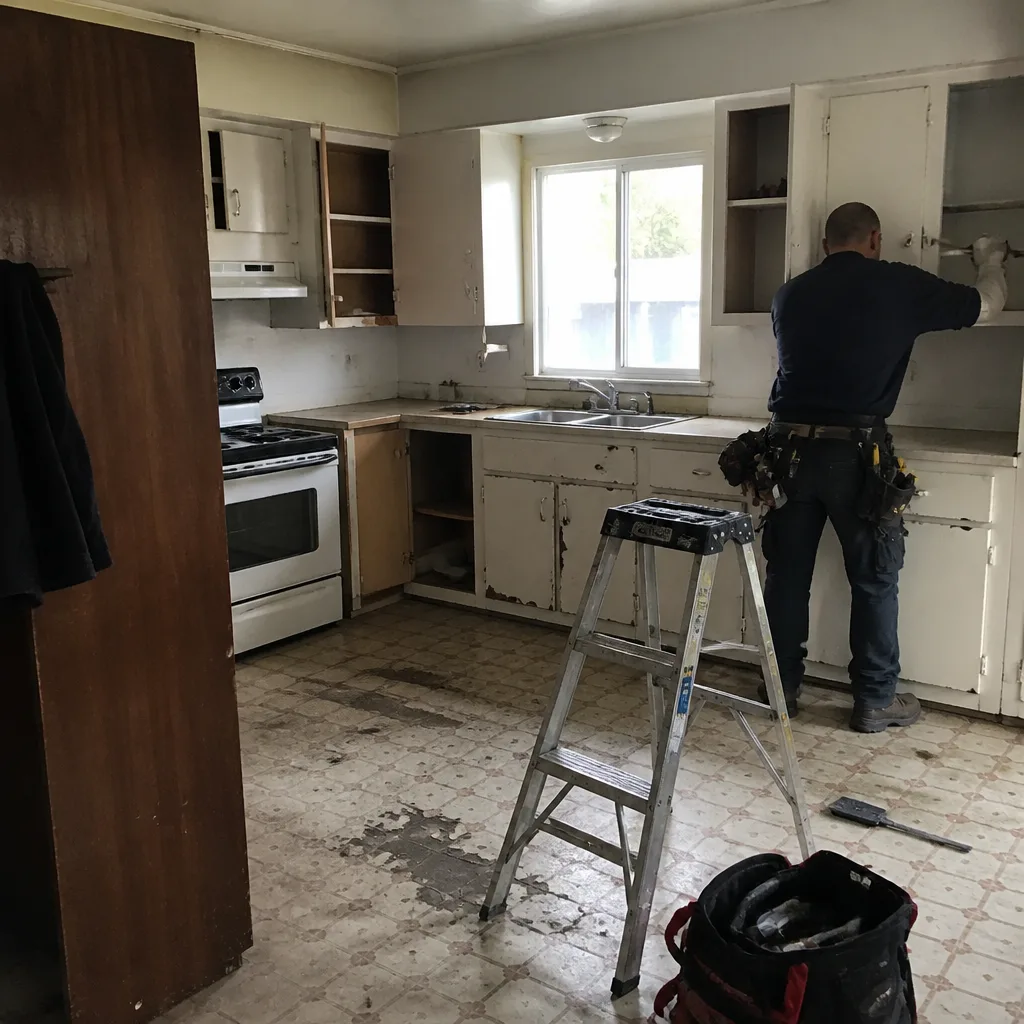 Before
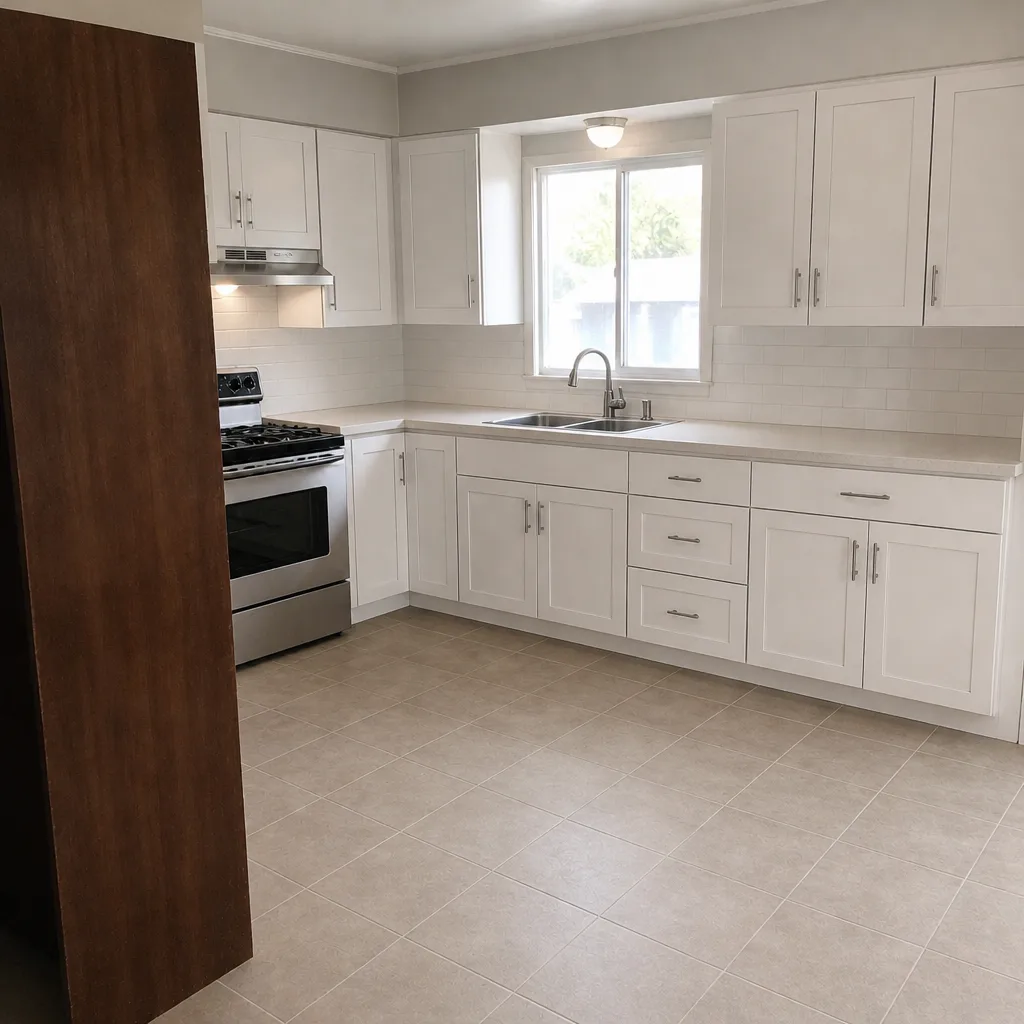 After
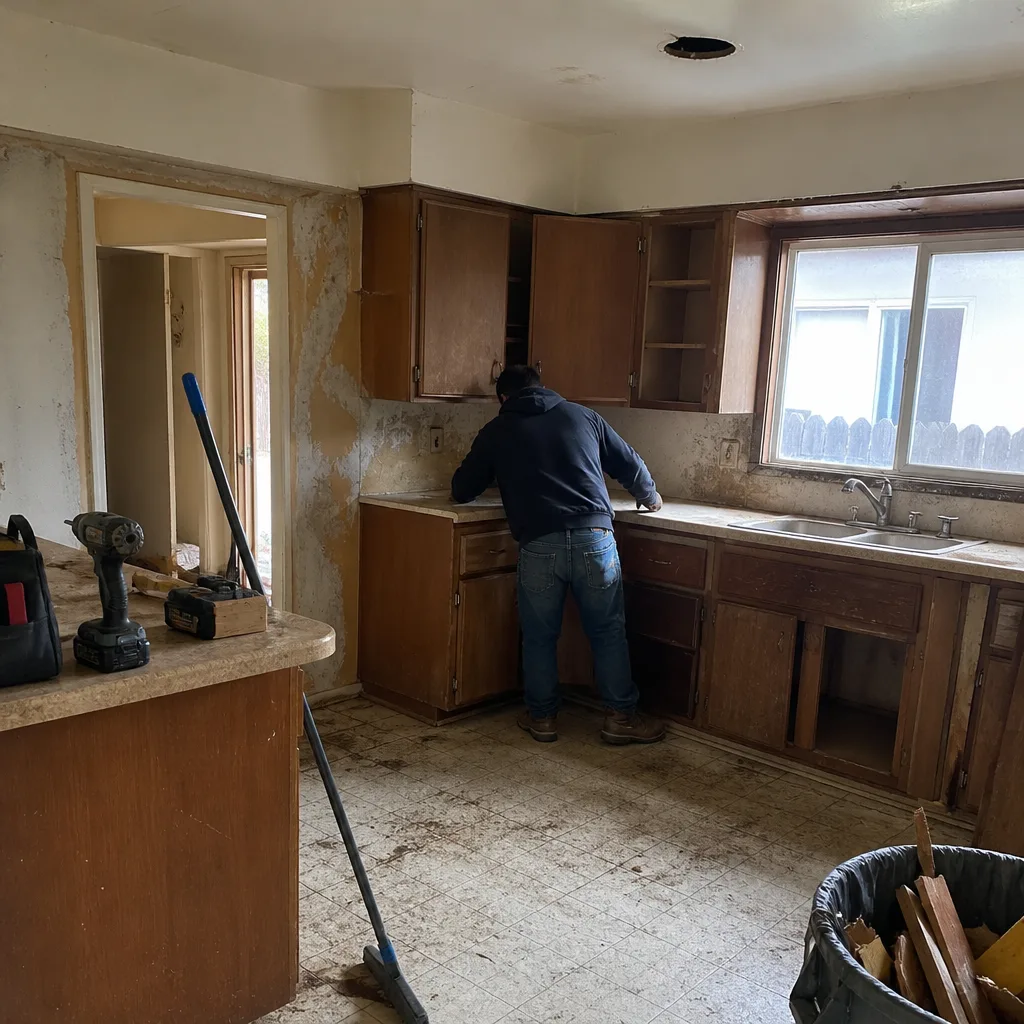 Before
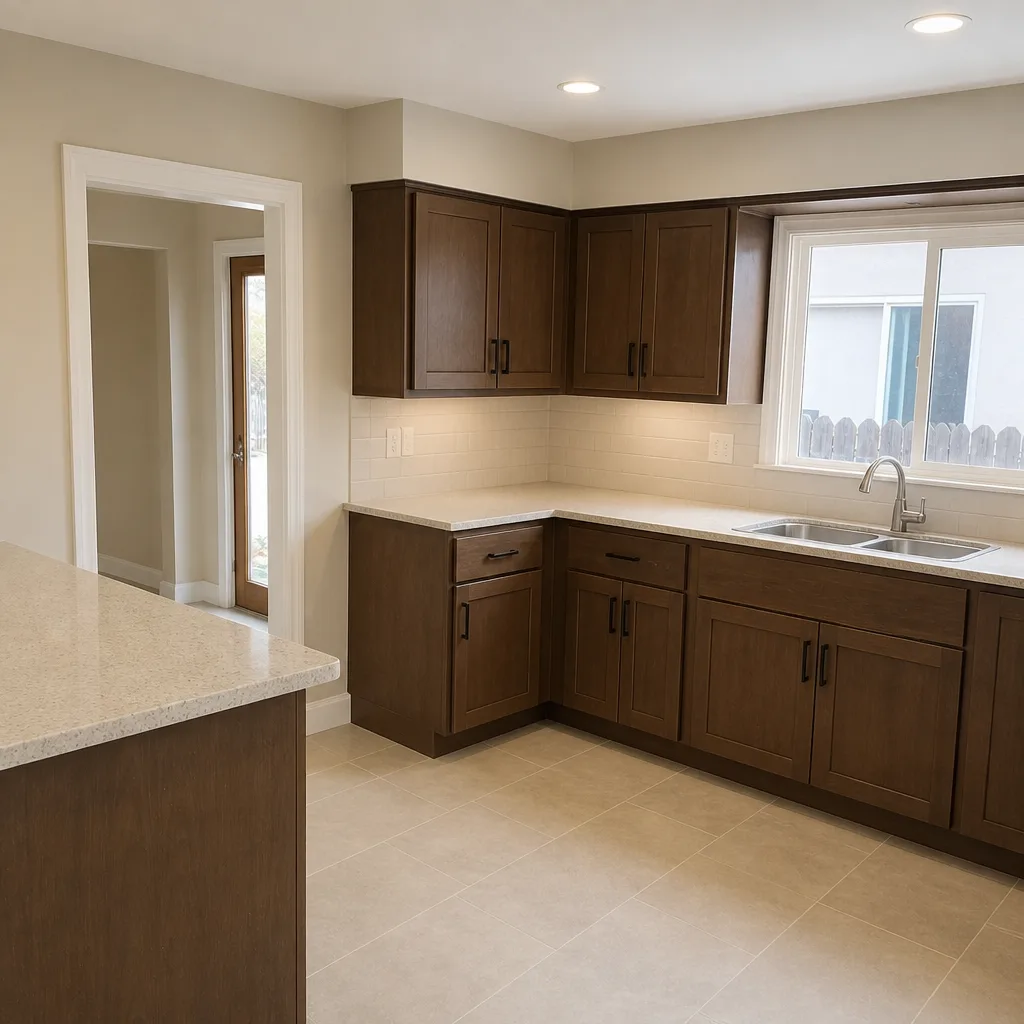 After
When to Call a Professional
Fence installation involves digging near buried utilities, working with concrete, setting posts at the right depth for local soil, and pulling permits when required. It’s not plumbing or electrical – but it’s not a weekend DIY project either, and a poorly installed fence will lean, sag, or fail at the gates within a year. Call a professional when you’re putting in a new fence anywhere near buried utilities (always), when a permit is required, when the property line is uncertain, when your fence shares a line with a neighbor, when you’re installing vinyl, wrought iron, or composite, or when the lot has any slope. Each of those situations increases the cost of getting it wrong. Groundwork Construction Co. of Long Beach offers free estimates in Long Beach – call (888) 345-8164. We answer live, 24/7, and every project carries the 730-Day Done Right Promise: if it’s not done right, we make it right.
Frequently Asked Questions
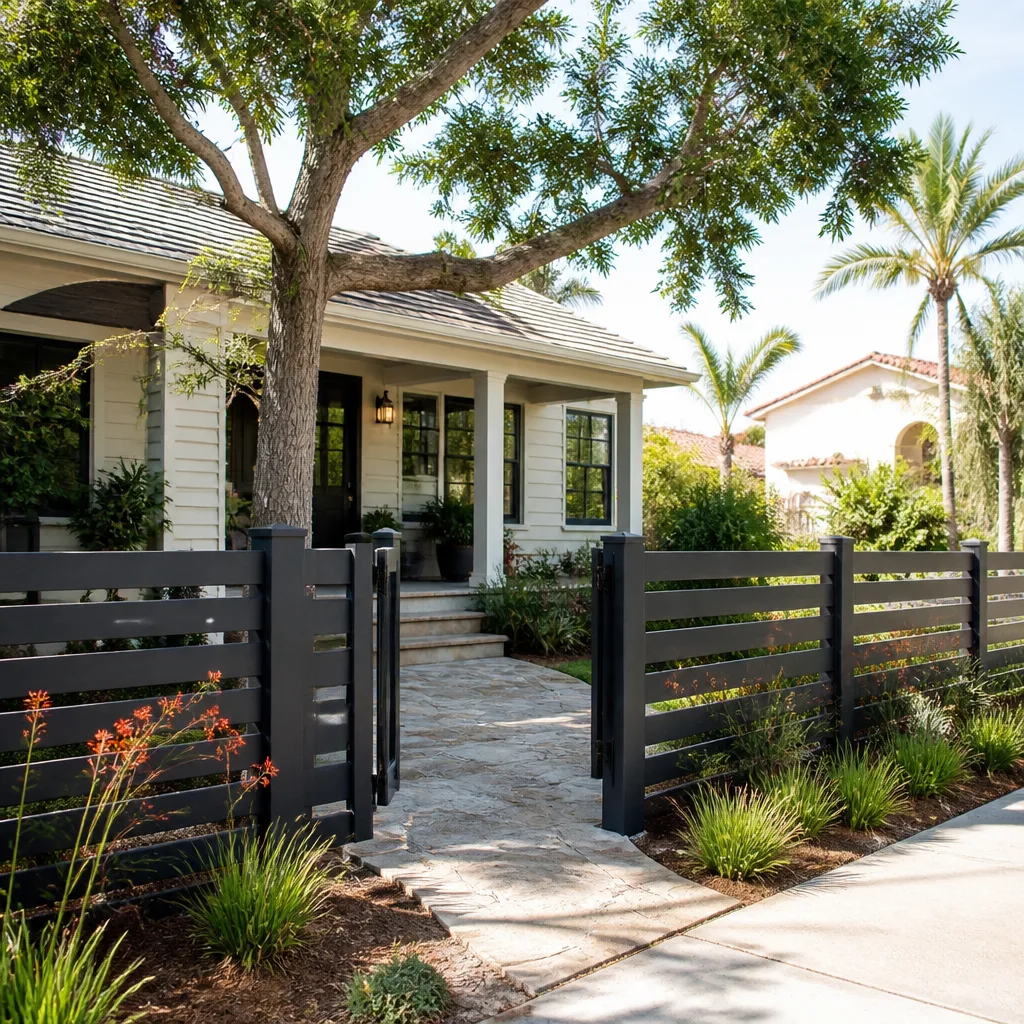
Fence installation in Long Beach takes 2 – 6 weeks start to finish for most residential projects, with 1 – 4 days of that being active construction. The rest is utility marking, permit approval if required, material lead time, and post cure. Call (888) 345-8164 for a free estimate – we’ll walk through the real timeline for your address.
Fence installation in Long Beach typically runs $30 – $75 per linear foot for wood, $40 – $85 for vinyl, and $55 – $120 or more for wrought iron, depending on height, gate count, and site conditions. Permit fees, when required, add a few hundred dollars. Call (888) 345-8164 for an upfront, line-item quote on your specific project.
Not always, but it depends on height, location, and material. Front-yard fences, corner-lot fences near sight triangles, masonry walls, and fences in historic overlay districts have stricter rules. A standard backyard wood fence under the height limit often doesn’t require a permit. Confirm with the city before building. Our team pulls permits and passes inspections when they’re needed – call (888) 345-8164 with your address and we’ll tell you what your lot requires.
Installing a fence yourself almost never saves time and can create larger problems. Utility lines, footing depth, post cure, and permit compliance are the exact steps that go wrong on DIY projects. And a self-installed fence that fails inspection or a storm is a fence you pay to remove and replace. We handle the whole process, including 811 and any permits. Call (888) 345-8164 for a free estimate.
Wait at least 24 – 48 hours after the posts are set before putting weight on the fence or hanging gates. On clay-heavy or sandy Long Beach soil, wait the full 48 hours. The crew should leave the fence panels in place but not fully load the gates until the cure window has passed. Rushing this is the #1 reason brand-new fences start to lean.
It shouldn’t. Our pricing is upfront and firm – the number you see is the number you pay, with no change orders for labor or materials already agreed. The only legitimate changes come from site conditions you approve in a written change order before the work continues. Call (888) 345-8164 for an upfront quote with the final number in writing.
Chain link, by a wide margin. It’s typically 3 – 7 days on the material lead and 1 – 2 days of install, so a no-permit project can be done in about two weeks. Wood is next, then composite and vinyl, then wrought iron. If you need the fence up fast, lead with chain link or wood. If you’re set on vinyl or wrought iron, plan ahead 4 – 6 weeks.
The Bottom Line
The physical installation of a residential fence is fast – a couple of days for most Long Beach lots. The project isn’t. Plan on 2 – 6 weeks from signed contract to final walkthrough, and push toward the longer end if you’re in a historic overlay, an HOA, or installing vinyl or wrought iron. Call 811, submit the permit if required, order the material the same week you sign, and let the posts cure the full 24 – 48 hours. Skip any of those four and your “couple of days” turns into a month of phone calls. We’ve been building and installing across Long Beach for over 42 years, backed by a 730-Day Done Right Promise and live-person phone coverage around the clock, so you get the straight answer on scheduling before the deposit, not after. Call (888) 345-8164 for a free estimate and a real timeline.
Written by the team at Groundwork Construction Co. of Long Beach.