Last updated November 17, 2026
Free written scope consultation - allowances, timeline, and change-order rules on paper before a single trade is scheduled
How Long Does Driveway & Pavers Take? Timelines and What to Expect
The average Long Beach paver driveway takes 3-5 days of active installation work, but the homeowners who plan their lives around that number are the ones surprised when demo day reveals a buried concrete slab that adds two days and a dumpster to the job. The number a contractor gives you at the kitchen table is only as good as the site assessment behind it. That’s the part most quotes skip, and it’s where schedules fall apart. This guide maps the real calendar for a paver driveway in Long Beach: phase by phase, permit to sealing, including the variables that quietly add days and the ones that add weeks. You’ll learn what each stage actually takes, how Long Beach’s climate and coastal soil shape the prep work, and how to build a contract timeline with contingency so a two-day surprise never turns into a blame game. We’re a local construction company, so this is what we see on the ground, not a brochure version of it.
Quick Answer
A paver driveway in Long Beach typically takes 3-5 days of active installation once work starts, and 2-4 weeks from first call to finished driveway when you count the permit pull (usually 2-10 business days for residential), material ordering, and scheduling. The single biggest variable is what sits under the old surface: existing concrete that has to be demolished and hauled away can add 1-3 days, and drainage or soil corrections in low-lying neighborhoods like Alamitos Beach can add more.
Styles & brands we work with
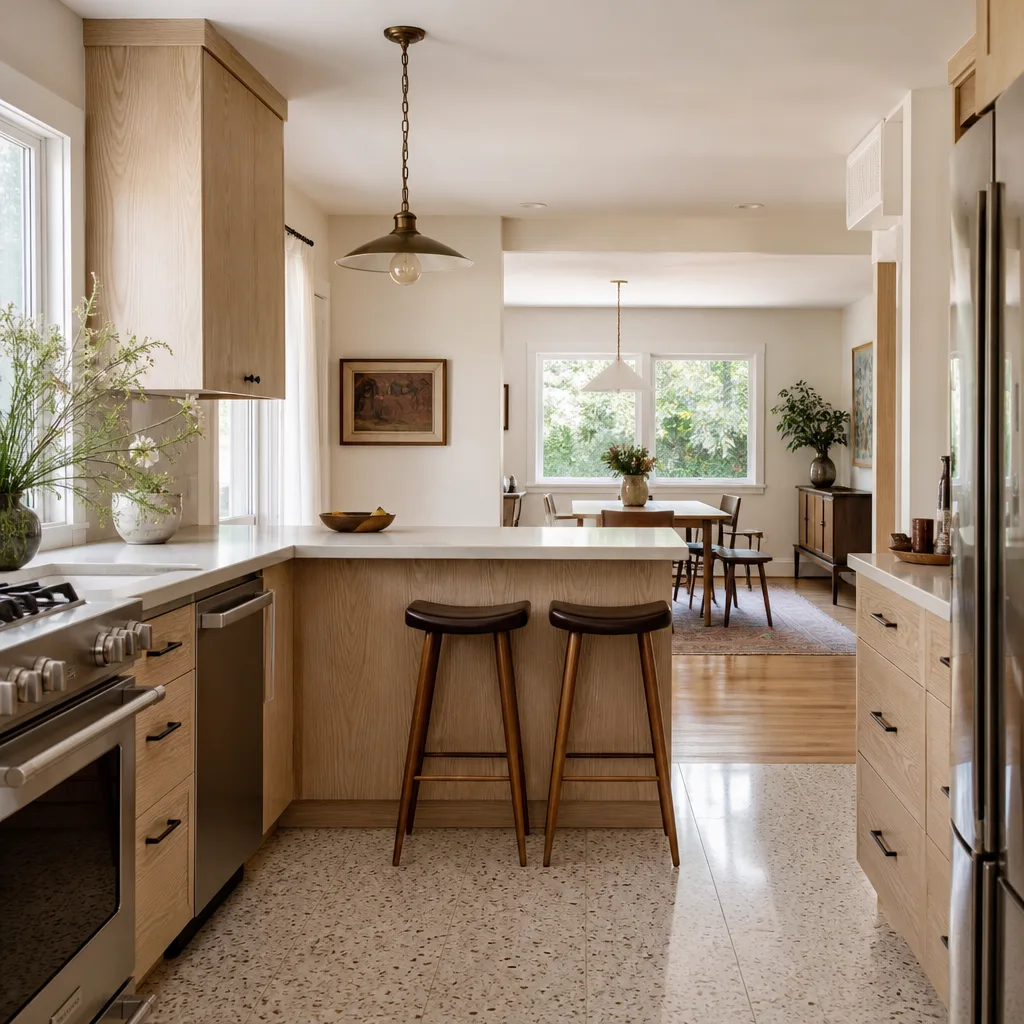
- Kitchen remodeling
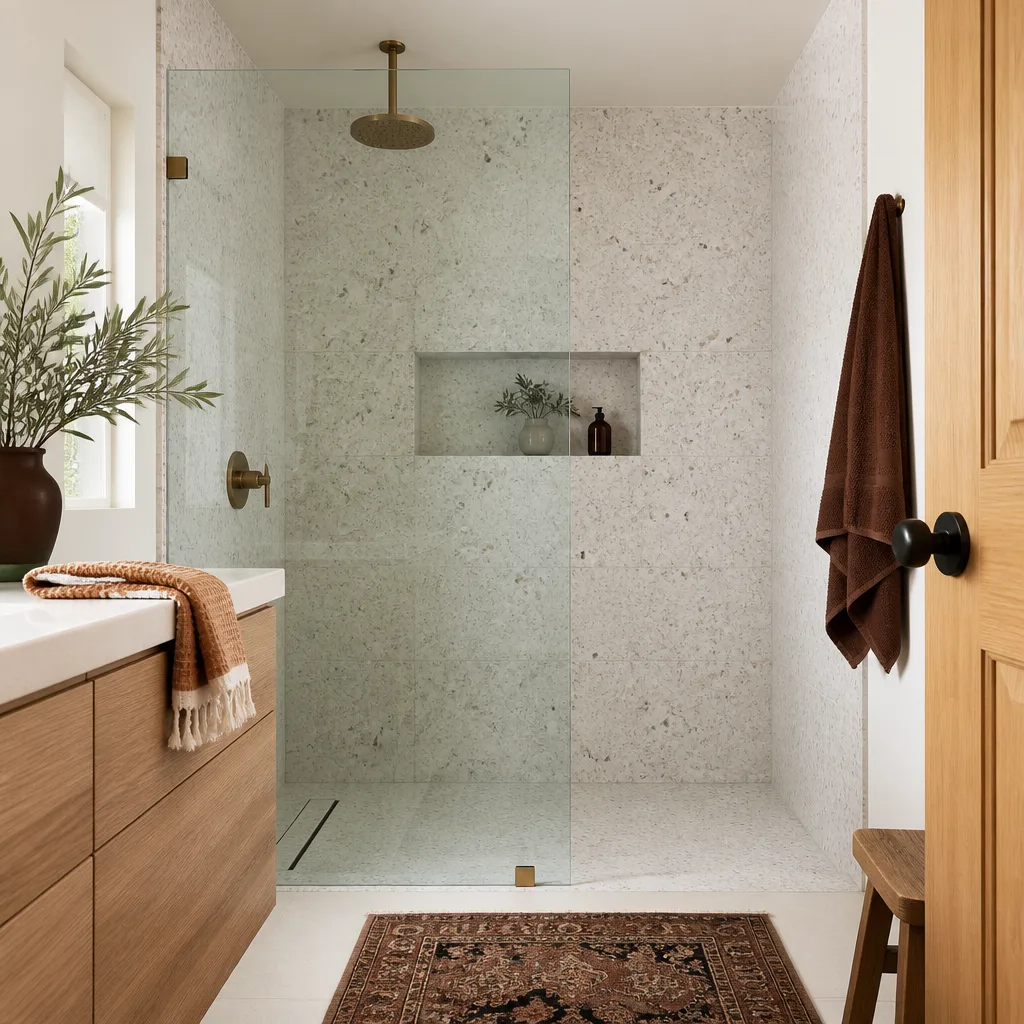
- Bathroom remodeling
- Home additions & ADU
- Roofing
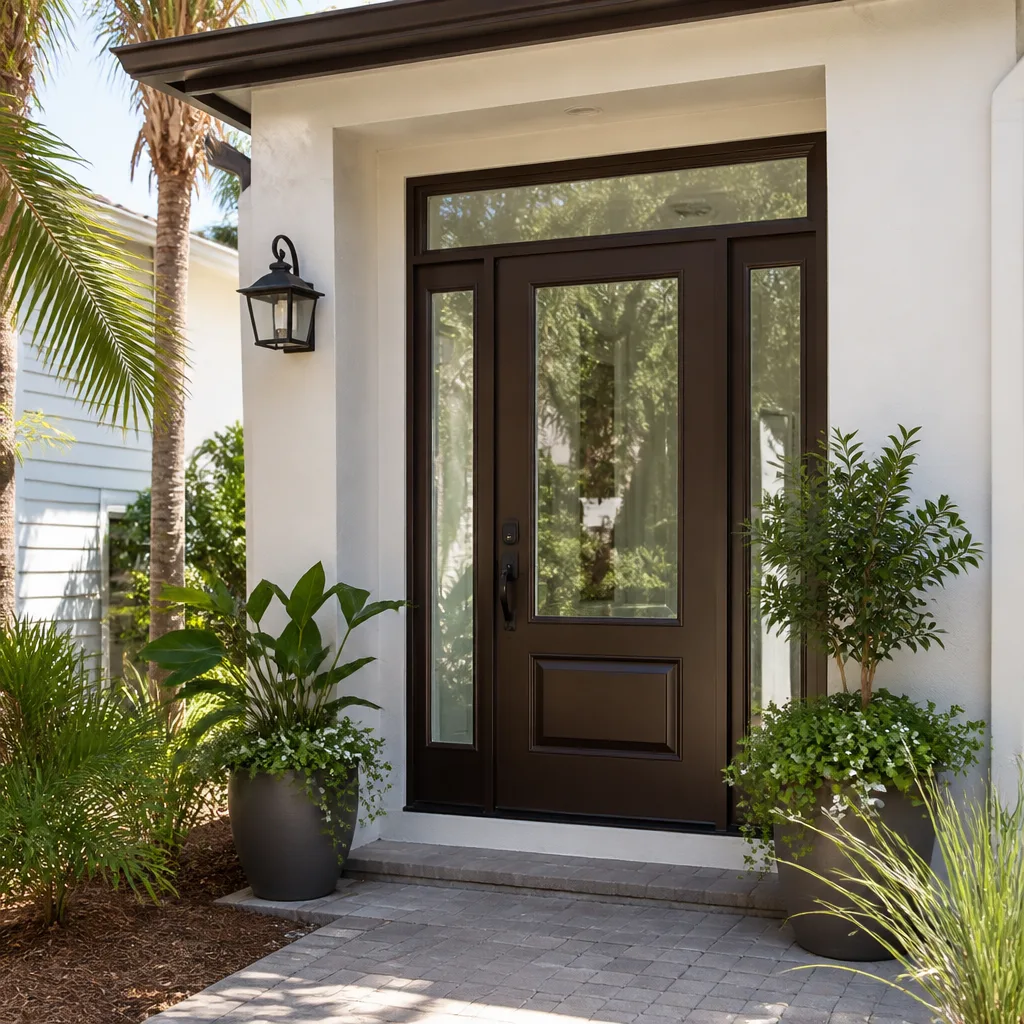
- Windows & doors
- Driveway & pavers
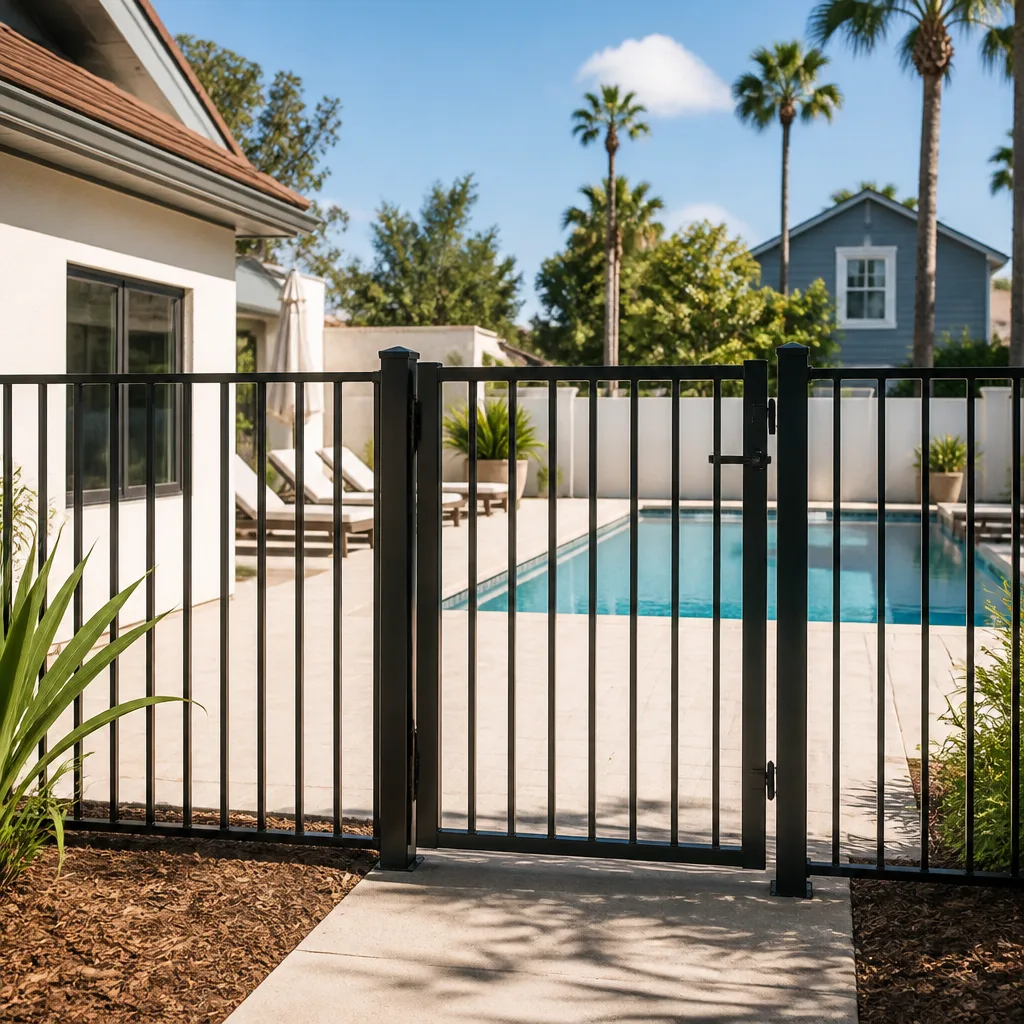
- Fence
Table of Contents
- The Full Timeline, Phase by Phase
- How Long Beach Permits Affect Your Start Date
- The Variables That Add Days and Weeks
- Curing and Settling: Why You Can’t Drive on New Pavers Yet
- Building a Realistic Contract Timeline With Contingency
- How Long Beach Climate and Soil Shape the Schedule
- Decorative Patterns vs. Standard Running Bond: Time Difference
- Typical Time Ranges at a Glance
The Full Timeline, Phase by Phase
Here’s what a paver driveway actually looks like on a calendar, broken into the ten stages that make or break the job. The ranges below assume a standard two-car driveway of roughly 400-600 square feet. Larger driveways scale up proportionally, and tight Long Beach lots with alley access can add haul-away time because equipment can’t always get close to the work.
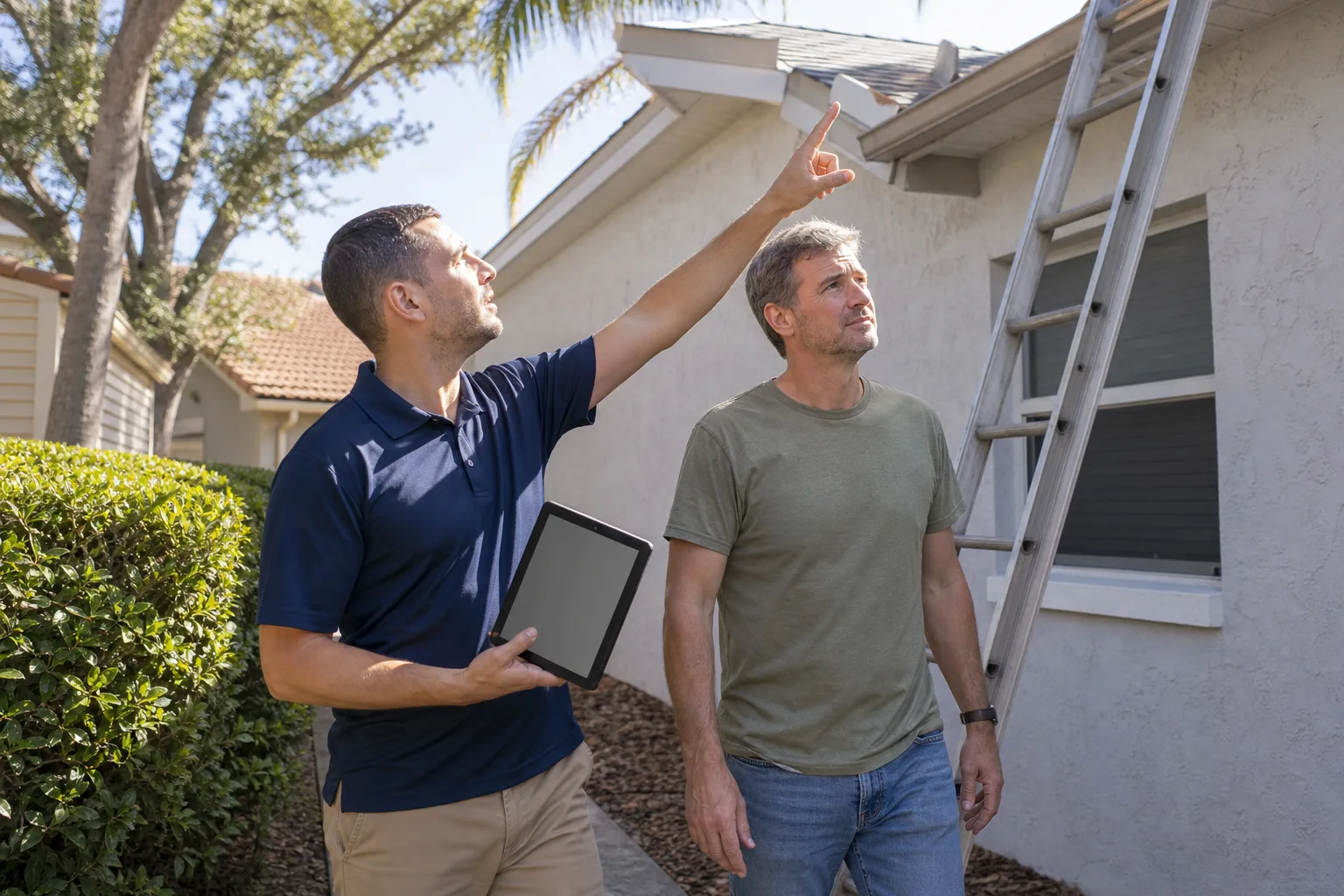
- Site assessment and layout (half a day, before work): We mark utilities, confirm drainage slope, and measure. On a Long Beach lot near 4th Street or in Belmont Shore, this often means a quick check of what the previous surface was, because older homes sometimes have a second layer of concrete poured over the first.
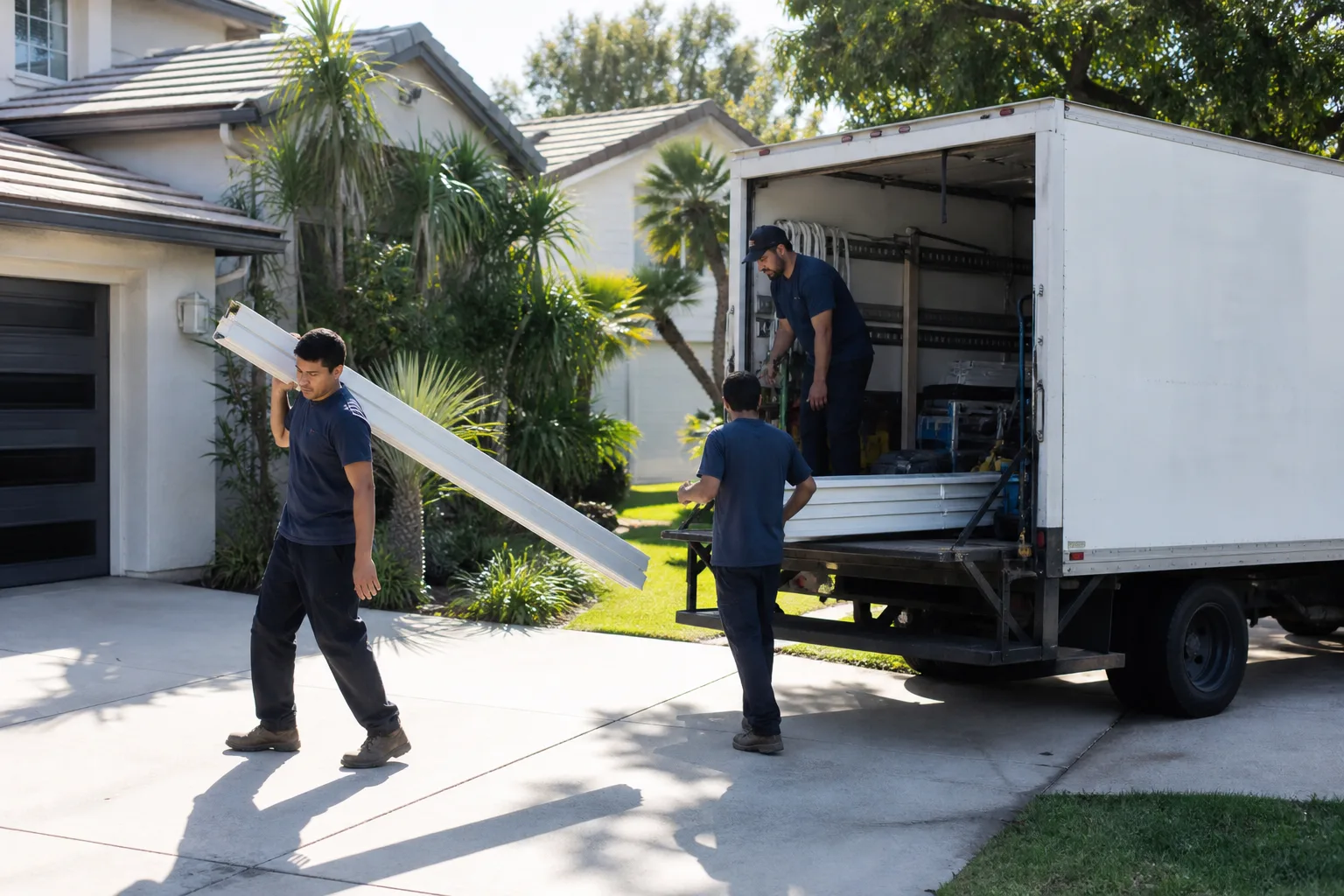
- Demolition of the existing surface (0.5-1 day for asphalt, 1-2 days for concrete): Concrete is slower to break and heavier to remove. A 4-inch slab under a 500-square-foot driveway becomes roughly 8-10 tons of debris that has to go somewhere.
- Haul-away (0.5-1 day): Dumpsters in Long Beach require placement where they won’t block alley access or violate street permits, which occasionally splits hauling across two days.
- Base excavation (0.5-1 day): We remove 6-8 inches of soil to make room for base, bedding, and pavers. This is the stage where surprises hide: roots, old footings, buried irrigation, or construction debris from a previous remodel.
- Base placement and compaction (1 day): Class II base rock goes in lifts, each compacted. Skipping lifts is the most common shortcut, and it’s the one that shows up as a wavy driveway two rainy seasons later.
- Bedding layer and grading (0.5 day): A one-inch layer of bedding sand, screeded to slope toward the street or a drain. Water has to leave the driveway, and in Long Beach the goal is drainage that doesn’t dump onto a neighbor’s property.
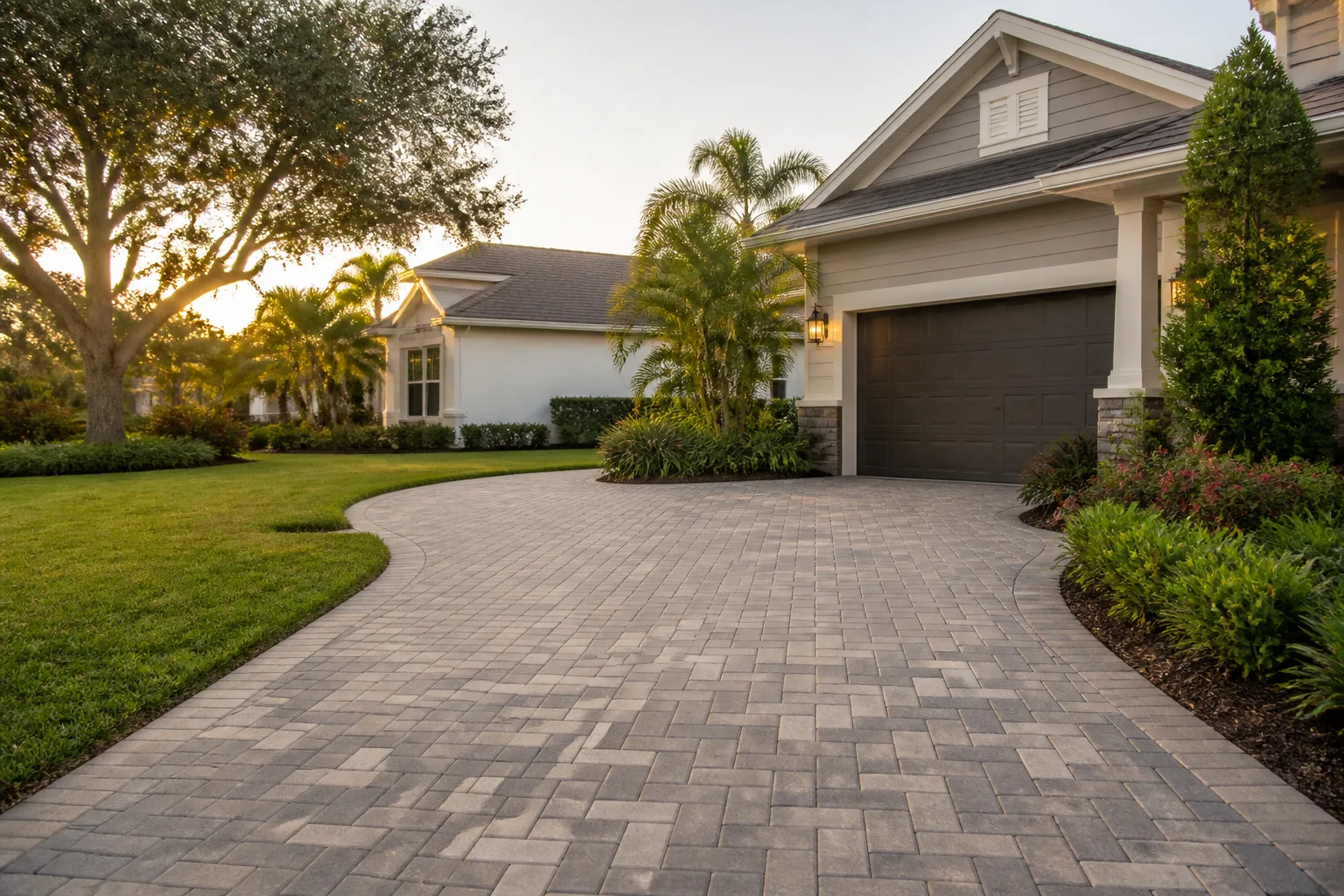
- Paver laying (1-2 days): A two-person crew lays roughly 400-600 square feet per day in standard running bond. Complex patterns slow this stage down.
- Cutting and edge restraints (0.5 day): Perimeter cuts, cuts around drains, and the edge restraint that keeps the field from spreading. Cutting is done with a wet saw on site and takes longer than people expect, especially on curves.
- Joint sand and compaction (0.5 day): Polymeric or fine joint sand swept into the joints, then the whole field compacted again to lock pavers into the bedding.
- Sealing (0.5 day, optional but recommended, done 30-90 days after installation): Sealer goes on after the pavers have settled and the surface is fully dry. It’s not part of the install week; we schedule it as a separate visit.
Add it up and you get the 3-5 day active install figure, with a fourth or fifth day most likely on concrete demo jobs. For more on what the finished product involves, see our Driveway & Pavers in Long Beach service page.
How Long Beach Permits Affect Your Start Date
Residential driveway permits in Long Beach typically run 2-10 business days for routine work, and longer if the project triggers a grading review or touches a public right-of-way like an apron or curb cut. The permit isn’t paperwork theater; it’s the item that defines whether your contractor can legally start on Monday. A contractor who says “we’ll break ground Monday” before a permit has been pulled is telling you something important about how the rest of the job will go.
Two Long Beach-specific realities to plan for:
- Right-of-way work needs its own approval. If your driveway apron crosses the sidewalk or the curb cut changes, the city reviews that separately from the private-property work. That review can push the start date out a week or more, so it belongs in the schedule from day one, not discovered in week two.
- Homeowners’ association and historic district rules can layer on top. Parts of Long Beach have design review overlays, and a paver color or pattern change may need sign-off before the city permit clears. We ask about this during the estimate, because a surprise design review is a two-week delay nobody budgets for.
A clean quote names the permit as a line item with a stated pull timeline and who’s pulling it. We pull residential permits for our jobs and pass inspections before the final invoice; that’s part of earning the 730-Day Done Right Promise we put behind every project. If the quote is silent on permits, ask directly: who pulls it, when, and what happens to the schedule if the city asks for revisions. The answer tells you how the contractor handles the whole job.
The Variables That Add Days and Weeks
Optimistic quotes fail because they assume the easy version of the site. Here are the variables that actually move the calendar, in rough order of how often we see them in Long Beach.
- Existing concrete demo (adds 1-3 days): The buried-slab surprise. If the old concrete is thick, reinforced, or sitting on top of an older slab, the demo and haul-away costs double or triple what the quote assumed.
- Root removal (adds 0.5-2 days): Ficus and eucalyptus roots near Long Beach parkways can be as thick as a forearm and travel under the driveway. Removing them sometimes requires a stump grinder and an arborist consult if the tree is protected.
- Drainage correction (adds 0.5-2 days): In low-lying blocks near Alamitos Beach or Naples, water can pool where the new driveway meets the garage. Fixing that means adding a drain, adjusting grade, or both, and it’s the correction that prevents a flooded garage during the first winter storm.
- Decorative patterns (adds 0.5-2 days): Herringbone, ashlar, and other non-running-bond layouts take longer to lay and generate more cut waste. A 600-square-foot herringbone field can add a full day over standard running bond.
- Material lead time (adds 1-3 weeks if not ordered early): Paver selections from brand partners like Belgard ship on their own timelines. We order as soon as the contract is signed, because waiting until demo day to order pavers is how a one-week job becomes a three-week one.
- Weather windows (usually not a factor, but sometimes): Long Beach is dry most of the year, but the two or three storm weeks in winter can push a job if the base gets saturated. Base that’s too wet won’t compact properly, and we won’t install over it.
Each of these belongs in the contract contingency. A quote that names them as possible add-ons is more honest than one that ignores them, even if the ignoring quote looks cheaper at the kitchen table.
Curing and Settling: Why You Can’t Drive on New Pavers Yet
Here’s the part almost no homeowner plans for, and the part that causes the most misdiagnosed workmanship problems later: new pavers need time to settle before they take normal traffic. The bedding sand under the pavers compacts over the first weeks, and the joint sand needs to lock in. Driving on the surface too early is the single easiest way to create the rutting and shifting that people later blame on the contractor.
The realistic settling window looks like this:
- Days 1-3 after install: Foot traffic only. Keep vehicles off completely.
- Days 3-7: Light vehicle traffic on the driveway is generally fine once the joint sand has been swept in and the surface is dry. Avoid heavy trucks, trailers, or anything with a sharp turning radius for longer.
- Weeks 2-8: The field continues to settle. You may see small sand loss in joints; this is normal and usually resolves with a top-up.
- 30-90 days: Sealing window. Sealer applied to a fully dry, settled surface is what protects the color and locks the sand in. Sealing too early traps moisture and can cause hazing.
Two Long Beach-specific notes: salt air from the beach accelerates surface wear on unprotected pavers, and in blocks closer to the coast the daily marine layer keeps the surface damp longer, so sealing may need to wait a few extra weeks in spring. That’s not a delay to fight; it’s a delay that protects the investment. For a broader picture of how we handle exterior projects, our Fence Installation in Long Beach page covers the same settle-and-seal logic around wood.
Building a Realistic Contract Timeline With Contingency
A paver driveway contract should read like a schedule, not a promise. Here’s how to structure one so that surprises become handled items instead of disputes. We build every Long Beach proposal this way, and it’s the single best protection a homeowner has against a job that drags.
- Start date contingent on permit issuance, not on a verbal promise. The contract should say the start date is set once the permit is in hand, with a stated expected pull window (for Long Beach, typically 2-10 business days).
- Phase-by-phase durations in writing. Demo, haul-away, base prep, laying, cutting, and sanding each get their own day-range in the contract, not a lump “5-7 days” line.
- A contingency allowance for hidden conditions. A written “if we find a buried slab, roots, or drainage issues, here’s the added time and cost” clause. A contractor who won’t put that in writing is telling you who eats the surprise.
- Change-order process defined upfront. Any added work needs a written change order signed before it happens. That protects both sides.
- Material order date pinned to contract signing. Pavers get ordered the day you sign, with a stated lead time from the supplier.
- Inspection milestones identified. If the work touches right-of-way or grading, the inspection pass date belongs in the schedule.
- A closing walkthrough and warranty date. The contract should close with a scheduled walkthrough and a clear statement of the workmanship warranty. Ours is the 730-Day Done Right Promise; if it’s not done right, we make it right, and that starts from the day after the final inspection.
With those seven elements in place, a schedule delay is an event with a defined response, not a fight. It also makes the quote comparable: two contractors quoting the same job with the same contingency structure can be evaluated side by side. For projects that combine a driveway with other exterior work, our Home Additions & ADU in Long Beach page covers how we stage multi-trade schedules.
How Long Beach Climate and Soil Shape the Schedule
Long Beach sits on a coastal plain with a mix of sandy soils, old fill, and pockets of expansive clay. That mix matters for a paver driveway because base prep is where the schedule risk lives. In sandy areas closer to the beach (Belmont Shore, the Peninsula), base compaction needs a little more care because sand moves. In older inland neighborhoods near Signal Hill, clay can hold water and slow compaction if a winter storm hits mid-job.
The good news is Long Beach’s climate is mostly friendly to paver work. We can install nearly year-round, with winter storms being the only regular season to plan around. Summer means scheduling work earlier in the day to avoid the hottest surface temperatures, which affects the paver manufacturer’s recommendation for sealant application. Marine layer mornings in late spring can delay the sealing visit specifically, but the install itself is rarely affected.
What that means for your timeline: the install week is reliable year-round; the sealing visit is more weather-sensitive and might wait for a dry stretch. If you’re planning around an event like family visiting for the holidays, the driver of your schedule is the permit and material order, not the weather.
Decorative Patterns vs. Standard Running Bond: Time Difference
Standard running bond is the fastest pattern to lay, and the one most quotes assume. It’s a classic look and it suits Long Beach’s Spanish and mid-century homes well. Decorative patterns take longer because the crew spends more time on cuts and layout, and because a patterned field generates more waste material.
- Standard running bond (fastest): 400-600 square feet per crew day. Best for budget and speed.
- Basketweave or stack bond: Roughly 15-25% slower than running bond. A good middle option for a Courtyard-style home.
- Herringbone: Roughly 25-40% slower, with more cut waste. Beautiful and very durable, but plan for an extra half-day to full day on a standard driveway.
- Custom inlays or borders: Variable. A border with a contrasting color can add a half-day alone, because the border has to be cut and laid before the field.
If a contractor’s quote for a herringbone driveway is the same duration as running bond, ask why. Either the crew is very experienced with that pattern (possible) or the quote is underestimating the time (also possible). Getting that clear at the estimate stage prevents the classic “we need one more day” call mid-job.
Typical Time Ranges at a Glance
Here’s the same calendar as a quick reference. Ranges assume a 400-600 square foot driveway, standard running bond, and typical Long Beach site conditions.
- Permit pull: 2-10 business days (Long Beach residential)
- Material lead time: 1-3 weeks from contract signing
- Demo and haul-away: 1-3 days (asphalt at the low end, reinforced concrete at the high end)
- Base excavation and compaction: 1-2 days
- Bedding and grading: 0.5 day
- Paver laying: 1-2 days (up to 2.5 with herringbone)
- Cutting and edge restraints: 0.5 day
- Joint sand and final compaction: 0.5 day
- Total active install: 3-5 days
- Settling period before heavy traffic: 1-2 weeks
- Sealing visit: 30-90 days after install
- Full project calendar, first call to sealed driveway: 4-8 weeks
That last number is the one to hold onto. If a contractor quotes you a 5-day total project from first call, they’re either leaving out the permit or the material order. Both are real calendar items, and both belong in the plan.
Common Mistakes to Avoid
- Signing a quote with a start date but no permit timeline. If the contract says “start Monday” and doesn’t say “pending permit issuance,” you’ve just accepted a schedule the contractor can’t legally keep. In Long Beach that’s a real risk given the 2-10 business day pull window.
- Assuming the price includes concrete demo. A quote written for asphalt removal applied to a concrete driveway is a $2,000-$5,000 surprise. Make the contractor state exactly what’s under the surface and what it costs to remove.
- Driving on the driveway too soon. The most common cause of early rutting and shifting isn’t bad workmanship; it’s the owner moving the truck onto the driveway on day one. Follow the settle window.
- Skipping the sealing visit. In coastal Long Beach, unsealed pavers can fade and take on salt-air wear within a few seasons. Schedule the 30-90 day sealing visit at the same time you sign the install contract.
- Not asking who pulls the right-of-way permit. If your driveway apron crosses the sidewalk, the city’s right-of-way review adds time and cost. A contractor who hasn’t flagged that is either planning to skip the permit or hasn’t looked at your site carefully.
- Choosing the lowest quote without comparing contingencies. The lowest bid is often the one with the most silent add-ons: no demo allowance, no root removal, no drainage correction. The fair comparison is total price with contingency included.
- Planning around a decorative pattern without adjusting the schedule. Herringbone adds a day. If you’re hosting a party a week after the quoted finish, either pick running bond or accept the extra day.
See the difference
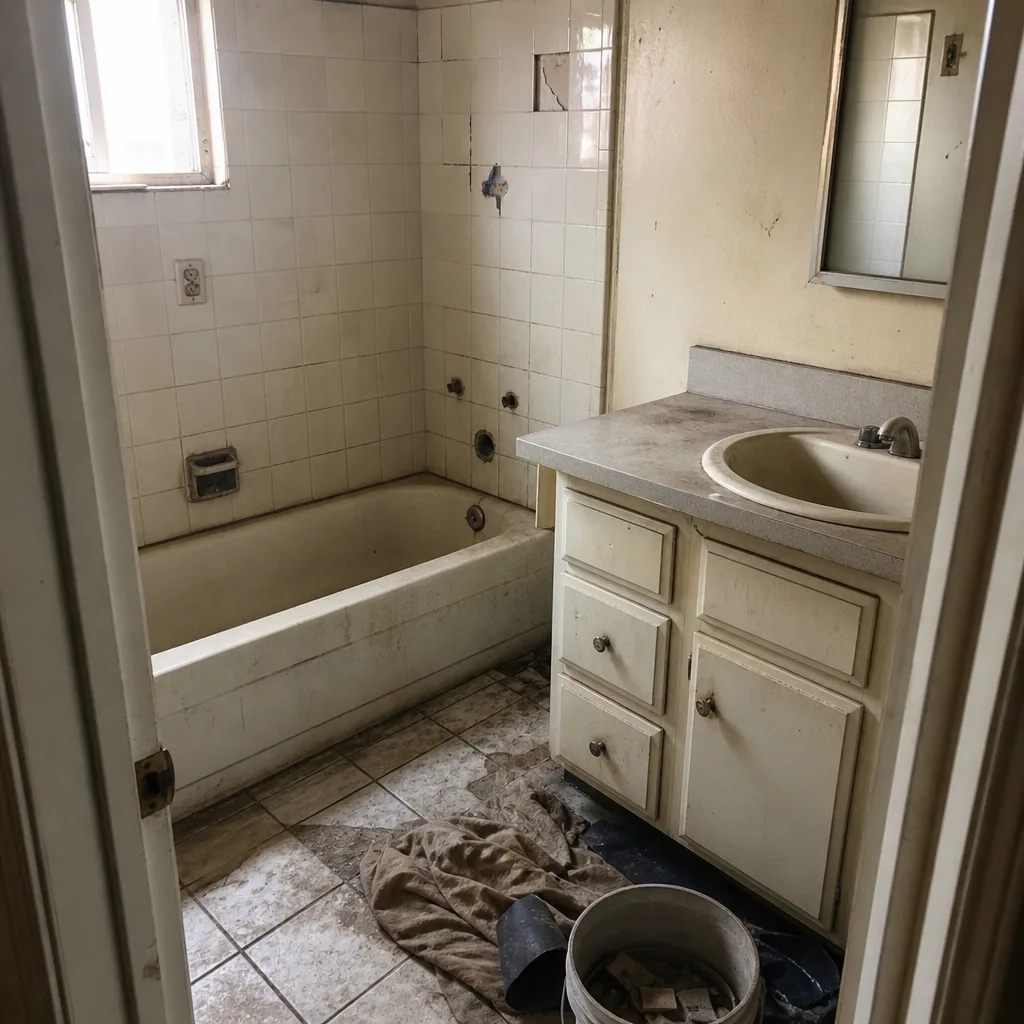 Before
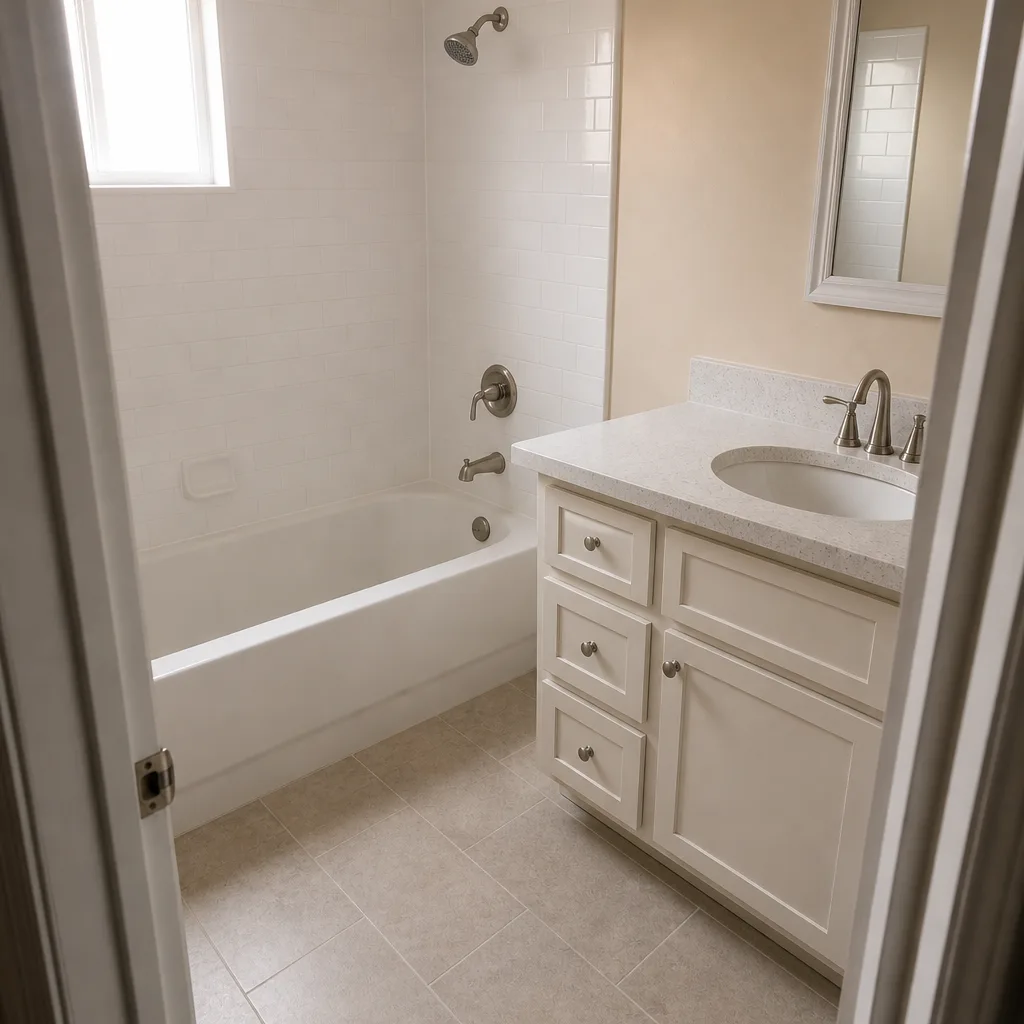 After
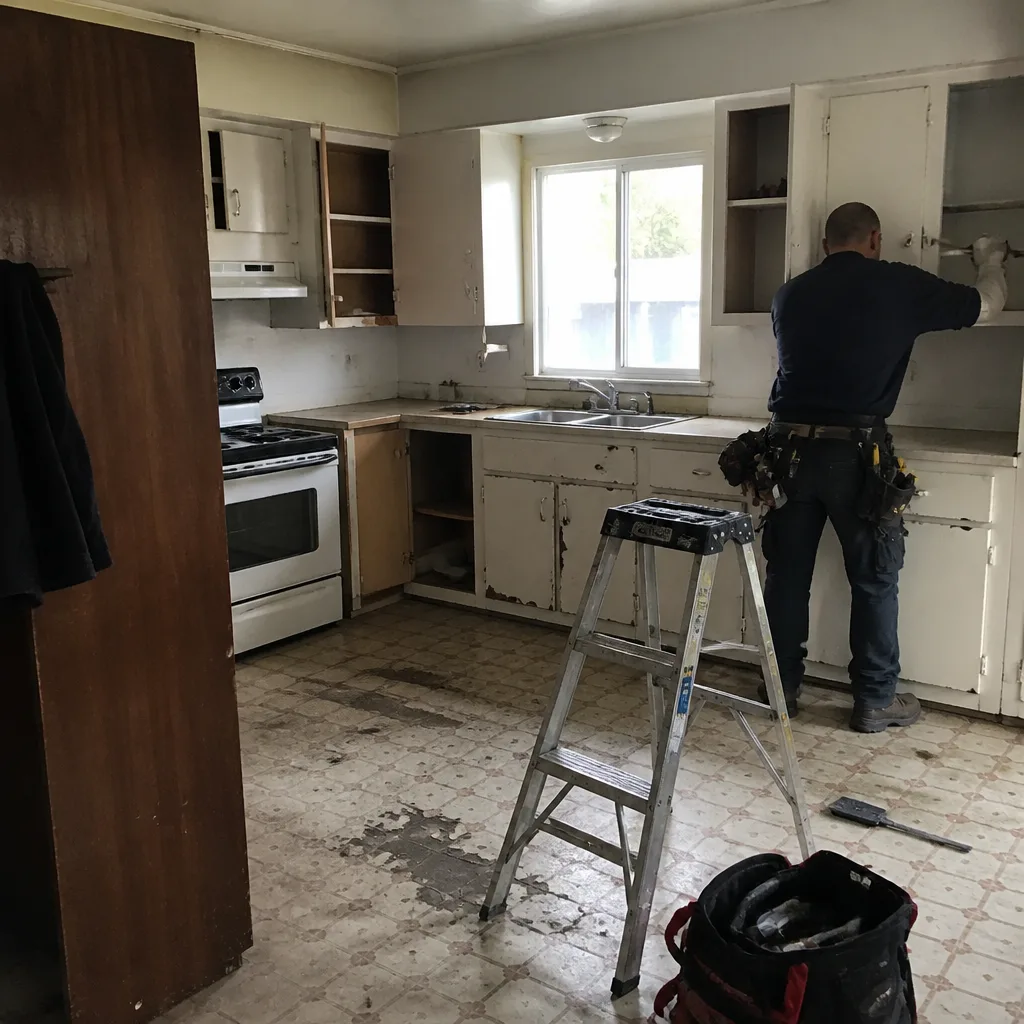 Before
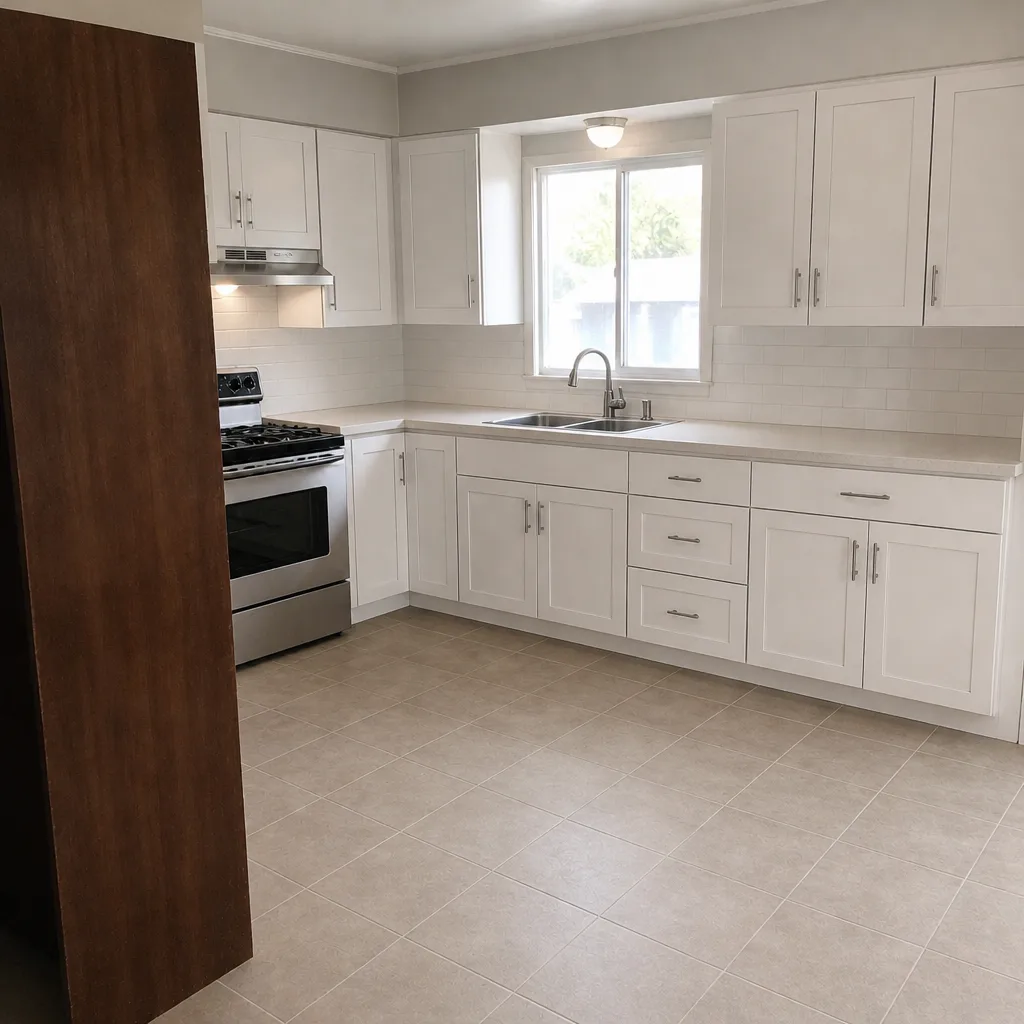 After
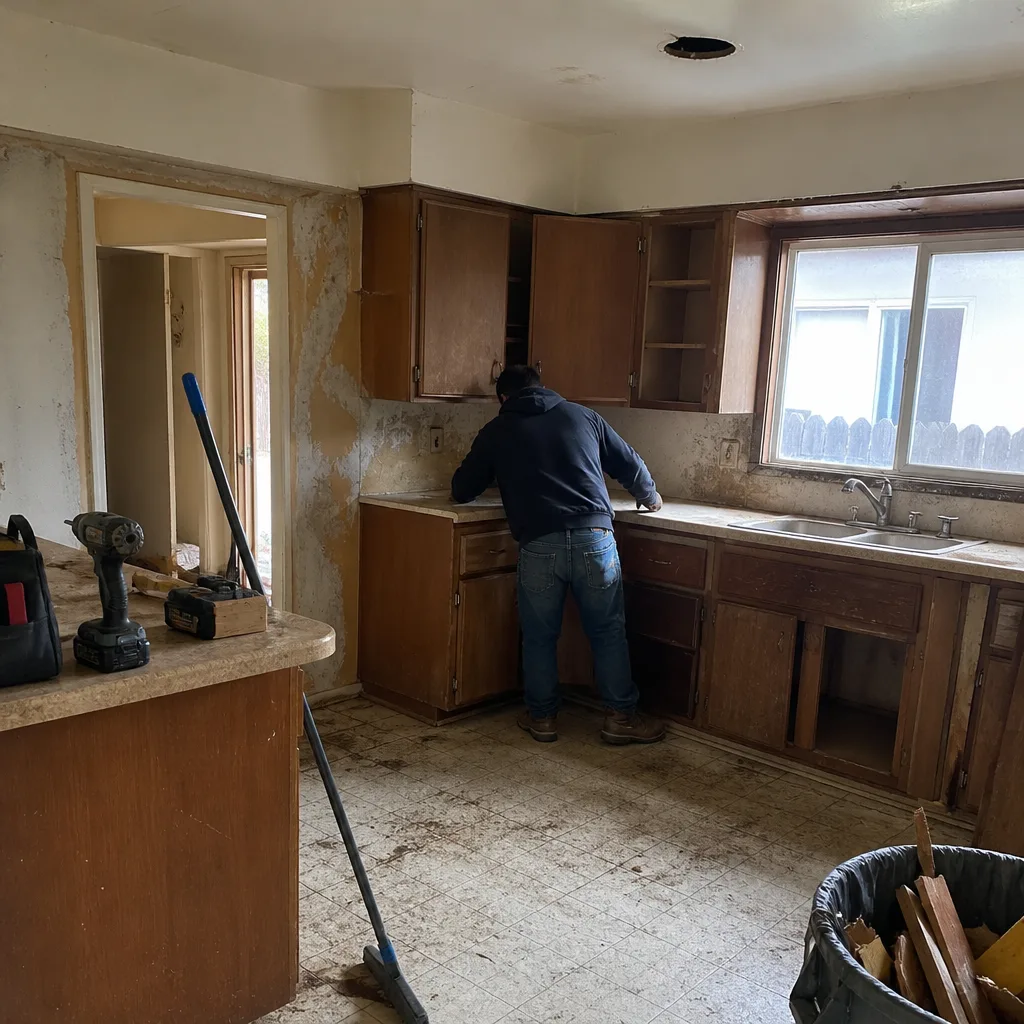 Before
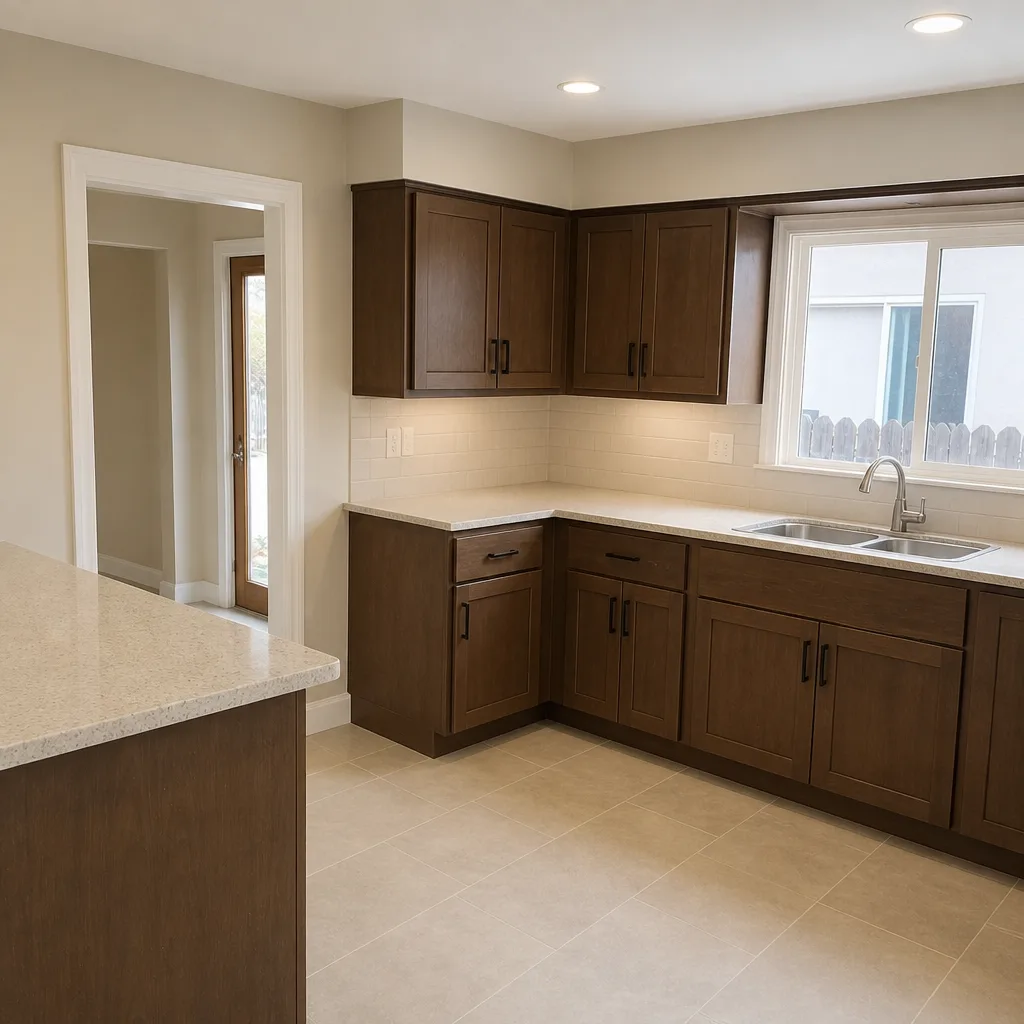 After
When to Call a Professional
Paver driveways aren’t a weekend DIY project. The work involves demolition, compaction equipment, precise slope grading, and wet-saw cutting, and any one of those done wrong produces a driveway that looks fine for a season and then fails. Call a professional if:
- You have an existing concrete driveway that needs removal (equipment and haul-away are beyond most homeowners).
- Water pools at your garage door or along the driveway edge during rain.
- Your property has trees with roots under or near the driveway.
- Your driveway touches a sidewalk, curb cut, or other public right-of-way.
- You’re planning decorative patterns that rely on precise cuts to look right.
- You want a written warranty behind the work; a paver driveway is a 20-plus-year surface, and the warranty should match.
Groundwork Construction Co. of Long Beach offers free estimates in Long Beach – call (888) 345-8164. We walk the site, identify what’s under the surface, and give you a written phase-by-phase schedule with contingency windows, backed by the 730-Day Done Right Promise and upfront pricing with no surprises. Our technicians have up to 12 years of experience, and every project is staffed by background-checked, uniformed technicians.
Frequently Asked Questions
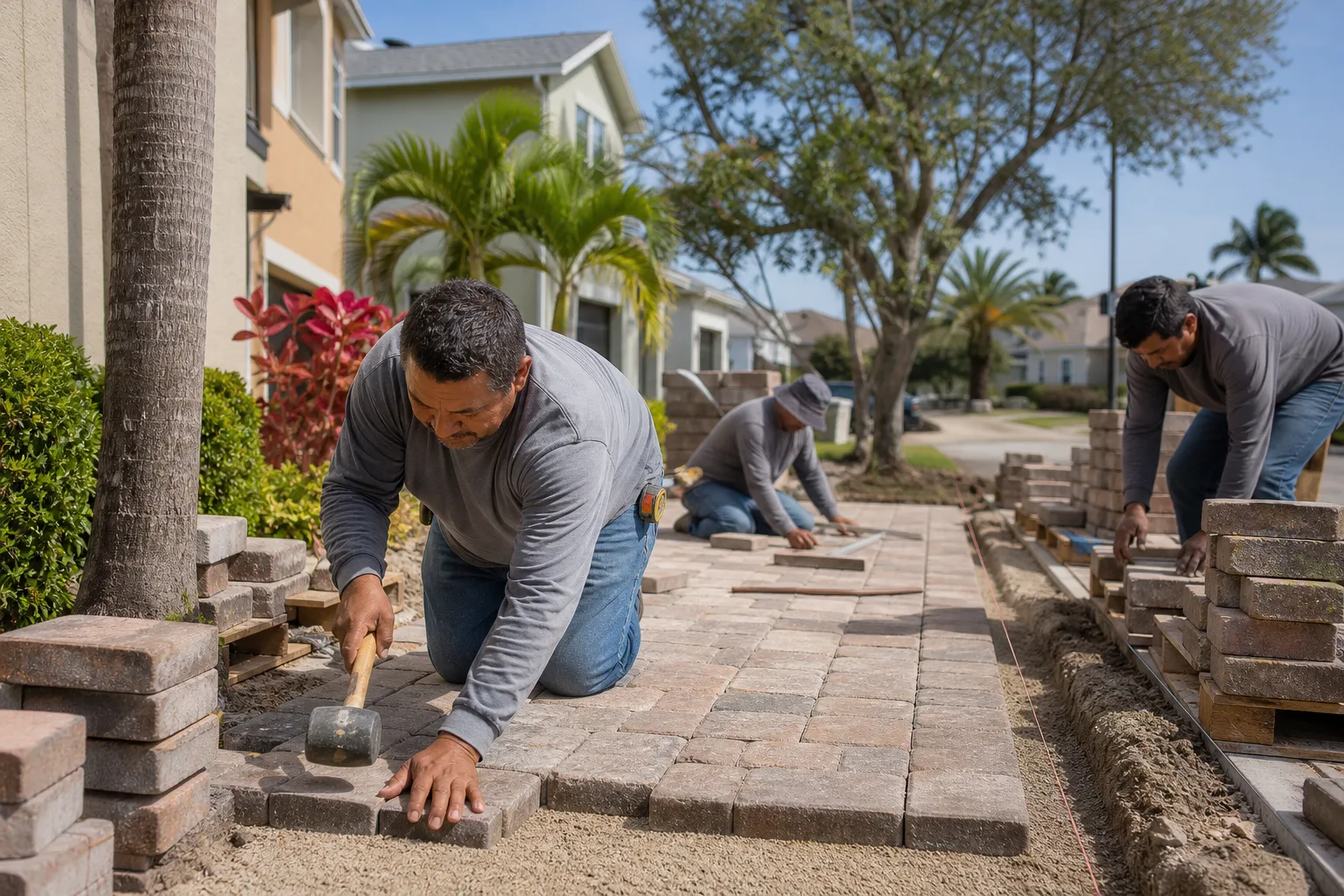
A paver driveway in Long Beach takes about 3-5 days of active installation once work starts, and 4-8 weeks from first call to a sealed driveway when you include permit pull (typically 2-10 business days), material lead time (1-3 weeks), and the 30-90 day sealing visit. The biggest single variable is demolition: a concrete driveway takes 1-3 days to remove and haul, while asphalt can be done in a day. Call (888) 345-8164 for an exact schedule on your site – estimates are free.
Most residential driveway replacements in Long Beach require a permit, and any work that touches the sidewalk or curb cut triggers a separate right-of-way review. The permit pull typically takes 2-10 business days, and it’s the item that sets your actual start date. We pull the residential permit for our jobs and pass inspections before the final invoice. Call (888) 345-8164 to get a written permit timeline for your project.
No. Keep vehicles off the driveway for at least the first 3 days after installation, and avoid heavy trucks or trailers for 1-2 weeks. The bedding sand needs time to compact and the joint sand needs to lock in. Driving early is the number one cause of the settling and rutting that homeowners later blame on the contractor. Call (888) 345-8164 if you’re unsure about your specific install schedule.
Not if the quote is honest and the contract has a written change-order process. The price changes when hidden conditions appear: a buried concrete slab, tree roots, or drainage issues that require correction. A fair contract lists those conditions upfront with stated add-on ranges, and any added work requires a signed change order before it happens. We build every Long Beach quote with upfront pricing and no surprises, backed by the 730-Day Done Right Promise. Call (888) 345-8164 for a written line-item estimate.
Herringbone runs roughly 25-40% slower to lay than standard running bond, which typically adds half a day to a full day on a 400-600 square foot driveway. Basketweave and stack bond fall in between at 15-25% slower. The extra time comes from more cuts and more waste. Call (888) 345-8164 for a schedule that reflects the pattern you want.
Sealing should wait 30-90 days after installation, once the surface has fully settled and dried. Sealing too early traps moisture and can cause hazing, and in coastal Long Beach the marine layer can push the dry window a few extra weeks in spring. We schedule the sealing visit as a separate appointment so it’s not lost in the install week. Call (888) 345-8164 to book a schedule that includes the seal date.
The Bottom Line
A paver driveway is a 3-5 day install wrapped inside a 4-8 week project, and the difference between a smooth experience and a frustrating one is whether your contractor’s quote reflects that. The real drivers of your schedule are permit pull (2-10 business days in Long Beach), material lead time, demo of the existing surface, and site conditions hiding under the old driveway. Build a contract with phase-by-phase durations, written contingency for hidden conditions, a change-order process, and a scheduled walkthrough at the end. If the quote is honest and the schedule is real, the driveway you get is one that looks right for 20 years or more. That’s the point of the timeline: it protects the result. If you’re ready to see what a real schedule looks like for your Long Beach property, our team writes them every week, and a company that treats the calendar this seriously is a good sign for the actual work.
Groundwork Construction Co. of Long Beach builds driveway and paver projects with written schedules, upfront pricing, and the 730-Day Done Right Promise behind every install. We answer the phone with a live person 24/7, arrive in uniform, and pull permits on every job that needs one. Current offers include a free project estimate and design consult, 0% financing for 18 months, and $1,000 off projects over $10,000. For a walk-through of your site and a schedule you can plan around, call (888) 345-8164. You can learn more about how we work at our Groundwork Construction Co. of Long Beach home page.
Written by the team at Groundwork Construction Co. of Long Beach.