Free written scope consultation - allowances, timeline, and change-order rules on paper before a single trade is scheduled
Iron Fence in Lynwood, CA: What It Costs and What It Takes
A wrought iron fence in Lynwood usually runs $3,500 to $9,000 for a typical front-yard run, and most jobs take two to four days from the time we set the posts to the time we hang the gate. The number climbs for long property lines, slope, and ornate designs. Call (888) 345-8164 for a free on-site estimate and a written, line-item quote before anyone touches a shovel.
How an Iron Fence Goes In, Stage by Stage
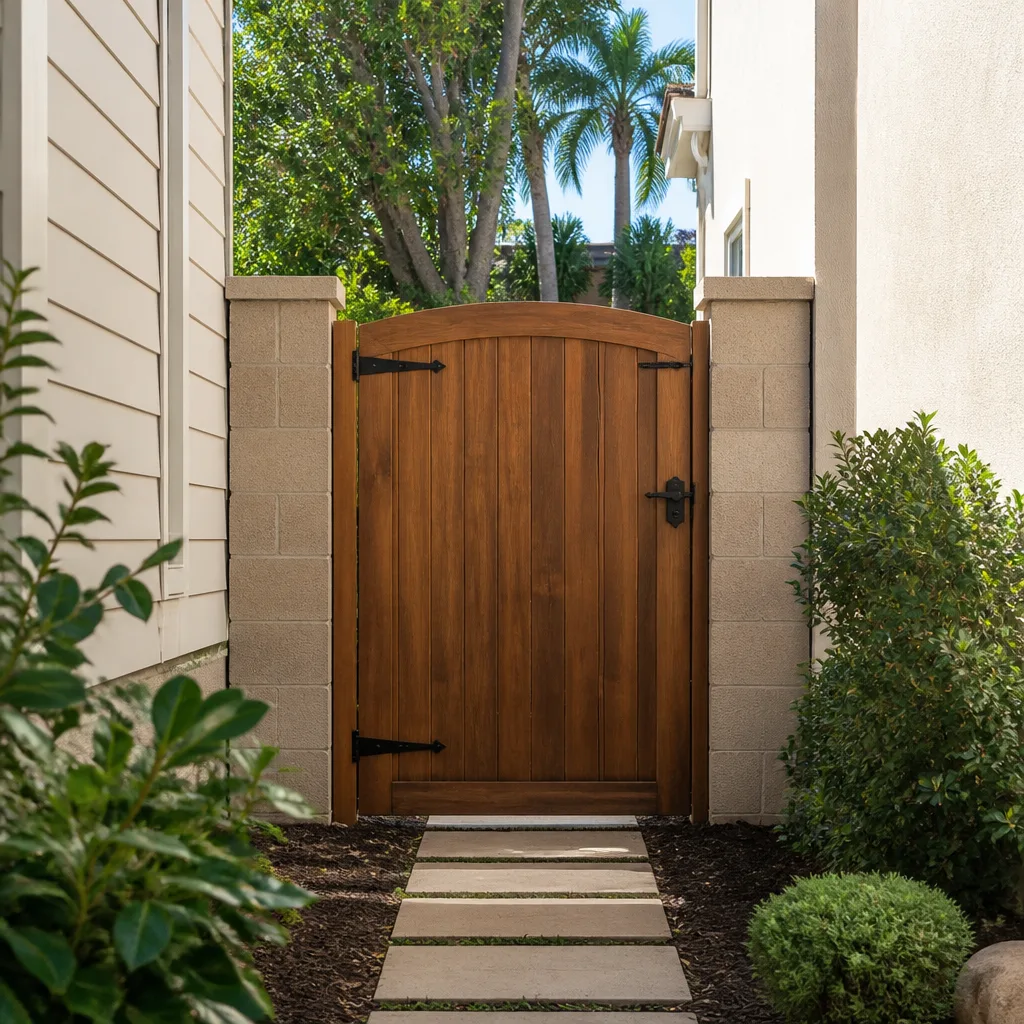
Iron fencing lives or dies on the posts. The panels are forgiving and the fence itself is quiet, but a post set shallow or in loose soil will lean within a year, and in a city this dense that lean means a gate that drags, a panel that racks, and a homeowner calling us back. Here is the sequence we actually follow.
Day 1: Staking, locating, and the site check
We walk the property line with you and mark the corners before anything gets cut. That’s also the day we call for utility locating, which in Lynwood matters more than people expect: old detached garages, converted rooms, and buried irrigation lines from decades of unpermitted work show up on a lot this size. The homeowner decides the exact path of the fence and where the gate or gates land. Give that conversation a full hour if you have strong feelings about it.
Day 1 into Day 2: Setting posts and pouring footings
We dig each post hole, then set posts in concrete footings sized to the post and soil. On a standard 4-foot fence, posts go roughly 6 to 8 feet apart, tighter where the run turns or where a gate hinges. Footings need time to cure before load goes on them, so this is the stage where a two-day job turns into three if the crew sets everything one afternoon and returns the next morning. We don’t rush the cure. The gate is the first thing to betray a rushed footing.
Day 2: Rails, pickets, and hardware
Panels and pickets hang on the cured posts. On welded panels this is fast; on custom picket work it’s slower and more careful, because spacing has to stay even up the whole run. Hardware gets mounted here too: hinges, latch, and any gate closers. You’ll want to decide at this point whether the gate swings inward or outward and where it latches. We’ll usually recommend the swing that keeps the gate clear of a driveway apron.
Day 3: Gates, locks, and finials
The gate frames are heavier stock than the field panels, so we hang them last once the fence line is true. This is also when decorative finials, scrollwork tops, or caps go on if you chose them. If you’re adding an automatic opener, the wiring and power source get addressed here so you’re not retrofitting conduit through finished ground later.
Day 3 into Day 4: Touch-up, clean-up, and walkthrough
Field welds and cut ends get touched up with matching finish, the ground gets raked, and we walk the whole line with you. Anything that rattles, sticks, or sits proud gets fixed on the spot. The final walkthrough is where the 730-Day Done Right Promise starts in your head, and where most fence complaints would have been caught if they were going to happen.
Styles & brands we work with
- Kitchen remodeling
- Bathroom remodeling
- Home additions & ADU
- Roofing
- Windows & doors
- Driveway & pavers
- Fence
The Choices That Actually Matter for Iron Fence
You’ll be choosing between materials, finishes, and styles, and each one has a real trade-off rather than a “premium” upsell. Here’s what the honest conversation looks like in a Lynwood driveway.
- Wrought iron versus steel versus aluminum. True wrought iron is heavier and holds detail beautifully, but it’s expensive and harder to source. Tubular steel is the workhorse; it takes a good powder-coat and holds up well. Aluminum is the lightest and cheapest of the three, resists rust best in a coastal-ish climate, but bends under impact where steel would hold. In Lynwood’s mostly front-yard applications, tubular steel at the mid-range is the sweet spot.
- Powder-coated versus painted finish. Powder-coating is baked on and lasts roughly three times longer than a field-applied paint job. It costs more upfront but pays back within a few years in a wet-winter, dry-summer climate. Painted finishes need a touch-up schedule you probably won’t keep up with.
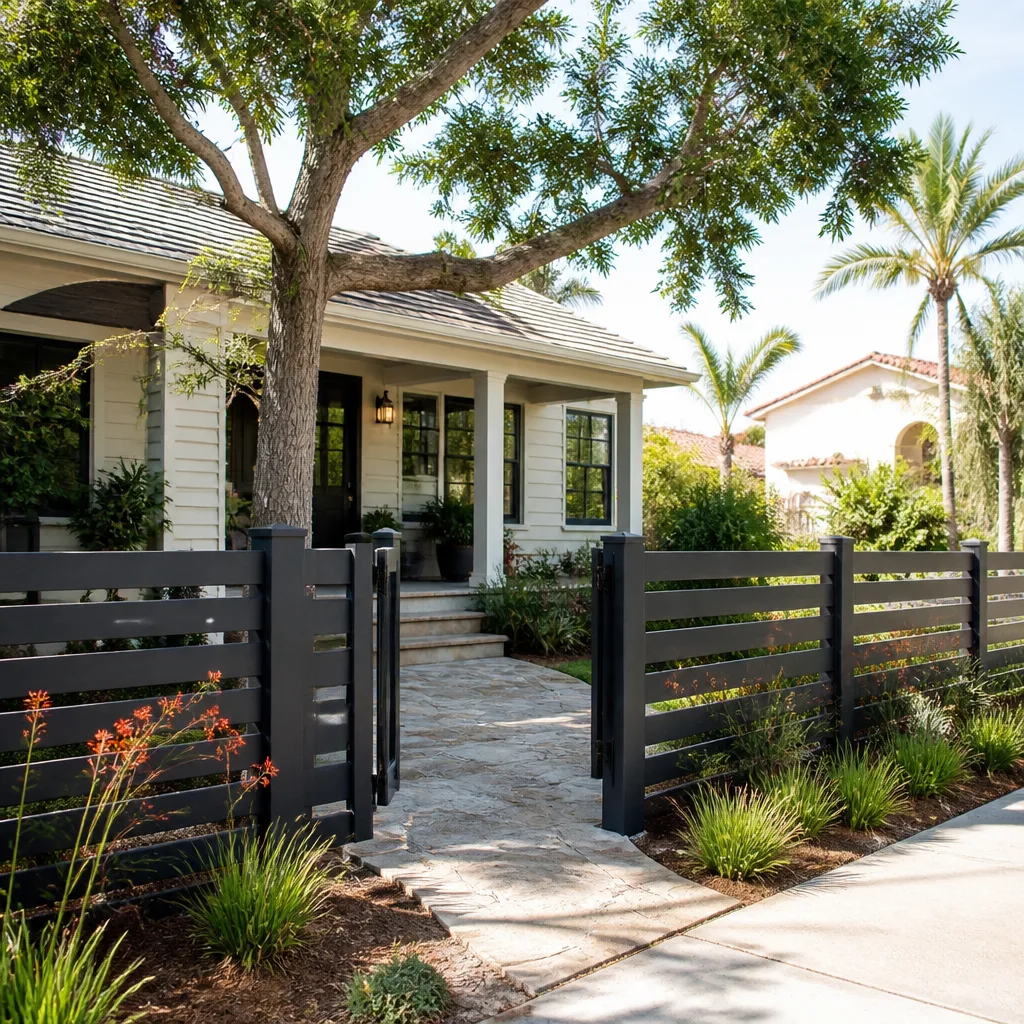
- Panel spacing and height. A 4-foot fence reads as boundary. A 6-foot fence reads as security and costs noticeably more per linear foot. Pickets 4 to 5 inches apart give privacy from the street without blocking the whole line of sight.
- Gate hardware and automation. Manual gates with quality hinges are simple and reliable. Automatic openers add real cost and require power at the gate, which sometimes means trenching across a sidewalk or driveway. Worth it for a driveway gate; rarely worth it for a front walk gate.
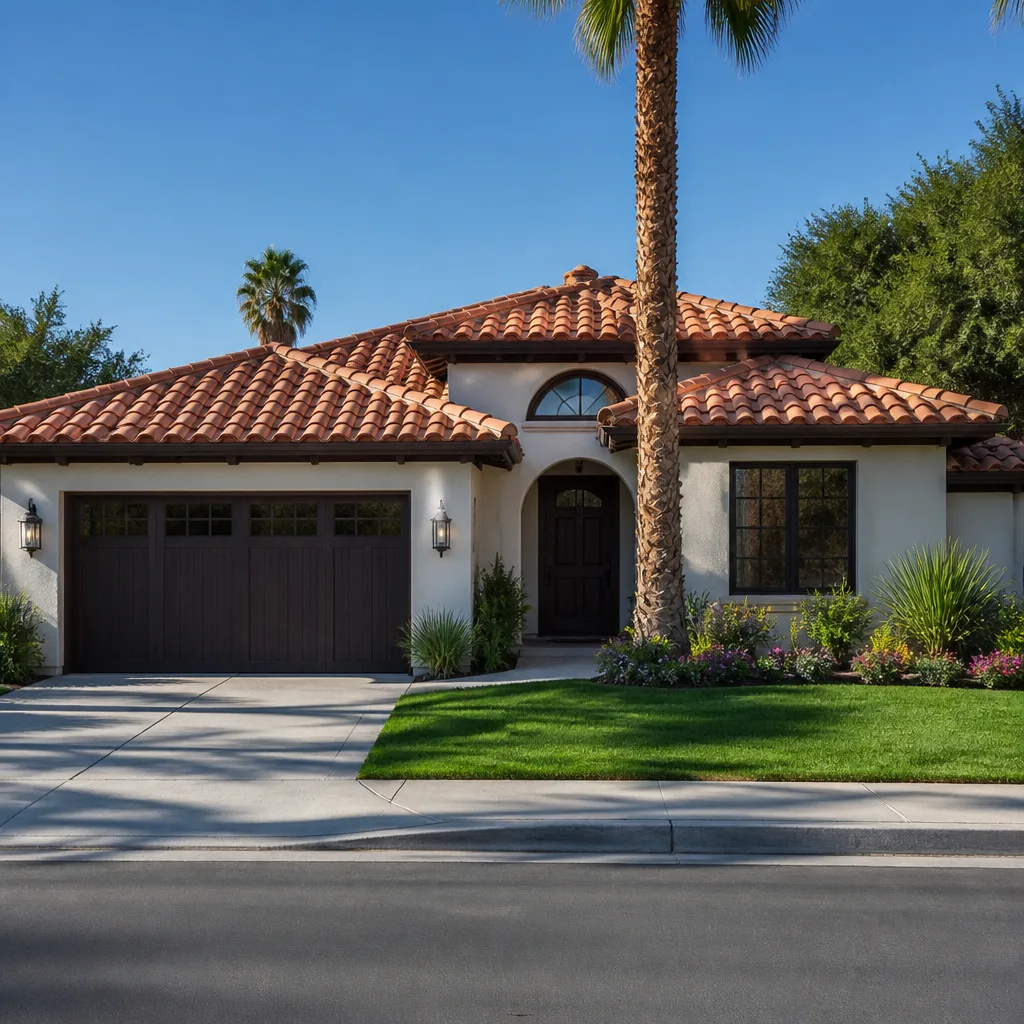
- Finials, scrollwork, and caps. Decorative tops are pure aesthetics and pull the price up. Keep them if the house has a Spanish revival or craftsman detail they echo, skip them if the house is a flat stucco box that will look busier with them.
What Iron Fence Costs in Lynwood, CA
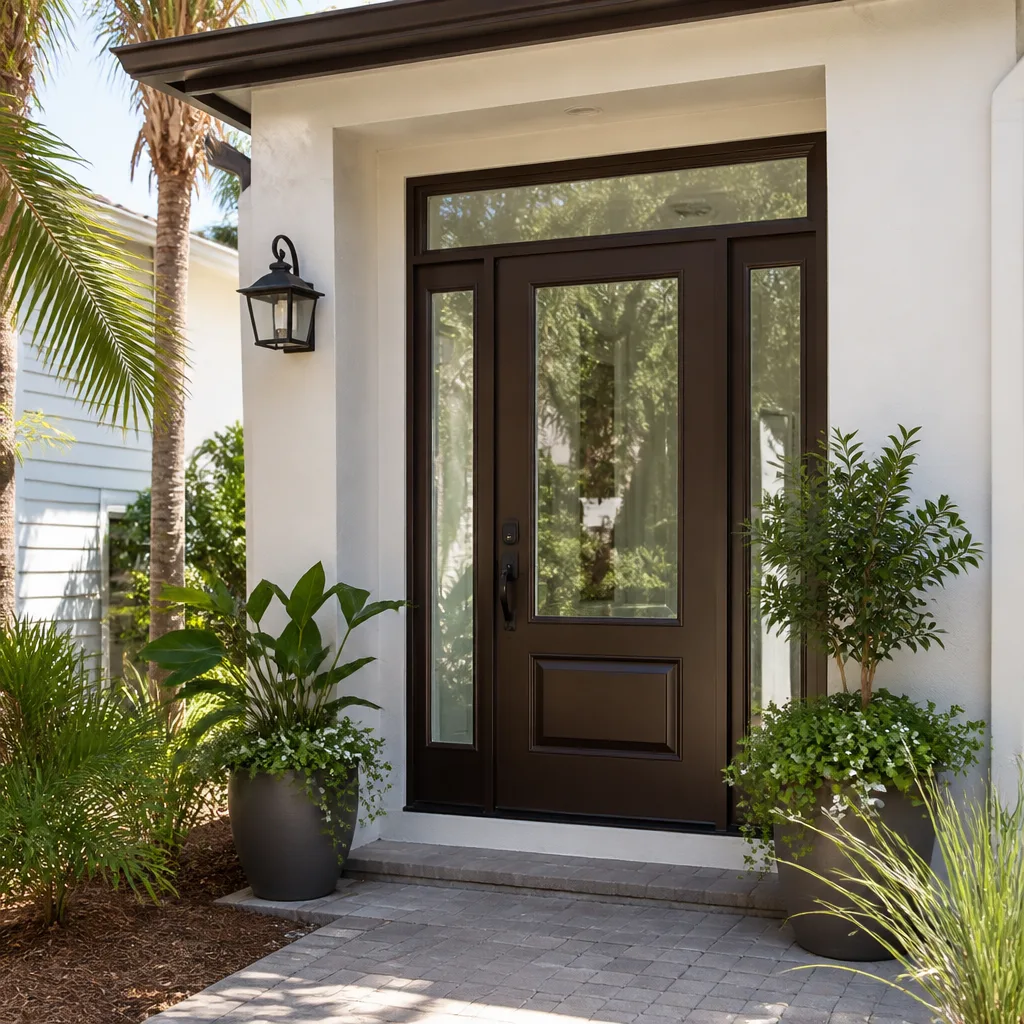
Plan on $3,500 to $9,000 for iron fencing on a typical Lynwood lot, and treat that as the honest range, not a teaser number. There’s a reason the range is that wide, and it’s the same five variables every time.
| Line item | Typical range |
|---|---|
| Front-yard run (40-60 linear ft), tubular steel | $3,500 – $6,000 |
| Full perimeter (120-160 linear ft) | $6,500 – $9,000 |
| Single walk gate with quality hinges | $400 – $1,100 |
| Driveway gate, manual | $1,200 – $2,800 |
| Upgrade to powder-coat finish | Adds 10 – 20% |
| Automatic gate opener | $1,500 – $3,500 add-on |
The variables that move it: total linear footage, existing fence removal and haul-away, slope or grade along the run, footing difficulty (compact soil versus fill), and whether you’re upgrading to powder-coat or adding gates and automation.
A written estimate from us lists the footage, post spacing, footing depth, gauge and finish of the material, gate hardware, and any demo and disposal. What it typically doesn’t include: utility relocation if the locator flags a line inside the fence path, damage to existing landscaping from digging, or new concrete where the fence meets a driveway apron. Those come up as line items, not surprises buried in the final bill. Part of a Fence Installation in Lynwood project that also touches a side yard or back boundary? The footage and pricing scale together and we’ll quote it as one scope.
See the difference
 Before
 After
 Before
 After
 Before
 After
What Lynwood Lots Specifically Do to This Job
Lynwood is a densely built, working-class city where most of the housing stock is one-story 1920s-to-1960s stucco-over-wood-frame on 5,000 to 6,000 square foot lots. That pattern changes two things about iron fence work here. First, property lines are tight and shared with neighbors, so staking the run requires care and often a conversation. Second, older detached garages and history of unpermitted additions mean buried conduit, old irrigation, or the surprise of a former converted garage floor where a fence post wants to go. We’ve found old slab edges in yards off Long Beach Boulevard that had no business being where they were. Rear-alley lots are the ones we tread most carefully on, because the alley-facing garages that make this city an ADU goldmine tend to sit on substandard footings. The horizontal slat metal look people are copying from Instagram also lands well here since it visually opens a narrow front yard, but it costs more than standard vertical picket. If your project grows into a wider scope, our Fence Installation service covers it, and neighbors in Lynwood often pair a new front fence with Patios, Walkways & Pool Decks in Lynwood or, on the larger lots, ADU Design & Permitting in Lynwood.
Serving Lynwood, CA – Our Local Coverage Area
We serve Lynwood and nearby communities. Use the map below to see the area we cover. If you’re nearby, we can almost certainly help.
Frequently Asked, Iron Fence in Lynwood
Most Lynwood iron fence jobs run two to four working days from site staking to final walkthrough. A 40-foot front run is often done in two days. A full perimeter with a driveway gate and automatic opener stretches to four. Weather can add a day if concrete footings need extra cure time after a wet spell. Call (888) 345-8164 for a schedule after we’ve seen the property.
Fence permits depend on height, location, and whether it’s on a corner lot or near a driveway sight line, so the honest answer is that we check before we build, not after. Most residential iron fences under six feet on a standard interior lot don’t need a permit; anything taller, or a corner-lot run, usually does. We handle the permit check and pull what’s needed. That’s part of what a licensed contractor is for.
Yes, in most cases. We dig individual post holes rather than trenching, so the disruption is spot-sized and not strip-sized. We pull existing fence and haul it away if there is one, but if your lawn or planting beds can stay, they stay. The one thing we can’t avoid disturbing is the concrete footings, which sit right at the post line. Call (888) 345-8164 to walk the yard and confirm what stays and what moves.
Iron and steel run $3,500 to $9,000 for a typical Lynwood job, roughly in line with vinyl and aluminum and above basic wood. The cost-per-year math is where iron usually wins: a well-installed, powder-coated steel fence lasts far longer than wood and needs far less upkeep. Call (888) 345-8164 for an exact quote on your footage. Estimates are free and written.
Every iron fence we install is backed by our 730-Day Done Right Promise: if any aspect of the install isn’t right – a leaning post, a gate that drags, a finish that fails prematurely – we come back and make it right within that window. Material manufacturer warranties sit on top of that. We put the workmanship guarantee in writing. Call (888) 345-8164 and we’ll walk through the exact terms.
Get a Free Iron Fence Estimate in Lynwood
Call (888) 345-8164 to schedule a free on-site estimate for iron fence in Lynwood. We’ll walk the property with you, mark the run, talk through tubular steel versus aluminum and powder-coat versus paint, and hand you a written, line-item quote with no surprise charges. A live person answers the phone around the clock. If you’re comparing bids, bring them. We’ll tell you what’s missing.
Written by the team at Groundwork Construction Co.